WMS, WCS and WES — How Warehouse Software Actually Fits Together
Functional boundaries, integration patterns and how to avoid vendor lock-in across the warehouse software stack.
Three acronyms — WMS, WCS, WES — cover the brains of every automated warehouse. Vendors blur the boundaries on purpose; operators pay for it later. This guide draws the lines clearly, then shows the integration patterns that keep your stack vendor-agnostic and your conveyors busy.
1. The three layers in one sentence each
- WMS (Warehouse Management System): inventory, orders, waves, labour planning. The system of record.
- WCS (Warehouse Control System): real-time choreography of conveyors, sorters, AS/RS, robots. Sub-second decisions.
- WES (Warehouse Execution System): optimisation layer that sits between the two — wave release, dynamic slotting, balancing across resources.
2. Where the boundaries actually fall
| Responsibility | WMS | WES | WCS |
|---|---|---|---|
| Inventory truth | ✔ | ||
| Order allocation | ✔ | ||
| Wave release timing | ✔ | ||
| Pick path optimisation | ✔ | ||
| Conveyor zone logic | ✔ | ||
| Sortation decisions | ✔ | ||
| Robot fleet routing | ✔ | ||
| Slotting analytics | ✔ |
3. Do I need all three?
If you run a single conveyor line and one picker station, your WMS + the conveyor vendor's built-in controller is enough. The moment you have two or more automated subsystems that must hand work between each other, you need a WCS. A separate WES is justified above ~30 000 lines/day or when you run multiple fulfilment models concurrently (B2B + e-com + returns).
4. Integration patterns that survive vendor changes
- REST + webhooks for WMS↔WES communication (orders, waves, status).
- OPC-UA or MQTT for WCS↔PLC traffic.
- Event bus (Kafka, RabbitMQ) when more than three systems need the same telemetry.
- VDA 5050 for robot fleets — mandatory in new tenders.
- Keep message schemas under version control and contract-test on every release.
5. The lock-in traps
- Conveyor vendors offering a "free" WCS bundled with hardware — you'll never replace either independently.
- Closed protocols between robot fleet manager and WCS.
- WMS modules that pretend to be a WCS — fine for one subsystem, painful for two.
6. A reference architecture
ERP → WMS → WES → WCS → PLC / Robot fleet → Hardware
                ↘   ↑
                 Event bus (Kafka)
Every arrow should be an open protocol with a versioned schema. Every layer should be replaceable.
7. Real-world projects
Easy Systems integrates conveyor and automation hardware with the WMS/WCS/WES stack across Benelux operators — including the painful retrofits where lock-in has to be unwound.
Every article in this guide.
 Logistics Optimization
Conveyors in Urban Last Mile Delivery: A Benelux Focus
In dense Benelux urban centers, conveyor systems within micro-fulfillment hubs are essential for optimizing last mile delivery. They accelerate order processing, reduce sorting errors, and enable later cut-off times, directly impacting delivery speed and cost-efficiency.
 Warehouse Automation
Automated Case Picking: The Role of Coordinated Conveyor Systems
Intelligently coordinated conveyor systems are the backbone of modern automated case picking operations, enabling Benelux warehouses to achieve picking rates over 500 cases per hour and order accuracy above 99.9%. This article explores the key technologies, benefits, and implementation strategies.
 Warehouse Automation
Human-Robot Collaboration on the Conveyor Line: A Benelux Guide
Explore how collaborative robots (cobots) are safely and efficiently integrated into conveyor lines in Benelux warehouses. This guide covers safety standards, implementation, and ROI for effective human-robot teams.
 Logistics Optimization
Energy Management in Sustainable Conveyor Systems for the Benelux
Optimizing energy management in conveyor systems can reduce operational costs by up to 60% and significantly lower CO₂ emissions. This guide explores sustainable technologies like MDR and smart controls for logistics hubs in the Benelux.
 Warehouse Automation
Modular Robotics for Flexible Warehouse Logistics
Modular robotics revolutionizes warehouse automation by using interchangeable components for ultimate flexibility. This approach allows logistics operations to scale and adapt to market changes rapidly, significantly cutting costs and downtime.
 Logistics Optimization
Zero-Emission Intralogistics: Electric Conveyors in Benelux Warehouses
Electric conveyor systems are pivotal for achieving zero-emission intralogistics in the Benelux. This article explores the technologies, benefits, and financial implications, showing how warehouses can reduce their carbon footprint by up to 30% while improving operational efficiency.
 Logistics Optimization
Conveyors for End-of-Line Packaging & Palletizing in Benelux
In Benelux warehouses, integrating conveyor systems into end-of-line packaging and palletizing is critical for achieving high throughput. This article covers the key systems, from case sealers to robotic palletizers, that drive efficiency.
 Warehouse Automation
The Role of AI in WCS for Benelux Conveyor Systems
AI-powered Warehouse Control Systems are transforming conveyor operations in the Benelux, moving beyond simple automation to predictive, self-optimizing material flow. This unlocks major gains in efficiency, throughput, and resilience for logistics hubs in the Netherlands, Belgium, and Luxembourg.
 Warehouse Automation
Machine Vision in Conveyor Systems for QC & Optimisation
Machine vision systems are crucial for modern warehouse automation, using cameras and software to inspect products, verify labels, and guide sorting on conveyor belts. This enhances quality control and optimizes material flow in busy Benelux logistics hubs.
 Logistics Optimization
The Role of AI in Conveyor Route & Schedule Optimization
AI-driven algorithms are transforming conveyor logistics, enabling real-time route adjustments and predictive maintenance to optimize material flow. This shift boosts throughput, reduces energy consumption, and significantly improves operational efficiency in modern distribution centers.
 Logistics Optimization
Circularity in Conveyor Systems: A Benelux Guide to Greener Logistics
Discover how to transition from linear to circular conveyor systems in your Benelux warehouse. This guide covers modular design, energy efficiency, and material recycling to create a more sustainable and cost-effective logistics operation.
 Logistics Optimization
Sustainability in Logistics: Green Conveyors & CO2 Reduction
Implementing green conveyor systems is a key strategy for sustainable intralogistics. By focusing on energy-efficient motors, modular design, and intelligent automation, warehouses can significantly reduce energy consumption by up to 70% and lower their overall carbon footprint.
 Warehouse Automation
Optimizing Conveyor Performance with Fleet Management Software: A Practical Approach for Benelux Warehouses
Fleet management software offers a centralized solution for monitoring, analyzing, and optimizing conveyor systems. This approach moves beyond basic control to unlock significant gains in throughput, uptime, and efficiency for modern Benelux warehouses.
 Logistics Optimization
Optimizing Intralogistics: Cross-Docking & Conveyors in Benelux
Automated cross-docking using conveyor systems is revolutionizing Benelux logistics by minimizing storage time and accelerating throughput. This strategy uses technologies like belt and roller conveyors to move goods directly from inbound to outbound, drastically cutting handling costs and improving delivery speeds.
 Warehouse Automation
Cybersecurity for Automated Conveyor Systems: Risks & Prevention
Protect your warehouse automation from cyber threats. This guide covers key risks for conveyor systems in the Benelux, from PLC vulnerabilities to network intrusions, and provides concrete prevention strategies to ensure operational continuity and data integrity.
 Logistics Optimization
Financing and ROI of Conveyor Systems: A Benelux Guide
Explore the financial aspects of investing in conveyor systems for your Benelux warehouse. This guide covers everything from initial costs and financing options like leasing and subsidies to calculating a realistic Return on Investment (ROI) and understanding the long-term value.
 Logistics Optimization
Quick Response Manufacturing (QRM) with Modular Conveyors in the Benelux
Implementing Quick Response Manufacturing (QRM) with modular conveyor systems allows Benelux companies to drastically cut lead times and improve market responsiveness. This guide explores the synergy between QRM strategy and flexible, scalable conveyor technology for high-mix, low-volume production.
 Warehouse Automation
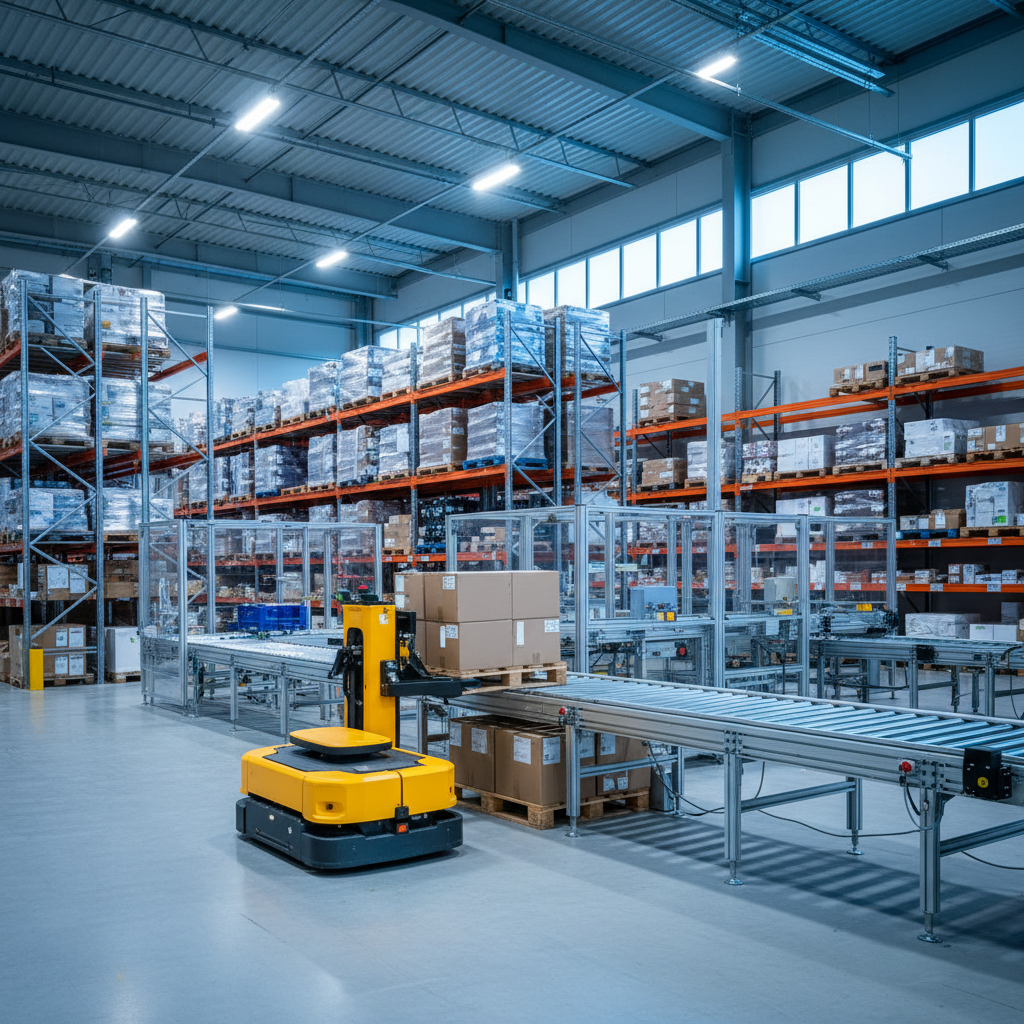
AGVs and Conveyors: A Guide to Seamless Warehouse Integration
Integrating Automated Guided Vehicles (AGVs) with conveyor systems bridges automation gaps, creating a fluid, uninterrupted material flow. This powerful combination boosts efficiency, flexibility, and throughput in European distribution centers.
 Warehouse Automation
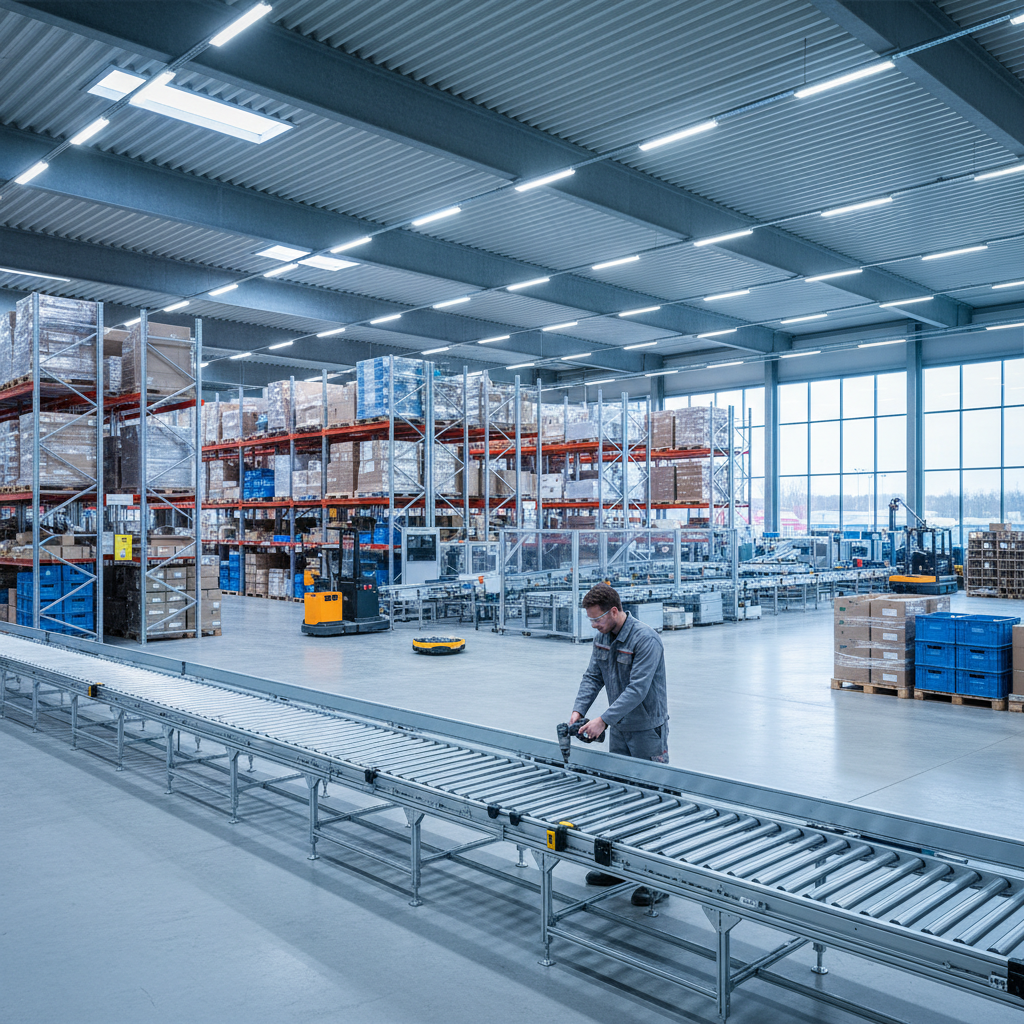
Future-Proofing Your Warehouse: How Scalable Conveyor Systems Adapt to Growth in the Benelux
Scalable conveyor systems offer the flexibility Benelux warehouses need to manage growth and seasonal peaks. By investing in modular designs, businesses can expand capacity, integrate new technologies, and optimize material flow without costly overhauls.
 Logistics Optimization
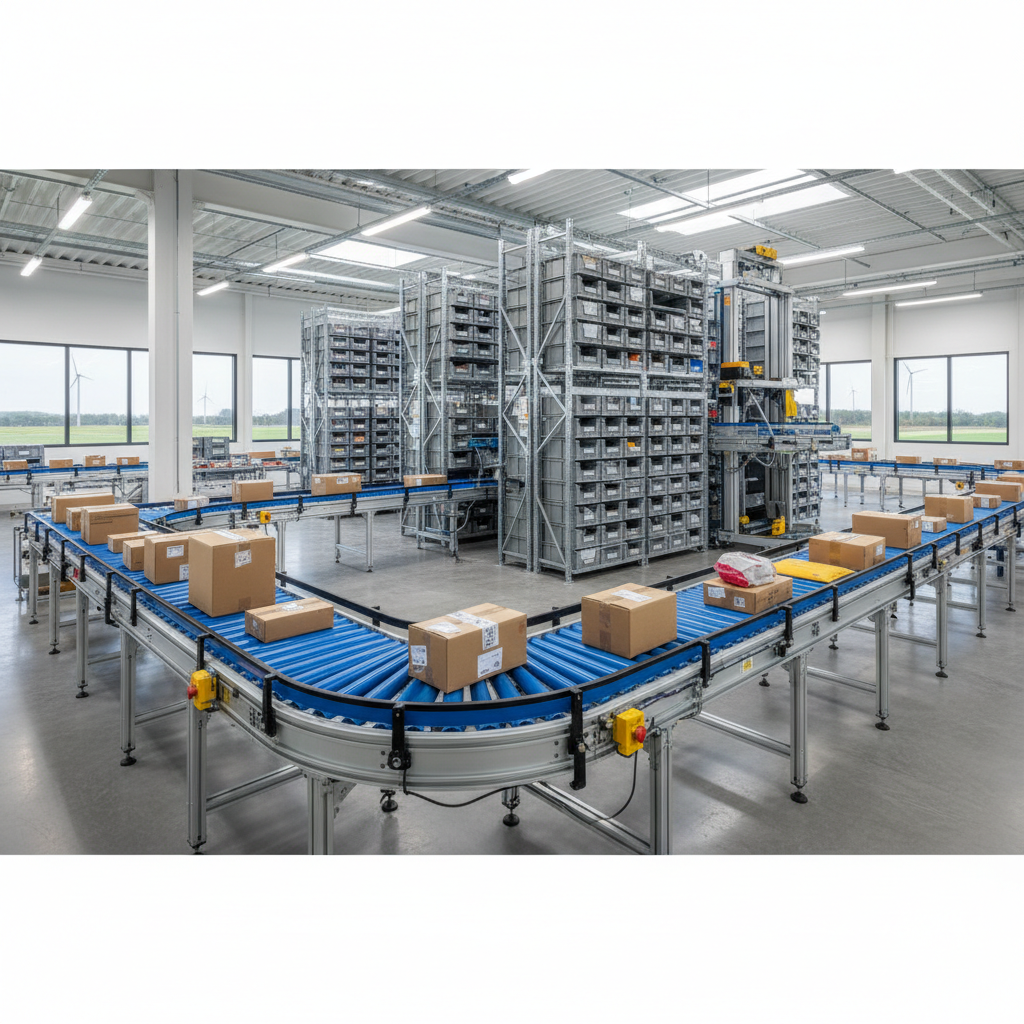
Future-Proofing Your Conveyor System: Adapting to Evolving Benelux Consumer Demands
With Benelux consumer demands for speed and flexibility at an all-time high, a static conveyor system is a liability. This guide explores the principles of future-proofing your logistics with modular, scalable, and data-driven conveyor solutions.
 Logistics Optimization
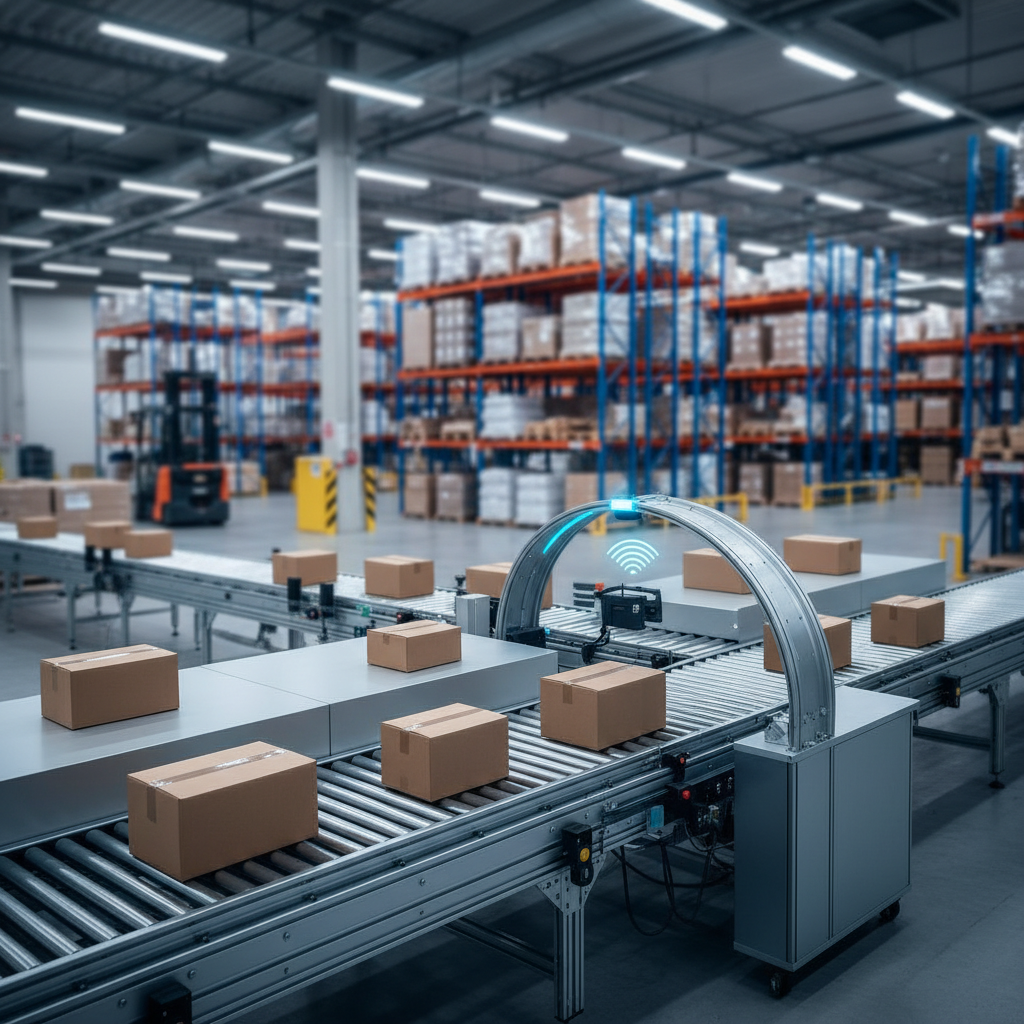
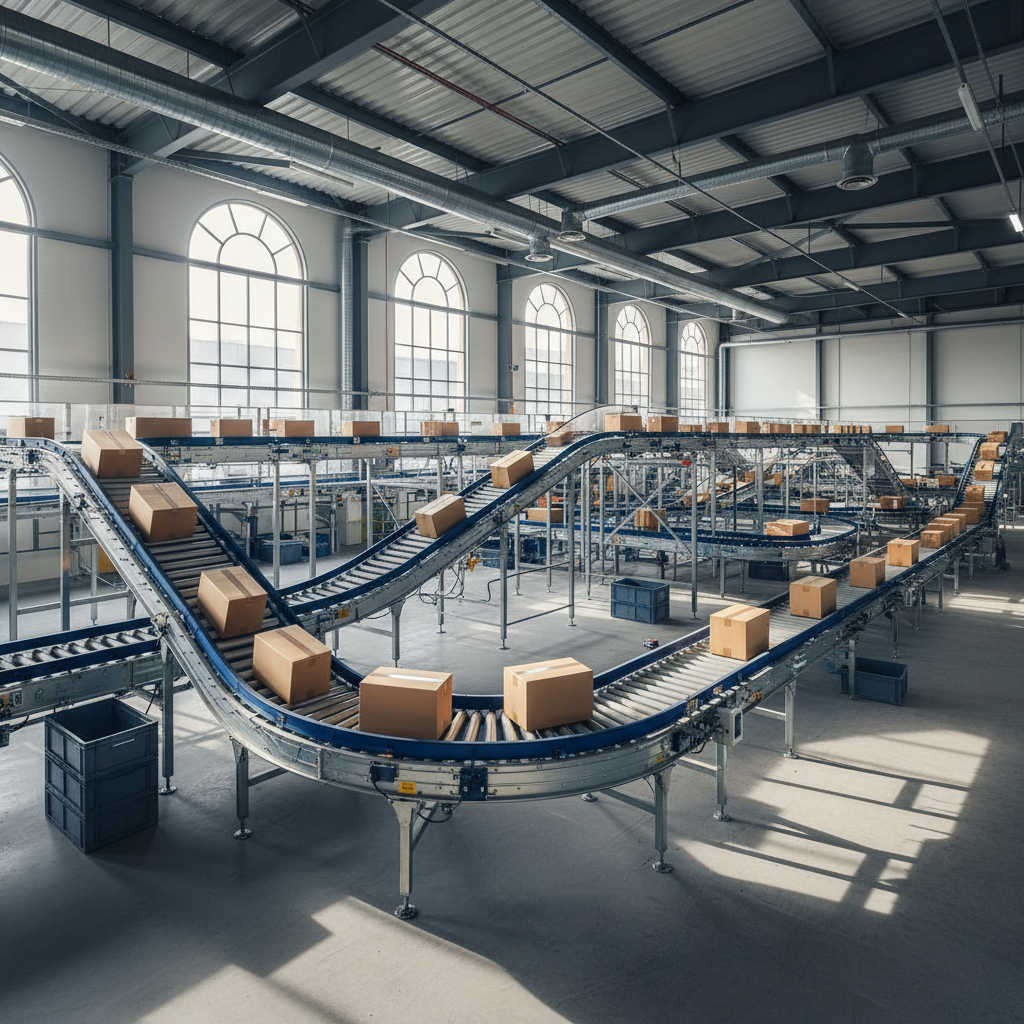
RFID on Conveyors: Real-Time Tracking for Benelux Warehouses
Integrating RFID readers with conveyor systems automates data capture, providing real-time inventory visibility and 99%+ accuracy. This is crucial for high-volume logistics hubs in the Benelux, streamlining operations from inbound to outbound.
 Logistics Optimization
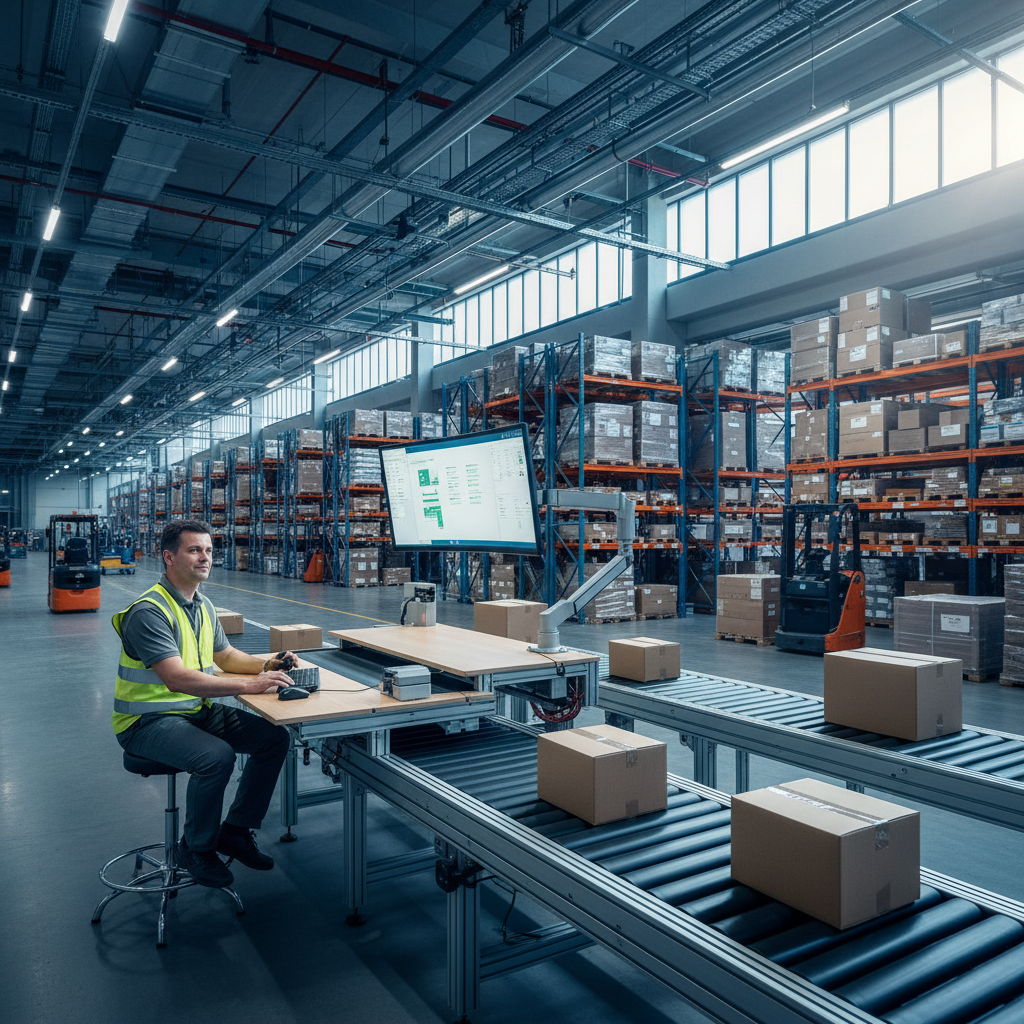
Supply Chain Resilience: How Conveyors Mitigate Benelux Disruptions
In the dense logistics landscape of the Benelux, conveyor systems are crucial for supply chain resilience. They provide the operational flexibility and automation needed to counter disruptions like labor shortages and port delays, ensuring consistent throughput.
 Logistics Optimization
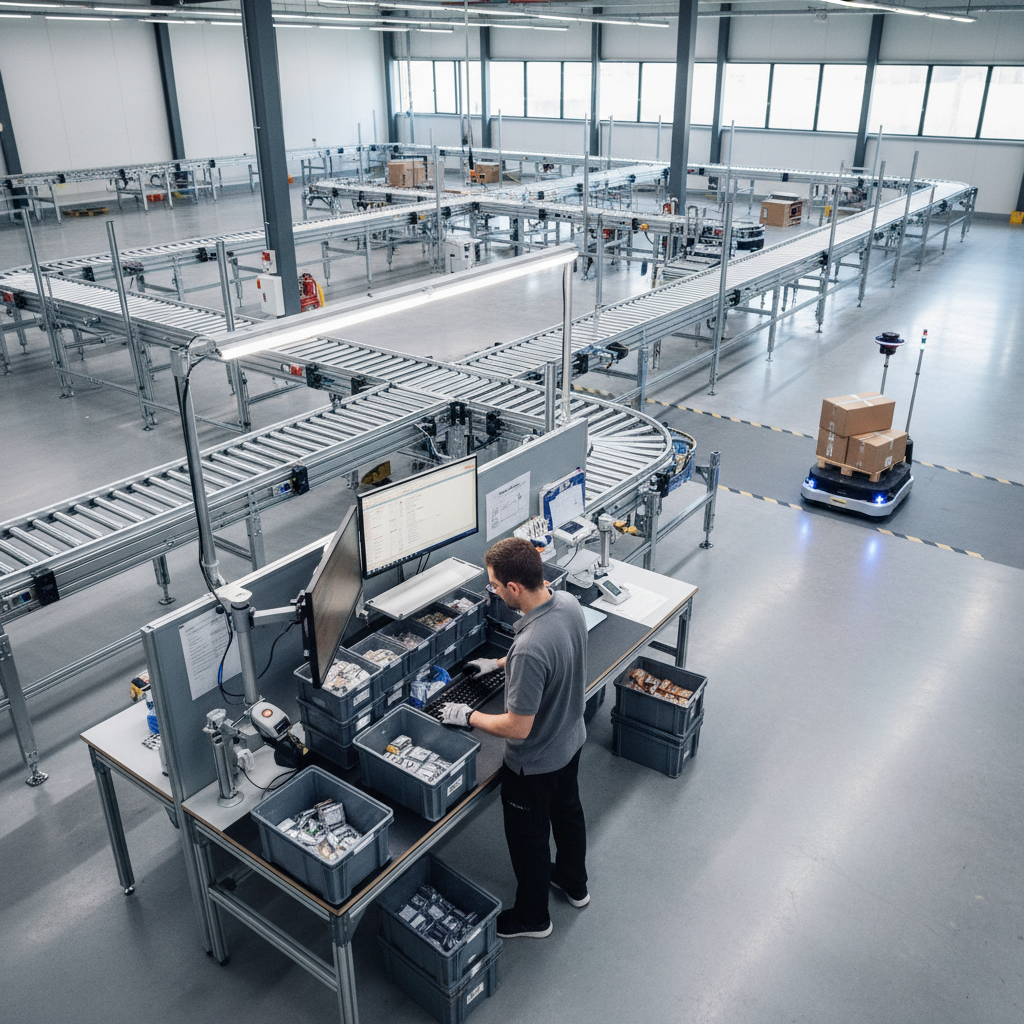
Ergonomics in Conveyor System Design: Reducing Operator Strain in Benelux Warehouses
Optimizing conveyor system ergonomics is crucial for reducing physical strain on warehouse operators. This article explores key design principles, from adjustable heights to automated solutions, that enhance safety and efficiency in the Benelux logistics sector.
 Warehouse Automation
From Manual to Automated: A Step-by-Step Guide for Benelux Companies Transitioning Their Material Handling
This guide provides Benelux logistics managers with a clear, step-by-step framework for transitioning from manual to automated material handling. Discover how to analyze operations, define objectives, select technology, and ensure a smooth implementation for improved efficiency and ROI.
Planning a new conveyor or automation project?
Easy Systems designs and installs internal transport, conveyor and warehouse automation systems across the Benelux. Tell them about your flow — they'll come back with a system that scales.