Logistics Optimization
Layout, throughput and process engineering for distribution centers.
Hardware decisions follow process design. Before you specify a conveyor or a robot, you optimise the warehouse layout, the order profile and the flow. This category collects practical methods for measuring current performance, modelling alternatives and proving the gain before committing capital.
Topics include slotting, ABC analysis, wave vs. discrete picking, dock-to-stock cycle time, simulation, and the KPIs that matter to operations and finance. Examples are drawn from Benelux distribution centers.
Articles in Logistics Optimization
 Logistics Optimization
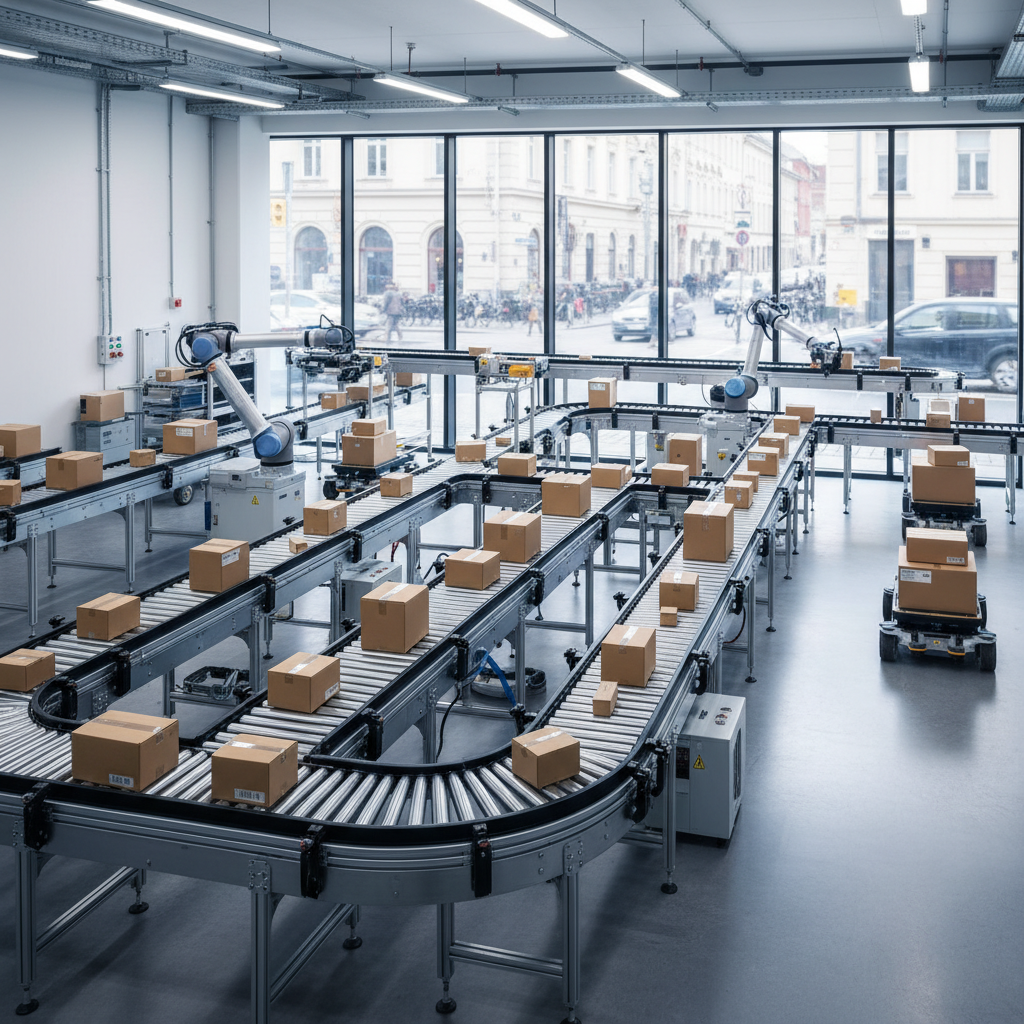
Conveyors in Urban Last Mile Delivery: A Benelux Focus
In dense Benelux urban centers, conveyor systems within micro-fulfillment hubs are essential for optimizing last mile delivery. They accelerate order processing, reduce sorting errors, and enable late
 Logistics Optimization
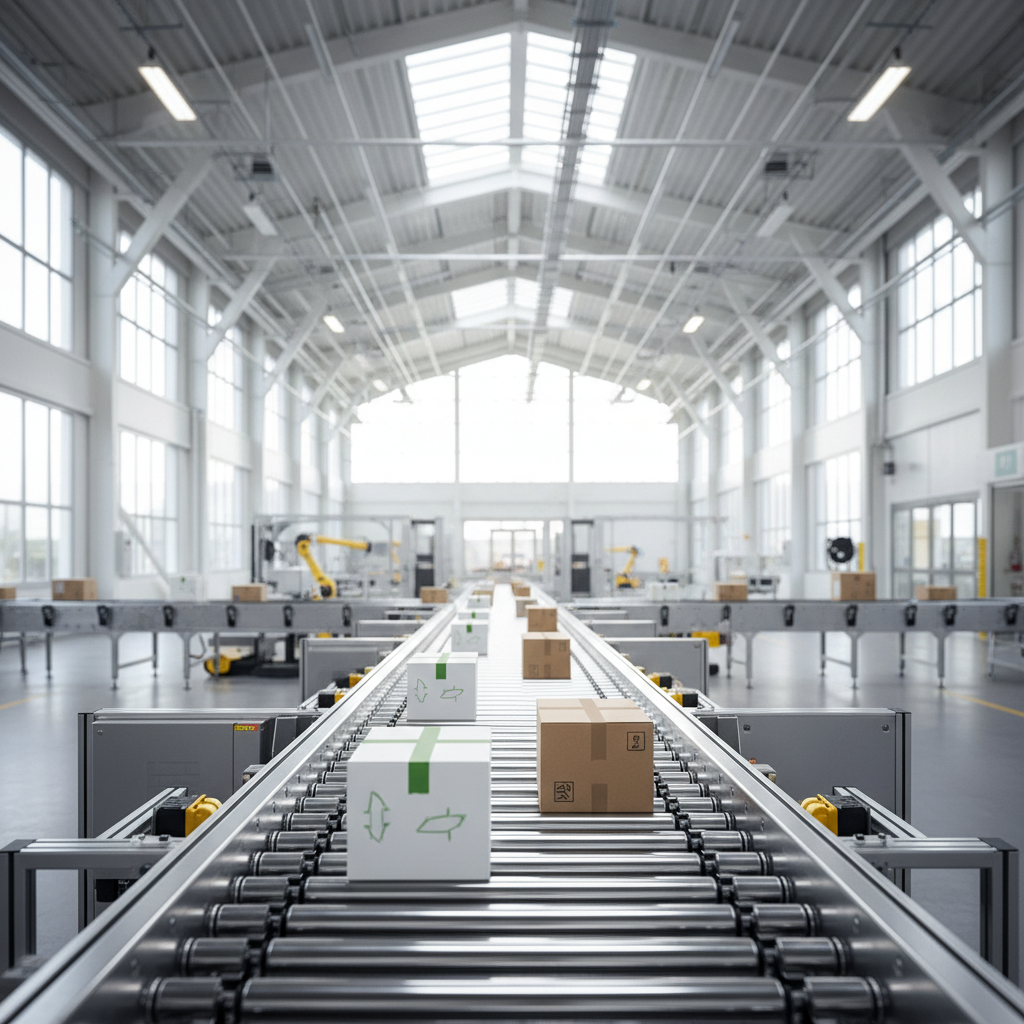
Energy Management in Sustainable Conveyor Systems for the Benelux
Optimizing energy management in conveyor systems can reduce operational costs by up to 60% and significantly lower CO₂ emissions. This guide explores sustainable technologies like MDR and smart contro
 Logistics Optimization
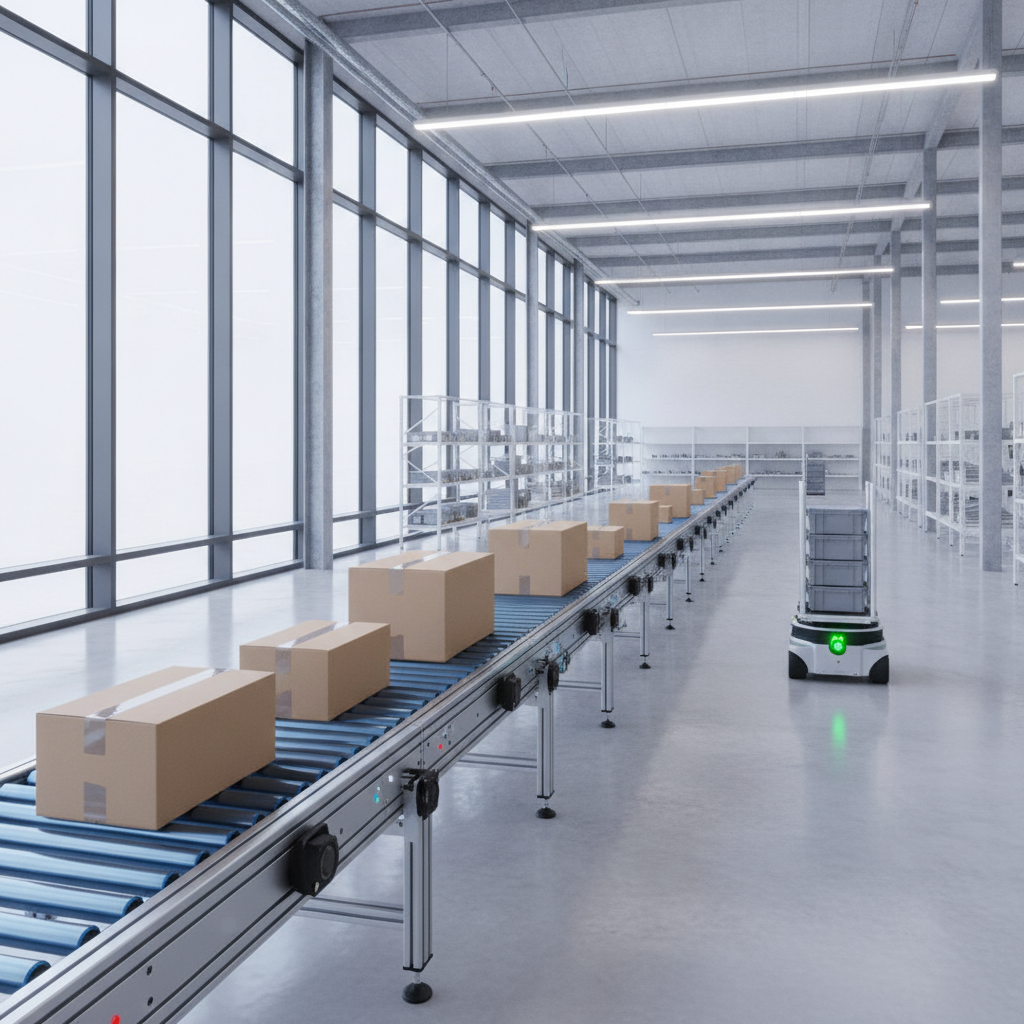
Zero-Emission Intralogistics: Electric Conveyors in Benelux Warehouses
Electric conveyor systems are pivotal for achieving zero-emission intralogistics in the Benelux. This article explores the technologies, benefits, and financial implications, showing how warehouses ca
 Logistics Optimization
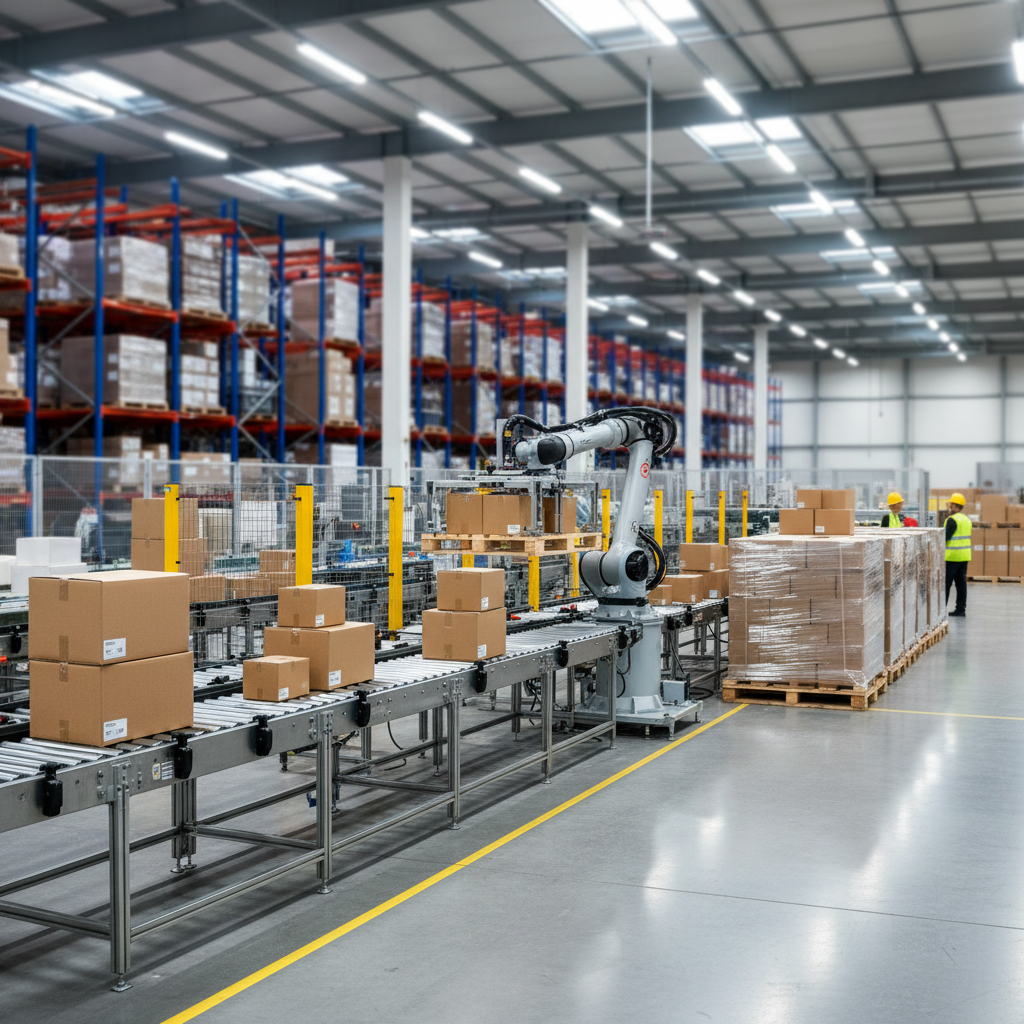
Conveyors for End-of-Line Packaging & Palletizing in Benelux
In Benelux warehouses, integrating conveyor systems into end-of-line packaging and palletizing is critical for achieving high throughput. This article covers the key systems, from case sealers to robo
 Logistics Optimization
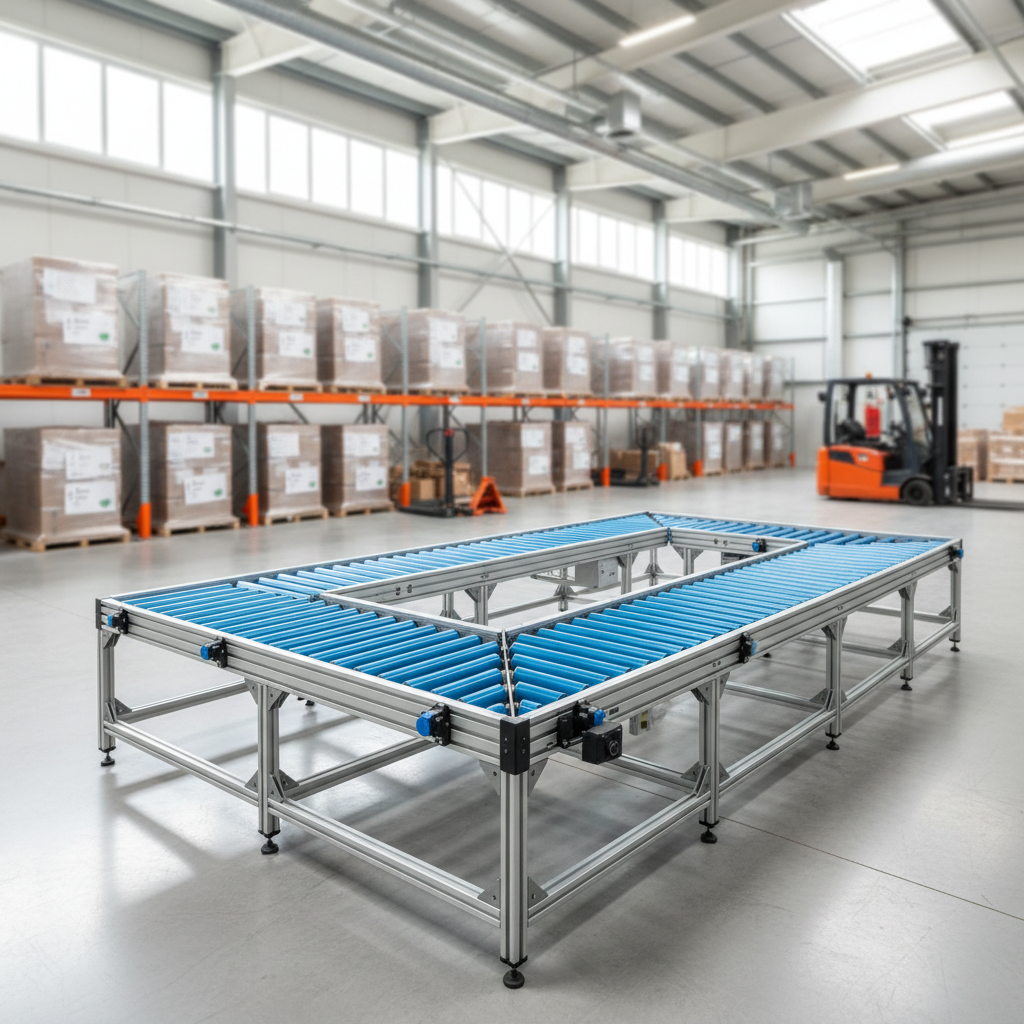
The Role of AI in Conveyor Route & Schedule Optimization
AI-driven algorithms are transforming conveyor logistics, enabling real-time route adjustments and predictive maintenance to optimize material flow. This shift boosts throughput, reduces energy consum
 Logistics Optimization
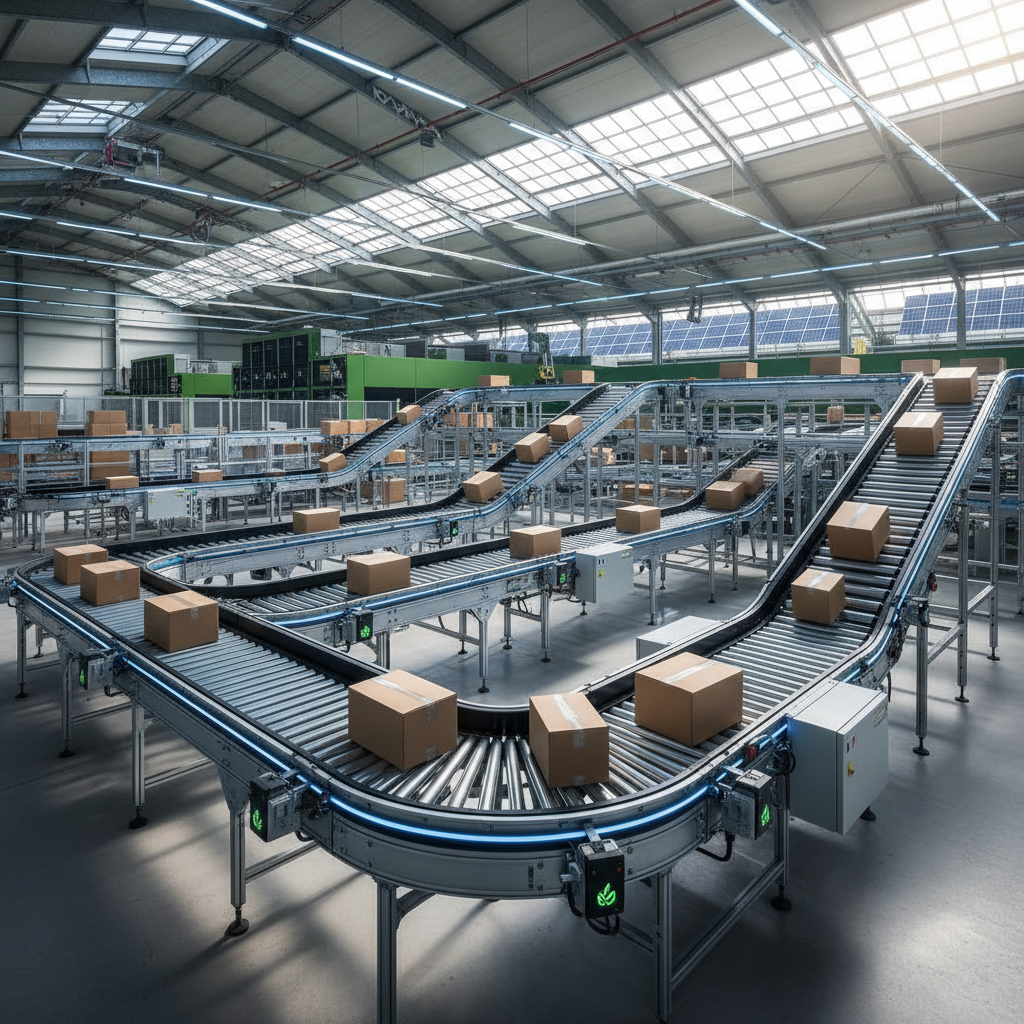
Circularity in Conveyor Systems: A Benelux Guide to Greener Logistics
Discover how to transition from linear to circular conveyor systems in your Benelux warehouse. This guide covers modular design, energy efficiency, and material recycling to create a more sustainable
 Logistics Optimization
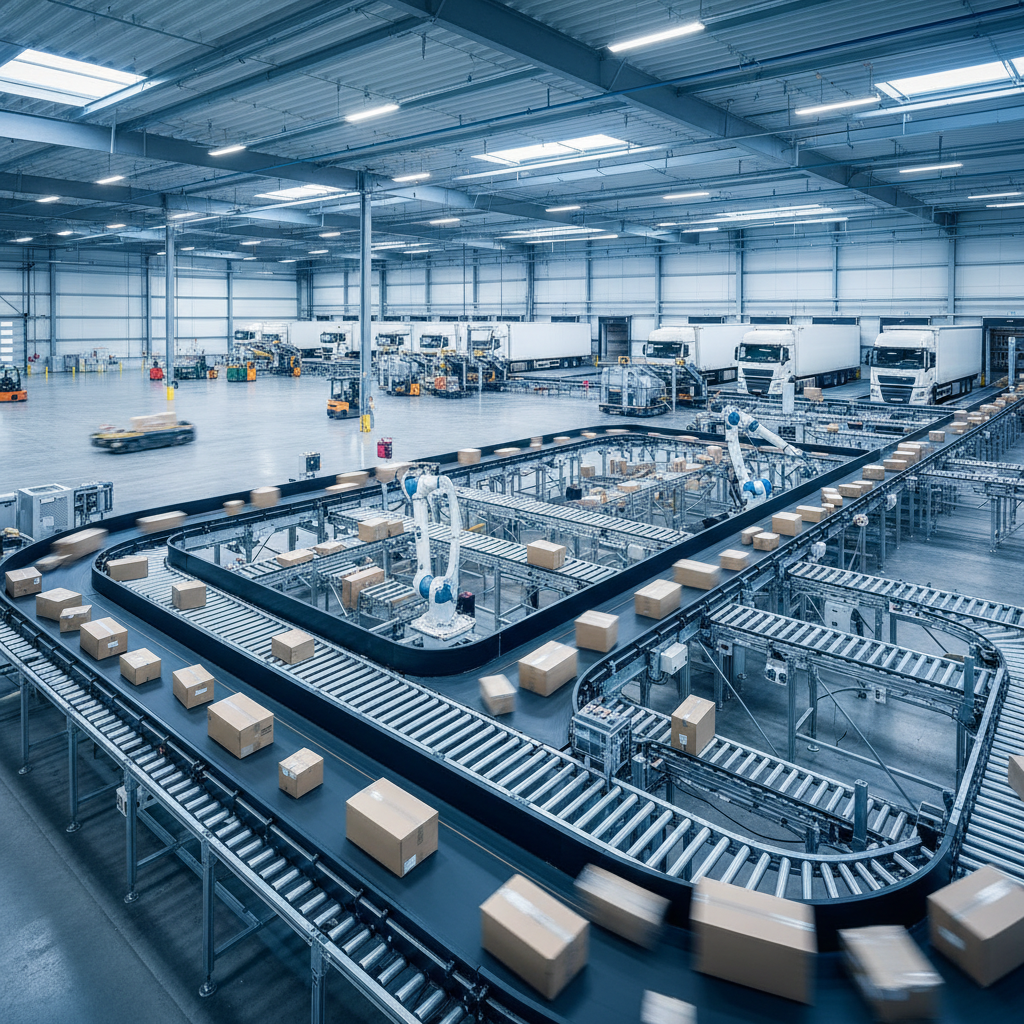
Sustainability in Logistics: Green Conveyors & CO2 Reduction
Implementing green conveyor systems is a key strategy for sustainable intralogistics. By focusing on energy-efficient motors, modular design, and intelligent automation, warehouses can significantly r
 Logistics Optimization
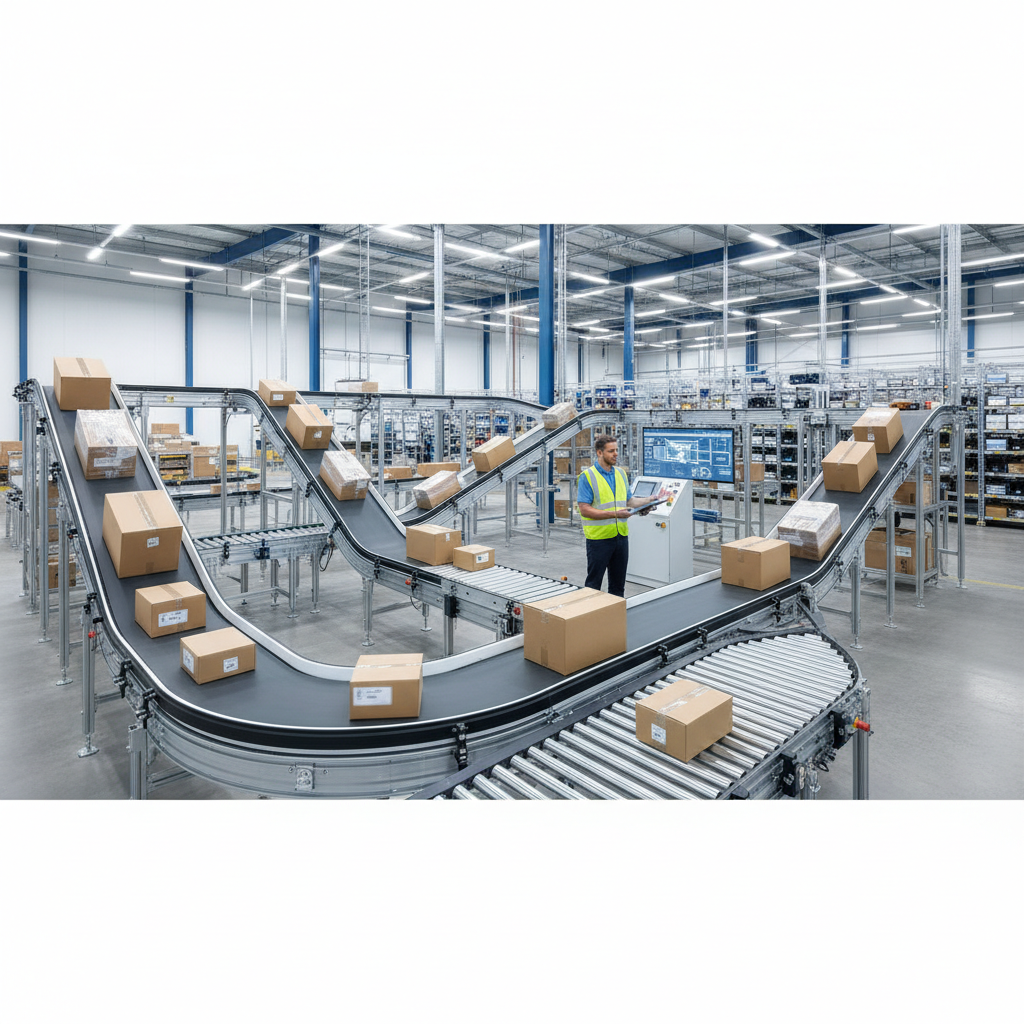
Optimizing Intralogistics: Cross-Docking & Conveyors in Benelux
Automated cross-docking using conveyor systems is revolutionizing Benelux logistics by minimizing storage time and accelerating throughput. This strategy uses technologies like belt and roller conveyo
 Logistics Optimization
Financing and ROI of Conveyor Systems: A Benelux Guide
Explore the financial aspects of investing in conveyor systems for your Benelux warehouse. This guide covers everything from initial costs and financing options like leasing and subsidies to calculati
 Logistics Optimization
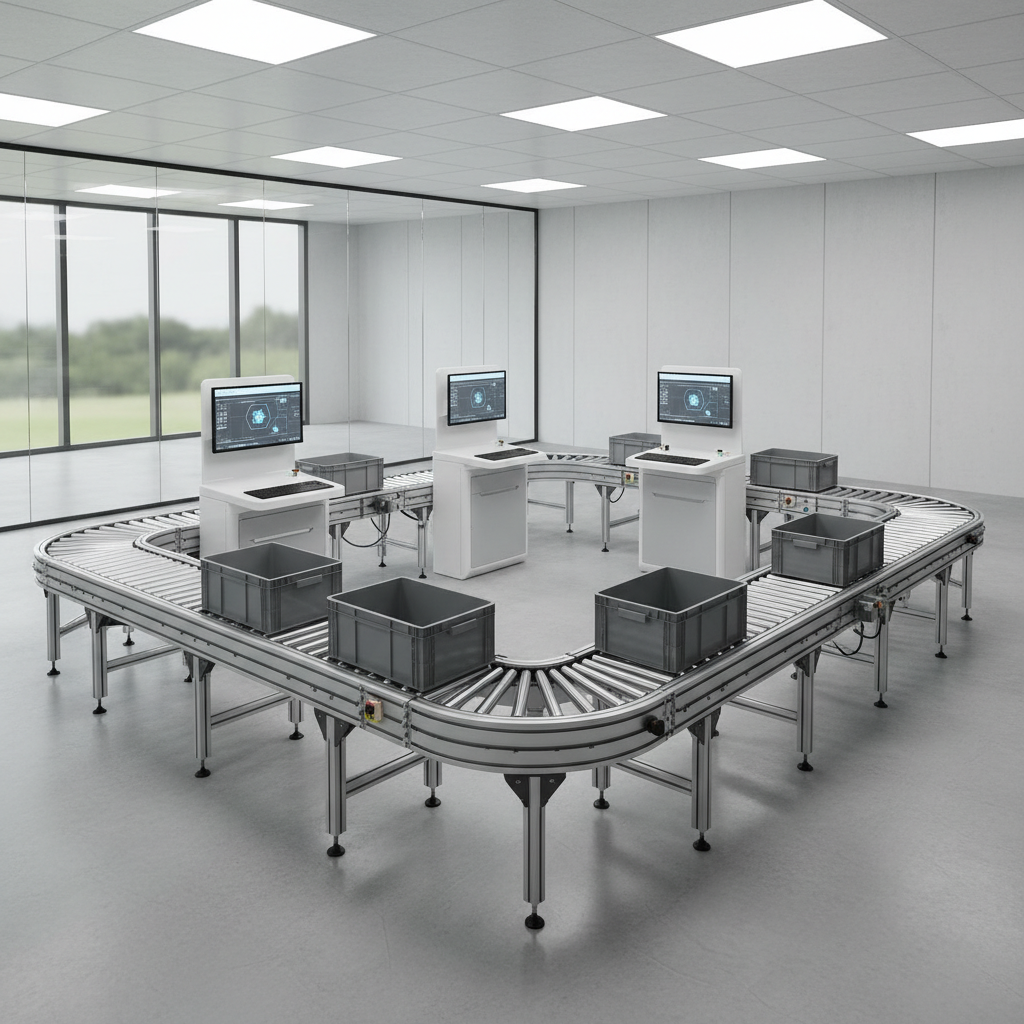
Quick Response Manufacturing (QRM) with Modular Conveyors in the Benelux
Implementing Quick Response Manufacturing (QRM) with modular conveyor systems allows Benelux companies to drastically cut lead times and improve market responsiveness. This guide explores the synergy
 Logistics Optimization
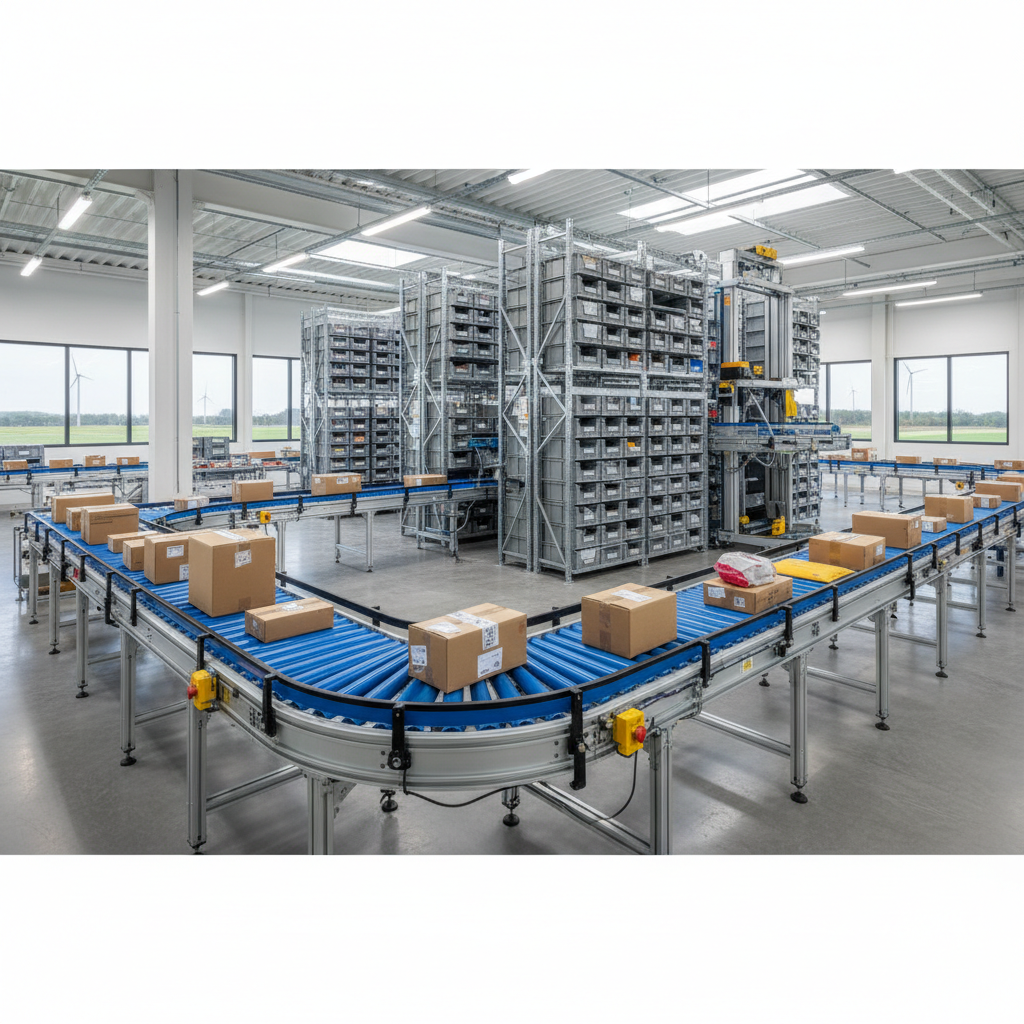
Future-Proofing Your Conveyor System: Adapting to Evolving Benelux Consumer Demands
With Benelux consumer demands for speed and flexibility at an all-time high, a static conveyor system is a liability. This guide explores the principles of future-proofing your logistics with modular,
 Logistics Optimization
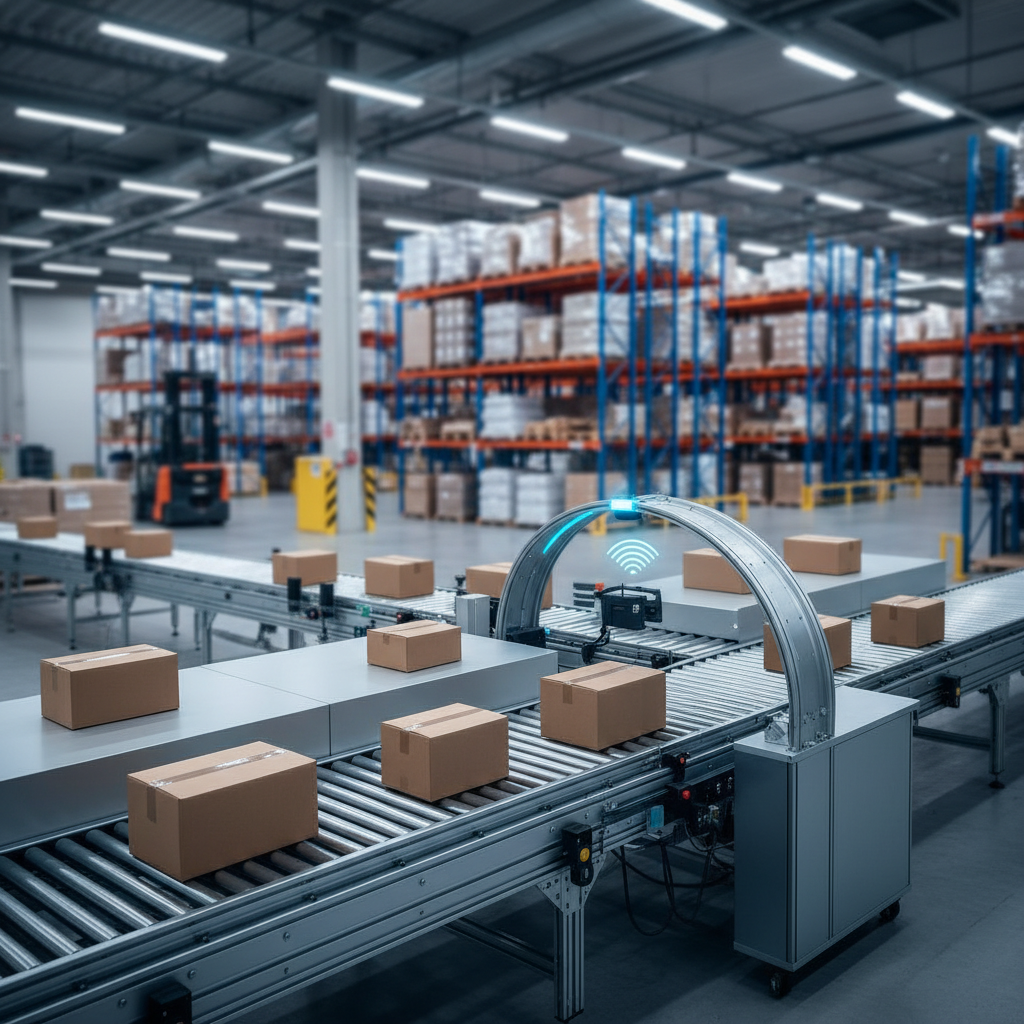
RFID on Conveyors: Real-Time Tracking for Benelux Warehouses
Integrating RFID readers with conveyor systems automates data capture, providing real-time inventory visibility and 99%+ accuracy. This is crucial for high-volume logistics hubs in the Benelux, stream
In-depth guides
Functional boundaries, integration patterns and how to avoid vendor lock-in across the warehouse software stack.
How to pick the right sorter for parcel, retail and e-commerce flows.
About logistics optimization
What are the most useful warehouse KPIs?+
Lines per hour per picker, dock-to-stock time, order accuracy, on-time-in-full (OTIF), cost per order shipped, and storage utilization. Tracking these monthly reveals where automation or process changes pay back.
How do I reduce picking time without automation?+
Slot fast movers in the golden zone, batch and zone pick, use voice or light-directed picking, and rebalance routes weekly based on order data. Typical gain: 15–30% on labour without capex.
What is warehouse simulation and when is it needed?+
Discrete-event simulation models material flows under realistic peak conditions. Use it whenever an investment exceeds ~€500 000 or whenever multiple automated subsystems must interact — it de-risks both design and go-live.
Planning a new conveyor or automation project?
Easy Systems designs and installs internal transport, conveyor and warehouse automation systems across the Benelux. Tell them about your flow — they'll come back with a system that scales.