Modular Robotics for Flexible Warehouse Logistics
Modular robotics revolutionizes warehouse automation by using interchangeable components for ultimate flexibility. This approach allows logistics operations to scale and adapt to market changes rapidly, significantly cutting costs and downtime.
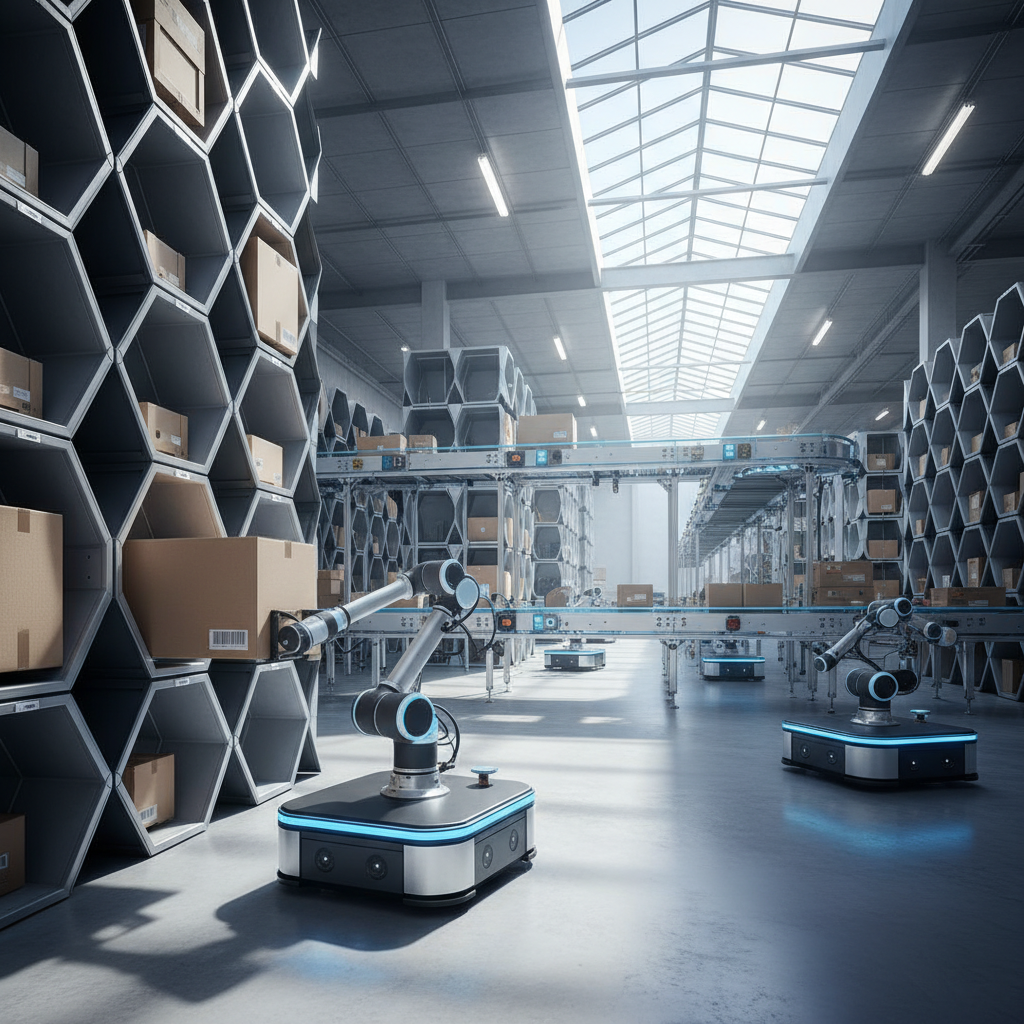
In the fast-paced world of European logistics, the only constant is change. E-commerce growth, seasonal demand peaks, and unpredictable supply chain disruptions require warehouse operations to be more agile than ever. Traditional, fixed automation systems, with their high upfront costs and rigid infrastructure, are struggling to keep up. The solution lies in a new paradigm: modular robotics, a flexible and scalable approach that is reshaping the future of warehouse automation.
Definition
Modular Robotics in a logistics context refers to the design and use of automation systems composed of independent, interchangeable, and interoperable components (or "modules"). These can be combined, reconfigured, and scaled with ease, much like building with LEGO® bricks, to create custom solutions that can adapt quickly to changing operational needs without requiring a complete system overhaul.
Key Numbers
| Metric | Typical Range (EU 2026) | Notes |
|---|---|---|
| Initial Investment (vs. Monolithic) | -15% to -30% | Lower entry cost by starting small and scaling as needed. |
| Reconfiguration Time | 4 - 48 hours | Adapting layouts or workflows for new products or demand peaks. |
| Return on Investment (ROI) | 1.5 - 3 years | Accelerated ROI due to lower CapEx and faster deployment. |
| System Scalability (Annual) | +20% to +300% throughput | Capacity can be increased by simply adding more robotic units. |
| Typical AMR Payload Capacity | 100 kg - 1,500 kg | Covers everything from small totes to full pallets. |
| Energy Consumption (per AMR) | 0.3 - 0.7 kWh | Opportunity charging keeps units running 24/7 with minimal downtime. |
From Fixed Infrastructure to Fluid Operations
For decades, warehouse automation was defined by fixed infrastructure: long-haul belt conveyors, massive sorting machines, and permanent steel racking. While effective for stable, high-volume operations, these systems represent a massive capital investment and a commitment to a single workflow. In today's volatile market, this rigidity is a liability.
Modular robotics offers a fundamentally different approach. Instead of a single, monolithic system, it provides a toolkit of robotic components—mobile bases, manipulators, vision systems, and software—that can be deployed and redeployed as needed. This shift from static to fluid infrastructure empowers logistics managers to design their own automation, perfectly tailored to the task at hand and ready to change at a moment's notice.
Core Components of Modular Robotic Systems
A modular robotic ecosystem is built from several key building blocks designed for interoperability:
- Mobile Platforms: These are typically Autonomous Mobile Robots (AMR) that provide the mobility. Their navigation, based on SLAM or vision, allows them to move freely without fixed infrastructure.
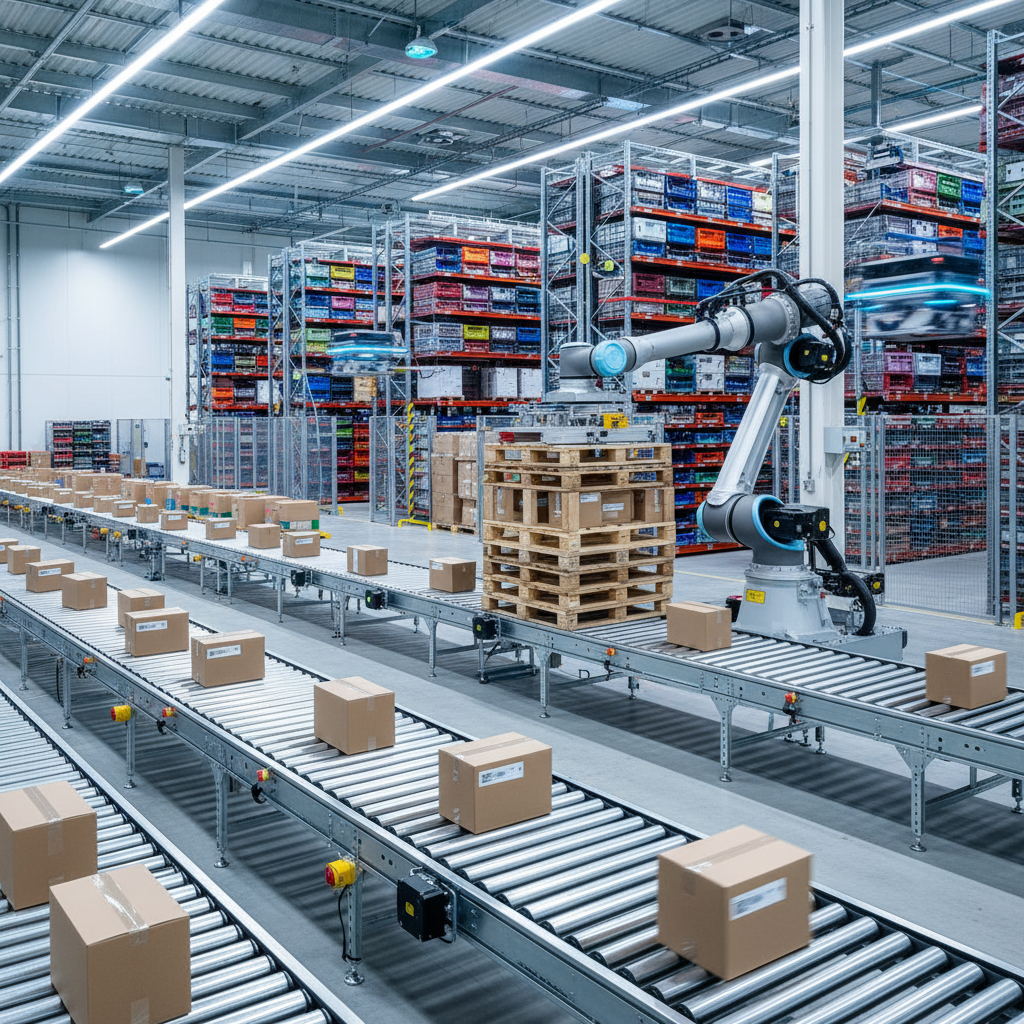
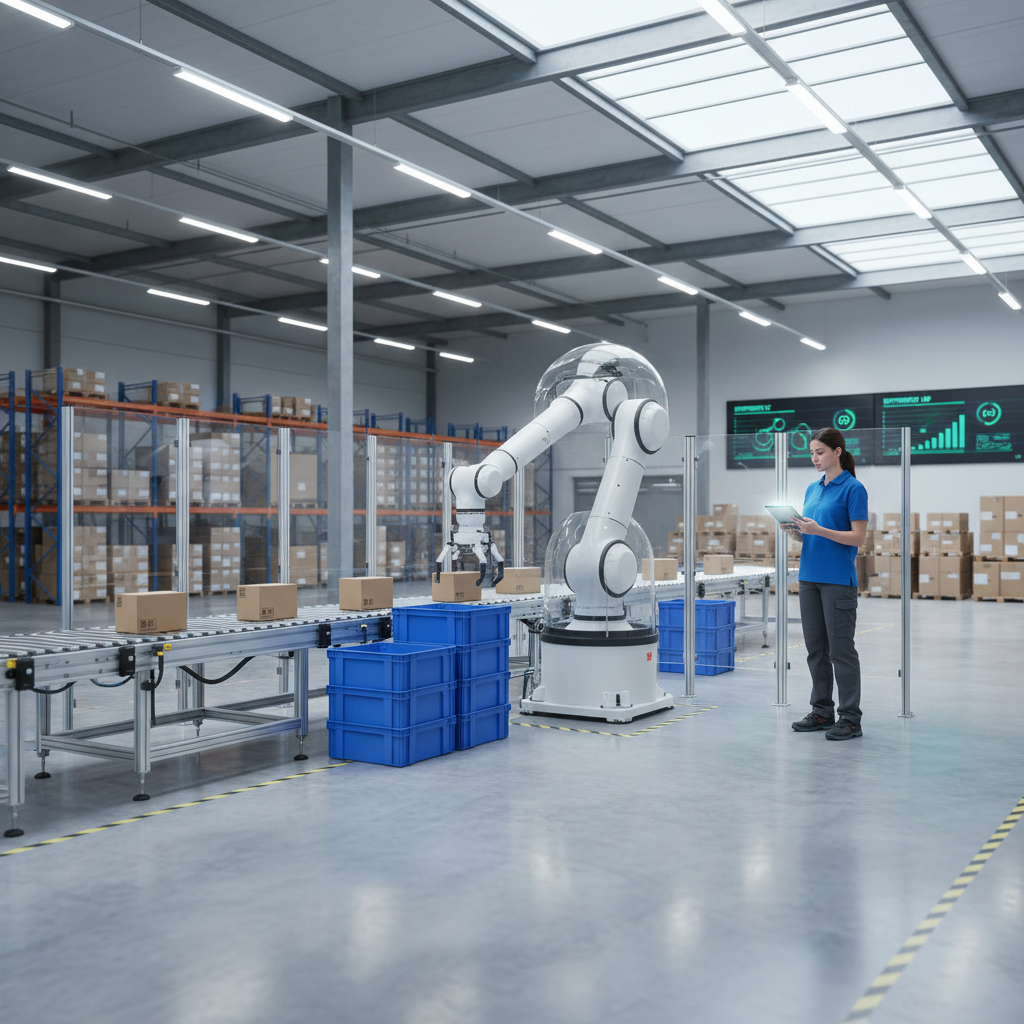
- Top Modules: The "business end" of the robot. These are interchangeable units placed on the mobile platform, such as simple shelving, roller tops for conveyor handoffs, lifting mechanisms, or even collaborative robotic arms.
- End-Effectors: For robotic arms, these are the grippers, suction cups, or custom tools used to manipulate items. Modularity allows for swapping end-effectors to handle different products, from a single bottle to a heavy box.
- Control & Fleet Management Software: A sophisticated software layer, often a Warehouse Execution System (WES), that orchestrates the entire fleet, assigning tasks and managing traffic to ensure seamless operation. To learn more about how这些系统如何协同工作,请查看我们的深入指南 on WMS, WCS, and WES integration.
Comparing Modular Automation Technologies
Modularity isn't exclusive to one type of robot. It's a design philosophy that can be applied across different technologies. Understanding their strengths is key to choosing the right solution.
| Technology | Primary Use Case | Flexibility | Typical Cost per Unit (€) |
|---|---|---|---|
| AMRs with Modular Tops | Transporting goods, mobile picking (Goods-to-Person), flexible sorting. | Very High | €15,000 - €40,000 |
| Collaborative Robot (Cobot) Workstations | Repetitive picking, packing, palletizing at a fixed (but movable) station. | Medium | €25,000 - €60,000 |
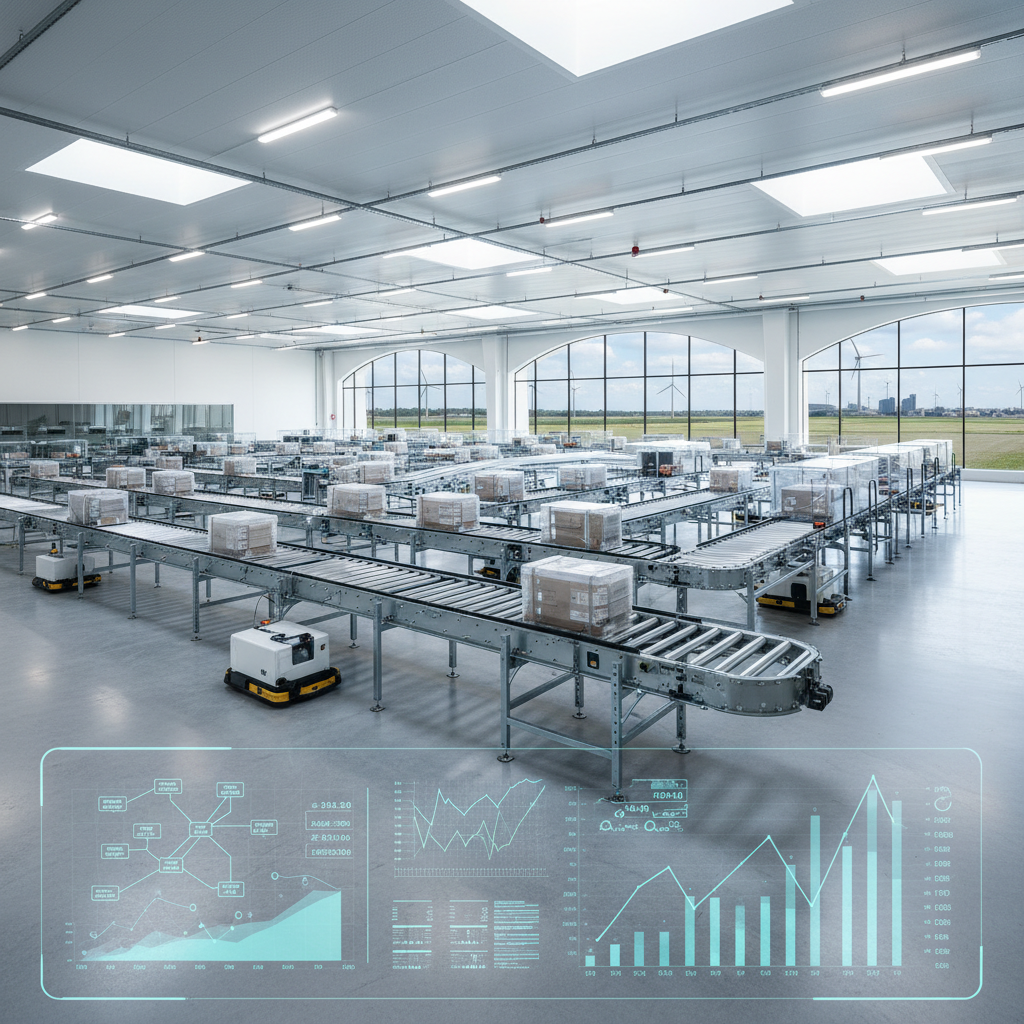
| Modular Conveyor Systems | Creating scalable transport lines, accumulation, and basic sorting. | Medium-High | €800 - €2,000 per meter |
The Rise of Interoperability Standards
The true power of modularity is unlocked through standardization. For years, integrating robots from different manufacturers was a major headache. Today, standards like VDA 5050 are creating a common communication protocol for mobile robots. This allows a single fleet manager to control a mixed fleet of AMRs and AGVs, giving companies the freedom to choose the best robot for each specific task without being locked into a single vendor.
Key Benefits for the Modern European Warehouse
1. Unmatched Scalability
With modular robotics, you can start with a small fleet of five AMRs and scale up to fifty during the holiday season by simply adding more units. This "pay-as-you-grow" model aligns investment directly with revenue and demand, a critical advantage for businesses of all sizes.
2. Extreme Flexibility and Adaptability
Need to change a picking workflow from batch picking to zone picking? Or reconfigure a sorting area for a new product line? With modular systems, this can be achieved in hours by reprogramming robot paths and moving workstations, rather than spending weeks re-engineering a fixed conveyor line.
3. Reduced Initial Investment and Faster ROI
The lower entry cost—often 20-30% less than for a comparable monolithic system—drastically reduces the barrier to automation. This, combined with faster deployment times, means businesses start seeing a return on their investment much sooner, typically within 1.5 to 3 years.
4. Enhanced Resilience
If a modular robot breaks down, the system doesn't stop. The fleet manager simply reroutes tasks to other available units while the faulty robot is serviced. Compare this to a breakdown in a traditional conveyor system, which can bring an entire operation to a standstill. As many businesses find, processes don't always scale as seamlessly as the business grows, and modularity provides a crucial safety net.
Practical Applications: Modular Robotics in Action
The flexibility of modular robotics unlocks a wide range of applications in the warehouse, often combining different technologies for a complete solution. For a deeper dive into the nuances of mobile robots, explore our comprehensive AGV vs. AMR guide.
Use Case: On-Demand Sorting
A 3PL provider in Germany can use a fleet of AMRs equipped with tilting trays or cross-belt modules. During off-peak seasons, 20 robots handle a throughput of 2,000 parcels per hour. For the Christmas rush, the company leases an additional 30 robots for two months, boosting sorting capacity to 5,000 parcels per hour without any new fixed infrastructure.
Use Case: Flexible Goods-to-Person Picking
An e-commerce fulfillment center in France uses AMRs to bring mobile storage shelves to picker workstations. This eliminates picker travel time. When the company decides to add a new product category, they simply add new shelves and update the WES. The AMRs automatically learn the new layout and integrate the shelves into their picking routes overnight.
Easy Systems: Your Partner for Modular and Scalable Automation
At Easy Systems, we live and breathe the philosophy of modularity. While we focus on creating the most robust and efficient modular conveyor systems in the market, we understand that these are just one piece of the larger automation puzzle. Our expertise lies in designing conveyor solutions that act as the backbone of a flexible warehouse, seamlessly integrating with AMRs, cobots, and other robotic technologies.
We design our roller, belt, and chain conveyors with standard interfaces and PLC-based controls that can easily communicate with a higher-level WES. This ensures that when you integrate a fleet of AMRs, our conveyors are ready to act as the perfect hand-off points, creating a fluid, hybrid automation system. We help you build a resilient, scalable operation that is prepared for the challenges of today and the opportunities of tomorrow.
Frequently asked questions
How much does a modular robotic system cost in Europe?+
Initial costs vary, but a starter AMR fleet can range from €50,000 to €150,000. The key benefit is a 20-30% lower entry cost compared to fixed systems, with the ability to scale investment as you grow.
How quickly can you scale a modular logistics system?+
Scaling can be incredibly fast. Adding pre-integrated robots to a fleet can often be done in under 24 hours, allowing you to increase throughput by 15-20% almost instantly to prepare for peak periods.
What is the difference between an AMR and a modular robot?+
An AMR (Autonomous Mobile Robot) is a type of modular robot. The 'modularity' refers to the ability to customize the AMR with different top modules (like shelves, conveyors, or lifts) or integrate it easily into a larger, changeable system.
What is the typical ROI for modular robotics in a warehouse?+
In the European market, the typical Return on Investment (ROI) for modular robotic systems is between 1.5 and 3 years, driven by reduced labor costs, faster deployment, and increased operational flexibility.
Is it difficult to integrate modular robots from different brands?+
It can be, but industry standards are solving this. Protocols like VDA 5050 create a universal communication language, allowing different AGVs and AMRs to work together under one master controller (WES).
How does modular robotics affect warehouse staff?+
It shifts human roles from manual, repetitive labor to more valuable positions like system supervision, maintenance, and process optimization. This often requires upskilling but leads to safer and more engaging work environments.

The Easy Systems engineering team designs, integrates and commissions conveyor systems and warehouse automation across Belgium, the Netherlands and Luxembourg. Combined experience covers roller and belt conveyors, sorters, AGV/AMR fleets, AutoStore, shuttle AS/RS and WMS/WCS integration for distribution centers and e-commerce fulfillment operations.
- Conveyor design (roller, belt, modular plastic)
- Sortation & merge logic
- AGV / AMR fleet integration
- AutoStore & shuttle AS/RS
- WMS / WCS integration