Sustainability in Logistics: Green Conveyors & CO2 Reduction
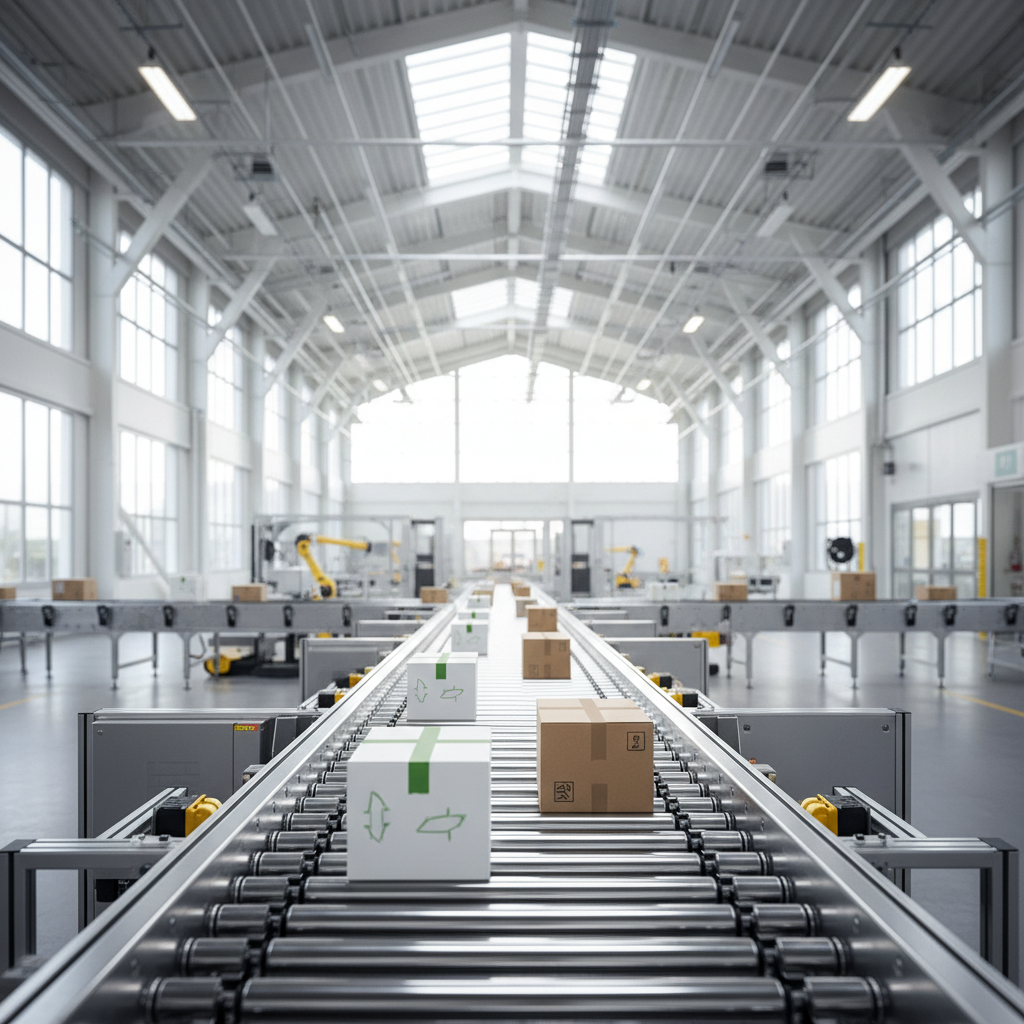
Implementing green conveyor systems is a key strategy for sustainable intralogistics. By focusing on energy-efficient motors, modular design, and intelligent automation, warehouses can significantly reduce energy consumption by up to 70% and lower their overall carbon footprint.
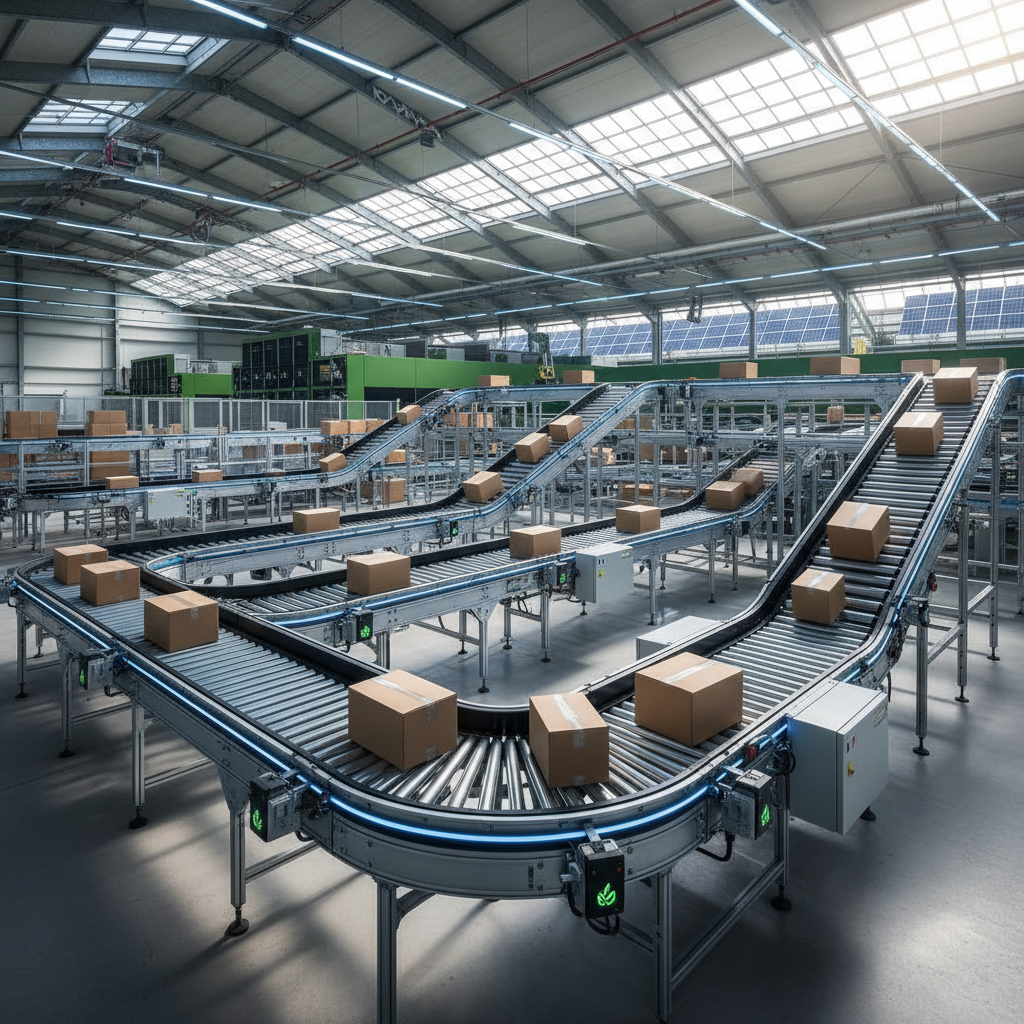
In the heart of modern commerce, the logistics and warehouse sector faces a critical challenge: balancing the demand for speed and efficiency with the urgent need for environmental responsibility. As companies across Europe strive to meet ESG (Environmental, Social, and Governance) targets, the carbon footprint of their internal logistics has come under intense scrutiny. The constant hum of conveyor belts, the lifeblood of any distribution center, represents a significant, yet often overlooked, area for impactful green innovation.
Definition
Green Conveyor Systems are material handling solutions designed to minimize environmental impact throughout their lifecycle. This is achieved through superior energy efficiency, the use of sustainable and recyclable materials, modular designs that promote longevity, and intelligent automation that reduces waste and operational redundancies.
The Environmental Cost of Conventional Conveyors
Traditionally, conveyor systems were built for pure utility and brute force. Many legacy systems still rely on large, three-phase AC induction motors that run continuously, regardless of whether there are products on the line. This operational model is incredibly wasteful. A single motor can consume thousands of kilowatt-hours per year, contributing significantly to a facility's electricity bill and, by extension, its carbon footprint. Multiply this by hundreds of meters of conveyors in a large distribution center, and the scale of the problem becomes apparent. Furthermore, older systems often lack the intelligence to optimize product flow, leading to unnecessary movement, wear and tear, and energy consumption.
Pillars of Sustainable Conveyor Design
Achieving sustainability in conveyor technology isn't about a single solution but a combination of intelligent design choices and modern technology. These pillars work in concert to create a system that is both efficient and eco-friendly.
Energy-Efficient Drives: The MDR Revolution
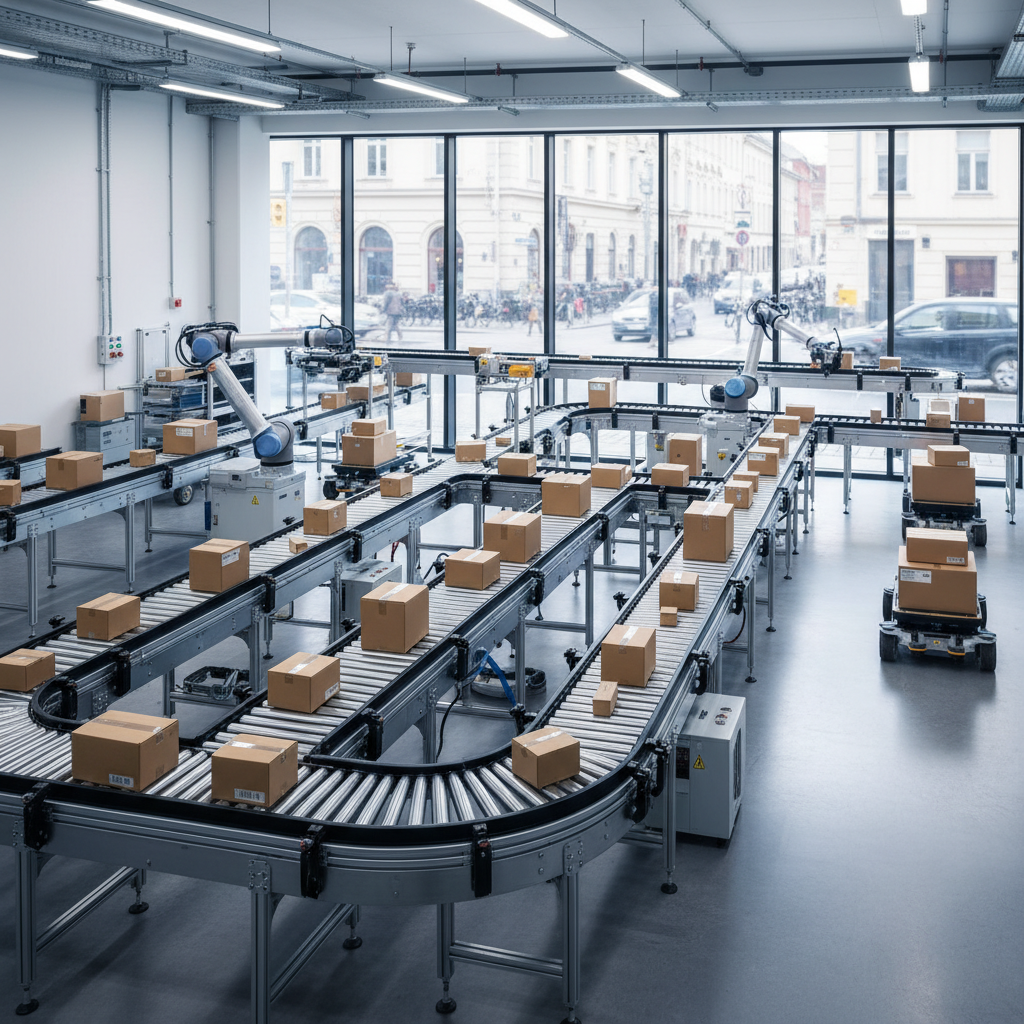
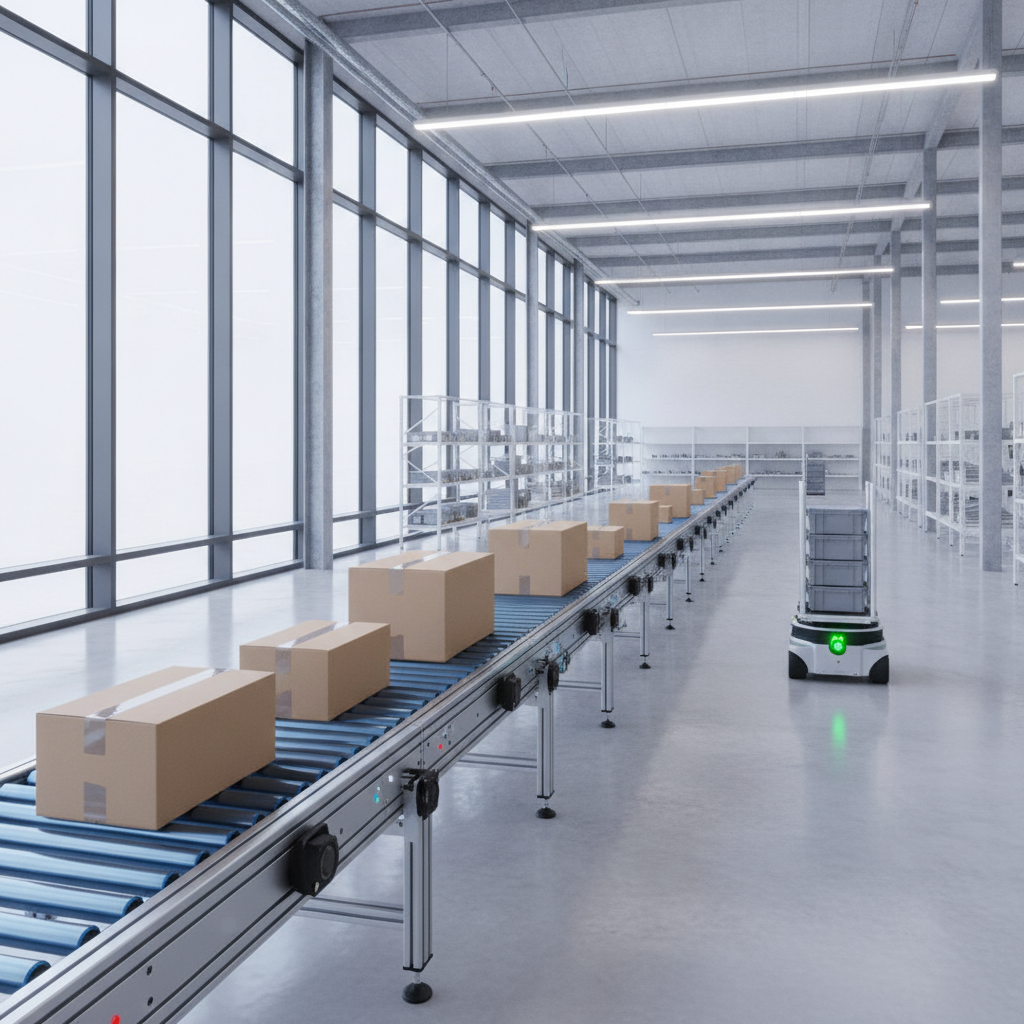
The single most impactful innovation in green conveyor design is the Motorized Drive Roller (MDR). Unlike traditional systems that use one large motor to power long sections of belt or rollers via chains and belts, MDR technology integrates a 24V DC motor directly inside each roller. This allows for the creation of independent zones that are only powered when a product needs to be moved. When a zone is empty, it is completely idle and consumes zero energy. This "run-on-demand" principle is the primary driver of energy savings, which can reach up to 70% compared to older AC-powered systems.
Intelligent Controls for On-Demand Operation
MDR technology works hand-in-hand with smart control systems. Zero-Pressure Accumulation (ZPA) logic is a key feature, allowing products to be buffered along the conveyor without touching. Sensors detect the presence of a box in a zone and communicate with upstream and downstream zones to start and stop the rollers as needed. This not only saves energy but also protects products from damage. By integrating these controls with a higher-level Warehouse Control System (WCS) or Warehouse Execution System (WES), logistics managers can achieve a highly optimized, frictionless flow of goods. To learn more about how these systems interact, explore our guide on WMS/WCS integration.
Material Choice and Lifecycle Modularity
A truly green conveyor is also sustainable in its physical construction. Modern systems increasingly favor materials with a lower environmental impact and higher recyclability, such as steel and aluminum, over less durable plastics. More importantly, modular design principles are a cornerstone of sustainability. Instead of a monolithic, welded structure, modular conveyors are built from standardized, interchangeable components. This means systems can be easily reconfigured, expanded, or repaired by simply replacing a section, rather than scrapping the entire line. This extends the system's useful life indefinitely and drastically reduces landfill waste.
Quantifying the Green Advantage: A Comparative Analysis
The theoretical benefits of green conveyors are compelling, but the real-world data is what drives investment decisions. The following table provides a conservative comparison between a traditional and a green MDR conveyor line, highlighting the substantial savings in energy and cost.
| Feature | Traditional Conveyor (AC Motor) | Green Conveyor (MDR 24V DC) | Annual Savings Potential |
|---|---|---|---|
| System Profile | 30-meter roller conveyor line | 30-meter roller conveyor line | - |
| Motor Type & Power | 1 x 0.75 kW AC Induction Motor | 15 x 50W Motorized Drive Rollers | - |
| Operational Mode | Runs continuously (8 hours/day) | Run-on-demand (active 30% of time) | - |
| Daily Energy Consumption | 0.75 kW * 8h = 6 kWh | (15 * 0.05 kW) * 8h * 30% = 1.8 kWh | 4.2 kWh / day |
| Annual Energy Consumption (250 days) | 1,500 kWh | 450 kWh | 1,050 kWh |
| Annual Cost (at €0.25/kWh) | €375 | €112.50 | €262.50 per 30m line |
While this example covers just a 30-meter section, a typical distribution center can have several kilometers of conveyors. The cumulative savings in energy, cost, and CO2 emissions can be immense, leading to a rapid return on investment, often within 2-3 years.
Navigating European Green Logistics Standards
In the European context, the shift to green logistics is not just a trend but increasingly a regulatory necessity. The EU Green Deal and the Corporate Sustainability Reporting Directive (CSRD) are placing stringent requirements on companies to report and reduce their environmental impact. Investing in verifiably energy-efficient technologies like MDR conveyors is no longer just a cost-saving measure; it's a strategic move to ensure compliance, enhance brand reputation, and future-proof operations against stricter carbon pricing and environmental levies.
Many businesses find that their internal processes haven't kept pace with their growth, leading to inefficiencies that have both a financial and an environmental cost. As outlined in a recent analysis, growing companies often struggle with processes that don't scale. Upgrading to intelligent, sustainable automation is a direct solution to this challenge, creating a leaner operation that is also greener. A classic belt conveyor, for example, is a simple solution but offers little in terms of energy-saving intelligence compared to modern alternatives.
Easy Systems: Your Partner in Sustainable Warehouse Automation
Choosing the right conveyor system is a critical decision that impacts your company's profitability and its environmental legacy. At Easy Systems, we specialize in designing and implementing modular, energy-efficient conveyor solutions tailored to the unique demands of European logistics. Our deep expertise in MDR technology and intelligent warehouse automation allows us to build systems that not only meet your performance targets but also significantly reduce your operational costs and carbon footprint. We provide more than just hardware. We are a trusted partner, guiding you from initial concept and simulation to installation and long-term support. By focusing on modularity, scalability, and lifecycle value, we help you build a resilient and sustainable intralogistics backbone that is ready for the challenges of tomorrow.
Frequently asked questions
What is the primary advantage of MDR conveyors for sustainability?+
The main advantage is superior energy efficiency. 'Run-on-demand' technology means they only consume power when a product is present, using low-voltage DC motors. This combination can reduce energy consumption by up to 70% compared to traditional, continuously running AC motor systems.
Can I retrofit my existing conveyor system to be more sustainable?+
In many cases, yes. While a full replacement offers the most benefits, existing conveyor frames can often be retrofitted. Key components like drives, rollers, and controls can be upgraded to modern, energy-efficient standards like MDR and ZPA without necessarily replacing the entire mechanical structure.
Are green conveyor systems significantly more expensive?+
Green conveyor systems, particularly those using MDR technology, can have a higher initial investment (CAPEX) than traditional systems. However, their Total Cost of Ownership (TCO) is substantially lower due to massive energy savings, reduced maintenance needs, and longer component life, leading to a fast ROI, often within 2-3 years.

The Easy Systems editorial desk reviews and fact-checks every Conveyor-Design article against Benelux project experience. Editors translate engineering decisions — throughput, peak factors, layout, integration — into plain-language guides for operations managers, project leads and decision-makers.
- Warehouse layout & slotting
- Order-profile analysis
- Vendor-neutral comparison
- Benelux logistics market