Ball Transfer Tables & Inserts — The Complete 2026 Guide
Ball transfer units, insert assemblies vs integrated tables, omni-directional wheels and packing-station design.
A ball transfer table is a flat surface studded with free-rotating ball transfer units (BTUs) that lets an operator push a carton, tote or tray in any direction with almost no effort. It is the unsung hero of manual packing, sorting and diverter stations — the point where a moving conveyor line hands off to a human. This guide covers when to use ball transfer inserts vs integrated tables, how to size them, and how they compare to omni-directional wheel plates and powered turntables in Benelux and European DCs.
1. What is a ball transfer unit?
A ball transfer unit (BTU) is a large load-bearing ball seated on a bed of smaller balls inside a housing, allowing 360° movement of anything placed on top. BTUs are grouped into a grid — the pitch, load rating and mounting style define whether you end up with an insert assembly, a full ball transfer table, or a diverter section inside a powered conveyor.
2. The three formats you actually choose between
| Format | Typical load | Ball pitch | Indicative cost | Best for |
|---|---|---|---|---|
| Ball transfer insert assembly | 5–50 kg per carton | 75–125 mm | €180–450 per plate | Drop-in section inside a roller line at a packing or diverter point |
| Integrated ball transfer table | 5–100 kg | 75–150 mm | €900–2 200 per m² | Standalone packing station, order consolidation, end-of-line staging |
| Omni-directional wheel plate | 1–20 kg light totes | 50–75 mm | €150–350 per plate | Lightweight cartons, e-commerce polybags, low-load hand-offs |
For most Benelux packing stations handling 5–30 kg cartons, an insert assembly dropped into a roller line at the pack-out point is the sweet spot: it costs a fraction of a full table and preserves the automated flow up- and down-stream.
3. Sizing rules that avoid pain later
- Rule of three: at least three balls must contact the smallest carton at all times. For a 200 × 300 mm tote, 75 mm pitch is the minimum.
- Load rating: the manufacturer's per-BTU rating is static. Divide by 2 for dynamic pushing, by 3 for pallet-scale loads.
- Ball diameter: 15 mm up to 15 kg, 25 mm up to 50 kg, 38–50 mm for 100 kg+ loads. Bigger balls roll more smoothly but raise the transfer surface by 5–10 mm — mind hand-off heights.
- Mounting: bolt-through for permanent packing stations, press-fit or spring-loaded for insert assemblies that need field-swap.
- Environment: stainless AISI 304/316 for food and pharma washdown; zinc-plated steel for standard DC ambient; polymer housings for silent, non-marking hand-pack zones.
4. Ball transfer inserts vs omni-directional wheels
The two look similar but behave differently. Ball transfers are truly omni-directional — the operator picks any angle with equal effort. Omni-wheel plates (small skate-wheel rollers arranged in a rosette) are cheaper and lighter, but roll more freely along one axis than perpendicular to it, making them better for guiding a carton toward a fixed direction than for free rotation. Rule of thumb: use ball transfers where the operator rotates or squares a carton (labelling, weighing, void-fill), use omni-wheels where lightweight items just need to slide sideways into a chute.
5. Packing station design — where BTUs earn their keep
A well-designed packing station in a Benelux e-commerce DC combines four surfaces at matched height (typically 750–850 mm): a powered roller infeed that stops the carton on a photocell, a ball transfer insert where the operator squares the carton for labelling and void-fill, a weigh-and-scan zone, and a powered outfeed to sortation or dispatch. The ball transfer section is where cycle time is won or lost: too small, and operators lift instead of slide (RSI risk); too large, and cartons drift out of scan range. 600 × 800 mm is the Goldilocks size for standard e-commerce cartons.
6. When a powered turntable beats a ball transfer table
- Loads above 100 kg where a human cannot push safely.
- Fixed 90° or 180° rotations at cycle rates above 900/h — a servo turntable is faster and more repeatable.
- Automated cells with no operator: BTUs need a human to steer; a turntable does not.
- Everything else — variable-angle manual handling under 100 kg — a ball transfer table wins on capex, maintenance and ergonomics.
7. Integration and specification checklist
Before ordering a ball transfer table, lock down: (a) SKU profile (min/max weight, min carton footprint, fragility), (b) exact hand-off heights with the up- and down-stream conveyors, (c) daily cycle count per station (drives ball wear-life), (d) wash-down requirements, and (e) whether the insert must be removable for line changeovers. Easy Systems designs and installs packing stations across Benelux DCs that combine ball transfer inserts, 24V MDR conveyor and integrated weigh-scan hardware as a single commissioned assembly.
Every article in this guide.
 Conveyor Systems
Energy Efficiency in Conveyor Systems: A Benelux Guide
This article provides practical steps for enhancing the energy efficiency of conveyor systems in the Benelux. Discover how modern motors, smart controls, and data-driven maintenance can reduce operational costs and CO2 emissions in your warehouse or production facility.
 Conveyor Systems
Energy-Efficient Motors: Powering Sustainable Benelux Conveyors
Upgrading to energy-efficient motors like Permanent Magnet Synchronous Motors (PMSM) or Motorized Drive Rollers (MDR) can significantly reduce conveyor energy consumption and operational costs, aligning with EU sustainability goals for Benelux logistics.
 Conveyor Systems
Conveyor Safety in the Benelux: A Guide to Compliance
A comprehensive guide to conveyor system safety standards in Belgium, the Netherlands, and Luxembourg. We cover essential regulations like the Machinery Directive 2006/42/EC and EN 620, risk assessment, and operational best practices to ensure a safe and compliant warehouse environment.
 Conveyor Systems
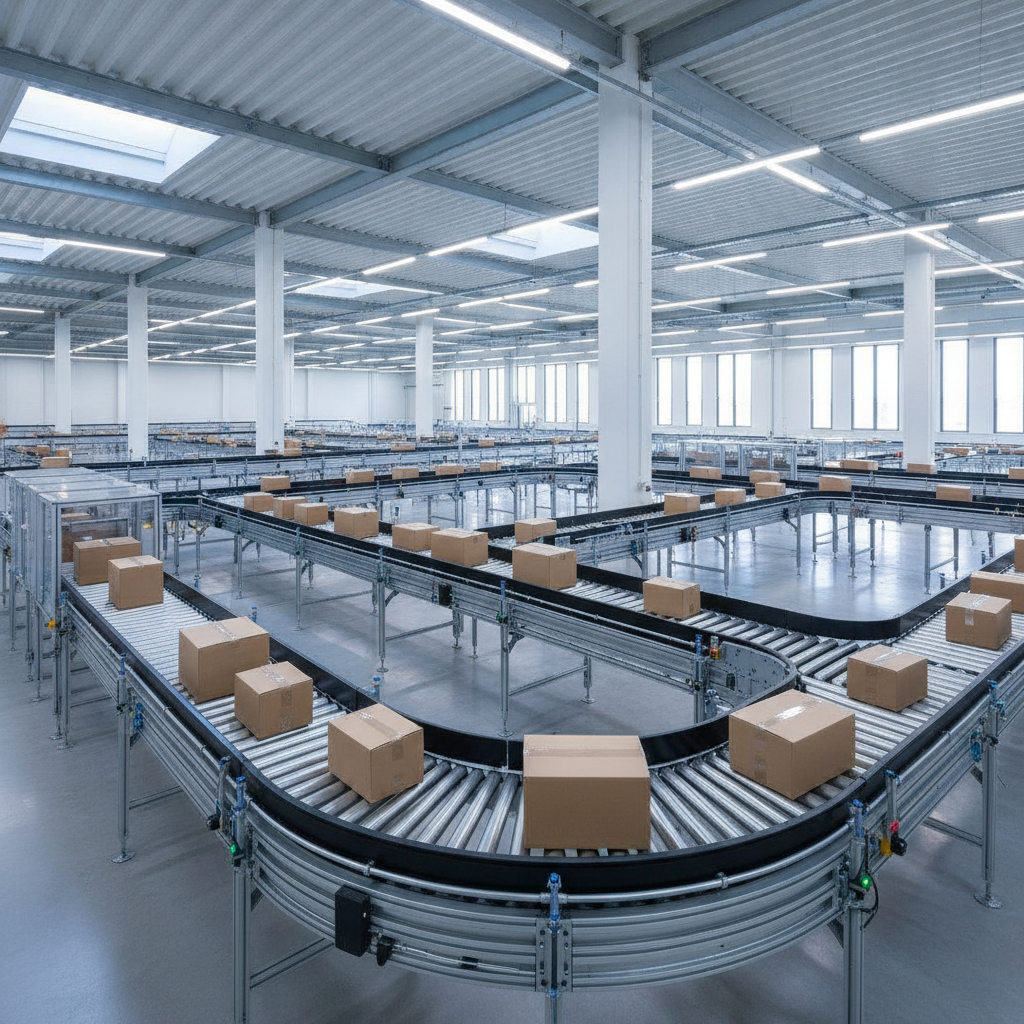
Hybrid Conveyor Systems: Synergy in Benelux Warehouses
Hybrid conveyor systems strategically combine the high-throughput power of classic conveyors with the flexibility of modular automation, creating adaptable and scalable logistics solutions ideal for the dynamic demands of Benelux distribution centers.
 Conveyor Systems
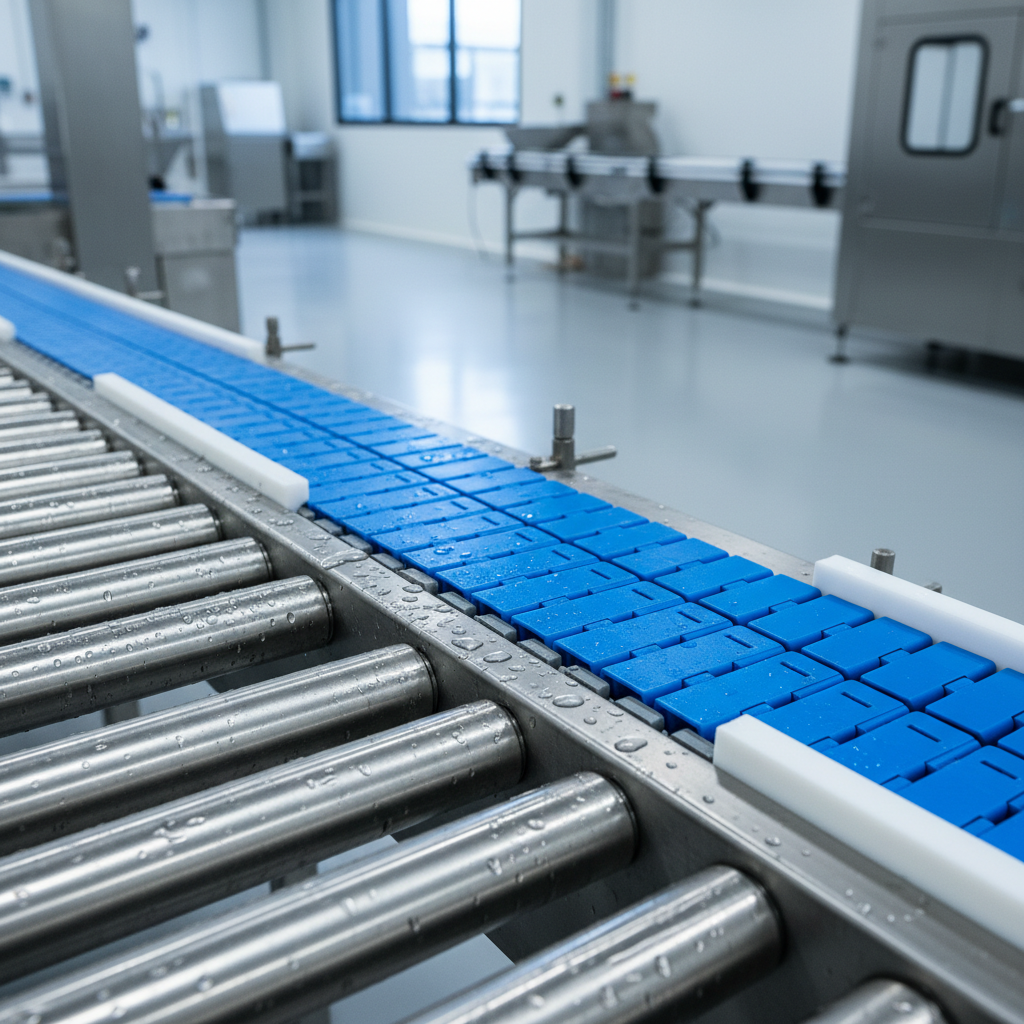
Modular Conveyor Systems: Flexible Solutions for Production & Distribution
Modular conveyor systems consist of standardized, interconnecting sections that enable rapid installation and easy reconfiguration. This inherent flexibility allows businesses to scale their material handling capabilities quickly in response to market changes, making it a cornerstone of modern, agile logistics.
 Conveyor Systems
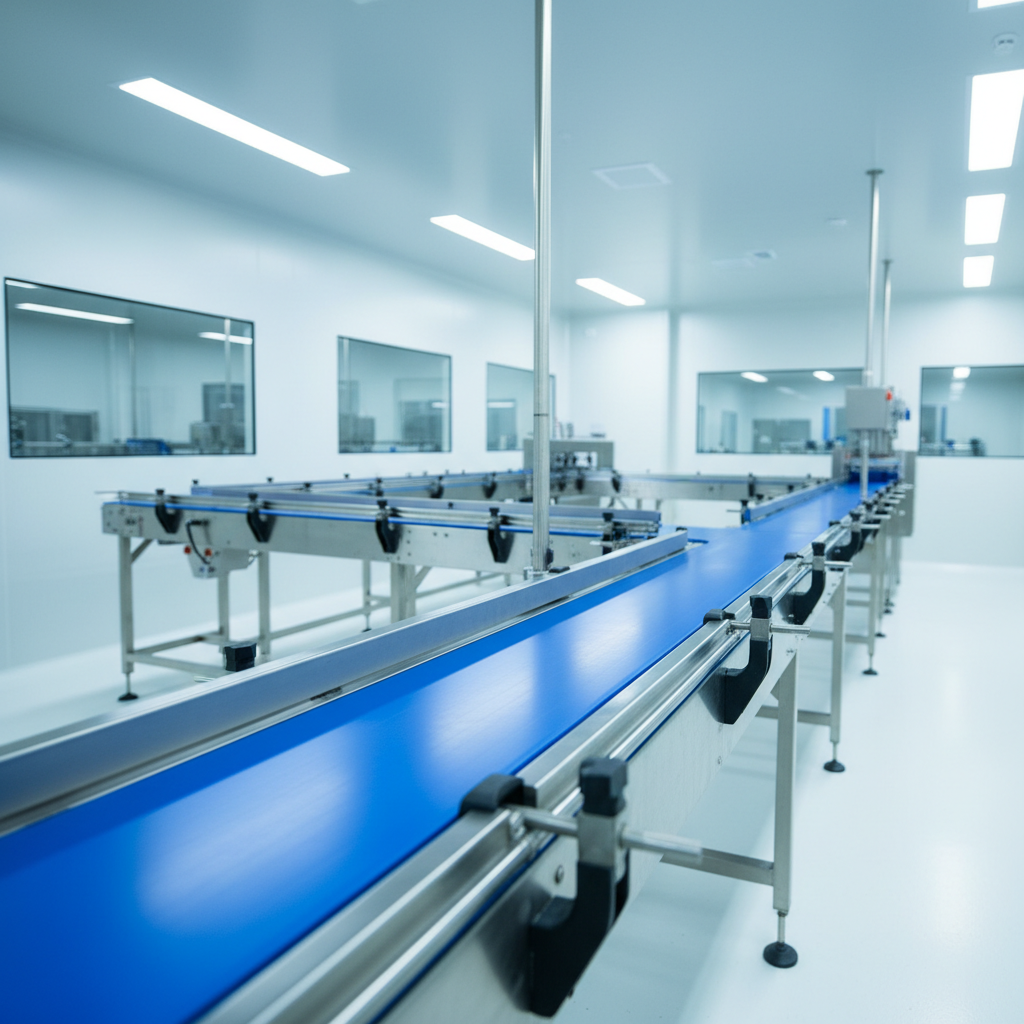
Conveyor Material Choice: Durability and Performance in the Benelux
Choosing the right conveyor material—steel for strength, aluminum for flexibility, or plastic for hygiene—is critical for optimizing warehouse operations in the Benelux. This article explores the trade-offs between durability, cost, and compliance for local industries.
 Conveyor Systems
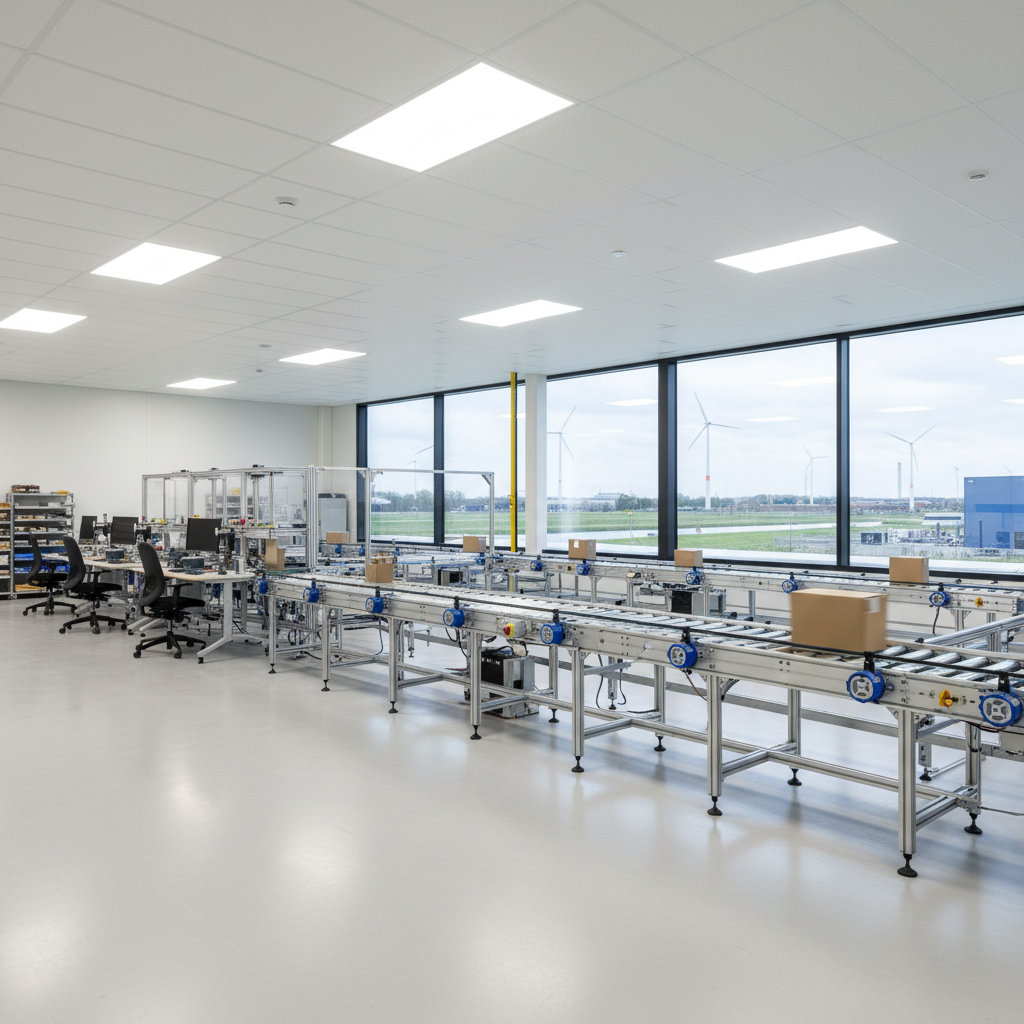
Hygienic Conveyor Systems for Benelux Food & Pharma
Learn to select the right hygienic conveyor system for food or pharmaceutical production in the Benelux, focusing on EHEDG standards, cleanability, and materials like stainless steel to ensure safety and compliance.
 Conveyor Systems
Future-Proofing Conveyor Investments in Benelux Warehouses
Investing in a conveyor system is a major commitment. This guide explores how Benelux warehouse managers can ensure their investment is future-proof through scalable design, modular components, and adaptable technology, preparing for market shifts and growth.
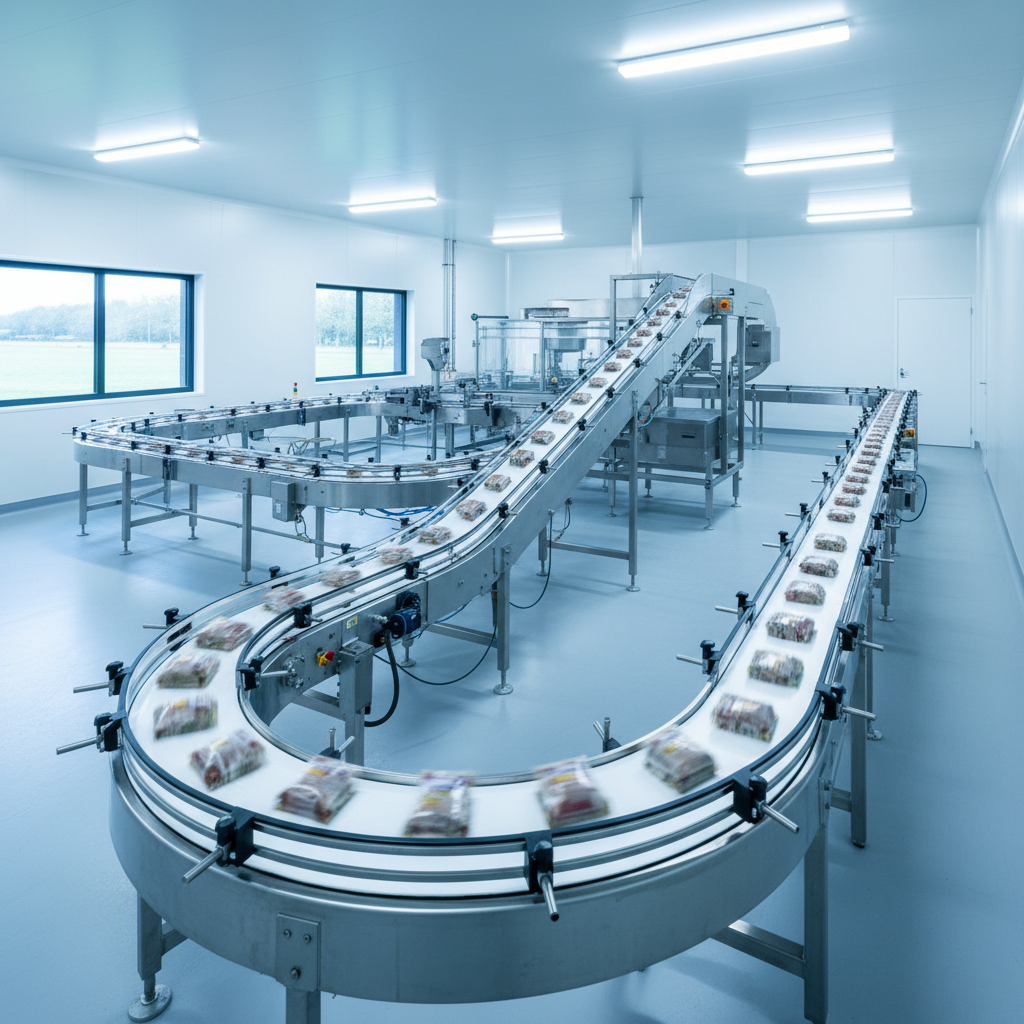 Conveyor Systems
Custom Conveyor Solutions: Addressing Unique Challenges in Benelux Manufacturing
Standard conveyors often fail to meet the specific demands of Benelux manufacturing. Custom solutions provide the necessary flexibility for complex product handling, space limitations, and stringent regulations, delivering a significant return on investment.
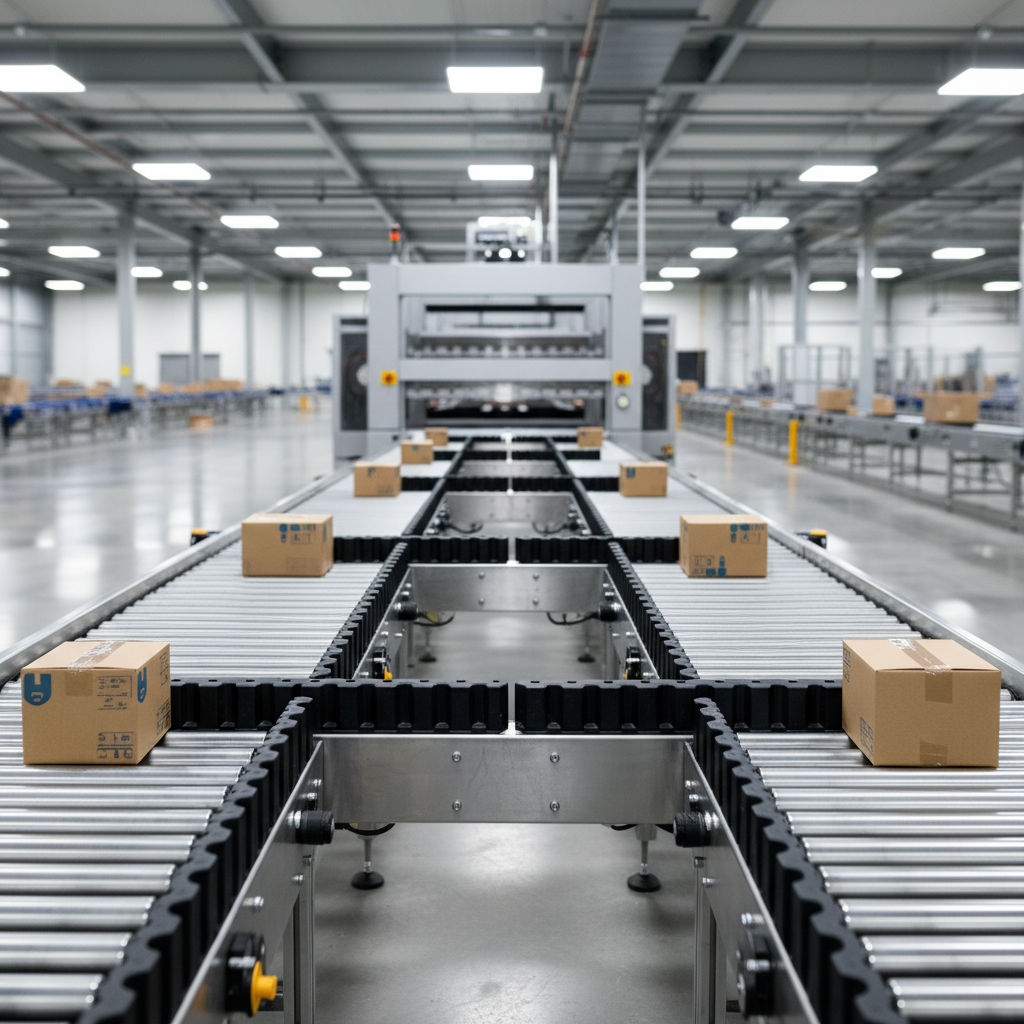 Conveyor Systems
Zero-Pressure Accumulation Conveyors: Enhancing Throughput & Preventing Damage in Benelux Sortation Centers
Zero-Pressure Accumulation (ZPA) conveyors are essential for modern sortation centers, creating buffer zones that prevent product damage and maintain high throughput. This article explores the technology, benefits, and implementation of ZPA systems in the Benelux region.
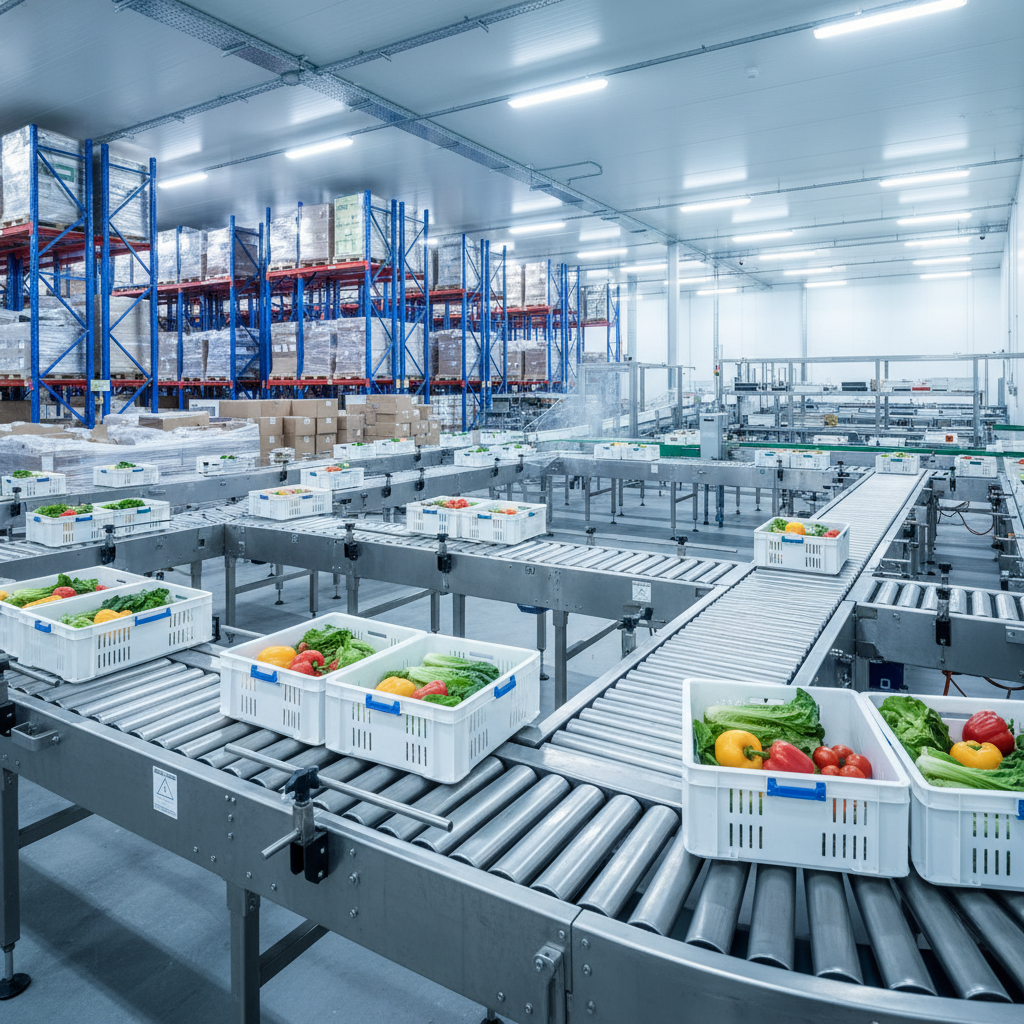 Material Handling
Optimizing Conveyor Systems for Cold Chain Logistics in the Benelux
Maintaining the integrity of the cold chain is critical in the dense logistics landscape of the Benelux. This article explores how to select, design, and optimize conveyor systems for temperature-controlled environments, ensuring product safety and operational efficiency.
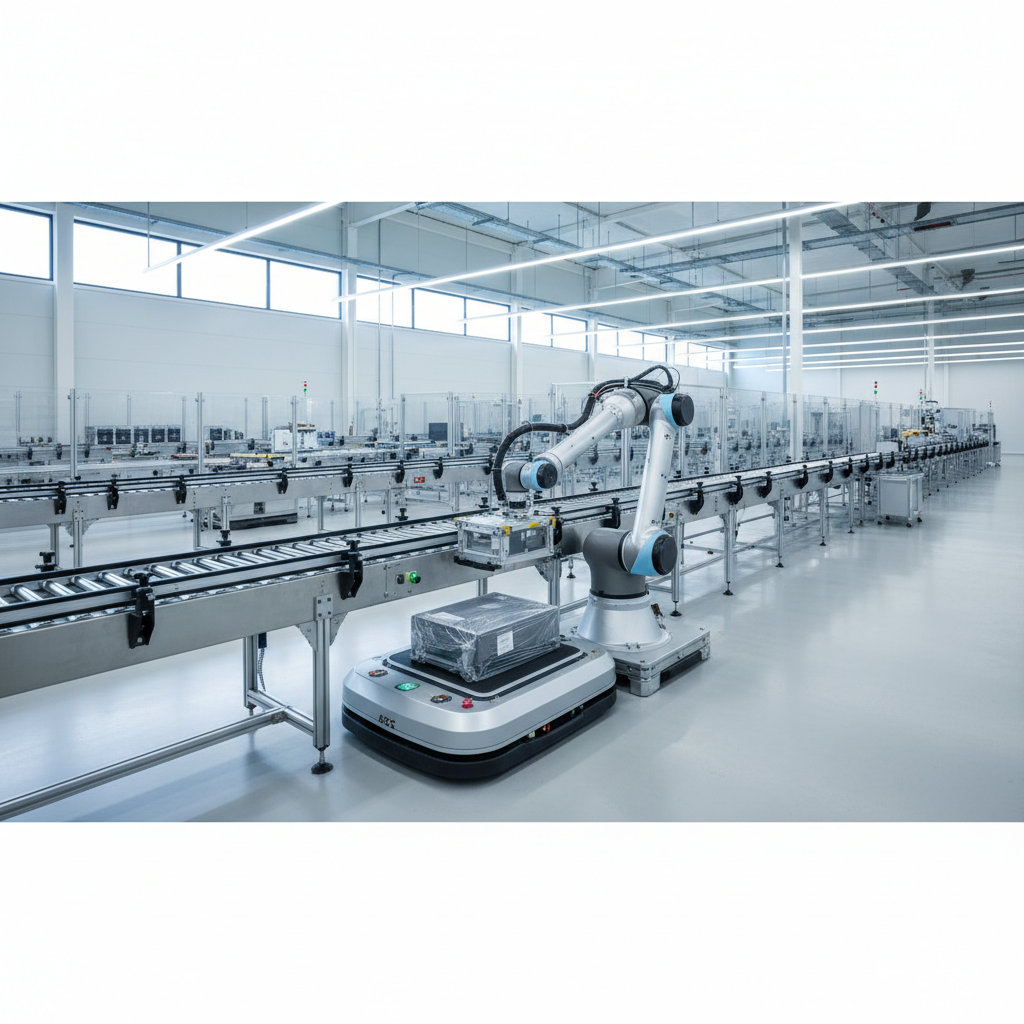 Material Handling
Automated Guided Carts (AGCs) and Conveyors: Streamlining Production Lines in Benelux Manufacturing
Combining the flexibility of Automated Guided Carts (AGCs) with the high throughput of fixed conveyors creates a powerful hybrid solution for modern production lines. This article explores how Benelux manufacturers can leverage this synergy to reduce costs and increase adaptability.
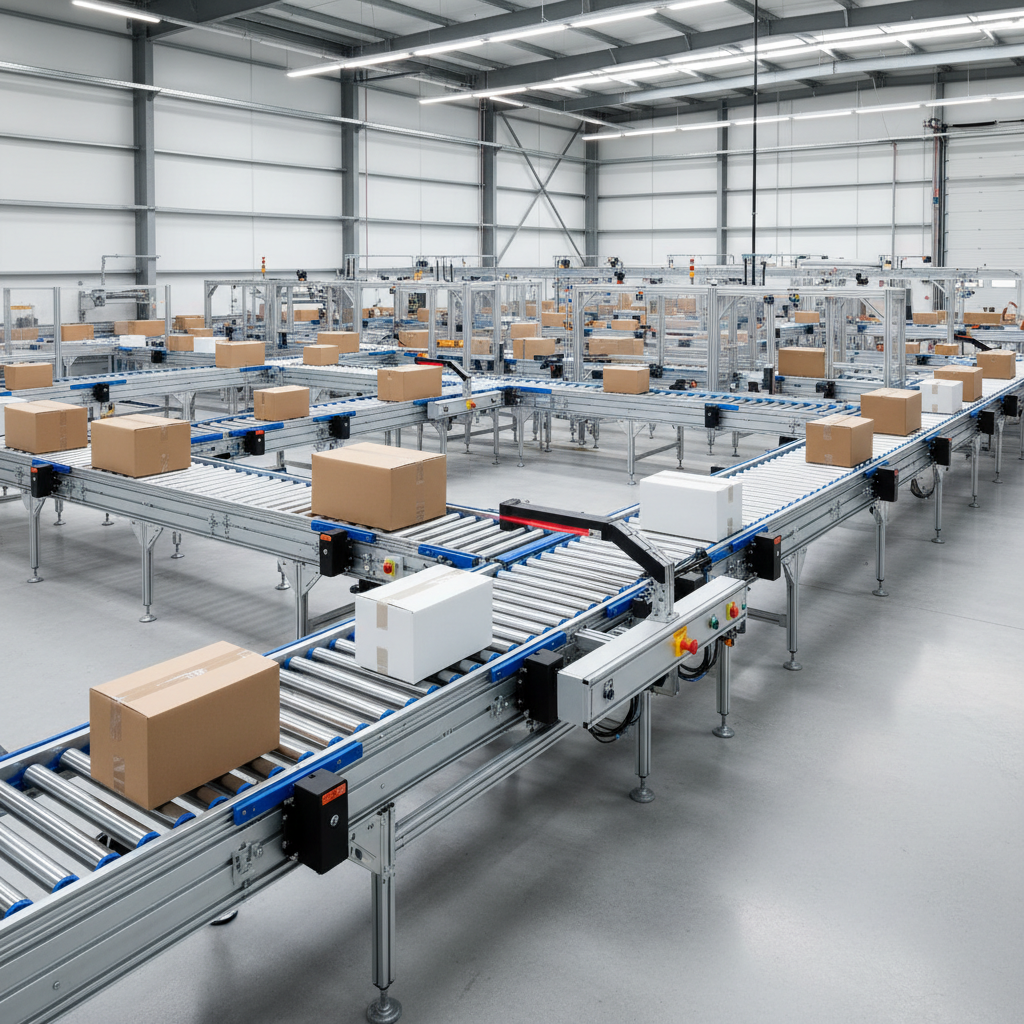 Conveyor Systems
Guided Conveyor Systems: Navigating Benelux Manufacturing
Guided conveyor systems use fixed paths with integrated logic to automatically route items through complex manufacturing and logistics environments, crucial for Benelux's high-tech production landscape.
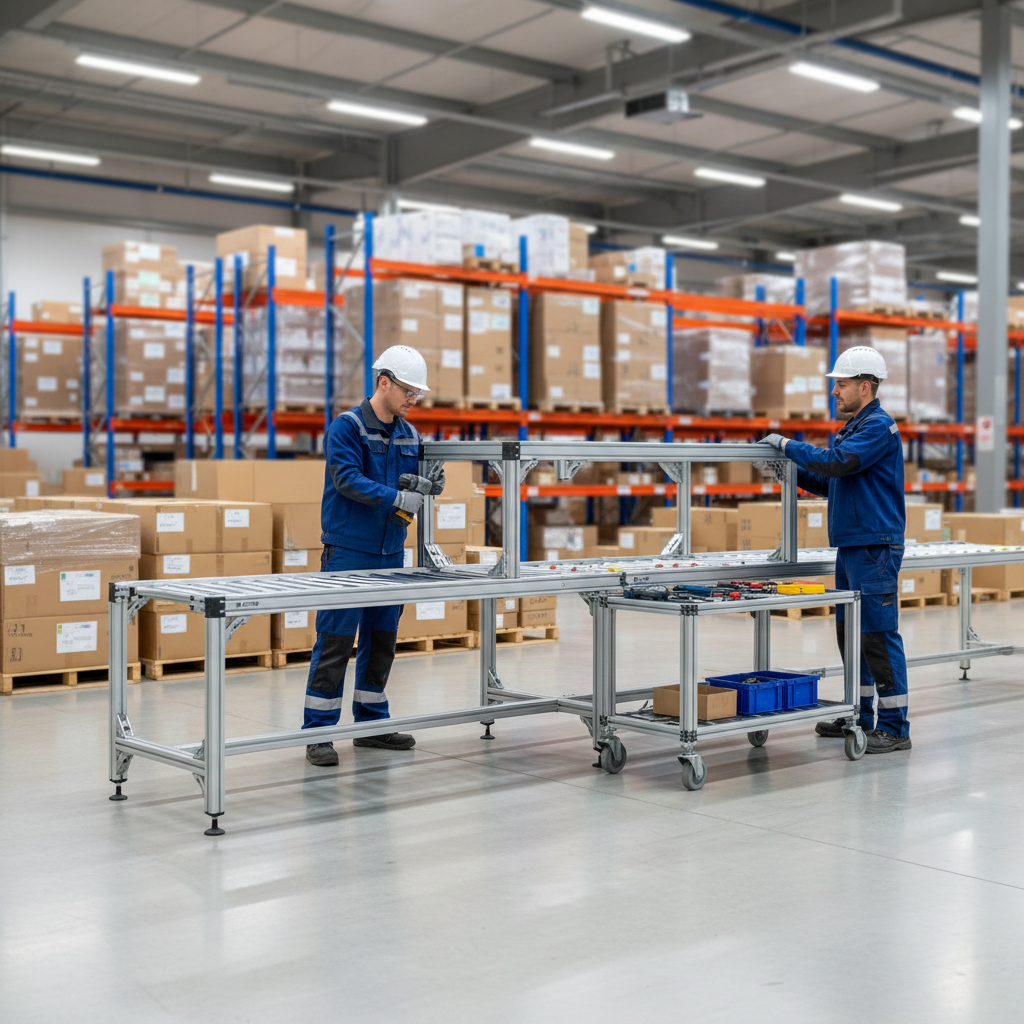 Conveyor Systems
Quick-Install Conveyors: Minimizing Downtime in Benelux
In the fast-paced Benelux logistics sector, downtime is costly. Quick-install conveyors offer a solution: modular, pre-engineered systems that reduce installation time from weeks to days, ensuring operational continuity.
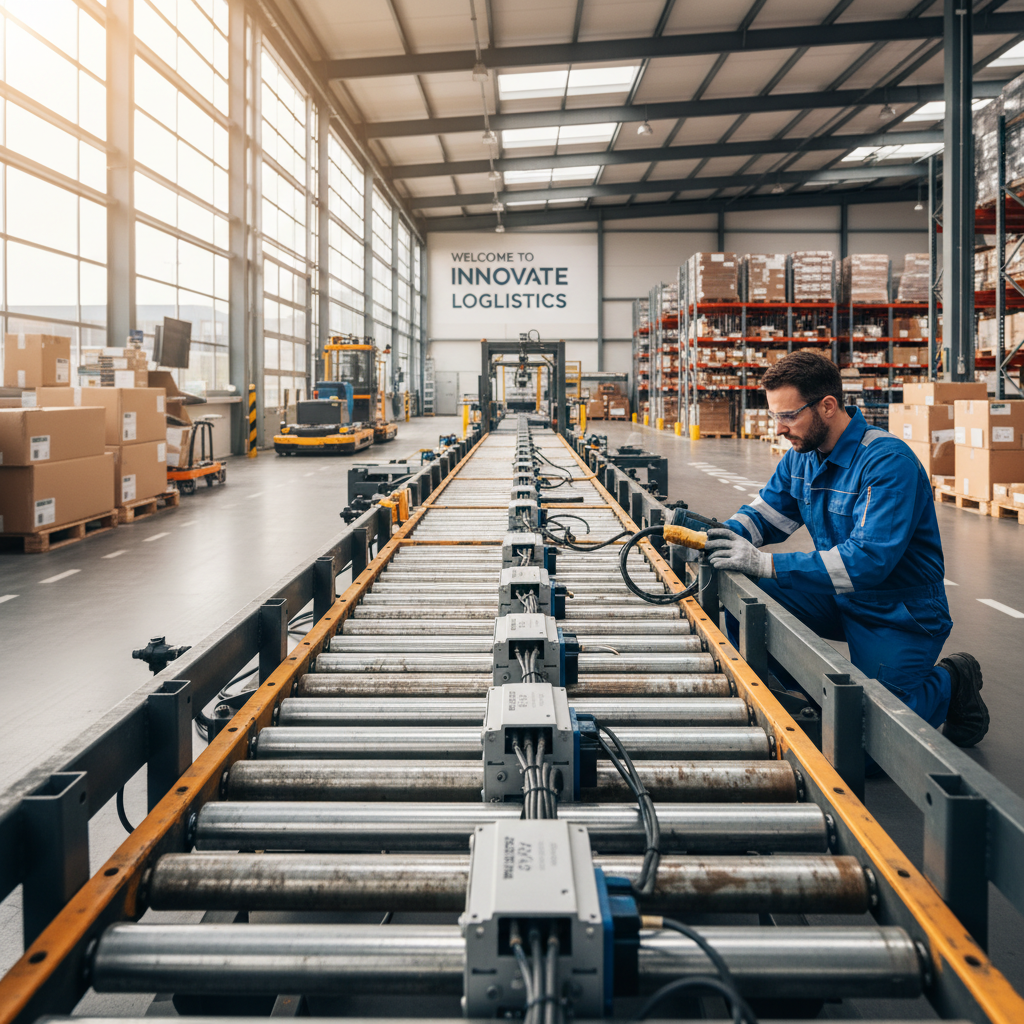 Conveyor Systems
Conveyor Upgrades for Benelux SMEs: Affordable Optimization
For Benelux SMEs, conveyor system upgrades are not about complete replacement but smart, affordable optimizations. Enhance efficiency and reduce costs by focusing on high-impact areas like motors, controls, and modular additions.
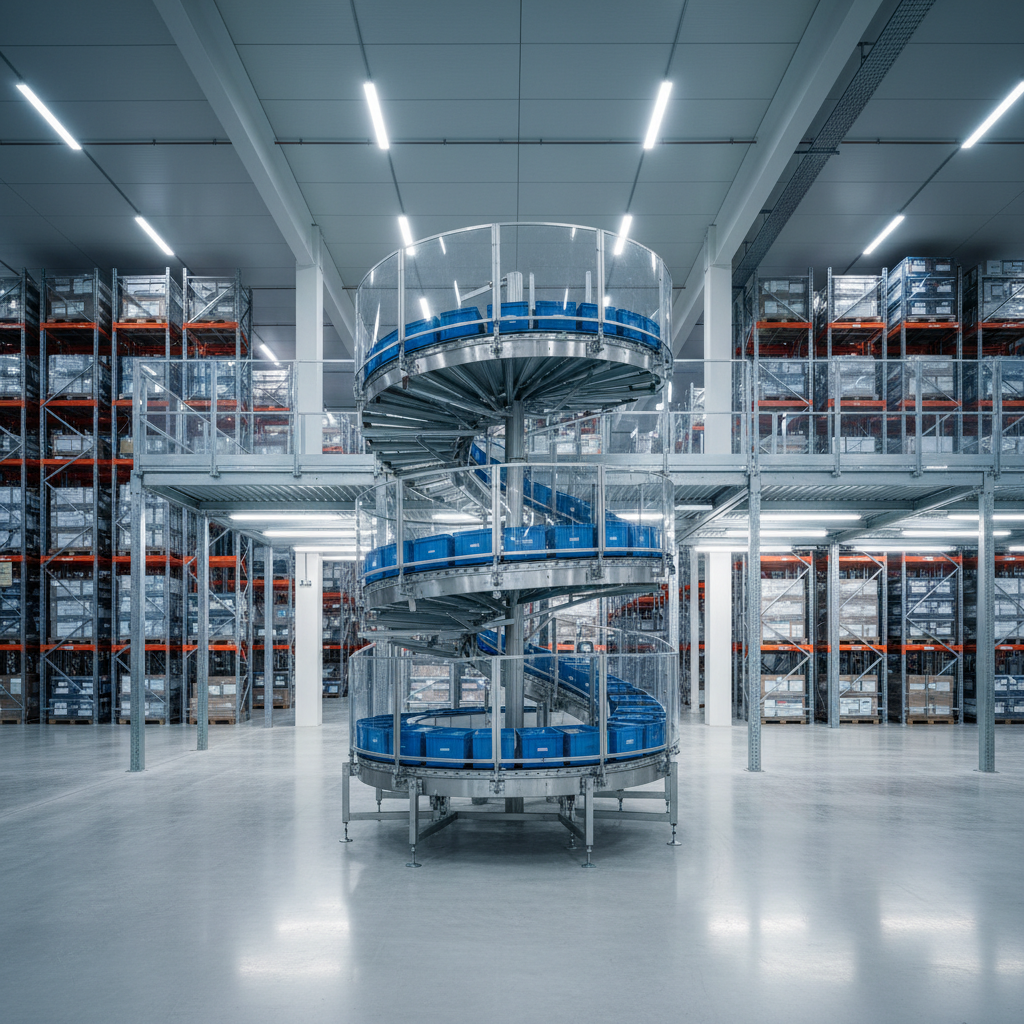 Material Handling
Vertical Conveyor Systems: Maximizing Storage in Benelux
In the space-constrained Benelux market, building 'up' is more viable than building 'out'. This guide explores how vertical conveyor systems unlock massive storage density gains by efficiently connecting mezzanines and multi-level structures.
 Conveyor Systems
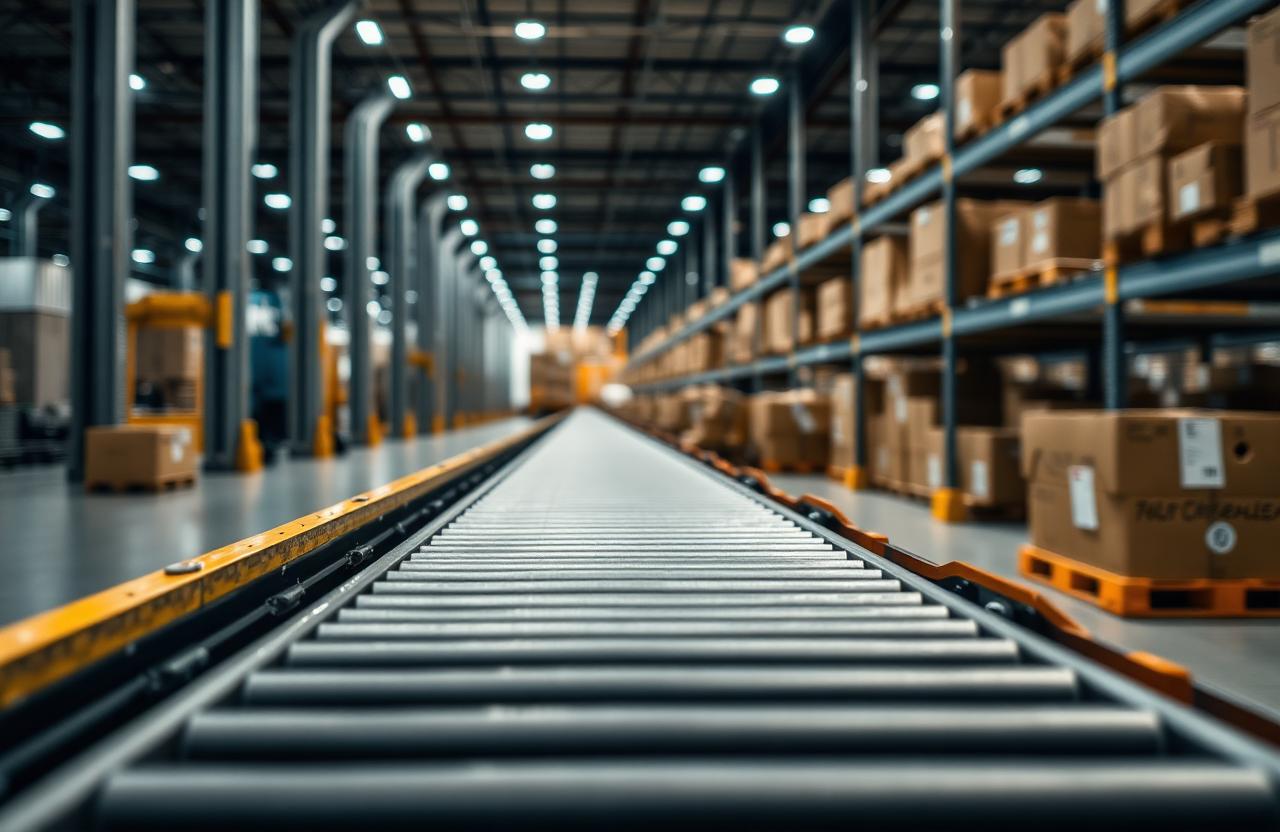
What Is a Roller Conveyor? A Complete 2026 Guide for Warehouses
Roller conveyors are the backbone of modern internal transport. Learn how gravity and powered rollers compare, where they fit, and how to size them for your facility.
 Conveyor Systems
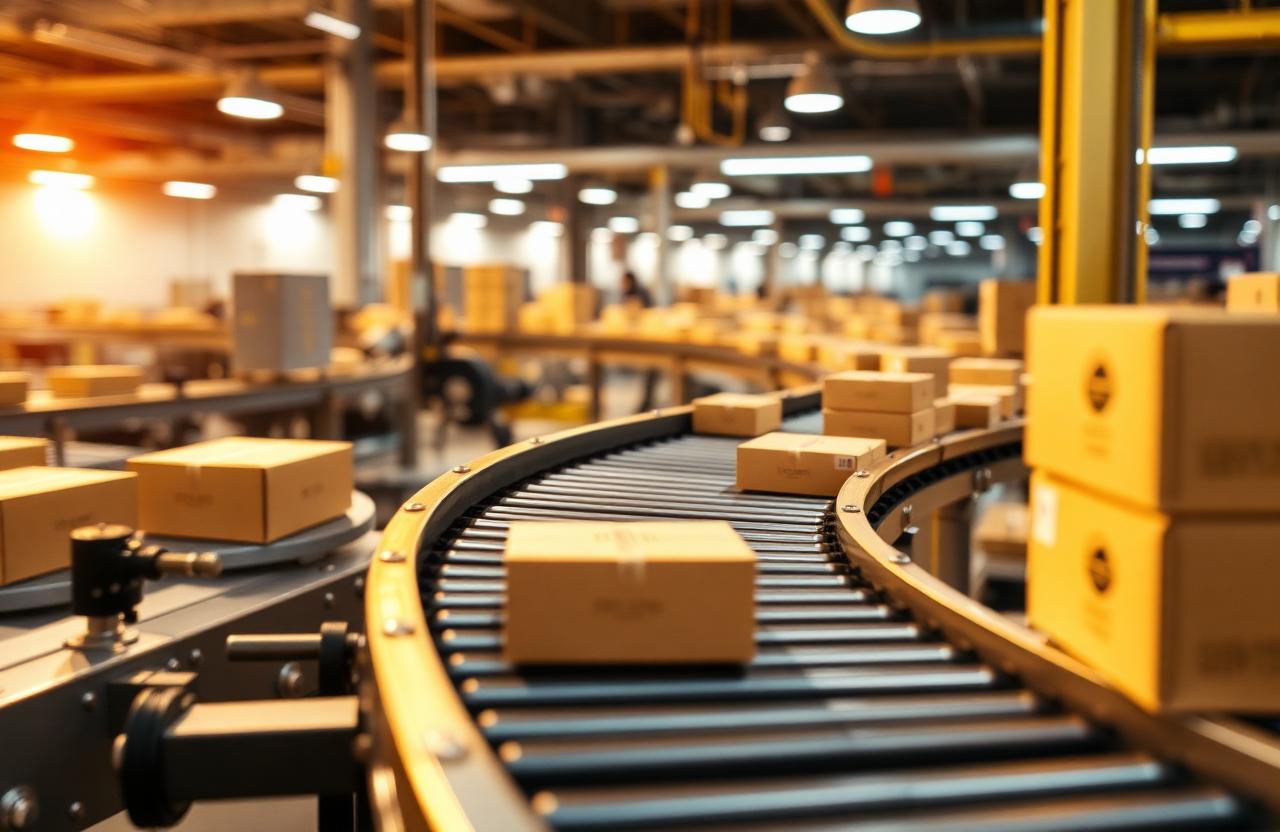
Gravity vs. Powered Conveyor: Which One Should You Choose?
A practical, side-by-side comparison of gravity and powered roller conveyors — cost, throughput, control and the situations where each one wins.
 Material Handling
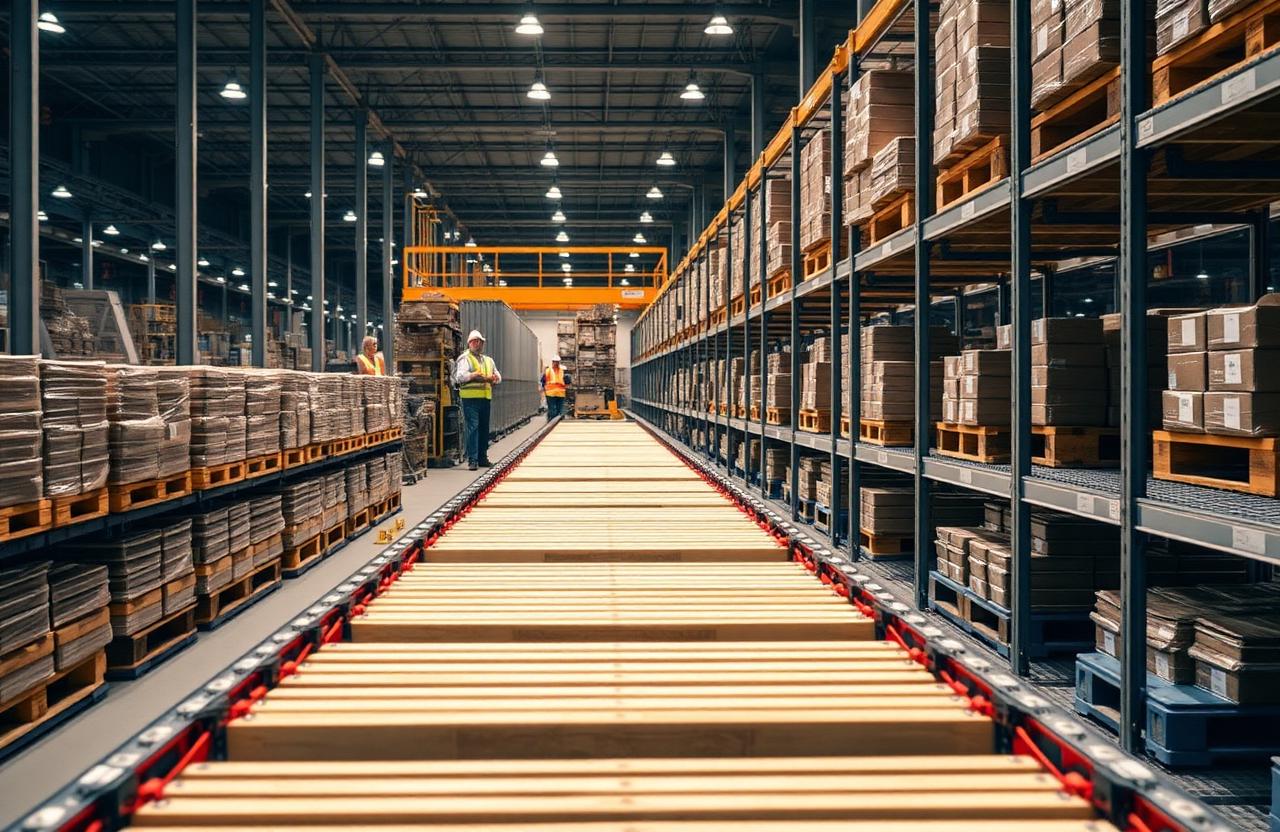
Automated Pallet Transport Systems: A Practical Buyer's Guide
Pallet conveyors, transfer cars, AGVs and shuttles all move pallets — but each shines in a different layout. Here's how to decide.
Planning a new conveyor or automation project?
Easy Systems designs and installs internal transport, conveyor and warehouse automation systems across the Benelux. Tell them about your flow — they'll come back with a system that scales.