Roller Conveyor — The Complete 2026 Guide
Gravity vs powered, 24V MDR, sizing rules, accumulation, integration with WMS/WCS.
The roller conveyor is the workhorse of every modern distribution center. This guide consolidates everything we cover across the Conveyor-Design knowledge hub: what roller conveyors are, when each variant wins, how to size them, and how they integrate with the rest of an automated facility. It is written for engineers, ops managers and consultants specifying systems in Belgium, the Netherlands, Luxembourg and the wider European market.
1. What is a roller conveyor?
A roller conveyor uses a series of parallel rotating rollers mounted in a frame to move cartons, totes, trays or pallets. Variants split along two axes: drive (gravity, belt-driven, chain-driven, 24 V MDR) and load class (light carton, medium tote, heavy pallet).
2. The five variants you actually choose between
| Variant | Typical load | Throughput | Indicative cost (€/m) | Best for |
|---|---|---|---|---|
| Gravity roller | 1–35 kg cartons | Manual | 120–250 | Docks, returns, short manual lines |
| Belt-driven roller | 5–50 kg | Up to ~3 000 cph | 450–700 | Long straight runs, heavy cartons |
| Chain-driven roller | 50–1 500 kg pallets | Up to 600 pallets/h | 800–1 400 | Pallet transport, AS/RS infeed |
| 24V MDR (motorized) | 1–50 kg totes/cartons | 2 000–4 500 cph | 500–900 | Automated DCs, e-commerce |
| Lineshaft | 10–35 kg | Up to ~2 000 cph | 350–550 | Legacy refurb, low capex |
For new European projects in 2026, 24V MDR is the default for case and tote handling; chain-driven remains the default for pallets.
3. Sizing rules you can apply on a napkin
- Three rollers under the smallest load at all times — set roller pitch from the smallest carton, not the average.
- Frame width = load width + 50–100 mm clearance.
- Roller diameter: 40 mm for ≤15 kg, 50 mm for 15–35 kg, 60 mm and up for heavier loads.
- Accumulation length ≥ 1.5× the longest expected upstream stoppage at design throughput.
- Inclines: gravity ≤ 4°, powered roller ≤ 5–7° with high-friction rings; above that switch to belt.
4. Integration with WMS and WCS
A modern roller conveyor is a software product as much as a mechanical one. The WCS (Warehouse Control System) drives zone logic, accumulation and merge priority in real time; the WMS issues higher-order tasks (allocate, release, pick wave). Critical integration patterns:
- Zone-level telegrams to/from the WCS (load arrived, zone clear, error code).
- Photo-eye + scanner pairs at decision points feed sortation logic.
- OPC-UA or MQTT for plant-level dashboards and predictive maintenance.
5. Energy, noise and OPEX
24 V MDR with zero-pressure accumulation consumes 30–50% less energy than always-on 400 V belt-driven lines, because motors stop when no load is present. Noise drops from ~75 dB(A) to ~62 dB(A) — material in pharma and food environments where SLA noise limits apply.
6. When NOT to use a roller conveyor
- Small, light or fragile items (jewellery, electronics blisters) — use belt or modular plastic.
- Wet or sticky environments — modular plastic belts wash down better.
- Variable-shape items that won't track straight — use belt or AMRs.
- Inclines > 7° — use belt with cleats or spiral conveyors.
7. Specifying a project end to end
The teams that get it right work with an engineering partner from day one — modeling flow with simulation, balancing investment against uptime, and integrating the conveyor with the wider operation. Easy Systems, part of BOA Concept, designs and installs roller conveyor systems across the Benelux every week.
Every article in this guide.
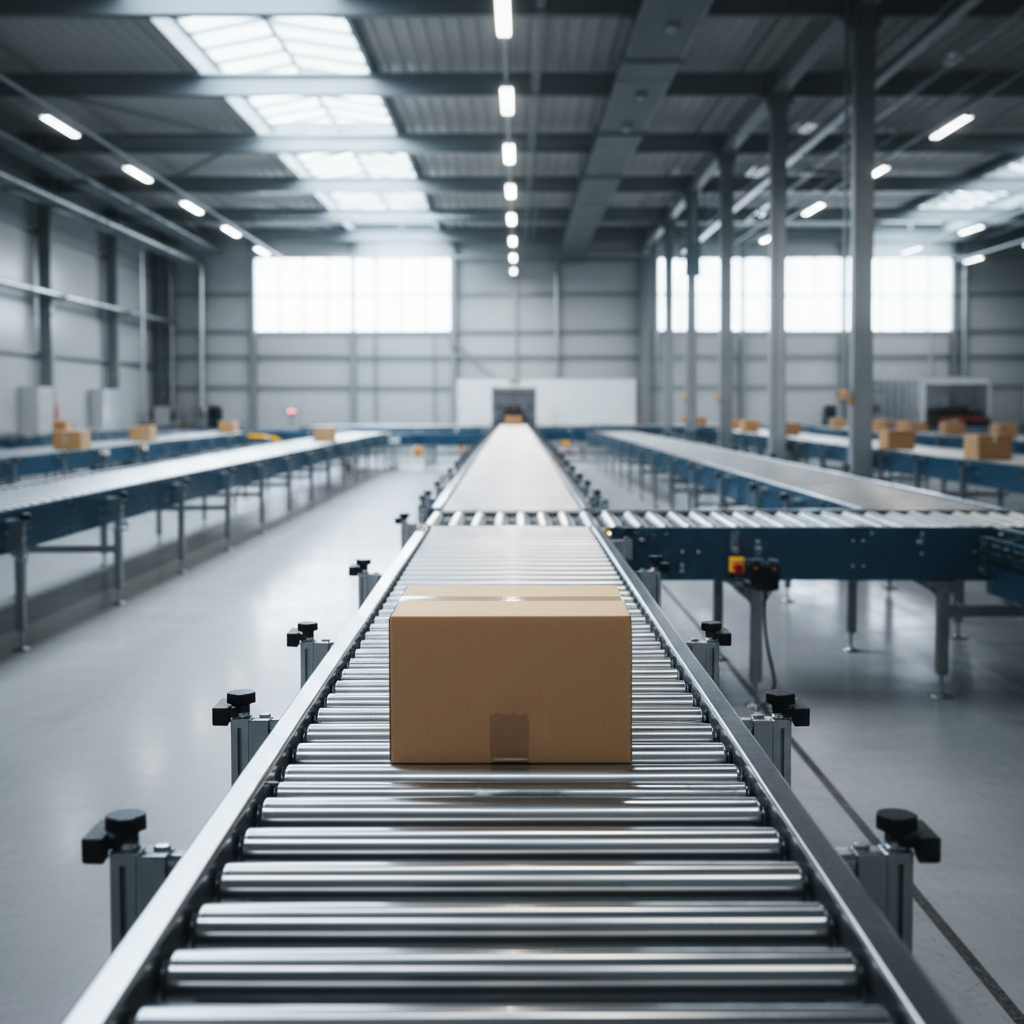 Conveyor Systems
Energy Efficiency in Conveyor Systems: A Benelux Guide
This article provides practical steps for enhancing the energy efficiency of conveyor systems in the Benelux. Discover how modern motors, smart controls, and data-driven maintenance can reduce operational costs and CO2 emissions in your warehouse or production facility.
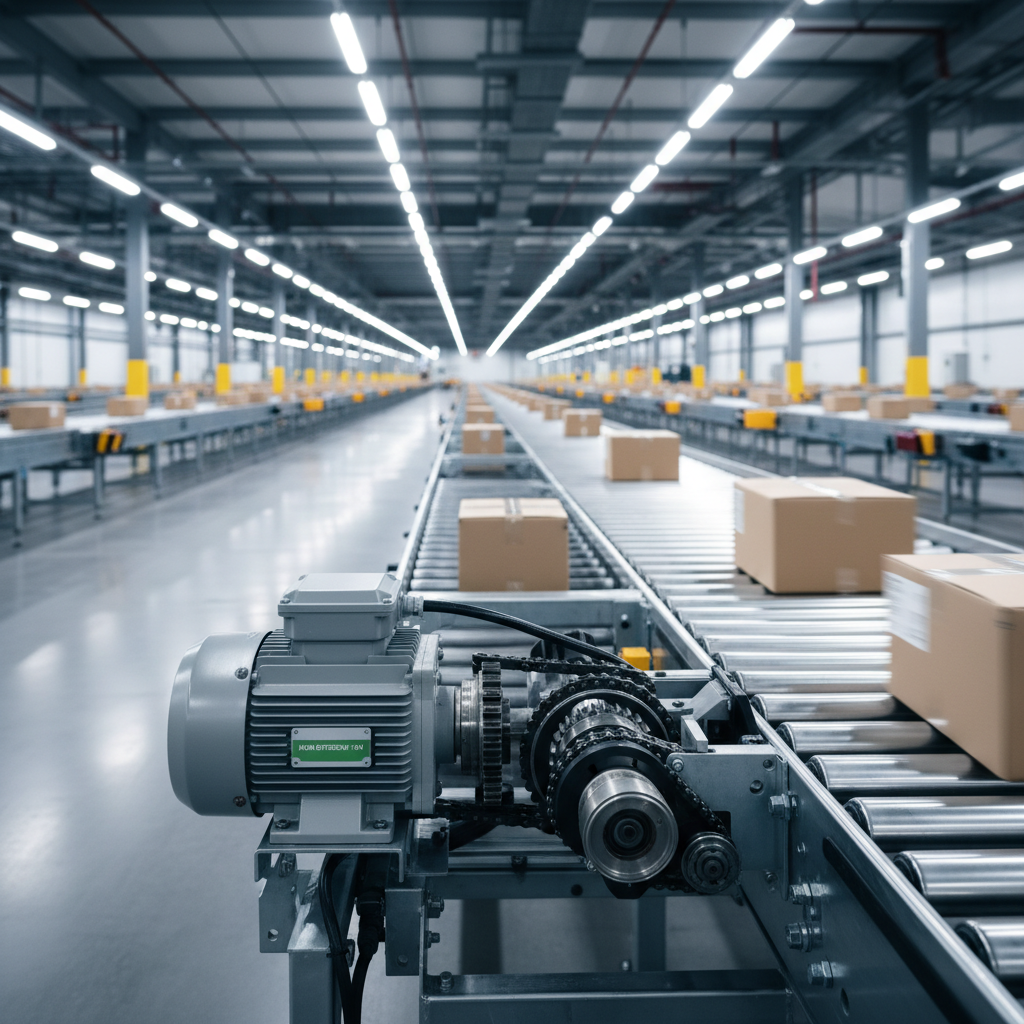 Conveyor Systems
Energy-Efficient Motors: Powering Sustainable Benelux Conveyors
Upgrading to energy-efficient motors like Permanent Magnet Synchronous Motors (PMSM) or Motorized Drive Rollers (MDR) can significantly reduce conveyor energy consumption and operational costs, aligning with EU sustainability goals for Benelux logistics.
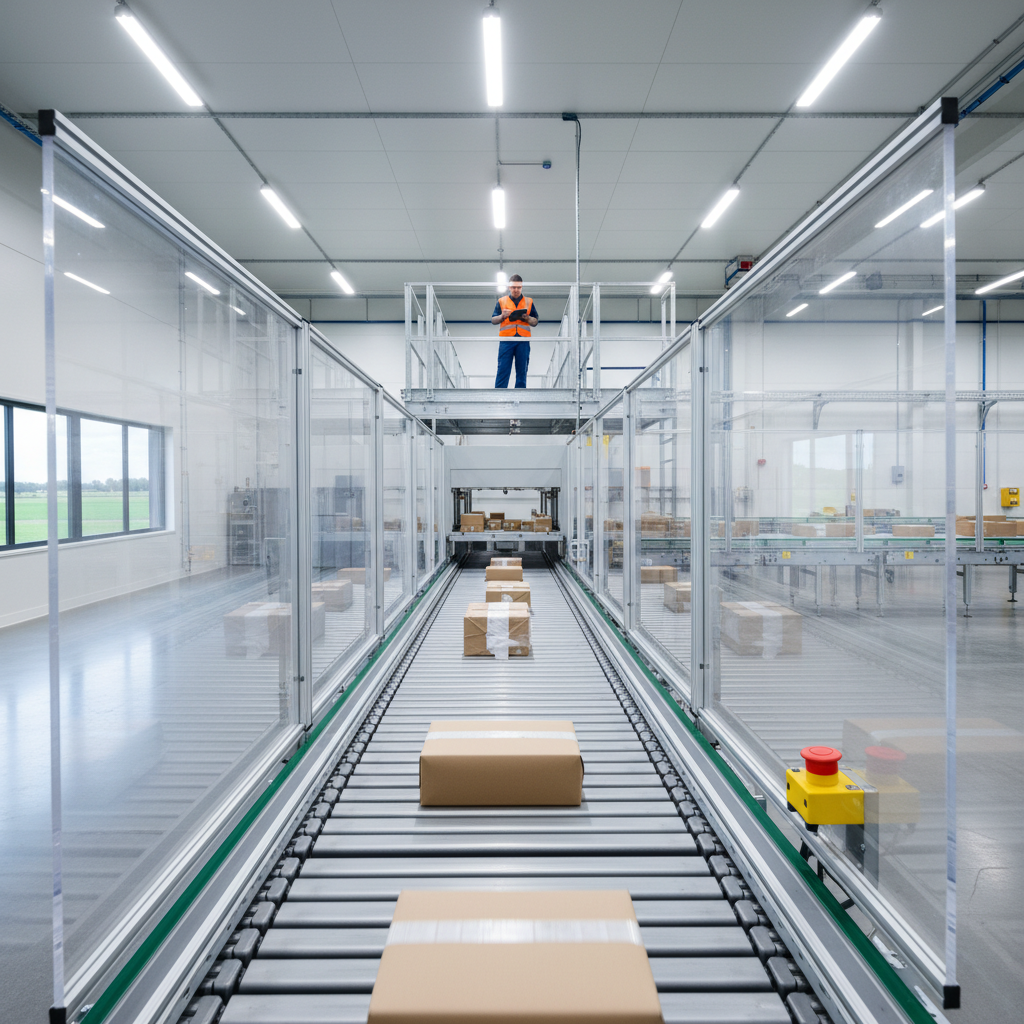 Conveyor Systems
Conveyor Safety in the Benelux: A Guide to Compliance
A comprehensive guide to conveyor system safety standards in Belgium, the Netherlands, and Luxembourg. We cover essential regulations like the Machinery Directive 2006/42/EC and EN 620, risk assessment, and operational best practices to ensure a safe and compliant warehouse environment.
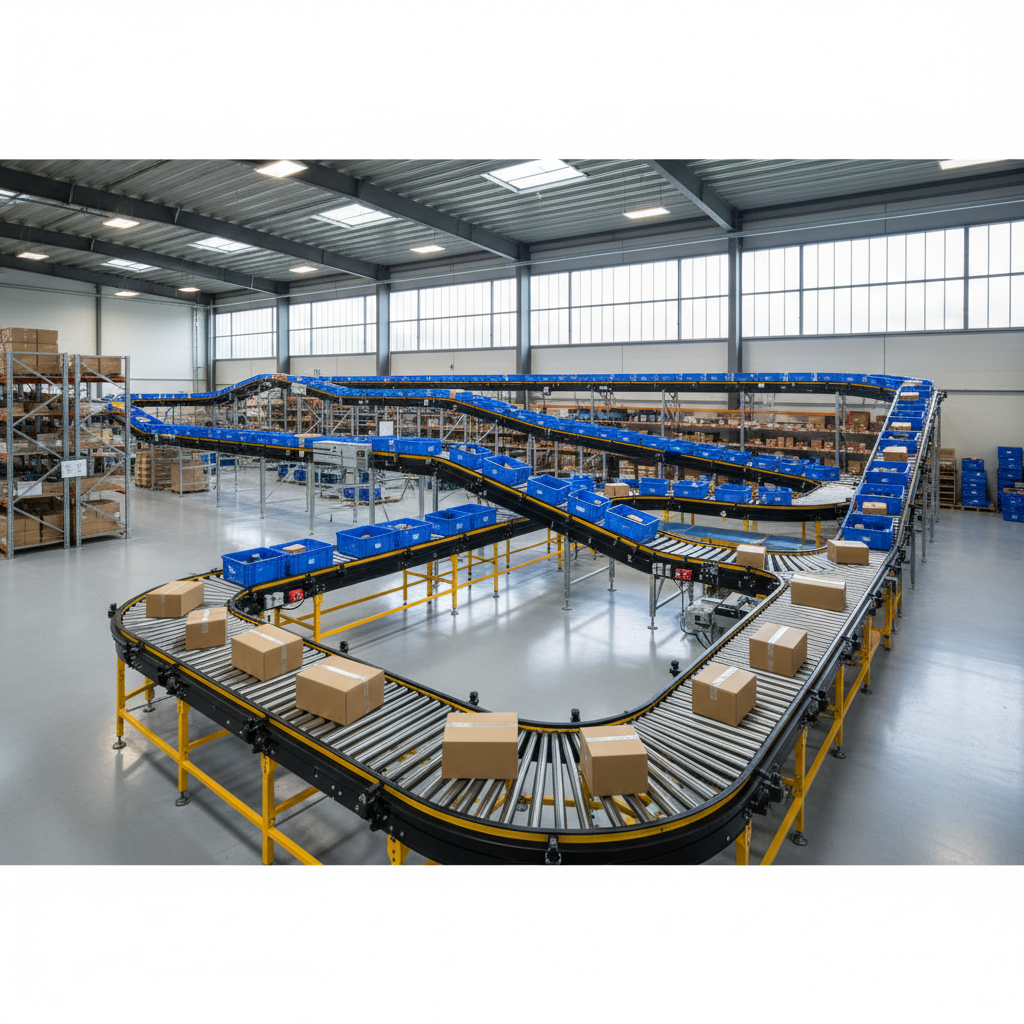 Conveyor Systems
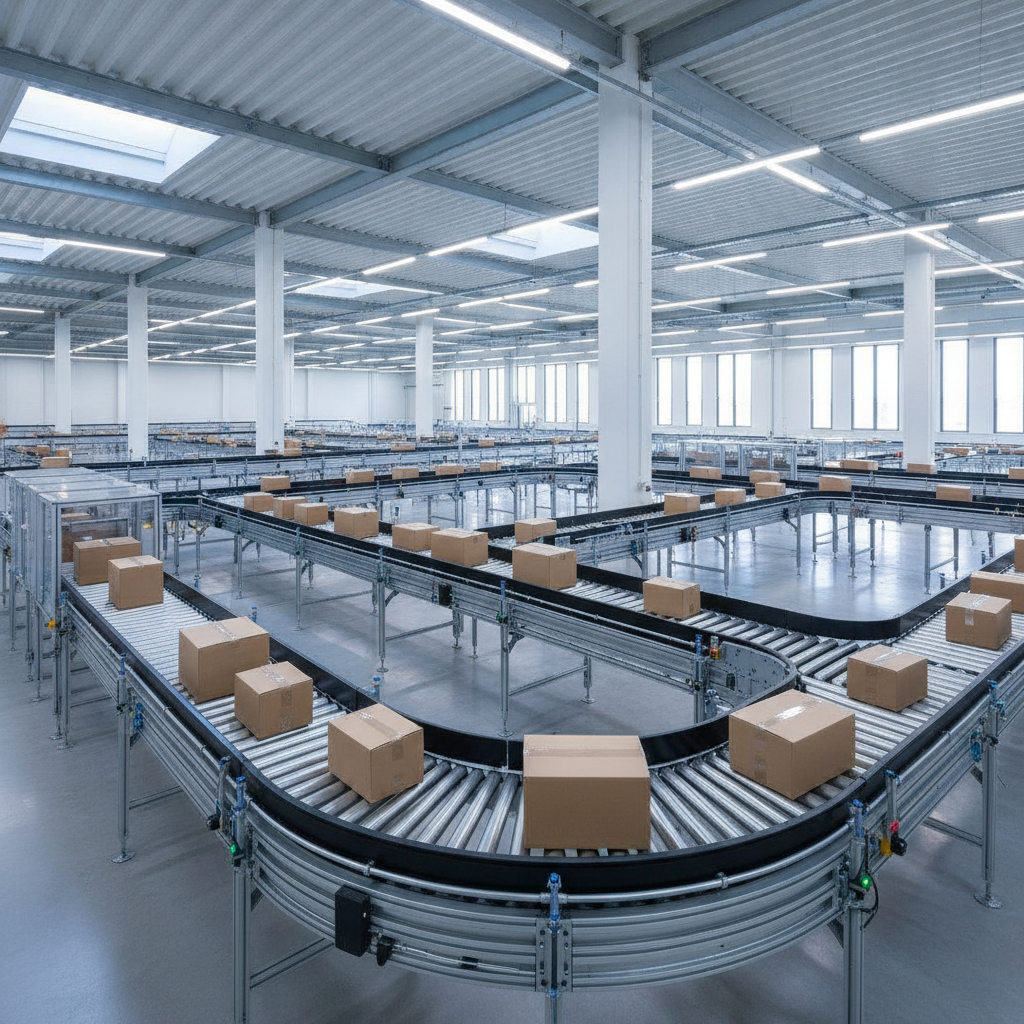
Hybrid Conveyor Systems: Synergy in Benelux Warehouses
Hybrid conveyor systems strategically combine the high-throughput power of classic conveyors with the flexibility of modular automation, creating adaptable and scalable logistics solutions ideal for the dynamic demands of Benelux distribution centers.
 Conveyor Systems
Modular Conveyor Systems: Flexible Solutions for Production & Distribution
Modular conveyor systems consist of standardized, interconnecting sections that enable rapid installation and easy reconfiguration. This inherent flexibility allows businesses to scale their material handling capabilities quickly in response to market changes, making it a cornerstone of modern, agile logistics.
 Conveyor Systems
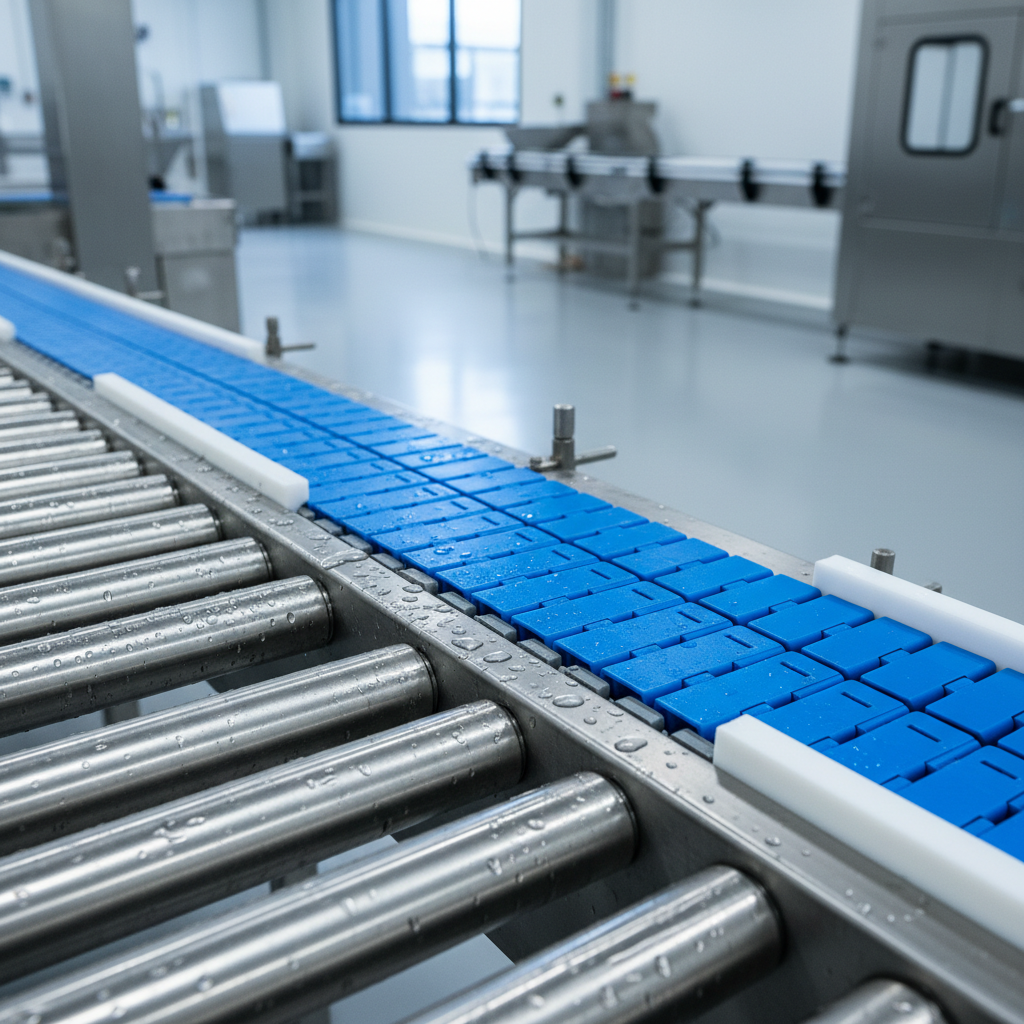
Conveyor Material Choice: Durability and Performance in the Benelux
Choosing the right conveyor material—steel for strength, aluminum for flexibility, or plastic for hygiene—is critical for optimizing warehouse operations in the Benelux. This article explores the trade-offs between durability, cost, and compliance for local industries.
 Conveyor Systems
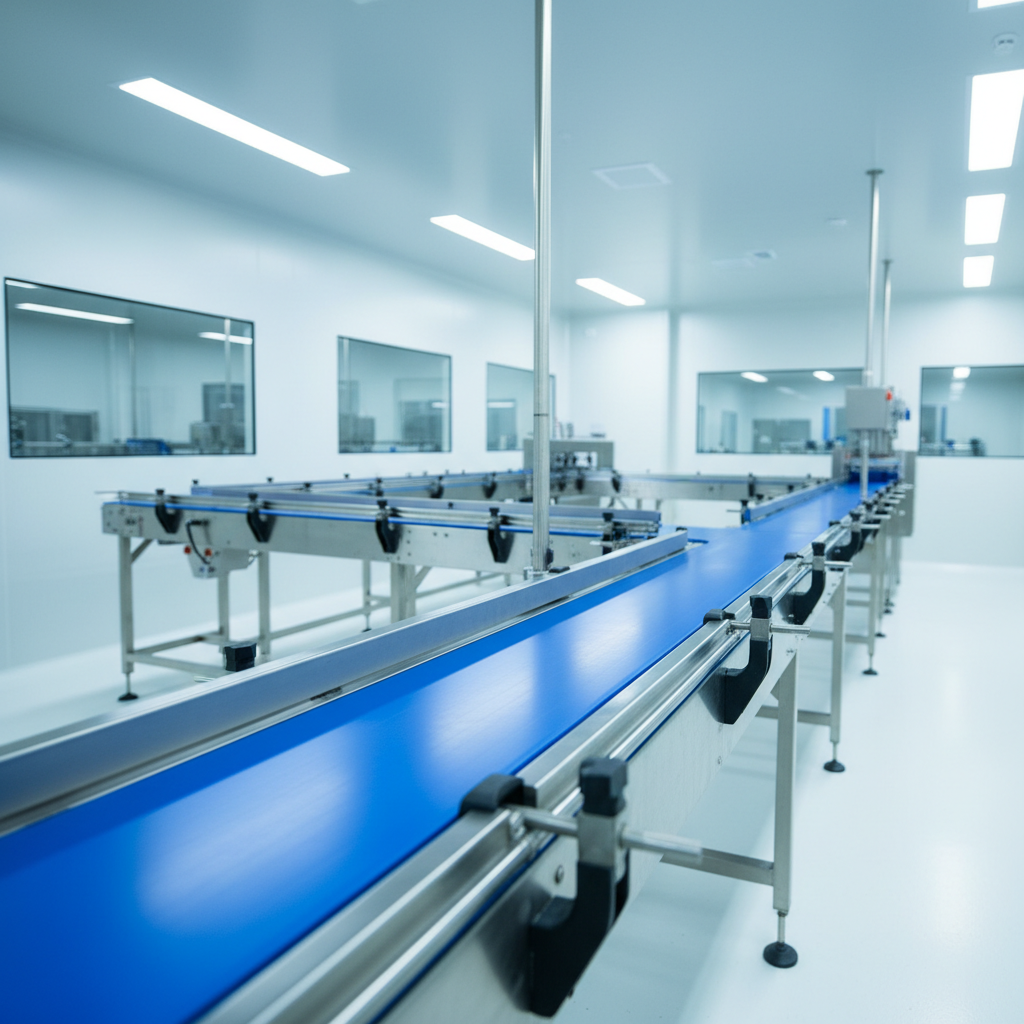
Hygienic Conveyor Systems for Benelux Food & Pharma
Learn to select the right hygienic conveyor system for food or pharmaceutical production in the Benelux, focusing on EHEDG standards, cleanability, and materials like stainless steel to ensure safety and compliance.
 Conveyor Systems
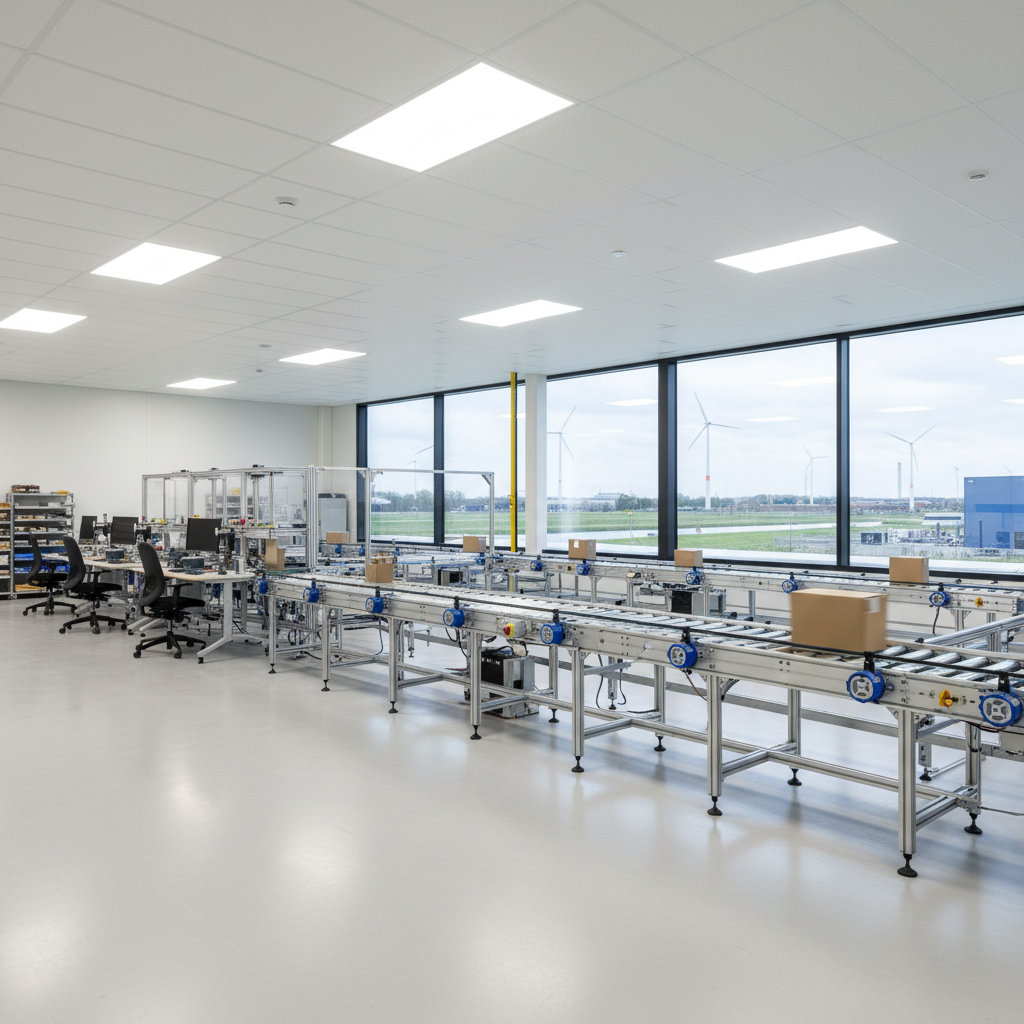
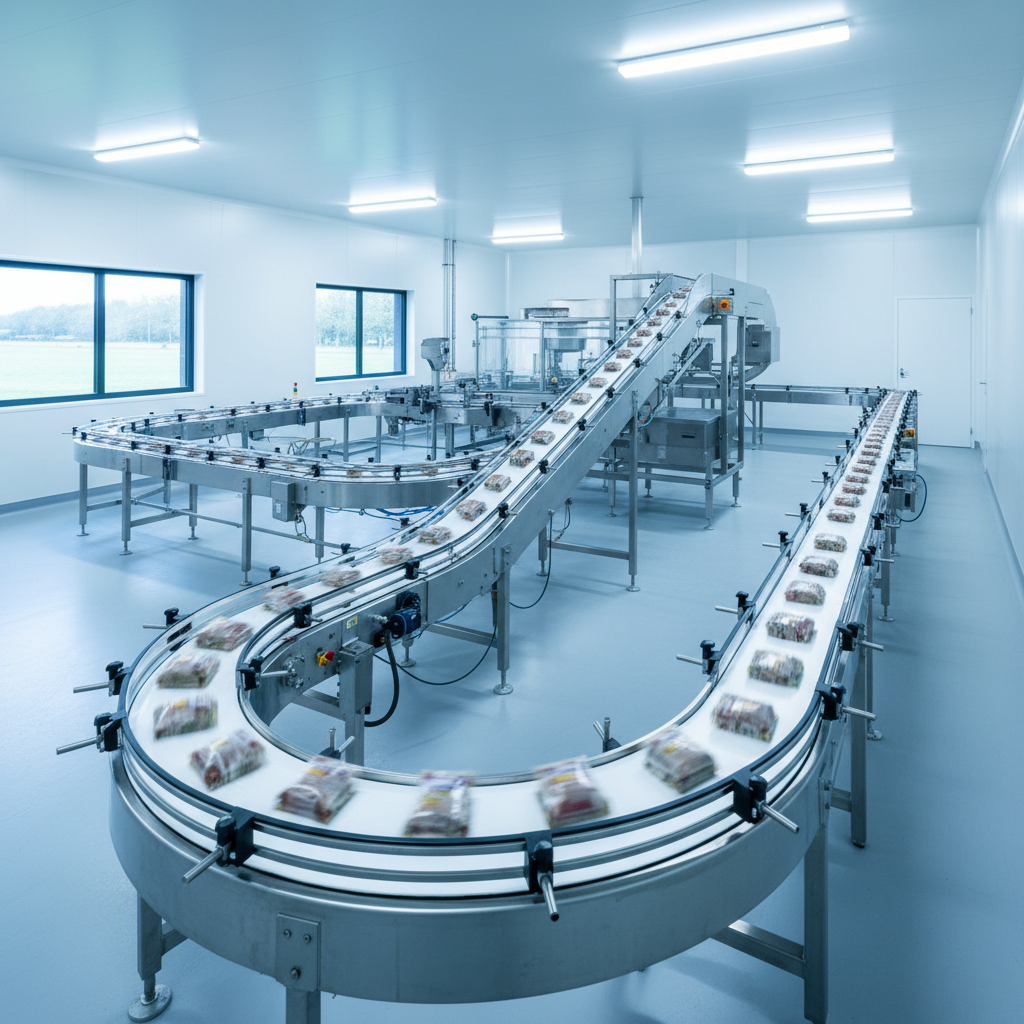
Future-Proofing Conveyor Investments in Benelux Warehouses
Investing in a conveyor system is a major commitment. This guide explores how Benelux warehouse managers can ensure their investment is future-proof through scalable design, modular components, and adaptable technology, preparing for market shifts and growth.
 Conveyor Systems
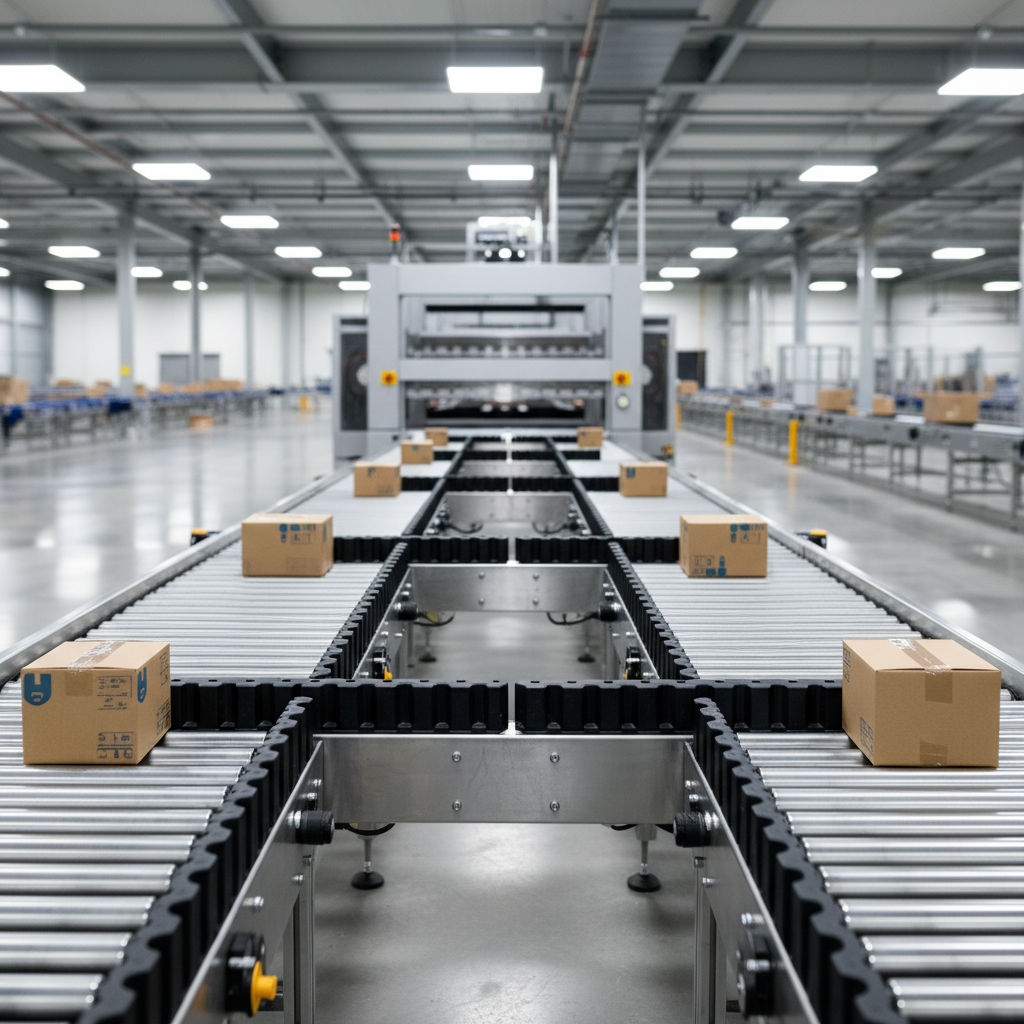
Custom Conveyor Solutions: Addressing Unique Challenges in Benelux Manufacturing
Standard conveyors often fail to meet the specific demands of Benelux manufacturing. Custom solutions provide the necessary flexibility for complex product handling, space limitations, and stringent regulations, delivering a significant return on investment.
 Conveyor Systems
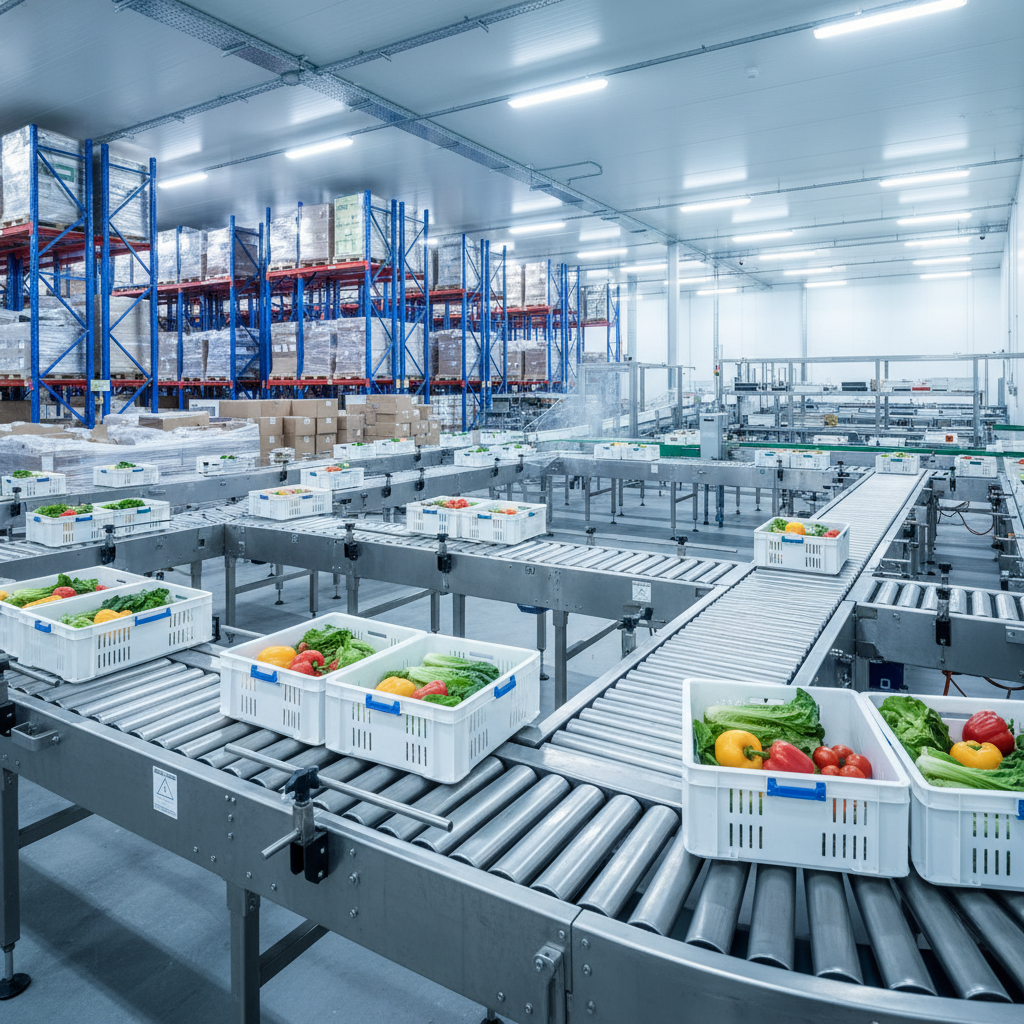
Zero-Pressure Accumulation Conveyors: Enhancing Throughput & Preventing Damage in Benelux Sortation Centers
Zero-Pressure Accumulation (ZPA) conveyors are essential for modern sortation centers, creating buffer zones that prevent product damage and maintain high throughput. This article explores the technology, benefits, and implementation of ZPA systems in the Benelux region.
 Material Handling
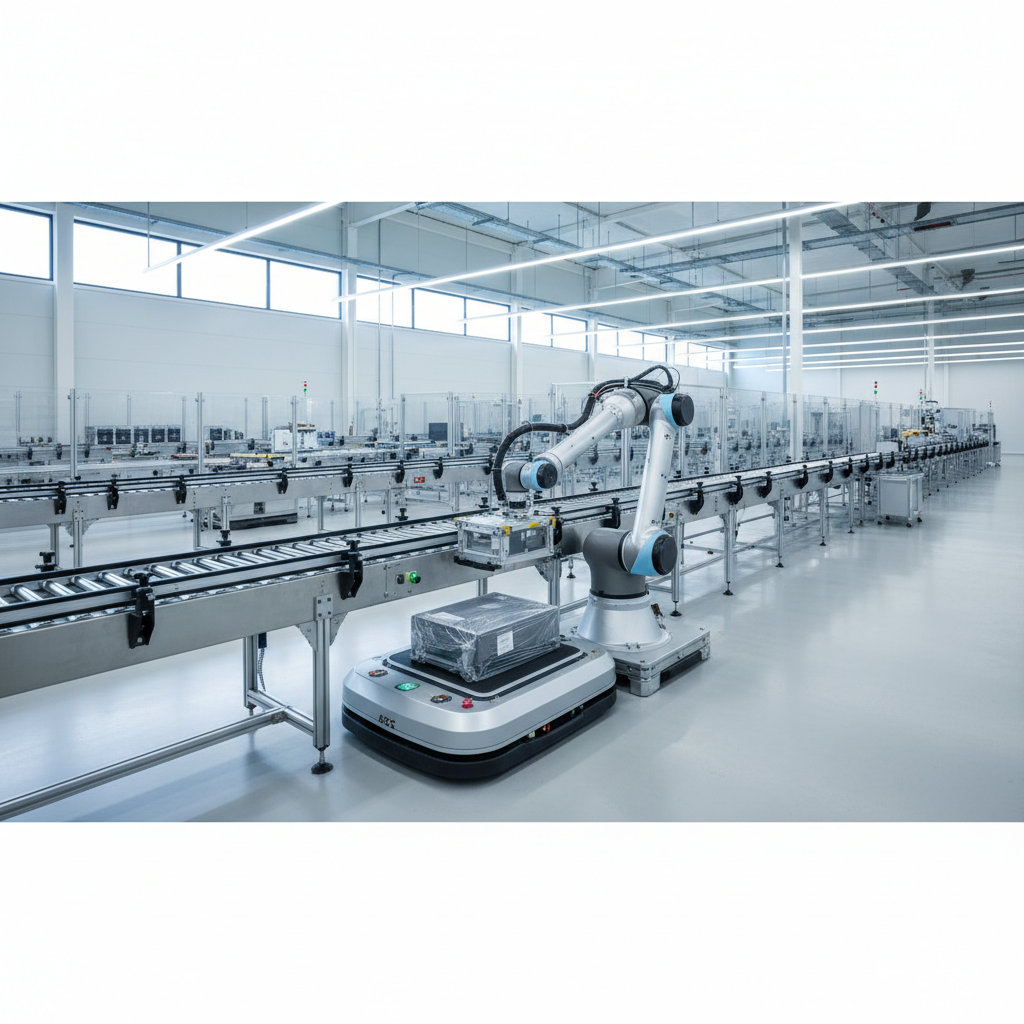
Optimizing Conveyor Systems for Cold Chain Logistics in the Benelux
Maintaining the integrity of the cold chain is critical in the dense logistics landscape of the Benelux. This article explores how to select, design, and optimize conveyor systems for temperature-controlled environments, ensuring product safety and operational efficiency.
 Material Handling
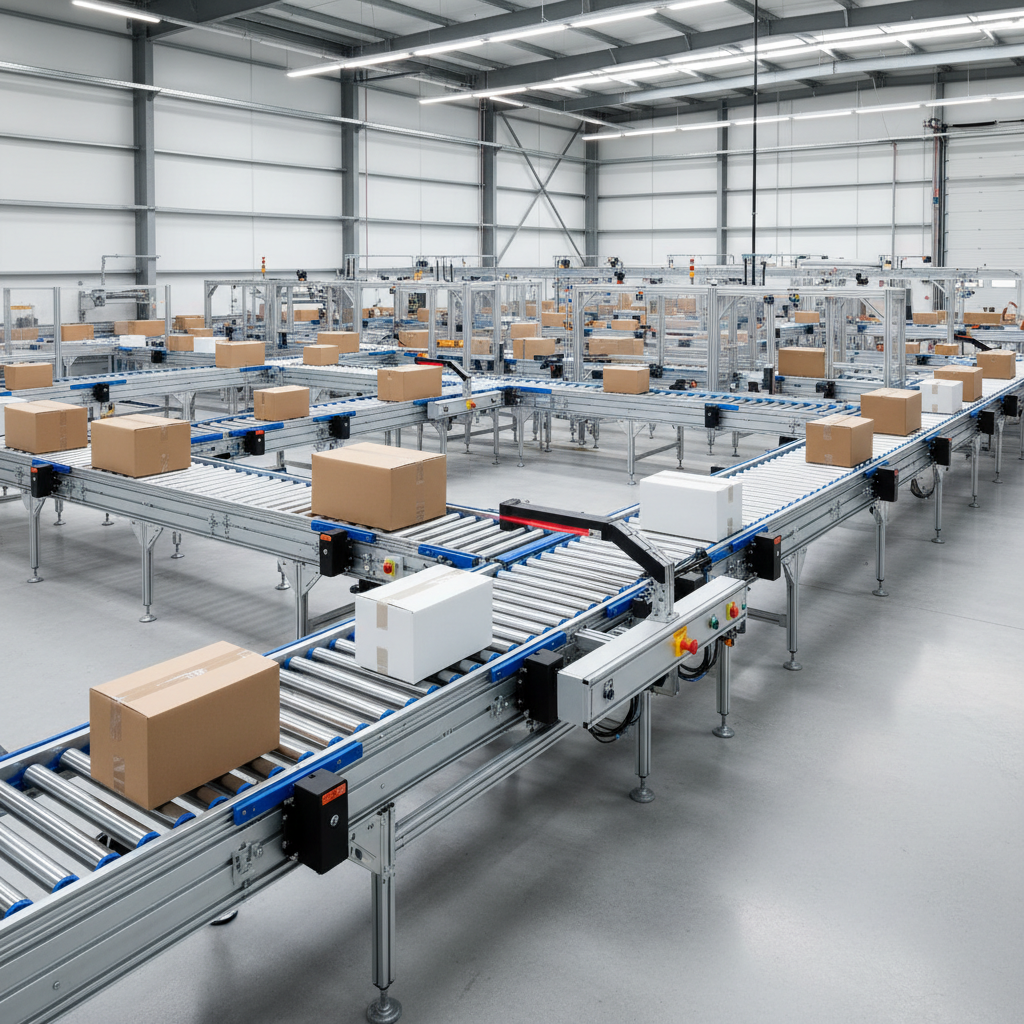
Automated Guided Carts (AGCs) and Conveyors: Streamlining Production Lines in Benelux Manufacturing
Combining the flexibility of Automated Guided Carts (AGCs) with the high throughput of fixed conveyors creates a powerful hybrid solution for modern production lines. This article explores how Benelux manufacturers can leverage this synergy to reduce costs and increase adaptability.
 Conveyor Systems
Guided Conveyor Systems: Navigating Benelux Manufacturing
Guided conveyor systems use fixed paths with integrated logic to automatically route items through complex manufacturing and logistics environments, crucial for Benelux's high-tech production landscape.
 Conveyor Systems
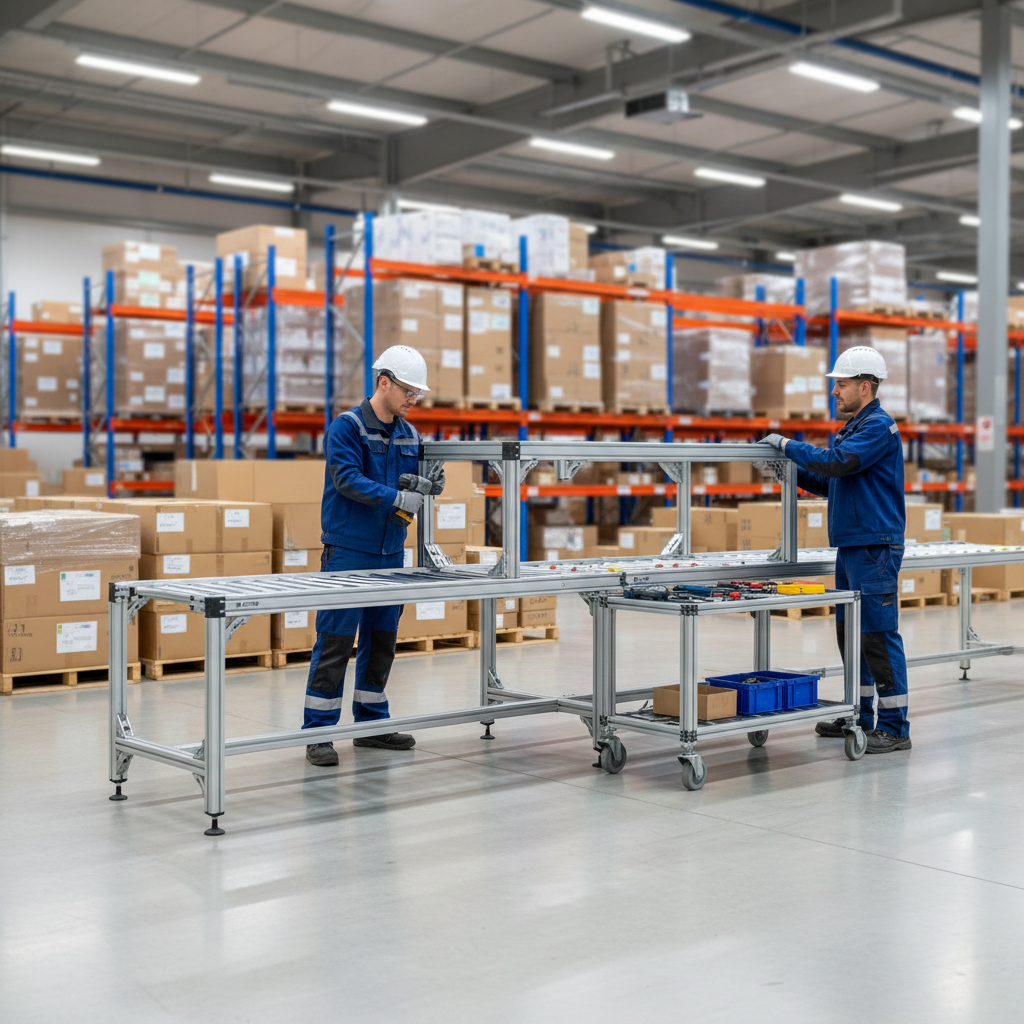
Quick-Install Conveyors: Minimizing Downtime in Benelux
In the fast-paced Benelux logistics sector, downtime is costly. Quick-install conveyors offer a solution: modular, pre-engineered systems that reduce installation time from weeks to days, ensuring operational continuity.
 Conveyor Systems
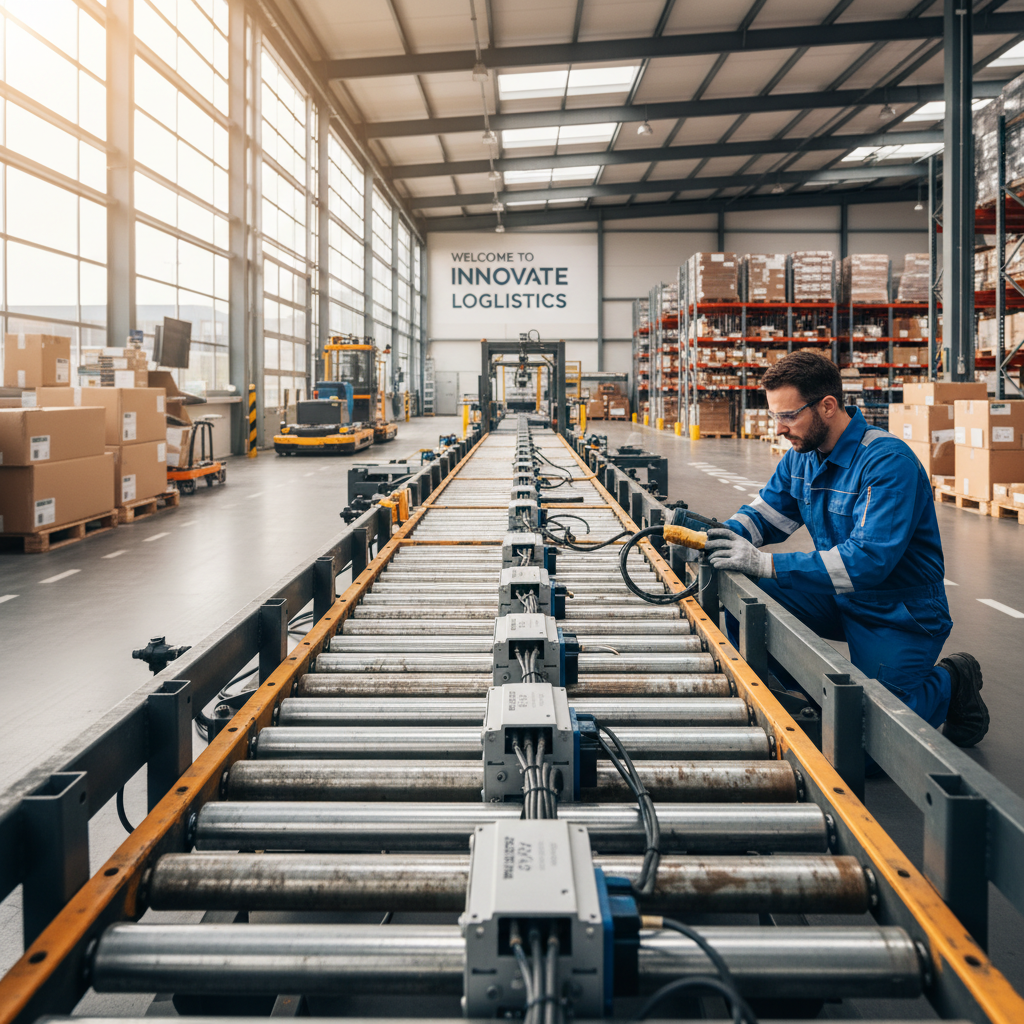
Conveyor Upgrades for Benelux SMEs: Affordable Optimization
For Benelux SMEs, conveyor system upgrades are not about complete replacement but smart, affordable optimizations. Enhance efficiency and reduce costs by focusing on high-impact areas like motors, controls, and modular additions.
 Material Handling
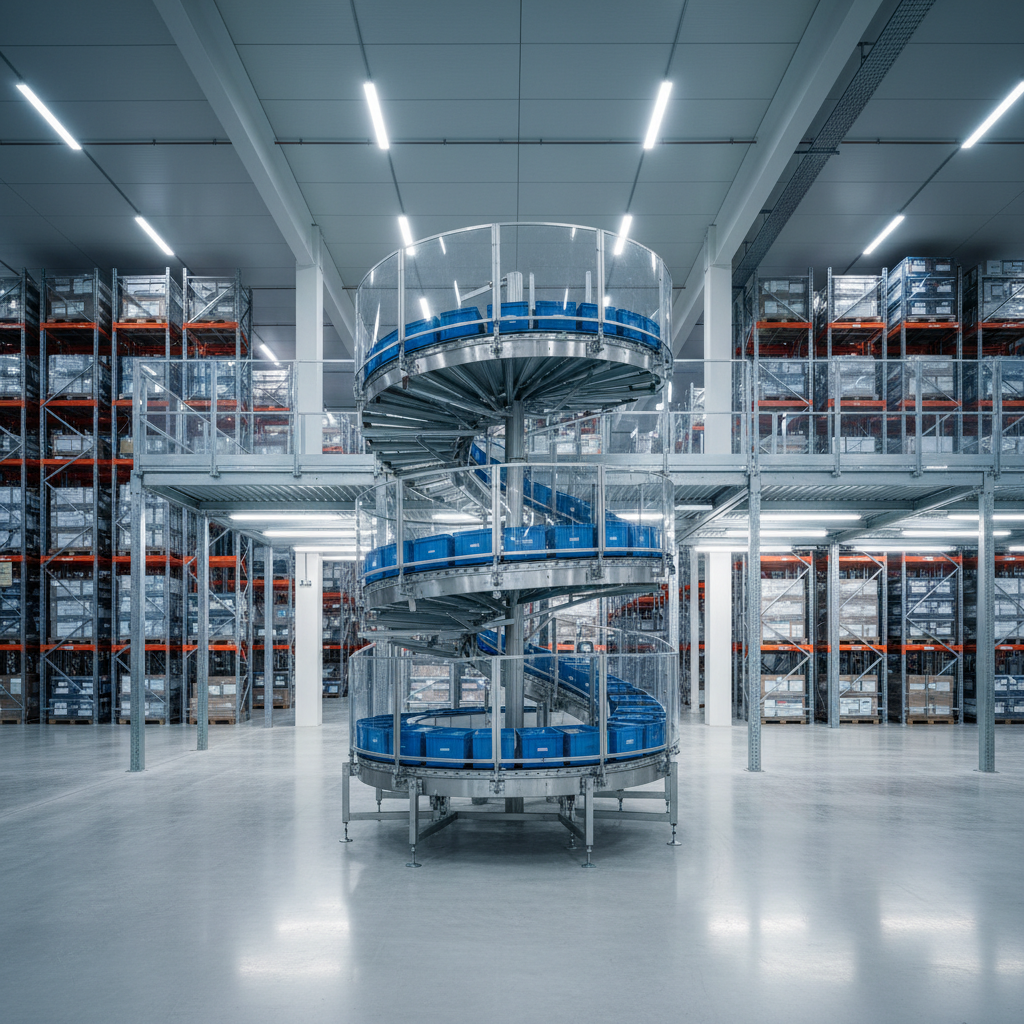
Vertical Conveyor Systems: Maximizing Storage in Benelux
In the space-constrained Benelux market, building 'up' is more viable than building 'out'. This guide explores how vertical conveyor systems unlock massive storage density gains by efficiently connecting mezzanines and multi-level structures.
 Conveyor Systems
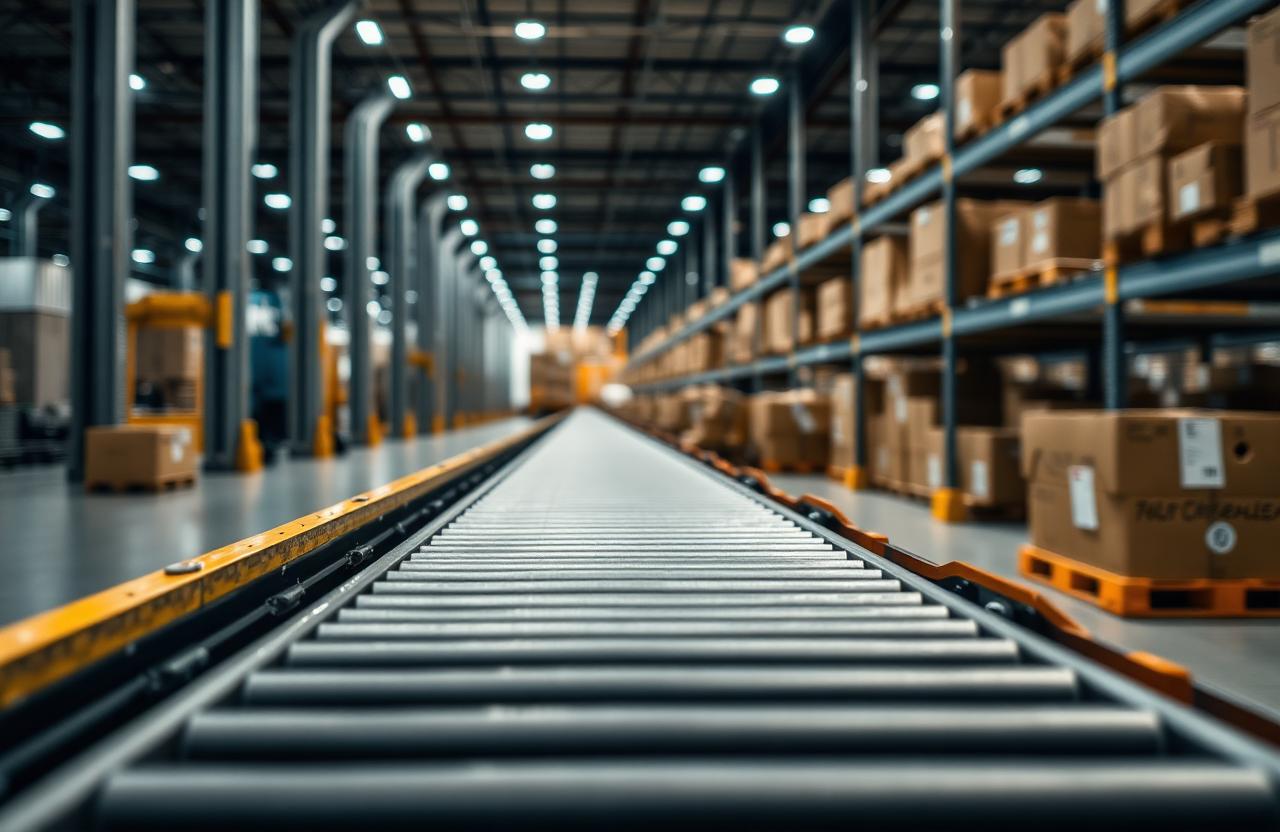
What Is a Roller Conveyor? A Complete 2026 Guide for Warehouses
Roller conveyors are the backbone of modern internal transport. Learn how gravity and powered rollers compare, where they fit, and how to size them for your facility.
 Conveyor Systems
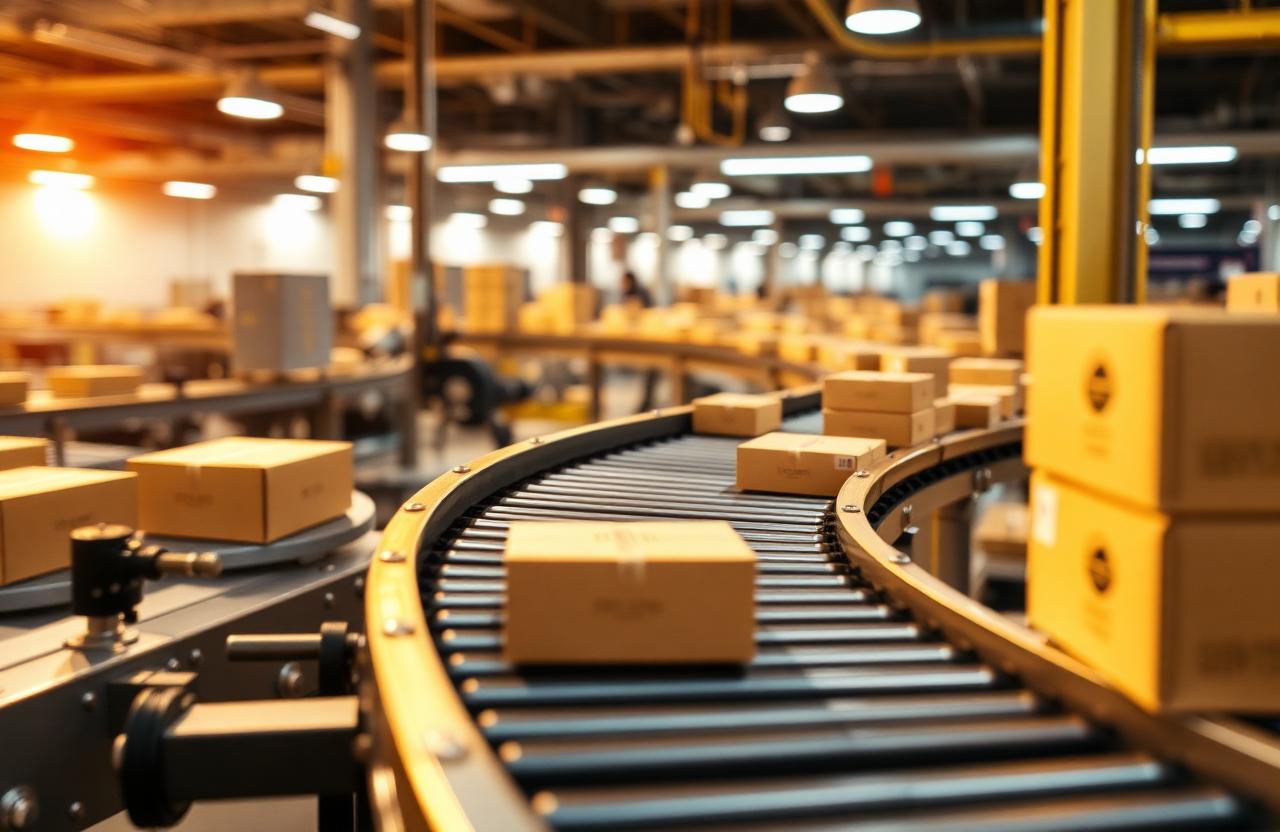
Gravity vs. Powered Conveyor: Which One Should You Choose?
A practical, side-by-side comparison of gravity and powered roller conveyors — cost, throughput, control and the situations where each one wins.
 Material Handling
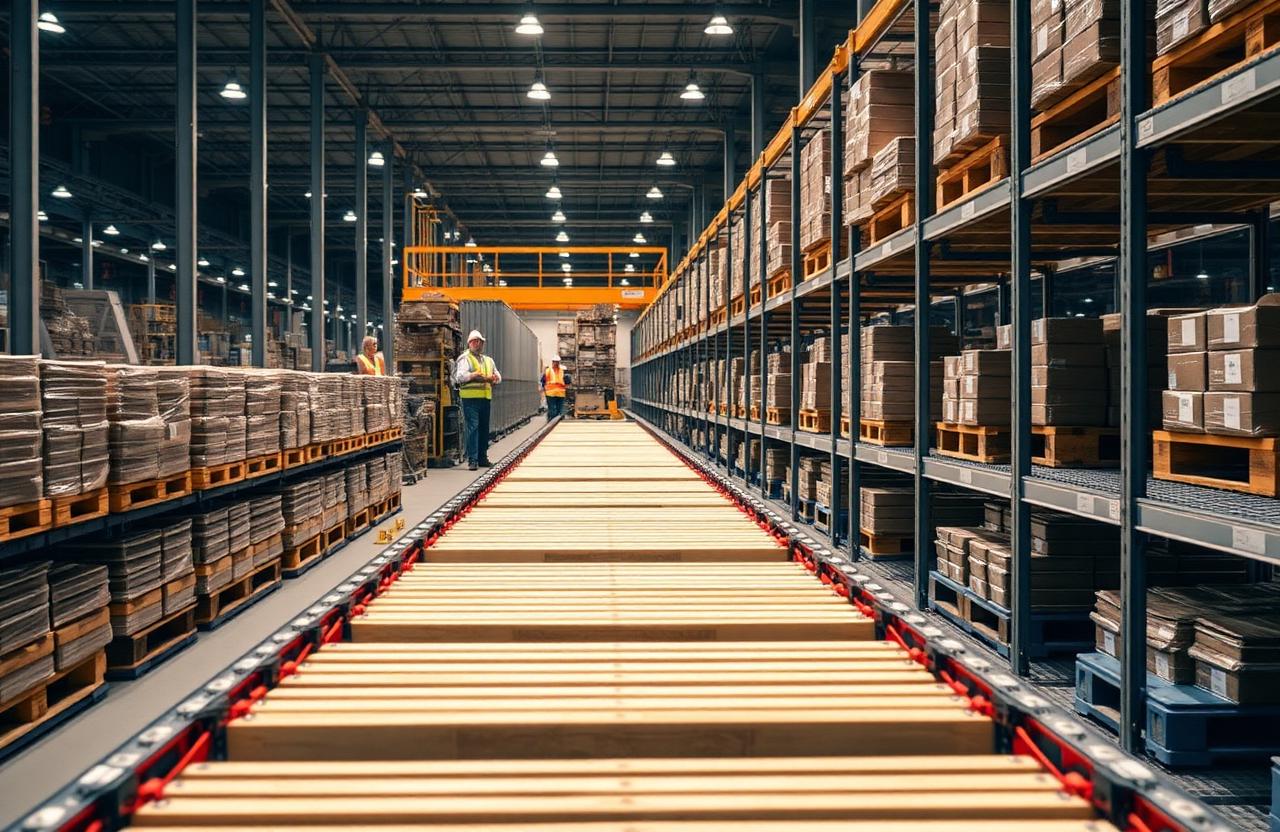
Automated Pallet Transport Systems: A Practical Buyer's Guide
Pallet conveyors, transfer cars, AGVs and shuttles all move pallets — but each shines in a different layout. Here's how to decide.
Planning a new conveyor or automation project?
Easy Systems designs and installs internal transport, conveyor and warehouse automation systems across the Benelux. Tell them about your flow — they'll come back with a system that scales.