Hygienic Conveyor Systems for Benelux Food & Pharma
Learn to select the right hygienic conveyor system for food or pharmaceutical production in the Benelux, focusing on EHEDG standards, cleanability, and materials like stainless steel to ensure safety and compliance.
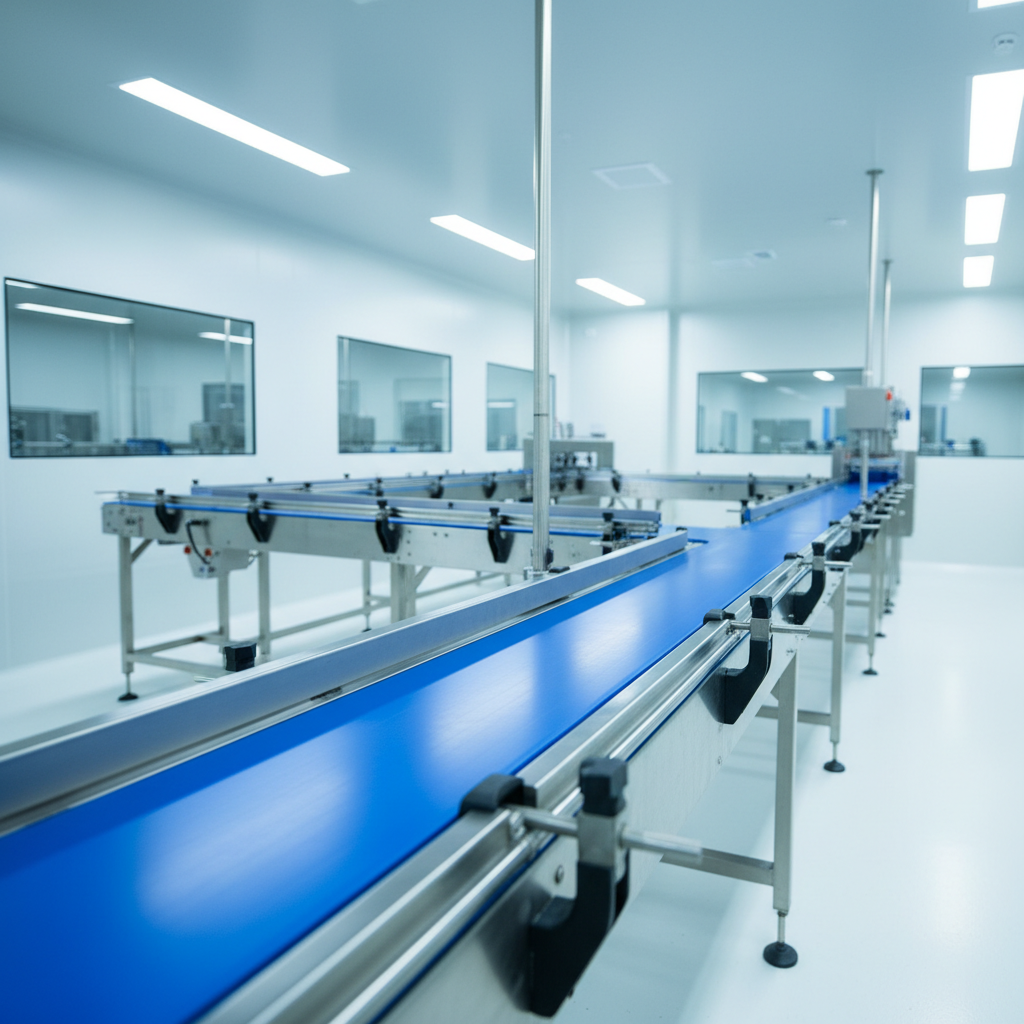
In the high-stakes world of food and pharmaceutical production, where consumer safety is paramount, contamination is not an option. For facilities throughout Belgium, the Netherlands, and Luxembourg, maintaining impeccable hygiene standards is a legal and moral obligation. This is where hygienic conveyor systems become critical infrastructure, engineered from the ground up to prevent microbial growth and ensure product integrity from processing to packaging.
Definition
A hygienic conveyor system is a material transport solution specifically designed and constructed for environments requiring high levels of cleanliness, such as food processing, beverage production, and pharmaceutical manufacturing. Its core purpose is to be easily and thoroughly cleanable to prevent the harbouring of bacteria and cross-contamination, adhering to standards set by bodies like EHEDG and the FDA.
Core Principles of Hygienic Design in a European Context
Designing a truly hygienic conveyor goes far beyond simply using stainless steel. It involves a holistic approach guided by principles established by organisations like the European Hygienic Engineering & Design Group (EHEDG). These principles are designed to create surfaces that are smooth, non-porous, and free of crevices where microorganisms could thrive.
Key principles include:
- Open and Accessible Construction: Frames should be built from open profiles (e.g., round tubes instead of hollow square sections) to eliminate hidden surfaces and allow for 360-degree access for cleaning and inspection.
- Self-Draining Surfaces: All surfaces should be sloped to ensure that water and cleaning solutions drain away completely, preventing pooling and microbial growth.
- Smooth, Continuous Welds: Welds must be polished and continuous to eliminate cracks and pits that can trap food particles. Stitch welding is unacceptable in food-contact zones.
- Hygienic Components: All components, including motors, gearboxes, and sensors, should have high Ingress Protection (IP) ratings, typically IP67 or IP69K, allowing them to withstand high-pressure washdowns with caustic cleaning agents.
Regulatory Framework in the Benelux
Facilities in the Benelux must comply with a stringent set of EU regulations. The most critical is Regulation (EC) No 1935/2004 on materials and articles intended to come into contact with food. This regulation mandates that materials must not transfer their constituents to food in quantities that could endanger human health. This directly impacts the choice of conveyor belts, plastic components, and lubricants. Other relevant standards include EN 1672-2, which specifies hygiene requirements for food processing machinery.
Types of Hygienic Conveyors and Belting
The choice of conveyor type and belt material is fundamental to its hygienic performance. While a standard belt conveyor framework can be adapted, true hygienic design requires specific materials and construction methods.
Conveyor Frame Materials
The industry standard for hygienic frames is stainless steel, primarily grades 304 (1.4301) and 316L (1.4404). Grade 304 is sufficient for most applications, but 316L offers superior corrosion resistance, making it essential for environments with high salt or acid content, such as processing fish, meats, or citrus fruits. The frame should have a polished finish (typically Ra < 0.8 µm) to minimize bacterial adhesion.
Hygienic Belt Comparison
The belt is the component with the most direct product contact, making it a critical choice. Different materials offer a trade-off between durability, hygiene, and cost. A modular plastic belt is a common choice for its strength and versatility, but other options excel in specific scenarios.
| Belt Material | Cleanability | Typical Application | Est. Cost (€/m²) | Temperature Range (°C) |
|---|---|---|---|---|
| Modular Plastic (PP/PE) | Good to Very Good | Packaging, fruit/veg (non-sticky) | €150 - €300 | 5 to 104 |
| Positive Drive Monolithic (TPU) | Excellent | Raw meat, poultry, cheese, dough | €300 - €600 | -30 to 80 |
| Fabric-based Belts (PVC/PU Coated) | Fair to Good | Bakery, confectionery, packaged goods | €80 - €200 | -10 to 90 |
| Stainless Steel Mesh | Very Good | Frying, freezing, draining | €400 - €800+ | -100 to 300+ |
Key Design Features for Washdown Environments
Efficient and effective cleaning is the ultimate goal. Modern hygienic conveyors incorporate features to accelerate the "Clean-In-Place" (CIP) process.
Tool-less Disassembly
To ensure no part of the conveyor is overlooked during cleaning, components like belts, wear strips, and guide rails should be removable without tools. Quick-release tensioning systems allow maintenance staff to slacken the belt in seconds, lift it from the frame, and gain full access to the internal structure for high-pressure washing. This can reduce cleaning time from hours to minutes.
Drive and Motor Considerations
The drive system is a common point of failure and contamination. Hygienic designs utilize:
- Drum Motors: These are hermetically sealed motors and gearboxes housed within the conveyor roller itself. With no external moving parts, they are exceptionally easy to clean and often carry an IP69K rating, making them ideal for the most demanding washdown applications. A typical drum motor for a 500mm wide belt might operate at 0.5 m/s with a 0.37 kW motor.
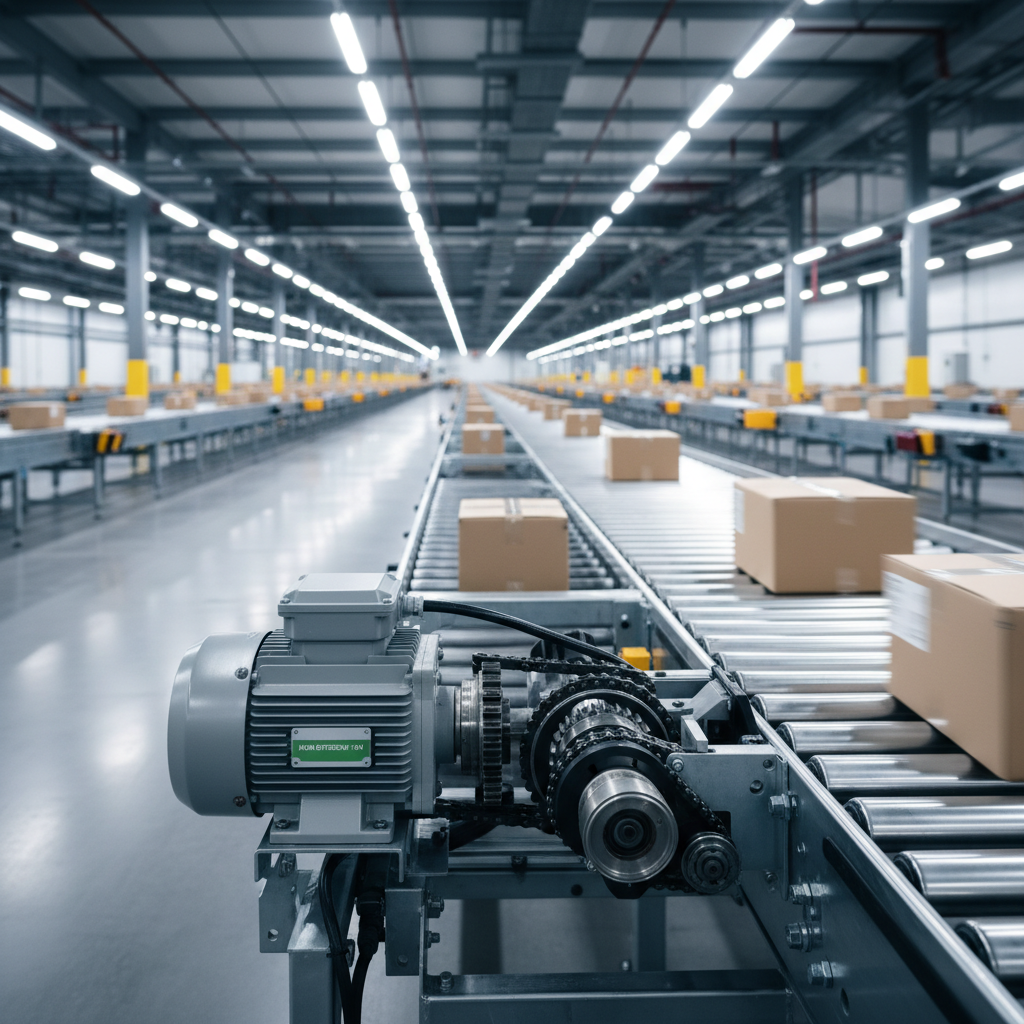
- Stainless Steel Geared Motors: For higher torque applications, external geared motors with a smooth, rounded stainless steel housing are used. These lack cooling fans (which can harbour dirt) and are designed to be self-draining and resistant to caustic chemicals.
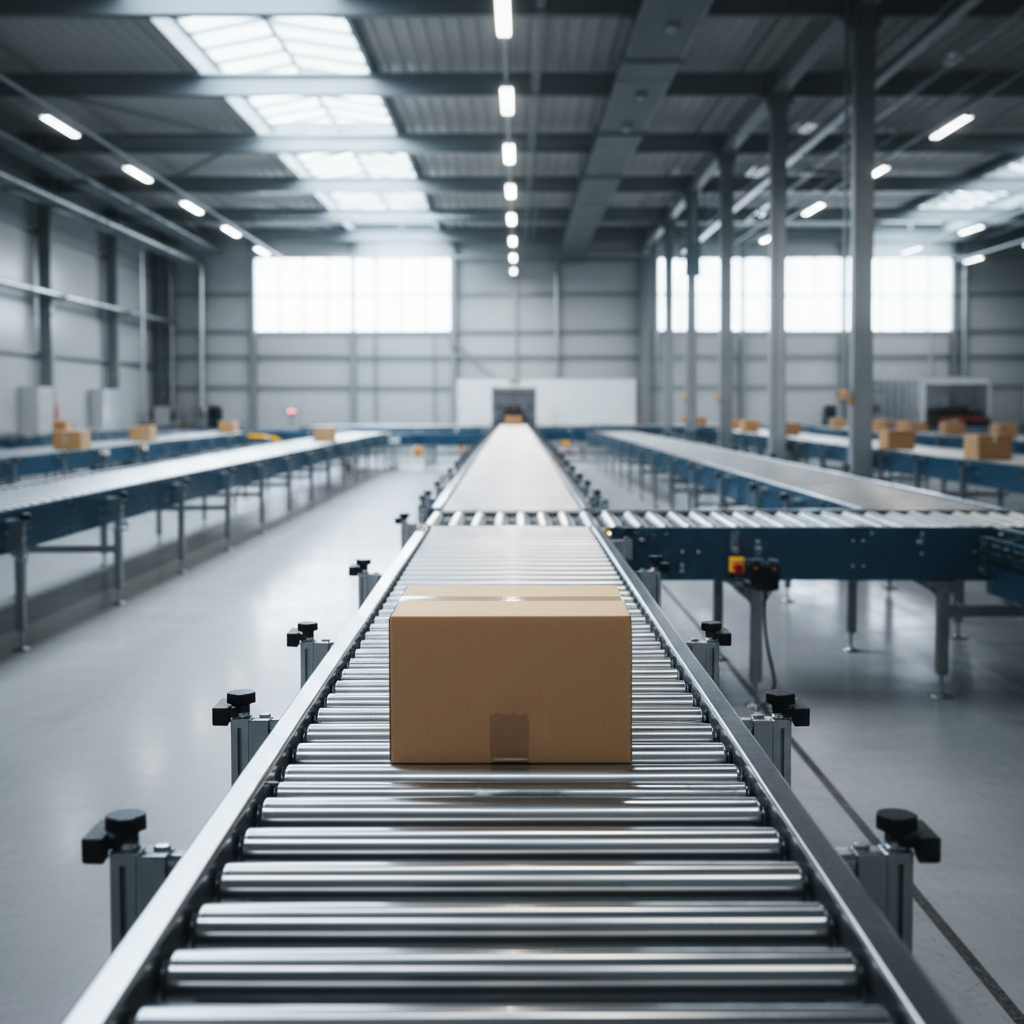
While standard roller conveyors are the backbone of logistics for boxed goods, the direct-contact nature of unpackaged food and pharmaceuticals necessitates the seamless, cleanable surfaces provided by specialized belt systems. These systems are designed to eliminate the potential harbors for bacteria that roller systems can present.
Cost vs. ROI: Investing in Hygienic Automation
Hygienic conveyors represent a significant investment compared to standard systems. A stainless steel hygienic belt conveyor can range from €1,500 to €4,000+ per meter, whereas a standard aluminum-frame equivalent might be €500 to €1,200 per meter. However, this initial outlay is offset by a tangible return on investment.
The ROI is calculated through:
- Reduced Cleaning Time: A system designed for easy cleaning can cut sanitation labor costs by 50-75%. A 2-hour cleaning cycle "can be reduced to 30 minutes, saving hundreds of man-hours per year.
- Minimized Contamination Risk: The cost of a product recall—involving logistical costs, fines, and brand damage—can easily run into millions of euros. A properly designed hygienic system is a critical insurance policy against this.
- Increased Uptime: Faster cleaning means more time for production. For a high-volume food producer, every hour of additional production can be worth tens of thousands of euros. As companies grow, their processes must scale efficiently to maintain profitability and meet demand.
Easy Systems: Your Partner in Hygienic Automation for the Benelux
Choosing the right hygienic conveyor system requires a deep understanding of both mechanical engineering and food/pharma safety regulations. As a leading integrator of conveyor technology with a strong presence in the Benelux, Easy Systems (BOA Concept) is uniquely positioned to guide you through this process. Our expertise is not just in providing hardware, but in designing holistic solutions that align with your specific production environment, whether it's processing raw meats in Belgium, packaging cheese in the Netherlands, or manufacturing sterile pharmaceuticals in Luxembourg.
We partner with you to analyze your workflow, identify contamination risks, and engineer a system that is not only compliant but also efficient and cost-effective. By focusing on smart design, robust construction, and compliance with the highest European standards, we help you protect your product, your brand, and your bottom line. Trust Easy Systems to build the safe, reliable, and cleanable automation backbone your facility needs to thrive.
Frequently asked questions
What is the difference between a hygienic and a standard conveyor?+
A hygienic conveyor is specifically designed for cleanability with features like open stainless-steel frames, no hollow parts, polished welds, and waterproof components (IP69K). A standard conveyor prioritizes cost and performance and is not suitable for direct food contact or sterile environments.
What are EHEDG guidelines for conveyors?+
EHEDG (European Hygienic Engineering & Design Group) guidelines focus on preventing microbial growth. For conveyors, this means using non-porous materials, ensuring surfaces are smooth and self-draining, eliminating crevices, and making the entire system easy to access and clean thoroughly.
What is the most hygienic type of conveyor belt?+
Monolithic, positive-drive belts made of Thermoplastic Polyurethane (TPU) are generally considered the most hygienic. They have a completely smooth, non-porous surface, require no tensioning (eliminating fabric layers), and have no hinges or crevices like modular belts, preventing any bacteria from being harbored.
How much does a hygienic stainless steel conveyor cost in Europe?+
The cost varies with specifications, but a typical hygienic stainless steel belt conveyor for the food industry in Europe costs between €1,500 and €4,000 per meter. Factors like belt type, width, motor specifications, and level of automation influence the final price.

The Easy Systems engineering team designs, integrates and commissions conveyor systems and warehouse automation across Belgium, the Netherlands and Luxembourg. Combined experience covers roller and belt conveyors, sorters, AGV/AMR fleets, AutoStore, shuttle AS/RS and WMS/WCS integration for distribution centers and e-commerce fulfillment operations.
- Conveyor design (roller, belt, modular plastic)
- Sortation & merge logic
- AGV / AMR fleet integration
- AutoStore & shuttle AS/RS
- WMS / WCS integration