Ergonomic Conveyor Design for Health & Productivity
Ergonomic conveyor system design is crucial for operator health and warehouse productivity. By optimizing conveyor height, reach, and workflow, companies can reduce musculoskeletal disorders by up to 30% and improve picking efficiency.
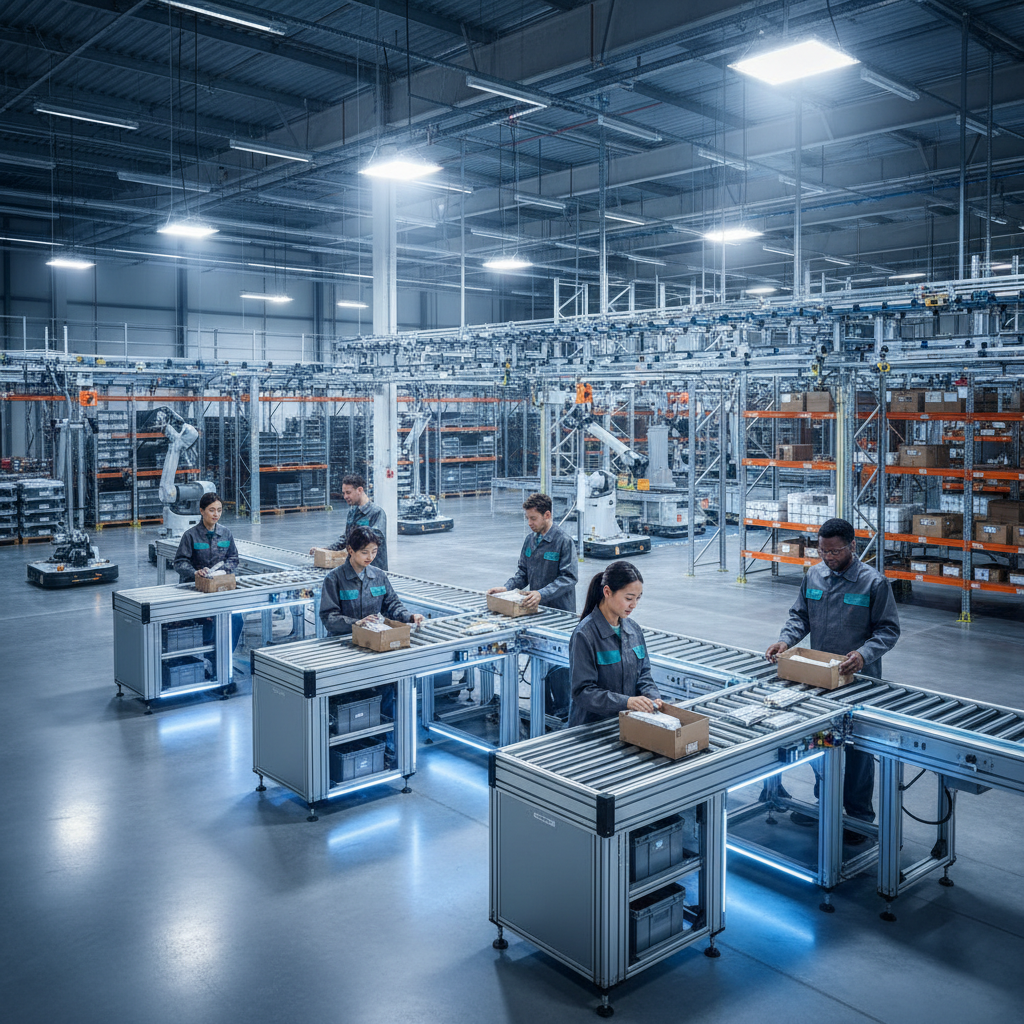
In the fast-paced world of European logistics, the efficiency of a warehouse often hinges on the performance of its human operators. While automation is advancing, manual handling remains a critical component. This makes workplace ergonomics not just a 'nice-to-have', but a fundamental driver of productivity, safety, and employee well-being. A poorly designed conveyor system can lead to chronic injuries, high staff turnover, and operational bottlenecks. Conversely, a system designed with the operator in mind becomes a powerful asset for any logistics operation.
Definition
Ergonomic conveyor design is the practice of engineering and arranging conveyor systems, workstations, and workflows to fit the capabilities and limitations of the human operator. The primary goal is to optimize the interaction between the worker and the system to enhance productivity while minimizing physical strain, fatigue, and the risk of injury.
Key Numbers
| Metric | Typical Range (EU 2026) | Notes |
|---|---|---|
| Optimal Conveyor Height | 900 mm - 1,150 mm (adjustable) | Adjustable for 5th percentile female to 95th percentile male. |
| Maximum Horizontal Reach | < 450 mm | For frequently handled items (< 5 kg) to avoid overstretching. |
| Investment in Ergonomic Features | €500 - €2,000 per workstation | Includes adjustable stands, anti-fatigue mats, improved lighting. |
| Return on Investment (ROI) | 1.5 - 3 years | Calculated from reduced absenteeism, higher productivity, and lower insurance premiums. |
| Ambient Noise Level | 65 - 70 dB(A) | Crucial for concentration and avoiding long-term hearing damage. MDR conveyors are quieter. |
| Productivity Increase | 10-15% | Direct result of reduced fatigue and more efficient movements. |
| Reduction in Musculoskeletal Disorders | 25-30% | Based on post-implementation studies over a 2-year period. |
Why Ergonomics is a Bottom-Line Issue in Logistics
In the European Union, musculoskeletal disorders (MSDs) are the most common work-related health problem, affecting millions of workers. According to EU-OSHA, a significant portion of these are directly linked to poor workplace design in sectors like logistics and manufacturing. The costs are staggering, encompassing direct expenses like medical treatment and insurance, and indirect costs such as lost productivity, high employee turnover, and diminished morale. Investing in ergonomics is a proactive strategy. It directly translates to financial gains by keeping experienced staff healthy and productive, reducing the costs associated with recruitment and training, and ensuring a higher quality of work with fewer errors.
Core Principles of Ergonomic Conveyor Design
Effective ergonomic design is built on a few fundamental principles tailored to the human body's mechanics.
1. Optimize Working Height
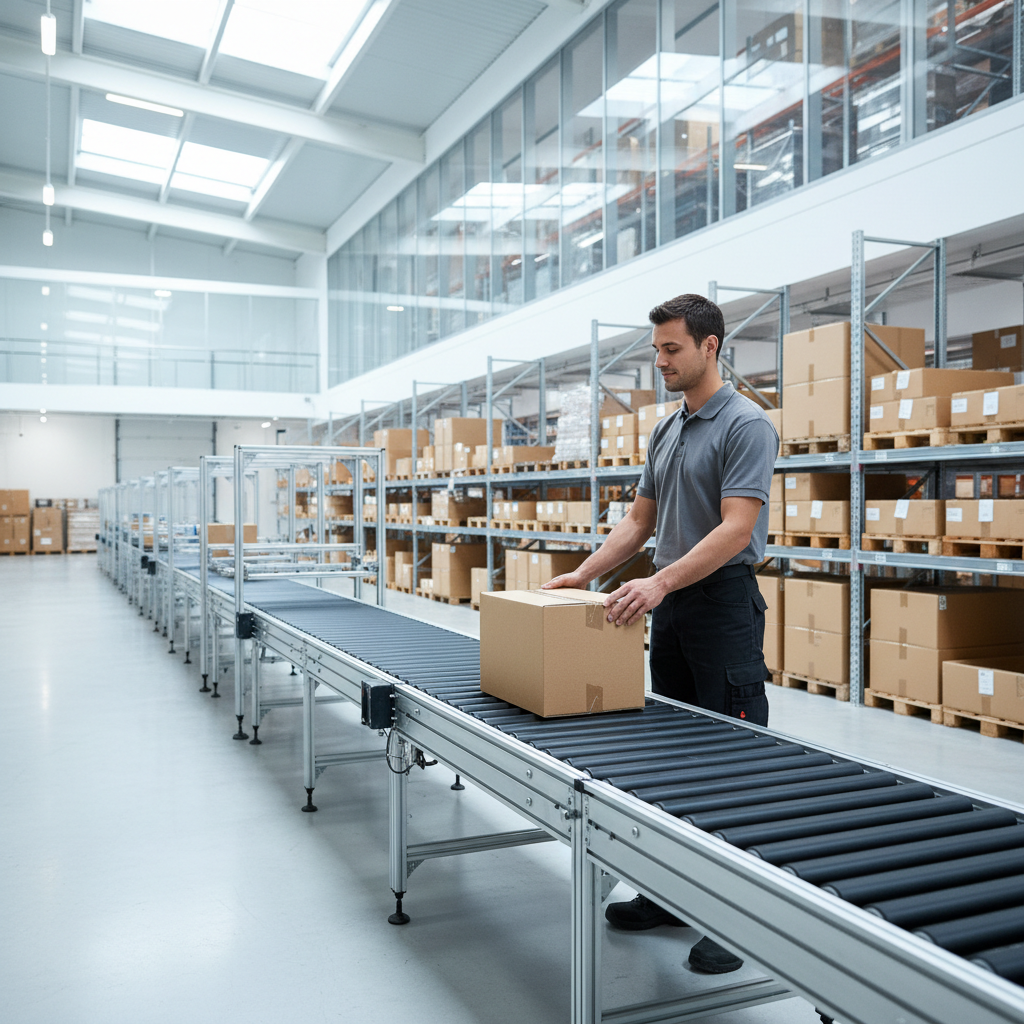
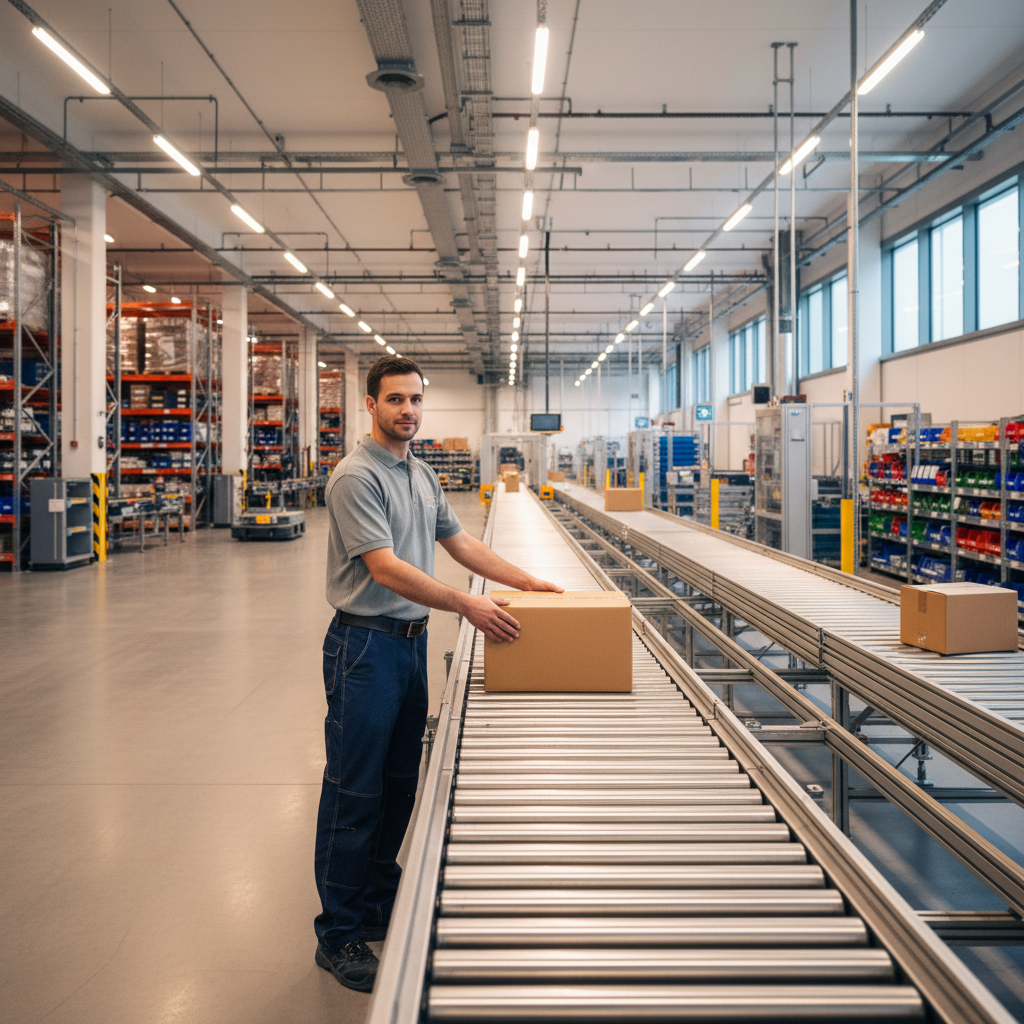
The "one-size-fits-all" approach is a primary cause of MSDs. The ideal work surface should be at or just below the operator's elbow height. For a diverse workforce, this means providing adjustability. Height-adjustable packing stations, often utilizing a belt conveyor section, should accommodate a range from the 5th percentile female (approx. 900 mm surface height) to the 95th percentile male (approx. 1,150 mm). This prevents operators from hunching over or raising their shoulders, both of which lead to severe strain over a shift.
2. Minimize Reach and Lifting
Operators should work within their "power zone"—an area close to the body, roughly between mid-thigh and shoulder height. Frequent reaching beyond 450-500 mm, especially for items weighing over 5 kg, dramatically increases stress on the lower back and shoulders. Good design brings the work to the worker. This can be achieved by narrowing conveyor beds, using diverters to guide products to the operator's side of the conveyor, or integrating tilting mechanisms on feed-in conveyors.
3. Reduce Repetitive Motions and Static Postures
Repetitive Strain Injuries (RSIs) are common when operators perform the same motion thousands of times per day. While repetition is inherent to logistics, its harmful effects can be mitigated. This involves designing workflows that encourage task variation. Furthermore, prolonged static standing is also detrimental. Anti-fatigue mats are a baseline requirement, but well-designed systems also encourage small movements and posture changes. Integrating Goods-to-Person (GTP) technologies fundamentally redesigns the workflow, eliminating long walks and allowing the operator to focus on the core task of picking or packing in an optimized, stationary position.
Ergonomic vs. Non-Ergonomic Workstation Features
The difference between a high-risk and a low-risk workstation is often in the details. The following table contrasts common design choices:
| Feature | Non-Ergonomic Design (High Risk) | Ergonomic Design (Low Risk) |
|---|---|---|
| Conveyor Height | Fixed height, typically 750 mm or lower | Adjustable, 900-1,150 mm, with foot or push-button controls |
| Operator Position | Standing on concrete, frequent twisting of the torso | Standing on anti-fatigue mats, items presented in front, pivot points for feet |
| Reach for Items | Requires reaching across the full conveyor width (> 600 mm) | Items diverted closer to the operator; max reach < 450 mm |
| Lifting | Manual lifting of heavy boxes (>10 kg) from floor level | Lift-assists, tilting devices, or conveyors at optimal height |
| Lighting | General warehouse lighting, often < 200 lux at task level | Task-specific lighting, 300-500 lux, glare-free |
| Noise | > 75 dB(A) due to traditional motors and roller clatter | < 70 dB(A) using MDR technology or quiet roller conveyors |
Technology That Enhances Conveyor Ergonomics
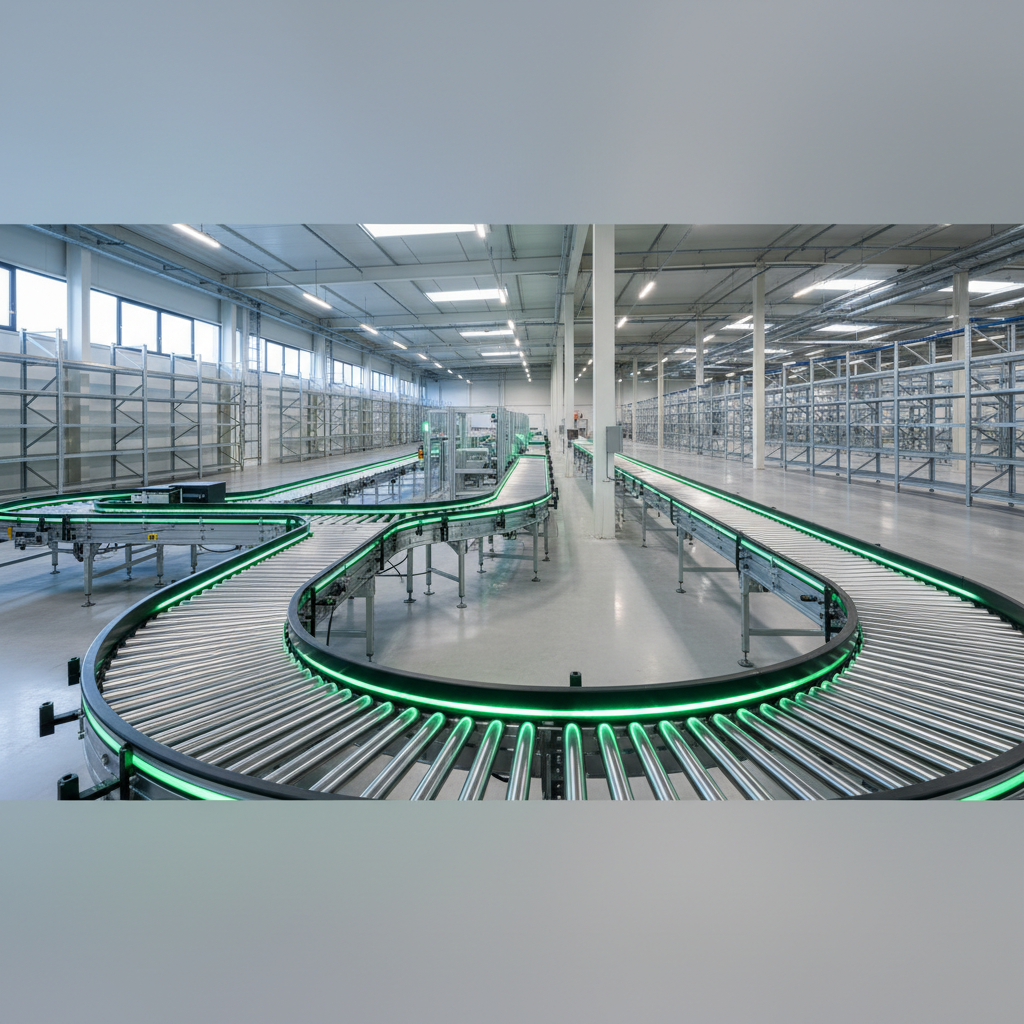
Modern technology offers a suite of tools to build ergonomics directly into a conveyor system. Height-adjustable stands with electric or hydraulic lifts are now standard for high-performance workstations. For decanting or palletizing tasks, scissor lifts and tilters can position entire pallets or bulk containers at the perfect height and angle, eliminating the need for bending. In picking and sorting operations, software-controlled diverters and intelligent side-guides can automatically channel products to the correct side of the conveyor, directly in front of the right operator. A well-designed sortation system, as detailed in our guide to sortation systems, can be a cornerstone of an ergonomic warehouse by minimizing manual handling and decision-making under pressure.
The Overlooked Ergonomic Factor: Noise
Ergonomics isn't just about physical strain; it's also about the cognitive and sensory environment. Constant industrial noise is a significant stressor that leads to mental fatigue, reduces concentration, and increases the rate of errors. Traditional conveyor systems, with their continuously running motors, slapping chains, and clattering rollers, can easily generate noise levels above 75-80 dB(A). Modern solutions like Motorized Drive Roller (MDR) technology are a game-changer. Since each zone operates independently and only runs when a product is present, the ambient noise level can be drastically reduced to below 70 dB(A), creating a calmer, safer, and more focused work environment.
Integrating Ergonomics into Your Warehouse Workflow
A truly ergonomic solution looks beyond individual pieces of equipment and considers the entire process flow. It is critical to ensure that the pace of the conveyor is matched to the operator's capacity, preventing them from being overwhelmed. Many companies find their processes haven't kept pace with their growth, leading to ergonomic bottlenecks. As discussed in a recent analysis, businesses grow, but their processes don't always grow with them, creating inefficiencies that ergonomic design can solve. A Warehouse Control System (WCS) can play a vital role here, buffering and releasing products at a sustainable rate to create a smooth, manageable workflow for the human workforce.
Easy Systems: Your Partner in Ergonomic and Productive Design
At Easy Systems, we believe that world-class automation puts people first. Our design philosophy is centred on creating conveyor solutions that are not only efficient and reliable but also safe and ergonomic for your workforce. We specialize in modular conveyor systems that can be precisely tailored to your facility, your products, and your operators. From quiet, efficient MDR technology to fully adjustable workstations, we integrate ergonomic principles into every stage of the design and implementation process. By partnering with us, you invest in a system that boosts your productivity and protects your most valuable asset: your people.
Frequently asked questions
What is the ideal height for a packing conveyor?+
The ideal height for a packing conveyor is adjustable, typically between 900 mm and 1,150 mm. This allows the work surface to be positioned just below the operator's elbow, minimizing strain on the back and shoulders. A fixed-height conveyor cannot accommodate the anthropometric diversity of a modern European workforce.
How much does an ergonomic workstation cost?+
An ergonomic upgrade for a single conveyor workstation can cost between €500 and €2,000 in the EU. This investment typically includes an adjustable-height stand, anti-fatigue matting, and improved task lighting. The return on investment is usually seen within 1.5 to 3 years through reduced absenteeism and higher productivity.
Can ergonomic conveyors really increase productivity?+
Yes, ergonomic conveyors can increase individual operator productivity by 10-15%. By reducing physical strain, fatigue, and unnecessary movements, operators can maintain a consistent pace for longer periods with fewer errors. This leads to higher overall throughput and improved order accuracy.
What are the most common injuries from non-ergonomic conveyors?+
The most common injuries are musculoskeletal disorders (MSDs), particularly lower back pain from bending, and repetitive strain injuries (RSIs) in the wrists and shoulders from over-reaching. These often account for over 30% of all workplace injuries in logistics, according to EU-OSHA.
How can I reduce noise from my roller conveyor system?+
To reduce noise, consider replacing traditional line-shaft or chain-driven systems with Motorized Drive Roller (MDR) technology. MDR conveyors only run when a product is present, significantly cutting noise levels to below 70 dB(A). Using polyurethane-coated rollers and ensuring proper maintenance also helps to dampen sound.
What is the 'power zone' in ergonomic workstation design?+
The 'power zone' is the optimal space for handling items, located close to the body between mid-thigh and shoulder height. Designing conveyor workstations to present materials within this zone minimizes awkward postures like bending and over-reaching, reducing the risk of musculoskeletal injuries by more than 25%.

The Easy Systems engineering team designs, integrates and commissions conveyor systems and warehouse automation across Belgium, the Netherlands and Luxembourg. Combined experience covers roller and belt conveyors, sorters, AGV/AMR fleets, AutoStore, shuttle AS/RS and WMS/WCS integration for distribution centers and e-commerce fulfillment operations.
- Conveyor design (roller, belt, modular plastic)
- Sortation & merge logic
- AGV / AMR fleet integration
- AutoStore & shuttle AS/RS
- WMS / WCS integration