Workplace Ergonomics: How Conveyors Reduce Physical Strain
Implementing ergonomic conveyor systems drastically reduces physical strain on warehouse employees, cutting musculoskeletal injury risk by up to 70% and improving overall operational efficiency.
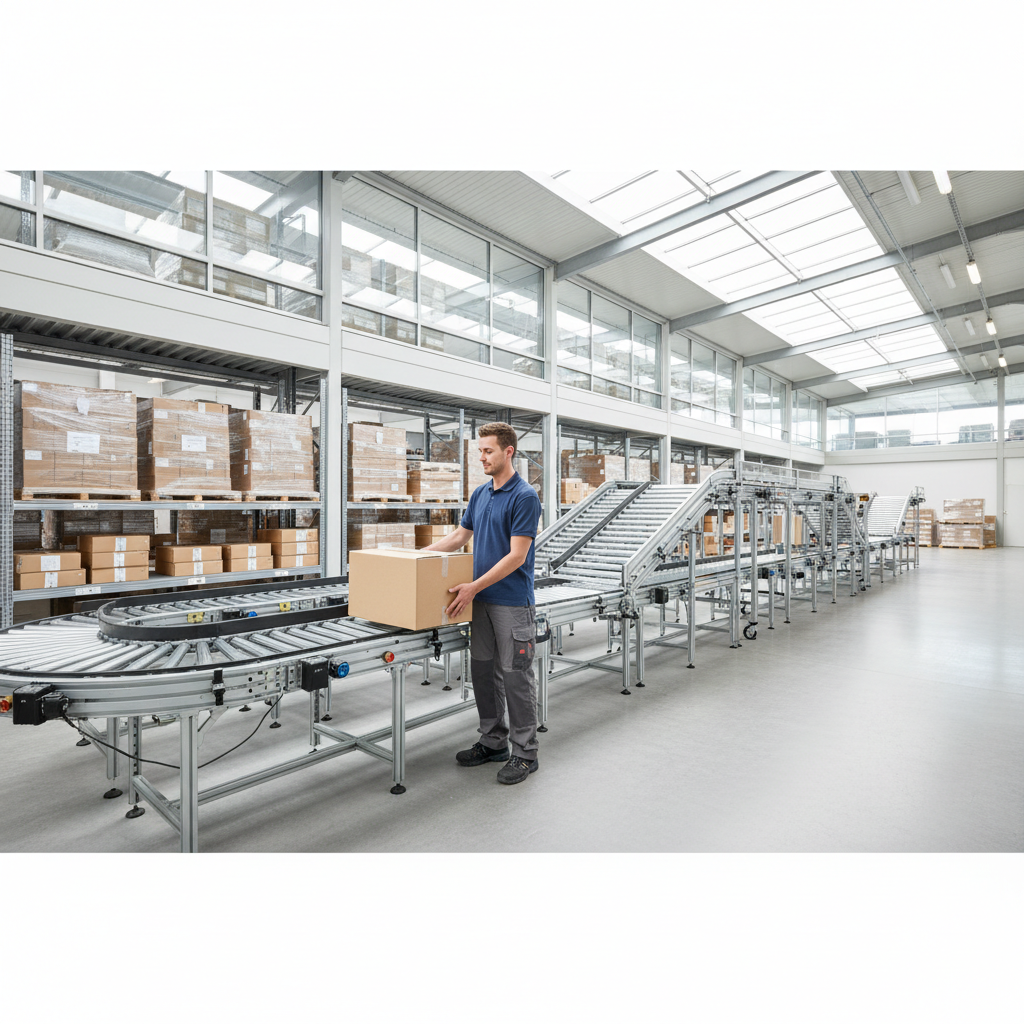
In the fast-paced world of logistics and e-commerce fulfillment, the health and well-being of warehouse staff are paramount. Repetitive lifting, carrying, and twisting are major sources of physical strain, leading to costly injuries and reduced productivity. Implementing well-designed conveyor systems is one of the most effective ways to enhance workplace ergonomics, creating a safer and more efficient environment for everyone.
Definition
In logistics, workplace ergonomics is the science of designing tasks, equipment, and workstations to fit the employee's physical capabilities. It aims to reduce stressors and eliminate injuries and disorders associated with repetitive tasks, awkward postures, and heavy lifting—a common issue in manual warehouse operations across Europe.
Key Numbers
| Metric | Typical range (EU 2024) | Notes |
|---|---|---|
| Investment, Simple Conveyor | €300 - €800 per meter | For basic gravity roller or belt conveyors. |
| Investment, Complex System | €10,000 - €150,000+ | Includes controls (PLC), curves, and WCS integration. |
| Return on Investment (ROI) | 1.5 - 3 years | Achieved via reduced sick days & higher productivity. |
| Reduction in Lifting Injuries | 60% - 70% | When replacing manual transport of goods. |
| Optimal Working Height | 800 mm - 1,100 mm | Adjustable height is optimal to suit different users. |
| Energy Consumption (MDR) | 0.01 - 0.05 kWh per hour/zone | Motorized Drive Roller (MDR) is highly efficient. |
| Typical Throughput Increase | 25% - 50% | By maintaining a consistent, automated item flow. |
The High Cost of Poor Ergonomics in Logistics
Musculoskeletal disorders (MSDs), such as back pain, shoulder strain, and carpal tunnel syndrome, are the most common work-related health problem in the EU. According to the European Agency for Safety and Health at Work (EU-OSHA), three out of every five workers in the EU report MSD complaints. In the transport and storage sector, these issues are particularly prevalent due to the physical nature of the work.
The costs are twofold:
- Direct Costs: Medical expenses, insurance premium hikes, and compensation claims.
- Indirect Costs: Absenteeism, reduced morale, costs of training replacement staff, and lower overall productivity.
How Conveyor Systems Improve Workplace Ergonomics
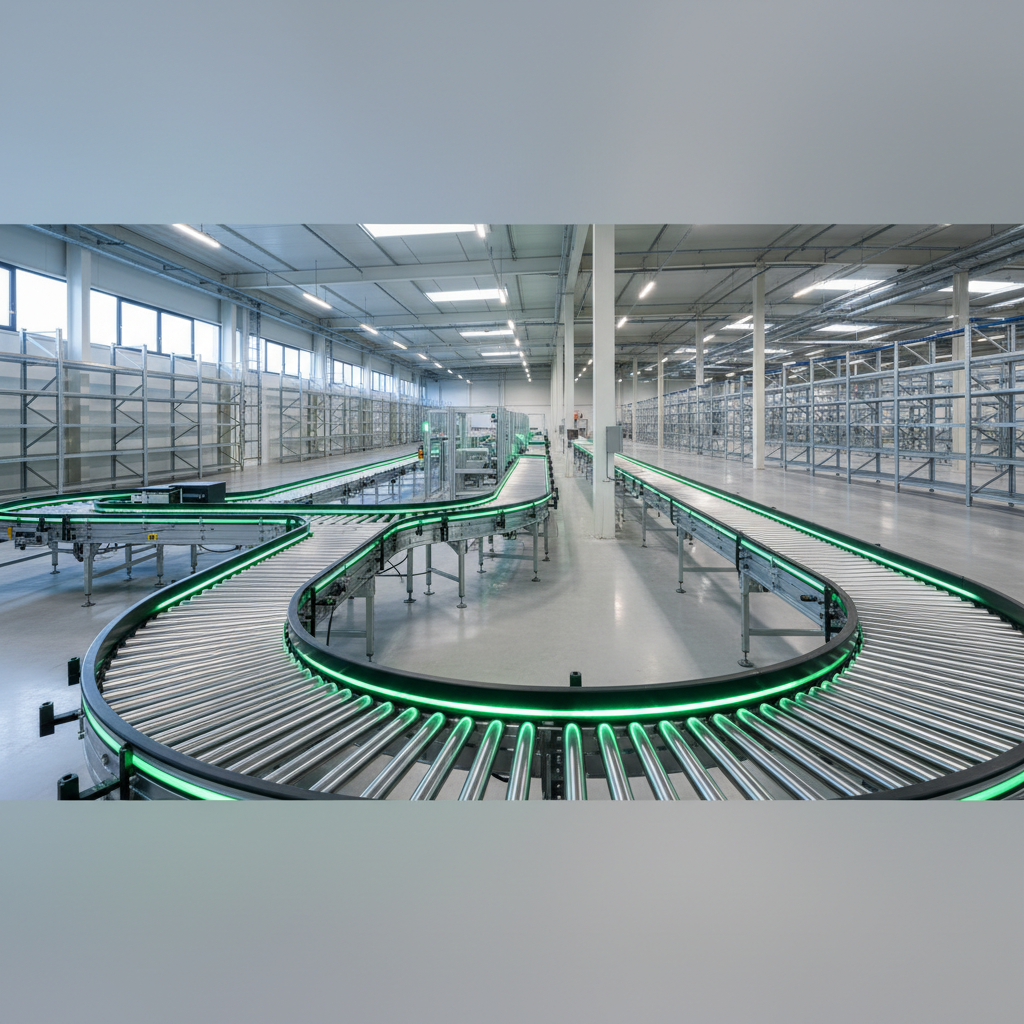
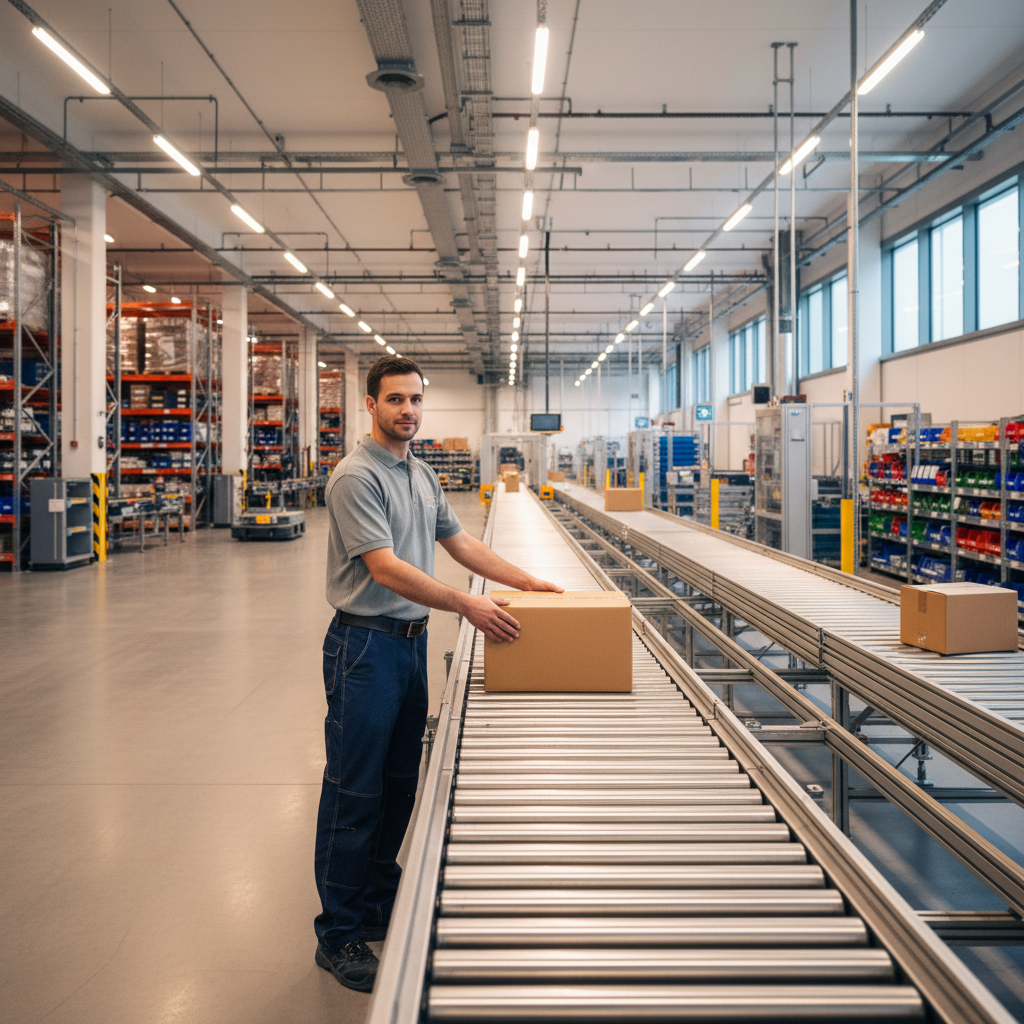
Conveyor systems tackle the root causes of physical strain by automating the horizontal and vertical movement of goods. The core principle is simple: bring the work to the worker, not the worker to the work.
Reducing Lifting and Carrying
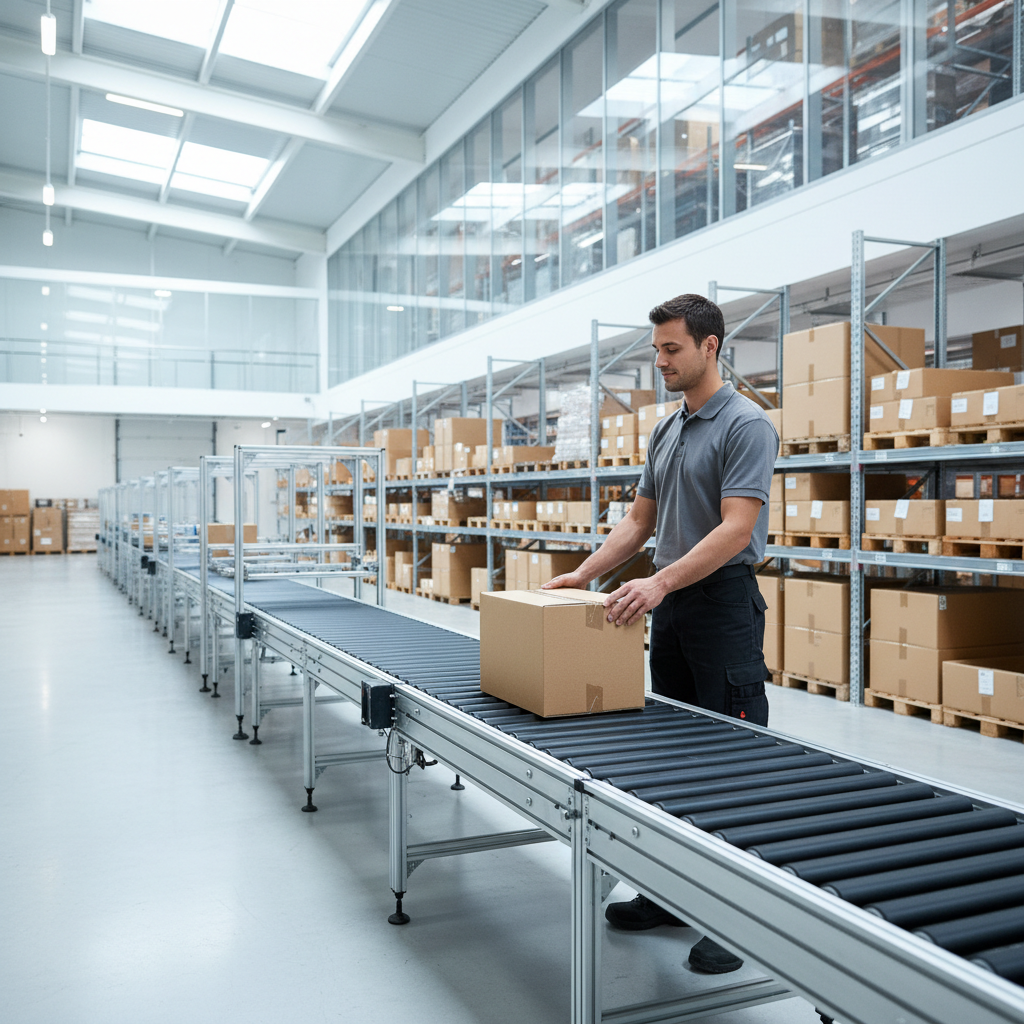
The most obvious benefit is the elimination of manual carrying over long distances. Instead of an employee walking 20 meters with a 15 kg box, a conveyor moves it effortlessly. This single change drastically cuts the cumulative load handled by a worker over a shift, directly reducing the risk of back and leg injuries.
Eliminating Awkward Postures
Conveyors can be designed to present goods at an optimal height and orientation. This prevents workers from having to bend down to the floor to pick up a box or reach high up onto a pallet. Spiral conveyors are particularly effective at moving items between different floor levels, eliminating the dangerous task of carrying goods on stairs.
Setting a Sustainable Pace
Automated conveyor lines create a steady, manageable flow of work. This prevents the chaotic rush that often occurs in manual operations, where workers might over-exert themselves to meet deadlines. A controlled pace reduces stress and the likelihood of accidents caused by rushing.
Choosing the Right Conveyor for Your Ergonomic Needs
Different types of conveyors offer unique ergonomic advantages. The choice depends on the products being handled, the process, and the layout of the facility. A well-integrated solution often combines multiple types. Discover more in our comprehensive guide to conveyor systems.
| Conveyor Type | Primary Ergonomic Benefit | Best For | Typical Load (kg) |
|---|---|---|---|
| Belt Conveyor | Provides a smooth, continuous surface ideal for delicate or irregular items. Prevents operators from having to adjust items that might get stuck. | Small parcels, polybags, assembly lines, incline/decline. | 1 - 50 |
| Roller Conveyor | Low friction surface allows for easy manual manipulation and accumulation at workstations. Ideal for packing or inspection points. | Boxes, totes, cartons with flat bottoms. | 10 - 1500+ (pallet) |
| Spiral Conveyor | Vertical transport within a small footprint, completely eliminating the need for staff to use stairs or lifts for goods. | Moving items between floors, buffering in a compact space. | 10 - 75 |
| Modular Plastic Belt | Durable, easy to clean/repair, can handle curves and complex layouts, reducing worker intervention. | Food & beverage, harsh environments, wash-down areas. | 5 - 100 |
Design Principles for Ergonomic Conveyor Workstations
Simply installing a conveyor is not enough. To maximize ergonomic benefits, the entire workstation must be considered.
- Height Adjustability: The "power zone" for lifting is between the knuckles and shoulders. Conveyors should be positioned so that workers interact with items within this zone. An ideal height is between 800 mm and 1,100 mm. Height-adjustable sections are a major plus for stations with multiple operators.
- Reach Zones: No employee should have to extend their reach more than 500 mm to pick or place an item from the conveyor. Wider conveyors may require access from both sides.
- Sufficient Clearance: Ensure there is ample leg and foot space under the conveyor so workers can get close to the line, preventing them from having to bend at the waist.
- Integrated Tools: Position scanners, keyboards, scales, and label printers within the primary reach zone to minimize twisting and turning.
The European Regulatory Landscape
In the European Union, workplace ergonomics for machinery is not just a recommendation; it's a legal requirement. The Machinery Directive 2006/42/EC is the primary piece of legislation. It states that machinery must be designed and constructed to avoid any risk of injury, taking into account ergonomics. Furthermore, the harmonised standard EN 619:2002+A1:2010 provides specific safety and ergonomic requirements for continuous handling equipment and systems like conveyors.
What does this mean for a warehouse manager?
When procuring a new conveyor system, you must ensure it is CE marked and comes with a Declaration of Conformity, certifying its compliance with these health and safety requirements. This protects your workers and your business from legal liability.
Easy Systems: Your Partner in Ergonomic Warehouse Design
Investing in an ergonomic conveyor system is investing in the long-term health of your employees and your business. The benefits—reduced injuries, lower absenteeism, higher morale, and increased productivity—far outweigh the initial costs. It transforms the warehouse from a place of physical toil into a modern, safe, and efficient environment. At Easy Systems, we don’t just sell conveyors; we design ergonomic solutions. As a trusted partner and leading European manufacturer of modular conveyor systems, we understand the nuances of warehouse workflow. We work with you to analyze your specific processes, identify ergonomic risk factors, and engineer a system that is not only productive but also safe and comfortable for your team. Our modular approach ensures a perfect fit for your space and your operational needs, safeguarding your most valuable asset: your people.
Frequently asked questions
What is the primary ergonomic benefit of using conveyor systems?+
The main benefit is the drastic reduction of manual material handling. Conveyors eliminate the need for employees to repeatedly lift, carry, and twist with heavy loads, which is a leading cause of musculoskeletal injuries (MSDs) in warehouses. This can reduce sick-leave days by over 40%.
How do I determine the correct ergonomic height for a conveyor?+
The ideal conveyor height should be at elbow level for the average worker. For most European distribution centers, this is between 800 mm and 1,100 mm from the floor. For optimal ergonomics, consider installing height-adjustable conveyor sections, especially at packing or picking stations.
Are conveyor systems expensive to install for ergonomic purposes?+
The initial investment varies. A simple gravity roller conveyor can cost as little as €300 per meter, while a fully automated, motorized system might cost €50,000 or more. However, most companies see a full return on investment within 18 to 36 months due to lower injury-related costs and increased productivity.
Can conveyors completely eliminate physical strain in a warehouse?+
While they can't eliminate all physical effort, they significantly reduce the most hazardous tasks. Employees still interact with items on the conveyor, but the heavy lifting and long-distance carrying are gone. This shifts the work from physically strenuous to more skill-based, like scanning or quality control.
Which type of conveyor is best for preventing back injuries?+
Any conveyor that automates the transport of heavy or bulky items is good for preventing back injuries. For vertical movement between floors, a <a href="/glossary#spiral-conveyor">spiral conveyor</a> is ideal as it completely removes the need for carrying items up stairs. For horizontal movement, powered roller or belt conveyors are excellent choices.
What are the key EU regulations for conveyor ergonomics?+
The most important is the Machinery Directive 2006/42/EC, which mandates that machinery must be designed and constructed to be safe. Additionally, the EN 619:2002+A1:2010 standard provides specific safety and ergonomic requirements for continuous handling equipment and systems like conveyors.

The Easy Systems engineering team designs, integrates and commissions conveyor systems and warehouse automation across Belgium, the Netherlands and Luxembourg. Combined experience covers roller and belt conveyors, sorters, AGV/AMR fleets, AutoStore, shuttle AS/RS and WMS/WCS integration for distribution centers and e-commerce fulfillment operations.
- Conveyor design (roller, belt, modular plastic)
- Sortation & merge logic
- AGV / AMR fleet integration
- AutoStore & shuttle AS/RS
- WMS / WCS integration