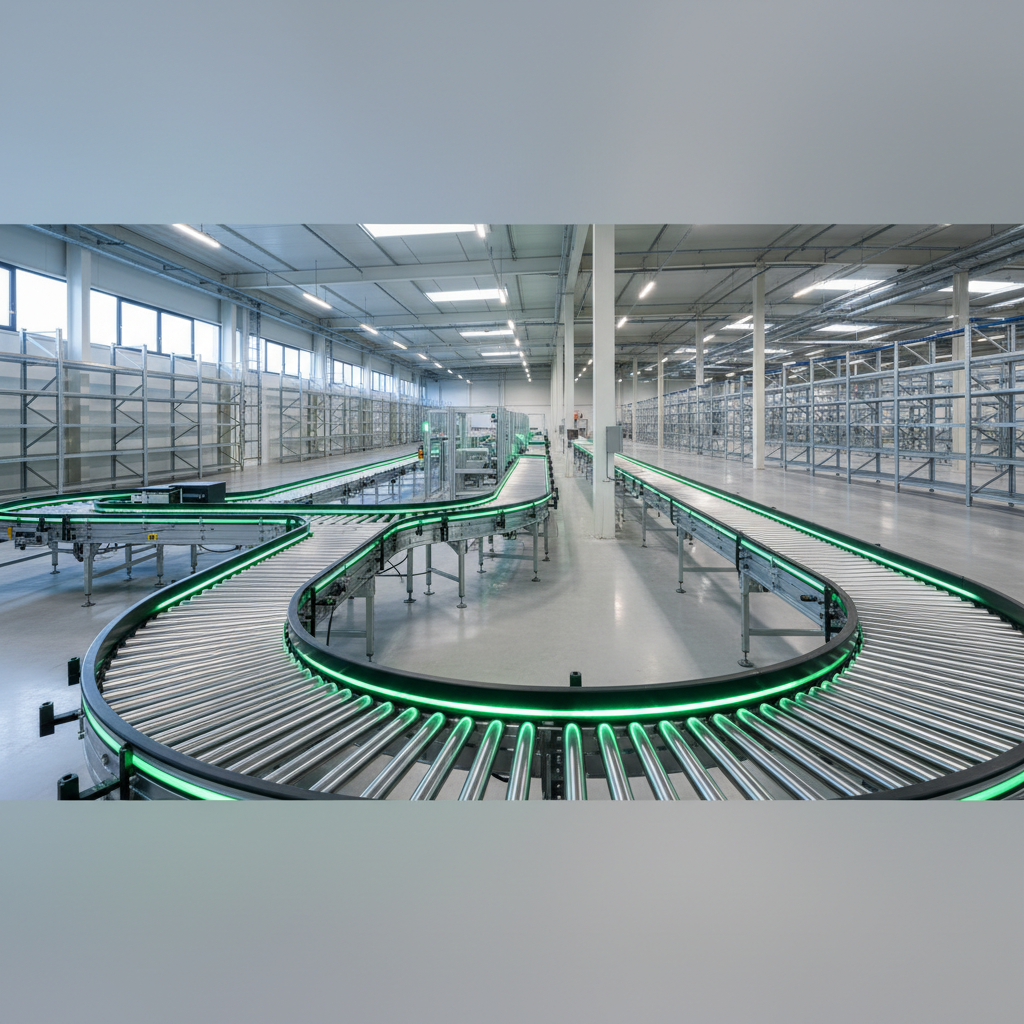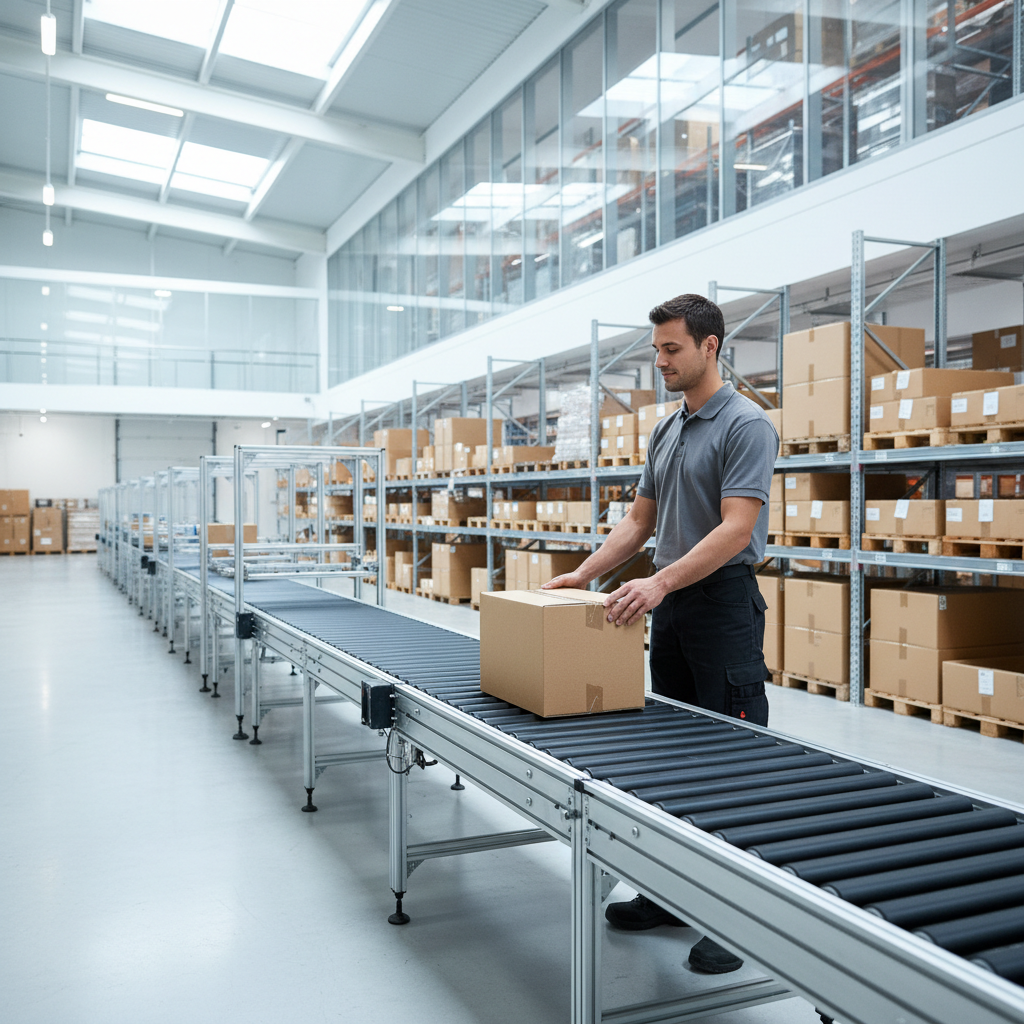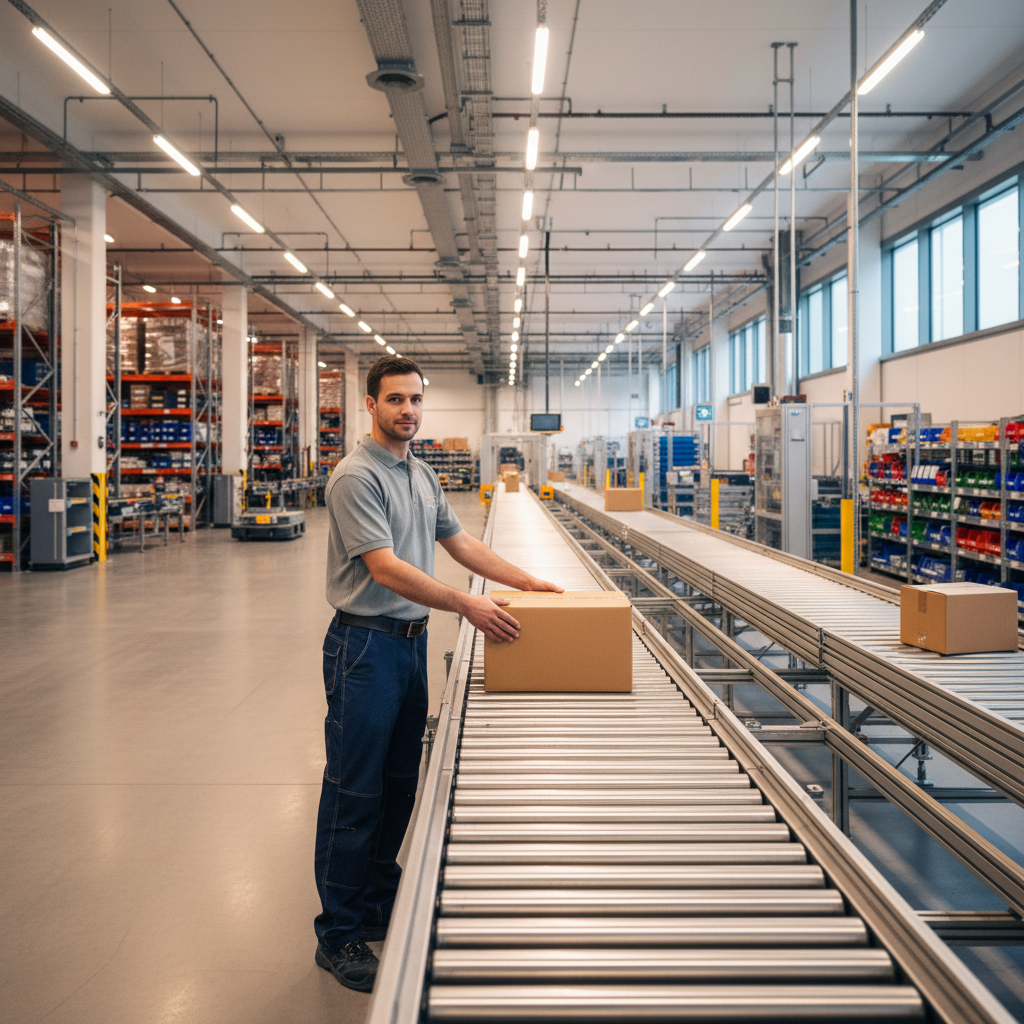
Workplace Ergonomics: How Conveyors Boost Safety & Health
Ergonomically designed conveyor systems are crucial for reducing physical strain and preventing musculoskeletal disorders in logistics. Implementing adjustable-height conveyors and automated systems can reduce injury risk by up to 70% and improve overall operational efficiency.
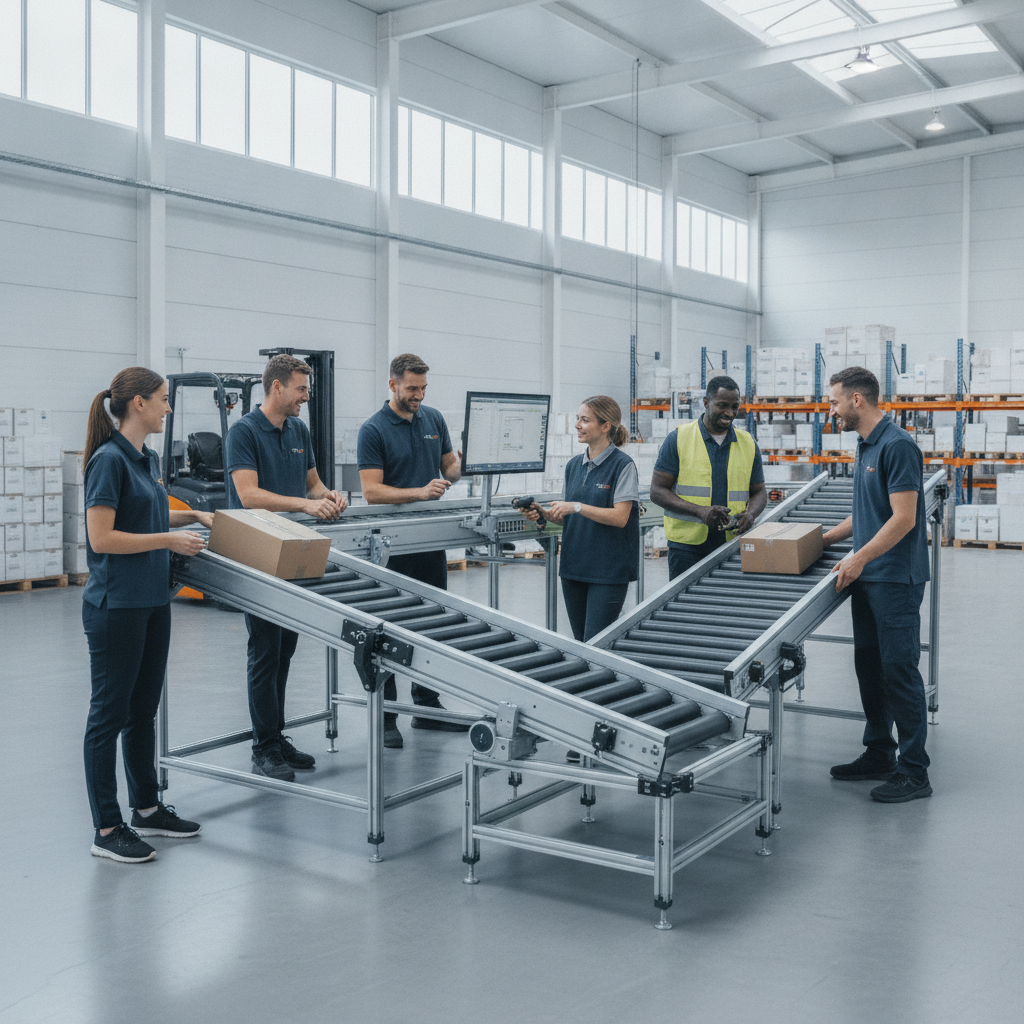
In the fast-paced world of logistics and warehousing, human capital is the most valuable asset. Yet, manual material handling exposes employees to significant physical risks, leading to costly injuries and operational inefficiencies. A strategic focus on workplace ergonomics, specifically through the intelligent design and deployment of conveyor systems, is not just a regulatory obligation but a powerful driver of productivity, employee well-being, and long-term profitability.
Definition
Workplace Ergonomics in a logistics context refers to the science of designing the workspace, tasks, and equipment to fit the employee, rather than forcing the employee to adapt to the system. Its primary goal is to minimize physical strain, reduce the risk of musculoskeletal disorders (MSDs), and enhance overall efficiency and comfort.
Key Numbers
| Metric | Typical range (EU 2026) | Notes |
|---|---|---|
| MSD Injury Reduction | 30% - 70% | Higher end achieved with fully integrated G2P systems. |
| Investment per Meter | €300 - €800 | For standard belt or roller conveyors, excluding complex controls. |
| Return on Investment (ROI) | 1.5 - 3 years | Calculated from reduced absenteeism, higher productivity, and lower insurance premiums. |
| Productivity Increase | 15% - 30% | Stems from reduced fatigue, consistent pace, and fewer micro-breaks. |
| Ergonomic Workstation Height | 800 mm - 1,150 mm | Adjustable range to suit 95% of the European workforce (5th to 95th percentile). |
| Energy Consumption | 0.1 - 0.5 kWh/hour | Per 10m section of a modern MDR conveyor. |
The High Cost of Poor Ergonomics in Logistics
Ignoring ergonomics is a costly mistake. In the European Union, musculoskeletal disorders (MSDs) account for approximately 60% of all work-related health problems. Repetitive tasks, awkward postures, and heavy lifting are staple activities in non-automated warehouses, making logistics a high-risk sector. The direct costs are staggering, including sick leave, compensation claims, and increased insurance premiums. Indirect costs, such as lost productivity, high employee turnover, and reduced morale, can be even more damaging. A single back injury can cost a company over €15,000 in direct costs alone, not to mention the operational disruption.
Core Principles of Ergonomic Conveyor Design
Effective ergonomic design focuses on minimizing physical stress. When integrating conveyor systems, several principles are paramount for creating a safe and efficient environment.
The "Golden Zone" of Work
The core principle of ergonomic material handling is to keep tasks within the "golden zone" or "power zone." This is the area close to the body, between the shoulders and mid-thigh. Work performed in this zone requires less effort and significantly reduces strain on the back, shoulders, and arms. Conveyor systems should be designed to present and remove items within this zone, eliminating the need for employees to bend down, over-reach, or twist their bodies.
- Height Adjustability: The single most important ergonomic feature. Conveyor lines and workstations should be height-adjustable to accommodate the varying statures of the workforce. The ideal height keeps the worker's arms at a comfortable angle (90-110 degrees at the elbow) without hunching or reaching up.
- Reducing Force: Conveyors eliminate the need for pushing, pulling, or carrying heavy loads over distances. Gravity roller conveyors can move items with minimal initial force, while powered systems do all the work.
- Minimizing Repetition: Automating the movement of goods reduces the number of repetitive manual lifts and transfers an employee must perform, which is a primary cause of repetitive strain injuries (RSIs).
- Eliminating Awkward Postures: Integrating turntables, ball transfer tables, and spiral conveyors can change the orientation and elevation of products without requiring manual intervention, preventing twisting and awkward lifting.
Types of Ergonomic Conveyor Solutions
Different conveyors address different ergonomic challenges. Choosing the right type is crucial for maximizing both safety and efficiency. A well-designed system often combines several types to create a seamless, ergonomic workflow. You can learn more about system design in our comprehensive guide to roller conveyors.
| Conveyor Type | Primary Ergonomic Benefit | Ideal Application | Typical Cost/m |
|---|---|---|---|
| Adjustable-Height Belt Conveyor | Eliminates bending/reaching by matching worker height. | Packing, sorting, and assembly stations. | €500 - €1,200 |
| Gravity Roller Conveyor | Reduces pushing/pulling force for moving boxes. | Loading/unloading zones, short-distance transport. | €250 - €600 |
| Spiral Conveyor | Safely moves goods between different floor levels. | Connecting mezzanines or multi-level systems. | €15,000+ (per unit) |
| Ball Transfer Table | Allows easy multi-directional movement and rotation. | Workstations where items need to be reoriented. | €800 - €1,500 |
Integrating Conveyors into an Ergonomic Workflow
Simply installing a conveyor is not enough. It must be integrated into a holistic ergonomic workflow. This means considering the entire process, from the moment a product enters the conveyor line to the moment it leaves. Workstations should be designed with "cut-outs" that allow employees to get closer to the conveyor, reducing reach. Tools should be placed on balancers or articulated arms, and lighting should be optimized to reduce eye strain. When companies grow, their processes often fail to scale with them, leading to ergonomic bottlenecks. This disparity highlights the need for continuous process evaluation to ensure that growth doesn't come at the cost of employee health.
Measuring the ROI of Ergonomic Investments
The business case for ergonomic conveyor systems is compelling. The return on investment (ROI) is measured through several key performance indicators (KPIs):
- Reduction in Lost Time Injury Frequency Rate (LTIFR): A direct measure of fewer injuries and less absenteeism. A 50% reduction in a facility with 100 employees could save over €50,000 annually.
- Increased Throughput: A smoother, less fatiguing workflow allows for higher, more consistent productivity. A 20% increase in picks per hour directly translates to higher output and revenue.
- Improved Employee Retention: A safe and comfortable workplace is a key factor in employee satisfaction. Lowering turnover reduces recruitment and training costs, which can amount to €3,000 - €5,000 per entry-level employee.
- Lower Insurance Premiums: Demonstrably safer workplaces often qualify for lower workers' compensation insurance premiums.
EU Regulations and Standards
In Europe, workplace ergonomics are governed by a framework of directives and standards. The primary one is Directive 89/391/EEC (the "Framework Directive"), which obliges employers to ensure the safety and health of workers in every aspect related to work. Specifically, Directive 90/269/EEC covers the minimum health and safety requirements for the manual handling of loads. EN standards, like EN 614 ("Safety of machinery - Ergonomic design principles"), provide detailed guidance. Compliance isn't just about avoiding fines; it's about building a sustainable and responsible business.
Easy Systems: Your Partner in Ergonomic Warehouse Design
At Easy Systems, we believe that efficiency and ergonomics are two sides of the same coin. A system that is difficult or unsafe to use will never be truly efficient. We don't just sell conveyors; we design integrated material handling solutions that place the well-being of your employees at the center. Our modular conveyor systems are designed in-house and built in our European facilities, ensuring full control over quality and ergonomic principles.
From adjustable-height workstations to fully automated goods-to-person systems, we partner with you to analyze your specific workflow, identify ergonomic risks, and implement solutions that deliver a measurable return. By creating a safer, healthier work environment, we help you unlock the full potential of your workforce and build a more resilient, productive, and profitable operation. Trust Easy Systems to be your partner in designing the ergonomic future of your warehouse.
Frequently asked questions
How much can ergonomic conveyors reduce workplace injuries?+
Implementing ergonomic conveyor systems can significantly reduce workplace injuries, particularly musculoskeletal disorders (MSDs), by 30% to 70%. The higher end of this range is typically seen when conveyors are part of an integrated automation solution that eliminates most manual lifting and twisting.
What is the ideal height for a conveyor workstation?+
The ideal height for a conveyor is at the elbow level of the operator. For a diverse workforce, this means using adjustable-height systems, typically with a range between 800 mm and 1,150 mm. This accommodates most European adults and prevents stressful bending or reaching.
What is the ROI for investing in ergonomic conveyor systems?+
The return on investment (ROI) for ergonomic conveyor systems is typically between 1.5 and 3 years. This is calculated from direct savings on injury-related costs, which can exceed €15,000 per incident, and productivity gains of 15-30% due to reduced worker fatigue.
Do ergonomic improvements slow down the workflow?+
On the contrary, ergonomic improvements almost always speed up the workflow. While individual movements might seem more deliberate, the overall process becomes much more efficient. A consistent, sustainable pace without fatigue or micro-breaks leads to a higher hourly throughput, often by 15% or more.
Are there specific EU regulations for conveyor ergonomics?+
Yes, several EU directives apply. The Manual Handling of Loads Directive (90/269/EEC) mandates that employers avoid manual handling where possible. The Machinery Directive (2006/42/EC) requires that machinery, including conveyors, be designed and constructed to be safe and ergonomic.
How do conveyors help with heavy lifting?+
Conveyors are the primary solution for eliminating manual heavy lifting. Pallet conveyors can move loads over 1,000 kg automatically. For smaller items, carton and tote conveyors transport goods weighing up to 50 kg, removing the physical strain from employees and reserving their energy for value-added tasks.

The Easy Systems editorial desk reviews and fact-checks every Conveyor-Design article against Benelux project experience. Editors translate engineering decisions — throughput, peak factors, layout, integration — into plain-language guides for operations managers, project leads and decision-makers.
- Warehouse layout & slotting
- Order-profile analysis
- Vendor-neutral comparison
- Benelux logistics market