Materialfluss
Materialien standortweit bewegen, lagern und steuern.
Material handling is the discipline of moving the right item to the right place at the right time with the least effort. It spans manual carts, forklifts, conveyors, AGVs, hoists and overhead systems — and the safety, ergonomics and software that bind them together.
Articles here help operations and engineering teams choose the right equipment for each flow, design safe pedestrian/vehicle interfaces, and balance capex against operating cost over a 10-year horizon.
Artikel in Materialfluss
 Material Handling
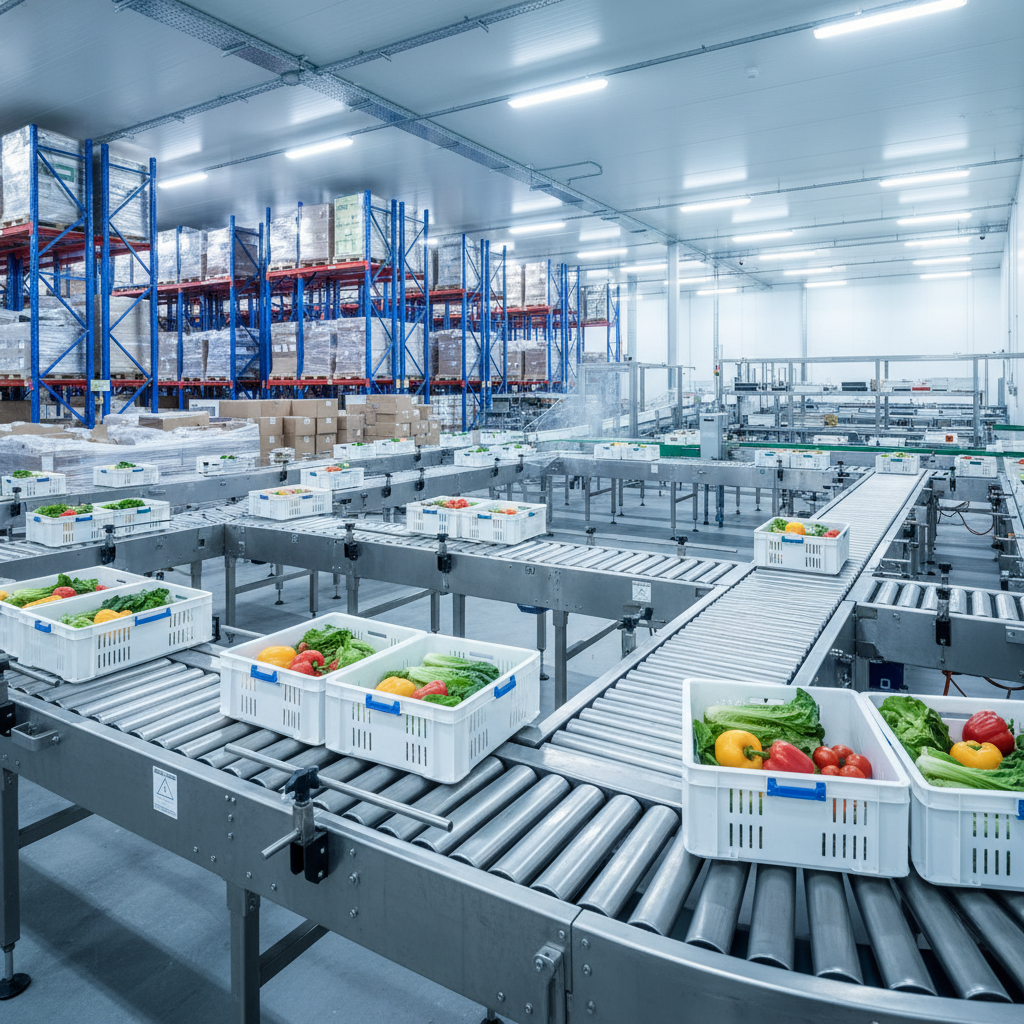
Optimierung von Fördersystemen für die Kühlkettenlogistik in den Benelux-Ländern
Die Aufrechterhaltung der Kühlkettenintegrität ist in der dichten Logistiklandschaft der Benelux-Länder von entscheidender Bedeutung. Dieser Artikel untersucht, wie Fördersysteme für temperaturgeführt
 Material Handling
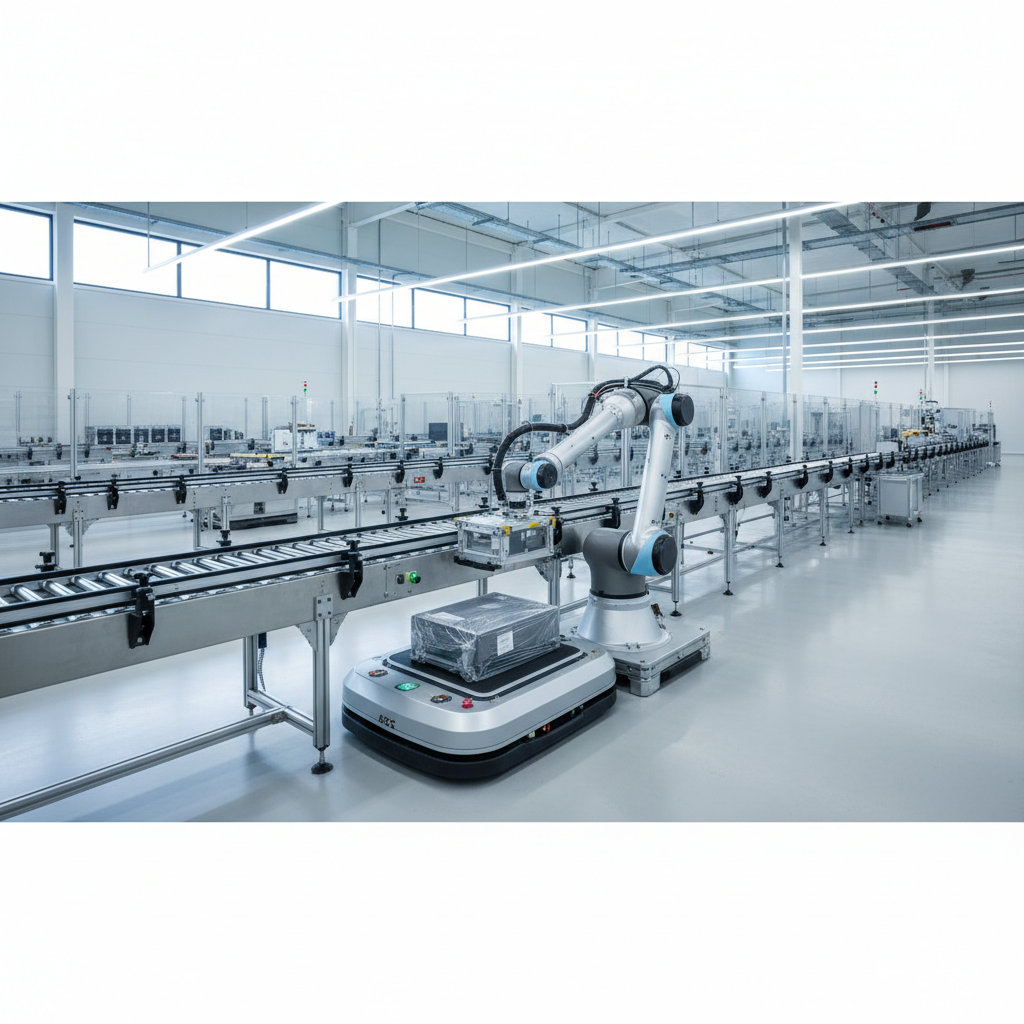
Fahrerlose Warenwagen (AGCs) und Förderer: Optimierung von Produktionslinien im Benelux-Fertigungsbereich
Die Kombination der Flexibilität von Fahrerlosen Warenwagen (AGCs) mit dem hohen Durchsatz fester Förderer schafft eine leistungsstarke Hybridlösung für moderne Produktionslinien. Dieser Artikel1 unte
 Material Handling
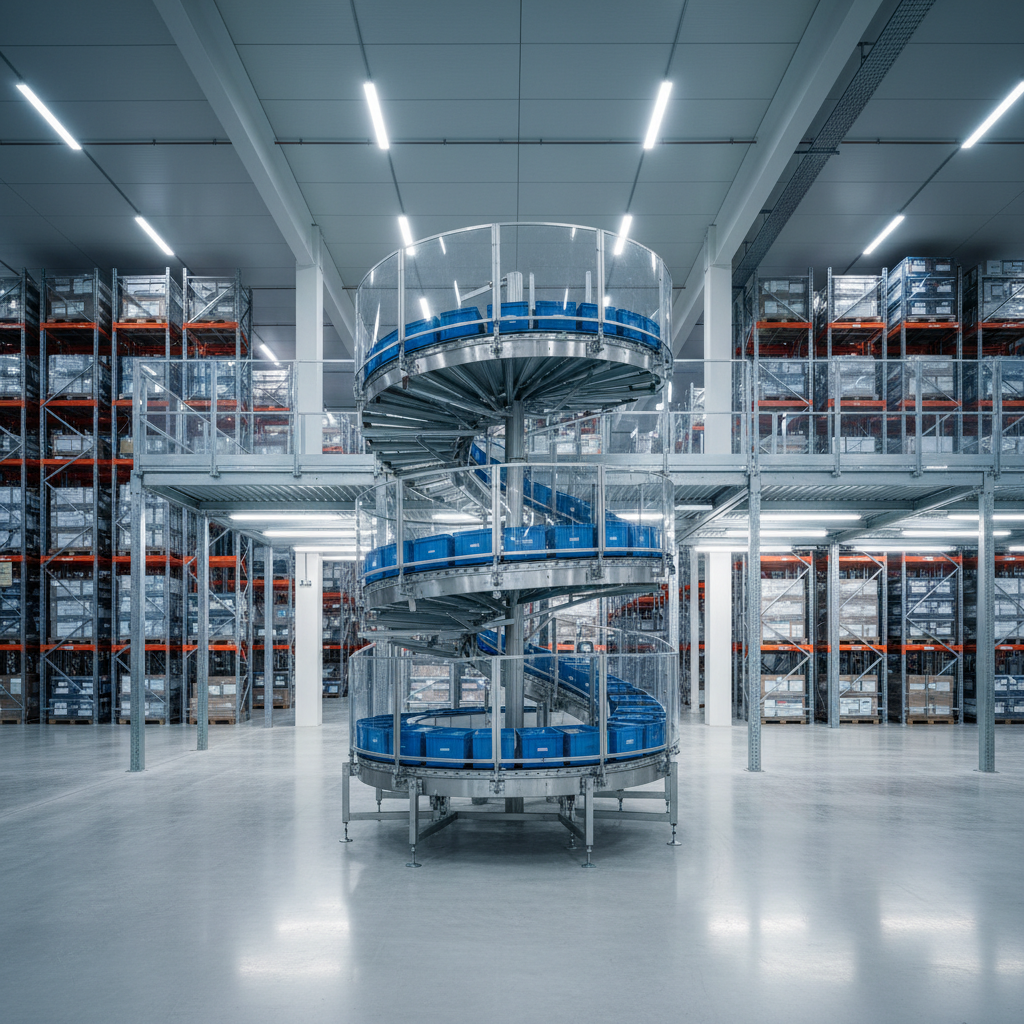
Vertikale Fördersysteme: Speicheroptimierung in Benelux
Im raumbeschränkten Benelux-Markt ist das Bauen 'nach oben' rentabler als das Bauen 'nach außen'. Dieser LeitfadenP zeigt, wie vertikale Fördersysteme durch effiziente Verbindung von Zwischengeschosse
Ausführliche Leitfäden
Gravity vs powered, 24V MDR, sizing rules, accumulation, integration with WMS/WCS.
When to choose AGV, when to choose AMR, and the integration and ROI math behind each.
Chain vs roller pallet conveyors, transfer cars, AS/RS infeed and safety.
Ball transfer units, insert assemblies vs integrated tables, omni-directional wheels and packing-station design.
Über materialfluss
What is material handling equipment?+
Any equipment that moves, stores, controls or protects materials — forklifts, pallet trucks, conveyors, AGVs, AS/RS, hoists, racking and packaging stations all qualify.
How do I improve material handling safety?+
Separate pedestrian and vehicle traffic with marked lanes and gates, use proximity sensors on AGVs, train all operators yearly, and track near-miss incidents — they predict serious accidents months in advance.
When should I move from forklifts to AGVs?+
When the same routes are driven repeatedly, when labour cost per shift exceeds AGV TCO over 5 years, or when accident rates push insurance premiums up. Typical break-even: 2-shift operations with 3+ fixed routes.
Planning a new conveyor or automation project?
Easy Systems designs and installs internal transport, conveyor and warehouse automation systems across the Benelux. Tell them about your flow — they'll come back with a system that scales.