Förderanlagen
Rollen-, Band-, modulare und Palettenförderer-Technologie erklärt.
Conveyor systems are the circulatory system of every modern warehouse and production facility. From gravity roller lanes at the dock to 24 V motor-driven roller (MDR) zones feeding pick stations, the right conveyor choice decides throughput, ergonomics and energy use for the next 10–15 years.
This hub collects guides on roller, belt, modular plastic and pallet conveyors — when to use each, how to size frames and rollers, and how to integrate them with WMS and WCS layers. The articles target engineers, operations managers and consultants who specify, compare and approve conveyor projects in Benelux and wider European distribution centers.
Easy Systems engineers, who design and install conveyor lines across Belgium, the Netherlands and Luxembourg, review every piece for real-world fit.
Artikel in Förderanlagen
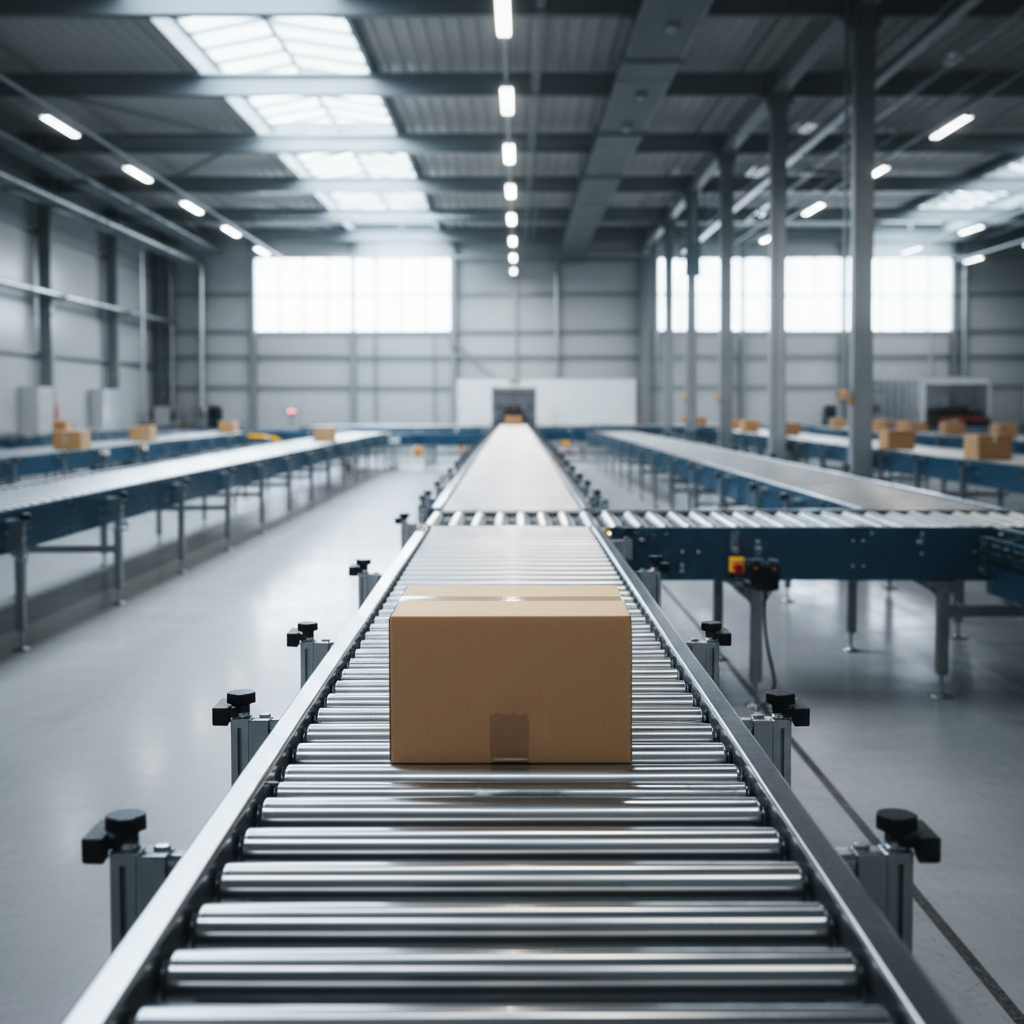 Conveyor Systems
Energieeffizienz in Förderanlagen: Ein Leitfaden für die Benelux-Länder
Dieser Artikel bietet praktische Schritte zur Steigerung der Energieeffizienz von Fördersystemen in den Benelux-Ländern. Entdecken Sie, wie moderne Motoren, intelligente Steuerungen und datengesteuert
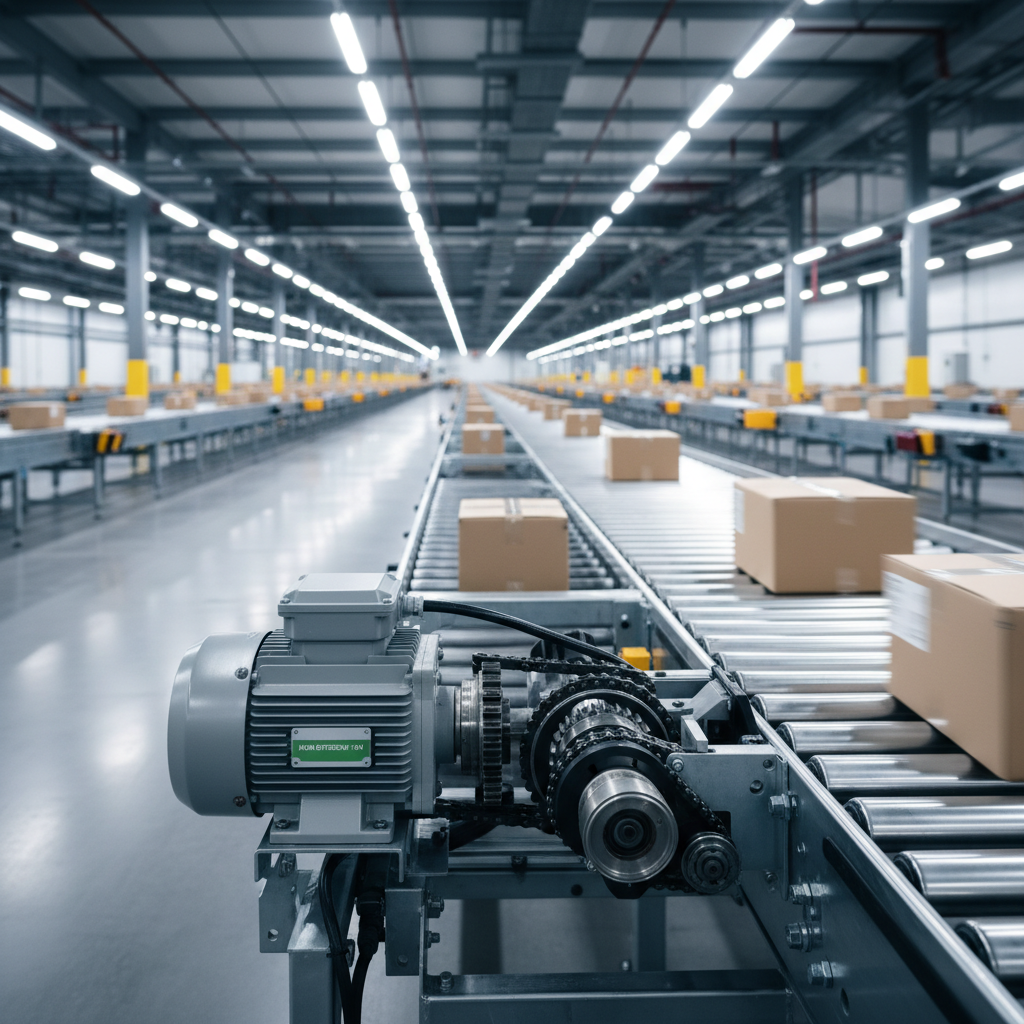 Conveyor Systems
Energieeffiziente Motoren: Nachhaltige Benelux-Fördertechnik antreiben
Die Umrüstung auf energieeffiziente Motoren wie Permanentmagnet-Synchronmotoren (PMSM) oder Motorisierte Antriebsrollen (MDR) kann den Energieverbrauch von Förderanlagen und die Betriebskosten erhebli
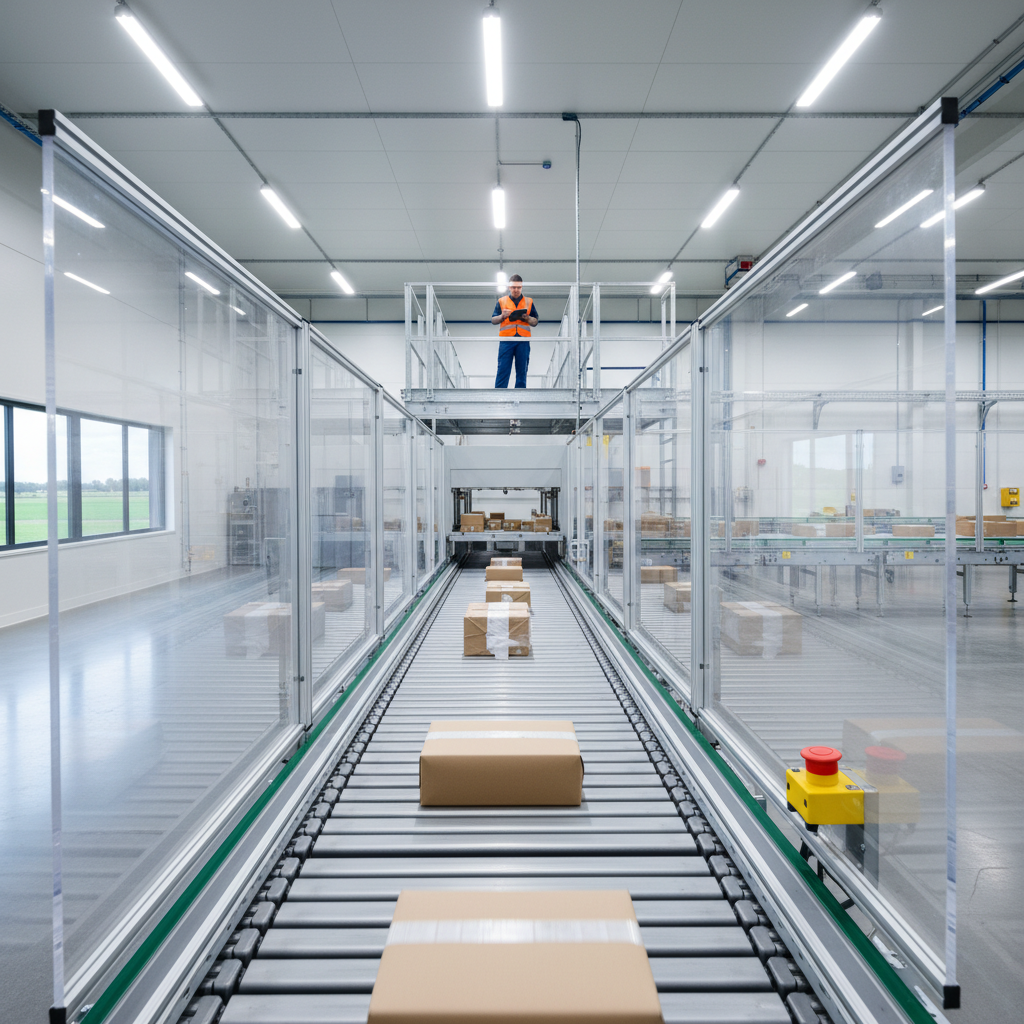 Conveyor Systems
Förderanlagen-Sicherheit in den Benelux-Ländern: Ein Leitfaden zur Konformität
Ein umfassender Leitfaden zu Sicherheitsstandards für Förderanlagen in Belgien, den Niederlanden und Luxemburg. Wir behandeln wesentliche Vorschriften wie die Maschinenrichtlinie 2006/42/EG und EN 620
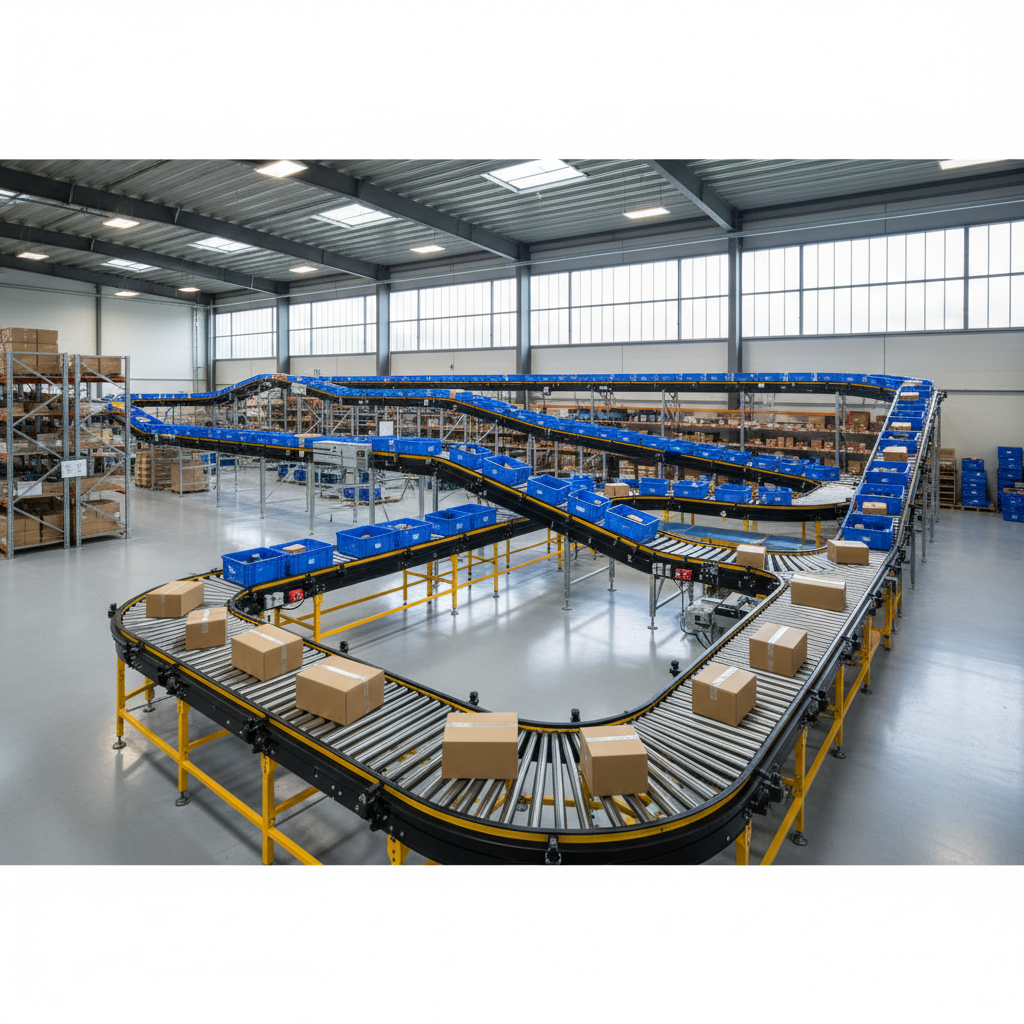 Conveyor Systems
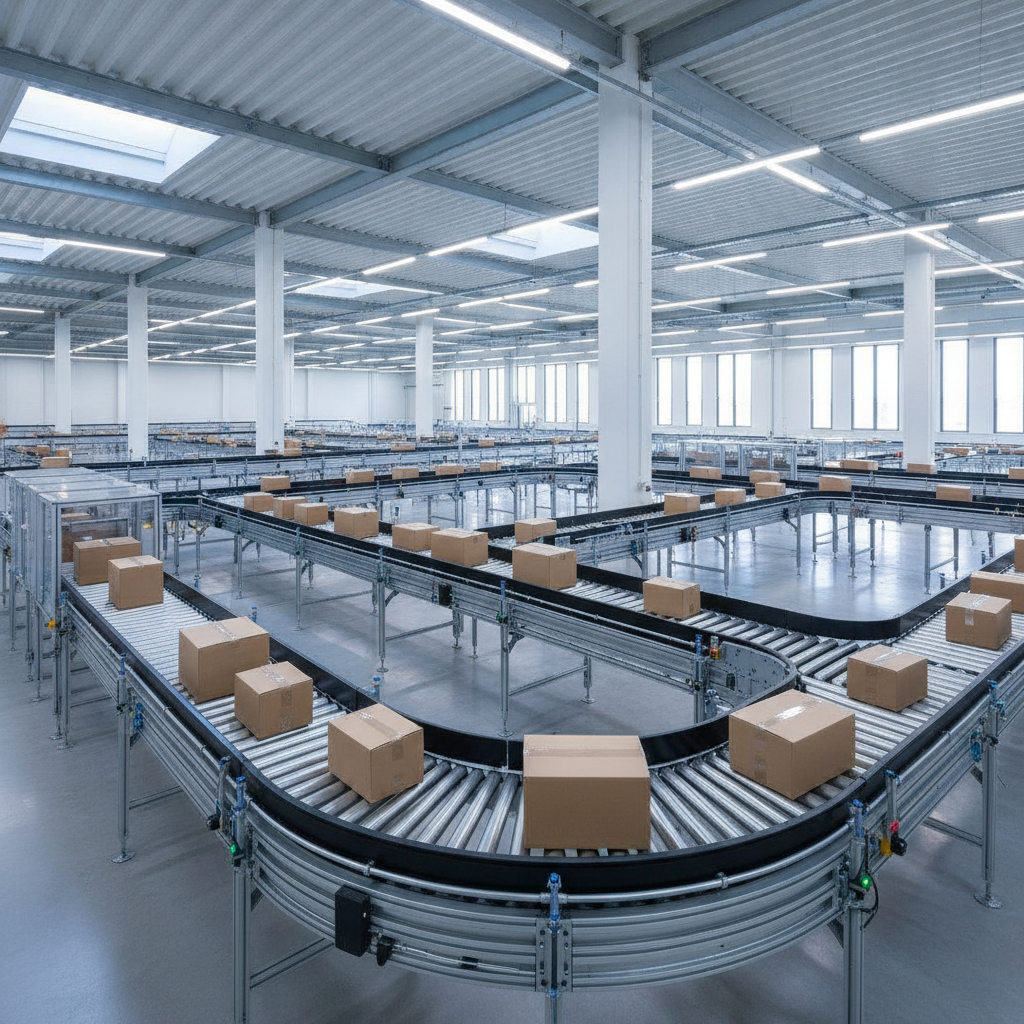
Hybride Fördersysteme: Synergie in Benelux Lagern
Hybride Fördersysteme kombinieren strategisch die hohe Durchsatzleistung klassischer Förderer mit der Flexibilität modularer Automatisierung, wodurch anpassungsfähige und skalierbare Logistiklösungen
 Conveyor Systems
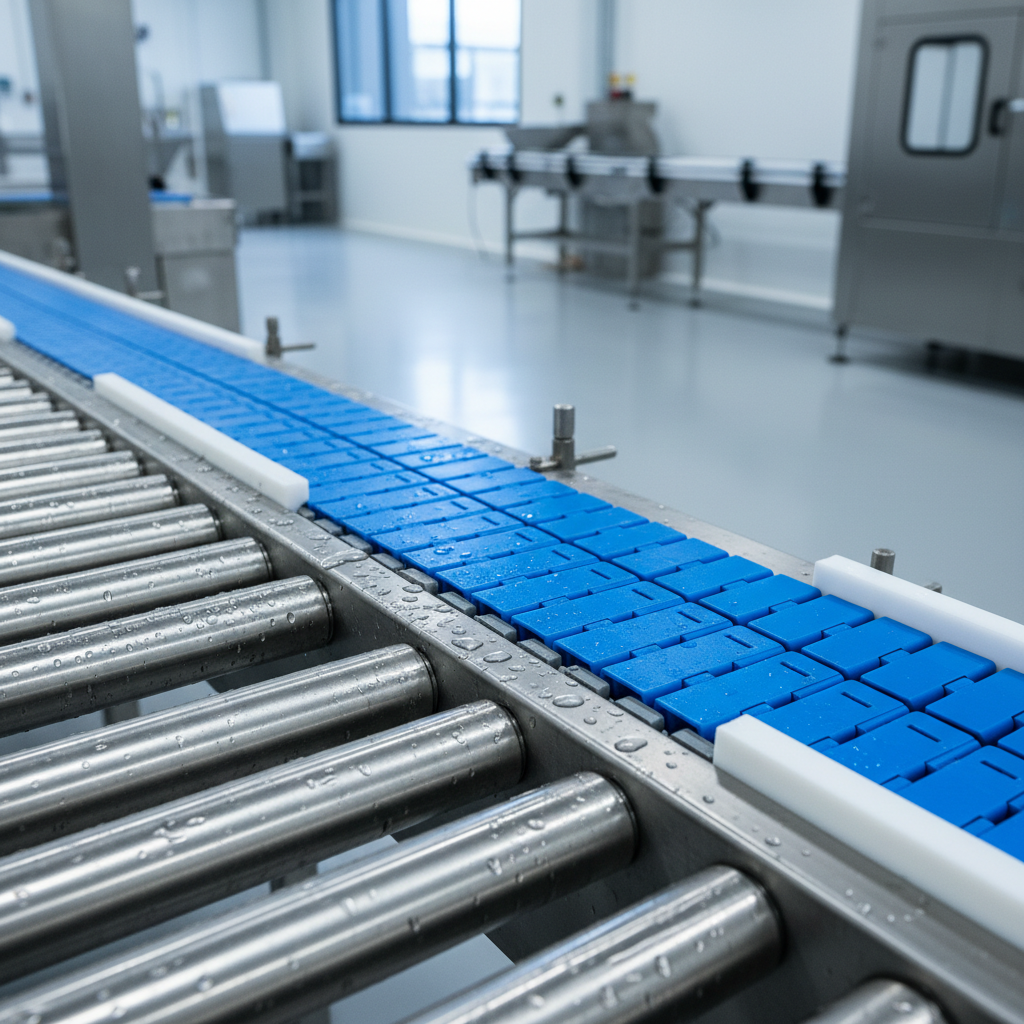
Modulare Fördersysteme: Flexible Lösungen für Produktion & Distribution
Modulare Fördersysteme bestehen aus standardisierten, miteinander verbindbaren Abschnitten, die eine schnelle Installation und einfache Rekonfiguration ermöglichen. Diese inhärente Flexibilität позвол
 Conveyor Systems
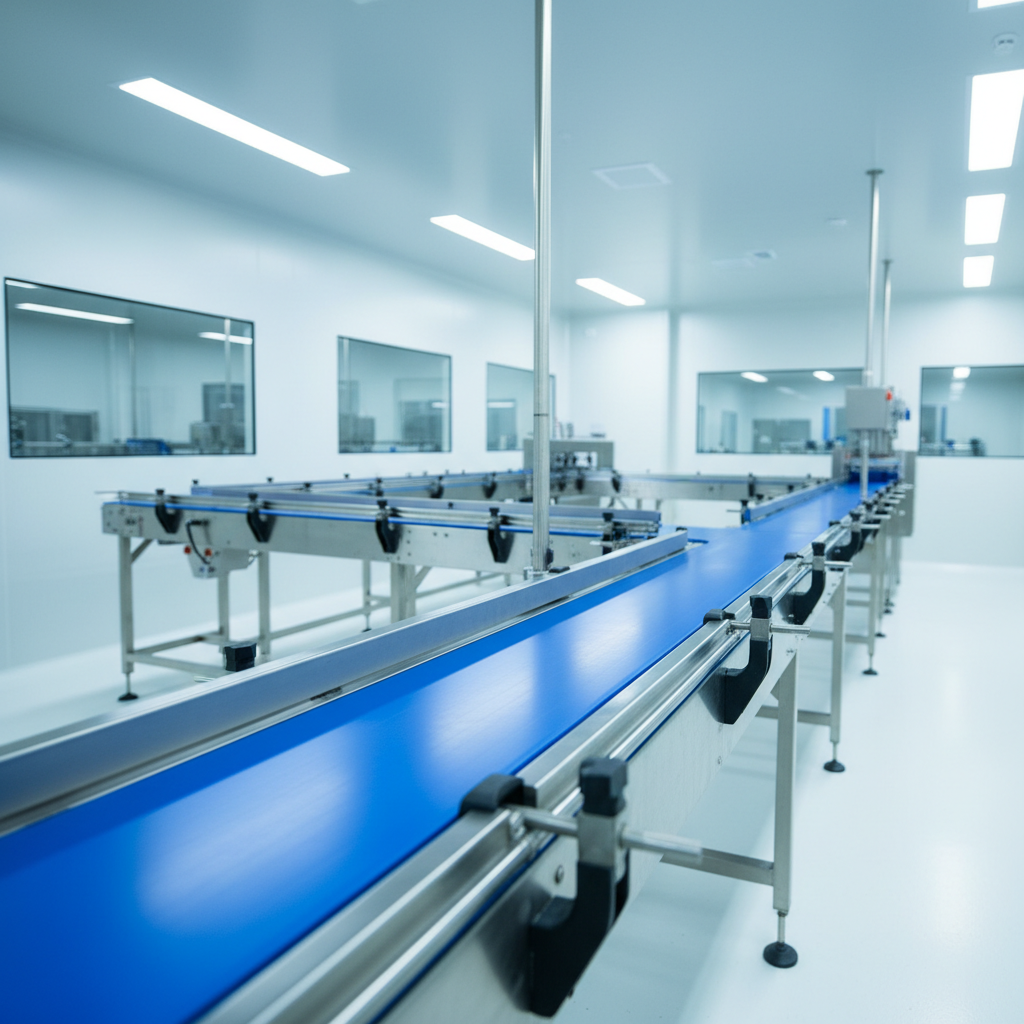
Förderband-Materialauswahl: Haltbarkeit und Leistung im Benelux-Raum
Die Wahl des richtigen Förderbandmaterials – Stahl für Stärke, Aluminium für Flexibilität oder Kunststoff für Hygiene – ist entscheidend für die Optimierung von Lagerabläufen im Benelux-Raum. Dieser A
 Conveyor Systems
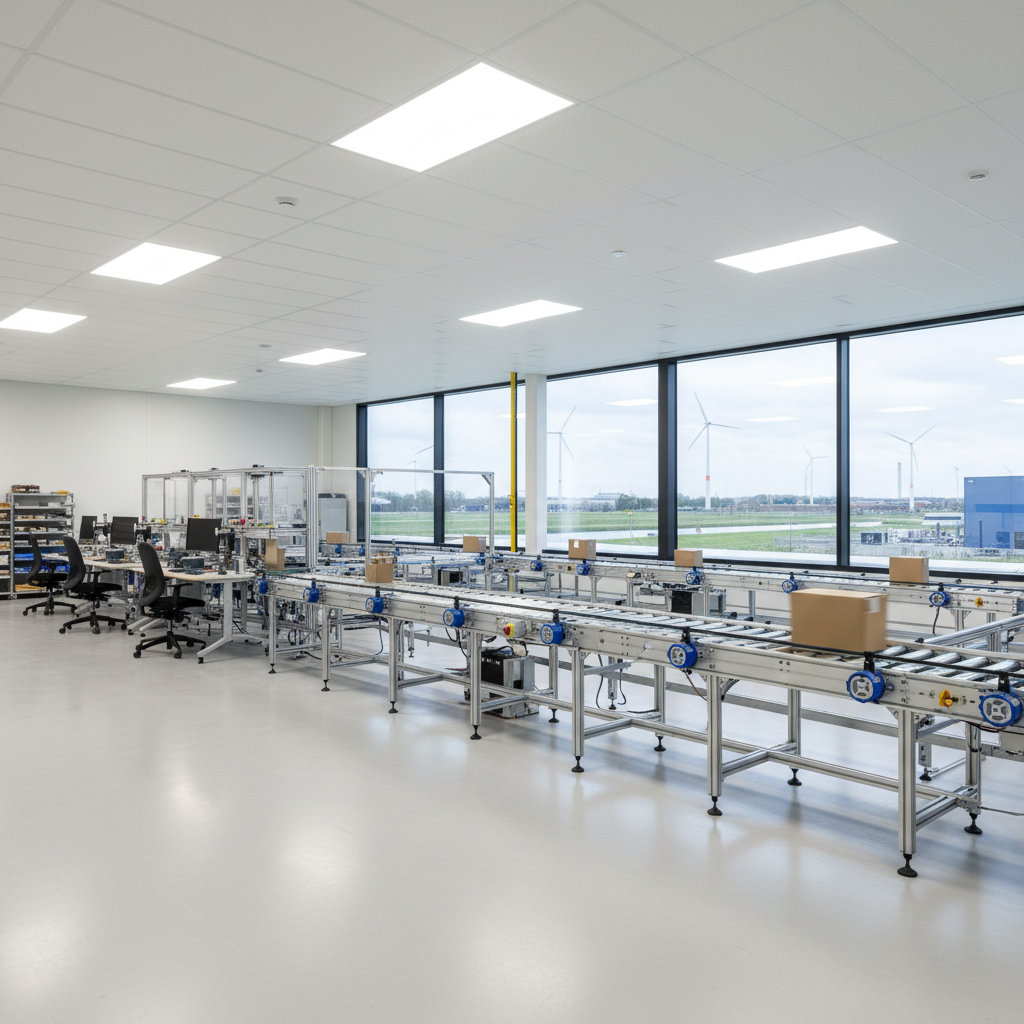
Hygienische Fördersysteme für Lebensmittel & Pharma im Benelux
Erfahren Sie, wie Sie das richtige hygienische Fördersystem für die Lebensmittel- oder Pharmaproduktion in den Benelux-Ländern auswählen, mit Fokus auf EHEDG-Standards, Reinigbarkeit und Materialien w
 Conveyor Systems
Zukunftssichere Fördertechnik-Investitionen in Benelux-Lagern
Die Investition in ein Fördersystem ist eine große Verpflichtung. Dieser Leitfaden untersucht, wie Benelux-Lagerleiter ihre Investition durch skalierbares Design, modulare Komponenten und anpassungsfä
 Conveyor Systems
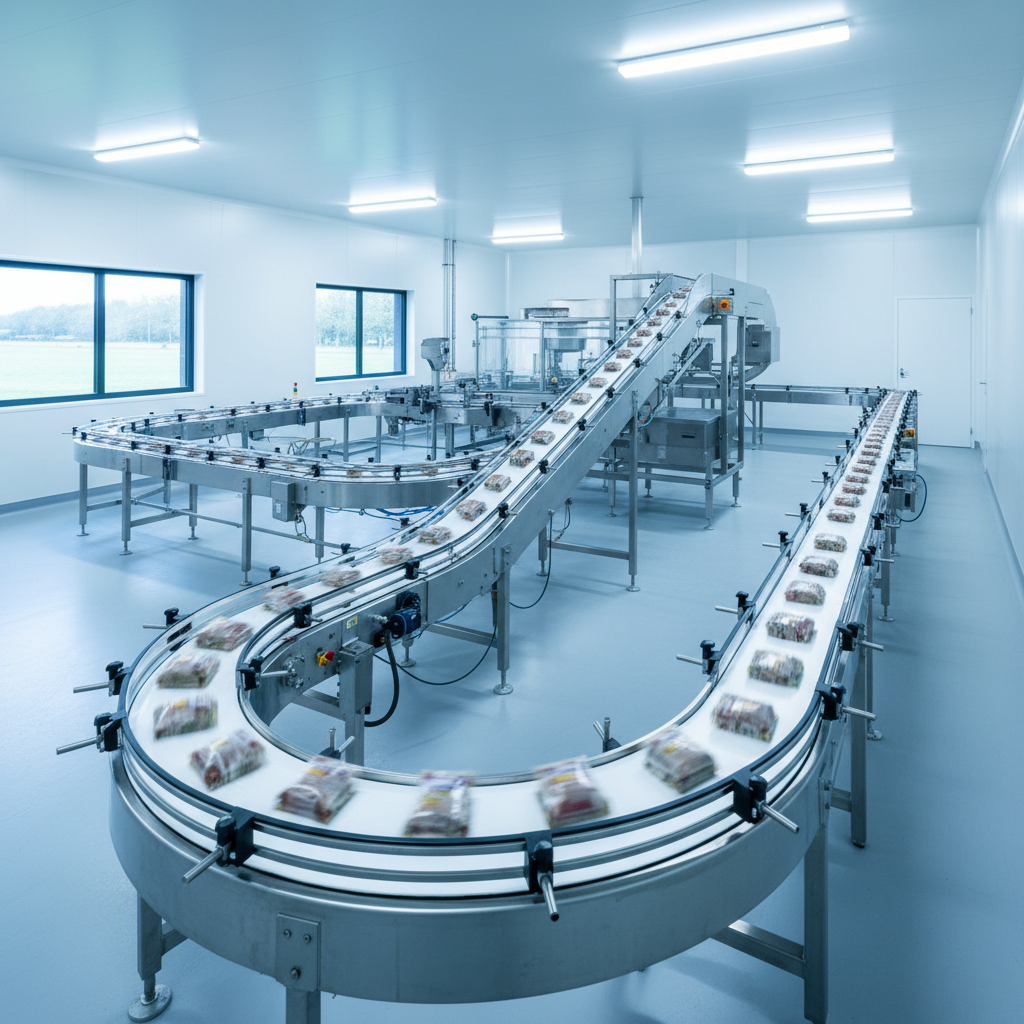
Massgeschneiderte Förderbandlösungen: Spezifische Herausforderungen in der Benelux-Fertigung meistern
Standardförderbänder können die spezifischen Anforderungen der Benelux-Fertigung oft nicht erfüllen. Massgeschneiderte Lösungen bieten die notwendige Flexibilität für komplexe Produkthandhabung, Platz
 Conveyor Systems
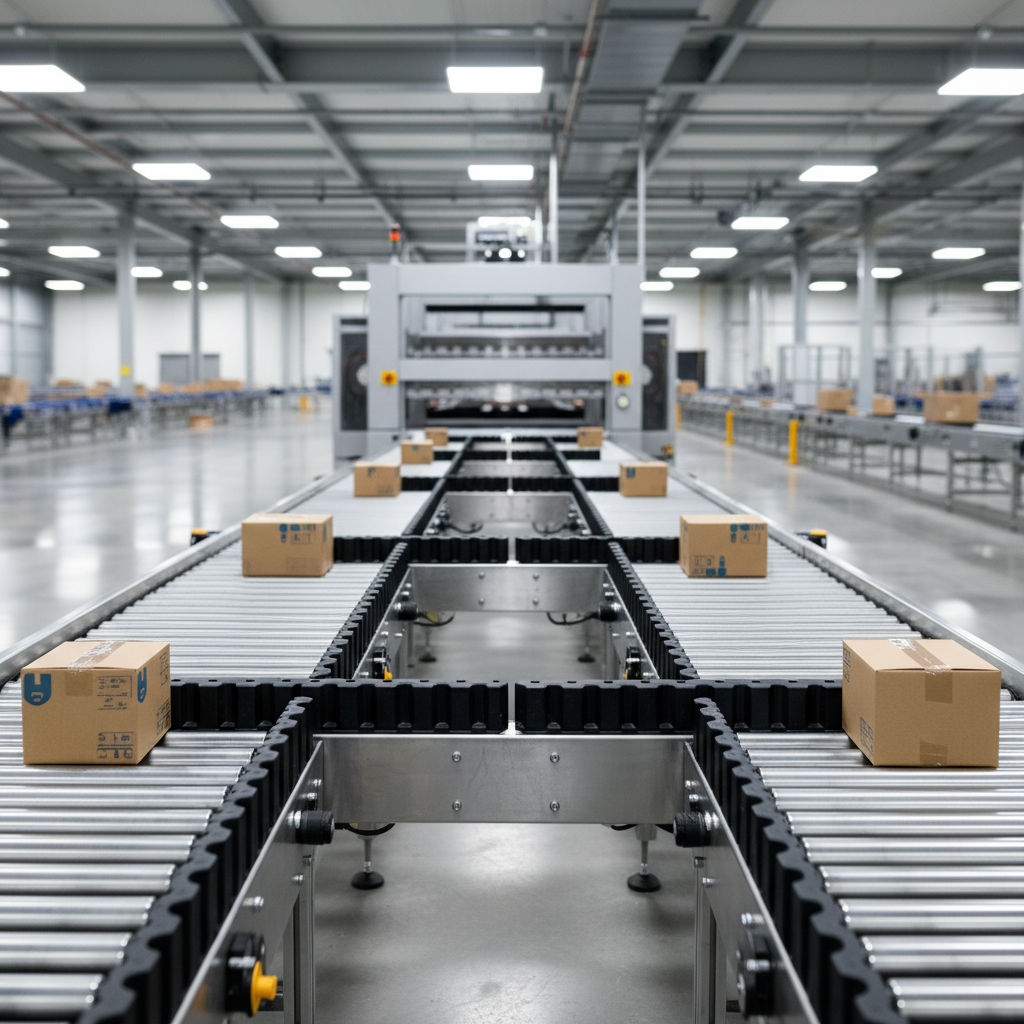
Drucklose Stauförderer: Steigerung des Durchsatzes und Schadensvermeidung in Benelux-Sortierzentren
Drucklose Stauförderer (ZPA) sind unerlässlich für moderne Sortierzentren. Sie schaffen Pufferzonen, die Produktschäden verhindern und einen hohen Durchsatz aufrechterhalten. Dieser Artikel beleuchtet
 Conveyor Systems
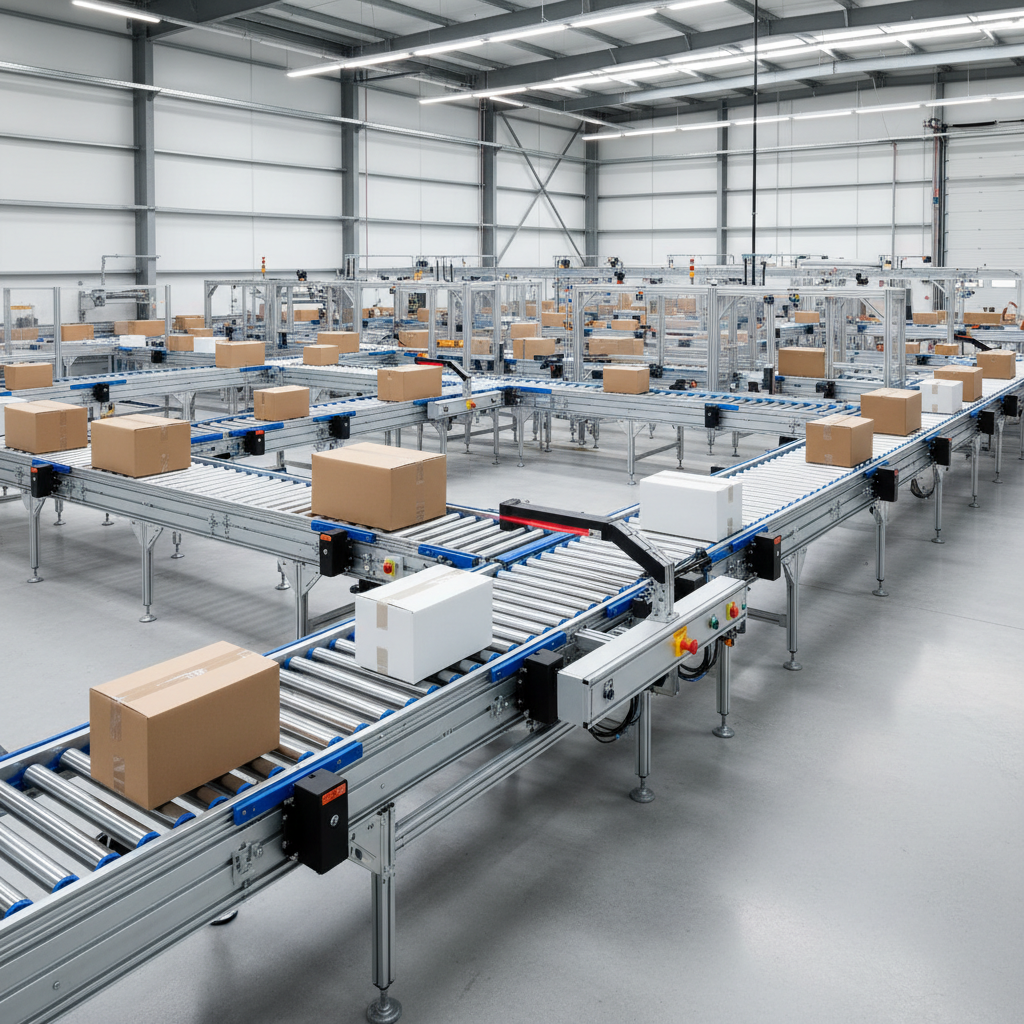
Geführte Fördersysteme: Navigieren in der Benelux-Produktion
Geführte Fördersysteme nutzen feste Wege mit integrierter Logik, um Artikel automatisch durch komplexe Fertigungs- und Logistikumgebungen zu leiten, was für die High-Tech-Produktionslandschaft des Ben
 Conveyor Systems
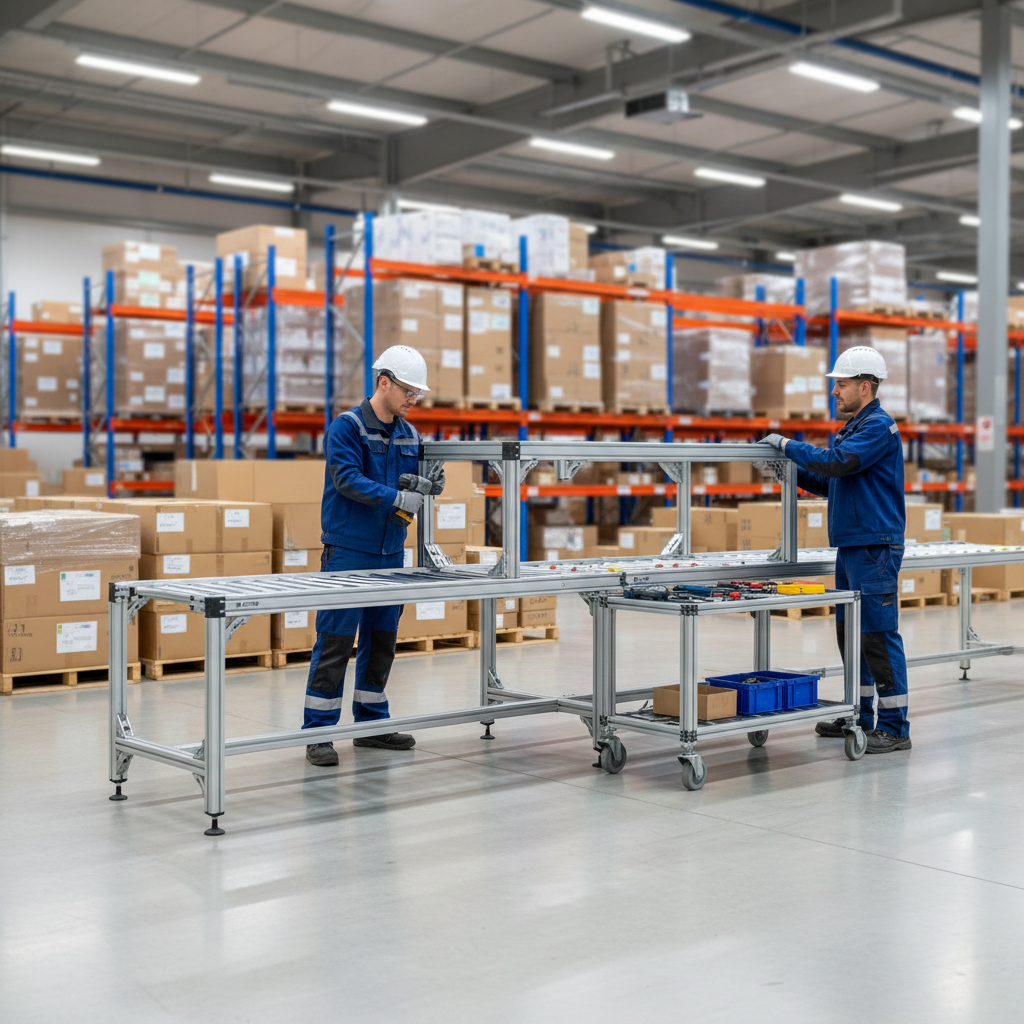
Schnell installierbare Förderer: Minimierung von Ausfallzeiten im Benelux-Raum
Im schnelllebigen Benelux-Logistiksektor sind Ausfallzeiten kostspielig. Schnell installierbare Förderer bieten eine Lösung: modulare, vorgefertigte Systeme, die die Installationszeit von Wochen auf T
Ausführliche Leitfäden
Gravity vs powered, 24V MDR, sizing rules, accumulation, integration with WMS/WCS.
Chain vs roller pallet conveyors, transfer cars, AS/RS infeed and safety.
How to pick the right sorter for parcel, retail and e-commerce flows.
Ball transfer units, insert assemblies vs integrated tables, omni-directional wheels and packing-station design.
Conveyors, AS/RS and robotics for chilled (+2 °C) and frozen (−25 °C) warehouses — materials, motors, condensation and energy.
Über förderanlagen
Which conveyor type fits my warehouse?+
It depends on load (carton, tote, pallet), throughput, accumulation needs and integration. Gravity roller is cheapest for short manual lines; 24V MDR is standard for automated case handling; belt conveyors handle small/irregular items; chain or pallet conveyors handle heavy unit loads above ~30 kg.
What is the difference between a belt and a roller conveyor?+
A roller conveyor moves loads on rotating rollers — best for flat, rigid items. A belt conveyor uses a continuous belt — better for small, fragile or irregular items and inclines above ~5°.
How long do industrial conveyors typically last?+
Mechanically 15–20 years with preventive maintenance. Drive electronics and controls usually need refresh after 8–12 years; belts and rollers are wear parts replaced on condition.
Can I extend or reconfigure a conveyor later?+
Yes if you specify a modular 24V system from the start. Plug-and-play modules allow zones to be added, shortened or rerouted without rewiring the entire line.
Planning a new conveyor or automation project?
Easy Systems designs and installs internal transport, conveyor and warehouse automation systems across the Benelux. Tell them about your flow — they'll come back with a system that scales.