Workplace Ergonomics: How Conveyors Boost Benelux Warehouse Safety
Ergonomic conveyor systems are crucial for modern Benelux warehouses, significantly reducing physical strain and related injuries. By automating repetitive movements, these systems can cut musculoskeletal disorders by up to 65% and boost overall productivity by 20-30%.
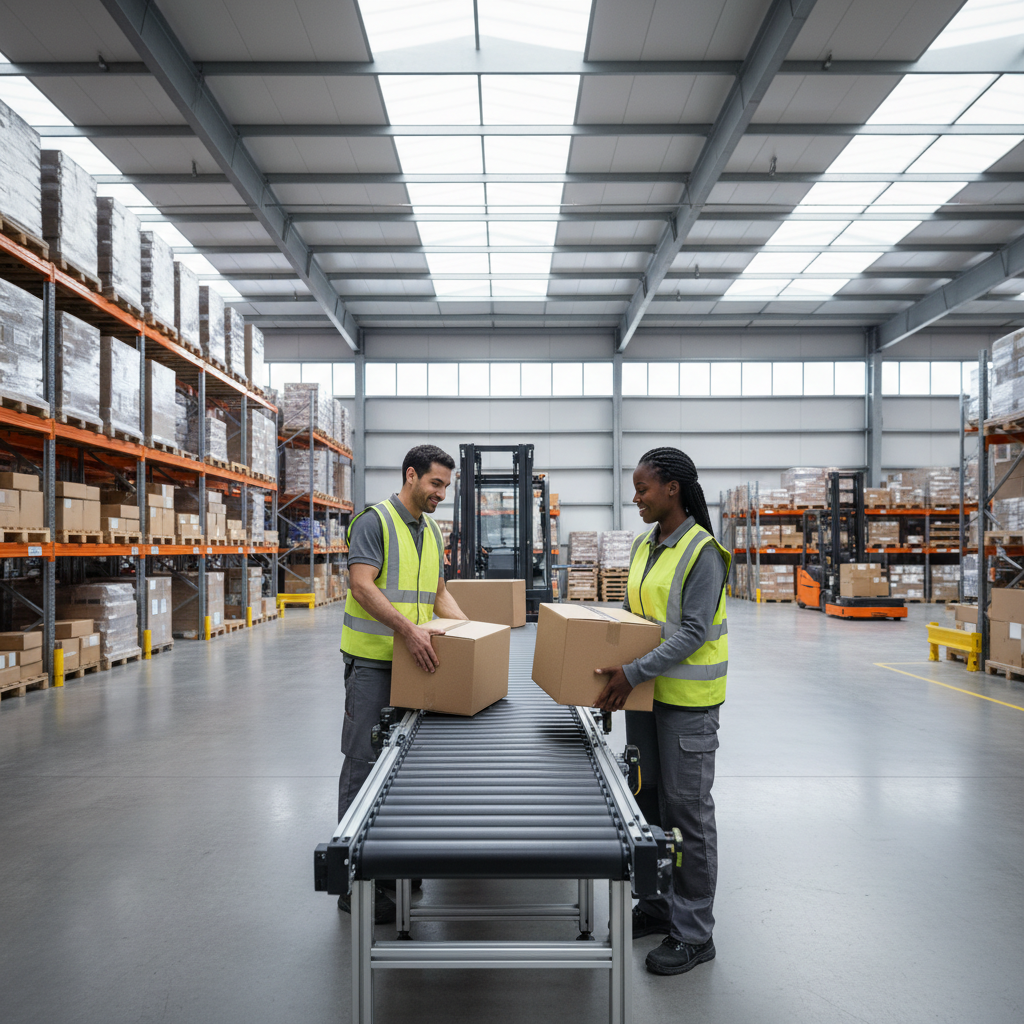
In the high-paced logistics landscape of the Benelux, with its tight labor market and stringent safety regulations, warehouse workplace ergonomics is no longer a luxury but a critical operational necessity. Manual material handling is a leading cause of workplace injuries, particularly musculoskeletal disorders (MSDs). Well-designed conveyor systems offer a powerful solution, automating repetitive lifting and carrying tasks to significantly enhance both employee well-being and operational efficiency.
Definition
Workplace ergonomics in a warehouse context is the science of designing tasks, equipment, and workstations to fit the worker, minimizing physical strain and risk of injury. Ergonomic conveyor systems are specifically engineered to transport goods at heights and speeds that reduce bending, twisting, and overreaching, thereby promoting safer and more productive human-machine collaboration.
Key Numbers
| Metric | Typical Range (EU 2026) | Notes |
|---|---|---|
| Reduction in Musculoskeletal Injuries (MSIs) | 40% - 65% | Directly correlated with the level of automation and ergonomic design. |
| Optimal Conveyor Height | 0.8m - 1.2m | Adjustable to suit 95% of the adult workforce, aligning with EN 614-1. |
| Productivity Increase per Worker | 20% - 30% | Resulting from reduced fatigue, fewer micro-breaks, and faster task cycles. |
| Investment Cost (per meter) | €350 - €1,500 /m | Varies based on type (gravity roller vs. powered belt) and features (e.g., MDR). |
| Return on Investment (ROI) | 1.5 - 3 years | Calculated based on reduced injury claims, lower absenteeism, and higher throughput. |
| Energy Consumption (MDR Conveyor) | 0.01 - 0.05 kWh/hour/zone | Significantly lower than traditional AC-motor driven systems. |
The True Cost of Poor Ergonomics in Benelux Warehouses
The Benelux region, a major European logistics hub, faces significant costs associated with poor workplace ergonomics. According to the European Agency for Safety and Health at Work (EU-OSHA), work-related MSDs account for up to 43% of all occupational diseases. These costs are multifaceted:
- Direct Costs: Include medical expenses and compensation claims, which can amount to thousands of euros per incident. In Belgium and the Netherlands, absenteeism due to back pain alone costs the economy billions annually.
- Indirect Costs: Often more substantial, these include lost productivity, costs of hiring and training replacement staff, decreased morale, and higher employee turnover.
- Legal and Compliance Risks: Non-compliance with European directives (like 90/269/EEC on manual handling of loads) can lead to significant fines and reputational damage.
Common Ergonomic Risk Factors
Warehouse workers are routinely exposed to several risk factors:
- Repetitive Motions: Picking, packing, and sorting thousands of items per shift.
- Awkward Postures: Bending down to pick from low pallets or reaching up to high shelves.
- Forceful Exertion: Lifting heavy boxes (e.g., >15-20 kg) manually.
- Static Postures: Standing in one position for extended periods without adequate support.
How Conveyor Systems Directly Address Ergonomic Challenges
Conveyor systems are a cornerstone of an ergonomic warehouse design. They tackle the root causes of physical strain by bringing the work to the worker, minimizing manual transport, and ensuring tasks are performed within a safe "ergonomic window."
1. Reducing Lifting and Carrying
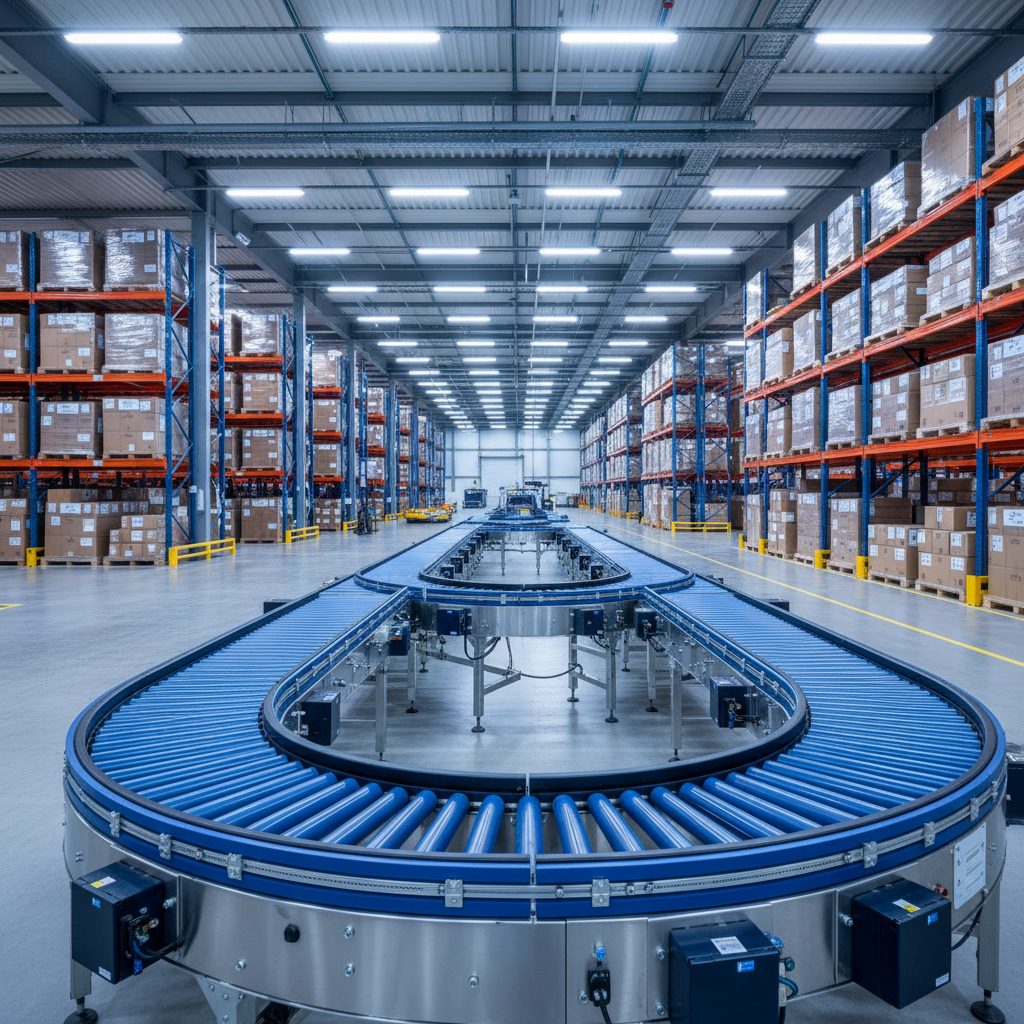
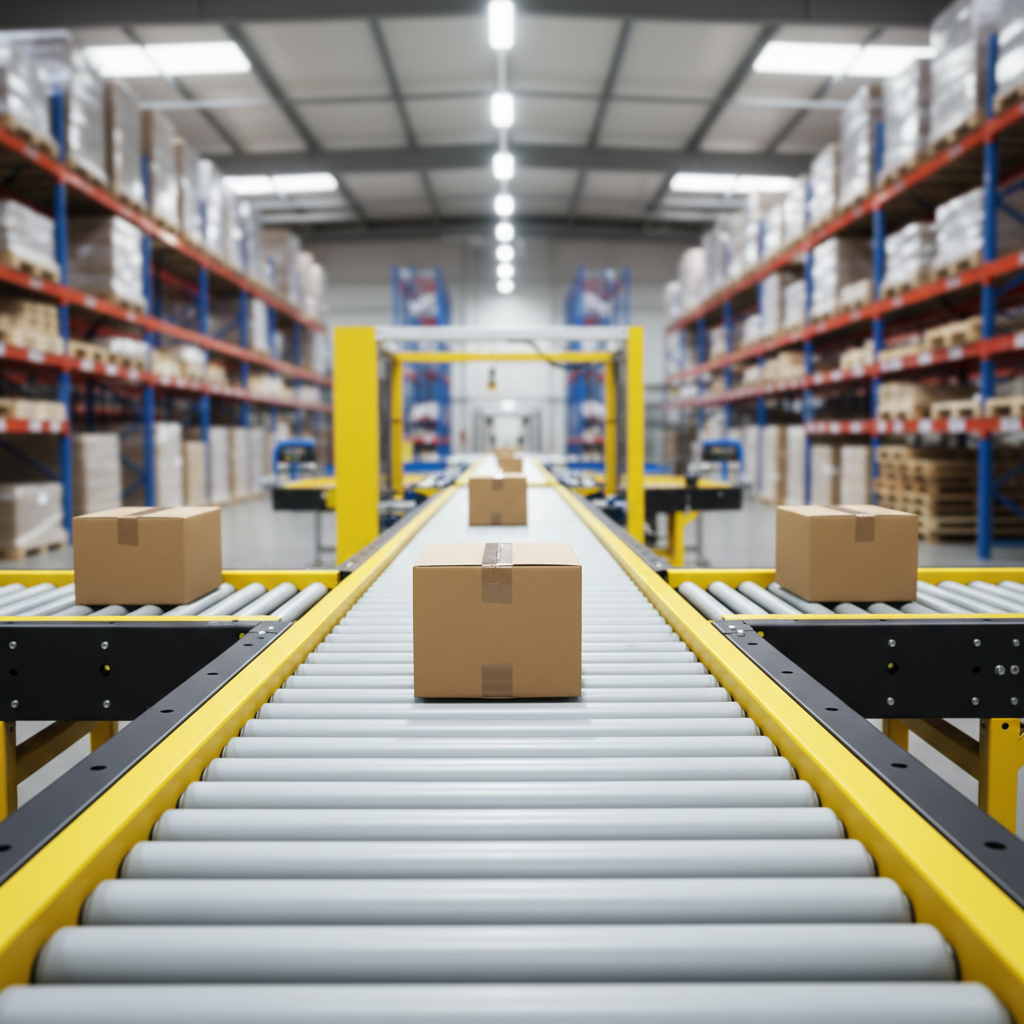
The most obvious benefit is the automation of material transport. Instead of workers walking miles and carrying heavy loads, a belt conveyor or roller conveyor moves items from receiving to packing. This drastically reduces the primary risk factor for lower back injuries.
2. Optimizing Workstation Height
Ergonomic conveyors are designed with adjustable height supports. This allows workstations to be set within the optimal range of 0.8m to 1.2m, accommodating the diverse heights of the Benelux workforce. A packing station integrated with a conveyor at elbow height eliminates the need for bending and reaching, reducing strain on the back and shoulders.
3. Pacing and Workflow Control
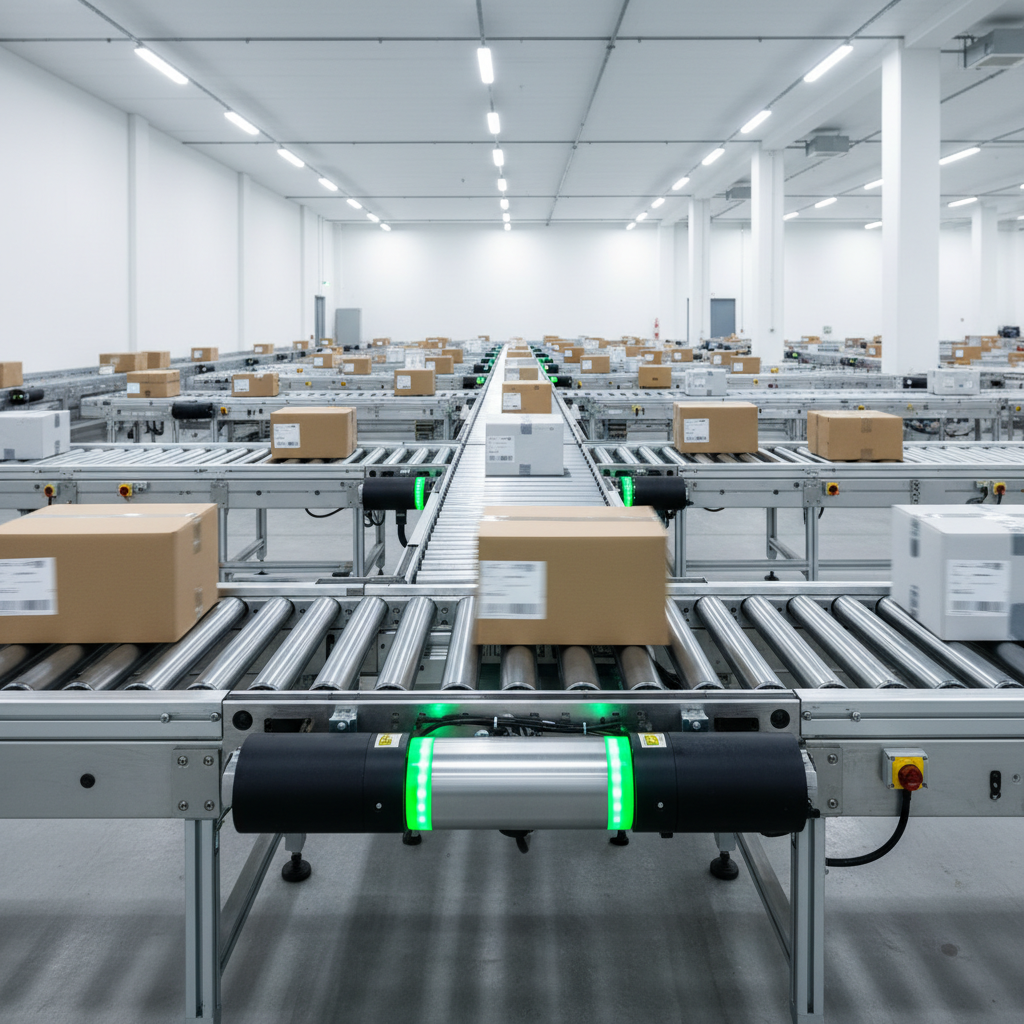
Modern conveyors, especially those using Zero-Pressure Accumulation (ZPA) technology, create a smooth, controlled workflow. They present items to operators one by one, preventing pile-ups and allowing workers to maintain a steady, comfortable pace without feeling rushed or overwhelmed. This cognitive ergonomic benefit is just as important as the physical one.
Comparing Ergonomic Conveyor Solutions
Not all conveyors are created equal. The right choice depends on the specific application, product characteristics, and desired level of automation.
| Conveyor Type | Primary Ergonomic Benefit | Typical Application | Cost Indicator |
|---|---|---|---|
| Gravity Roller Conveyor | Low-friction movement for manual pushing, reducing exertion over short distances. | Packing stations, loading/unloading zones. | € |
| Belt Conveyor | Continuous transport at a fixed height, eliminating manual carrying between zones. | Long-distance transport, incline/decline sections. | €€ |
| Motor Driven Roller (MDR) Conveyor | Zone-based control, ZPA logic, excellent for creating buffered, paced workstations. | Picking modules, sortation areas, assembly lines. | €€€ |
| Spiral Conveyor | Vertical transport with a small footprint, eliminating need for lifts or manual carrying between floors. | Connecting mezzanine levels, multi-level order picking. | €€€€ |
Integration with Other Systems for Maximum Impact
The ergonomic benefits of conveyors are magnified when integrated with other warehouse technologies. For instance, combining a conveyor with a pick-to-light system guides operators with light signals, reducing both physical travel and mental strain (searching for locations). This synergy not only improves ergonomics but can also boost picking accuracy to over 99.5%.
Furthermore, an efficient conveyor network is the backbone of a Goods-to-Person (GTP) strategy. While advanced systems like AS/RS or AutoStore handle storage, it's the conveyor system that delivers totes and cartons to and from the ergonomic GTP workstations, ensuring a seamless and strain-free process for the operator. This integrated approach is key for businesses looking to scale. As we often see, companies grow, but their processes don't always keep up, leading to bottlenecks that well-designed automation can solve.
Easy Systems: Your Partner in Ergonomic Warehouse Design
At Easy Systems, we understand that a productive warehouse is a safe and ergonomic warehouse. We don't just sell conveyors; we design integrated material handling solutions centered on your most valuable asset: your employees. Our approach focuses on analyzing your specific workflow, identifying ergonomic risks, and engineering modular, scalable conveyor systems that address them directly.
With deep experience across the Benelux and Europe, we leverage our modular components to build custom-fit solutions—from simple belt conveyors to sophisticated MDR-driven picking systems. By prioritizing ergonomic principles in our designs, we help you achieve compliance, reduce injury-related costs, and create a workplace that attracts and retains talent, ensuring your logistics operation is fit for the future.
Frequently asked questions
What is the ideal height for an ergonomic conveyor in a warehouse?+
The ideal height for an ergonomic conveyor is adjustable, typically set between 0.8 and 1.2 meters from the floor. This "power zone," roughly between waist and shoulder height, allows about 95% of employees to work comfortably without bending or overreaching, significantly reducing back and shoulder strain.
How much can ergonomic conveyors reduce workplace injuries?+
Implementing well-designed ergonomic conveyor systems can reduce musculoskeletal injuries (MSIs) by a significant margin, typically between 40% and 65%. This reduction comes from automating strenuous lifting and carrying tasks, which are the leading cause of sprains and strains in a warehouse environment.
What is the typical ROI for an ergonomic conveyor system in the Benelux?+
The return on investment (ROI) for an ergonomic conveyor system in the Benelux is typically between 1.5 and 3 years. This calculation is based on direct cost savings from reduced injury claims and lower absenteeism, combined with productivity gains of 20-30% per employee.
Are ergonomic conveyors expensive to run?+
Modern ergonomic conveyors, particularly those using Motor Driven Roller (MDR) technology, are highly energy-efficient. A single MDR zone only consumes power when it's actively transporting a product, with typical consumption as low as 0.01 kWh per hour, making them significantly cheaper to run than older, continuously-powered systems.
How do conveyors improve productivity besides reducing injuries?+
Beyond safety, conveyors boost productivity by creating a streamlined and paced workflow. They reduce walking time to zero for material transport, minimize handling, and, when combined with systems like pick-to-light, can increase order picking speed by up to 40% while simultaneously improving accuracy.

The Easy Systems engineering team designs, integrates and commissions conveyor systems and warehouse automation across Belgium, the Netherlands and Luxembourg. Combined experience covers roller and belt conveyors, sorters, AGV/AMR fleets, AutoStore, shuttle AS/RS and WMS/WCS integration for distribution centers and e-commerce fulfillment operations.
- Conveyor design (roller, belt, modular plastic)
- Sortation & merge logic
- AGV / AMR fleet integration
- AutoStore & shuttle AS/RS
- WMS / WCS integration