Energy Efficiency in Conveyor Systems for Benelux Warehouses
Discover practical strategies to significantly reduce the energy consumption of your conveyor systems. This guide focuses on Benelux warehouses, covering high-efficiency motors, smart controls, and preventive maintenance to cut operational costs.
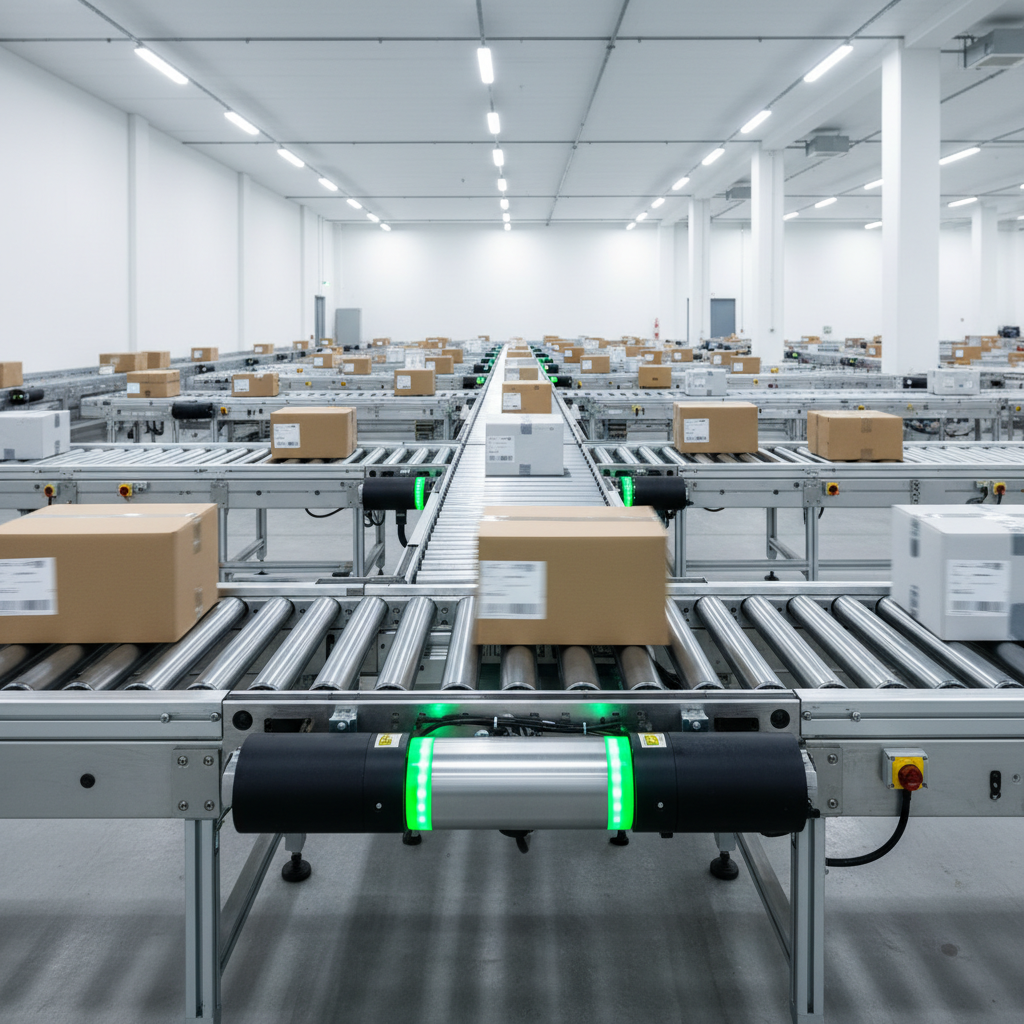
As electricity prices in Belgium, the Netherlands, and Luxembourg continue to be a significant operational expenditure, warehouse and logistics managers are under increasing pressure to reduce costs. Conveyor systems, the arteries of any modern distribution center, are often major energy consumers. However, through a combination of modern technology, intelligent system design, and proactive maintenance, it's possible to achieve substantial energy savings, directly impacting the bottom line and contributing to corporate sustainability goals.
Definition
Energy efficiency in conveyor systems refers to the optimization of all components and operational logic to minimize electrical power consumption per unit of goods transported (e.g., kWh per parcel). It involves using high-efficiency motors, intelligent controls, and mechanical fine-tuning to perform the transport task with the least possible energy waste.
Key Numbers
| Metric | Typical range (EU 2026) | Notes |
|---|---|---|
| Energy Consumption (AC Motor) | 0.75 - 1.5 kWh/hour | For a 50m traditional belt conveyor line. |
| Energy Consumption (MDR) | 0.3 - 0.6 kWh/hour | For a 50m MDR conveyor line; savings up to 60%. |
| Investment (MDR Retrofit) | €300 - €500 per meter | Includes rollers, controls, and installation. |
| ROI on Energy Efficiency Upgrade | 1.5 - 3 years | Based on Benelux energy prices (€0.20-€0.30/kWh). |
| Annual Savings (per 100m) | €4,000 - €8,000 | Comparing a heavily used AC system to a ZPA MDR system. |
| Motor Efficiency Class | IE4 or IE5 | Mandatory for new installations in many EU applications. |
The Cornerstone of Efficiency: Motor & Drive Technology
The single most impactful factor in a conveyor's energy profile is its motor. For decades, centralized AC induction motors have been the standard, powering long sections of conveyor belt or rollers via complex systems of chains, belts, and line shafts. While robust, this design is inherently inefficient. A single large motor often runs continuously, regardless of the actual load on the conveyor, consuming significant power even when idle.
Motor Driven Roller (MDR) Technology
The paradigm shift in conveyor efficiency is the adoption of 24V DC Motor Driven Roller (MDR) technology. Here, each small section or "zone" of the conveyor is powered by a single roller with an integrated brushless DC motor. This offers several key advantages:
- Decentralized Power: Power is distributed along the conveyor, eliminating the transmission losses associated with chains and belts, which can account for 10-15% of energy waste.
- Run-on-Demand: MDR systems are inherently designed for "run-on-demand" operation. A zone is only activated when a sensor detects a product. This is the core principle behind zero-pressure accumulation (ZPA), where products accumulate without contact, and stationary zones are powered down.
- Low Voltage: Operating at 24V DC is inherently safer and often results in lower energy consumption compared to 400V AC systems, especially under partial load conditions.
For a detailed comparison of conveyor types, our Pillar Guide on Roller Conveyors offers further insights.
Smart Controls: The Brains Behind the Savings
Even with efficient motors, significant energy is wasted if the system isn't controlled intelligently. A Warehouse Control System (WCS) or a capable PLC can orchestrate conveyor operations to match real-time facility throughput, a crucial aspect for businesses scaling their operations as discussed in this analysis of growing business processes.
Zone Routing and Sleep Modes
Instead of running the entire network continuously, a WCS can implement intelligent "sleep" or "eco-mode" functions. During periods of low activity (e.g., between waves, during breaks), entire conveyor lines or sections can be automatically powered down. They are then re-activated just-in-time when a new batch of products is inducted. For a typical distribution center in the Benelux, implementing automated sleep modes can reduce off-peak energy consumption by over 80%, contributing to a 15-25% reduction in the conveyor system’s total daily energy bill.
Comparison of Control Strategies
| Control Strategy | Energy Savings Potential | Best For | Typical Cost (€) |
|---|---|---|---|
| Continuous Run (No Control) | 0% | Legacy systems, bulk transport | €0 (Baseline) |
| Manual Start/Stop | 5-10% | Small, simple systems with predictable downtime | ~€100 per station |
| Zone-based (ZPA with MDR) | 30-60% | Accumulation, sorting, packing lines | €300 - €500 per meter |
| WCS-based Sleep Mode | 15-25% (System-wide) | Large, complex systems with variable flow | €10,000+ (Software integration) |
Mechanical Efficiency and Maintenance
Energy efficiency isn’t just about motors and software; it’s also about solid mechanical engineering and maintenance. Friction is the enemy of efficiency. A poorly maintained system requires more force—and thus more energy—to move products.
Key Maintenance Checks for Energy Savings:
- Belt Tensioning: An over-tensioned belt increases friction on bearings and requires more motor torque. An under-tensioned belt can slip, wasting energy. Regular checks and correct tensioning can save 3-5% on energy.
- Lubrication: Proper and regular lubrication of bearings and chains (in older systems) is critical. A switch to high-quality synthetic lubricants can reduce friction and extend component life.
- Component Selection: Using high-quality, low-friction rollers and belting material (e.g., modular plastic belts) from the outset reduces the baseline energy requirement of the system.
Retrofitting vs. New Systems in the Benelux Context
For warehouses in the Netherlands, Belgium, or Luxembourg with existing conveyor infrastructure, a full replacement isn’t always feasible. The good news is that retrofitting for energy efficiency offers a strong business case.
A Phased Retrofit Approach
A pragmatic approach involves a phased upgrade. Start with the areas of highest use or the most inefficient lines, such as long-running accumulation conveyors. Replacing a 100-meter section of a continuously running AC-powered roller conveyor with a modern ZPA-controlled MDR system can yield annual electricity savings of €5,000-€9,000, depending on usage and local energy tariffs. This delivers a payback period of well under 3 years, making it an attractive investment.
Positioning for the Future: Easy Systems as Your Partner
In a market as competitive as the Benelux, operational efficiency is not just a goal; it's a prerequisite for survival and growth. Optimizing the energy consumption of your material handling systems is a direct and measurable way to lower operational costs, improve your carbon footprint, and build a more resilient logistics operation. The technologies and strategies are mature, proven, and offer compelling return on investment.
Easy Systems specializes in designing and implementing modular, energy-efficient conveyor solutions tailored to the specific needs of Benelux warehouses. We leverage the latest 24V MDR technology and intelligent WCS integration to build systems that are not only powerful and reliable but also exceptionally economical to operate. Whether you are building a new facility or seeking to upgrade an existing one, our engineering team can provide a data-driven analysis to identify the most impactful strategies for cost reduction. Partner with us to turn your conveyor system from an energy liability into a competitive asset.
Frequently asked questions
How much can I save by switching to MDR conveyors in the Netherlands?+
By switching a 100-meter conventional conveyor line to a 24V Motor Driven Roller (MDR) system with zone control, a warehouse in the Netherlands can typically save between €5,000 and €9,000 annually on electricity costs, based on an average price of €0.25/kWh and 8 hours of daily operation.
What is the payback period for an energy-efficient conveyor retrofit?+
The typical payback period for retrofitting an existing conveyor system with energy-efficient components like IE4 motors or MDR technology in the Benelux region is between 1.5 and 3 years. This is driven by high energy savings and relatively modest capital investment of around €300-€500 per meter.
Does zero-pressure accumulation (ZPA) really save energy?+
Yes, significantly. Zero-Pressure Accumulation (ZPA) systems only activate conveyor zones when a product is present, powering them down otherwise. This 'run-on-demand' approach can reduce the energy consumption of accumulation conveyors by 30% to 60% compared to continuously running systems.
Can maintenance improve my conveyor's energy efficiency?+
Absolutely. A proper preventive maintenance program, including correct belt tensioning, bearing lubrication, and component alignment, can reduce mechanical friction and improve overall energy efficiency by 5-10%. This simple measure can save a few thousand euros per year for a medium-sized system.
What are 'sleep modes' for conveyor systems?+
Sleep modes are an intelligent control feature, usually managed by a WCS, that automatically powers down entire conveyor lines or sections during periods of inactivity. For a distribution center with fluctuating workflows, this can cut system-wide energy use by 15-25% by eliminating idle running time.

The Easy Systems engineering team designs, integrates and commissions conveyor systems and warehouse automation across Belgium, the Netherlands and Luxembourg. Combined experience covers roller and belt conveyors, sorters, AGV/AMR fleets, AutoStore, shuttle AS/RS and WMS/WCS integration for distribution centers and e-commerce fulfillment operations.
- Conveyor design (roller, belt, modular plastic)
- Sortation & merge logic
- AGV / AMR fleet integration
- AutoStore & shuttle AS/RS
- WMS / WCS integration