Energy Efficiency of Conveyor Systems: Benelux Cost-Saving Guide
Discover how Benelux warehouses can cut energy costs by up to 60% through smart conveyor system design. This guide covers practical methods, from Motorized Drive Rollers (MDR) to intelligent software, for optimizing energy efficiency and boosting your bottom line.
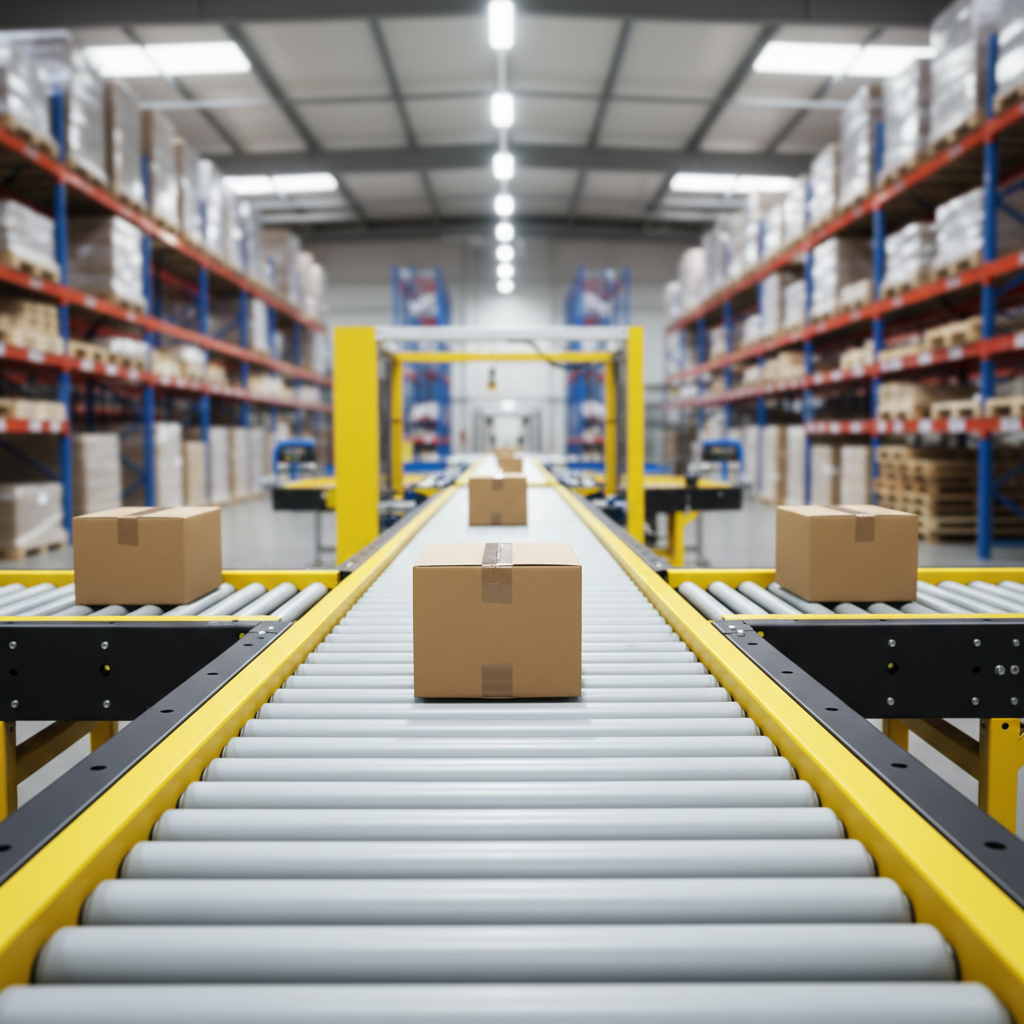
In the competitive Benelux logistics landscape, where operational margins are tight and energy prices are volatile, optimizing every aspect of the warehouse is critical. Conveyor systems, the arteries of any modern distribution center, are often significant energy consumers. This article provides practical methods and concrete figures to help warehouse managers in Belgium, the Netherlands, and Luxembourg significantly improve the energy efficiency of their conveyor systems, leading to substantial cost savings and a smaller carbon footprint.
Definition
Energy-efficient conveyor systems are material handling solutions designed to minimize electricity consumption while maintaining or improving operational throughput. This is achieved through advanced motor technology, intelligent control software, and optimized mechanical design, directly reducing a warehouse's operational expenditures and environmental impact.
Key Numbers
| Metric | Typical range (EU 2026) | Notes |
|---|---|---|
| Energy Savings (MDR vs. AC) | 40% - 60% | Comparison between Motorized Drive Roller systems and traditional, continuously running AC motors. |
| Investment Cost (New System) | €400 - €900 per meter | Depends on complexity, width, and load capacity. MDR systems are often at the higher end initially. |
| Return on Investment (ROI) | 2 - 4 years | Based on energy savings, reduced maintenance, and potential government subsidies in the Benelux. |
| Annual Energy Cost per 100m Line | €2,500 - €5,000 (MDR) vs. €6,000 - €12,000 (AC) | Assumes 16/5 operation in a typical DC with fluctuating loads. |
| Energy Use (per zone/motor) | 30 - 50 Watts (MDR) | Per active 24V DC motorized roller, only consuming power when goods are present. |
| Maintenance Cost Reduction | 15% - 25% annually | Fewer moving parts (no chains, belts, external motors) in modular MDR systems reduces maintenance needs. |
The Business Case for Energy Efficiency in the Benelux
For logistics operators in the Benelux, a region with high energy costs and ambitious sustainability goals, energy efficiency is not a luxury—it's a competitive necessity. Electricity prices can account for 5-10% of a warehouse's total operating costs. A 50% reduction in conveyor system energy use can directly add a significant margin to the bottom line. Furthermore, demonstrable green credentials are a growing factor in winning and retaining top-tier clients who are themselves under pressure to decarbonize their supply chains. Governments in the region also offer various tax incentives and subsidies for green investments, further shortening the payback period for new, efficient systems.
Why Traditional Conveyors are Inefficient
Historically, conveyor lines were powered by one or more large AC (Alternating Current) induction motors. These motors run continuously, regardless of whether there are products on the conveyor. This design leads to several key inefficiencies:
- Constant Energy Draw: The motor consumes a high level of power throughout the entire shift, even when the conveyor is empty or only partially loaded.
- Oversized Motors: Systems are often engineered for the absolute maximum potential load, meaning the motor is oversized and inefficient for average day-to-day throughput.
- Mechanical Losses: Power is lost through friction in gearboxes, chains, and long belt runs, requiring even more energy to achieve the desired movement.
Core Technologies for Energy-Efficient Conveying
Modern conveyor design leverages specific technologies to combat these inefficiencies. The most impactful of these is the move from centralized AC power to decentralized DC power.
Motorized Drive Roller (MDR) Technology
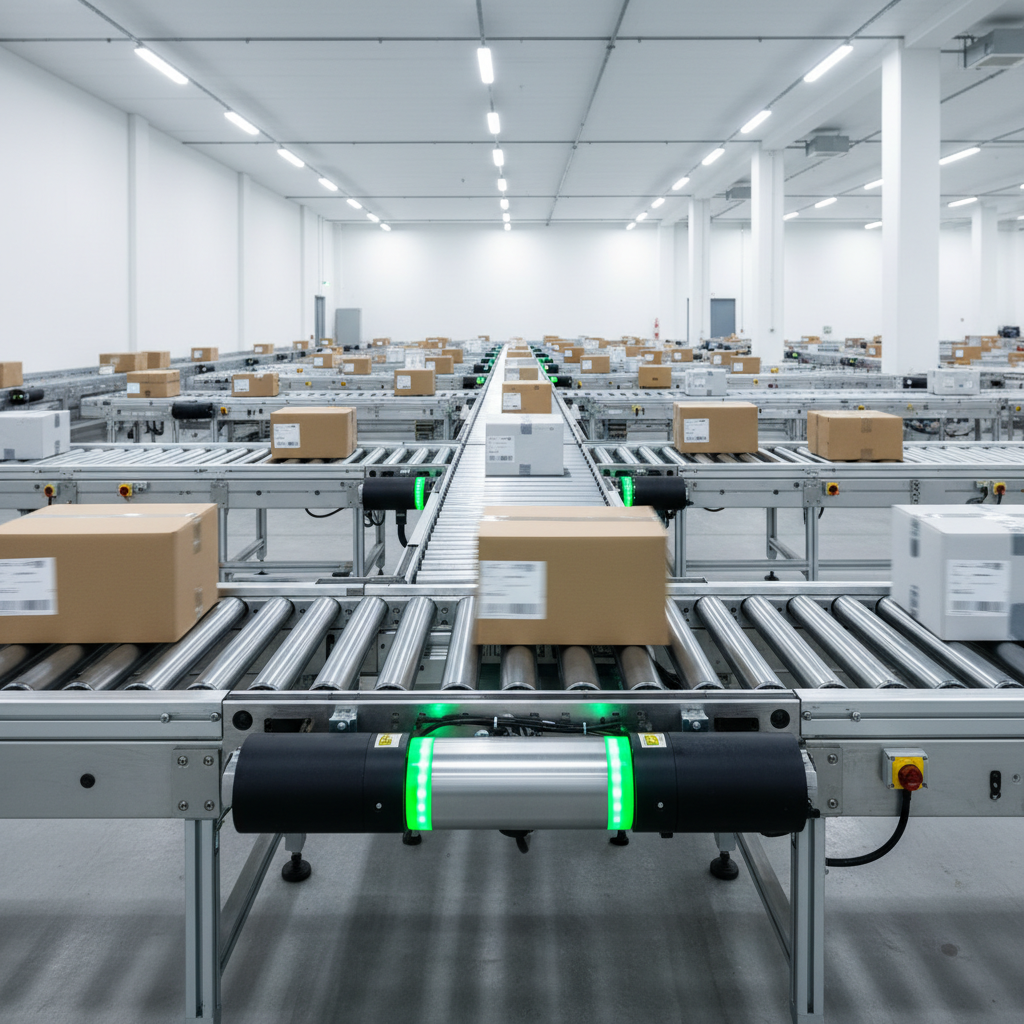
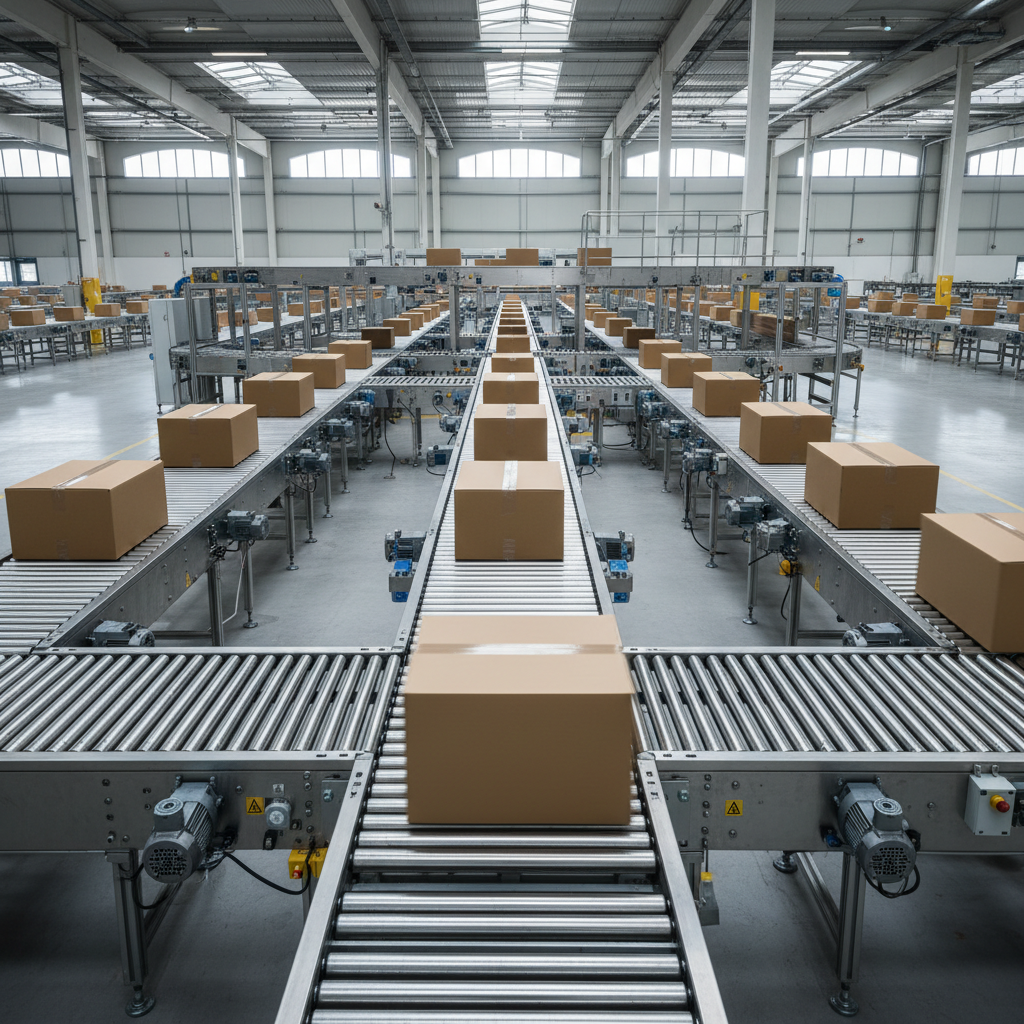
The cornerstone of modern energy-efficient design is the Motorized Drive Roller (MDR). An MDR is a conveyor roller with an integrated 24V DC motor. Instead of one large motor driving a long section, a conveyor line is divided into manageable zones, each powered by one or more MDRs. This approach, often combined with Zero-Pressure Accumulation (ZPA) logic, provides immense energy savings. The control card for each zone detects the presence of a product and activates the motor only when needed to move the item to the next zone. Once the item is passed on, the zone powers down. This run-on-demand approach is the primary driver of the 40-60% energy savings.
Intelligent Software and Controls
Hardware alone is not enough. A Warehouse Control System (WCS) or Warehouse Execution System (WES) plays a crucial role. These systems can orchestrate the flow of goods to optimize energy use on a larger scale. For instance, the system can put entire conveyor lines into a 'sleep mode' during periods of low activity, such as between waves of orders or during staff breaks. Waking up a 24V DC system is instantaneous and consumes far less energy than starting a large AC motor. For a deep dive into how these software layers interact, consider reading our guide on WMS, WCS, and WES integration.
Comparative Analysis: MDR vs. Traditional AC Systems
| Feature | MDR (24V DC) System | Traditional AC Motor System |
|---|---|---|
| Energy Consumption | Run-on-demand; powers down when idle. Very low. | Runs continuously, regardless of load. High. |
| Control | Zonal, intelligent (ZPA). Each 1-1.5m zone is independent. | Centralized, on/off for entire line. Inflexible. |
| Noise Level | Very quiet (~60-65 dB), as motors only run when needed. | Constant noise from motor, gearbox, and chains (~70-75 dB). |
| Safety | Low voltage (24V DC), inherent zero-pressure accumulation. | High voltage (400V AC), requires more extensive physical guarding. |
| Modularity & Scalability | Excellent. Zones can be easily added, moved, or changed. | Poor. System is monolithic and difficult to modify. |
| Maintenance | Simple roller replacement. No belts/chains to tension. | Requires gearbox lubrication, chain tensioning, belt tracking. |
Case Study: E-commerce Fulfillment Center, Antwerp, Belgium
A mid-sized e-commerce company operating from a 15,000 m² facility near Antwerp was facing rising energy bills and bottlenecks in their picking process. Their existing system used 250 meters of traditional belt and roller conveyors powered by ten 1.5 kW AC motors, running 16 hours a day.
The Challenge
The system consumed approximately 15 kW continuously, regardless of order volume. During quieter periods, over 80% of the conveyor was empty but still running. The annual electricity cost for the conveyor system alone was approximately €44,000 (at €0.24/kWh). As many companies find, their processes were not scaling efficiently with their growth.
The Solution: An MDR-based Retrofit
The company invested in a new MDR-based system with ZPA logic. The new system utilized around 200 individual 50W MDR zones. While the total potential power draw was around 10 kW, the 'run-on-demand' nature meant the average consumption dropped to just 4 kW.
The Results
- Energy Consumption Reduction: The annual energy cost for the new system dropped to ~€15,000, a saving of €29,000 per year (66%).
- Improved Work Environment: The warehouse floor became significantly quieter, improving communication and reducing employee stress.
- Operational Flexibility: The ZPA logic created buffering capacity on the line, smoothing out the flow to the packing stations and increasing overall throughput by 15%.
- ROI: The total project cost was €110,000. With an annual saving of €29,000, the simple ROI was achieved in under 4 years.
Easy Systems: Your Partner for Energy-Efficient Logistics
At Easy Systems, we don't just sell conveyors; we engineer efficient, future-proof logistics solutions tailored to the specific needs of the Benelux market. Our deep understanding of technologies like MDR and smart controls allows us to design systems that deliver both performance and significant, measurable cost savings. We analyze your unique product flow, throughput demands, and operational patterns to create a conveyor solution that minimizes energy waste and maximizes your return on investment. Whether you are retrofitting an existing facility or building a new one, partner with Easy Systems to build a leaner, greener, and more profitable operation.
Frequently asked questions
How much can I realistically save by switching to an energy-efficient conveyor system?+
You can realistically expect to reduce your conveyor system's energy consumption by 40-60%. For a medium-sized distribution center in the Netherlands or Belgium, this can translate to annual savings of €15,000 to €25,000, depending on the scale of your operation and local electricity prices.
What is the main technology behind energy-efficient conveyors?+
The primary technology is the Motorized Drive Roller (MDR). These are 24V DC rollers with integrated motors that power small, independent sections of the conveyor only when a product is present. This 'run-on-demand' approach eliminates the massive energy waste of traditional, continuously running AC motors.
Is an energy-efficient MDR system more expensive?+
The initial investment for an MDR system can be 10-20% higher than a traditional AC-powered system due to the cost of the rollers and controls. However, the return on investment (ROI) is typically fast, often between 2 to 4 years, thanks to substantial energy savings and lower maintenance costs.
Can I make my existing conveyor system more energy-efficient?+
Yes, retrofitting is a viable option. You can replace sections of old conveyors with MDR modules, especially in accumulation areas. Even smaller steps, like implementing a 'sleep mode' via your WCS for periods of inactivity or ensuring diligent maintenance on belts and motors, can yield energy savings of 5-15%.
How does Zero-Pressure Accumulation (ZPA) save energy?+
ZPA uses sensors to create buffer zones on the conveyor. When a box stops, the zones behind it also stop, powering down their motors. This prevents products from touching (zero pressure) and ensures that large sections of the conveyor are idle and consuming zero energy until they are needed, which is ideal for feeding packing stations or sorters.

The Easy Systems editorial desk reviews and fact-checks every Conveyor-Design article against Benelux project experience. Editors translate engineering decisions — throughput, peak factors, layout, integration — into plain-language guides for operations managers, project leads and decision-makers.
- Warehouse layout & slotting
- Order-profile analysis
- Vendor-neutral comparison
- Benelux logistics market