Workplace Ergonomics: How Conveyor Systems Reduce Physical Strain
Implementing ergonomic conveyor systems significantly cuts down on musculoskeletal disorders by reducing manual lifting, which can lower injury-related costs by up to 65% and improve overall warehouse productivity.
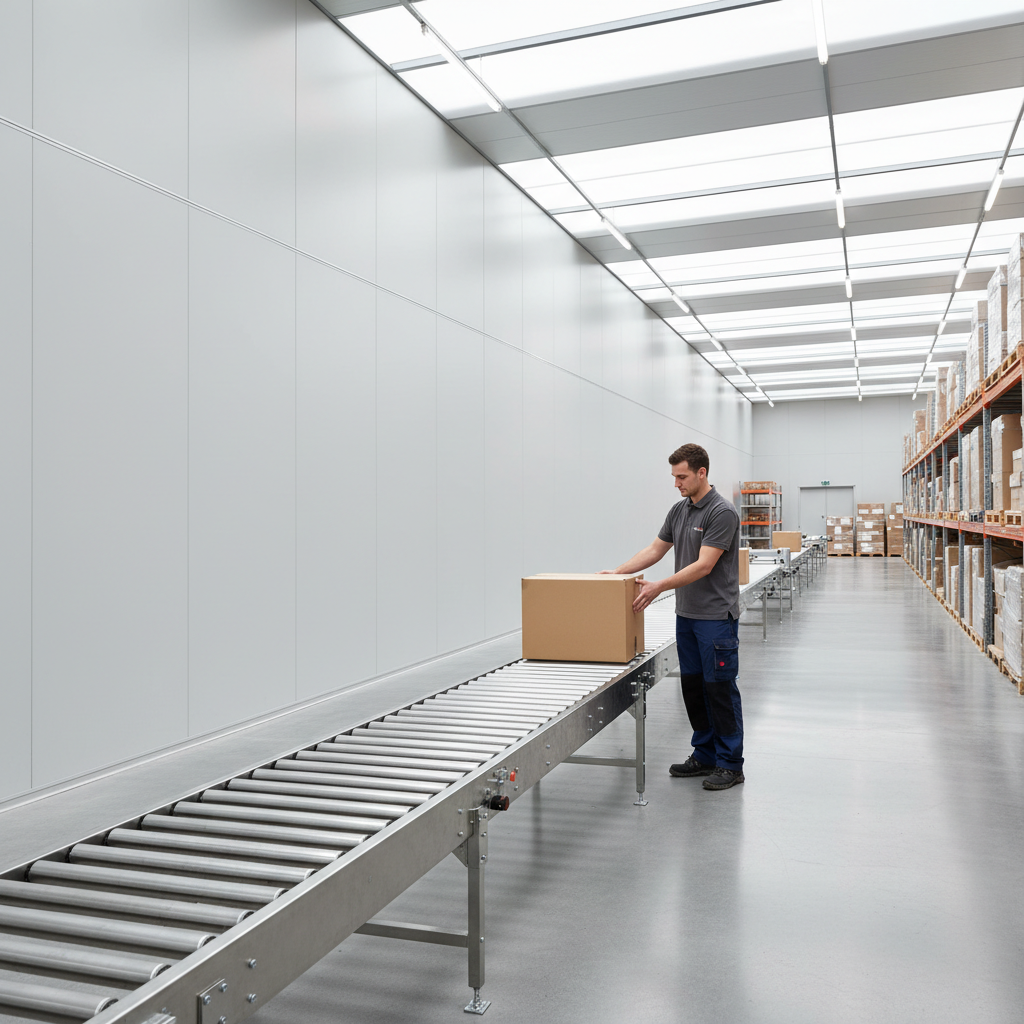
In the high-paced world of European logistics and warehousing, the physical well-being of employees is paramount. Manual handling of goods is a leading cause of workplace injuries, leading to significant costs and reduced operational efficiency. By strategically implementing conveyor systems, companies can drastically improve workplace ergonomics, creating a safer, more productive, and more sustainable working environment.
Definition
Workplace ergonomics in a logistics context is the science of designing tasks, equipment, and workstations to fit the employee, minimizing physical strain and the risk of musculoskeletal disorders (MSDs). Ergonomic conveyor systems are specifically designed to reduce manual lifting, carrying, bending, and reaching, thereby promoting worker health and safety.
Key Numbers
| Metric | Typical range (EU 2026) | Notes |
|---|---|---|
| Reduction in Manual Lifts | 60% - 80% | Directly correlates with lower MSD risk. |
| Productivity Increase (per operator) | 15% - 25% | Due to reduced fatigue and optimized workflows. |
| Investment (per meter, belt conveyor) | €300 - €850 | Varies by type, width, and load capacity. |
| Return on Investment (ROI) | 1.5 - 3 years | Based on reduced injury costs, lower absenteeism, and higher throughput. |
| Reduction in Bending/Reaching | >50% | Achieved with height-adjustable and spiral conveyors. |
| Energy Consumption (per meter/hour) | 0.05 - 0.2 kWh | For modern Motorized Drive Roller (MDR) systems. |
The High Cost of Poor Ergonomics in Logistics
Manual material handling is a primary driver of workplace injuries across Europe. According to Eurostat, over 60% of all work-related health problems reported by workers in the EU are musculoskeletal disorders. These MSDs, such as back pain, carpal tunnel syndrome, and tendonitis, result from repetitive strain, awkward postures, and heavy lifting. The financial implications are staggering, encompassing direct costs like medical expenses and insurance premiums, and indirect costs like lost productivity, high employee turnover, and administrative overhead. A single serious injury can cost a company upwards of €30,000, not including the impact on morale and operational continuity.
From Manual Labor to Automated Flow
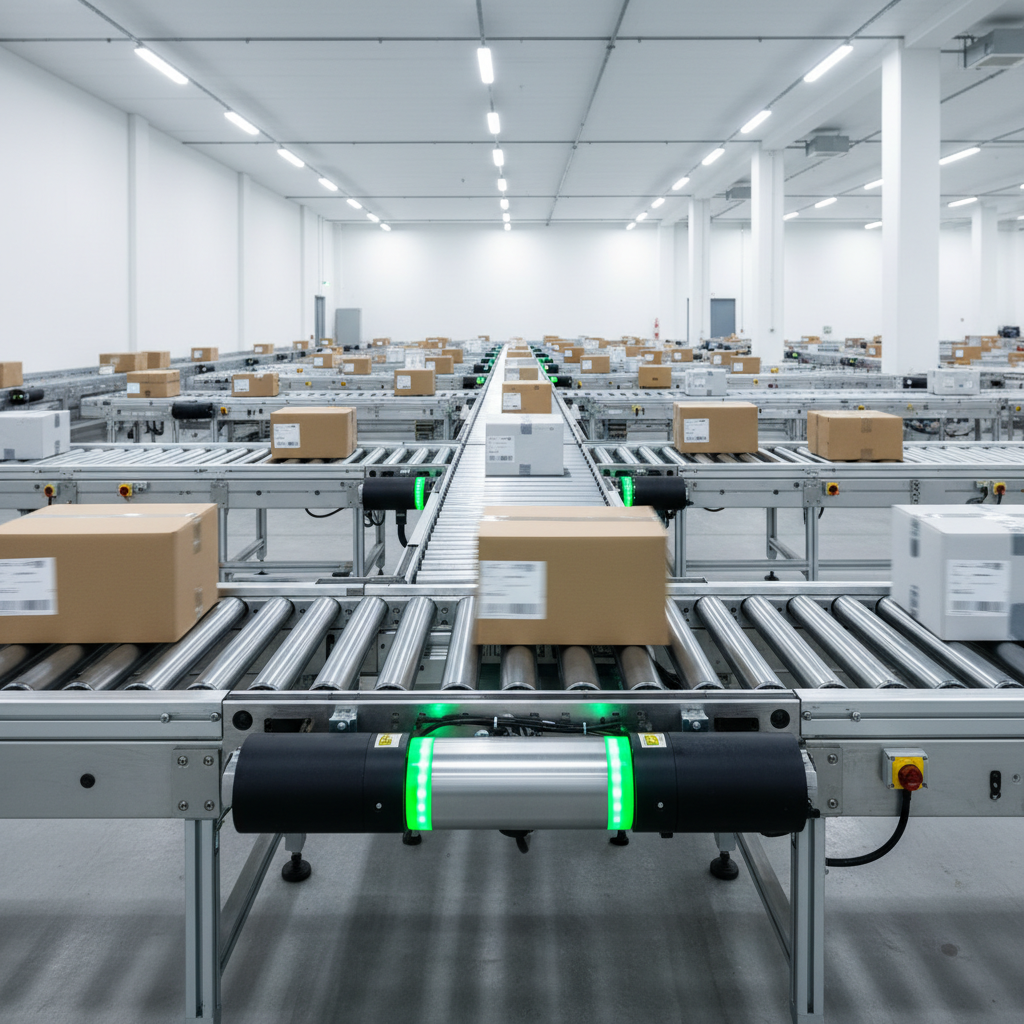
The core principle of ergonomic improvement is simple: let machines do the heavy lifting. A worker manually moving 15 kg boxes from a pallet to a packing station might lift a total of 6,000 kg in a single shift. This repetitive strain is a recipe for injury. A simple belt conveyor or roller conveyor system eliminates this manual transport. The operator's task shifts from strenuous lifting and carrying to simply sliding or guiding items onto the conveyor at an optimal height, drastically reducing physical load and the risk of chronic injury.
How Conveyor Systems Directly Improve Ergonomics
Conveyor systems are not just about moving goods; they are about moving goods in a way that protects the human workforce. Their ergonomic benefits are multi-faceted, addressing the most common risk factors in manual handling.
1. Reducing Manual Lifting and Carrying
The most obvious benefit is the near-elimination of manual carrying over distances. Instead of walking pallets or individual items across a warehouse floor, operators place them on a conveyor at the point of origin. The system then transports the goods to their destination, whether it's a packing station, a sorting area, or a shipping dock. This is particularly effective in receiving (dock-to-stock) and outbound (picking-to-shipping) processes.
2. Optimizing Workstation Height
Static workstations force employees of different heights to adapt, often leading to awkward postures. Modern conveyor systems can be designed with height-adjustable supports. This allows workstations to be set to the ideal "power zone" for each operator—between mid-thigh and chest height. This simple adjustment ensures operators can maintain a neutral posture, minimizing strain on the back, neck, and shoulders. Integrating equipment like scissor lifts with conveyor tops further enhances this principle, allowing entire pallets to be raised to an ergonomic working height.
3. Eliminating Bending and Reaching with Vertical Transport
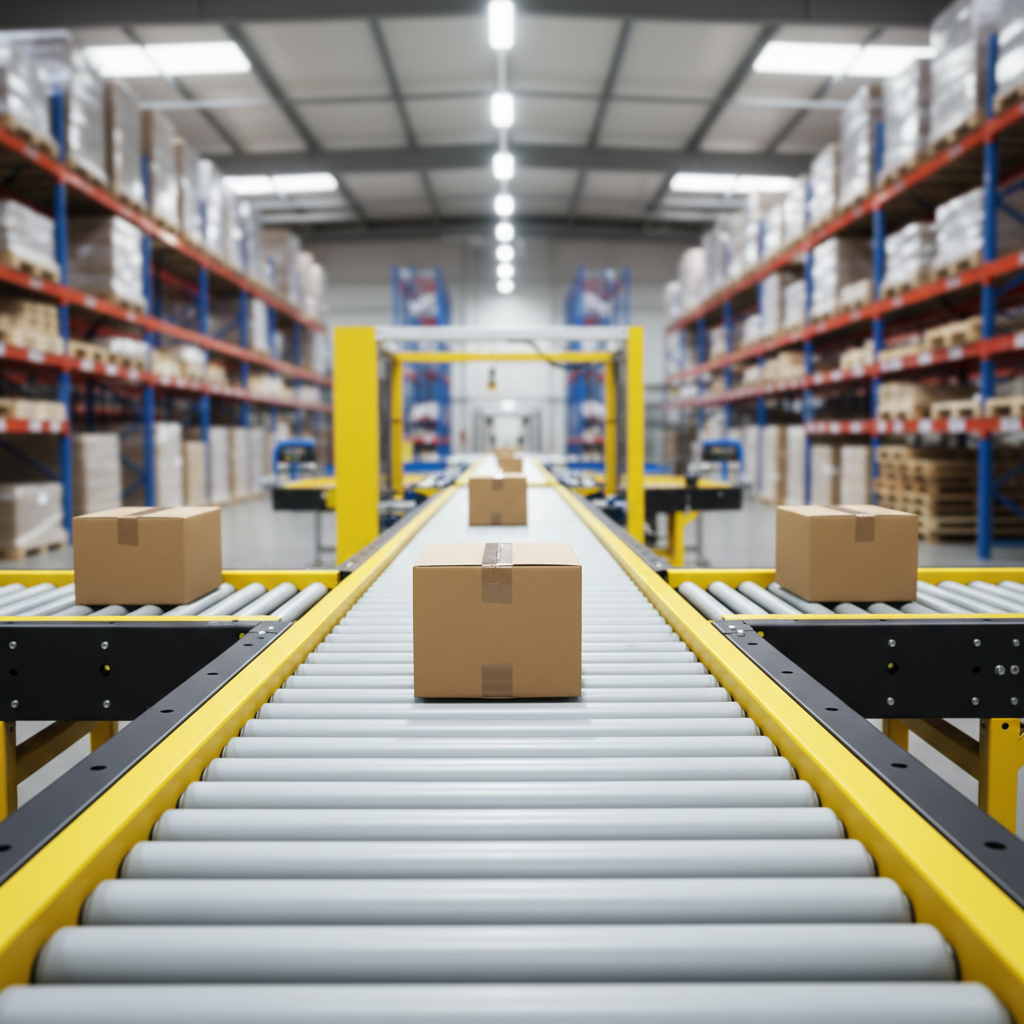
Reaching down to pick items from the bottom of a pallet or stretching up to place them on high shelves are common causes of back and shoulder injuries. Spiral conveyors and vertical lift modules are excellent solutions for moving goods between different levels without manual effort. A spiral conveyor, for example, can continuously transport a high volume of products from a ground-floor receiving area to a mezzanine-level packing station, a task that would otherwise require forklifts or strenuous manual labor via stairs.
Comparing Ergonomic Solutions: Conveyors vs. Manual & Other Automation
While conveyors are a cornerstone of ergonomic design, it's useful to compare them to other methods.
| Method | Physical Strain Level | Throughput | Typical Investment | Best For |
|---|---|---|---|---|
| Purely Manual Handling | Very High | Low (<150 items/hr) | Low (Labor Costs) | Very small-scale operations with low volume. |
| Carts & Dollies | High | Low-Medium (150-300 items/hr) | €100 - €500 per cart | Moving single large items or small batches infrequently. |
| Conveyor Systems | Very Low | High (500 - 3,000+ CPH) | €300 - €850 per meter | Continuous flow of goods along fixed paths. |
| AMRs (Autonomous Mobile Robots) | Low | Medium-High | €15,000 - €40,000 per robot | Flexible, point-to-point transport in dynamic environments. |
Designing an Ergonomic Conveyor-Based Workflow
A truly ergonomic system is more than just the conveyor itself; it's about the entire workflow. Consider a typical order-picking station:
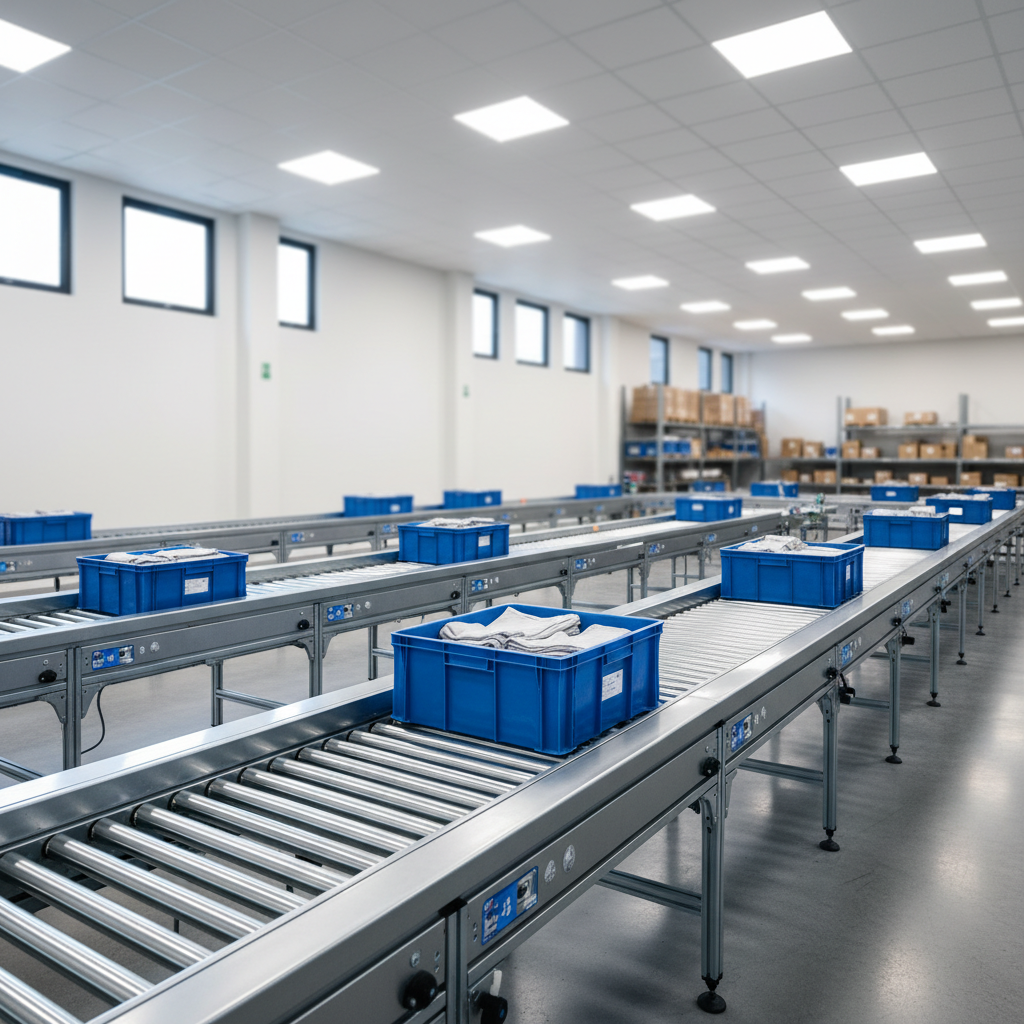
- Goods Arrival: Instead of the picker walking to shelves, a conveyor delivers totes or cartons directly to the station. This is a core principle of Goods-to-Person (GTP) systems.
- Picking Zone: The conveyor should be at a height that allows the operator to slide items from the source tote to the order box without lifting. Tilting presenters can angle totes towards the operator, reducing wrist strain and improving visibility.
- Trash & Dunnage Removal: A separate, dedicated conveyor line below the main work surface can automatically transport empty cartons and waste, keeping the area clear and preventing trip hazards.
- Order Departure: Once an order is complete, the operator simply pushes the box onto an outbound conveyor, which transports it to sealing, labeling, and shipping zones.
This integrated approach minimizes all forms of physical strain—lifting, walking, bending, and twisting—allowing the operator to focus on the value-added task of picking accurately and efficiently. As businesses in Europe navigate labor shortages and rising operational costs, investing in process optimization becomes crucial. Companies often find that their processes haven't evolved to match their growth, leading to bottlenecks and inefficiencies that ergonomic automation can solve. For a deeper look at this common challenge, read how businesses can scale their processes effectively.
Easy Systems: Your Partner in Ergonomic Warehouse Design
At Easy Systems, we understand that a conveyor system is not just a piece of machinery; it's a critical interface between your products and your people. With decades of experience in the European market, we design and implement modular conveyor solutions with ergonomics at their core. We don't just sell conveyors; we build the backbone of a safer and more productive warehouse. Our approach involves a thorough analysis of your specific manual handling challenges, allowing us to configure systems—from simple gravity rollers to sophisticated zero-pressure accumulation lines—that fit your space, your workflow, and your workforce. By choosing Easy Systems, you are investing in a trusted partner dedicated to optimizing your logistics processes for efficiency, safety, and long-term success.
Frequently asked questions
What is the main ergonomic benefit of a conveyor system?+
The main benefit is the significant reduction of manual lifting and carrying. By automating the horizontal transport of goods, a conveyor system can eliminate up to 80% of manual handling tasks, which directly lowers the risk of back injuries and other musculoskeletal disorders for warehouse employees.
How much can ergonomic conveyors improve productivity?+
Ergonomically designed conveyor workstations can boost individual operator productivity by 15% to 25%. This increase is due to reduced physical fatigue, minimized bending and reaching, and a more streamlined workflow, allowing employees to focus on value-added tasks with greater speed and accuracy.
Are adjustable height conveyors worth the investment?+
Yes, they are crucial for a diverse workforce. An adjustable-height conveyor allows the work surface to be set at the optimal ergonomic height for each user, accommodating over 95% of the population. This simple feature can drastically reduce static load and awkward postures, with an ROI often realized within 2 years through reduced injury claims.
Can conveyors help with tasks other than horizontal transport?+
Absolutely. Spiral conveyors and vertical incline/decline conveyors are specifically designed for ergonomic vertical transport between different floor levels or mezzanines. They eliminate the need for manual carrying on stairs or the use of forklifts for smaller goods, preventing falls and strain.
What is the typical cost of an ergonomic conveyor system?+
The cost varies widely based on complexity. A simple gravity roller conveyor might cost €150-€300 per meter. A powered belt conveyor typically ranges from €300 to €850 per meter. A complete ergonomic workstation with integrated conveyors could cost between €5,000 and €15,000, but the investment is recovered through safety and productivity gains.
How do conveyors reduce bending and reaching?+
Conveyors reduce bending by presenting items at a consistent, optimal working height (around 900-1000 mm). When combined with equipment like scissor lifts that raise entire pallets, or spiral conveyors that handle vertical movement, they eliminate the need for workers to bend down to the floor or reach up high, preventing major causes of back and shoulder injuries.

The Easy Systems engineering team designs, integrates and commissions conveyor systems and warehouse automation across Belgium, the Netherlands and Luxembourg. Combined experience covers roller and belt conveyors, sorters, AGV/AMR fleets, AutoStore, shuttle AS/RS and WMS/WCS integration for distribution centers and e-commerce fulfillment operations.
- Conveyor design (roller, belt, modular plastic)
- Sortation & merge logic
- AGV / AMR fleet integration
- AutoStore & shuttle AS/RS
- WMS / WCS integration