Energy Efficiency of Conveyor Systems: A Benelux Guide
Boost your warehouse sustainability and cut costs. This guide details practical steps for making conveyor systems in the Benelux more energy-efficient, from using MDR technology to optimizing system design for peak performance.
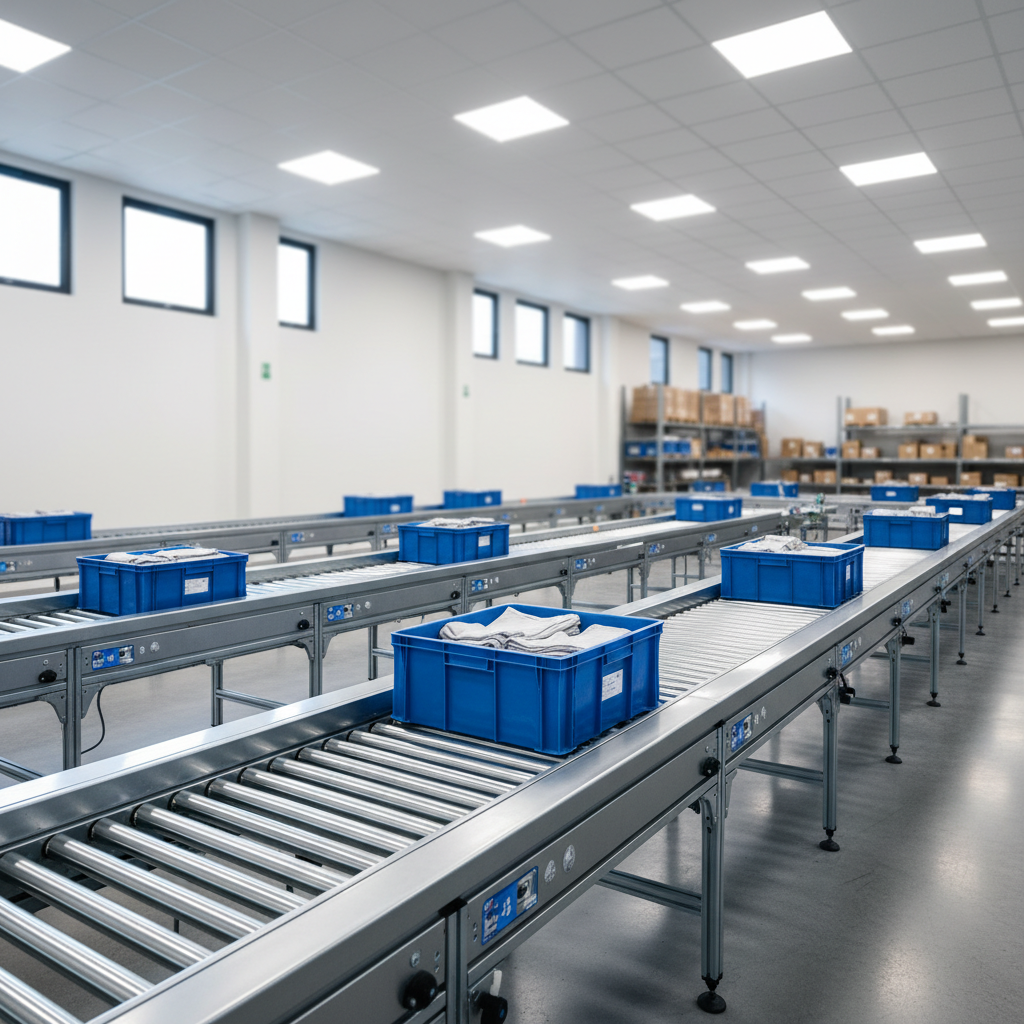
In an era of rising energy costs and mounting pressure for sustainable operations, warehouses and distribution centers in the Benelux are turning their attention to a significant source of power consumption: their conveyor systems. Optimizing these critical arteries of logistics is no longer just an environmental goal but a key competitive advantage. This guide provides practical, actionable steps for enhancing the energy efficiency of your material handling systems, leading to substantial cost savings and a greener operational footprint.
Definition
Energy-efficient conveyor systems are material handling solutions designed to minimize power consumption while maintaining or improving operational throughput. They achieve this through a combination of advanced motor technology, intelligent control systems, and optimized mechanical design, directly reducing a facility's carbon footprint and operational expenditures.
Key Numbers
| Metric | Typical range (EU 2026) | Notes |
|---|---|---|
| Energy Savings vs. Conventional | 30% - 50% | Achievable by replacing traditional AC-motor conveyors with MDR or VFD-controlled systems. |
| Investment Cost (MDR) | €450 - €700 per meter | Higher initial cost than conventional but with faster ROI through energy savings. |
| Annual Cost Saving | €8,000 - €15,000 | Per 100m of conveyor, based on typical Benelux electricity prices (€0.15-€0.25/kWh) and 2-shift operation. |
| ROI Period | 2 - 4 years | Return on investment for upgrading to energy-efficient technologies like MDR. |
| Power Consumption (MDR) | 0.02 - 0.05 kWh per zone | Represents run-on-demand power usage, significantly lower than continuously running systems. |
| CO2 Reduction | 1.5 - 3 tons per year | Per 100m of conveyor, contributing directly to corporate sustainability goals. |
The Business Case for Energy Efficiency in Benelux Logistics
For logistics managers in Belgium, the Netherlands, and Luxembourg, energy is a top-three operational expense, right after labor and real estate. With electricity prices in the region having shown significant volatility, the financial incentive for efficiency is clear. A medium-sized distribution center running several hundred meters of conveyors can see its annual energy bill reduced by tens of thousands of euros. Beyond direct savings, a strong sustainability profile is increasingly a deciding factor for B2B clients and a requirement for public tenders, making green logistics a powerful commercial tool.
Regulatory Tailwinds and Subsidies
Governments across the Benelux and the EU are actively encouraging industrial energy savings. Programs like the 'Energie-investeringsaftrek (EIA)' in the Netherlands or similar regional subsidies in Belgium provide tax benefits for investments in proven energy-saving technologies. Upgrading conveyor systems often qualifies for such schemes, effectively reducing the net investment cost and shortening the payback period. This makes the financial case even more compelling.
Core Technologies for Efficient Conveyor Systems
The heart of a conveyor's energy use lies in its drive technology. Modern advancements offer powerful alternatives to outdated, energy-hungry AC motors that run continuously, regardless of workload.
Motorized Drive Rollers (MDR)
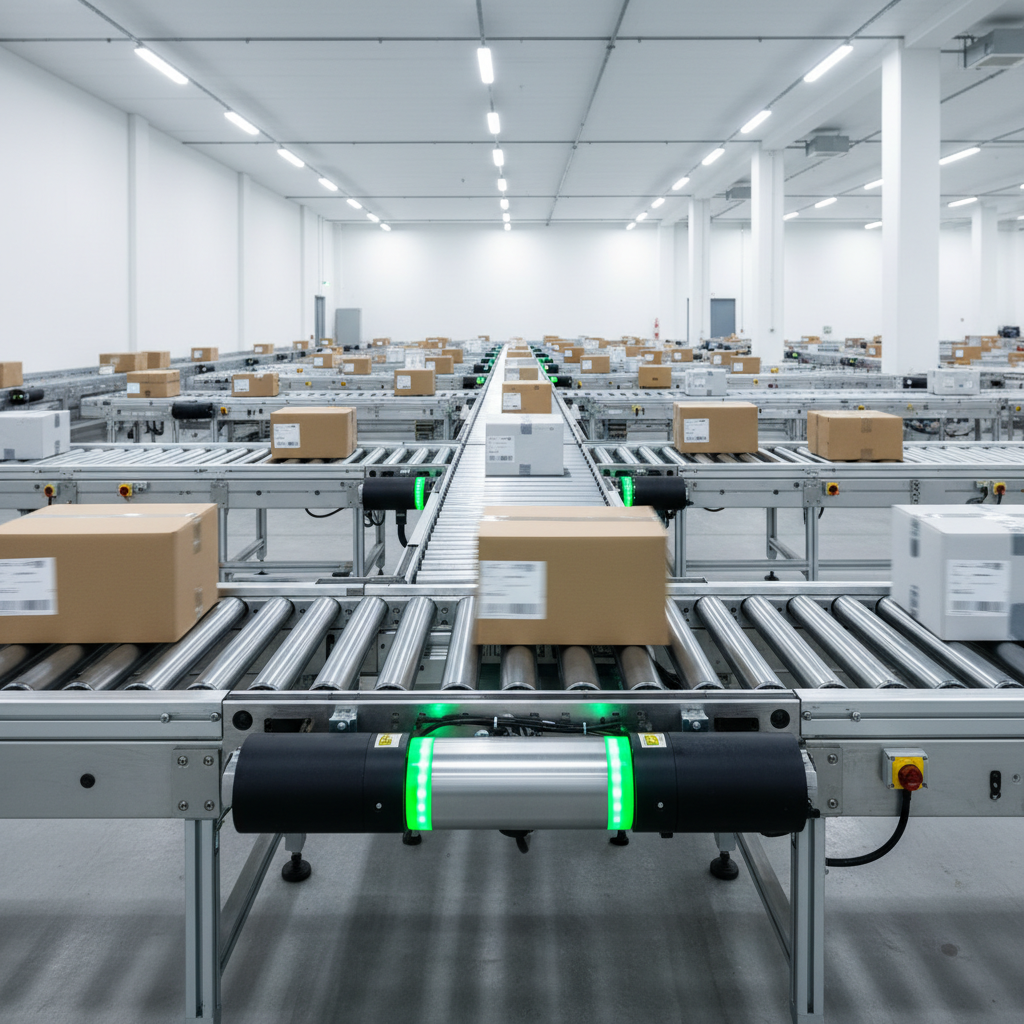
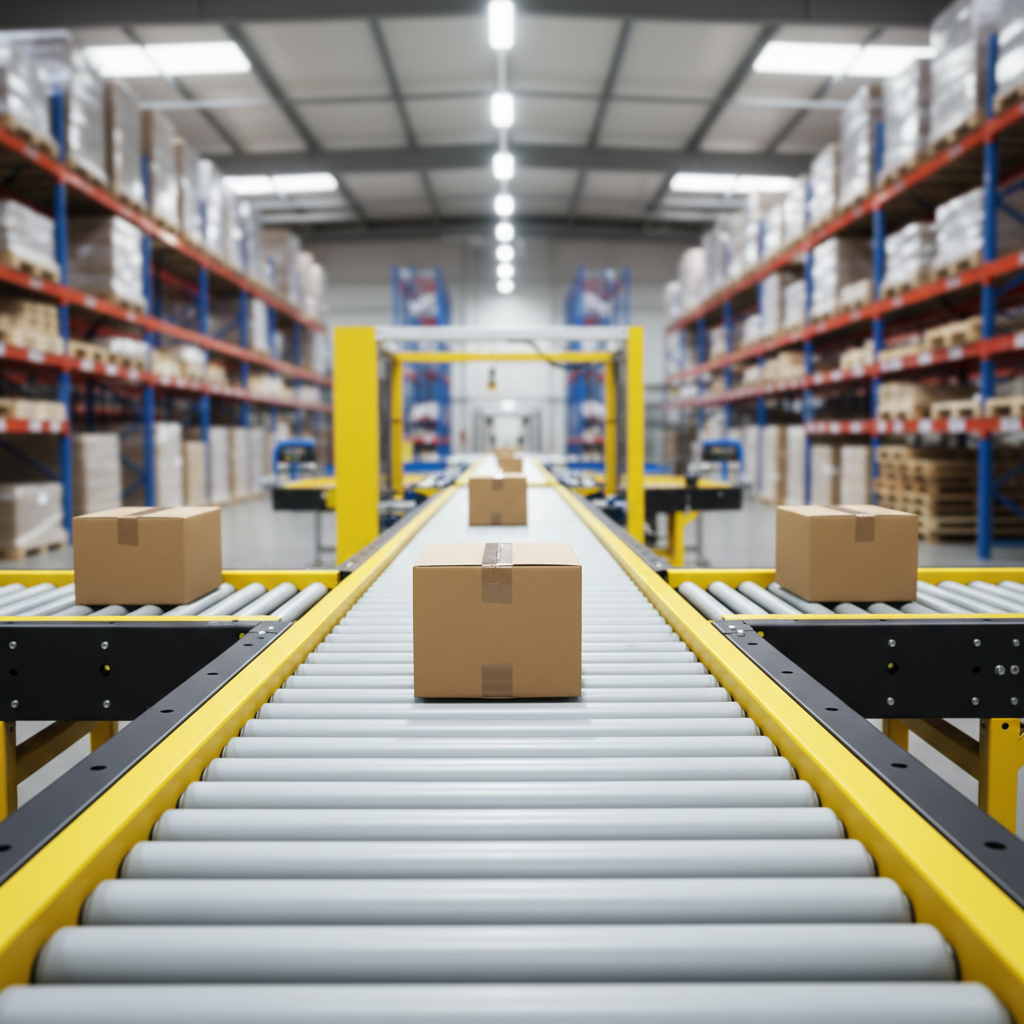
The single most impactful technology for reducing conveyor energy consumption is the Motorized Drive Roller (MDR). An MDR system, also known as Zone-Powered Conveyor, divides the conveyor into small, independently controlled zones. Each zone is powered by a single 24V DC motorized roller that only activates when a product needs to be moved. This "run-on-demand" principle is the source of its efficiency. When there is no product, the zone is off and consumes zero power, a stark contrast to traditional conveyors that run continuously. This is particularly effective for creating zero-pressure accumulation lines with minimal energy draw. Check our in-depth guide on roller conveyors to learn more about the mechanics.
Variable Frequency Drives (VFDs)
For applications still requiring the high torque of AC motors, such as heavy-duty pallet handling or high-speed sorting, Variable Frequency Drives (VFDs) are essential. A VFD modulates the frequency and voltage supplied to an AC motor, allowing its speed to be precisely controlled. Instead of running at 100% speed and being stopped and started, the motor can be ramped up and down, or run at a lower, continuous speed that matches the required throughput. This eliminates energy spikes from motor starts and can reduce consumption by 20-30%.
Comparing Drive Technologies: MDR vs. VFD vs. Conventional AC
| Feature | Conventional AC Motor | AC Motor with VFD | 24V DC Motorized Drive Roller (MDR) |
|---|---|---|---|
| Energy Consumption | High (runs continuously) | Moderate (matches speed to load) | Very Low (runs on demand) |
| Typical Application | Older belt/roller conveyors | Heavy loads, inclines, pallet handling | Carton/tote handling, accumulation lines |
| Noise Level | High (65-75 dB) | Moderate (60-70 dB) | Low (55-65 dB) |
| Control Logic | Simple on/off via PLC | Integrated into PLC/WCS | Decentralized, built-in logic per zone |
| Initial Cost | Low | Medium | High |
| Maintenance | High (belts, chains, bearings) | Moderate | Very Low (few moving parts) |
Practical Implementation: A Phased Approach
Transitioning an entire facility to energy-efficient conveyors can be daunting. A phased approach is often the most practical strategy.
- Conduct an Energy Audit: Start by measuring the actual power consumption of your existing conveyor lines. Use clamp meters to identify which sections are the most energy-intensive. Often, under-utilized or continuously running accumulation lines are the primary culprits.
- Target Low-Hanging Fruit: Identify sections of your conveyor system that are prime candidates for an MDR retrofit. Long accumulation conveyor lines are a perfect starting point, as the run-on-demand benefit will be most pronounced here.
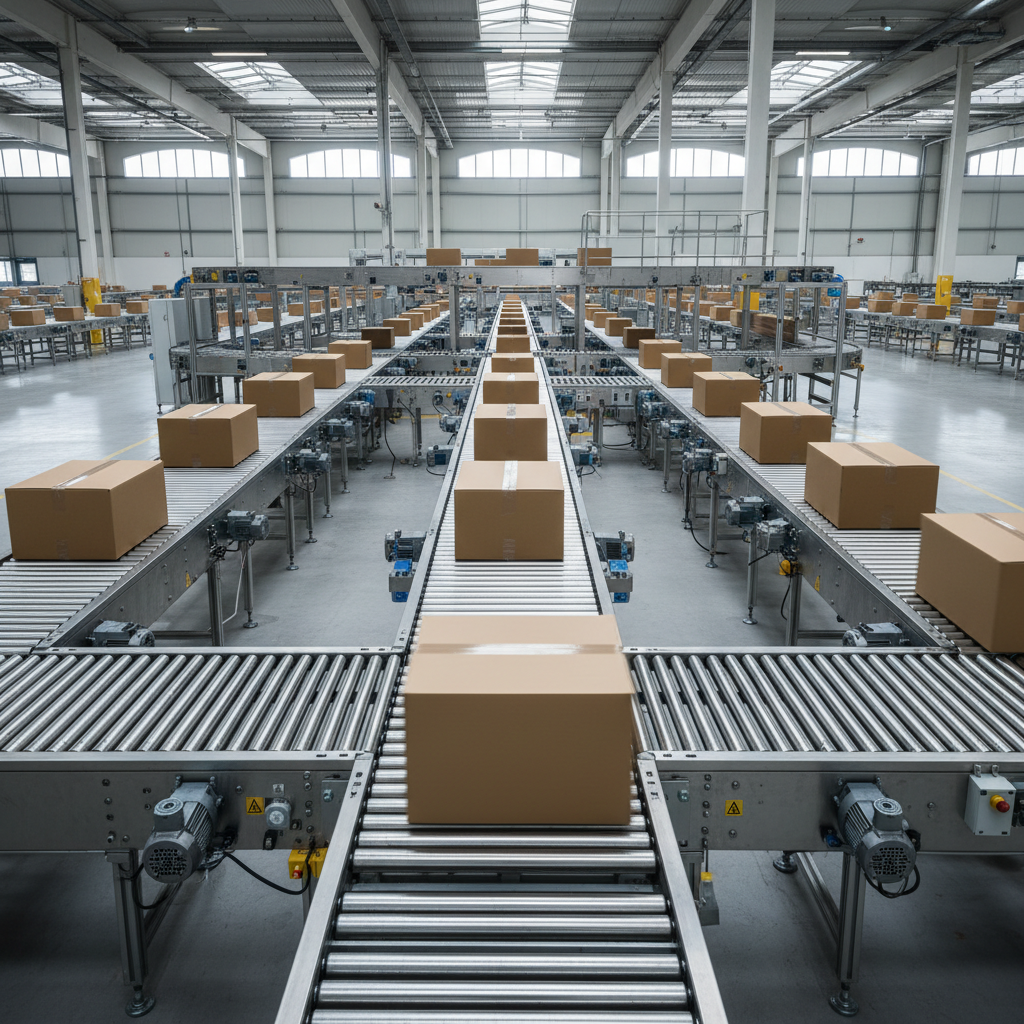
- Optimize System Layout: Involve a logistics process engineer to analyze your product flow. As companies grow, their processes don't always scale efficiently. Eliminating unnecessary transport distance, adding gravity-fed sections where possible, and ensuring a smooth flow can reduce the overall work required from the system, thus saving energy.
- Implement Smart Controls: Ensure your Warehouse Control System (WCS) includes "sleep mode" functionality. This software feature automatically powers down entire conveyor sections or sorters during periods of inactivity (e.g., during breaks or between waves), generating significant savings without any hardware changes.
The Role of Maintenance in Sustained Efficiency
An energy-efficient system is only efficient if it is well-maintained. Worn bearings, improper belt tension, and misaligned rollers can dramatically increase friction, forcing motors to work harder and consume more power. A proactive maintenance schedule, including regular lubrication, component inspection, and thermal imaging of motors, can keep your system running at peak efficiency, preserving the energy savings you invested in.
Easy Systems: Your Partner for Sustainable Logistics
At Easy Systems, we design and build modular conveyor solutions with energy efficiency at their core. We leverage the latest MDR and VFD technologies to create systems that not only meet your throughput requirements but also minimize your operational costs and environmental impact. Our deep experience in the Benelux market means we understand the unique challenges and opportunities you face. Whether you are planning a new facility or upgrading an existing one, our experts can help you design a sustainable, future-proof conveyor system that delivers a rapid return on investment. Partner with us to make your logistics operations leaner, greener, and more profitable.
Frequently asked questions
How much can a warehouse in the Benelux realistically save by upgrading its conveyors?+
A typical warehouse in the Benelux can save between €8,000 and €15,000 annually for every 100 meters of conveyor by upgrading from conventional systems to energy-efficient technologies like MDR. The exact savings depend on electricity prices and operating hours.
What is the main difference between MDR and a traditional conveyor?+
The main difference is that a traditional conveyor runs a motor continuously, consuming constant power. An MDR (Motorized Drive Roller) system is divided into zones that only activate when a product is present, reducing energy consumption by up to 50% by eliminating idle running time.
Is MDR technology suitable for all types of products?+
MDR technology is ideal for handling light-to-medium weight items like cardboard boxes, totes, and polybags up to 35 kg per zone. For very heavy loads, such as full pallets, AC motors combined with Variable Frequency Drives (VFDs) remain the more energy-efficient and mechanically robust solution.
What is the typical ROI for an energy-efficient conveyor system upgrade?+
The return on investment (ROI) for upgrading to an MDR or VFD-controlled conveyor system is typically between 2 and 4 years. This is driven by direct energy savings, reduced maintenance costs, and potential government subsidies available in the Benelux.
Can I make my existing conveyor system more efficient without replacing it?+
Yes. Retrofitting your existing AC motors with Variable Frequency Drives (VFDs) can cut their energy use by 20-30%. Additionally, implementing a 'sleep mode' via your WCS to shut down conveyors during idle periods can yield significant savings with no hardware changes.

The Easy Systems engineering team designs, integrates and commissions conveyor systems and warehouse automation across Belgium, the Netherlands and Luxembourg. Combined experience covers roller and belt conveyors, sorters, AGV/AMR fleets, AutoStore, shuttle AS/RS and WMS/WCS integration for distribution centers and e-commerce fulfillment operations.
- Conveyor design (roller, belt, modular plastic)
- Sortation & merge logic
- AGV / AMR fleet integration
- AutoStore & shuttle AS/RS
- WMS / WCS integration