Modular Conveyor Systems: Flexibility & Scalability for Benelux Logistics
Modular conveyor systems are revolutionizing Benelux logistics by providing adaptable and scalable solutions. Discover how these systems can future-proof your warehouse operations, reduce costs, and improve efficiency in a rapidly changing market.
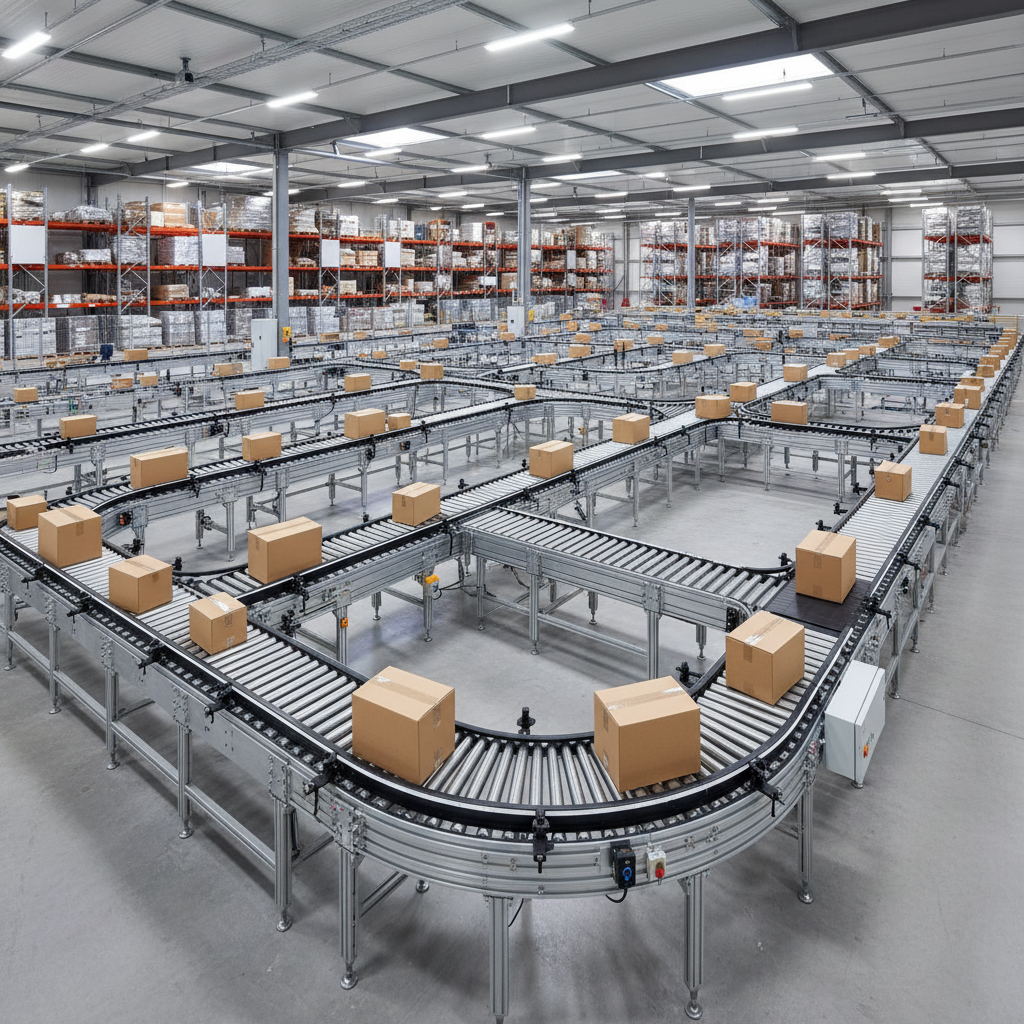
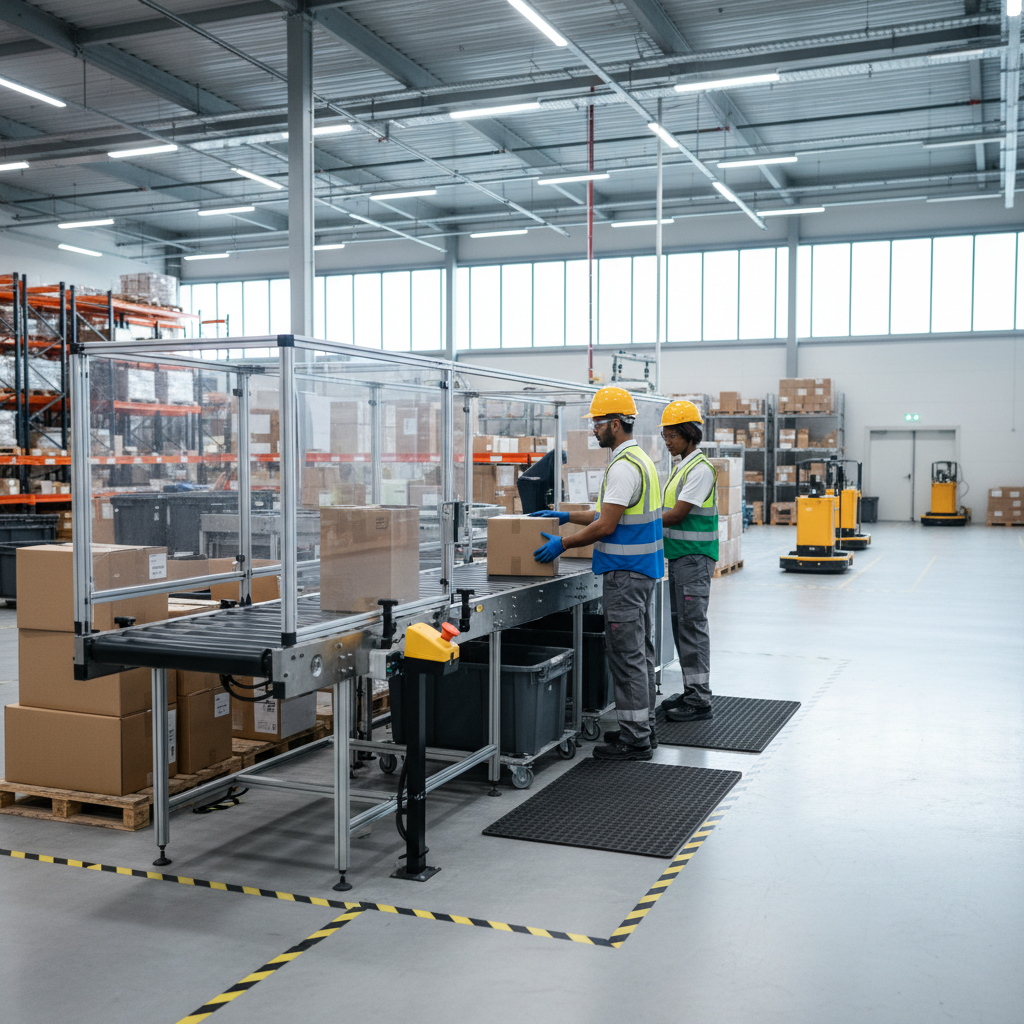
The logistics landscape in the Benelux—a pivotal hub for European trade—is defined by high operational pace, limited space, and fluctuating demand. For warehouses and distribution centers in Belgium, the Netherlands, and Luxembourg, the ability to adapt quickly is not just an advantage; it's a necessity. Traditional, custom-built conveyor systems, often welded and fixed, lack the agility required. This is where modular conveyor systems emerge as a strategic solution, offering a plug-and-play approach to material handling that aligns perfectly with the dynamic needs of the region.
Definition
A modular conveyor system is a material handling solution composed of pre-engineered, standardized modules or sections that can be easily and quickly assembled, reconfigured, or expanded. Unlike traditional monolithic systems, these modules (e.g., straight sections, curves, inclines, merges) are designed to interconnect seamlessly, creating a flexible and scalable transport line.
Why Modularity is Crucial for Benelux Logistics
The strategic location of the Benelux in Europe comes with a unique set of logistical challenges. High land and labor costs, coupled with the e-commerce boom, demand solutions that are both efficient and adaptable. Modular systems directly address these regional pressures:
- Response to Fluctuating Demand: The rise of e-commerce brings intense seasonal peaks (e.g., Black Friday, Christmas). Modular systems allow warehouses to quickly scale up capacity by adding new sections or reconfiguring lines for higher throughput, and then scale back down. A typical reconfiguration can be completed in hours, not weeks.
- Space Optimization: With warehouse space in key Benelux locations like Antwerp, Rotterdam, and Venlo at a premium (with rental prices exceeding €60 per square meter annually), modularity allows for compact and versatile layouts that can be altered as operational needs change, maximizing the use of expensive floor space.
- Reduced Installation Time & Cost: Traditional systems require extensive on-site engineering, welding, and testing. Modular conveyors, being pre-fabricated and pre-tested, can be installed up to 40% faster. This translates into significant savings on labor and less disruption to ongoing operations.
- Future-Proofing: The ability to easily integrate new technologies or change the entire layout ensures the system remains relevant as a business grows or its processes evolve.
Types of Modular Conveyor Systems
Modularity is a design philosophy that can be applied to various types of conveyors. The choice of module depends on the product being handled, the required speed, and the specific function within the warehouse.
H3: Modular Roller Conveyors
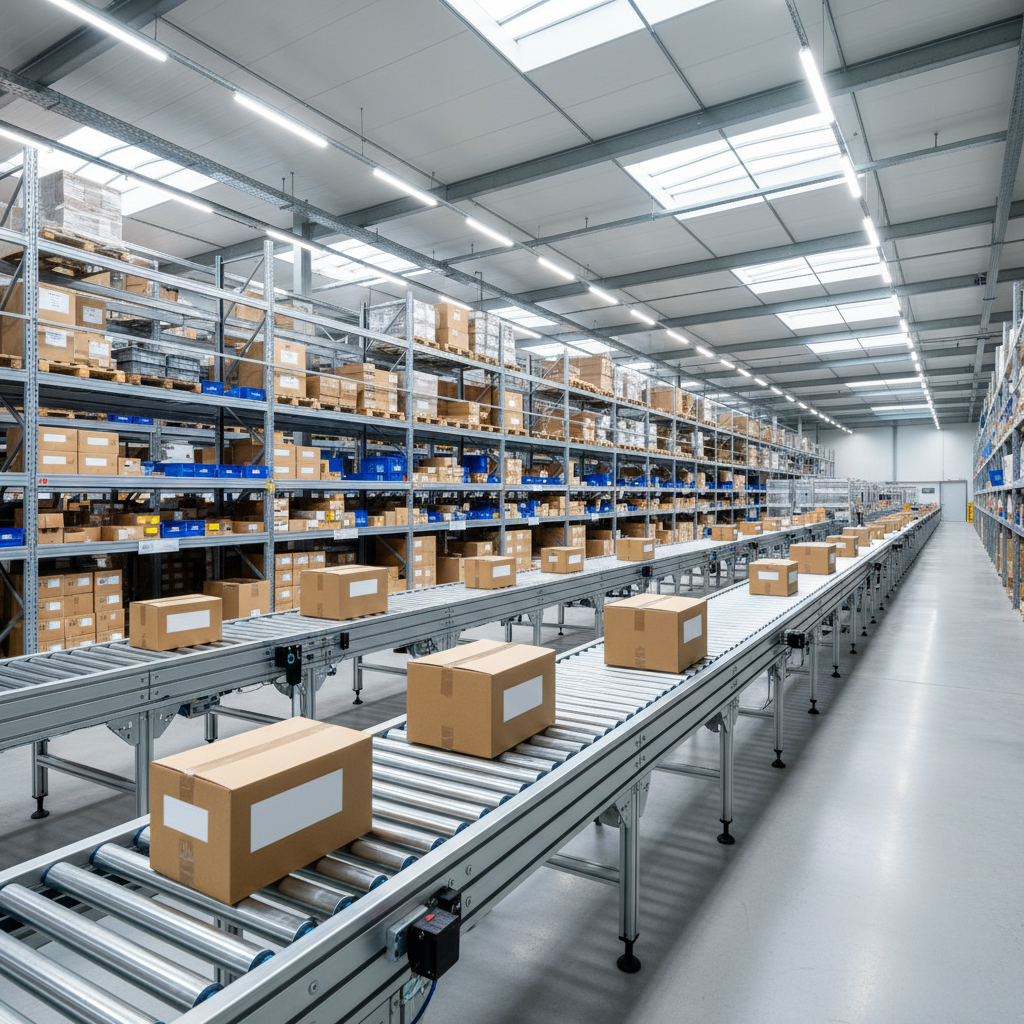
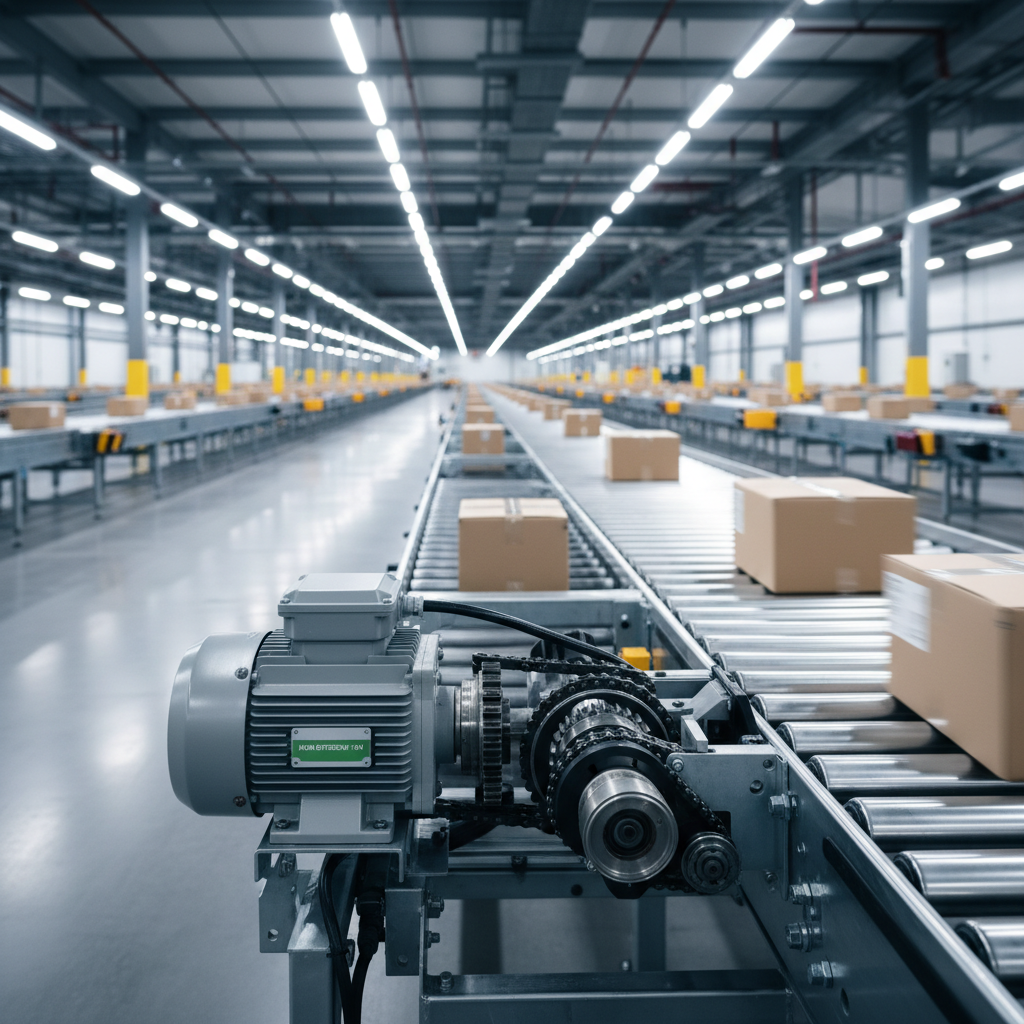
The most common type, modular roller conveyors are ideal for handling items with flat bottoms, such as boxes, totes, and containers. They are available in gravity-fed versions or powered, often using Motorized Drive Roller (MDR) technology for zoned, zero-pressure accumulation. Their simple, robust design makes them a cost-effective choice for transport and accumulation lines. For a deep dive into this technology, read our comprehensive guide on roller conveyors.
H3: Modular Belt Conveyors
A modular belt conveyor uses a continuous belt surface, making it suitable for irregularly shaped items, small products, or polybags that might get stuck on rollers. These systems can also easily handle inclines and declines. The belts themselves can be modular plastic links, which are durable and easy to repair—a damaged section can be replaced without changing the entire belt.
H3: Modular Chain Conveyors
For heavy-duty applications, modular chain conveyors are the standard. They use two or more parallel chains to support and transport heavy, bulky items like pallets, industrial containers, or large crates. They are commonly used in palletizing/depalletizing areas and for transferring goods from production to warehouse storage. Their robust construction can handle loads exceeding 1,500 kg.
Technical Specifications & Comparison
Choosing the right modular system requires understanding its core capabilities. The table below compares typical specifications for modular systems commonly found in Benelux distribution centers.
| Conveyor Type | Typical Load Capacity (per meter) | Standard Speed | Approximate Cost (€ per meter) | Common Benelux Application |
|---|---|---|---|---|
| Modular Roller (MDR) | 30 - 80 kg | 0.3 - 1.5 m/s | €400 - €900 | E-commerce order fulfillment (totes, parcels) |
| Modular Belt | 20 - 100 kg | 0.5 - 2.0 m/s | €600 - €1,200 | Incline/decline transport, handling polybags |
| Modular Chain (Pallet) | up to 1,500 kg | 0.2 - 0.5 m/s | €1,500 - €3,000+ | Pallet handling in goods-in/goods-out areas |
Implementation & Reconfiguration Process
The "plug-and-play" nature of modular systems is their key selling point. The process is straightforward:
- Design & Simulation: The initial layout is designed using CAD software. Simulation helps validate throughput and identify potential bottlenecks before any hardware is ordered.
- Assembly: Modules are delivered to the site pre-assembled and pre-wired. Installation consists of mechanically connecting the sections using standard bolts and connecting the electrical cables via quick-connect plugs.
- Control Integration: Each powered section or zone is controlled by a local controller, which is then connected to a master PLC (Programmable Logic Controller). The PLC executes the business logic and communicates with the overarching Warehouse Control System (WCS) for dynamic routing and tracking.
- Reconfiguration: To change the layout, sections are simply electrically disconnected, unbolted, and moved. New modules can be inserted, and the system is re-connected. The control software is then updated to reflect the new physical layout.
Cost-Benefit Analysis for a European Warehouse
Let's consider a mid-sized e-commerce fulfillment center in the Netherlands. They need a 50-meter sorting and transport line. With a traditional system, the custom engineering, fabrication, and on-site welding could take 6-8 weeks and cost around €70,000. With a modular MDR system, the initial cost might be similar, perhaps €65,000, but installation can be completed in under a week.
The real ROI unfolds two years later. To accommodate a 30% growth in volume, the company needs to add two new sorting destinations and a 15-meter bypass line. With the traditional system, this would be a major project involving cutting, welding, and significant downtime (1-2 weeks), costing upwards of €30,000. Many companies in this position find their processes are holding back their growth potential. As detailed in a recent analysis, businesses often outgrow their operational processes long before they realize it. With the modular system, the company orders the required modules (€18,000), and a small team can install them over a single weekend, with minimal disruption. The flexibility pays for itself in the first reconfiguration project alone.
Future-Proofing with Modular Automation
The logistics industry is moving towards a more integrated and automated future. Modular conveyors are the backbone of this evolution. Their open, standardized design makes it easier to integrate them with other technologies. For instance, a modular conveyor line can be designed to directly interface with Autonomous Mobile Robots (AMRs) or AGVs, creating a seamless flow from automated storage to the packing station. As throughput needs grow, additional conveyor modules or robotic cells can be added to the existing line without requiring a complete system overhaul. This incremental investment model is far more manageable and less risky than large, monolithic upgrades.
Easy Systems: Your Partner for Flexible & Scalable Conveyor Solutions
In the fast-paced Benelux logistics market, choosing the right automation partner is as critical as choosing the right technology. At Easy Systems, we specialize in designing and implementing modular conveyor systems that are inherently flexible, scalable, and tailored to the specific challenges of the European market. Our approach is not just about providing hardware; it's about delivering a solution that can grow and adapt with your business.
With years of experience in the Benelux and across Europe, we understand the need for rapid deployment and reliable performance. Our pre-engineered modules ensure high quality and reduce installation time, while our control solutions provide the intelligence to manage complex material flows. We help you build a future-proof logistics operation, one module at a time, ensuring your investment today remains valuable tomorrow. Partner with us to design a conveyor system that is as dynamic as your business.
Frequently asked questions
What is the main advantage of a modular conveyor system?+
The main advantage is its inherent flexibility. Modular systems can be quickly reconfigured, scaled up or down, and repurposed, allowing businesses to adapt to market changes without the high costs and long downtimes associated with traditional, fixed conveyor systems.
How quickly can a modular conveyor line be installed?+
A typical modular line of 20 meters can often be assembled and commissioned within 48-72 hours, compared to weeks for a custom-welded system. This rapid deployment minimizes disruption to warehouse operations.
Are modular conveyors suitable for heavy loads?+
Yes. While often associated with parcel and tote handling, modular chain and heavy-duty roller conveyors are specifically designed for heavy loads, including pallets weighing up to 1,500 kg.

The Easy Systems editorial desk reviews and fact-checks every Conveyor-Design article against Benelux project experience. Editors translate engineering decisions — throughput, peak factors, layout, integration — into plain-language guides for operations managers, project leads and decision-makers.
- Warehouse layout & slotting
- Order-profile analysis
- Vendor-neutral comparison
- Benelux logistics market