Energy-Efficient Conveyors: Benelux Sustainability & Savings
Explore how energy-efficient conveyor systems are revolutionizing logistics in the Benelux. This guide covers key technologies like Motorized Drive Rollers (MDR), ROI calculation, and system design for maximum sustainability and cost savings in your warehouse.
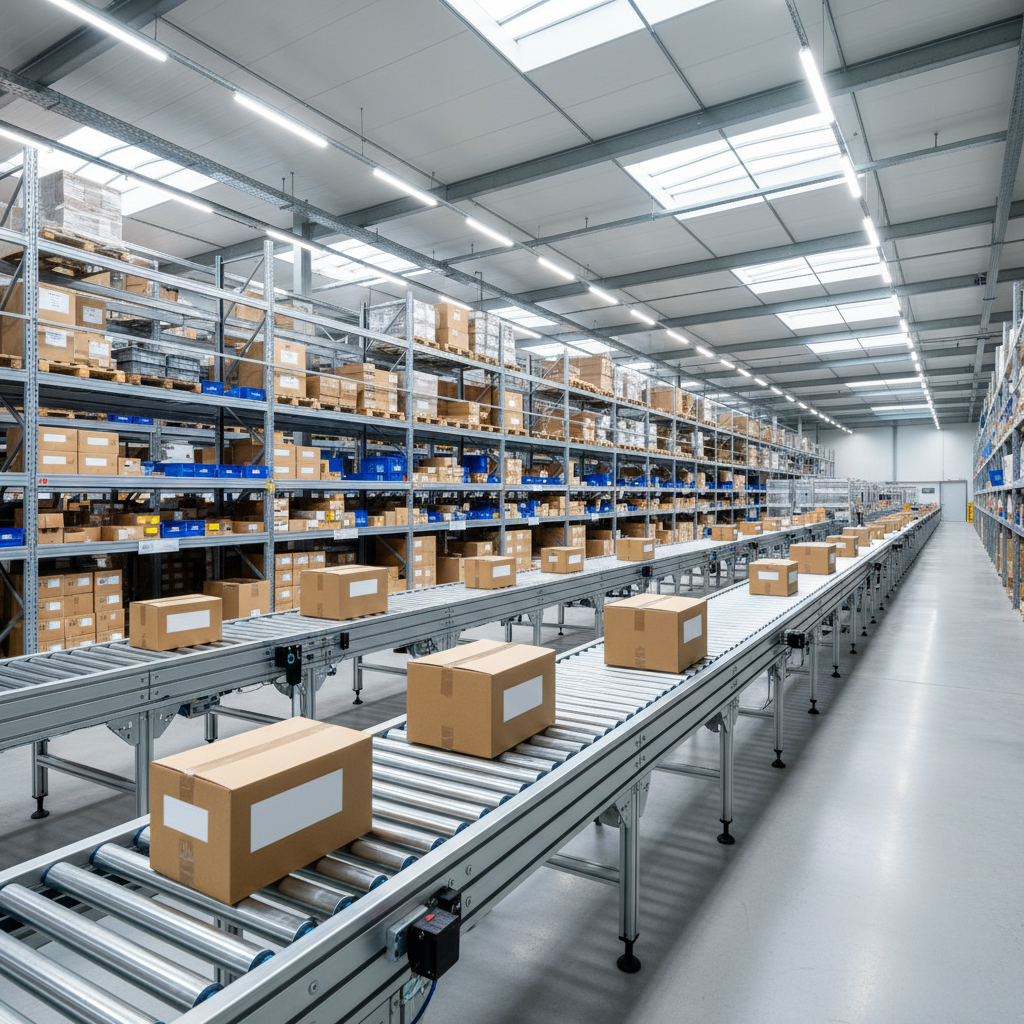
In the high-density logistics landscape of the Benelux, where warehouse space is at a premium and energy costs are rising, optimizing every aspect of material handling is crucial. Energy-efficient conveyor systems are no longer a niche consideration but a strategic necessity, offering a dual advantage: reducing environmental impact and delivering substantial long-term cost savings. This article explores the technologies, design principles, and financial benefits of adopting sustainable conveyor solutions in Belgium, the Netherlands, and Luxembourg.
Definition
Energy-efficient conveyor solutions are material handling systems designed to minimize electrical consumption while maintaining or improving operational throughput. This is primarily achieved through advanced motor technology, smart controls that power zones only when needed, and system layouts that leverage natural forces like gravity.
Key Numbers
| Metric | Typical range (EU 2026) | Notes |
|---|---|---|
| Energy Savings vs. Traditional AC | 40% - 65% | Dependent on utilization rate and implementation of zone control. |
| Investment Cost (MDR System) | €400 - €750 per meter | Higher initial cost than traditional systems, but lower TCO. |
| Return on Investment (ROI) | 2 - 4 years | Based on energy savings and reduced maintenance. |
| Power Consumption (Per Zone) | 30W - 60W | MDR zones consume power only when transporting goods. |
| Maintenance Interval Increase | +50% | Brushless DC motors in MDRs have fewer wear parts. |
| Noise Level Reduction | 5 - 10 dB | Compared to centralized motor and lineshaft systems. |
The Strategic Importance of Green Logistics in the Benelux
The Benelux region acts as a critical gateway to Europe, characterized by intense logistics activity and stringent environmental regulations. With governments in the Netherlands, Belgium, and Luxembourg actively promoting carbon reduction, businesses face both regulatory pressure and a social expectation to adopt sustainable practices. Energy costs, which have seen significant volatility, directly impact operational margins. For a typical 24/7 distribution center, conveyor systems can account for a substantial portion of the electricity bill. Shifting to energy-efficient systems is a direct lever to control these costs and enhance corporate social responsibility (CSR) credentials, a growing factor in B2B client relations.
Core Technology: The Rise of the Motorized Drive Roller (MDR)
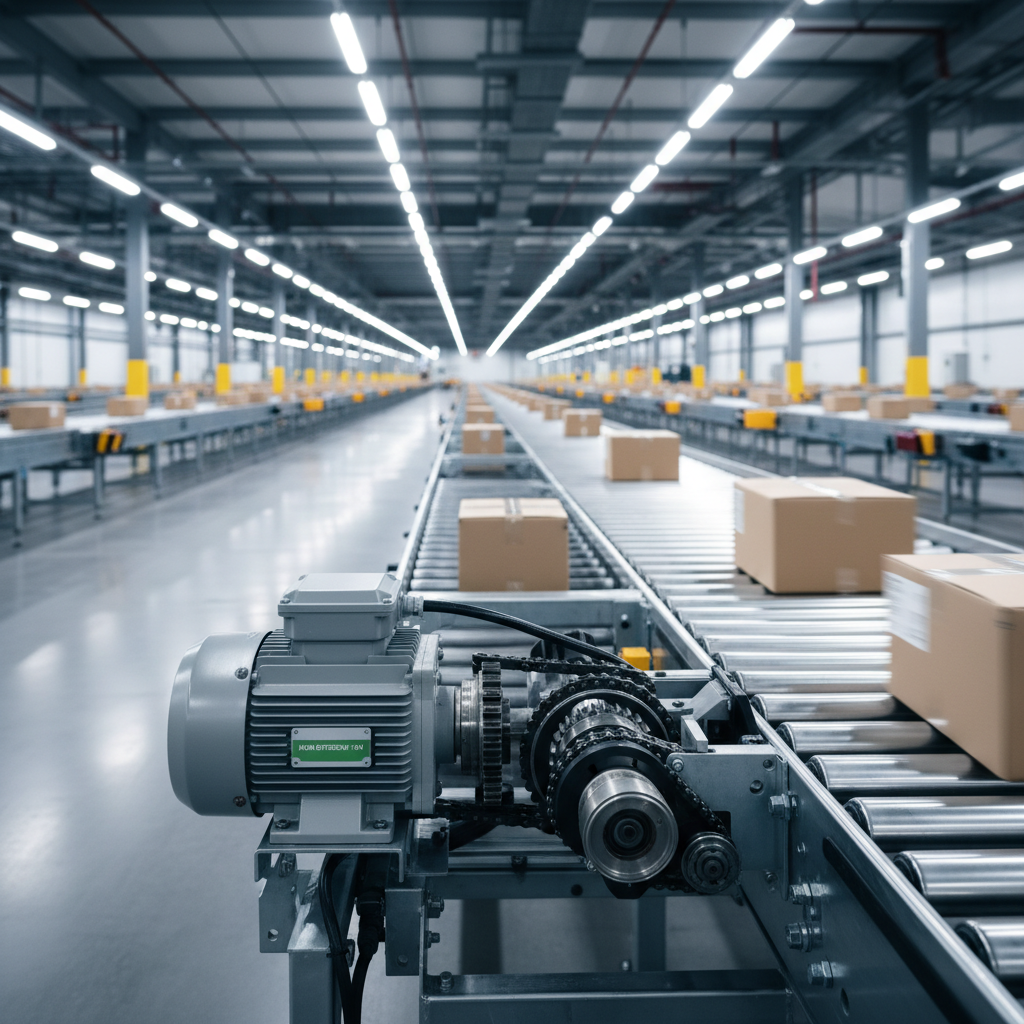
The cornerstone of modern energy-efficient conveyors is the Motorized Drive Roller (MDR). Unlike traditional systems that use a single, large AC motor to power long sections of conveyor via belts or lineshafts, MDR systems are built on a principle of decentralization and on-demand power.
How MDR Works
An MDR system divides a conveyor line into manageable sections or "zones." Each zone is powered by one or more rollers containing an integrated 24V DC brushless motor. Photo-eye sensors at the start of each zone detect the presence of a product. When a box arrives, the zone powers on to transport it. Once the box moves to the next zone, the previous zone powers off. This simple yet profound change means that sections of the conveyor are only consuming energy when they are actively moving goods. This creates "run-on-demand" functionality, which is the primary source of energy savings.
Comparing Drive Technologies: MDR vs. Traditional AC Motor
The choice of drive technology is the single most important factor in a conveyor's energy profile. The table below compares the two main approaches.
| Feature | Motorized Drive Roller (24V DC) | Traditional AC Motor & Lineshaft |
|---|---|---|
| Energy Consumption | Run-on-demand; consumes 40-65% less energy. | Always-on; continuous high energy consumption. |
| Control System | Integrated, decentralized zone logic (Zero-Pressure Accumulation). | Requires centralized PLC control for logic, if any. |
| Maintenance | Simple roller replacement (5 mins), no belt tensioning. | Complex motor replacement, belt/chain maintenance required. |
| Noise Level | Very low (typically <65 dB). | Higher noise from motor, gears, and transmission. |
| Safety | Low voltage (24V DC), reduced pinch points. | High voltage (400V AC), more mechanical hazards. |
| Initial Cost | Higher per meter. | Lower per meter. |
System Design for Maximum Efficiency
Beyond motor technology, intelligent system design is critical for minimizing energy use. A holistic approach to layout can yield significant savings before a single motor is even powered on.
- Gravity is Free: Where possible, incorporate gravity-fed roller conveyor sections, especially for longer transport lines or buffer zones. A slight decline (2-4% grade) can move products over significant distances with zero energy input. Our Roller Conveyor guide provides more detail on implementing these systems.
- Optimize Flow: A well-designed layout minimizes transport distance and complexity. Avoid unnecessary turns or elevations that require additional powered components. Simulating product flow can identify bottlenecks and inefficiencies before installation.
- Right-Sizing Components: Select motors and rollers appropriate for the load. Using a 50 kg-rated roller for a 5 kg product is a waste of energy and capital. Modern modular systems allow for precise specification.
The Role of Smart Controls and WCS
The full potential of an energy-efficient conveyor is unlocked through intelligent software. A Warehouse Control System (WCS) can orchestrate the flow of goods with maximum efficiency. Instead of simply moving a box to the next available zone, the WCS can make decisions based on the overall system status. For example, it can put entire conveyor lines to "sleep" during periods of low activity (e.g., overnight or between waves) and wake them up just in time for the next batch of orders. This advanced control can reduce idle energy consumption to near zero, far beyond what simple standalone zone logic can achieve.
Calculating the Return on Investment (ROI)
While the initial capital expenditure for an MDR system can be 15-25% higher than a traditional system, the ROI is compelling, especially in the high-cost energy market of the Benelux.
Consider a hypothetical 100-meter conveyor line operating two shifts, five days a week. A traditional system might consume 10 kWh continuously. An MDR system, with a 50% utilization rate, might average 3.5 kWh. At an electricity price of €0.25/kWh, the annual savings are substantial:
- Traditional System Annual Cost: 10 kW * 16 hours/day * 260 days/year * €0.25/kWh = €10,400
- MDR System Annual Cost: 3.5 kW * 16 hours/day * 260 days/year * €0.25/kWh = €3,640
- Annual Savings: €6,760
Factoring in reduced maintenance costs and increased uptime, the payback period for the additional investment often falls between 2 and 4 years, making it a financially sound decision for any growing business. As noted in a recent analysis, many businesses find their processes don't scale with their growth, and investing in scalable, efficient hardware is a key part of the solution.
Easy Systems: Your Partner for Sustainable Automation
At Easy Systems, we specialize in designing and implementing modular, energy-efficient conveyor solutions tailored to the specific needs of the Benelux market. As part of the BOA Concept group, we leverage decades of European expertise in material handling to create systems that are not only productive and reliable but also sustainable and cost-effective. We understand that a conveyor is not just a piece of equipment; it's a critical part of your operational nervous system. Our approach focuses on intelligent design, the use of leading technologies like 24V MDR, and a deep understanding of warehouse workflows to deliver a lower Total Cost of Ownership (TCO) and a greener footprint. Partner with us to make your logistics operation ready for the future.
Frequently asked questions
How much can I realistically save by switching to energy-efficient conveyors?+
In a typical Benelux warehouse, switching from a traditional AC-powered conveyor to an MDR-based system can reduce conveyor energy consumption by 40% to 65%. For a medium-sized operation, this can easily translate into annual savings of over €15,000, with an ROI seen in 2-4 years.
What is the main technology behind energy-efficient conveyors?+
The core technology is the Motorized Drive Roller (MDR), also known as a 24V DC conveyor. It uses decentralized motors within the rollers that only activate when a product is present. This 'run-on-demand' approach eliminates the constant energy draw of a single large motor, drastically cutting waste.
Are energy-efficient conveyors more expensive?+
Yes, the initial investment for an MDR conveyor system is typically 15-25% higher than for a traditional lineshaft system. However, this upfront cost is offset by significant energy savings and much lower maintenance needs, leading to a lower Total Cost of Ownership (TCO) over the system's lifespan.
Can I upgrade my existing conveyor system to be more energy-efficient?+
Retrofitting an old lineshaft or belt-driven conveyor with MDR technology is often not feasible or cost-effective. It usually requires a complete replacement of the conveyor frames and controls. The best approach is to incorporate energy-efficient design during a system expansion or overhaul.
How does intelligent software help save energy in conveyor systems?+
A Warehouse Control System (WCS) optimizes energy use by managing product flow intelligently. It can put entire conveyor lines to 'sleep' during idle periods, reducing consumption to nearly zero. The WCS ensures zones are only activated when needed for the most efficient routing, saving up to 80% of idle-time energy.

The Easy Systems editorial desk reviews and fact-checks every Conveyor-Design article against Benelux project experience. Editors translate engineering decisions — throughput, peak factors, layout, integration — into plain-language guides for operations managers, project leads and decision-makers.
- Warehouse layout & slotting
- Order-profile analysis
- Vendor-neutral comparison
- Benelux logistics market