Modular Conveyor Systems: Flexibility and Scalability in Modern Logistics
Modular conveyor systems use standardized, interchangeable modules to create flexible, scalable, and cost-effective material handling solutions. Ideal for dynamic environments like e-commerce, they allow for rapid reconfiguration and future-proofing of your logistics operations.
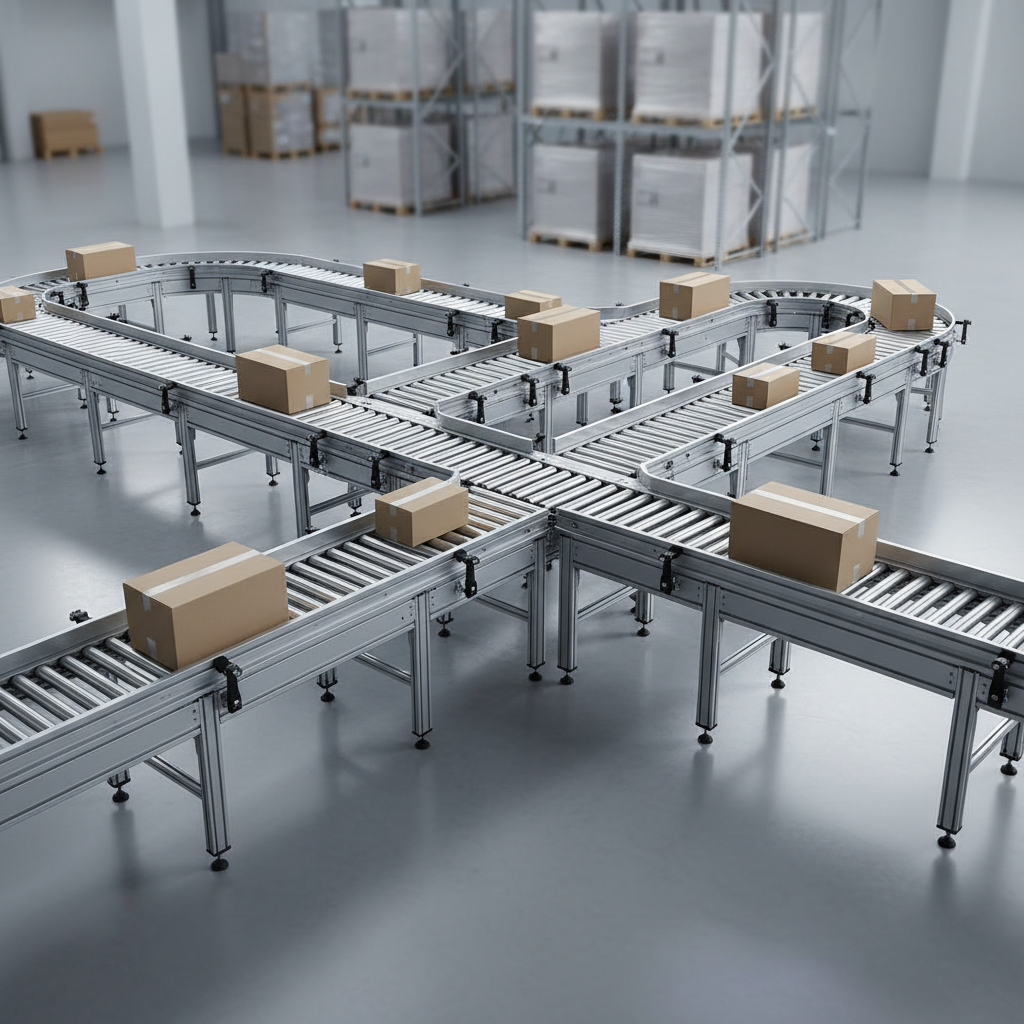
In today's fast-paced logistics landscape, the ability to adapt is not just an advantage; it's a necessity. Market demands shift, product lines change, and seasonal peaks require operational agility. Traditional, monolithic conveyor systems, once the backbone of the warehouse, often lack the flexibility to meet these challenges. This is where modular conveyor systems emerge as a strategic solution, offering unprecedented flexibility and scalability for modern European distribution centers.
Definition
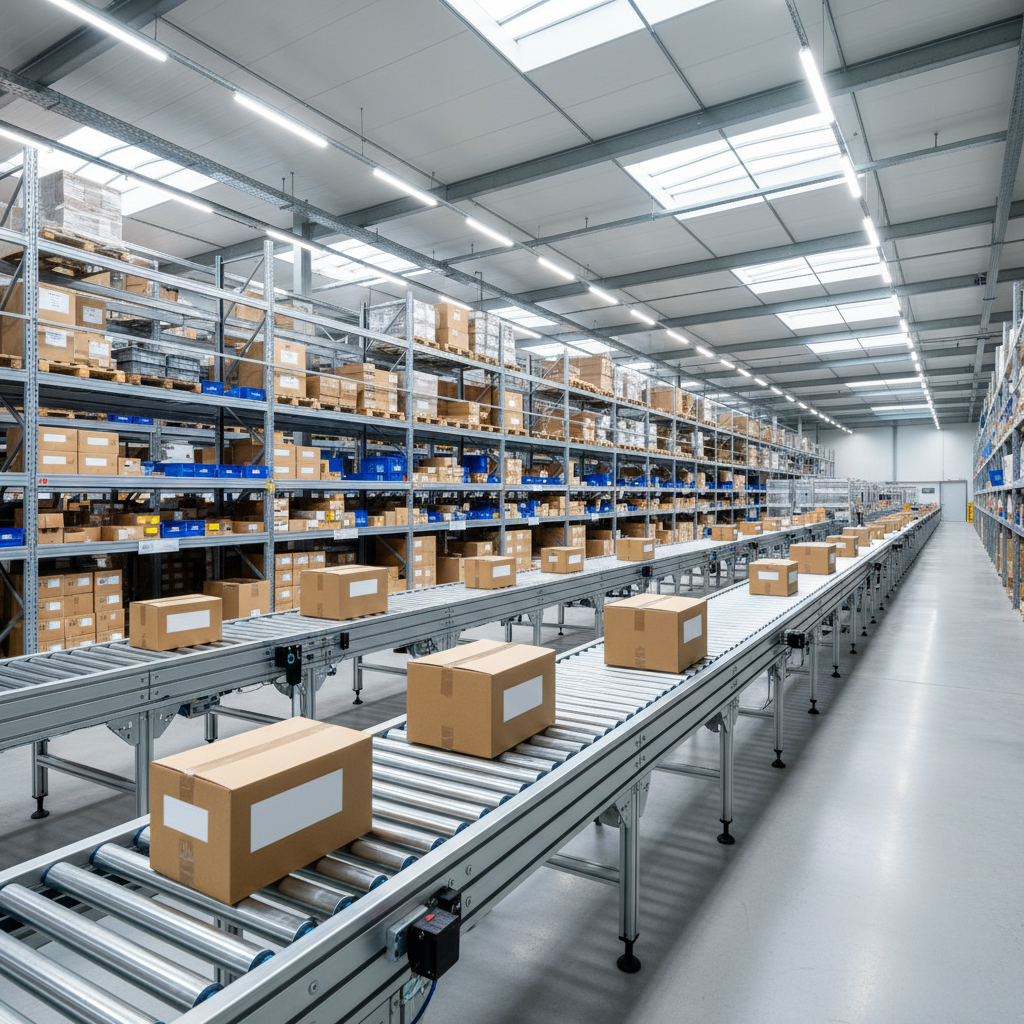
A modular conveyor system is a material handling solution constructed from a series of standardized, pre-engineered, and interchangeable units or modules. Unlike custom-fabricated systems designed for a single, fixed purpose, modular systems can be easily assembled, reconfigured, expanded, or relocated with minimal downtime and engineering effort, much like building with LEGO® blocks.
Key Numbers
| Metric | Typical Range (EU 2026) | Notes |
|---|---|---|
| Throughput Capacity | 500 - 4,000 CPH | Per line, dependent on module type and product size. |
| Conveyor Speed | 0.3 - 2.5 m/s | Variable speeds available, often controlled by Motorized Drive Roller (MDR) technology. |
| Investment per Meter | €700 - €2,200 | Includes basic roller/belt modules, drive, and controls. Curves and special modules are extra. |
| Typical ROI | 2 - 4 years | Faster ROI achieved through reduced downtime, lower energy use, and deferred capital expenditure. |
| Reconfiguration Time | 4 - 24 hours | Time to significantly alter a layout, e.g., adding a new sorting lane or workstation. |
| Energy Consumption | 0.1 - 0.7 kWh per hour | Per 10-meter section, depending on load and technology (e.g., run-on-demand). |
| Payload Capacity | 1 kg - 1,500 kg | Ranges from light-duty tote handling to heavy-duty pallet conveyors. |
The Core Advantages of Modularity
The shift towards modularity is driven by clear operational and financial benefits that address the shortcomings of traditional systems.
H3: Unmatched Flexibility
The primary advantage is the ability to reconfigure the system. A modular layout can be altered to accommodate new product dimensions, integrate new processes like packing or labeling stations, or completely change the flow path. This adaptability is crucial in industries with high variability, such as e-commerce and 3PL, where client needs and order profiles can change quarterly.
H3: Seamless Scalability
As a business grows, its material handling needs to grow with it. Modular systems allow for phased investment and expansion. You can start with a basic setup and add modules—curves, merges, sorters, or additional length—as throughput requirements increase. This “pay-as-you-grow” approach preserves capital and ensures the system never becomes a bottleneck. The challenge of scaling processes is a common growing pain, as detailed in our analysis of why business processes must evolve with company growth.
H3: Reduced Downtime and Maintenance
- Standardized Parts: Using common modules and components across the facility simplifies spare parts inventory.
- Quick Replacement: A damaged or malfunctioning module can be quickly swapped out, often in under an hour, minimizing production loss. Fault-finding is also faster as it's isolated to a specific module.
- Shorter Lead Times: Because modules are pre-engineered, the lead time for both initial installation and for acquiring expansion modules is significantly shorter than for custom-built equipment.
Modular vs. Custom-Built Conveyor Systems: A Comparison
Choosing between a modular and a fully custom system depends on long-term business projections. While custom systems can be perfectly optimized for a static, high-volume process, they become a liability when change is required.
| Feature | Modular Conveyor System | Traditional Custom-Built System |
|---|---|---|
| Initial Design & Engineering | Minimal; based on pre-engineered standards. | Extensive; unique design for each project. |
| Lead Time | 4 - 8 weeks | 12 - 24 weeks or more. |
| Flexibility & Reconfiguration | High; layout can be changed easily. | Very Low; system is welded and purpose-built. |
| Scalability | High; add/remove modules as needed. | Low; expansion requires major re-engineering. |
| Maintenance | Simple; standardized, swappable parts. | Complex; requires specialized parts and skills. |
| Total Cost of Ownership (TCO) | Lower due to flexibility and lower maintenance costs. | Higher over time due to inflexibility and downtime. |
| Resale Value | Moderate; modules can be resold or repurposed. | Very Low; scrap value only. |
Key Technologies in Modular Conveyors
Modern modular systems are more than just physical frames. They incorporate advanced technology to enhance their efficiency and "smart" capabilities. A prime example can be found in modern roller conveyor systems, which heavily leverage these principles.
H3: Motorized Drive Roller (MDR)
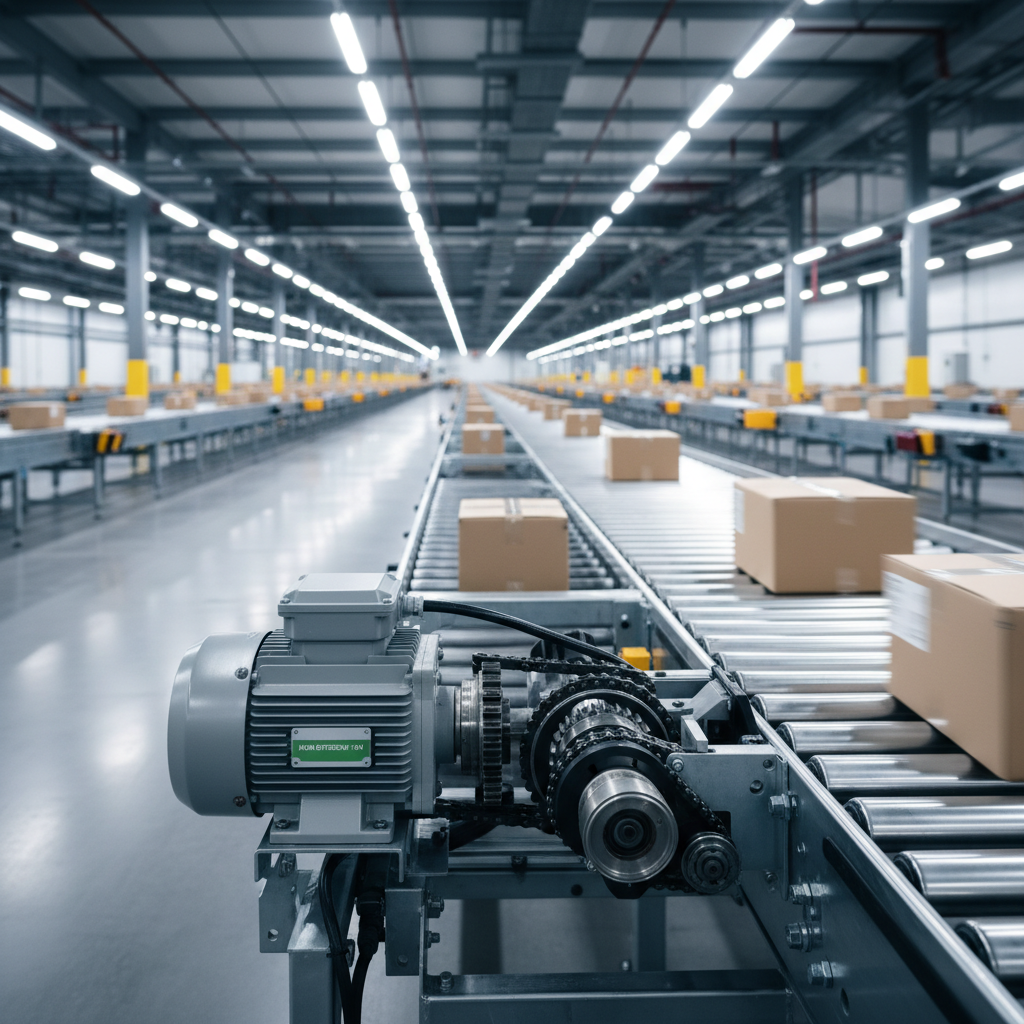
MDR technology is a cornerstone of modern modular conveyors. Each zone or module is powered by a low-voltage (24V/48V) roller with an integrated motor. This allows for highly granular control, enabling Zero-Pressure Accumulation (ZPA) and run-on-demand operation. By only activating zones where a product is present, MDR systems can reduce energy consumption by up to 50% compared to traditional conveyors with a single, constantly running AC motor.
H3: Decentralized Control and Intelligence
Instead of a single, massive control cabinet, modular systems often use decentralized control. Each module or a small group of modules has its own mini-PLC or control card. These "smart" modules manage local logic (e.g., "stop this box and wait for the next zone to be clear"). This simplifies wiring, reduces installation costs, and makes troubleshooting far easier. These local controllers then communicate with a higher-level Warehouse Control System (WCS) to manage the overall flow.
Integrating Modular Conveyors into the Warehouse Ecosystem
A conveyor system doesn't operate in a vacuum. Its value is maximized when it integrates seamlessly with other warehouse systems. Modular design simplifies this integration. Pre-built communication protocols and standardized electrical interfaces on each module make it easy to connect peripherals like barcode scanners, weight scales, and print-and-apply labelers. Furthermore, the WCS can act as a bridge between the conveyor and the Warehouse Management System (WMS), or mobile assets like Automated Guided Vehicles (AGVs) and AMRs that may operate alongside the conveyor lines.
Typical Use Cases in the European Market
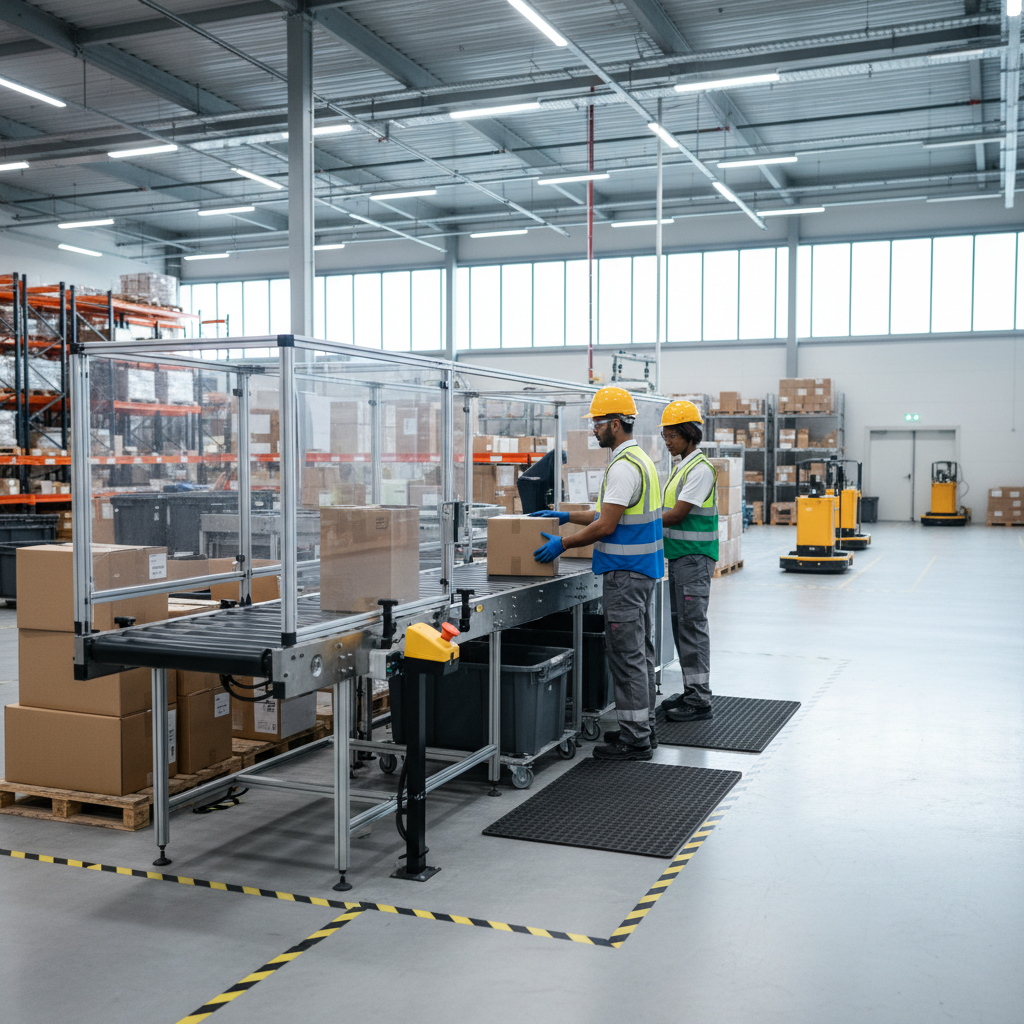
- E-commerce Fulfillment: Modular conveyors are perfect for creating dynamic pick-and-pack lines, connecting picking zones to sorting and shipping areas. As order volumes fluctuate, lines can be added or re-routed.
- Third-Party Logistics (3PL): 3PL providers handle diverse products for multiple clients. Modular systems allow them to quickly set up and tear down dedicated lines for new client onboarding or specific projects.
- Light Manufacturing & Assembly: In assembly operations, modular conveyors can be used to create flexible production lines that can be adapted as product models are updated or changed.
Why Partner with Easy Systems for Your Modular Conveyor Needs?
Choosing the right partner is as crucial as choosing the right technology. As a leading European designer and manufacturer of conveyor systems, Easy Systems is built on the principles of modularity and flexibility. We understand that your business is not static, and your logistics infrastructure shouldn't be either. Our pre-engineered modules, from straight sections to complex sorting solutions, are designed for rapid deployment, scalability, and reliability.
By partnering with us, you gain access to decades of expertise in creating future-proof material handling solutions. We don't just sell conveyors; we provide a scalable platform for your growth, ensuring that your investment today continues to deliver value for years to come. Our focus on high-quality, European-made components and cutting-edge control technology ensures your operations remain efficient, agile, and competitive.
Frequently asked questions
How much does a modular conveyor system cost in Europe?+
The cost of a modular conveyor system in Europe typically ranges from €700 to €2,200 per meter. This price depends on the type (roller or belt), width, and payload capacity. Advanced modules like curves, merges, or sorters will add to the overall project cost.
How quickly can you scale up a modular conveyor line?+
Scaling a modular conveyor line is significantly faster than with traditional systems. Adding a few meters of straight sections can be done in 2-3 hours. Integrating more complex modules, like a new sorting divert, can typically be completed in under 24 hours, minimizing operational downtime.
What is the typical lifespan of a modular conveyor system?+
A well-maintained modular conveyor system has a typical mechanical lifespan of 15-20 years. Key components like MDRs have an average life of over 20,000 operational hours. Because individual modules can be easily replaced or upgraded, the system's useful life can be extended indefinitely.
Can modular conveyors handle heavy products like pallets?+
Yes, modular conveyor principles apply to pallet handling as well. Modular pallet conveyor systems use robust chain or roller modules designed for payloads from 500 kg to 1,500 kg. They offer the same benefits of scalability and flexibility as systems for lighter goods.
How much energy does a modular conveyor with MDR technology save?+
Compared to traditional belt or lineshaft conveyors with a single AC motor running continuously, a modular conveyor using Motorized Drive Roller (MDR) technology can reduce energy consumption by up to 50%. This is achieved through run-on-demand functionality, where zones are only powered when a product is present.

The Easy Systems editorial desk reviews and fact-checks every Conveyor-Design article against Benelux project experience. Editors translate engineering decisions — throughput, peak factors, layout, integration — into plain-language guides for operations managers, project leads and decision-makers.
- Warehouse layout & slotting
- Order-profile analysis
- Vendor-neutral comparison
- Benelux logistics market