Hybrid Conveyor Systems: AGVs & Belts in Benelux Warehouses
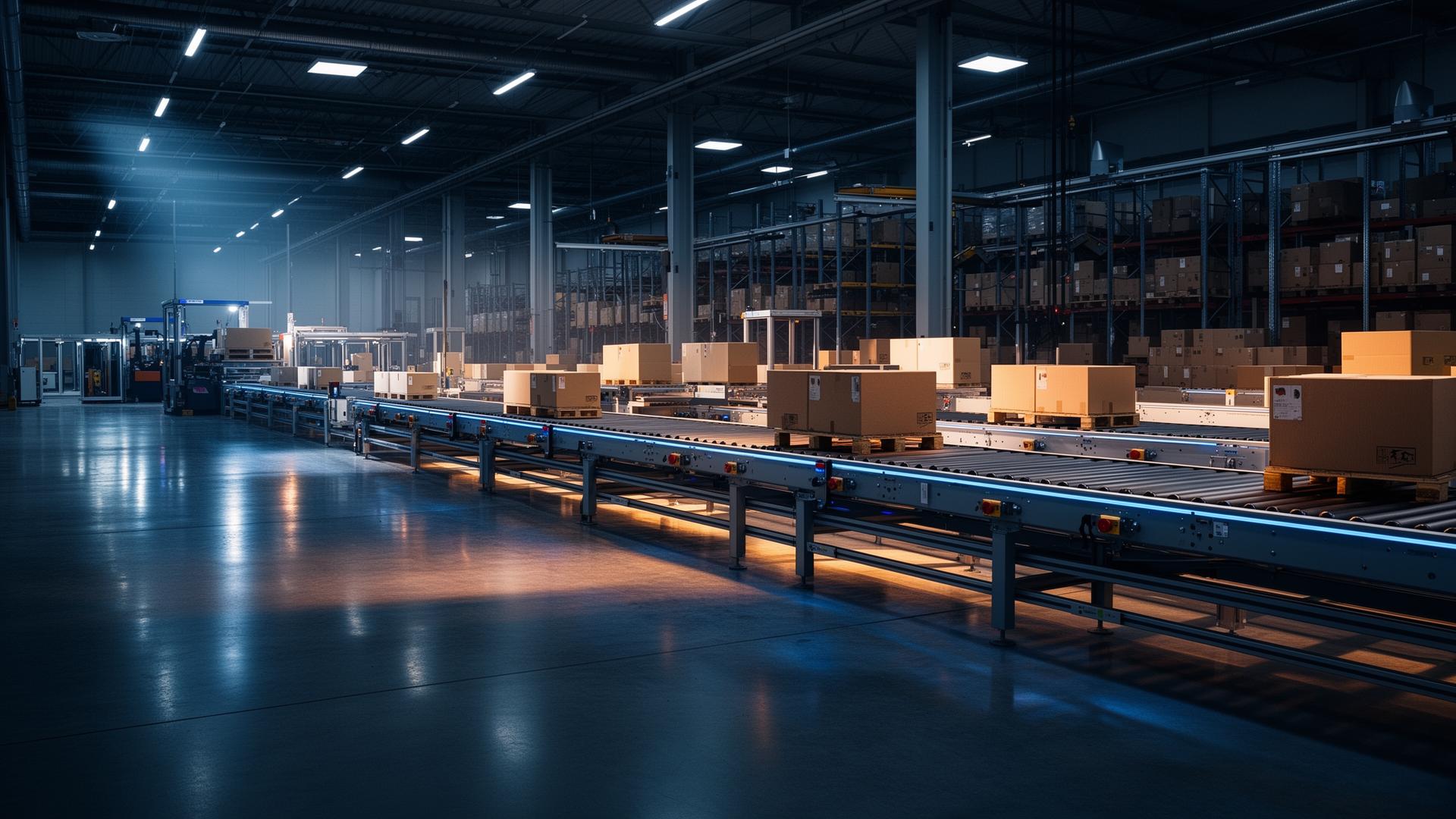
Combining fixed conveyor belts with flexible Automated Guided Vehicles (AGVs) creates a powerful hybrid material handling system. This synergy is ideal for complex Benelux warehouses, boosting throughput, scalability, and efficiency in dynamic logistics environments.
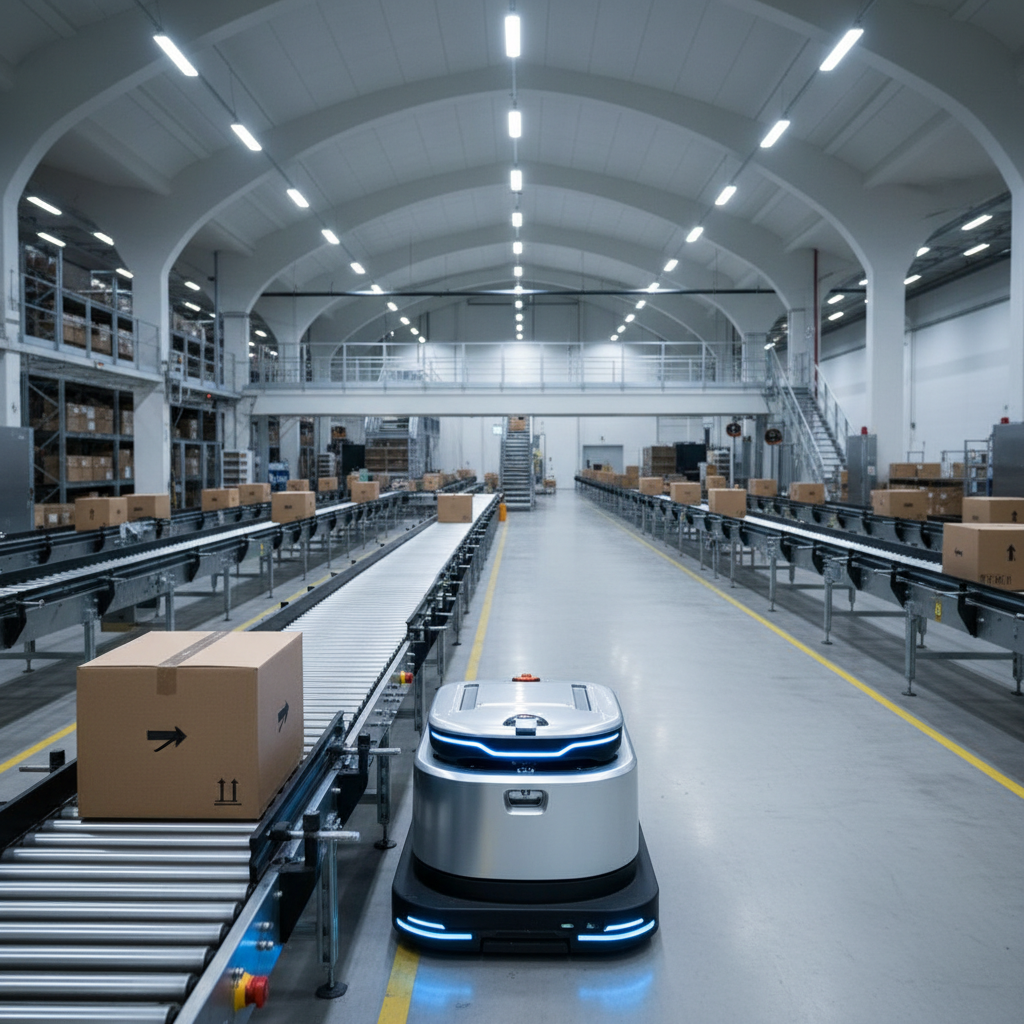
Modern warehouses, especially in the densely populated Benelux region, face a dual challenge: the need for high-speed, reliable throughput and the demand for operational flexibility to handle fluctuating product mixes and volumes. Relying on a single material handling technology is often insufficient. This is where hybrid conveyor systems—an integrated solution of fixed conveyor belts and flexible AGVs—provide a compelling answer, creating a powerful synergy that optimizes complex logistics operations.
Definition
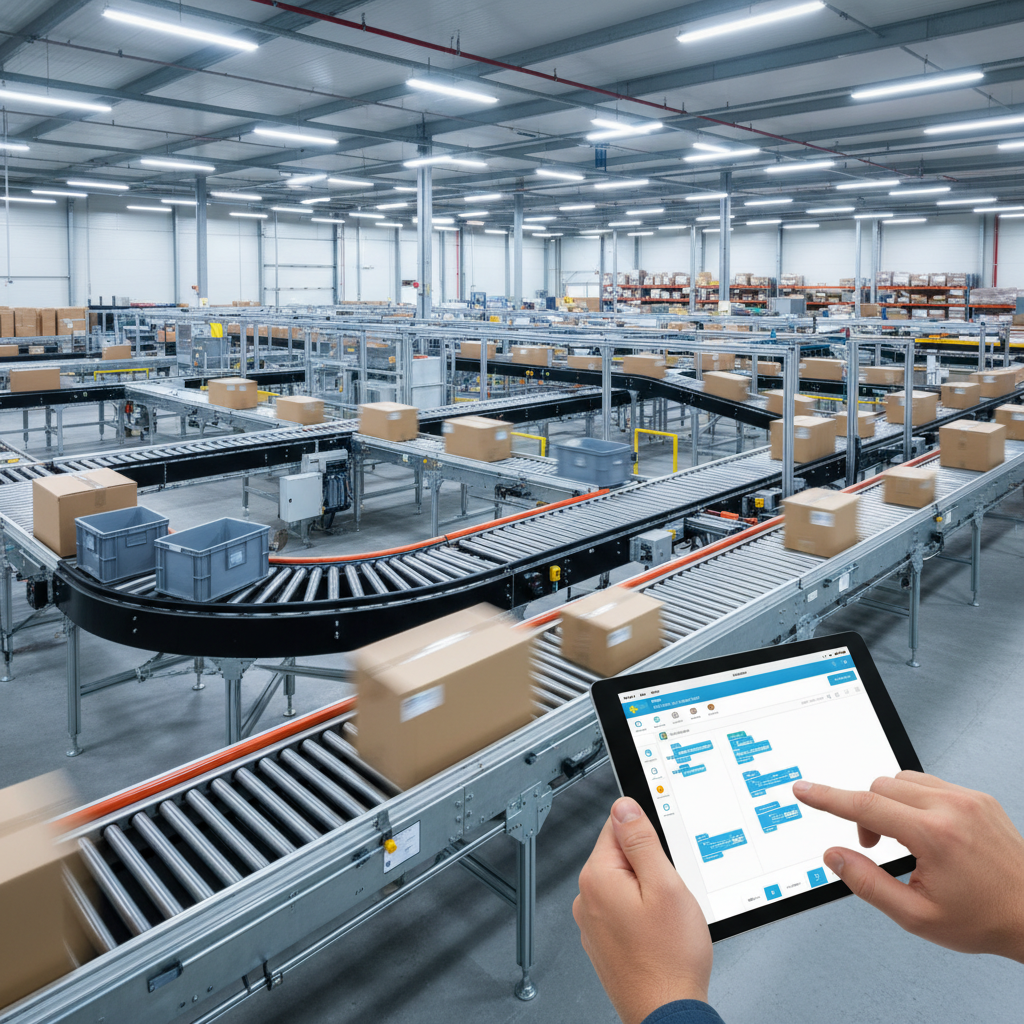
A hybrid conveyor system is a material handling solution that strategically combines the fixed infrastructure of traditional conveyor systems (like belt or roller conveyors) with the mobile, flexible capabilities of autonomous vehicles like AGVs or AMRs. The goal is to leverage the strengths of each technology: conveyors for high-volume, point-to-point transport, and AGVs for dynamic, variable routing and tasks that require movement across open floor space.
Key Numbers
| Metric | Typical range (EU 2026) | Notes |
|---|---|---|
| System Throughput (Hybrid) | 500 - 4,000 CPH | Depends heavily on the balance between conveyor speed and AGV fleet size. |
| Conveyor Speed | 0.5 - 2.5 m/s | Fixed-speed for bulk transport sections. |
| AGV Speed | 1.0 - 2.0 m/s | Includes acceleration/deceleration; effective speed is lower due to traffic management. |
| Initial Investment | €150,000 - €1,000,000+ | Highly dependent on facility size, conveyor length, and number of AGVs. |
| ROI Period | 2 - 4 years | Faster ROI in high-wage countries like Belgium, Netherlands, and Luxembourg. |
| Energy Consumption (AGV) | 2 - 5 kWh / 8-hour shift | Per vehicle; opportunity charging can optimize energy usage. |
| Footprint Impact | 5-15% reduction | AGVs can reduce the need for wide aisles, but conveyors still require fixed space. |
The Core Synergy: Why Combine AGVs and Conveyors?
The decision to create a hybrid system stems from the inherent limitations of each technology when used in isolation. Traditional conveyor systems are the undisputed champions of high-speed, continuous flow. A belt conveyor can move thousands of cartons per hour reliably and cost-effectively between two fixed points, such as from a central sorter to an outbound shipping lane. However, they are inflexible. Once installed, changing their path is a major, costly project.
Automated Guided Vehicles (AGVs), on the other hand, offer supreme flexibility. They can navigate complex paths, adapt to changes in facility layout, and be rerouted with a simple software command. Their limitation is throughput. A single AGV cannot match the sheer volume of a conveyor belt, and scaling up by adding more vehicles can lead to traffic congestion. Our AGV vs AMR guide explores these vehicle types in more detail.
The Best of Both Worlds
A hybrid model uses each technology for what it does best:
- Conveyors as the Backbone: Long-distance, high-volume "highways" for goods moving from inbound to the main processing or storage areas, or from picking zones to packing and shipping.
- AGVs as the "Last Mile" Connection: Flexible links that pick up goods from the end of a conveyor line and transport them to various destinations: dynamic packing stations, quality control, temporary storage buffers, or directly to palletizing robots.
This approach is particularly effective in large-scale Benelux e-commerce fulfillment centers where product velocity is high but order destinations are diverse.
Comparing Standalone vs. Hybrid Systems
Choosing the right material handling configuration depends on your specific operational needs. A hybrid system isn't always the answer, but in complex scenarios, its advantages are clear.
| Attribute | Conveyor-Only System | AGV-Only System | Hybrid System |
|---|---|---|---|
| Throughput | Very High (fixed paths) | Low to Medium (can congest) | High & Flexible |
| Flexibility | Very Low | Very High | High |
| Scalability | Difficult & Costly | Easy (add vehicles) | Moderate (add AGVs easily, conveyors are fixed) |
| Initial Cost | High | Medium to High | Very High |
| Best For | Stable, high-volume, point-to-point flows (e.g., manufacturing lines) | Dynamic, low-volume, complex routes (e.g., component delivery) | Complex, high-volume operations with variable destinations (e.g., large DCs) |
The Central Role of the Warehouse Execution System (WES)
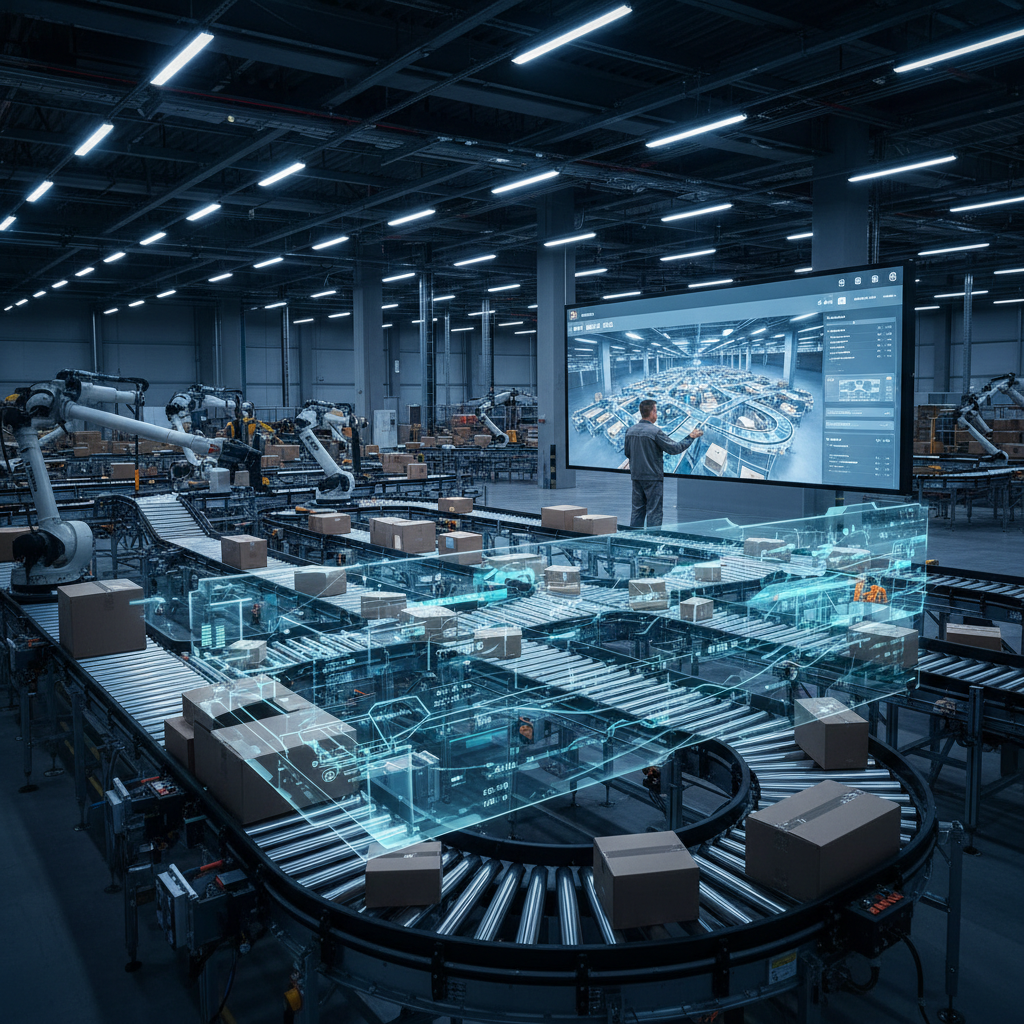
A hybrid system is more than just two types of hardware in the same building; it's a single, cohesive ecosystem orchestrated by sophisticated software. The Warehouse Execution System (WES) is the brain of the operation, sitting between the high-level Warehouse Management System (WMS) and the low-level machine controls (PLCs).
Key WES Responsibilities in a Hybrid System:
- Traffic Management: The WES manages the "intersections" where goods are transferred between conveyors and AGVs. It prevents collisions and ensures a smooth flow.
- Task Prioritization: It decides in real-time whether a specific transport task is better handled by an AGV or should be routed onto a conveyor spur.
- Load Balancing: If an AGV fleet in one area is becoming overloaded, the WES can redirect goods via conveyor routes to a less busy zone for AGV pickup.
- Communication: The WES communicates with the AGV fleet manager (often using standards like VDA 5050 for interoperability) and the conveyor control system to synchronize movements.
Application Spotlight: A Benelux 3PL Warehouse
Consider a large third-party logistics (3PL) provider near the Port of Antwerp. They handle goods for multiple clients, each with different packaging, destinations, and seasonal peaks. Their processes grow, but often the infrastructure doesn't keep pace, as noted in our analysis on scaling business processes.
How a Hybrid System Solves Their Challenges:
A hybrid system provides the perfect solution. Pallets are unloaded and depalletized onto a high-speed roller conveyor system that acts as the central artery, moving goods towards a large sorting area. Along this main line, several AGV transfer points are established.
- Client A (High-Volume Retail): Cartons are diverted onto a dedicated conveyor spur leading directly to a high-speed packing and shipping lane.
- Client B (Value-Added Services): The WES dispatches AGVs to pick up cartons from the main conveyor. The AGVs transport them to a dedicated zone for labeling, quality checks, or kitting before taking them to the outbound docks.
- Client C (Seasonal Goods): During peak season, AGVs are used to move goods from the conveyor to a temporary storage buffer on the warehouse floor, freeing up space on the main lines. Off-peak, these AGVs are reassigned to other tasks.
This design allows the 3PL to meet the high-throughput SLAs for Client A while providing the customized, flexible handling required by Client B and C, all within the same facility and using a shared infrastructure backbone.
Positioning Easy Systems as Your Trusted Partner
Successfully implementing a hybrid material handling system requires deep expertise in both conveyor technology and automation software integration. At Easy Systems, we excel at designing and deploying these complex, synergistic solutions for the Benelux and greater European market. Our strength lies not just in providing robust, modular conveyor hardware, but in our ability to integrate it seamlessly with third-party systems like AGVs and AMRs through a powerful WES layer.
We don’t just sell hardware; we engineer comprehensive material flow solutions. From the initial process analysis and simulation to the final commissioning and support, we act as a central partner, ensuring that your conveyor backbone and flexible automation elements work in perfect harmony to meet your specific throughput, scalability, and ROI goals.
Frequently asked questions
What is the main benefit of a hybrid AGV and conveyor system?+
The main benefit is the combination of high throughput and flexibility. Conveyors provide rapid, continuous transport over fixed routes, handling thousands of units per hour, while AGVs offer the flexibility to manage variable paths and destinations, adapting to changing operational needs.
How much does a hybrid conveyor system cost in the Netherlands or Belgium?+
The cost varies widely, but a medium-sized hybrid system for a Benelux warehouse typically starts around €150,000 to €300,000. For large, complex facilities, the investment can easily exceed €1,000,000, depending on conveyor length and the number of AGVs.
What software is needed to control a hybrid system?+
A Warehouse Execution System (WES) is crucial for managing a hybrid system. It acts as the traffic controller, assigning tasks to either conveyors or AGVs and optimizing material flow between the two systems to prevent bottlenecks and maximize efficiency.
Can AGVs and conveyors from different manufacturers work together?+
Yes, they can, provided they are integrated through a capable WES. Using open communication standards like VDA 5050 for AGV fleet management and OPC UA for machine communication helps ensure interoperability between hardware from different vendors.
What is the typical ROI for a hybrid automation project?+
In high-wage regions like the Benelux, the Return on Investment (ROI) for a hybrid system is typically between 2 and 4 years. This is achieved through significant labor savings, increased throughput of up to 30%, and improved order accuracy.

The Easy Systems editorial desk reviews and fact-checks every Conveyor-Design article against Benelux project experience. Editors translate engineering decisions — throughput, peak factors, layout, integration — into plain-language guides for operations managers, project leads and decision-makers.
- Warehouse layout & slotting
- Order-profile analysis
- Vendor-neutral comparison
- Benelux logistics market