Flexible Conveyor Routes: Agility in Benelux Manufacturing & Distribution
Flexible conveyor routes are essential for modern logistics, enabling businesses in the Benelux to adapt to changing demands. This guide explores the benefits, technologies, and implementation of agile conveyor solutions for enhanced productivity.
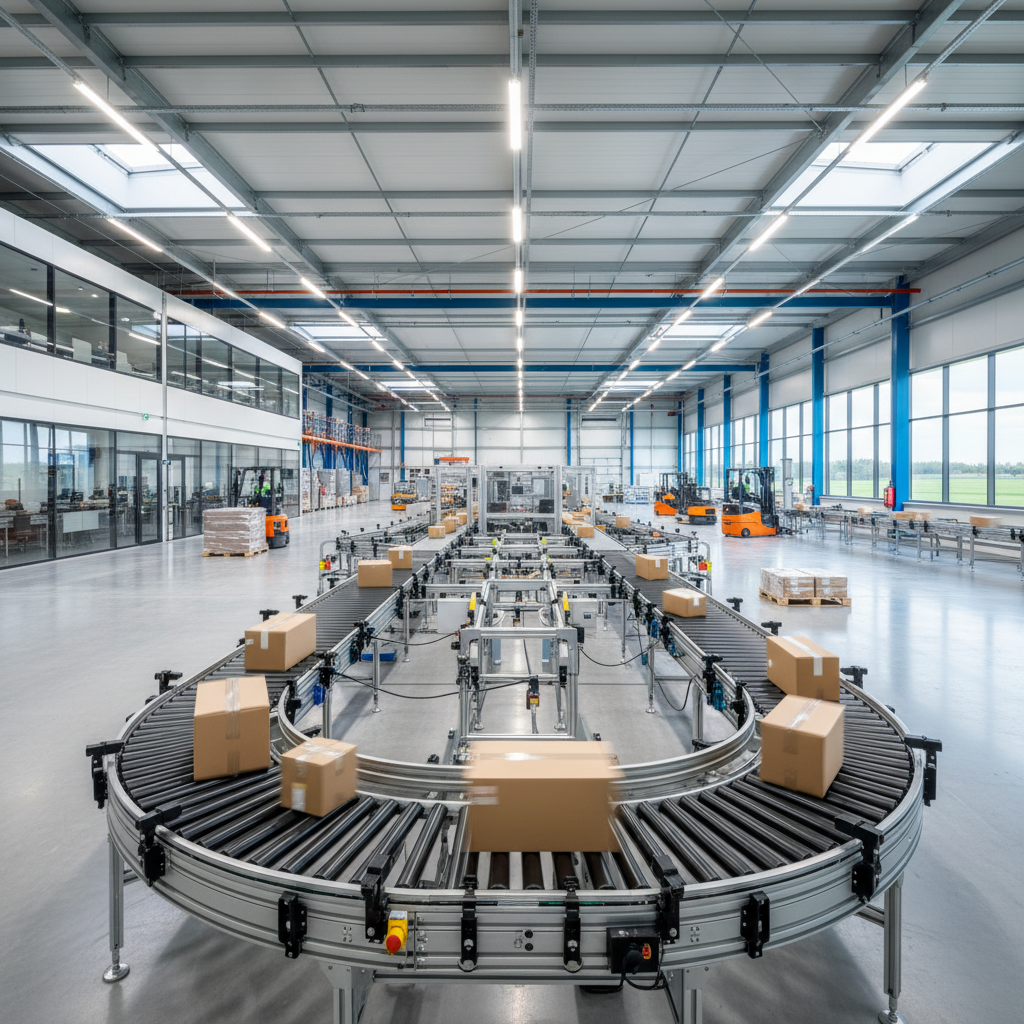
In the high-stakes, fast-paced logistics landscape of the Benelux—a pivotal European trade hub—the ability to adapt is not just an advantage; it's a necessity. Static, one-size-fits-all production and distribution lines are becoming a liability. The solution lies in agility: flexible conveyor routes that empower businesses to pivot their material flow on demand. This article explores the technology, benefits, and strategic implementation of these dynamic systems within the specific context of the Netherlands, Belgium, and Luxembourg.
Definition
A flexible conveyor route is a material handling system designed with modular components and intelligent control software that allows the path of products, parcels, or components to be changed dynamically. Unlike fixed routes, these systems can be reconfigured with minimal physical intervention, enabling operations to adapt to different products, workflows, or volumes in real-time.
Why Benelux Operations Demand Agility
The Benelux region, with its world-class ports of Rotterdam and Antwerp and dense population, is the logistical heart of Europe. This strategic position brings unique challenges: fluctuating demand driven by e-commerce, a diverse mix of goods, and the constant pressure to optimize space in costly real estate. Stagnant material handling lines cannot cope with this variability. Flexible conveyor systems offer a direct response to these pressures, enabling a warehouse in Venlo or a production plant in Ghent to handle seasonal peaks, product launches, and shifting customer orders with the same infrastructure.
Core Components of a Flexible Conveyor System
Creating a truly flexible routing system requires a synthesis of adaptable hardware and intelligent software. The two work in tandem to create a system that is more than the sum of its parts.
Modular Conveyor Hardware
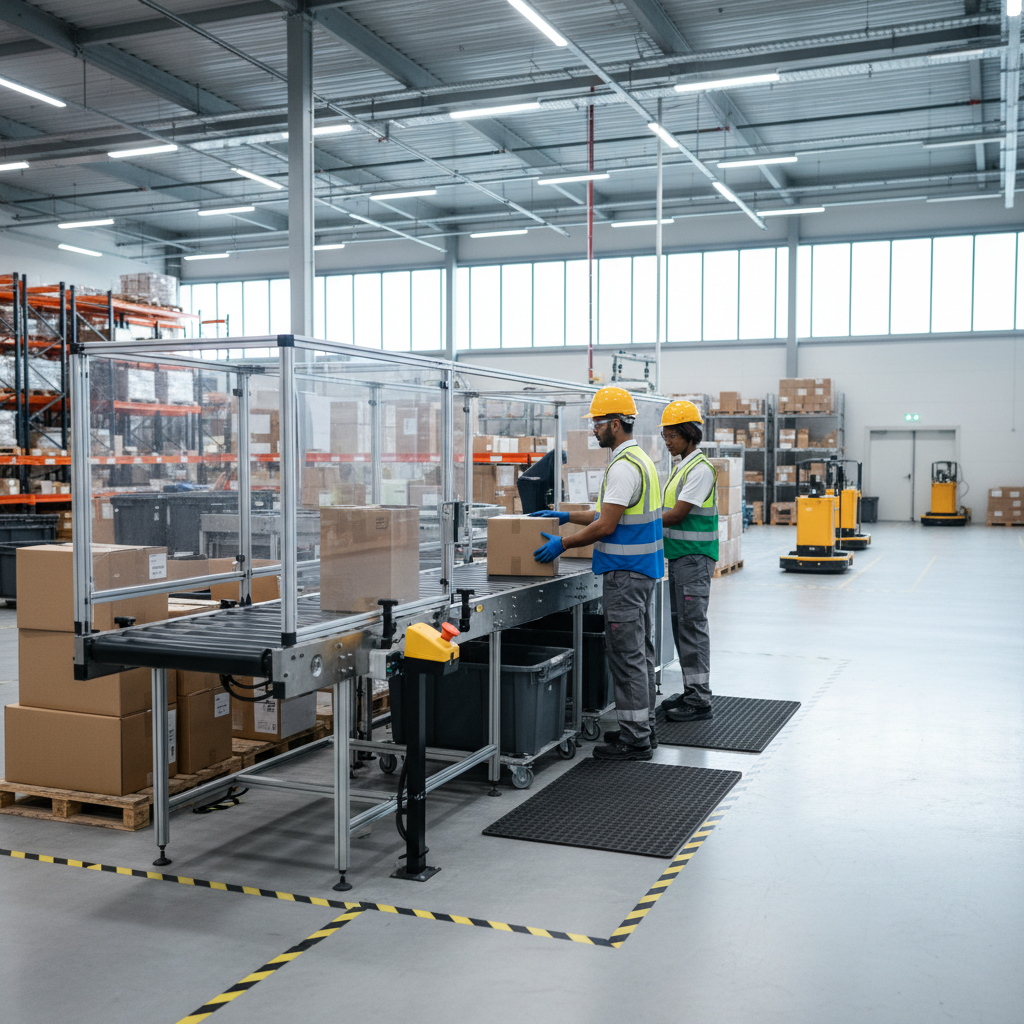
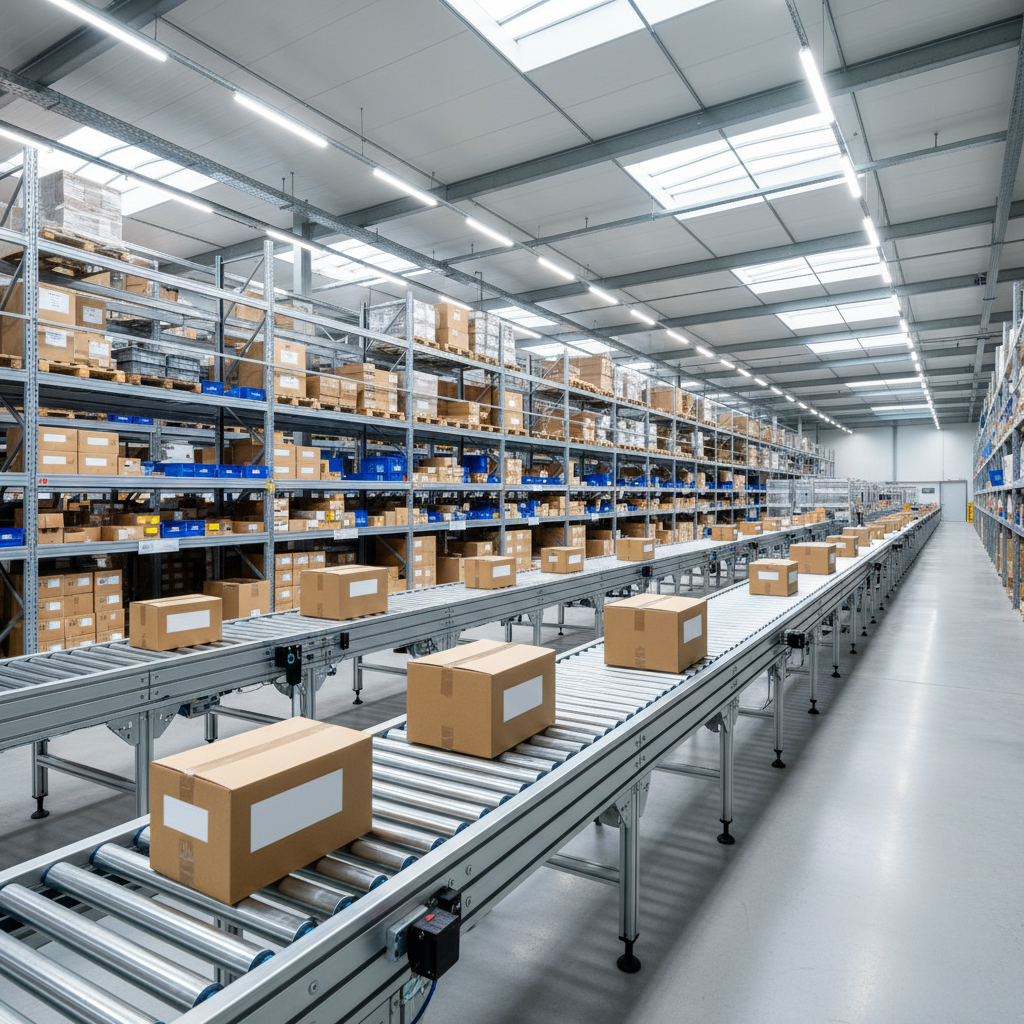
The foundation of a flexible route is modularity. Instead of long, monolithic lines, these systems are built from standardized, interconnectable sections. This allows for layout changes without scrapping the entire system. Key hardware includes:
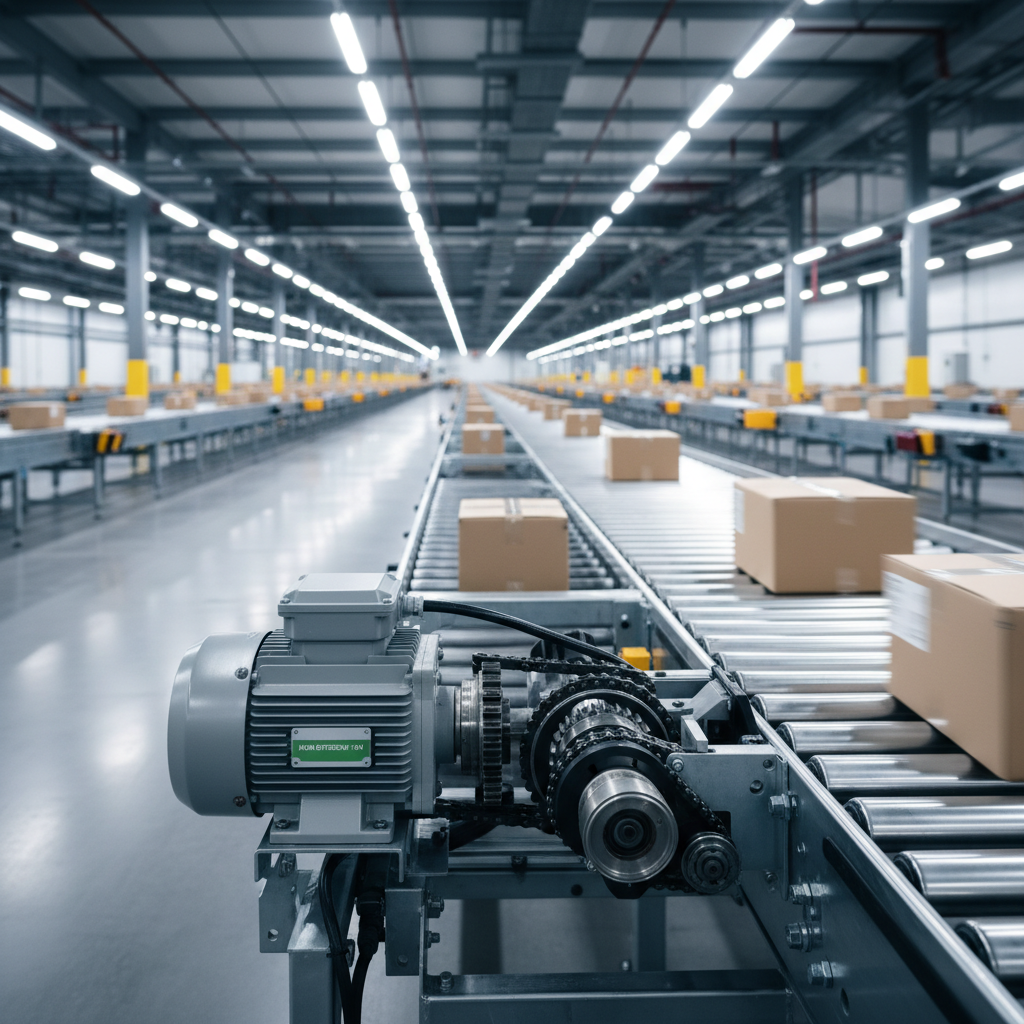
- Modular Roller Conveyors: Often using Motorized Drive Roller (MDR) technology, these are perfect for creating zones that can be independently controlled to start, stop, accumulate, or divert goods.
- Belt Conveyors: Modular belt sections can be combined to handle inclines, declines, and a wide variety of product shapes and sizes.
- Curves, Merges, and Diverters: These specialized modules are crucial for creating multiple paths. High-speed switches and diverters can sort items to different destinations (e.g., packing, shipping, QA) based on barcode scans or sensor data.
- Spiral Conveyors: Essential for vertical flexibility, allowing routes to span multiple levels of a facility while maintaining a small footprint—a critical factor in the space-constrained Benelux market.
Intelligent Routing Technology
Hardware provides the physical paths; software provides the intelligence to choose the right one. The level of flexibility is directly tied to the sophistication of the control system.
- PLC Control: A Programmable Logic Controller (PLC) is the brain for basic to intermediate flexibility. It executes pre-programmed logic. For example, a PLC can be programmed to divert all items with a specific barcode to Line B, while all others continue on Line A. Rerouting is possible, but often requires a technician to update the PLC code.
- Warehouse Execution System (WES): For ultimate agility, a WES is deployed. It sits between the Warehouse Management System (WMS) and the PLC layer, making real-time decisions. A WES can dynamically balance workload between packing stations, rerouting items based on station availability, order priority, and downstream congestion. It moves beyond pre-programmed "if-then" logic to holistic, real-time optimization.
Comparing Flexible Routing Technologies
The choice of technology dictates cost, speed, and adaptability. For a distribution center manager in the Benelux, understanding these trade-offs is key to making a sound investment.
| Feature | Static Conveyor Route | Basic Flexible Route (PLC) | Advanced Flexible Route (WES) |
|---|---|---|---|
| Adaptability | Low | Medium | High |
| Control Logic | Hardwired / Fixed | Pre-programmed PLC logic | Real-time, data-driven decisions |
| Rerouting Speed | Weeks (Manual Rebuild) | Minutes/Hours (Reprogramming) | Seconds (Automatic) |
| Typical Throughput | 500-1000 items/hr | 1000-1800 items/hr | 1500-3000+ items/hr |
| Initial Cost Estimate (Benelux) | €30,000 - €100,000 | €50,000 - €250,000 | €200,000 - €500,000+ |
Financial & Operational Impact
Investing in flexibility yields tangible returns. A European fashion retailer, for example, implemented a WES-controlled flexible routing system in their main DC. They can now route hanging garments and flat-packs through the same system, diverting them to different value-added service (VAS) or packing stations as needed. This eliminated a separate, redundant line, improving floor space utilization by 25%. On average, facilities implementing these systems report a 15-20% reduction in per-item handling costs and a 30% increase in order fulfillment speed. These gains are particularly potent in high-wage economies like the Benelux, as they maximize labor productivity. As noted in a recent Easy Systems analysis, many companies find their processes have not scaled with their growth, creating bottlenecks that agile systems are designed to solve.
Implementation: Key Considerations for Benelux Firms
Deploying a flexible conveyor system is a strategic project. Success hinges on several factors: 1. Throughput Analysis: Don't just plan for your current needs; model your projected peak volumes for the next 3-5 years. What will Black Friday look like? A system designed for 1,000 items/hour will fail at 2,000. 2. IT Integration: How will the conveyor system communicate with your WMS? A robust API and a capable integration partner are non-negotiable for advanced flexibility. 3. Physical Footprint: Carefully map out the required space. While modular systems are adaptable, they still have physical dimensions. Consider vertical space for spiral conveyors to minimize the horizontal footprint. 4. Scalability: Design the initial system with future expansion in mind. Ensure the control system can handle additional zones and that the physical layout has logical connection points for future lines.
Easy Systems: Your Partner for Agile Conveyor Solutions
In a market that demands constant adaptation, your material handling system must be an enabler of change, not a constraint. At Easy Systems, we specialize in designing and implementing modular, intelligent conveyor solutions tailored to the specific needs of the Benelux market. We understand that agility is paramount, whether you are running a high-volume e-commerce hub near Brussels or a precision manufacturing plant in the Eindhoven region. Our approach combines robust, high-quality modular hardware with scalable control systems, from straightforward PLC logic to advanced WES integration. We partner with you to analyze your unique product flow, anticipate future challenges, and build a flexible conveyor route that serves as the backbone of your agile operation for years to come.
Frequently asked questions
What is the main advantage of a flexible conveyor route over a fixed one?+
The main advantage is adaptability. It allows a facility to quickly respond to changes in production needs, order profiles, or workflows without costly and time-consuming physical reconfiguration, which is vital in fast-paced markets like the Benelux.
How much does a flexible conveyor system cost in Europe?+
The cost varies widely. A small, simple modular system might start around €50,000, while a large, complex installation with advanced WES integration for a major distribution center can exceed €500,000. It depends on length, complexity, and control level.
Can existing conveyor lines be made more flexible?+
Yes, often they can. Retrofitting with modular sections, adding transfers or diverters, and upgrading the control system (from basic relays to PLC or WES) can significantly increase the flexibility of an existing conveyor line.

The Easy Systems engineering team designs, integrates and commissions conveyor systems and warehouse automation across Belgium, the Netherlands and Luxembourg. Combined experience covers roller and belt conveyors, sorters, AGV/AMR fleets, AutoStore, shuttle AS/RS and WMS/WCS integration for distribution centers and e-commerce fulfillment operations.
- Conveyor design (roller, belt, modular plastic)
- Sortation & merge logic
- AGV / AMR fleet integration
- AutoStore & shuttle AS/RS
- WMS / WCS integration