Energy-Efficient Conveyors: A Guide for Benelux Warehouses
Discover practical steps to enhance the energy efficiency of your conveyor systems. This guide for Benelux warehouse managers covers motor technology, system design, and maintenance for sustainable and cost-effective operations.
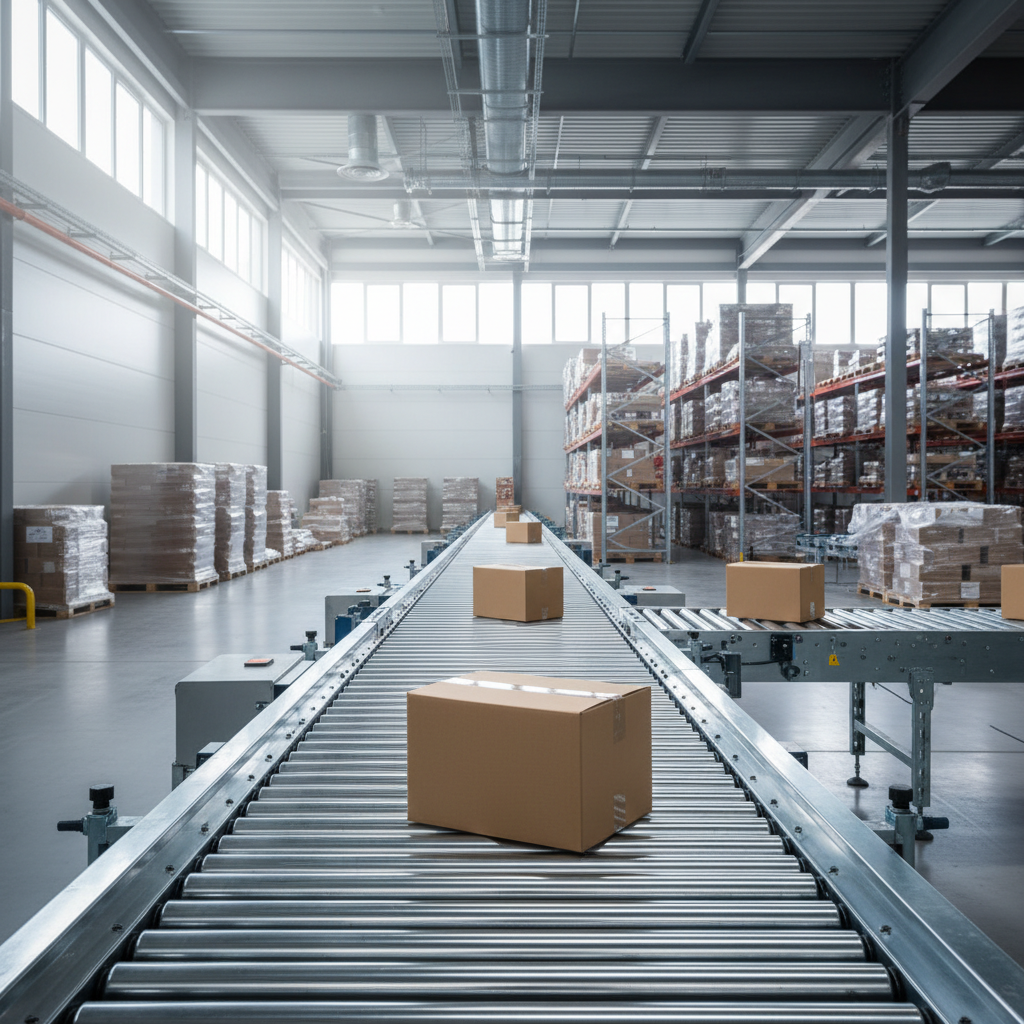
As energy costs rise and environmental regulations tighten across the Benelux, warehouse and logistics managers are under increasing pressure to create more sustainable operations. Conveyor systems, the arteries of any modern distribution center, are a prime target for optimization. Shifting from energy-intensive, continuously running systems to intelligent, on-demand solutions not only lowers electricity bills but also enhances operational flexibility and reduces a facility's carbon footprint.
Definition
Energy-efficient conveyor systems are material handling solutions designed to minimize electrical power consumption while maintaining or improving operational throughput. This is achieved through advanced motor technology, intelligent system controls, optimized mechanical design, and targeted maintenance strategies, directly contributing to lower operational costs and enhanced sustainability.
Key Numbers
| Metric | Typical range (EU 2026) | Notes |
|---|---|---|
| Energy Consumption (MDR) | 0.02 - 0.05 kWh per hour per zone | For a typical 1.5m zone with a 50W 24V DC motor. |
| Energy Consumption (AC Motor) | 0.55 - 1.1 kWh per hour | For a continuously running 0.75 kW motor powering a 20m belt. |
| Investment (MDR System) | €450 - €700 per meter | Includes rollers, controls, and basic installation. |
| ROI on Energy Retrofit | 2 - 4 years | Based on energy savings, reduced maintenance, and potential subsidies. |
| Annual Energy Savings | €1,500 - €4,000 per 100m line | Comparing MDR with ZPA to a conventional, always-on system. |
| Maintenance Cost Reduction | 20% - 30% | Fewer moving parts (no chains, belts) in MDR systems reduces maintenance needs. |
The Shift from 'Always On' to 'Intelligent Flow'
Traditionally, conveyor systems were powered by large, centralized AC induction motors that ran continuously throughout a shift, regardless of the actual volume of products being transported. This "always on" philosophy is incredibly wasteful. In a modern Benelux warehouse, where throughput can fluctuate dramatically based on order patterns (e.g., e-commerce peaks), this approach is both economically and environmentally unsustainable. The paradigm shift is towards "intelligent flow," where the conveyor system dynamically responds to the load. This is primarily achieved through decentralized drives and smart logic.
Decentralized Power: The Rise of 24V DC Motors
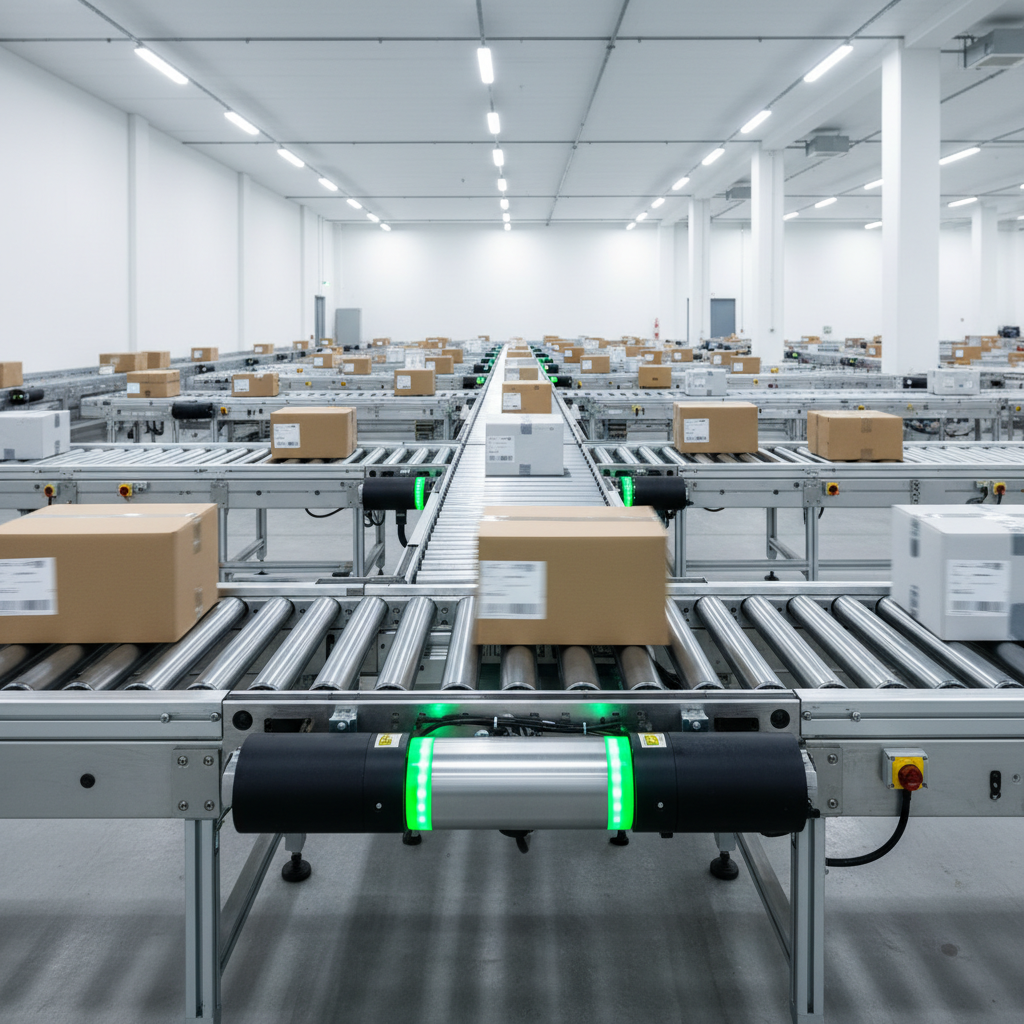
The core technology enabling energy efficiency is the 24V DC Motorized Drive Roller (MDR). Instead of one large motor driving a long section of conveyor, MDR systems use a series of rollers, each with its own integrated motor. These motors are grouped into small, independently controlled zones. A product moves from one zone to the next, activating only the motors in the occupied and subsequent zones. When there are no products, the motors automatically shut off. This run-on-demand approach is the single biggest contributor to energy savings.
Core Components of an Energy-Efficient System
Achieving sustainability requires a holistic approach, looking at motors, controls, and the physical conveyor design itself. Managers in Belgium, the Netherlands, and Luxembourg should focus on these key areas when designing new systems or retrofitting existing ones.
1. Motor and Drive Technology
The heart of the system. The choice of motor dictates the potential for energy savings.
| Technology | Energy Efficiency | Control Level | Typical Use Case |
|---|---|---|---|
| Conventional AC Motor | Low (runs continuously) | Basic (On/Off) | Heavy-duty, single-line transport (e.g., pallet handling). |
| AC Motor with VFD | Medium (speed adjusts to load) | Intermediate | Long belt conveyors requiring speed control but not zonal logic. |
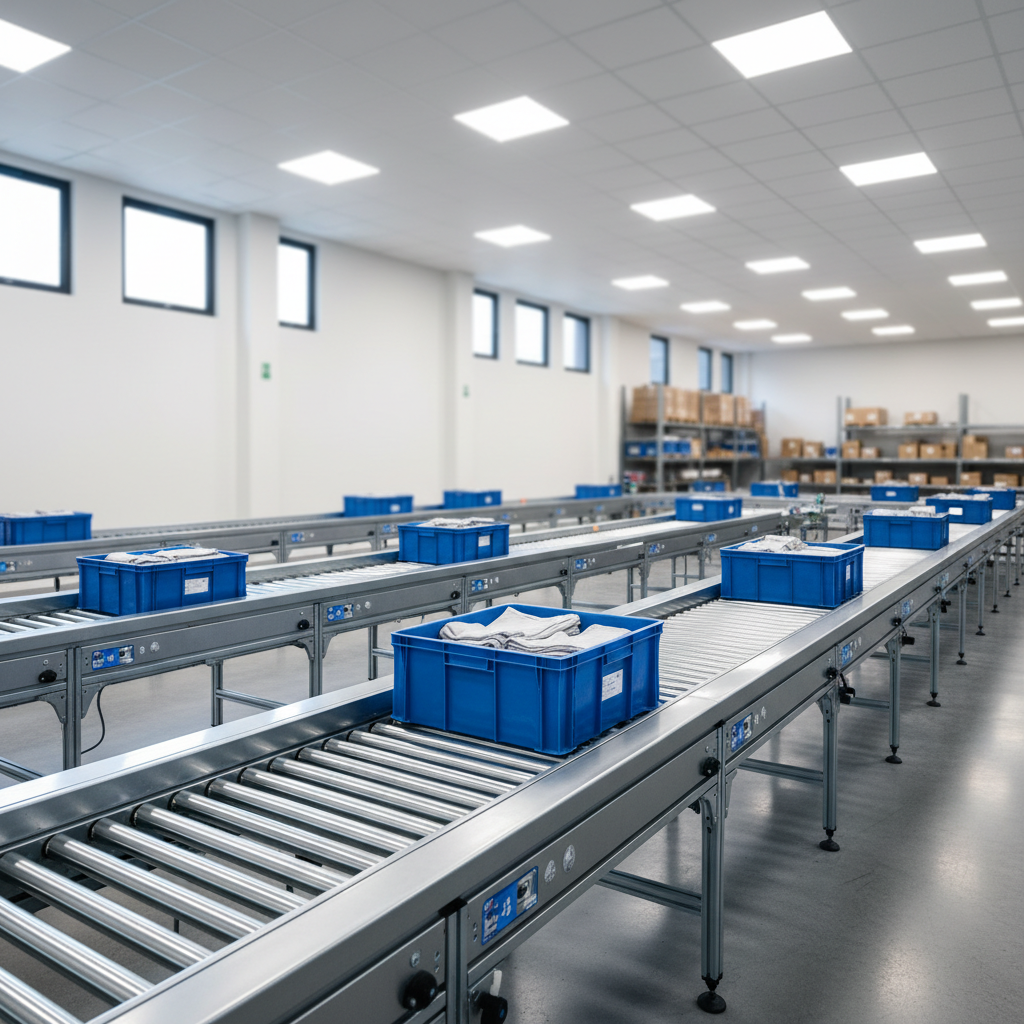
| 24V DC MDR | Very High (run-on-demand) | High (zonal control) | Case, tote, and parcel handling; accumulation and sorting. |
2. Intelligent Zone Control
Motors are only as efficient as the logic that controls them. Zero-Pressure Accumulation (ZPA) is a critical control philosophy. ZPA ensures that cartons or totes accumulate on the conveyor without touching, preventing product damage. More importantly for energy use, it provides the "brains" for the run-on-demand operation. Each zone has a sensor that detects the presence of a product. The control card for that zone then communicates with adjacent zones to activate or deactivate motors as needed, creating a seamless, energy-sipping flow.
3. System Design and Mechanical Efficiency
Even with the best motors, poor mechanical design can waste energy through friction.
- Low-Friction Bearings: Specify high-quality, sealed bearings to minimize rolling resistance. This can reduce the required motor torque and thus energy draw.
- Correct Belt Tensioning: For belt conveyors, overly tight belts increase friction and motor strain, wasting energy. Regular checks and proper tensioning are vital.
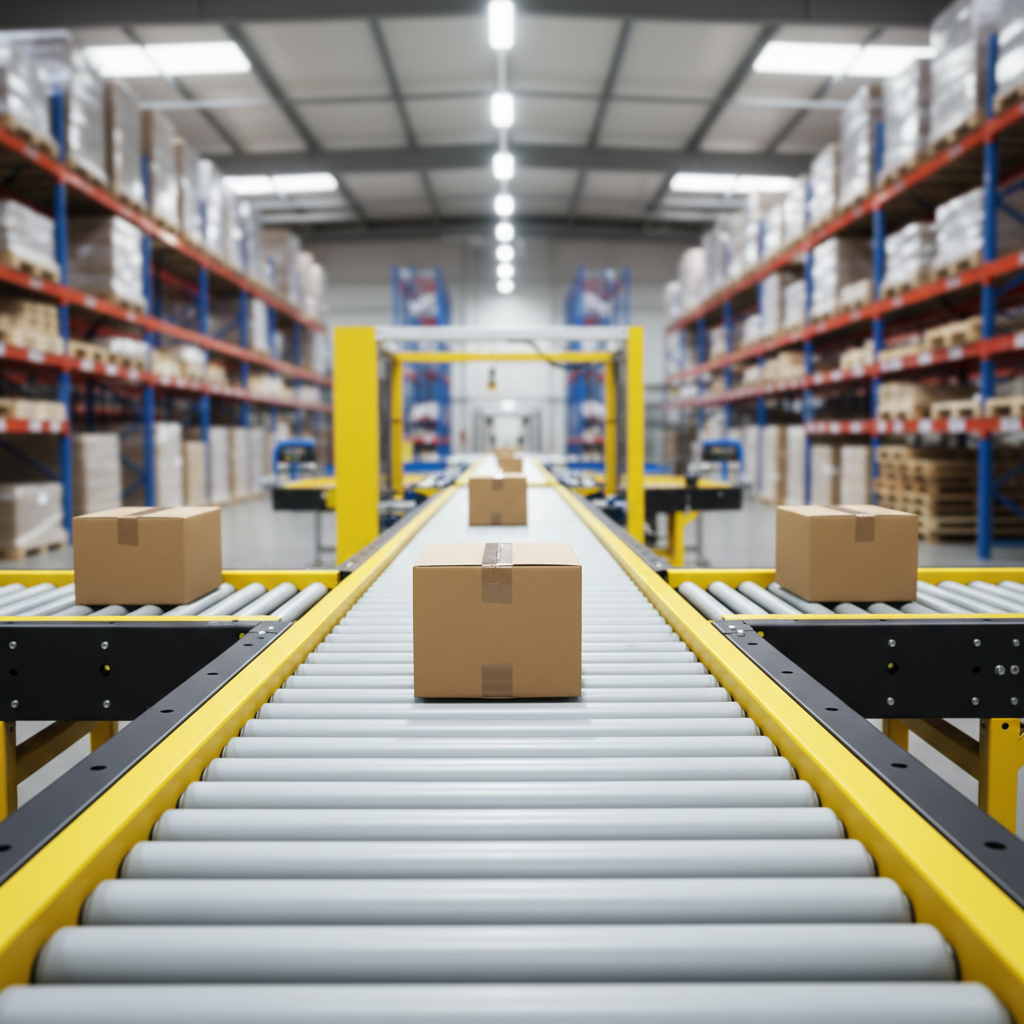
- Gravity Conveyors: Wherever possible, use elevation changes to your advantage. Integrating sections of gravity roller conveyors into a powered line is a simple, cost-free way to move goods. For a comprehensive overview of roller systems, see our Roller Conveyor Guide.
Integrating Smart Controls for Maximum Impact
To truly optimize energy consumption, conveyor controls must be integrated with higher-level software. A Warehouse Control System (WCS) or Warehouse Execution System (WES) can orchestrate energy usage on a facility-wide basis. For example, during periods of low activity, the WCS can put entire conveyor lines or sorters into an "eco-mode" or sleep state, shutting down all non-essential zones. When a new wave of orders is released by the WMS, the system powers up automatically. This level of dynamic control, linking energy use directly to real-time operational needs, is the pinnacle of efficiency.
Practical Steps for Implementation in a Benelux Warehouse
- Conduct an Energy Audit: Start by measuring the current energy consumption of your existing conveyor lines. Use clamp-on power meters to get data for different areas and at different times of the day. This provides a baseline for calculating potential ROI.
- Identify High-Impact Areas: Focus on long accumulation lines, sortation systems, and areas with highly variable flow. These are the prime candidates for an MDR and ZPA retrofit.
- Calculate the Business Case: With energy prices in the Benelux ranging from €0.20 to €0.35 per kWh for industrial users, the savings are tangible. A 100-meter MDR line running in ZPA mode might consume only 2-3 kWh, while its continuously-running AC equivalent could use 10-15 kWh. Calculate the payback period based on these savings plus reduced maintenance costs.
- Phased Rollout: You don't need to replace everything at once. Start with a pilot project on a single, non-critical line. This allows your team to gain experience with the technology and validate the ROI calculations before a wider implementation. Many companies find that their processes aren't keeping up with their growth; optimizing a key conveyor line can be a catalyst for broader improvements. Read more on this topic at Easy Systems' blog.
Easy Systems: Your Partner for Sustainable Conveyor Solutions
In the competitive Benelux logistics landscape, energy efficiency is no longer a "nice-to-have" but a core business imperative. At Easy Systems, we specialize in designing and implementing modular, energy-efficient conveyor systems tailored to the specific needs of warehouses in Belgium, the Netherlands, and Luxembourg. Our deep expertise in 24V DC MDR technology, intelligent controls, and optimized system design helps our clients reduce their operational costs and meet their sustainability goals. We provide pragmatic, scalable solutions—from retrofitting a single line to designing a complete, state-of-the-art distribution center. Trust Easy Systems to build the sustainable, efficient material handling backbone your operation needs to thrive.
Frequently asked questions
How much energy can you save by switching to MDR conveyors?+
By switching from traditional AC-powered conveyors to 24V DC Motorized Drive Roller (MDR) systems, warehouses in the Benelux can achieve energy savings of up to 50%. This is primarily due to the run-on-demand functionality, where motors only operate when a product is present.
What is the ROI for an energy-efficient conveyor retrofit?+
The typical Return on Investment (ROI) for retrofitting a conveyor line with energy-efficient MDR technology is between 2 to 4 years in the EU. This calculation is based on direct electricity savings, significantly lower maintenance costs, and potential local sustainability subsidies.
Do energy-efficient conveyors require more maintenance?+
No, quite the opposite. Energy-efficient MDR systems have fewer moving parts than conventional systems (no long chains, belts, or external motors). This decentralized design can reduce annual maintenance costs by 20-30% due to fewer failure points and easier component replacement.
Can I make my existing belt conveyor more energy-efficient?+
Yes. While a full MDR retrofit offers the most savings, you can improve an existing belt conveyor by installing a Variable Frequency Drive (VFD). A VFD allows the motor speed to be adjusted to the load, potentially reducing energy consumption by 15-25% compared to a motor that always runs at full speed.
How does Zero-Pressure Accumulation (ZPA) save energy?+
Zero-Pressure Accumulation (ZPA) saves energy by serving as the control logic for run-on-demand conveyors. It uses sensors to create independent zones that only activate when a product needs to be moved. When a line is full or empty, ZPA ensures all motors in the affected zones are powered off, saving significant energy—potentially €5-€8 per meter annually.

The Easy Systems editorial desk reviews and fact-checks every Conveyor-Design article against Benelux project experience. Editors translate engineering decisions — throughput, peak factors, layout, integration — into plain-language guides for operations managers, project leads and decision-makers.
- Warehouse layout & slotting
- Order-profile analysis
- Vendor-neutral comparison
- Benelux logistics market