WMS, WCS and WES — How Warehouse Software Actually Fits Together
Functional boundaries, integration patterns and how to avoid vendor lock-in across the warehouse software stack.
Three acronyms — WMS, WCS, WES — cover the brains of every automated warehouse. Vendors blur the boundaries on purpose; operators pay for it later. This guide draws the lines clearly, then shows the integration patterns that keep your stack vendor-agnostic and your conveyors busy.
1. The three layers in one sentence each
- WMS (Warehouse Management System): inventory, orders, waves, labour planning. The system of record.
- WCS (Warehouse Control System): real-time choreography of conveyors, sorters, AS/RS, robots. Sub-second decisions.
- WES (Warehouse Execution System): optimisation layer that sits between the two — wave release, dynamic slotting, balancing across resources.
2. Where the boundaries actually fall
| Responsibility | WMS | WES | WCS |
|---|---|---|---|
| Inventory truth | ✔ | ||
| Order allocation | ✔ | ||
| Wave release timing | ✔ | ||
| Pick path optimisation | ✔ | ||
| Conveyor zone logic | ✔ | ||
| Sortation decisions | ✔ | ||
| Robot fleet routing | ✔ | ||
| Slotting analytics | ✔ |
3. Do I need all three?
If you run a single conveyor line and one picker station, your WMS + the conveyor vendor's built-in controller is enough. The moment you have two or more automated subsystems that must hand work between each other, you need a WCS. A separate WES is justified above ~30 000 lines/day or when you run multiple fulfilment models concurrently (B2B + e-com + returns).
4. Integration patterns that survive vendor changes
- REST + webhooks for WMS↔WES communication (orders, waves, status).
- OPC-UA or MQTT for WCS↔PLC traffic.
- Event bus (Kafka, RabbitMQ) when more than three systems need the same telemetry.
- VDA 5050 for robot fleets — mandatory in new tenders.
- Keep message schemas under version control and contract-test on every release.
5. The lock-in traps
- Conveyor vendors offering a "free" WCS bundled with hardware — you'll never replace either independently.
- Closed protocols between robot fleet manager and WCS.
- WMS modules that pretend to be a WCS — fine for one subsystem, painful for two.
6. A reference architecture
ERP → WMS → WES → WCS → PLC / Robot fleet → Hardware
                ↘   ↑
                 Event bus (Kafka)
Every arrow should be an open protocol with a versioned schema. Every layer should be replaceable.
7. Real-world projects
Easy Systems integrates conveyor and automation hardware with the WMS/WCS/WES stack across Benelux operators — including the painful retrofits where lock-in has to be unwound.
Every article in this guide.
 Warehouse Automation
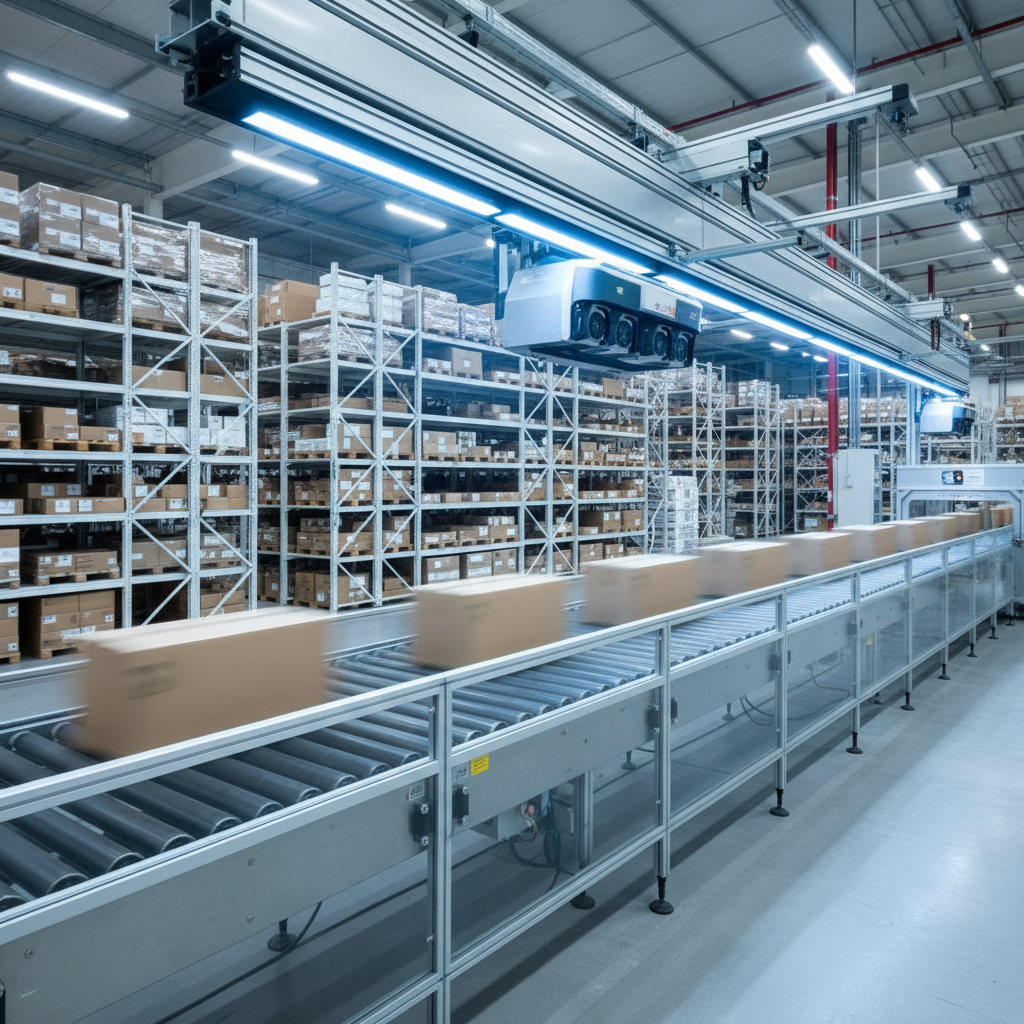
Geautomatiseerde Kwaliteitscontrole op Transportbanden: Integratie van Vision & AI
De integratie van AI-gestuurde machine vision voor geautomatiseerde kwaliteitscontrole op transportsystemen is cruciaal voor de moderne logistiek. Deze technologie detecteert defecten, verifieert labels en garandeert de integriteit van pakketten, wat de doorvoer en nauwkeurigheid in Europese distributiecentra verhoogt.
 Logistics Optimization
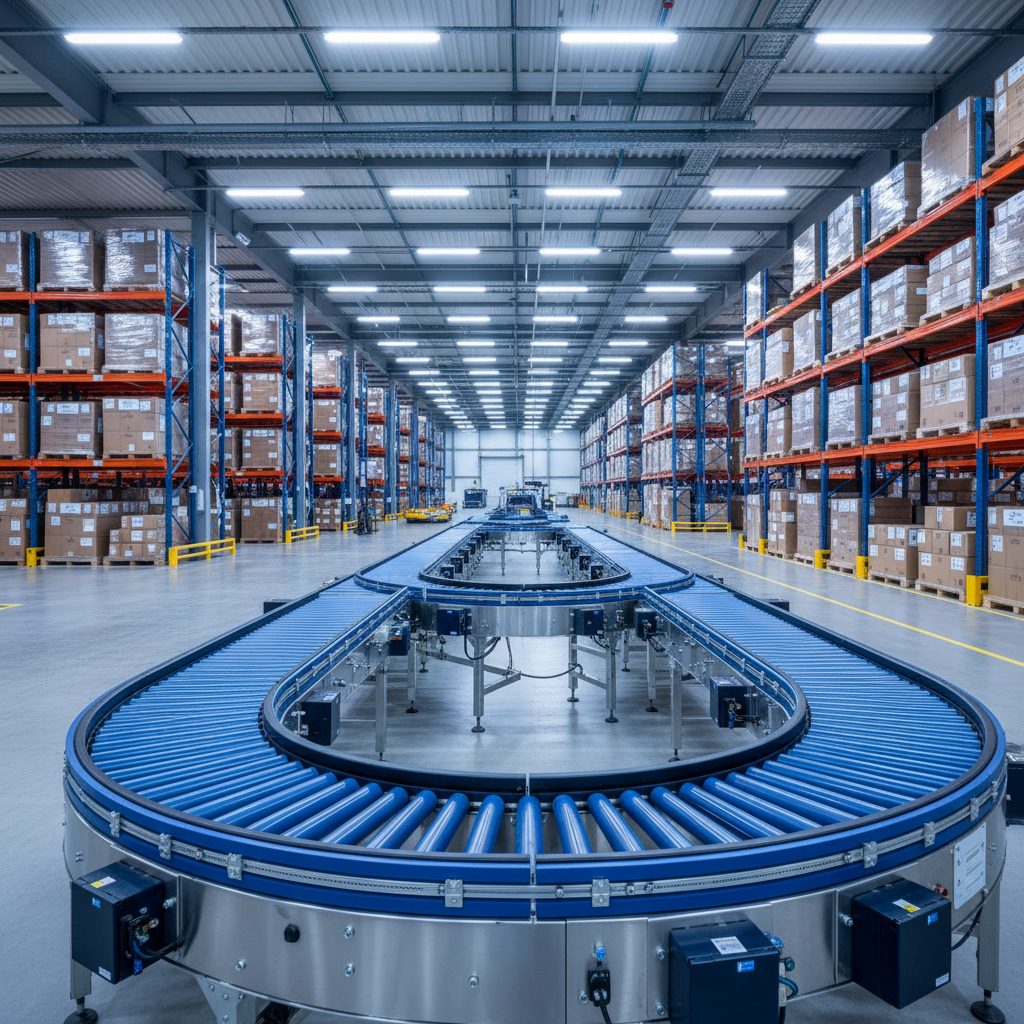
Energie-efficiëntie in transportsystemen: Kostenbesparing in de Benelux
Ontdek hoe logistieke hubs in de Benelux hun operationele kosten aanzienlijk kunnen verlagen door energie-efficiënte transporttechnologieën te implementeren, van Motorized Drive Rollers (MDR) tot intelligente software en voorspellend onderhoud.
 Warehouse Automation
Digital Twins voor transportsystemen: Virtuele simulatie in de Benelux
Een Digital Twin voor uw transportsysteem is een virtuele replica die simulatie en analyse mogelijk maakt, wat leidt tot een geoptimaliseerde doorvoer en lagere operationele kosten. Deze gids verkent de voordelen en het implementatieproces voor warehouses in de Benelux.
 Warehouse Automation
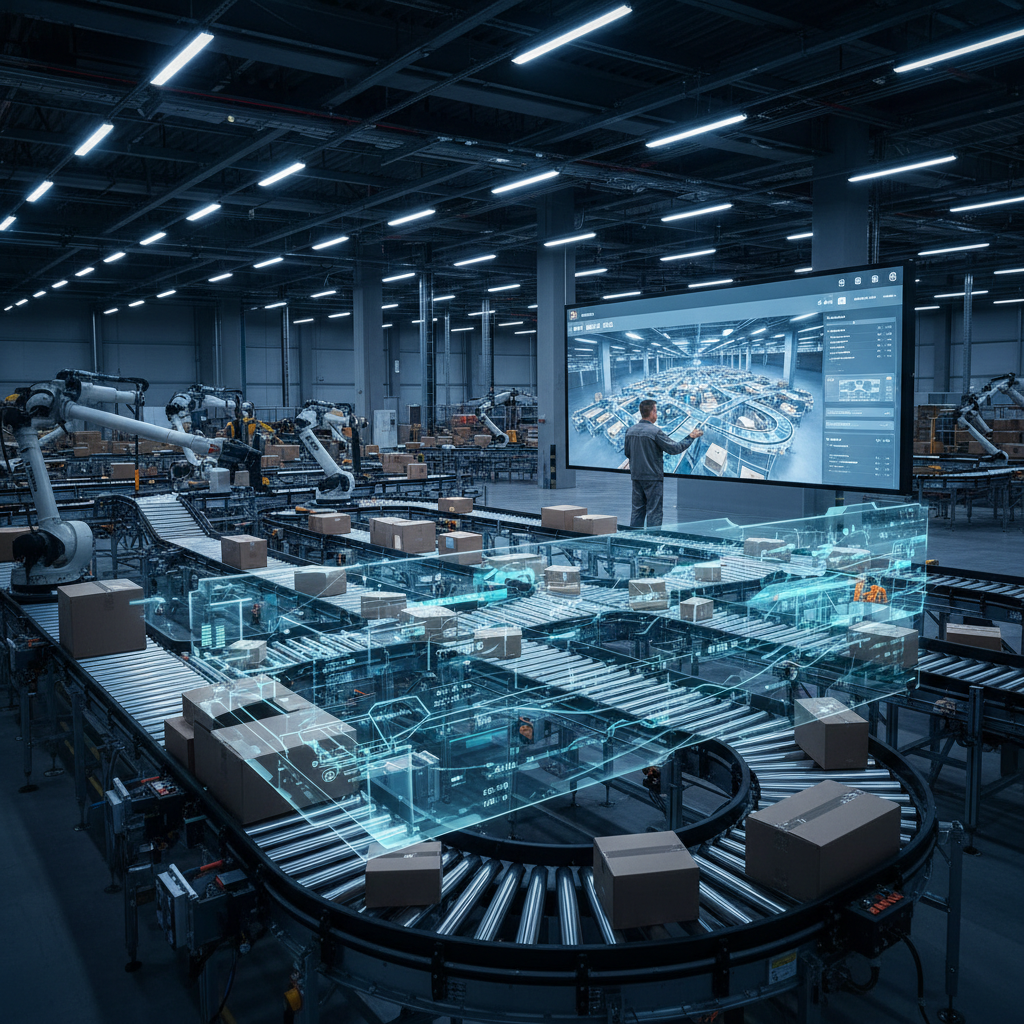
Digital Twins voor transportsystemen: van ontwerp tot optimalisatie
Ontgrendel de kracht van Digital Twins voor uw Benelux-magazijn. Deze gids beschrijft hoe virtuele replica's van transportsystemen de inbedrijfstellingstijden tot 30% kunnen verkorten, de operationele kosten met 15-25% kunnen verlagen en de systeemdoorvoer met 20% kunnen verhogen door voorspellend onderhoud en real-time optimalisatie.
 Warehouse Automation
Low-Code/No-Code voor Complexe Transportsystemen in de Benelux
Low-code/no-code platformen transformeren het beheer van transportsystemen in de Benelux en maken snelle implementatie en flexibele besturing mogelijk zonder diepgaande PLC-programmatiekennis. Deze aanpak vermindert de implementatietijd en -kosten aanzienlijk en biedt een grotere operationele flexibiliteit.
 Logistics Optimization
Energie-efficiëntie in transportsystemen voor Benelux-magazijnen
Ontdek praktische strategieën om het energieverbruik van uw transportsystemen aanzienlijk te verminderen. Deze gids richt zich op magazijnen in de Benelux en behandelt hoogrenderende motoren, slimme besturingen en preventief onderhoud om operationele kosten te drukken.
 Logistics Optimization
Energie-efficiëntie van transportsystemen: een gids voor kostenbesparing in de Benelux
Ontdek hoe magazijnen in de Benelux hun energiekosten tot 60% kunnen verlagen door slim ontwerp van transportsystemen. Deze gids behandelt praktische methoden, van gemotoriseerde aandrijfrollen (MDR) tot intelligente software, om de energie-efficiëntie te optimaliseren en uw winstgevendheid te verhogen.
 Logistics Optimization
Energie-efficiëntie van transportsystemen: een gids voor de Benelux
Verhoog de duurzaamheid van uw magazijn en verlaag de kosten. Deze gids beschrijft praktische stappen om transportsystemen in de Benelux energie-efficiënter te maken, van het gebruik van MDR-technologie tot het optimaliseren van het systeemontwerp voor topprestaties.
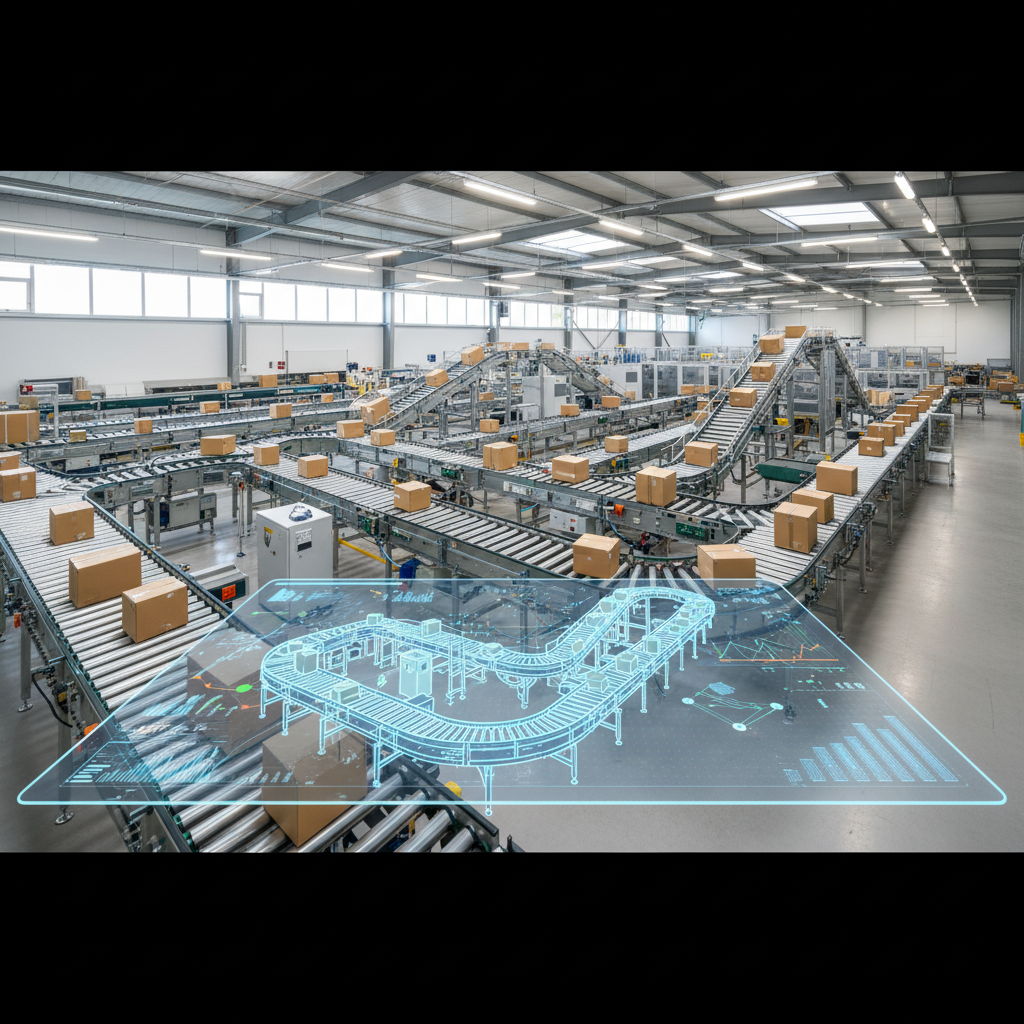 Warehouse Automation
Digital Twins voor Transportsystemen: Real-time Inzichten en Optimalisatie in de Benelux Logistiek
Een Digital Twin voor een transportsysteem is een dynamisch virtueel model dat zijn fysieke tegenhanger spiegelt, waardoor real-time monitoring, voorspellend onderhoud en op simulatie gebaseerde optimalisatie mogelijk worden. Deze technologie revolutioneert de Benelux-logistiek door de doorvoer te verhogen en downtime te verminderen.
 Logistics Optimization
Energie-efficiëntie in Transportbandsystemen: Verlaagde Operationele Kosten in de Benelux
Ontdek hoe u de operationele kosten van uw magazijn in de Benelux kunt verlagen door de energie-efficiëntie van uw transportbandsystemen te optimaliseren. Dit artikel behandelt concrete strategieën, van Motorized Drive Rollers (MDR) tot intelligent zonebeheer.
 Logistics Optimization
Energiebeheer voor Transportsystemen: Gids voor de Benelux
Ontdek belangrijke strategieën voor het optimaliseren van het energieverbruik van transportsystemen in de Benelux. Deze gids behandelt motortechnologie, slimme besturingen en duurzame praktijken om operationele kosten en milieu-impact te verminderen.
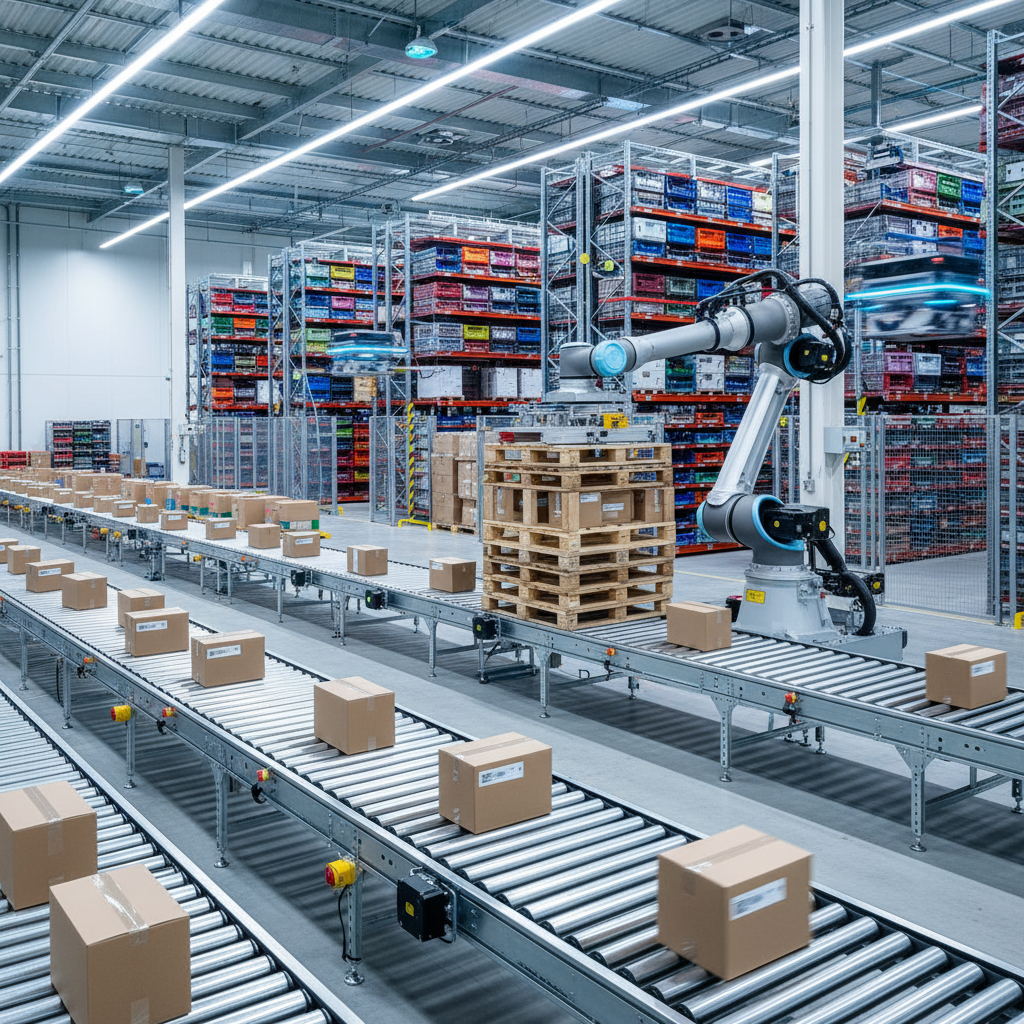 Warehouse Automation
Geautomatiseerd dozenpicken: De rol van gecoördineerde transportsystemen
Intelligent gecoördineerde transportsystemen vormen de ruggengraat van moderne, geautomatiseerde orderverzameloperaties voor dozen, waardoor magazijnen in de Benelux pickingsnelheden van meer dan 500 dozen per uur en een ordernauwkeurigheid van meer dan 99,9% kunnen behalen. Dit artikel onderzoekt de belangrijkste technologieën, voordelen en implementatiestrategieën.
 Warehouse Automation
Low-Code/No-Code in transportbandautomatisering: Een gids voor snelle implementatie
Low-code/no-code platforms zorgen voor een revolutie in magazijnautomatisering door een snellere, flexibelere implementatie van transportsystemen mogelijk te maken. Ze stellen niet-programmeurs in staat om logica te configureren en aan te passen, waardoor traditionele ontwikkelingscycli en kosten drastisch worden verlaagd.
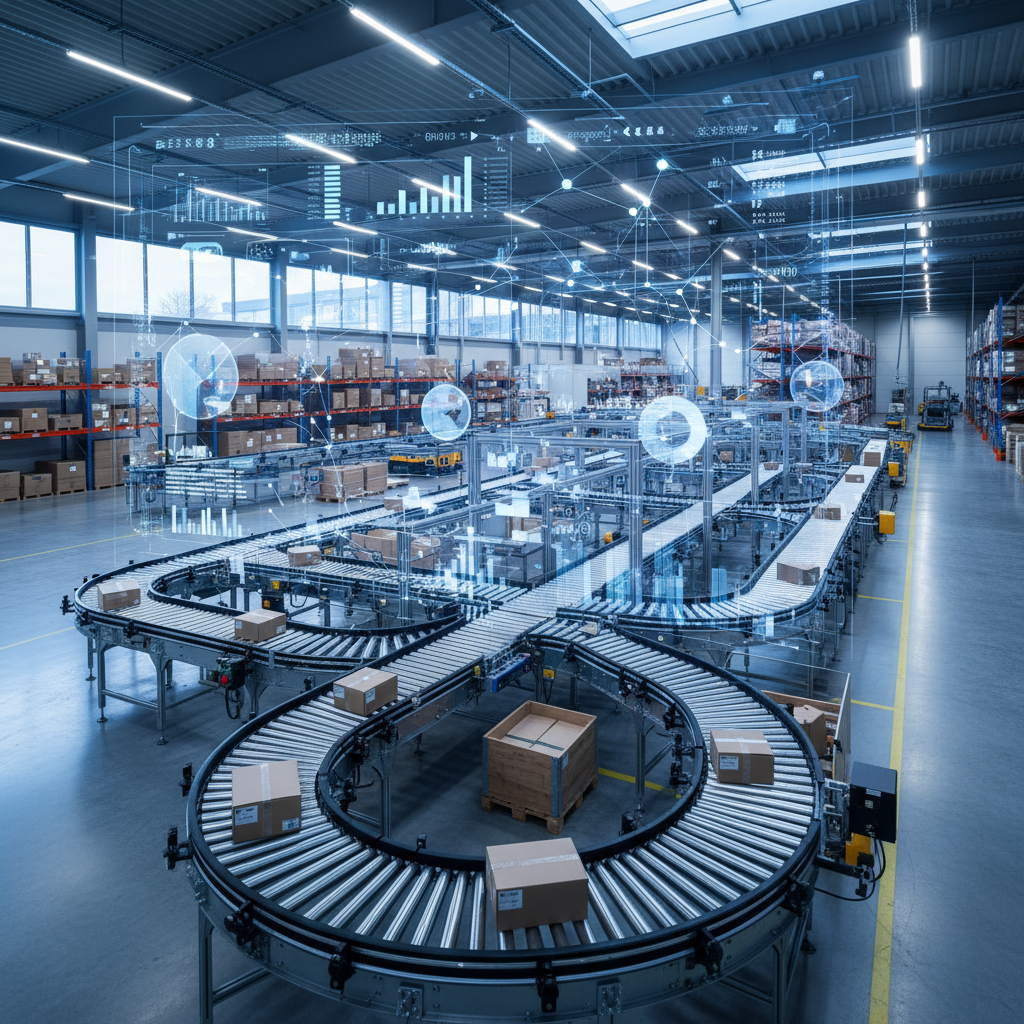
Warehouse AutomationMens-Robot Samenwerking in Transportsystemen voor Magazijnen in de Benelux
De integratie van collaboratieve robots (cobots) met transportsystemen kan de operationele productiviteit met tot 30% verhogen en ergonomische letsels aanzienlijk verminderen. Dit artikel onderzoekt de technologie, voordelen en implementatie van HRC in moderne Benelux-magazijnen.
 Warehouse Automation
Digital Twins voor Transportsystemen: Benelux Gids voor Optimalisatie
Ontdek hoe Digital Twins een revolutie teweegbrengen in transportsystemen in de Benelux. Deze gids onderzoekt real-time optimalisatie, voorspellend onderhoud en scenarioplanning, en helpt magazijnen de doorvoer tot 15% te verhogen en onderhoudskosten met 20% te verlagen.
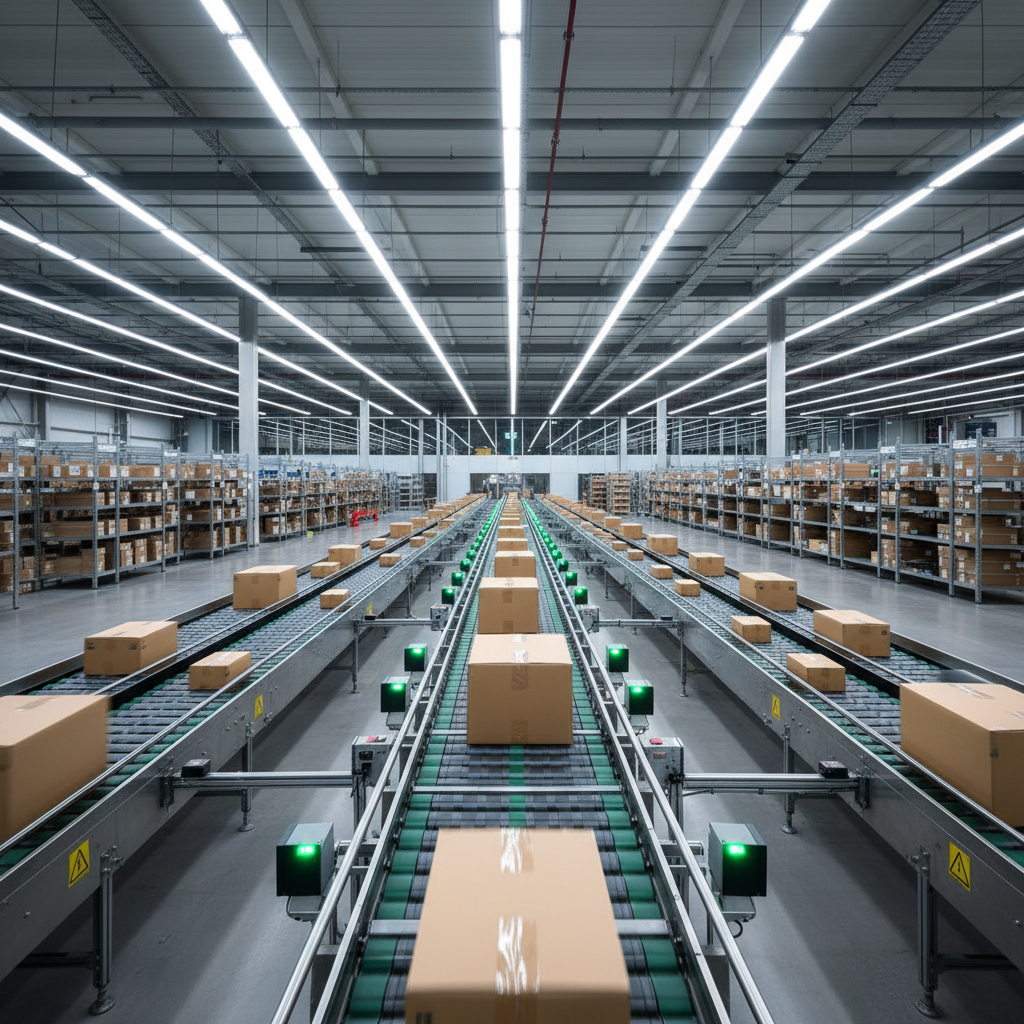
Logistics OptimizationEnergie-efficiëntie van transportsystemen in de Benelux
Het optimaliseren van de energie-efficiëntie van transportsystemen kan de operationele kosten tot 30% verlagen en de CO2-uitstoot aanzienlijk verminderen. Deze gids biedt praktische stappen voor warehousemanagers in de Benelux, met een focus op moderne motortechnologie, slimme besturingen en proactief onderhoud.
 Logistics Optimization
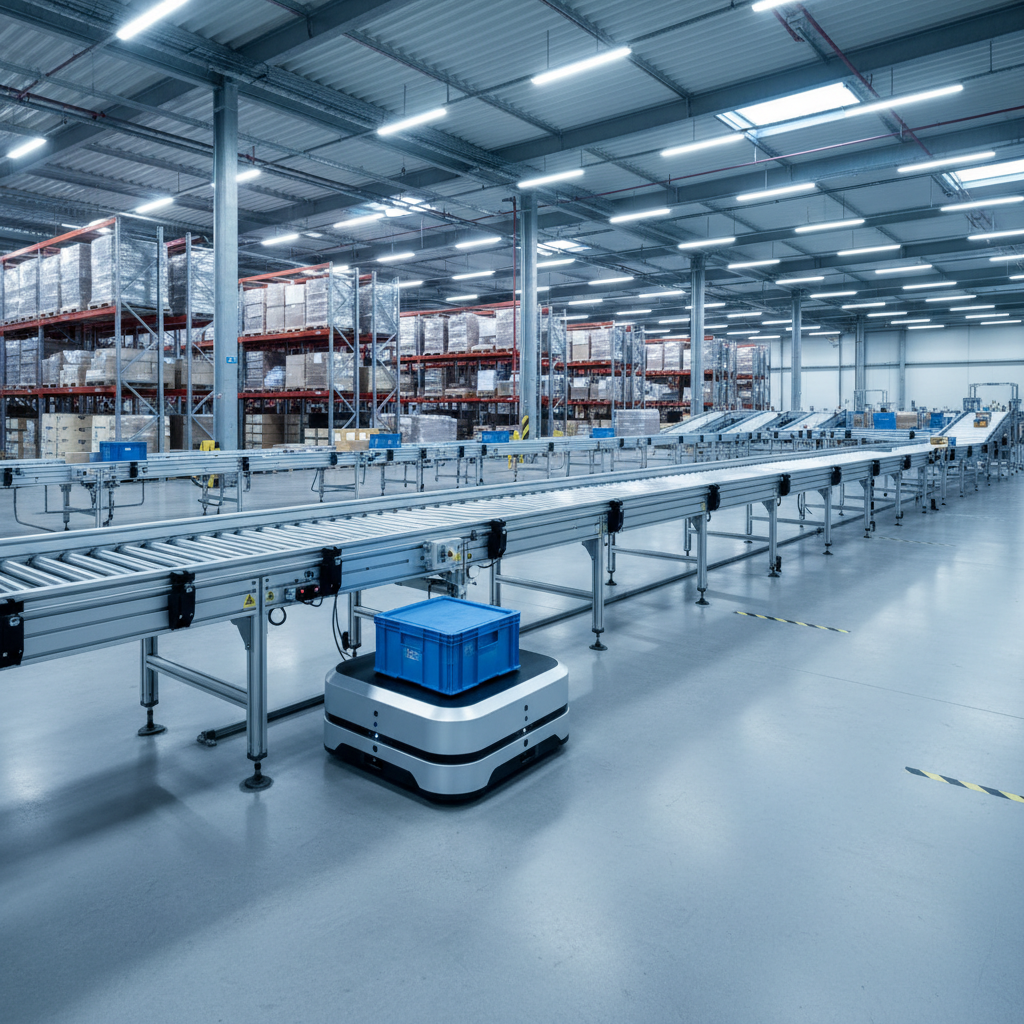
Energie-efficiëntie in Transportsystemen: Stappen voor een Groener Benelux Magazijn
Ontdek praktische stappen om de energie-efficiëntie van uw transportsystemen te verbeteren. Van de implementatie van Motorized Drive Roller (MDR) technologie tot het optimaliseren van systeemcontroles, kunnen Benelux magazijnen energiekosten tot 70% verlagen en tegelijkertijd de duurzaamheid verbeteren.
 Warehouse Automation
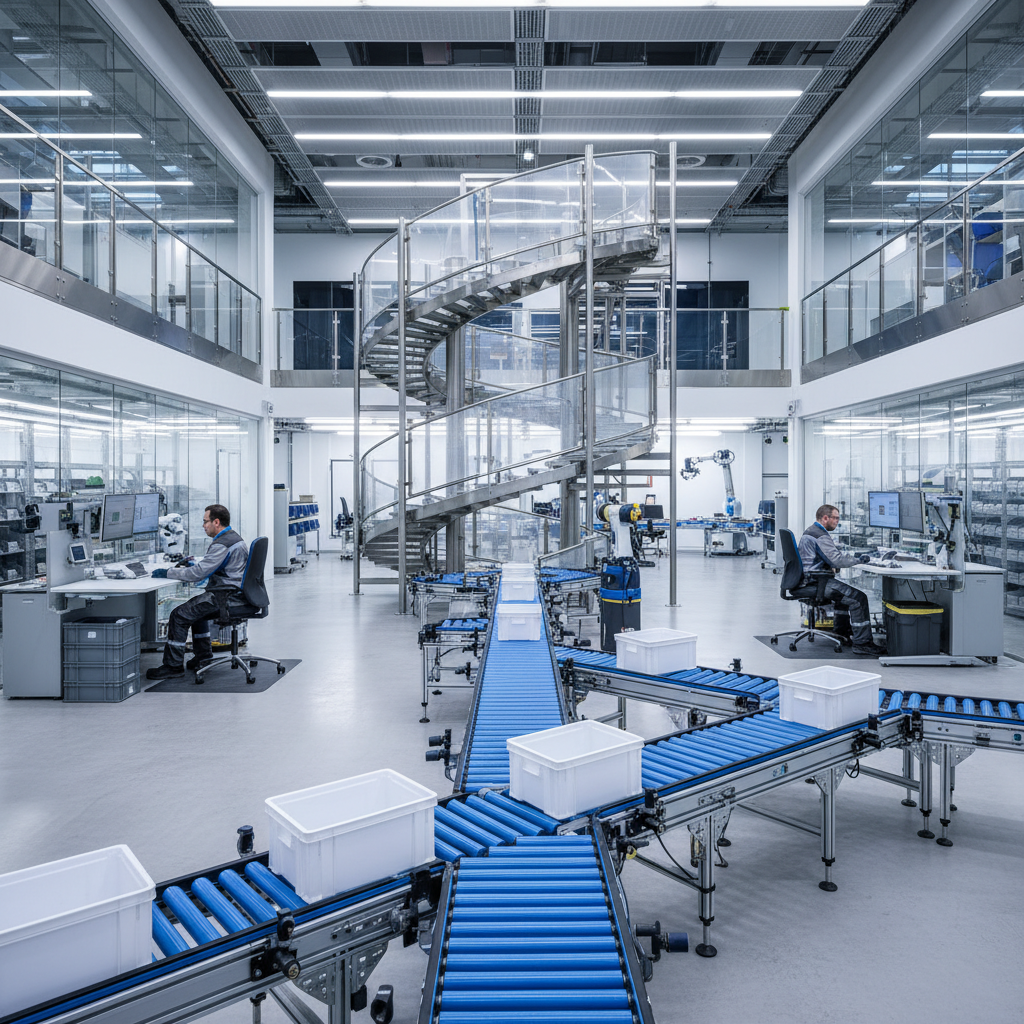
Integratie van AGV's & AMR's met Transportbanden: Een Benelux Gids
Ontdek hoe u AGV's en AMR's naadloos integreert met uw bestaande transportbandinfrastructuur. Deze gids voor Benelux-magazijnbeheerders behandelt praktische stappen, kosten-batenanalyse en belangrijke technologieën voor een succesvolle implementatie.
 Logistics Optimization
Micro-Fulfillment Centers in Benelux: De Rol van Compacte Transportbanden
Micro-Fulfillment Centers (MFC's) transformeren stedelijke logistiek in de Benelux. Dit artikel onderzoekt de vitale rol van compacte, modulaire transportsystemen om deze magazijnen met kleine voetafdruk een hoge doorvoer en snelle, lokale levering te laten realiseren.
 Logistics Optimization
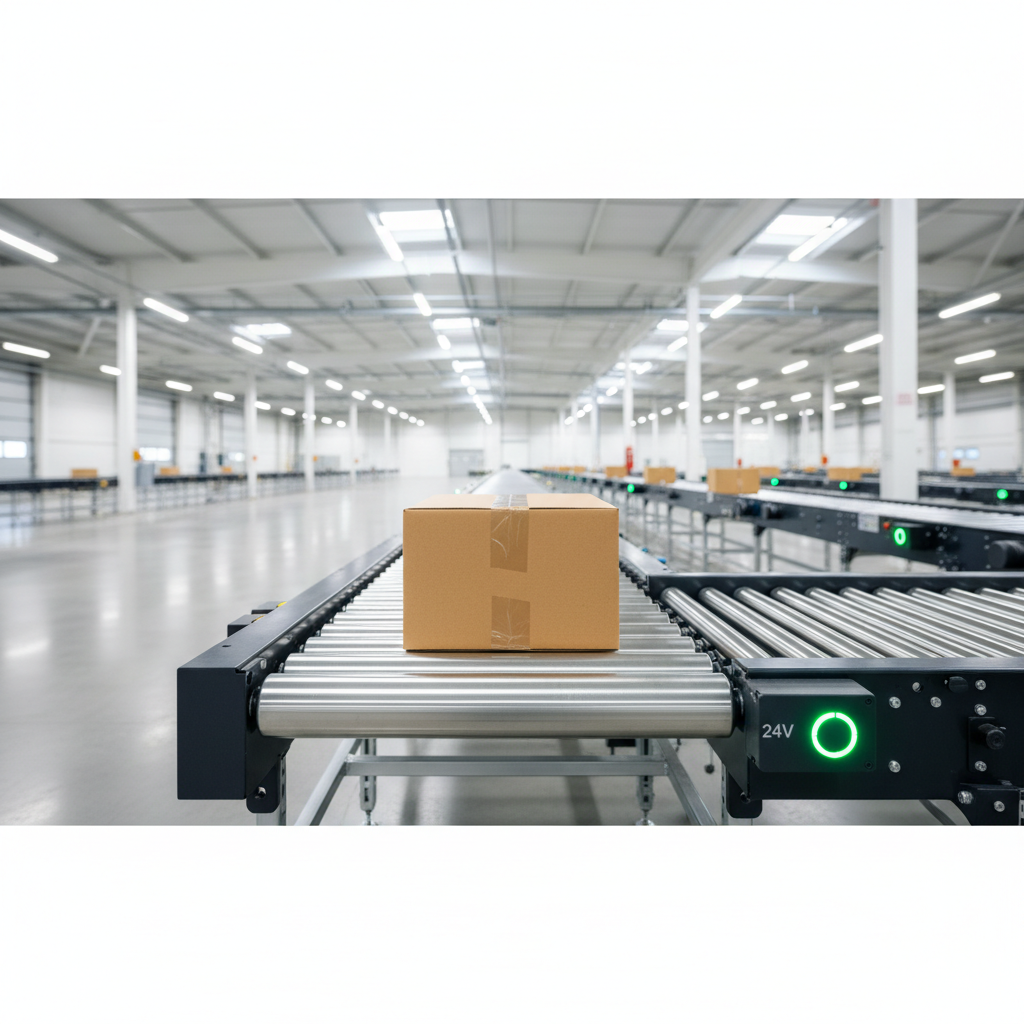
De Rol van Energie-efficiëntie in Moderne Transportsystemen
Energie-efficiëntie in transportsystemen is cruciaal voor magazijnen in de Benelux die kosten willen verlagen en duurzaamheidsdoelstellingen willen halen. Door technologieën zoals Motorized Drive Rollers (MDR) en slimme PLC-besturingen toe te passen, kunnen faciliteiten het energieverbruik tot 60% verminderen, wat leidt tot lagere operationele kosten en een beter groen imago.
 Warehouse Automation
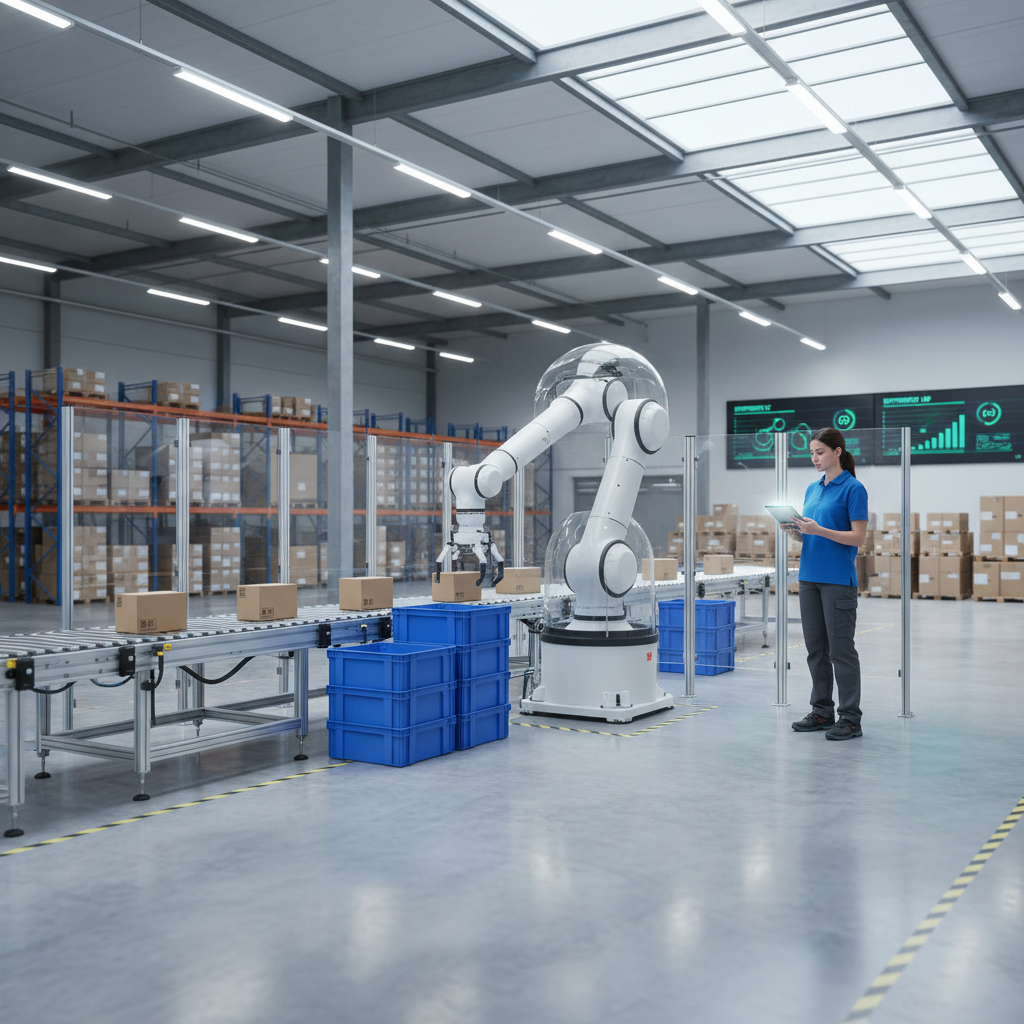
Mens-Robot Samenwerking op de Transportband: Een Benelux Gids
Ontdek hoe collaboratieve robots (cobots) veilig en efficiënt geïntegreerd worden in transportlijnen in Benelux magazijnen. Deze gids behandelt veiligheidsnormen, implementatie en ROI voor effectieve mens-robotteams.
 Warehouse Automation
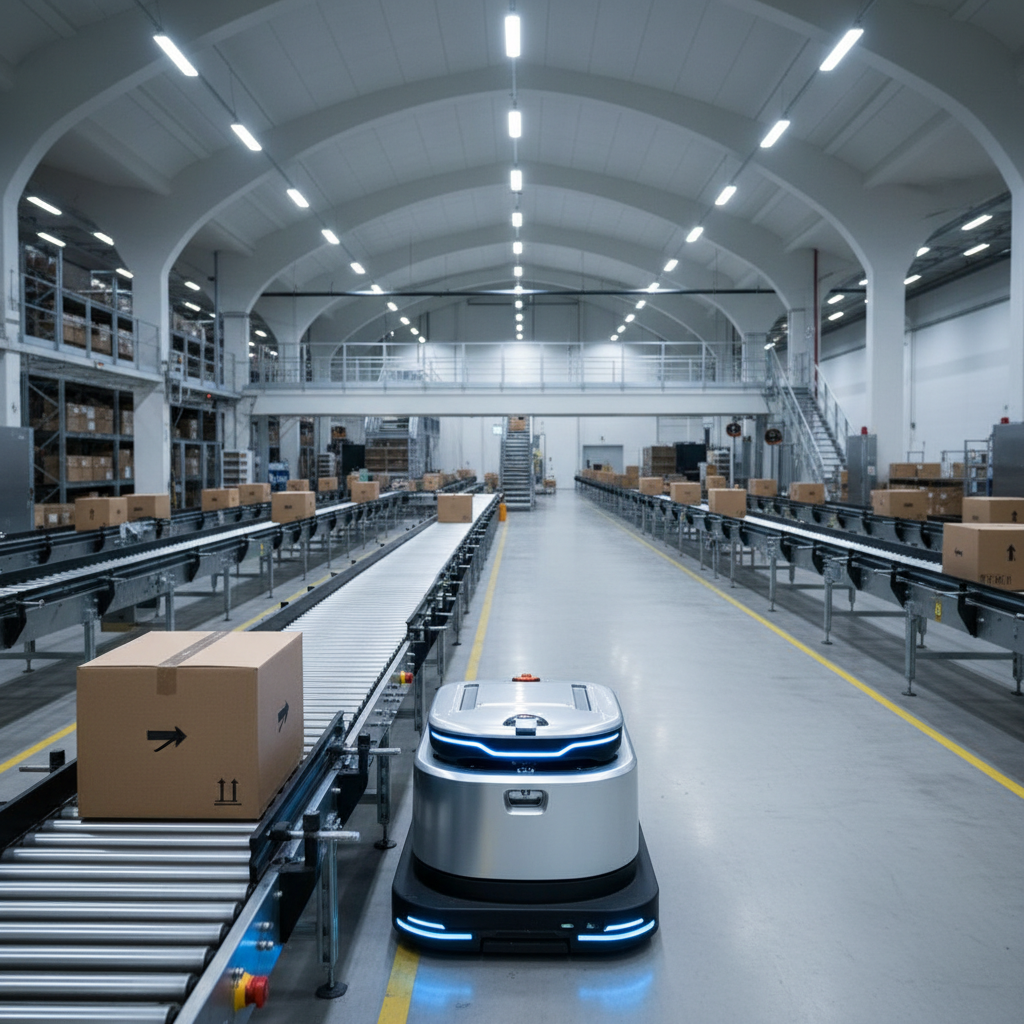
Hybride Transportbandsystemen: AGV's & Banden in Benelux Magazijnen
Het combineren van vaste transportbanden met flexibele geautomatiseerde geleide voertuigen (AGV's) creëert een krachtig hybride materiaalbehandelingssysteem. Deze synergie is ideaal voor complexe Benelux magazijnen, waardoor de doorvoer, schaalbaarheid en efficiëntie in dynamische logistieke omgevingen worden verbeterd.
 Logistics Optimization
Energiezuinige Transportbanden: Een Gids voor Benelux Magazijnen
Ontdek praktische stappen om de energie-efficiëntie van uw transportsystemen te verbeteren. Deze gids voor Benelux-magazijnbeheerders behandelt motortechnologie, systeemontwerp en onderhoud voor duurzame en kosteneffectieve operaties.
 Warehouse Automation
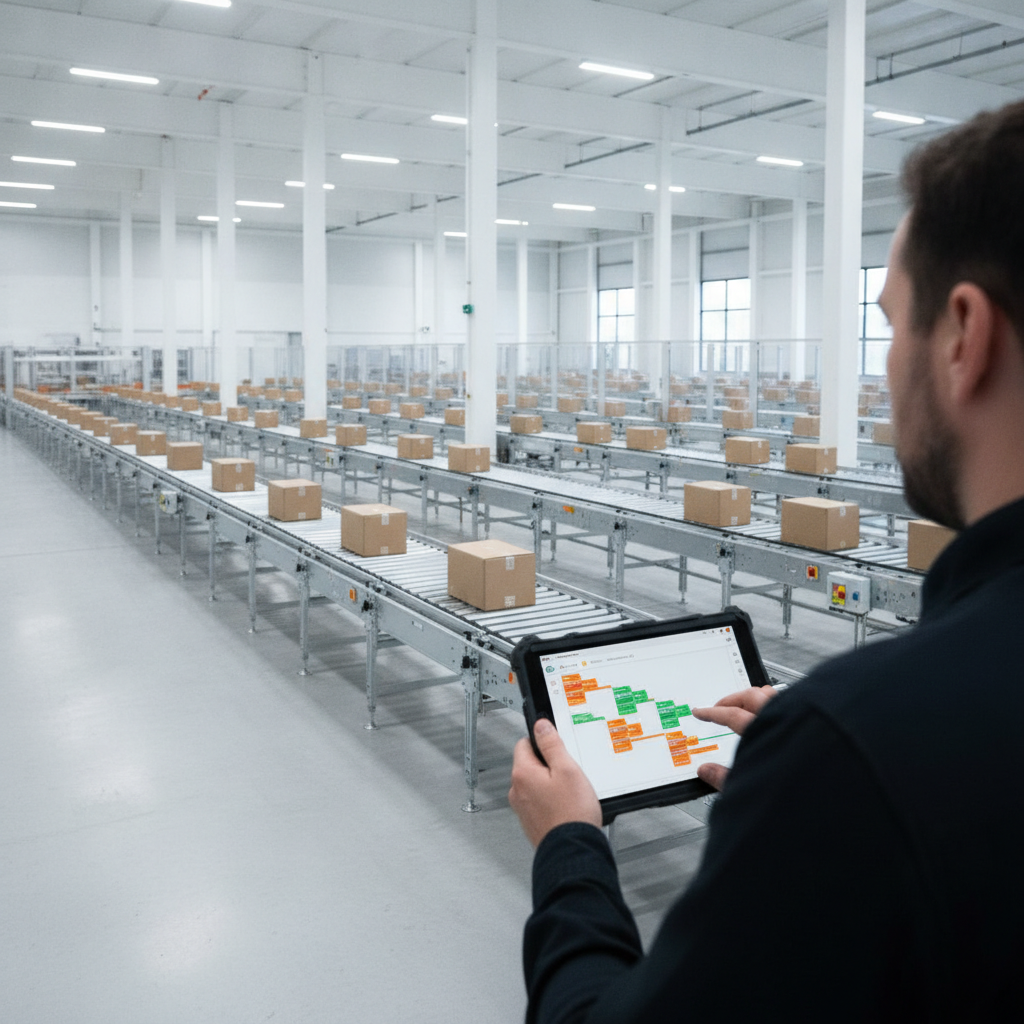
Low-Code/No-Code voor Snelle Implementatie van Transportbanden in de Benelux
Low-code/no-code platforms revolutioneren de implementatie van transportsystemen in de Benelux. Ze stellen niet-technisch personeel in staat logistieke workflows te configureren en aan te passen, waardoor de implementatietijd en de afhankelijkheid van gespecialiseerde PLC-programmeurs drastisch worden verminderd.
Planning a new conveyor or automation project?
Easy Systems designs and installs internal transport, conveyor and warehouse automation systems across the Benelux. Tell them about your flow — they'll come back with a system that scales.