Circularity in Conveyor Systems: Sustainable Practices in the Benelux
This article explores how applying circular economy principles to conveyor systems in the Benelux reduces environmental impact and operational costs. Discover sustainable design, predictive maintenance, and modularity.
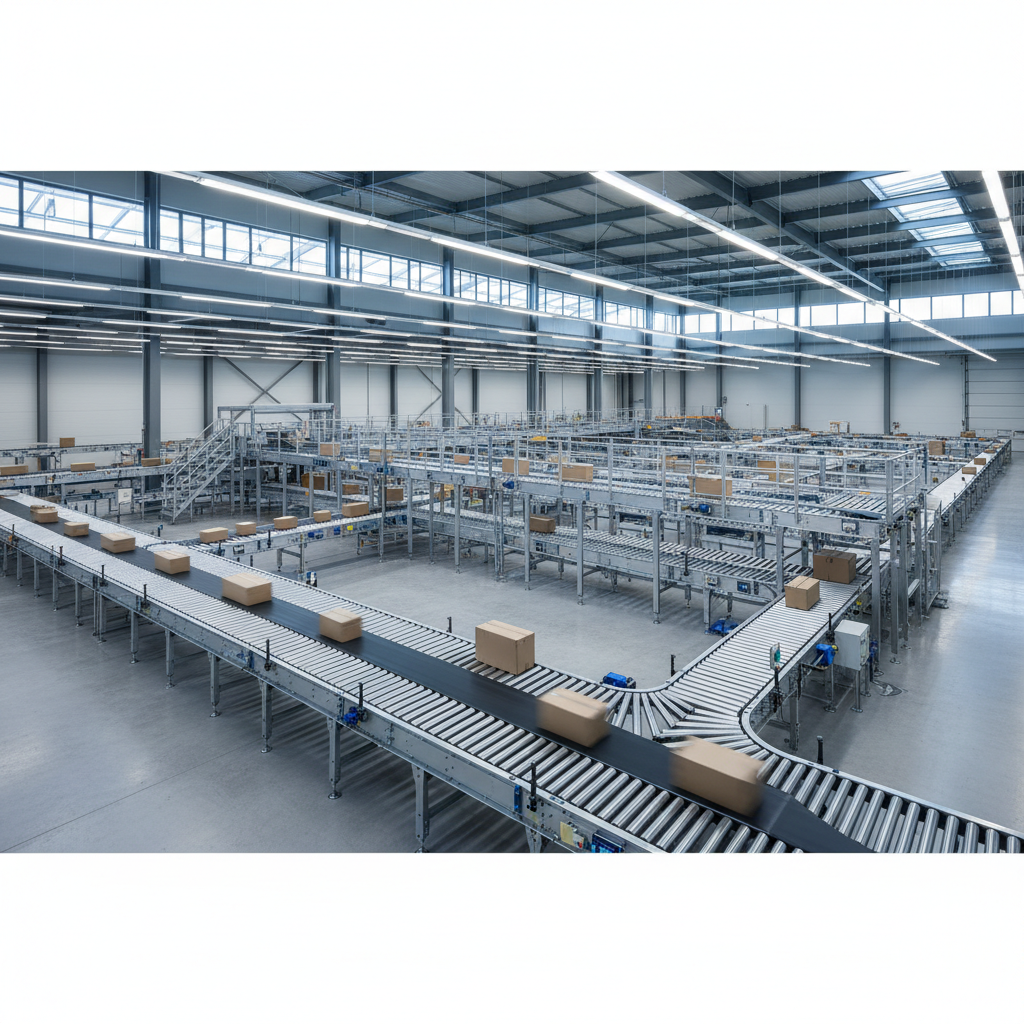
Key numbers
| Metric | Typical range (EU 2026) | Notes |
|---|---|---|
| Initial CapEx Increase | +5% to +15% | For modular, high-efficiency systems vs. conventional linear designs. |
| Energy Savings (MDR) | 45% - 65% | Achieved via Motorized Drive Rollers and zero-pressure accumulation logic. |
| System Lifetime Extension | 5 - 10 years | Resulting from predictive maintenance and ease of component replacement. |
| TCO Reduction (10-year) | 15% - 25% | Total Cost of Ownership savings driven by lower OpEx and higher residual value. |
| Component Reuse/Recycling | >90% | By weight, for systems designed with high-grade steel/aluminum for disassembly. |
| Residual Value (10-year) | 10% - 20% | Of initial CapEx, turning end-of-life disposal into an asset. |
As logistics operations in the Benelux face mounting pressure to become more sustainable, the focus is shifting towards the backbone of the warehouse: the conveyor system. Moving beyond the linear 'take-make-dispose' model, a circular approach offers a pathway to reduce environmental impact, cut operational costs, and build more resilient supply chains. This article explores the practical application of circular economy principles in modern conveyor system design, maintenance, and end-of-life management within the unique context of the Netherlands, Belgium, and Luxembourg.
Definition
Circularity in conveyor systems is an economic and engineering model focused on eliminating waste and maximizing resource value throughout the system's lifecycle. It involves designing for durability, modularity, and reparability; implementing strategies for lifetime extension; and ensuring components can be reused, refurbished, or recycled at their end-of-life.
The Business Case for Circularity in Benelux Logistics
The push for circularity in the Benelux is not purely idealistic; it is driven by compelling economic and regulatory factors. With some of the highest landfill costs in Europe (often exceeding €150 per tonne) and stringent EU directives like the Circular Economy Action Plan, businesses are financially incentivized to minimize waste. A circular conveyor system directly addresses this by designing out waste from the very beginning.
Moreover, a circular approach significantly reduces the Total Cost of Ownership (TCO). While the initial CapEx for a modular, high-efficiency system might be 5-10% higher than a conventional one, the OpEx savings are substantial. Energy-efficient components can reduce electricity consumption by up to 60%, and predictive maintenance minimizes costly downtime. The residual value of high-quality steel frames and reusable components at the end-of-life further strengthens the business case.
Core Principles of a Circular Conveyor System
A truly circular conveyor system is built on three foundational principles that cover its entire lifecycle, from the drawing board to eventual decommissioning.
Principle 1: Sustainable Design (Eco-Design)
Circularity begins with design. The goal is to create systems that are not only efficient but also easy to maintain, upgrade, and disassemble. Key elements include:
- Modularity: Designing in standardized, interchangeable modules. A damaged section of a roller conveyor can be swapped out in under an hour, rather than requiring a complete system overhaul. This allows for easy reconfiguration and scaling as operational needs change.
- Material Selection: Prioritizing high-quality, durable, and recyclable materials like steel or aluminum for frames. For belts, options now include materials with recycled content or those that are fully recyclable, avoiding problematic plastics that end up in landfills.
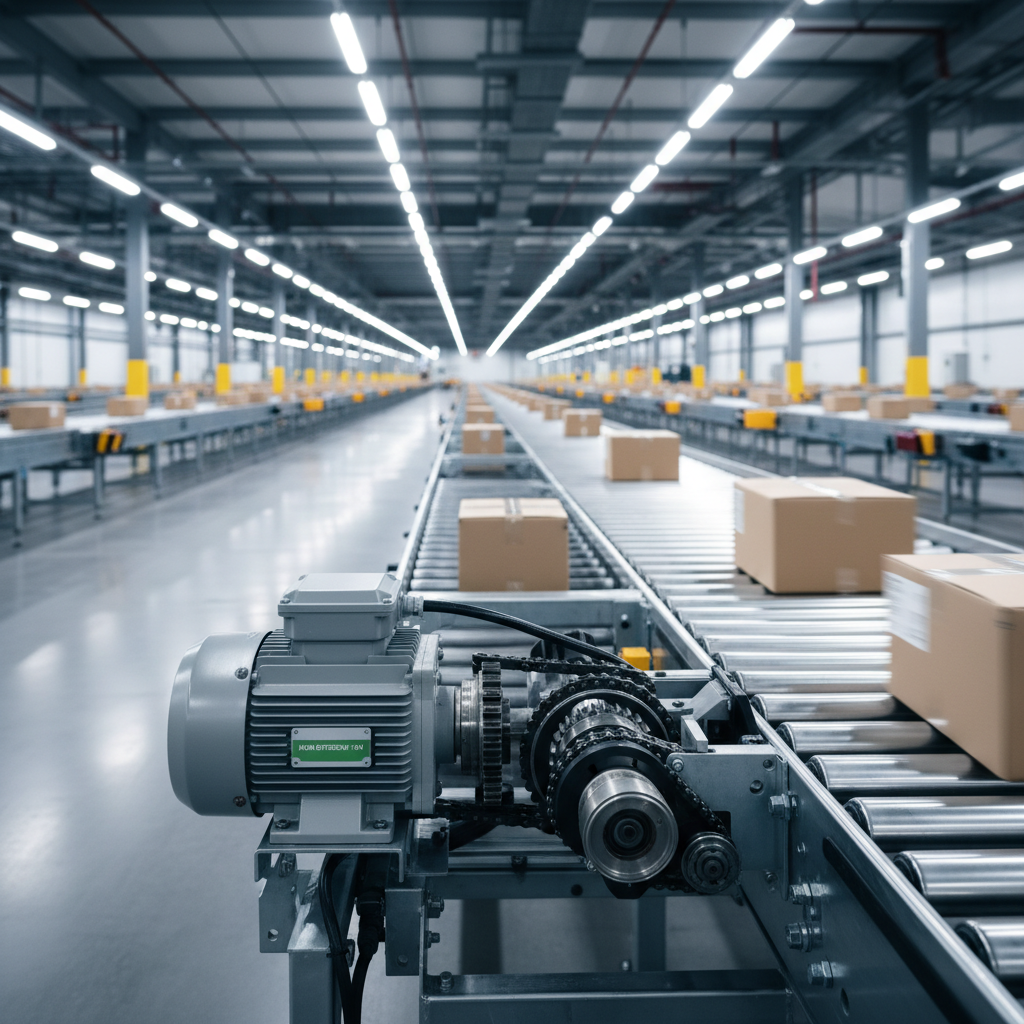
- Energy Efficiency: Incorporating technologies like MDR (Motorized Drive Roller) and zero-pressure accumulation logic. These systems only consume power when a package is present, reducing energy use by 40-60% compared to traditional conveyors that run continuously.
Principle 2: Lifetime Extension through Maintenance & Repair
The most sustainable conveyor is the one you don’t have to replace. Extending the operational life of a system is central to the circular model. This is achieved through a proactive maintenance strategy that emphasizes repair over replacement. Instead of discarding a gearbox with a single worn-out bearing, a circular approach dictates replacing the €50 bearing to save the €2,000 gearbox. The integration of IoT sensors for vibration and temperature monitoring enables predictive maintenance, alerting technicians to potential failures before they cause catastrophic damage and costly downtime.
Principle 3: Refurbishment, Remanufacturing, and Recycling
When a system or component truly reaches its end-of-life, the circular model provides several avenues to retain its value.
- Refurbishment: Cleaning, repairing, and replacing worn parts to return a module to full operational condition.
- Remanufacturing: Disassembling a component, rebuilding it to original factory specifications, and testing it to ensure it meets quality standards. A remanufactured motor or sorting module can offer "as-new" performance for 60-70% of the cost.
- Recycling: As a last resort, components are disassembled into their base materials. A steel frame, for example, is 100% recyclable and can be melted down to produce new steel with a significantly lower carbon footprint than producing virgin steel.
Comparing Linear vs. Circular Conveyor Lifecycles
The difference between a traditional, linear approach and a circular one becomes clear when comparing their respective lifecycles. The circular model focuses on value retention at every stage, transforming the concept of "end-of-life" into "end-of-use."
| Lifecycle Stage | Linear Model ("Take-Make-Dispose") | Circular Model ("Reduce-Reuse-Recycle") |
|---|---|---|
| Design & Material Sourcing | Focus on lowest initial cost; mixed/composite materials. | Focus on TCO; standardization, modularity, recyclability. |
| Manufacturing | Energy-intensive; high percentage of virgin materials. | Optimized energy use; incorporates recycled materials; designed for disassembly. |
| Use Phase (5-10 years) | Reactive maintenance; higher energy consumption (avg. 3-5 kWh/m). | Predictive maintenance; lower energy consumption (avg. 1-2 kWh/m). |
| End-of-Use | Scrap and landfill; low residual value (~5-10% for scrap metal). | Refurbish, remanufacture, or recycle; high residual value (up to 40%). |
Implementing Circularity: A Practical Approach for Benelux Warehouses
For warehouse and logistics managers in the Benelux, adopting a circular model is a step-by-step process. It starts with an audit of existing systems to identify opportunities for improvement. This could involve retrofitting existing lines with high-efficiency motors or replacing a problematic section with a modular equivalent. When planning new installations, it is crucial to make circular principles a core part of the procurement specifications. For an in-depth look at designing robust systems, our Roller Conveyor Guide provides essential insights.
Integrating your operational software is also key. A modern Warehouse Management System (WMS) or Warehouse Execution System (WES) can be programmed to optimize conveyor usage, powering down unused sections during off-peak hours and routing items in the most energy-efficient manner. As detailed in a recent analysis, many companies find that their processes do not scale efficiently with their growth. Adopting a circular, modular hardware approach, supported by intelligent software, is critical for sustainable scaling. You can read more about how to ensure your processes grow with your business on our partner site.
The Regulatory Landscape in the EU and Benelux
The European Union is a global leader in promoting the circular economy. Initiatives like the Ecodesign for Sustainable Products Regulation (ESPR) aim to make products more durable, reliable, reusable, and energy-efficient. This framework will increasingly apply to industrial equipment, including conveyor systems. For businesses in the Benelux, aligning with these regulations now is not just about compliance; it's about future-proofing operations and gaining a competitive advantage in a market that increasingly values sustainability.
Easy Systems: Your Partner for Circular Conveyor Solutions
At Easy Systems, circularity is not an afterthought; it is embedded in our engineering philosophy. We design modular, robust conveyor systems built to last, using high-grade, recyclable European steel. Our solutions are engineered for low energy consumption and simple maintenance, ensuring a low Total Cost of Ownership. By focusing on standardization and reparability, we provide our Benelux clients with scalable systems that grow with their business and contribute to a sustainable future. We don't just sell conveyors; we deliver resilient, circular logistics solutions designed for the demands of tomorrow.
Frequently asked questions
What is circularity in the context of conveyor systems?+
It is an economic model that moves beyond 'take-make-dispose'. It focuses on designing systems for longevity and repair, aiming to keep components in use for their maximum lifespan, which can be over 20 years for steel frames. It maximizes the value of every part, ensuring over 90% of materials by weight can be reused or recycled.
How does a modular design contribute to sustainability?+
A modular design allows for easy replacement and upgrading of specific sections, like swapping a damaged roller module in under 30 minutes, without replacing the entire line. This adaptability reduces waste and extends the system's usable life by allowing it to evolve with changing operational needs over a 15-20 year span.
Is a circular conveyor system more expensive?+
Initially, the CapEx for a circular system may be 5-15% higher due to better materials and modular design. However, the Total Cost of Ownership (TCO) is much lower. Operational savings from reduced energy (up to 65%) and higher residual value typically lead to a 15-25% TCO reduction over a 10-year period.
What are the main energy-saving technologies in circular conveyors?+
The primary technologies are Motorized Drive Rollers (MDR) and zero-pressure accumulation (ZPA) logic. Unlike conveyors that run continuously, MDR systems use up to 65% less energy by activating only when an item is present. For a 100-meter line, this can save over 8,000 kWh annually, reducing both costs and carbon footprint.
How does predictive maintenance support circularity?+
Predictive maintenance uses sensors to monitor component health, predicting failures before they happen. This allows for targeted repairs instead of premature replacement, extending a component's life by 20-30%. By avoiding catastrophic failures and minimizing downtime, it reduces the waste associated with replacing large, damaged sections of the conveyor system.
What is the end-of-life value of a circular conveyor?+
A traditional conveyor has little residual value. In contrast, a circular system is designed for disassembly, and its high-quality components can be resold. This means the system can retain 10-20% of its initial purchase price as residual value after 10-15 years, turning a disposal cost into a tangible asset.

The Easy Systems editorial desk reviews and fact-checks every Conveyor-Design article against Benelux project experience. Editors translate engineering decisions — throughput, peak factors, layout, integration — into plain-language guides for operations managers, project leads and decision-makers.
- Warehouse layout & slotting
- Order-profile analysis
- Vendor-neutral comparison
- Benelux logistics market