AI in Conveyor Routing: Optimizing Benelux Workflows
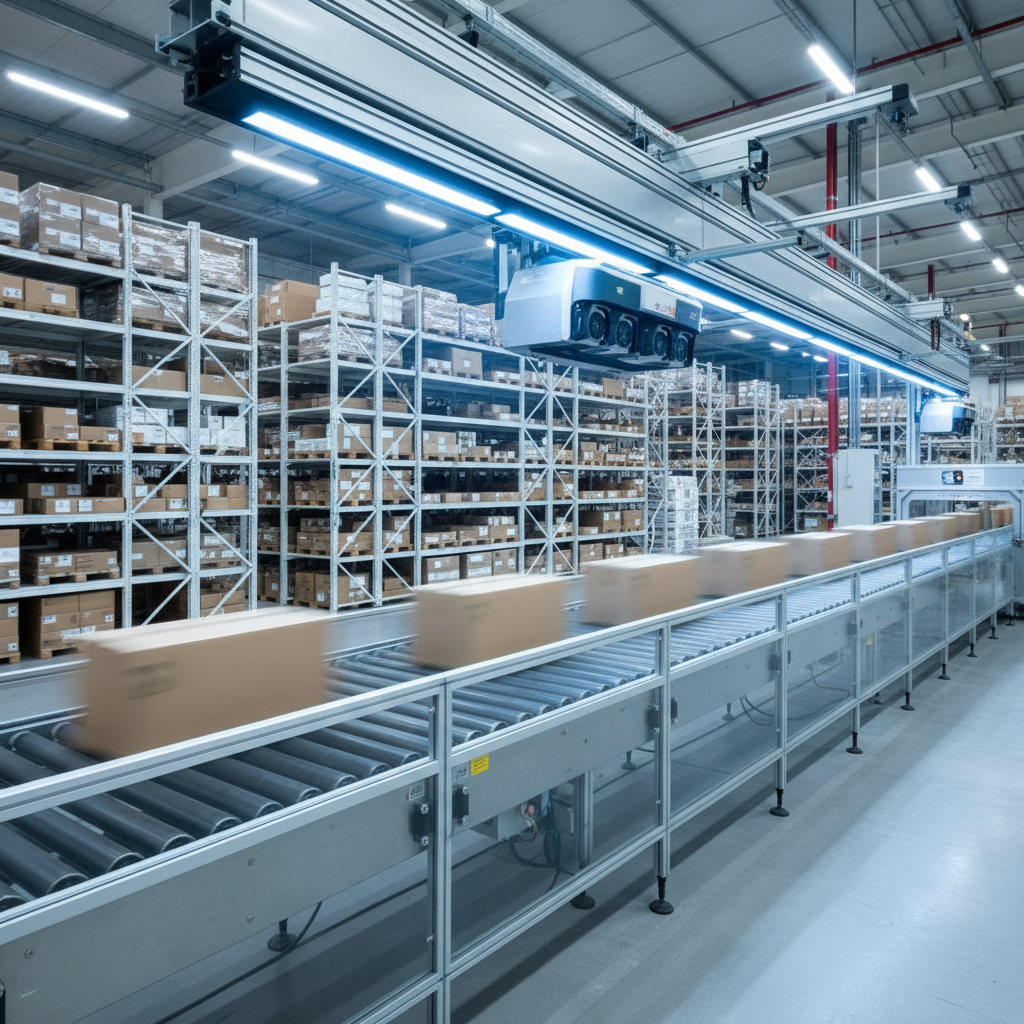
Artificial Intelligence is transforming conveyor systems in Benelux distribution centers by enabling predictive routing, dynamic workflow adjustments, and significant efficiency gains. This boosts throughput and lowers operational costs.
Key numbers
| Metric | Typical range (EU 2026) | Notes |
|---|---|---|
| Throughput Increase | 20-35% | Compared to static, PLC-based routing logic. |
| Energy Consumption Reduction | 10-18% | Achieved by dynamically adjusting conveyor speed to match real-time volume. |
| Sorting Error Rate | <0.1% | Down from 1-2% in legacy systems, reducing costly manual rework. |
| System Downtime Reduction | 40-60% | Via predictive maintenance alerts and proactive bottleneck avoidance. |
| Retrofit Implementation Cost | €50,000 - €250,000 | Per 100m of conveyor line, depending on complexity. |
| Average ROI Period | 18-36 months | Based on operational cost savings and throughput gains. |
In the high-density, fast-paced logistics landscape of the Benelux, every second and every square meter counts. As distribution centers face mounting pressure from e-commerce growth and labor shortages, operators are turning to Artificial Intelligence (AI) to transform their conveyor systems from rigid, predefined tracks into intelligent, adaptive networks that think for themselves.
Definition
AI in conveyor routing refers to the application of machine learning algorithms and advanced analytics to dynamically control the flow, speed, and path of items on a conveyor system. Unlike traditional PLC-based logic which follows fixed rules, AI-driven systems make real-time decisions to optimize for throughput, energy consumption, and handling efficiency based on live operational data.
The State of Conveyor Routing in the Benelux
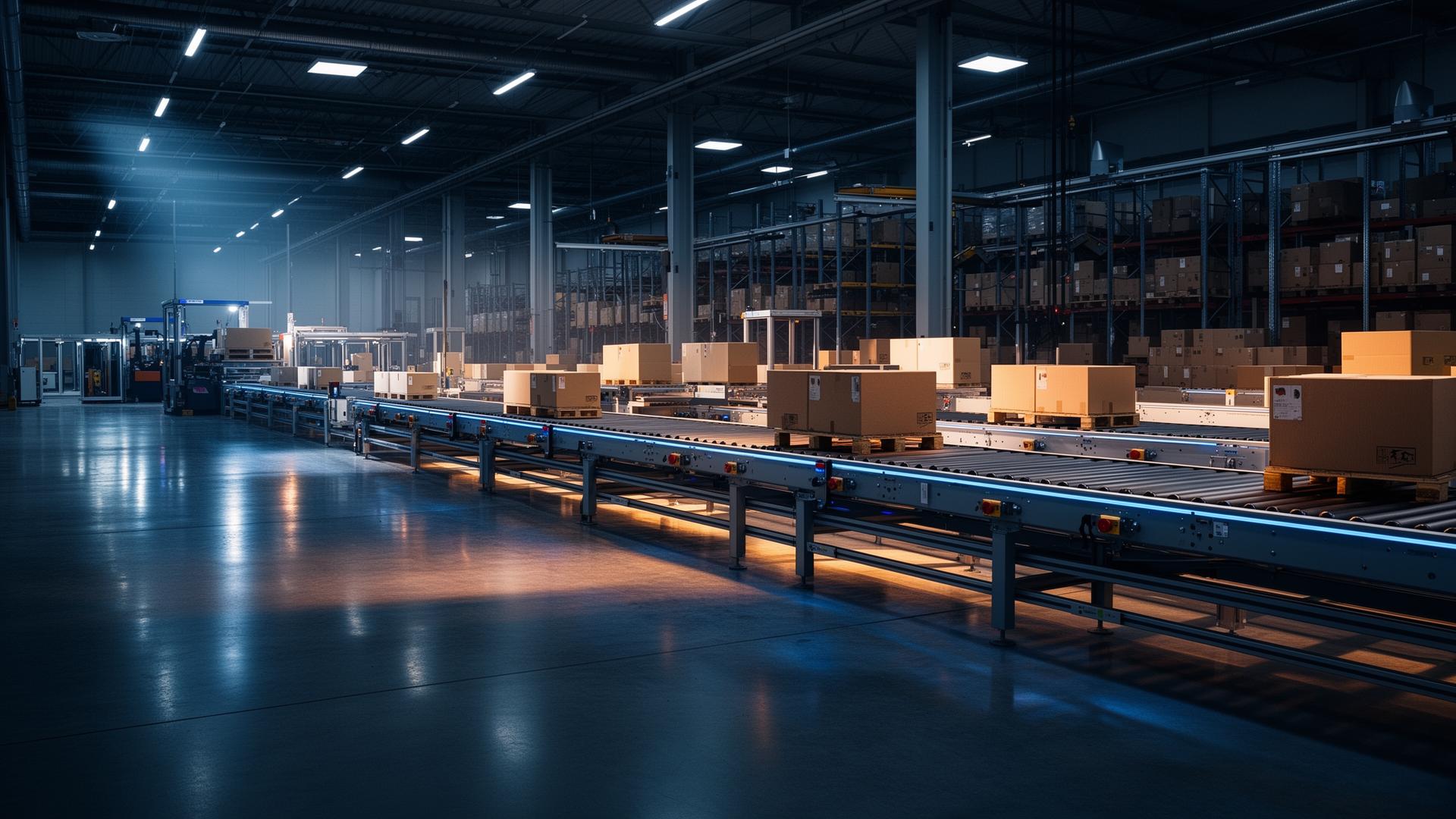
Historically, conveyor systems in Belgian and Dutch warehouses have been workhorses, governed by a Warehouse Control System (WCS) or PLC logic. This traditional approach relies on static routing tables and predefined rules. A parcel destined for a specific shipping lane is assigned a rigid path. If a blockage occurs, the entire line often stops, awaiting manual intervention. This system, while reliable, lacks the flexibility needed for modern demands.
Challenges with traditional routing include:
- Bottlenecks: Surges in volume for a specific destination can overwhelm a sorting chute or packing station, causing system-wide delays.
- Inefficiency: Conveyors run at a constant speed, regardless of volume, wasting energy during quieter periods.
- Rigidness: Changing routing logic, for example during a promotional period, requires significant reprogramming and testing, leading to downtime.
How AI Transforms Conveyor Workflows
AI introduces a layer of intelligence that sits above the basic control system, often as part of a modern Warehouse Execution System. This system doesn’t just follow orders; it anticipates and adapts. By analyzing data from sensors across the conveyor network—volume, item size, destination, and current lane capacity—AI can make dynamic, split-second decisions.
Predictive Bottleneck Avoidance
Instead of reacting to a full lane, an AI can predict that a lane will be full in the next 10 minutes based on incoming volume. It will proactively divert parcels to secondary zones or even utilize accumulation buffers, preventing a system halt. This is a move from reactive Zone Routing to a predictive, fluid model.
Dynamic Load Balancing
Imagine a surge of orders for shipment to Germany at the Port of Antwerp. The AI can instantly prioritize these parcels and re-allocate conveyor capacity, while simultaneously balancing resources for French shipments to ensure no service level agreements (SLAs) are missed. It optimizes the entire flow, not just individual segments.
Core AI Technologies for Optimization
Two key AI technologies are at the forefront of this revolution:
1. Machine Learning (ML)
ML algorithms form the brain of the operation. They learn from historical data to recognize patterns. For instance, an ML model can learn that every Tuesday morning, there is a peak in orders from a specific retailer. It can then automatically prepare the system to handle this surge, ensuring smoother operations. These algorithms are crucial for predictive maintenance, anticipating motor stress or belt wear before a failure occurs, saving thousands of euros in unplanned downtime.
2. Digital Twins
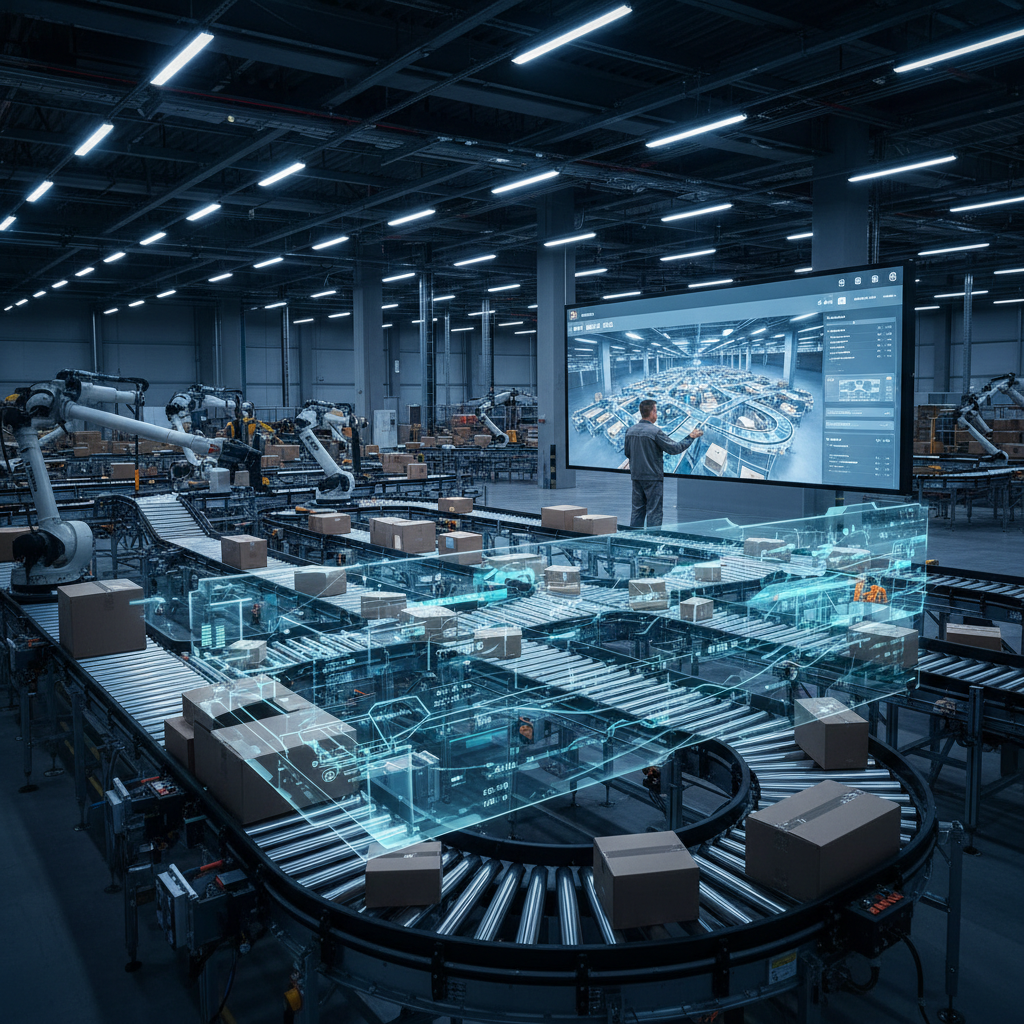
A Digital Twin is a virtual replica of the entire physical conveyor system. This allows the AI to run simulations. What happens if we increase the speed of a specific section by 0.2 m/s? What is the most efficient way to route 5,000 parcels arriving in the next hour? The AI can test hundreds of scenarios in the virtual environment and then apply the optimal strategy to the real-world system without any physical risk or downtime.
Traditional vs. AI-Powered Conveyor Routing
The practical differences are stark, especially when viewed through the lens of a busy distribution center near Schiphol or Liège.
| Metric | Traditional PLC-Based Routing | AI-Powered Routing |
|---|---|---|
| Throughput (items/hour) | Fixed, limited by worst-case bottleneck | Dynamic, increases of 20-35% |
| Rerouting Time | Minutes to hours (manual intervention) | Milliseconds (automated decision) |
| Error Rate (Missorts) | ~1-2% | <0.5% |
| Energy Consumption | Constant speed, high baseline usage | Variable speed, savings of 15-20% |
| Adaptability to Change | Low (requires reprogramming) | High (self-learning and simulation) |
Implementation Challenges
Adopting AI is not a simple plug-and-play process. Benelux companies face several hurdles:
- Data Integration: AI requires clean, real-time data from potentially decades-old equipment. Integrating various sensor types and PLCs into a cohesive data stream is a significant technical challenge.
- High Initial Investment: The cost of sensors, software, and the expertise required to build and train AI models can be substantial, often running into hundreds of thousands of euros.
- Mindset Shift: Operations teams must transition from managing a machine to trusting an algorithm. This requires training and a cultural shift towards data-driven decision-making. As many successful companies have experienced, business growth is not always matched by process evolution, and embracing AI is a critical step in modernizing those processes.
AI, Conveyors, and Broader Automation
An intelligent conveyor system doesn't operate in a vacuum. Its true power is unleashed when integrated with other automated systems. For example, an AI can direct a conveyor to feed parcels to a specific location where an Autonomous Mobile Robot (AMR) is waiting to transport them to a packing station. This seamless integration between different hardware types is orchestrated by a powerful software layer. To learn more about how these different software systems interact to create a cohesive, intelligent warehouse, explore our in-depth guide on WMS, WCS, and WES integration.
The Future of Intelligent Conveyors
The future is autonomous. We are moving towards "self-driving" conveyor networks that not only optimize flow but also self-heal. If a motor fails, the system will instantly reroute all traffic, flag the component for repair, and continue operating at 95% capacity without any human input. This level of autonomy will be essential for managing the complex, hyper-fast logistics networks of tomorrow, solidifying the Benelux's position as a premier European logistics hub.
Easy Systems: Your Partner for Intelligent Automation
In the complex landscape of warehouse automation, implementing an AI-driven strategy requires more than just software; it demands deep domain expertise in both logistics and conveyor engineering. At Easy Systems, we specialize in designing, building, and integrating intelligent conveyor solutions tailored to the unique challenges of the Benelux market. We bridge the gap between your existing infrastructure and the potential of AI, ensuring that your investment translates into measurable gains in efficiency, throughput, and reliability. We understand the local operational context and partner with you to create a system that is not just automated, but truly intelligent.
Frequently asked questions
What is the main benefit of using AI for conveyor systems?+
The primary benefit is enhanced efficiency. By transitioning from fixed rules to predictive routing, AI boosts system throughput by 20-35%. This dynamic adaptation to real-time workloads significantly reduces bottlenecks and costly downtime, allowing a typical Benelux distribution center to handle higher volumes with the same hardware, directly impacting profitability.
Can AI be added to an existing conveyor system?+
Yes, retrofitting is a common approach. It involves installing modern sensors and a Warehouse Execution System (WES) with AI modules. The cost for a moderate-complexity system is typically between €50,000 and €250,000 per 100 meters of conveyor line. This makes it a viable upgrade for systems under 10 years old, avoiding the cost of a full replacement.
What is the role of a Digital Twin in AI-powered conveyor routing?+
A Digital Twin is a virtual replica of the physical conveyor network, updated with real-time data. The AI uses this simulation to test thousands of routing scenarios per second without disrupting live operations. This is key for predictive bottleneck avoidance and allows the system to fine-tune strategies, helping to achieve a routing accuracy of over 99.9% before applying changes to the floor.
How long does it take to implement an AI routing solution?+
A typical retrofit project for an AI-driven routing solution in a Benelux warehouse takes between 4 to 9 months. This includes hardware sensor installation, WES integration, and the machine learning model training period. For new-build distribution centers, integrating the AI system from the start can shorten the software commissioning phase to under 3 months, as physical and digital systems are built concurrently.
What data is required for the AI to optimize conveyor routing?+
The AI requires data from item scanners (dimensions, weight, destination), system sensors (lane capacity, motor speed, photo-eye status), and the Warehouse Management System (WMS) for order priorities. To be effective, the AI must first be trained on at least 1-3 months of this historical operational data to learn the unique patterns of the facility before it can deliver accurate predictive routing.

The Easy Systems editorial desk reviews and fact-checks every Conveyor-Design article against Benelux project experience. Editors translate engineering decisions — throughput, peak factors, layout, integration — into plain-language guides for operations managers, project leads and decision-makers.
- Warehouse layout & slotting
- Order-profile analysis
- Vendor-neutral comparison
- Benelux logistics market