Supply Chain Resilience: How Conveyors Mitigate Benelux Disruptions
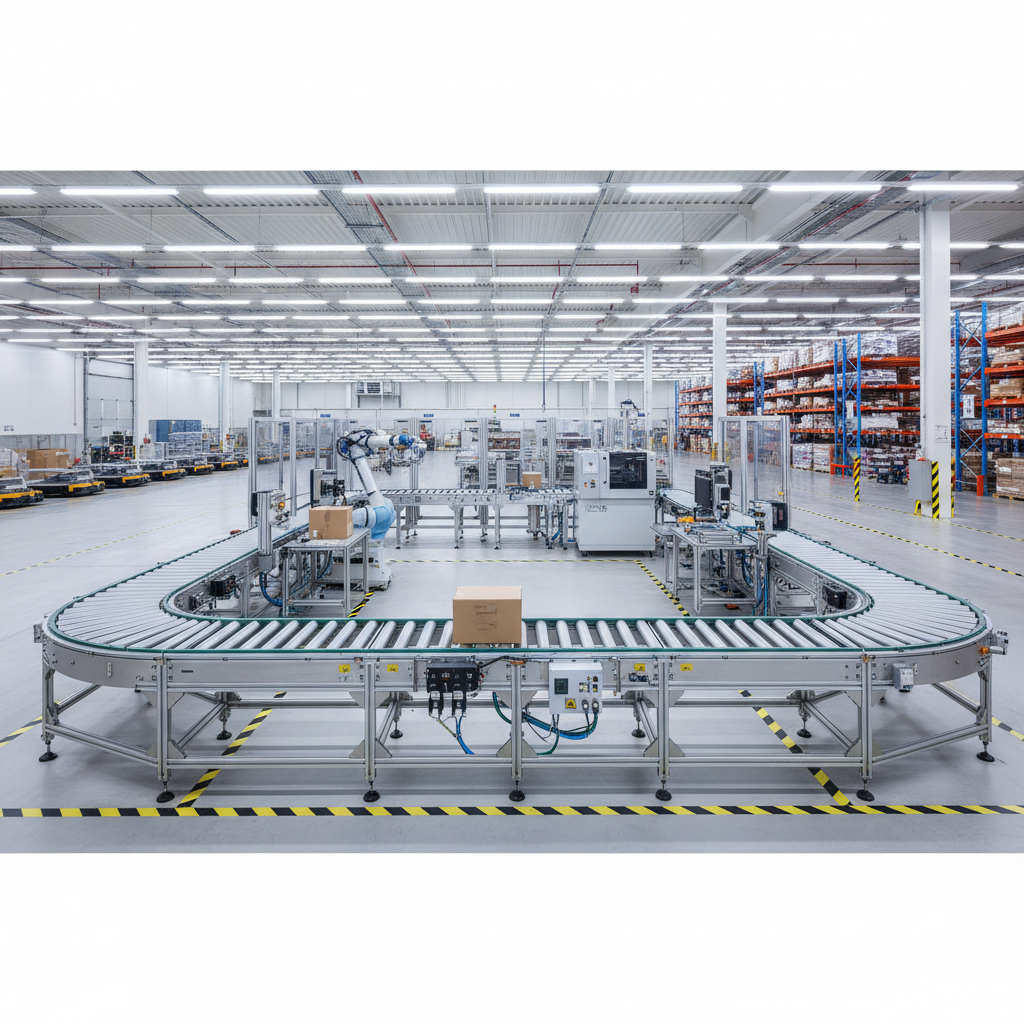
In the dense logistics landscape of the Benelux, conveyor systems are crucial for supply chain resilience. They provide the operational flexibility and automation needed to counter disruptions like labor shortages and port delays, ensuring consistent throughput.
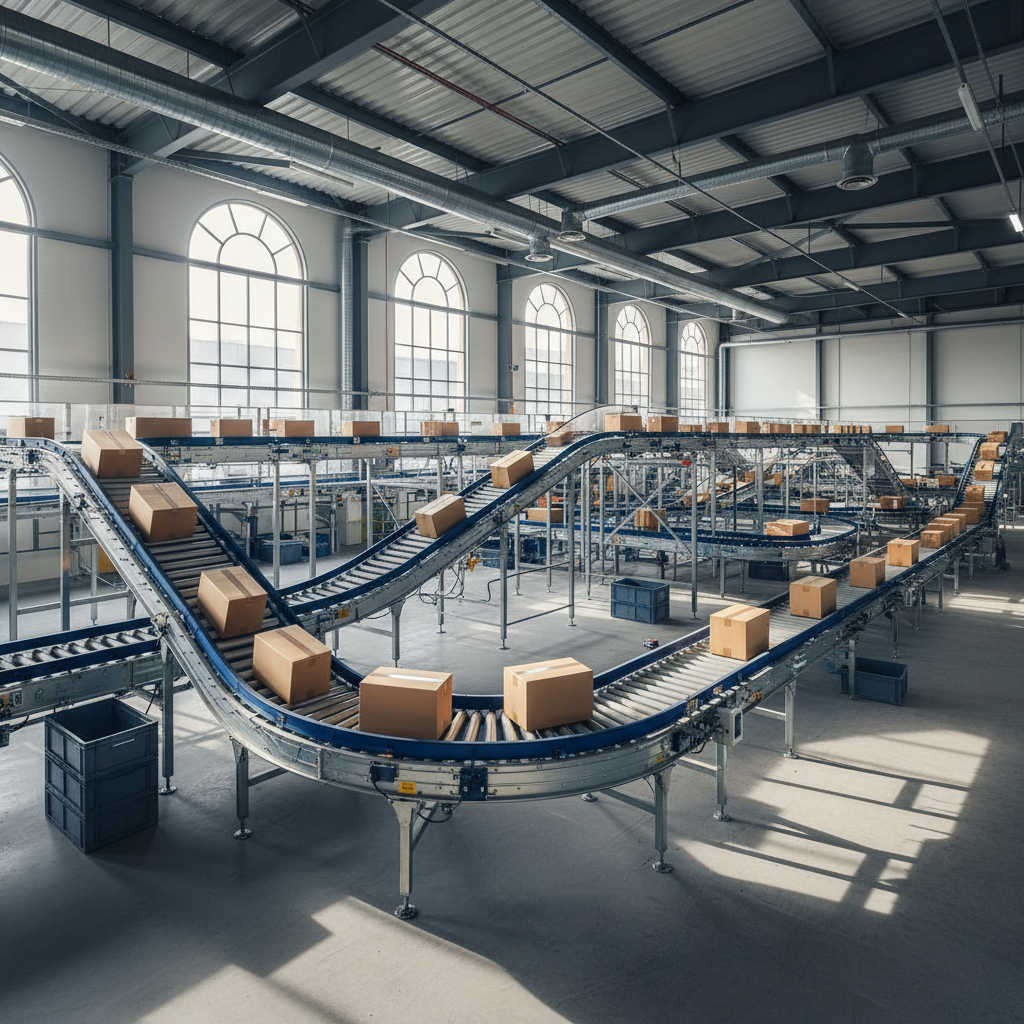
The Benelux region, with its world-class ports of Rotterdam and Antwerp, is the logistical heart of Europe. This strategic position, however, also makes it highly susceptible to disruptions. From global pandemics to local labor shortages, any disturbance can ripple through the supply chain, causing costly delays. For warehouse and distribution center managers, building resilience is not just a strategic goal; it's a daily necessity. Automated conveyor systems have emerged as a cornerstone of this resilience, providing the stability and flexibility needed to thrive in a volatile environment.
Definition
Supply Chain Resilience in logistics refers to the capacity of a supply chain to prepare for and adapt to unexpected disruptions, and to recover from them quickly. It involves building in flexibility, visibility, and automation to maintain operational continuity and control costs, even when faced with challenges like labor shortages, port congestion, or sudden demand spikes.
The Benelux Logistics Hub: A High-Stakes Environment
The Benelux—Belgium, the Netherlands, and Luxembourg—is arguably the most concentrated logistics hub in the world. In 2022, the Port of Rotterdam handled 467 million tonnes of cargo, while the Port of Antwerp-Bruges managed 287 million tonnes. This immense volume flows into a dense network of distribution centers (DCs) that serve hundreds of millions of European consumers. The pressure on these facilities is enormous.
A recent study highlighted that while many companies are growing, their internal processes often fail to keep pace, leading to significant operational friction. You can read more about how businesses grow without scaling processes. In the Benelux, this translates to an urgent need for process optimization. Any inefficiency within the four walls of a warehouse is magnified by the sheer volume and speed required. A one-hour delay in unloading at a DC near Venlo can mean missing delivery windows in Germany the next morning. This is the high-stakes environment where resilience is forged or broken.
Core Disruptions in the Benelux Supply Chain
To understand the solution, we must first quantify the problems. Benelux warehouses face a unique combination of global and local challenges:
- Labor Shortages: The logistics sector in the Netherlands alone had over 25,000 open vacancies in early 2023. This scarcity of skilled workers drives up wages (costs increased by an average of 6% in 2023) and makes it difficult to scale operations during peak seasons.
- Port Congestion & Dwell Times: While headline-grabbing ship queues have subsided, underlying issues remain. Container dwell times in major European ports can still fluctuate unexpectedly, increasing by 20-30% during minor disruptions. This unpredictability wreaks havoc on inbound logistics planning and increases dock-to-stock times.
- Demand Volatility: The rise of e-commerce has led to extreme demand peaks (e.g., Black Friday, Prime Day). A typical Benelux e-commerce DC might process 5,000 parcels per hour on a normal day but needs to handle 15,000 per hour during peak events. Systems that can't scale create backlogs instantly.
- Rising Operational Costs: Energy prices in Europe, while stabilizing, remain higher than historical averages. An inefficient conveyor system can be a major energy drain. A poorly designed system can cost an extra €15,000 - €25,000 annually in electricity for a medium-sized DC.
How Conveyor Systems Directly Counteract Disruptions
Modern conveyor systems are not just about moving boxes; they are intelligent networks that create a resilient internal ecosystem. They address the core disruptions head-on through smart design and automation.
Mitigating Labor Shortages Through Automation
The most direct benefit of conveyor automation is the reduction of manual labor. By automating the transport of goods from receiving to packing, warehouses can reduce their reliance on manual cart pushing, forklift operation, and person-to-goods travel. A well-implemented roller conveyor system can reduce manual handling tasks by up to 70%, allowing a smaller workforce to achieve significantly higher throughput. This directly counters the effects of labor shortages and rising wage costs. For example, a single worker managing a sorting station fed by a conveyor can process up to 450 items per hour, compared to less than 150 items per hour in a purely manual system.
Bypassing Congestion with Efficient Internal Flow
When containers are delayed at the port, the pressure is on the DC to process them faster once they arrive. Conveyor systems create a fluid, predictable internal flow. By linking docks directly to storage or sorting areas, systems like a powered belt conveyor can move goods at a constant speed of 1.5 m/s, eliminating the chaotic stop-and-start of forklift and pallet-jack traffic. This predictable flow allows for better planning and can reduce the dock-to-stock time for a full truckload from over 2 hours to under 45 minutes, clawing back valuable time lost to external delays.
Building Flexibility with Modular Systems
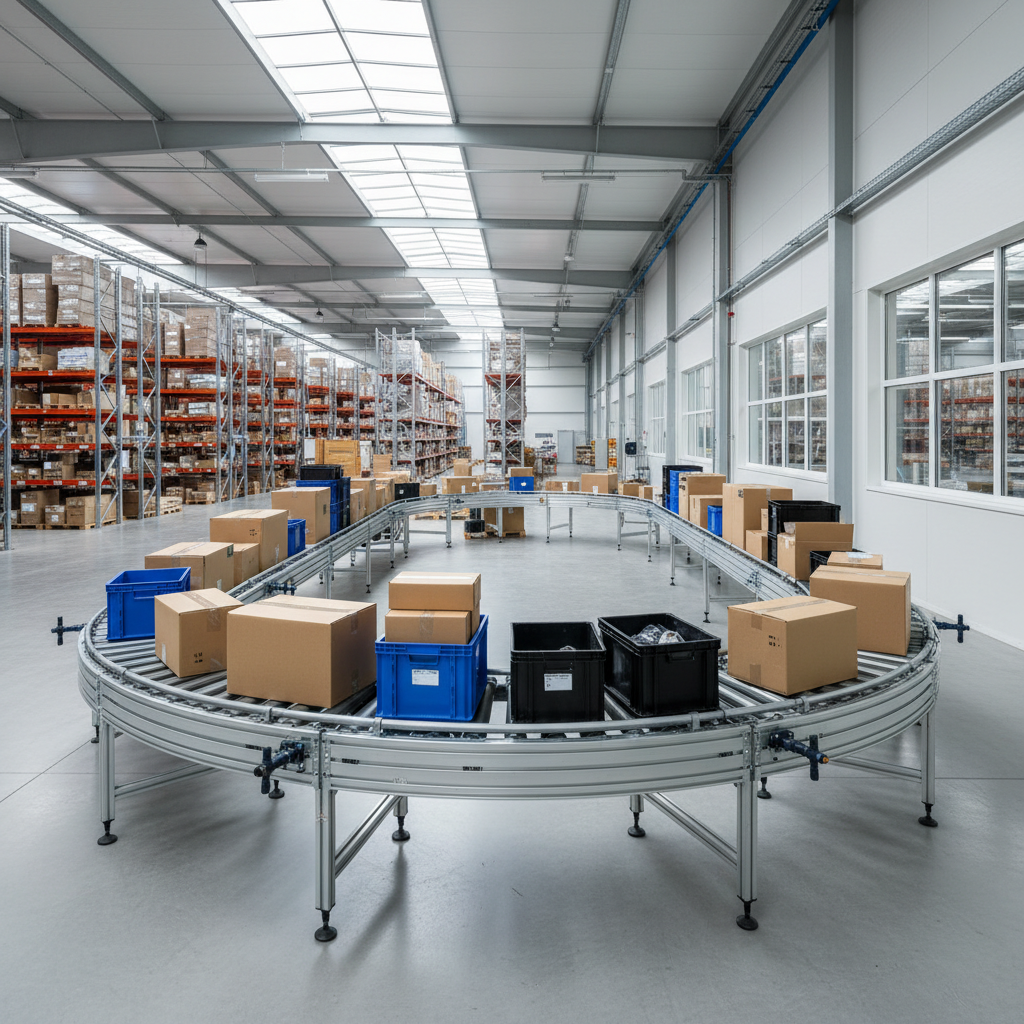
The keyword for modern resilience is "modularity." Unlike traditional, fixed systems, modern conveyors are designed like building blocks. This allows warehouses to reconfigure, expand, or even scale down their systems in response to changing needs. An e-commerce company in the Benelux can install a core system and then add extra sorting lanes or an accumulation conveyor section specifically for the Q4 peak season. This agility is critical for handling demand volatility without over-investing in permanent infrastructure that sits idle for half the year. This approach also aligns perfectly with the complex demands of modern Sortation Systems, which must be both powerful and adaptable.
Choosing the Right Conveyor for Resilience: A Comparison
Not all conveyors offer the same resilience benefits. The right choice depends on the specific disruption you aim to mitigate. The table below compares different systems based on their contribution to a resilient operation in a Benelux context.
| Conveyor Type | Best For Mitigating... | Typical Speed | Relative Cost (€/meter) | Flexibility/Modularity |
|---|---|---|---|---|
| Modular Roller Conveyor (MDR) | Labor shortages, demand volatility | 0.5 - 2.0 m/s | €400 - €900 | High |
| Belt Conveyor | Port congestion (high-speed inbound) | 1.0 - 2.5 m/s | €350 - €700 | Medium |
| Spiral Conveyor | Space constraints, multi-level flow | 1.0 m/s | N/A (system cost) | Low |
| Zero-Pressure Accumulation Conveyor | Internal bottlenecks, irregular flow | 0.7 m/s | €600 - €1,200 | High |
Integrating Conveyors into the Digital Ecosystem
True resilience is achieved when physical automation is paired with digital intelligence. Modern conveyor systems are no longer isolated machines. They are integrated components of a larger digital ecosystem, typically managed by a Warehouse Control System (WCS) or Warehouse Execution System (WES).
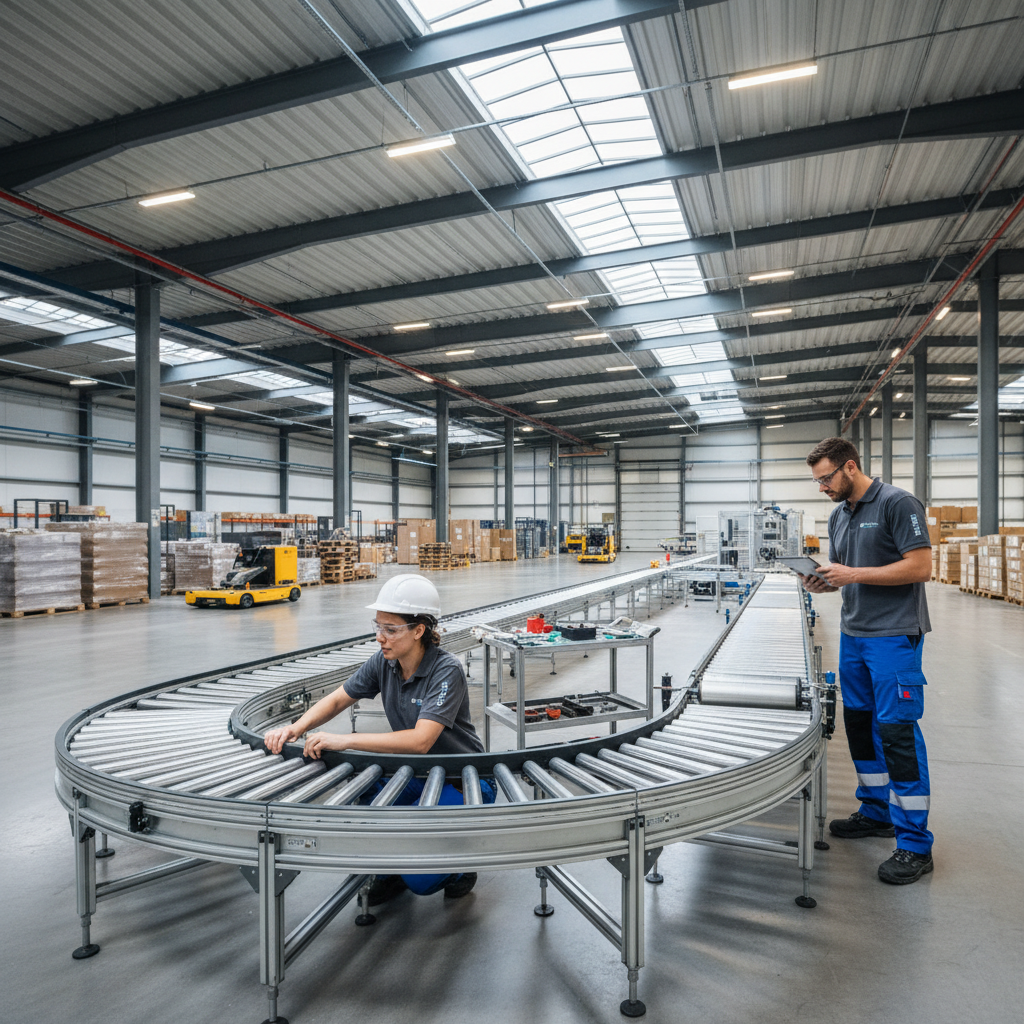
This integration provides real-time data on throughput, system status, and potential bottlenecks. For a manager in a DC near Brussels, this means getting an alert on their tablet that an outbound lane is backing up—long before it causes a major stoppage. They can reroute product flow digitally, diagnose the issue (e.g., a jammed sensor), and dispatch a technician, all without bringing the entire system to a halt. This level of visibility and control, often powered by protocols like OPC UA, transforms a reactive operation into a proactive, resilient one.
Easy Systems: Your Partner for Resilient Benelux Logistics
In a logistics landscape as demanding as the Benelux, you need more than just equipment; you need a partner with deep process knowledge and a focus on future-proof solutions. Easy Systems specializes in modular conveyor solutions that are inherently designed for resilience and scalability. As a European manufacturer, we understand the specific challenges of the regional market, from labor regulations to the need for energy-efficient designs (like our 24V Motorized Drive Roller systems).
We don't just sell conveyors; we engineer material flow solutions. Our approach begins with a thorough analysis of your current processes to identify hidden inefficiencies and potential points of failure. We then design a modular system that not only solves today's problems but can also adapt to tomorrow's growth and disruptions. Whether you are a 3PL in Rotterdam needing to improve your dock-to-stock time or an e-commerce fulfillment center in Antwerp preparing for the next peak season, our goal is to build a resilient backbone for your operation that protects your business from the inside out.
This article is part of the Conveyor-Design knowledge hub, edited by Easy Systems engineers who design conveyor and warehouse automation systems across the Benelux every week.
Frequently asked questions
What is the first step to improve supply chain resilience with conveyors?+
The first step is a process audit. Analyze your current material flow, identify bottlenecks—especially during peak times—and quantify the cost of disruptions. This data will inform which type of conveyor automation provides the highest ROI for resilience.
Can a conveyor system adapt to seasonal peaks in the Benelux?+
Yes, particularly modular conveyor systems. Their design allows for adding, removing, or reconfiguring sections. For example, a company can rent additional spiral or accumulation conveyors for the Q4 peak, scaling capacity without a permanent investment.
How much does a typical conveyor system for a Benelux SME cost?+
A starter system for a small to medium-sized enterprise (SME) can range from €30,000 to €80,000 for a basic sorting and transport line. More complex systems with advanced sorting and WCS integration can exceed €250,000. The key is to focus on modularity for future growth.