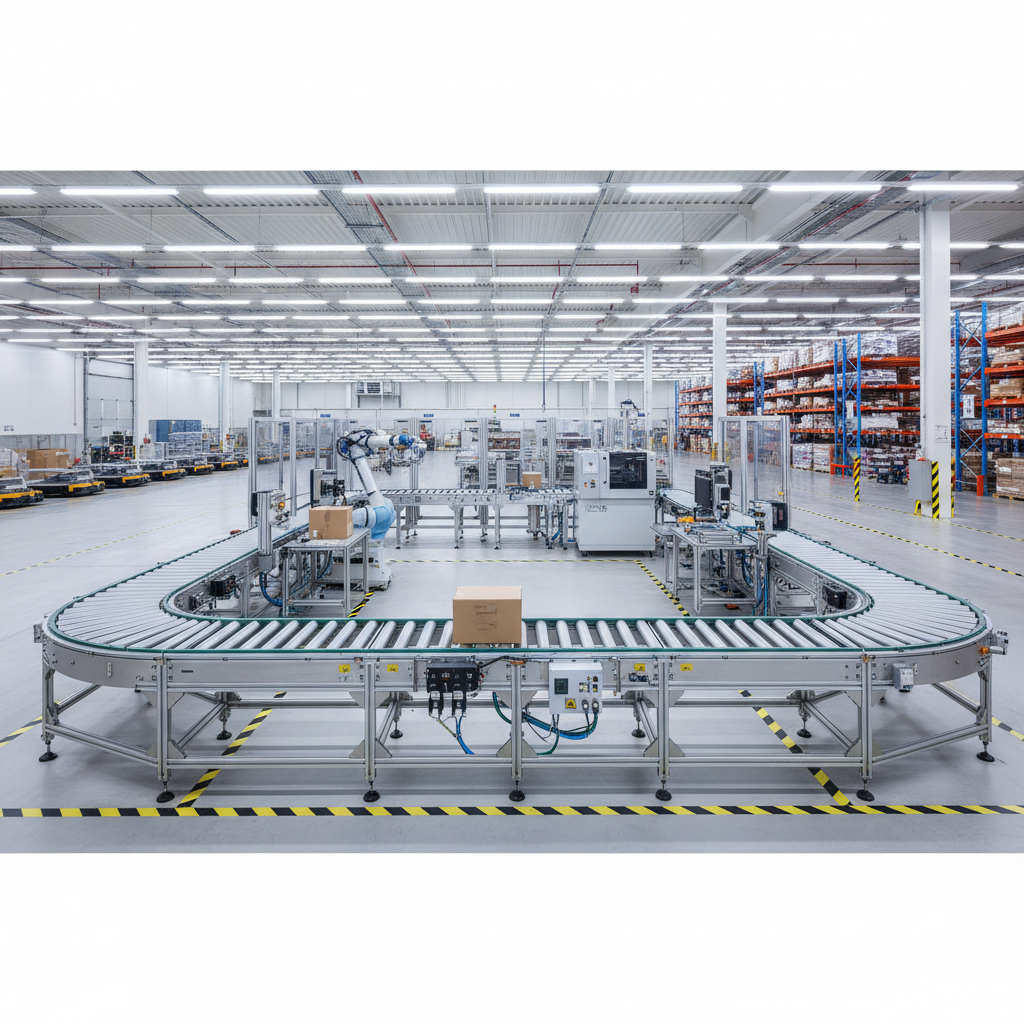
How to Implement QRM with Modular Conveyors in the Benelux
Learn how to implement Quick Response Manufacturing (QRM), a time-based strategy perfect for the high-mix, low-volume demands of the Benelux market. This guide details how modular conveyor systems provide the essential flexibility and scalability to drastically cut lead times and boost competitiveness.
In the hyper-competitive Benelux region, a strategic crossroads for European commerce, warehouses and production facilities face immense pressure. High operational costs, skilled labor shortages, and demanding customer expectations for rapid delivery mean that competing on cost alone is a losing battle. The key to success lies in agility. Quick Response Manufacturing (QRM) is a pivotal strategy that shifts the focus from cost reduction to radical lead time reduction, and modular conveyor systems are the technological backbone that makes it possible.
Definition
Quick Response Manufacturing (QRM) is an enterprise-wide strategy focused on cutting lead times in all aspects of a company's operations. In a manufacturing or logistics context, it aims to reduce the time from when a customer places an order to when the product is delivered, thereby improving flexibility, lowering costs, and increasing customer satisfaction.
Why QRM is Crucial for the Benelux Market
The Benelux (Belgium, the Netherlands, and Luxembourg) is one of the world's most dense logistics hubs. While this centrality is an advantage, it also creates a fiercely competitive landscape. Companies can no longer afford the long lead times associated with traditional mass-production models. QRM offers a direct answer to these regional challenges:
- High-Mix, Low-Volume Demand: The rise of e-commerce and product personalization means companies handle more SKUs in smaller quantities. QRM is designed specifically for this environment, whereas traditional methods struggle.
- Cost Pressures: High labor (€35-€45 per hour) and real estate costs make inefficient use of time and space extremely expensive. By shipping products faster, QRM reduces inventory holding costs and maximizes the value generated per square meter.
- Market Responsiveness: QRM enables businesses to react swiftly to market changes, supply chain disruptions, or sudden shifts in customer demand—a vital capability in the fast-paced European market.
The Role of Modular Conveyors in a QRM Strategy
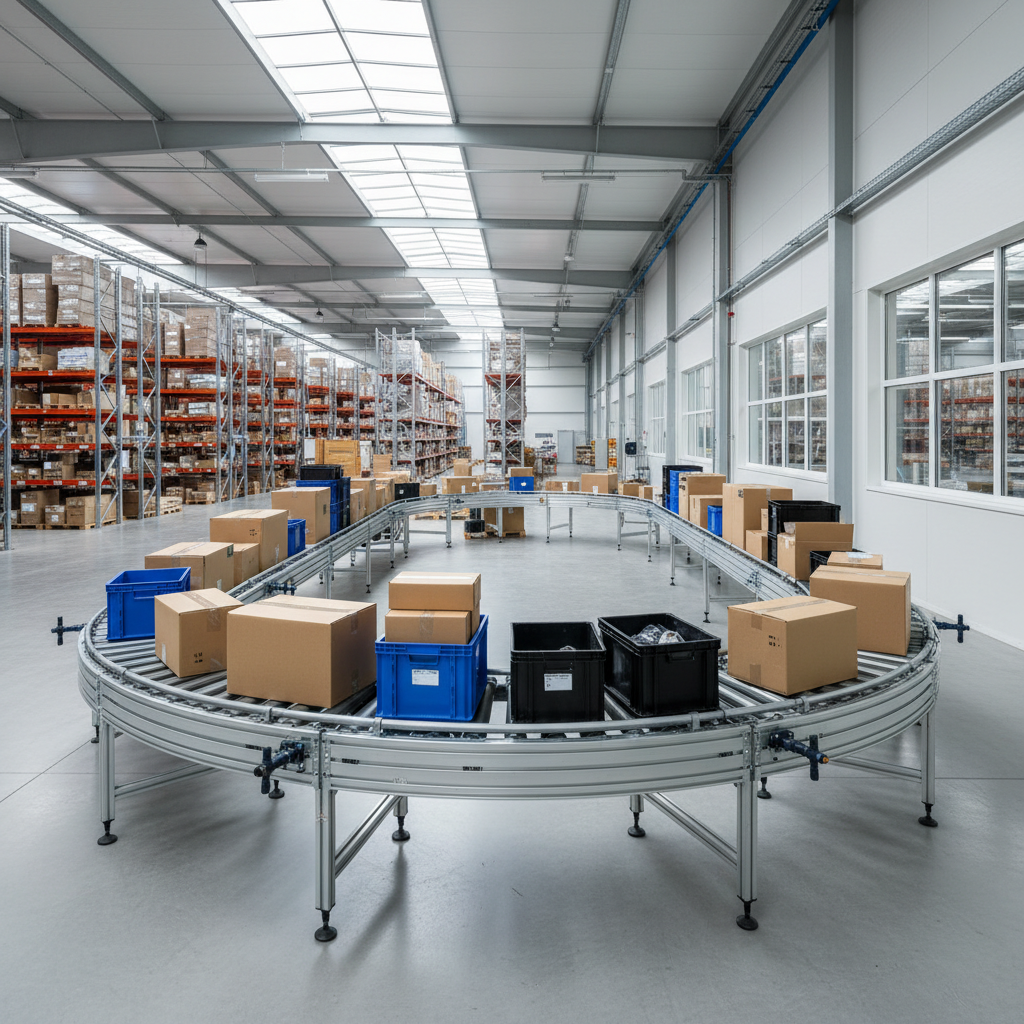
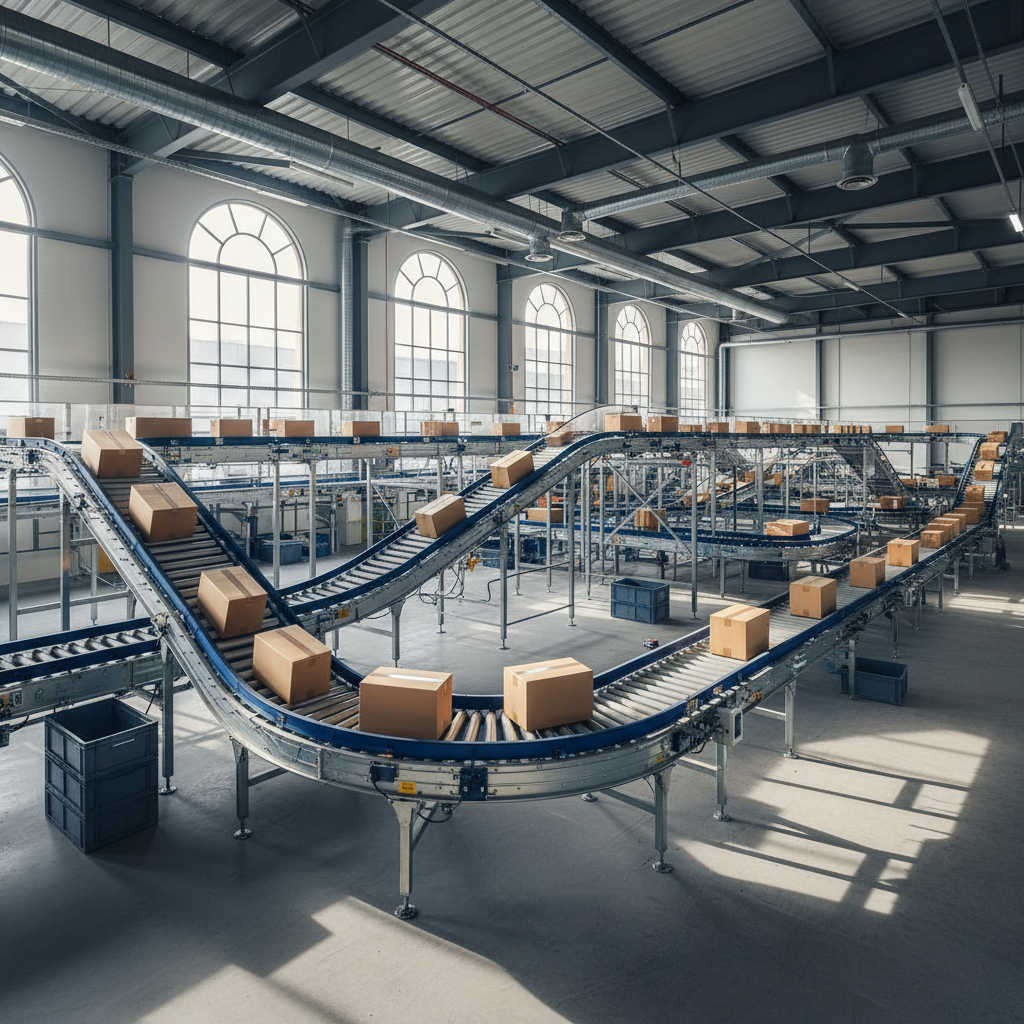
A successful QRM implementation depends on physical systems that are as agile as the strategy itself. Rigid, custom-welded conveyor lines are an obstacle to rapid change. Modular conveyors, however, are a perfect fit. They are built from standardized, interoperable sections that can be quickly assembled, reconfigured, and scaled like building blocks.
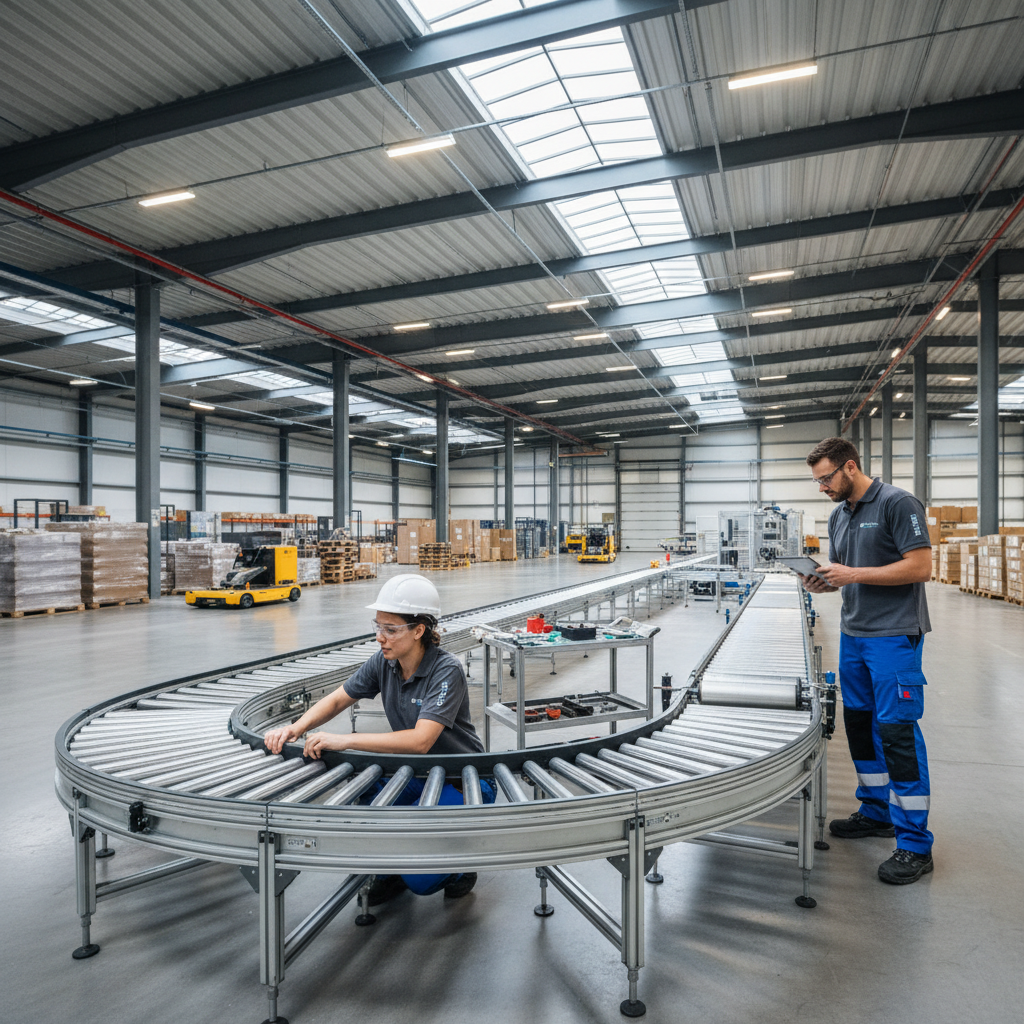
This modularity allows for the creation of QRM Cells—focused production areas where a team manages all the steps for a specific Family of Products (FTMS). When demand changes, a modular roller conveyor or belt conveyor line can be reconfigured in hours or days, not weeks or months, to support a new cell layout or production flow. This physical adaptability is the foundation for the operational agility that QRM demands.
How to Implement QRM with Modular Conveyors: A Step-by-Step Approach
Transitioning to QRM is a structured process. Integrating modular conveyors is not just an equipment upgrade; it's a strategic enabler at multiple stages of the implementation journey.
Step 1: Map the Manufacturing Critical-path Time (MCT)
Before making any changes, you must understand your current state. MCT is the typical amount of calendar time that passes from when a customer creates an order until the first piece of that order is delivered. Using MCT mapping, you identify all the "white space" (waiting time) in your process. It's common for the actual touch time on a product to be less than 5% of its MCT.
Step 2: Analyze and Restructure into QRM Cells
Once you see where time is lost, you can restructure your operations. Instead of functional departments (e.g., cutting, welding, assembly), create integrated QRM Cells. A cell is a co-located, cross-trained team responsible for a set of products from start to finish. This minimizes handoffs, queues, and waiting times.
Step 3: Design the Modular Conveyor Backbone
This is where hardware meets strategy. Design a material handling system using modular conveyors that serves the QRM cells. Key considerations include:
- Standardization: Use standard conveyor lengths (e.g., 1200 mm, 1500 mm, 2400 mm) and widths (e.g., 450 mm, 600 mm, 800 mm).
- Flexibility: Employ curves, junctions, and diverters that can be easily moved.
- Technology: Utilize 24VDC motorized rollers and zero-pressure accumulation technology to handle variable product flow without damage or complex PLC programming.
Step 4: Integrate with Control Systems
Your modular conveyor system needs to be intelligently controlled. Integrating it with a Warehouse Control System (WCS) or Warehouse Execution System (WES) provides the real-time decision-making needed to route products efficiently through the cells. This is a critical link between your physical and digital infrastructure, which you can learn more about in our guide to WMS/WCS integration. For companies experiencing rapid growth, aligning processes and systems is a common challenge. As detailed in our analysis on why business processes must evolve with growth, failing to scale systems like these can create significant bottlenecks.
Modular vs. Traditional Conveyors for QRM: A Comparison
The choice between modular and traditional systems has significant implications for a QRM strategy. The following table highlights the key differences:
| Feature | Modular Conveyor System | Traditional Welded Conveyor |
|---|---|---|
| Installation Lead Time | 1-4 weeks (from standard components) | 10-16 weeks (custom design & fabrication) |
| Reconfiguration Speed | 8-24 hours for a 30m line | Weeks or not feasible; often requires scrapping |
| Scalability | Excellent; add/remove sections as needed | Poor; extensions require custom engineering |
| Initial Cost (per meter) | €900 - €1,500 for a MDR system | €700 - €1,300, but highly variable |
| Total Cost of Ownership (TCO) | Lower in dynamic environments due to reuse and low reconfiguration costs | Higher due to reconfiguration costs, downtime, and potential scrapping |
Measuring Success: Key Metrics in a QRM Environment
The primary measure of QRM success is a dramatic reduction in MCT. A successful project can see MCT fall from 4-6 weeks to 5-10 days. Other critical KPIs include:
- MCT Reduction Percentage: The ultimate benchmark for QRM.
- On-Time Delivery (OTD): Should approach 100% as lead times become predictable.
- Inventory Turns: Increase as less capital is tied up in work-in-progress (WIP) and finished goods.
- First Pass Yield: Rises as cellular teams take ownership of quality.
Easy Systems: Your Trusted Partner for QRM Implementation in the Benelux
Successfully implementing Quick Response Manufacturing requires more than just a theoretical understanding; it demands a partner with deep expertise in both the strategy and the technology that enables it. At Easy Systems, we specialize in designing and deploying modular conveyor solutions that form the agile backbone of modern production and logistics facilities throughout the Benelux.
Our pre-engineered, standardized conveyor modules are specifically designed for the flexibility and scalability demanded by QRM. We work with you to understand your MCT, design effective QRM cells, and implement a material handling system that can evolve with your business. Don't let rigid automation hold you back. Let Easy Systems help you build a responsive, time-competitive operation ready for the challenges of the European market.
This article is part of the Conveyor-Design knowledge hub, edited by Easy Systems engineers who design conveyor and warehouse automation systems across the Benelux every week.
Frequently asked questions
What is the main difference between QRM and Lean Manufacturing?+
The primary difference is their main focus. Lean Manufacturing's primary goal is cost reduction by eliminating waste (muda). Quick Response Manufacturing's (QRM) primary goal is lead time reduction. While both result in improved efficiency, QRM is often more effective in high-mix, low-volume or custom-engineered product environments.
How quickly can a modular conveyor line be reconfigured?+
A typical 20-30 meter modular conveyor line can often be reconfigured by a small team in one working day (8-10 hours). This includes mechanical changes and basic electronic reconnection. This is a stark contrast to traditional systems, which could take weeks and require external contractors.
Is QRM only for large manufacturing companies in the Benelux?+
Not at all. QRM is highly beneficial for small and medium-sized enterprises (SMEs). Because it focuses on time-based competition, it allows smaller, more agile companies to compete with larger corporations by offering superior responsiveness and shorter lead times, which is a significant advantage.