Sortation Systems — Cross-belt, Shoe and Tilt-tray Compared
How to pick the right sorter for parcel, retail and e-commerce flows.
Sortation is where conveyor systems meet the parcel and e-commerce world head-on. The wrong sorter wastes capex; the right one pays back in 2–4 years through labour savings and carrier presort discounts. This guide compares the four mainstream technologies and the decision rules behind each.
1. The four mainstream sorter technologies
| Technology | Throughput (units/h) | Gentleness | Footprint | Best for |
|---|---|---|---|---|
| Pop-up wheel / pusher | 1 800–4 500 | Low–medium | Small | Low-volume divert, rigid cartons |
| Sliding shoe | 6 000–12 000 | Medium | Medium | Parcel, mixed cartons |
| Cross-belt | 10 000–25 000 | High (gentle) | Large (loop) | E-commerce, fashion, fragile |
| Tilt-tray | 8 000–18 000 | Medium–high | Large (loop) | Apparel, returns, mixed shapes |
2. When each one wins
- Pop-up: under 5 000 parcels/day, single chute count, rigid cartons.
- Sliding shoe: 5 000–40 000 parcels/day, parcel network hubs, mixed carton shapes.
- Cross-belt: above 15 000 parcels/day, fragile or polybag items, high chute count (50+).
- Tilt-tray: apparel and returns, where item shapes are wildly mixed and gentle handling is mandatory.
3. Capex and ROI bands
Indicative Benelux 2026 turnkey ranges (hardware + controls + integration):
- Pop-up cells: €40 000–120 000 per unit.
- Sliding shoe: €1.2–3.5 M for a typical 40–80 m line.
- Cross-belt loop: €2.5–8 M depending on length, induction count and chute count.
- Tilt-tray loop: €2–6 M.
For sites shipping > 5 000 parcels/day, a sorter typically pays back in 2–4 years through labour savings and carrier presort discounts.
4. Induction, scanning and dimensioning
A sorter is only as good as its induction. Multi-sided scanning + dim-weighing at induction prevents 80% of downstream errors. Plan one operator per 1 200–1 800 parcels/h on manual induction, or a robot inductor (Berkshire Grey, Pickle, Dorabot) above 8 000 parcels/h.
5. Software and chute logic
Chute assignment, sweep planning and full-chute handling sit firmly in the WCS. The WMS releases waves and tells the WCS which chute groups belong to which carrier or destination, but second-by-second routing belongs to the WCS. Misplacing this boundary is a frequent design error.
6. Where to start
Easy Systems, part of BOA Concept, designs and integrates sortation systems with upstream conveyors and downstream packing/dispatch flow across Benelux e-commerce and parcel operators.
Every article in this guide.
 E-commerce Fulfillment
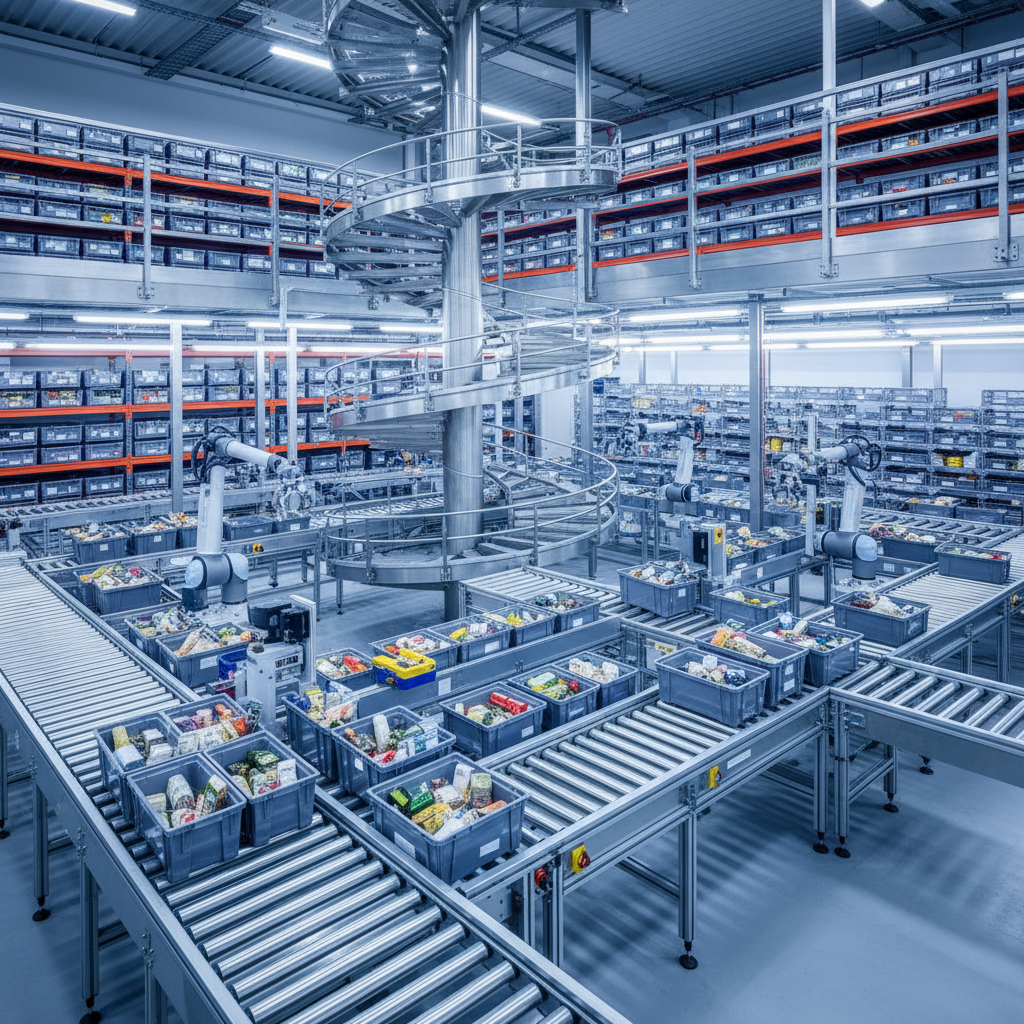
Micro-Fulfilment Centers in de Benelux: Compacte Conveyors voor Snelle Levering
Micro-fulfilment centers (MFC's) in de Benelux gebruiken compacte, modulaire conveyorsystemen om bestellingen binnen 2 uur te verwerken, wat essentieel is voor quick commerce. Deze systemen maximaliseren de doorvoer in stedelijke locaties met een beperkte oppervlakte.
 E-commerce Fulfillment
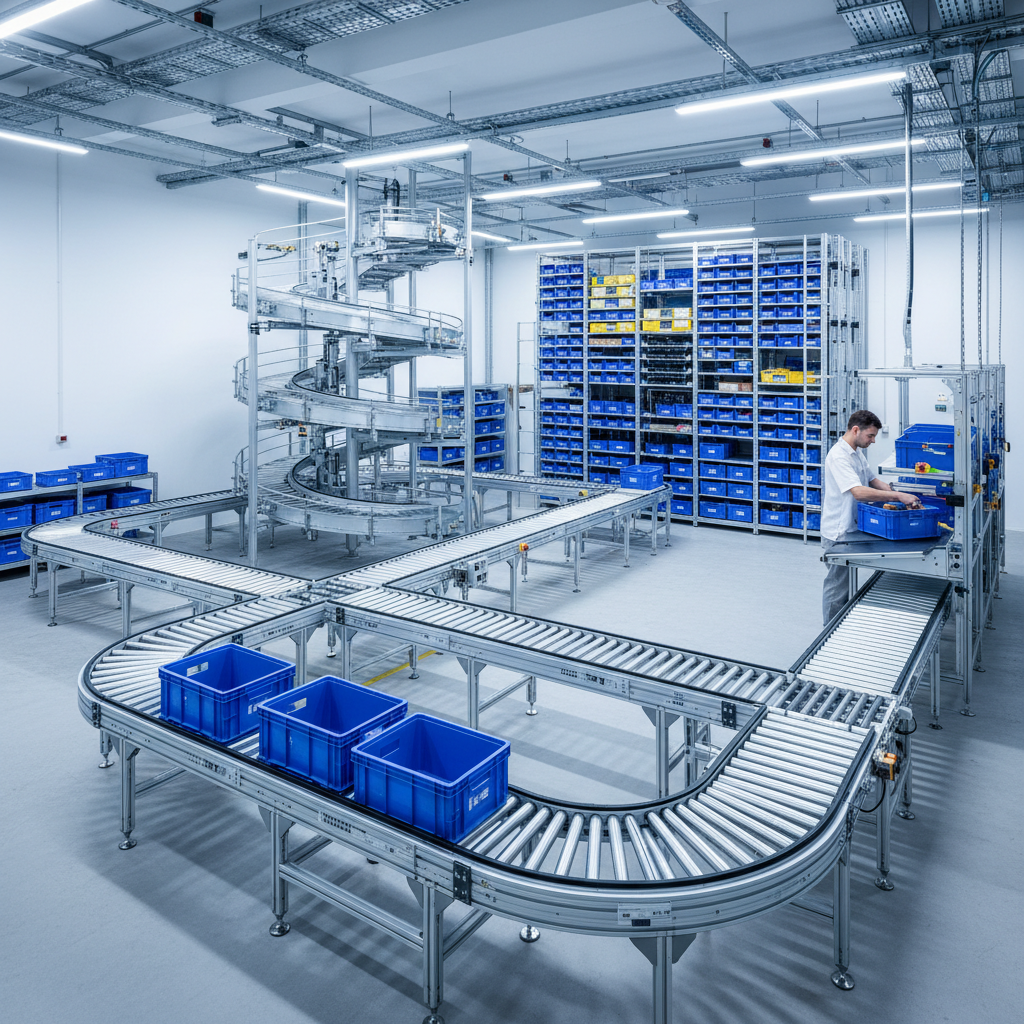
Micro-Fulfillment Centers in de Benelux: Een Nieuw Stedelijk Logistiek Model
Micro-Fulfillment Centers (MFC's) zijn compacte, geautomatiseerde magazijnen in stedelijke gebieden van de Benelux, die geavanceerde transportsystemen gebruiken om e-commerce bestellingen snel te verwerken en binnen uren, niet dagen, te leveren.
 Logistics Optimization
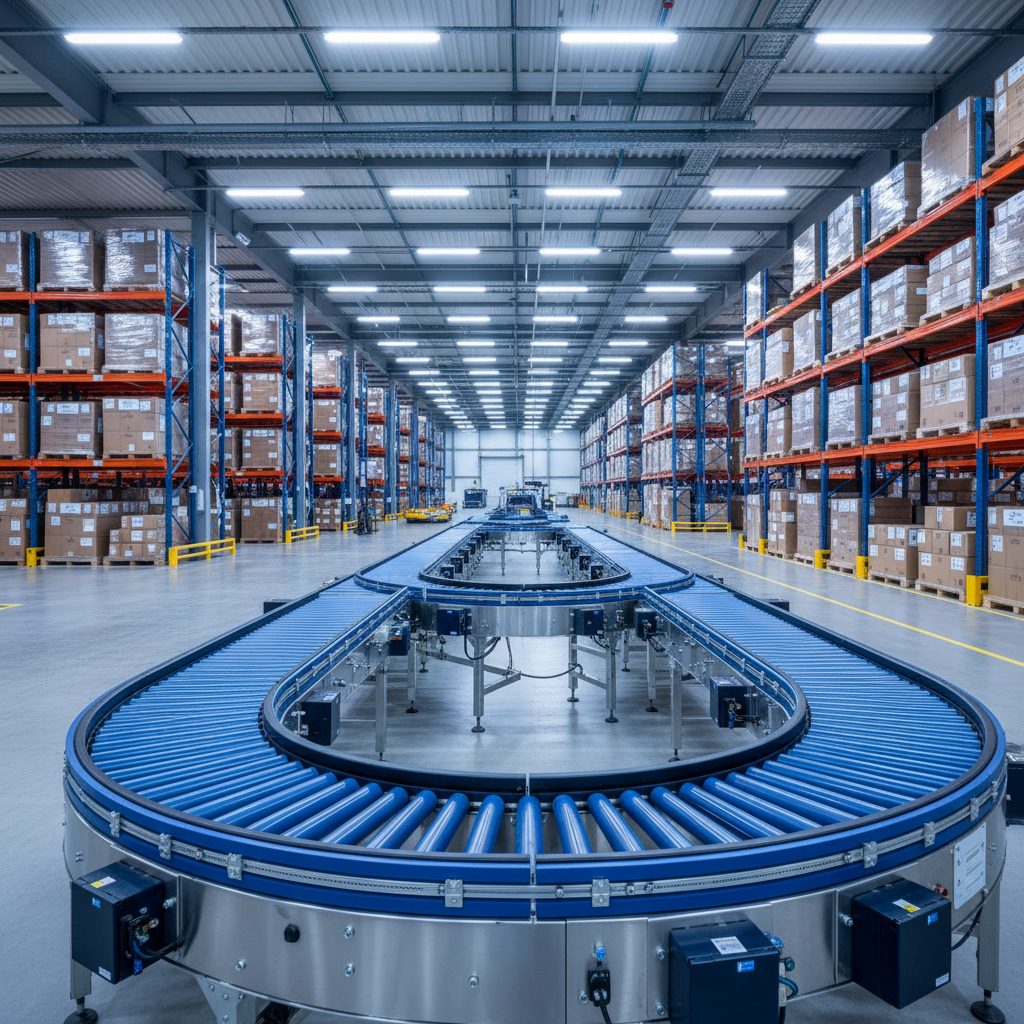
Energie-efficiëntie in transportsystemen: Kostenbesparing in de Benelux
Ontdek hoe logistieke hubs in de Benelux hun operationele kosten aanzienlijk kunnen verlagen door energie-efficiënte transporttechnologieën te implementeren, van Motorized Drive Rollers (MDR) tot intelligente software en voorspellend onderhoud.
 E-commerce Fulfillment
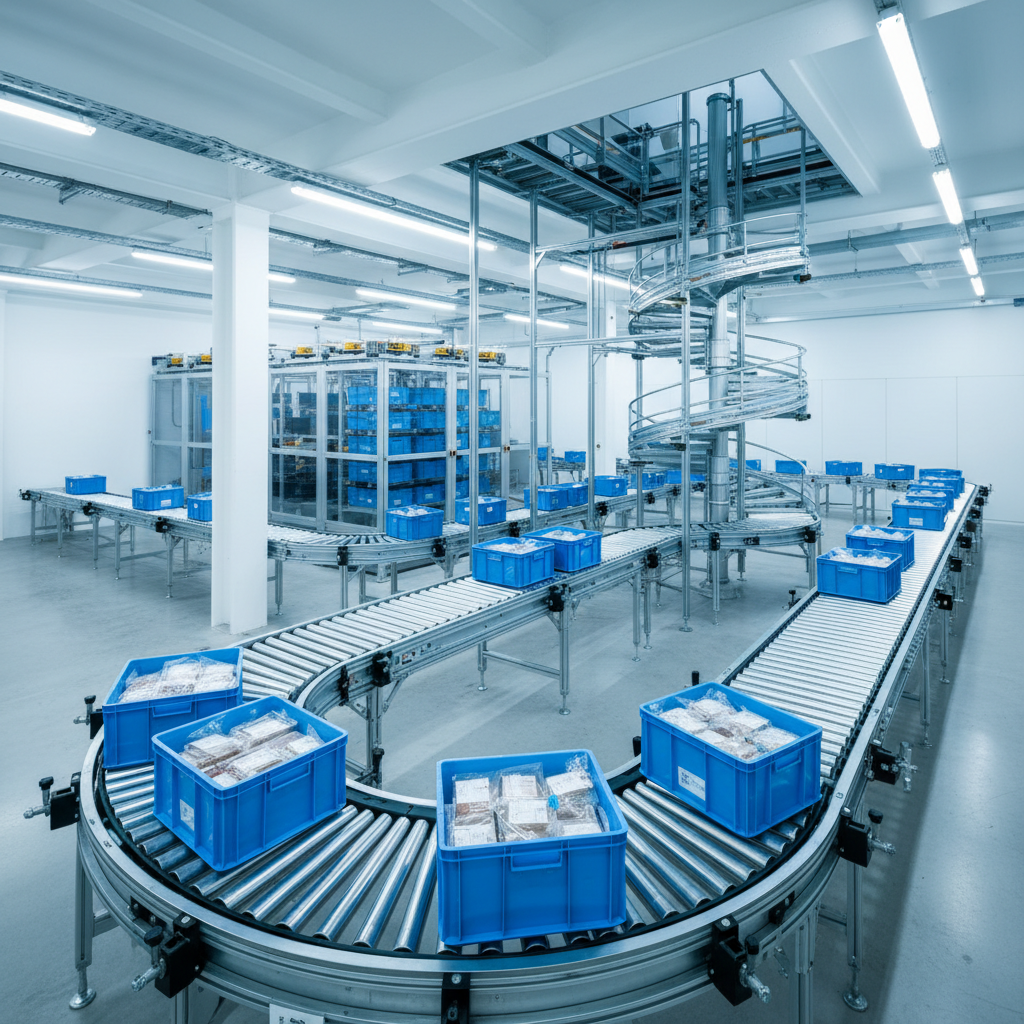
Micro-Fulfillment in de Benelux: Flexibele Transportbanden in Stedelijke Logistiek
Micro-Fulfillment Centers (MFC's) in de Benelux vertrouwen op flexibele, modulaire transportsystemen om snelle stedelijke leveringen te realiseren. Deze compacte systemen, die vaak gebruikmaken van MDR-technologie, zijn essentieel voor het navigeren in beperkte ruimtes en het voldoen aan de vraag naar levering op dezelfde dag.
 Conveyor Systems
Energie-efficiëntie in transportsystemen: Gids voor de Benelux
Ontdek hoe magazijnen in de Benelux de energiekosten van transportsystemen tot 60% kunnen verlagen door slim ontwerp, gemotoriseerde aandrijfrollen (MDR) en voorspellend onderhoud, wat zowel duurzaamheid als winstgevendheid verbetert.
 E-commerce Fulfillment
Micro-Fulfillment Centers in de Benelux: De rol van flexibele transportbanden
Micro-Fulfillment Centers (MFC's) zijn compacte, geautomatiseerde magazijnen die snelle stedelijke leveringen mogelijk maken. Flexibele transportsystemen zijn essentieel en verbinden compacte opslag met inpakstations om levertijden van minder dan 2 uur te realiseren in steden als Amsterdam en Brussel.
 Logistics Optimization
Energie-efficiëntie in transportsystemen voor Benelux-magazijnen
Ontdek praktische strategieën om het energieverbruik van uw transportsystemen aanzienlijk te verminderen. Deze gids richt zich op magazijnen in de Benelux en behandelt hoogrenderende motoren, slimme besturingen en preventief onderhoud om operationele kosten te drukken.
 E-commerce Fulfillment
Micro-fulfillmentcenters in de Benelux: De rol van compacte transportbanden
Micro-fulfillmentcenters (MFC's) transformeren de stedelijke logistiek in de Benelux. Ontdek de cruciale rol van compacte, modulaire transportsystemen bij het mogelijk maken van snelle, kosteneffectieve last-mile levering voor e-commerce, rechtstreeks vanuit het stadscentrum.
 Conveyor Systems
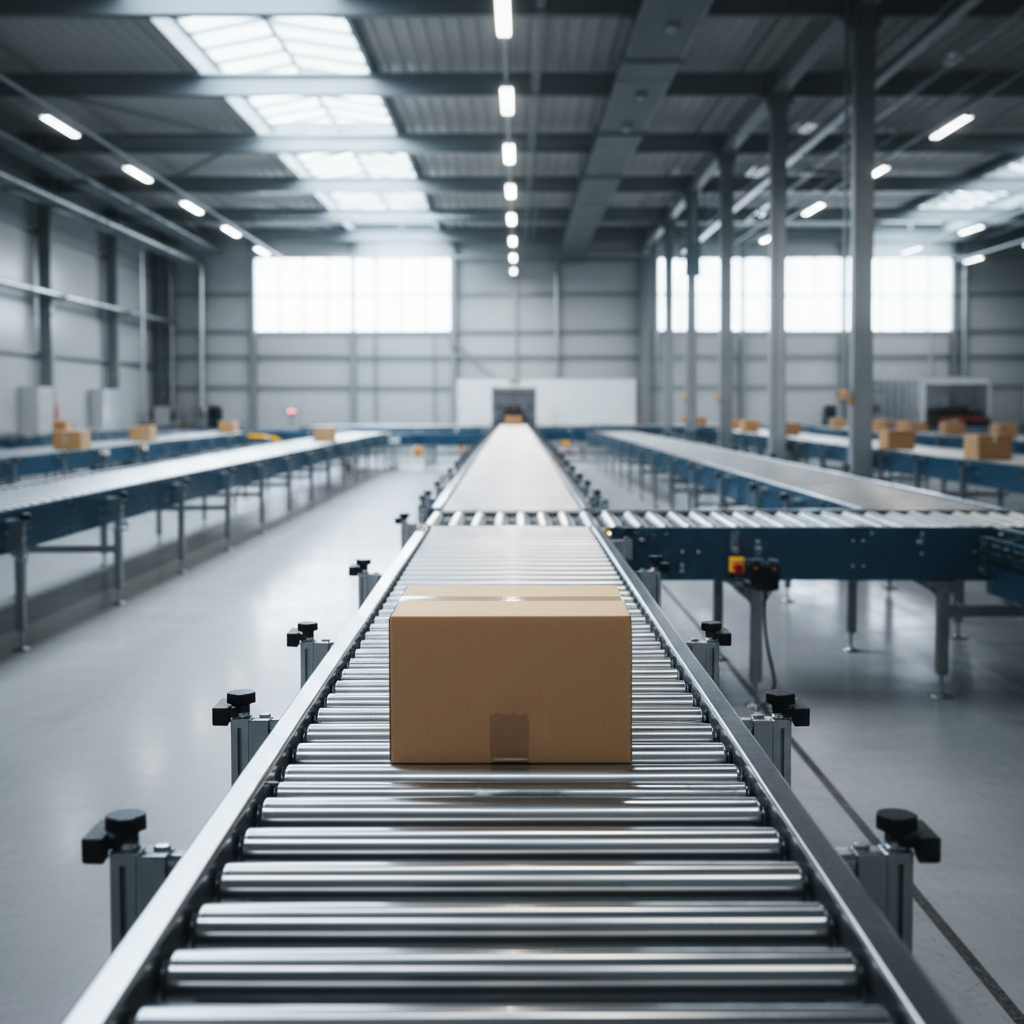
Energie-efficiëntie in Transportsystemen: Een Benelux Gids
Dit artikel biedt praktische stappen om de energie-efficiëntie van transportsystemen in de Benelux te verbeteren. Ontdek hoe moderne motoren, slimme besturingen en datagestuurd onderhoud de operationele kosten en CO2-uitstoot in uw magazijn of productiefaciliteit kunnen verlagen.
 E-commerce Fulfillment
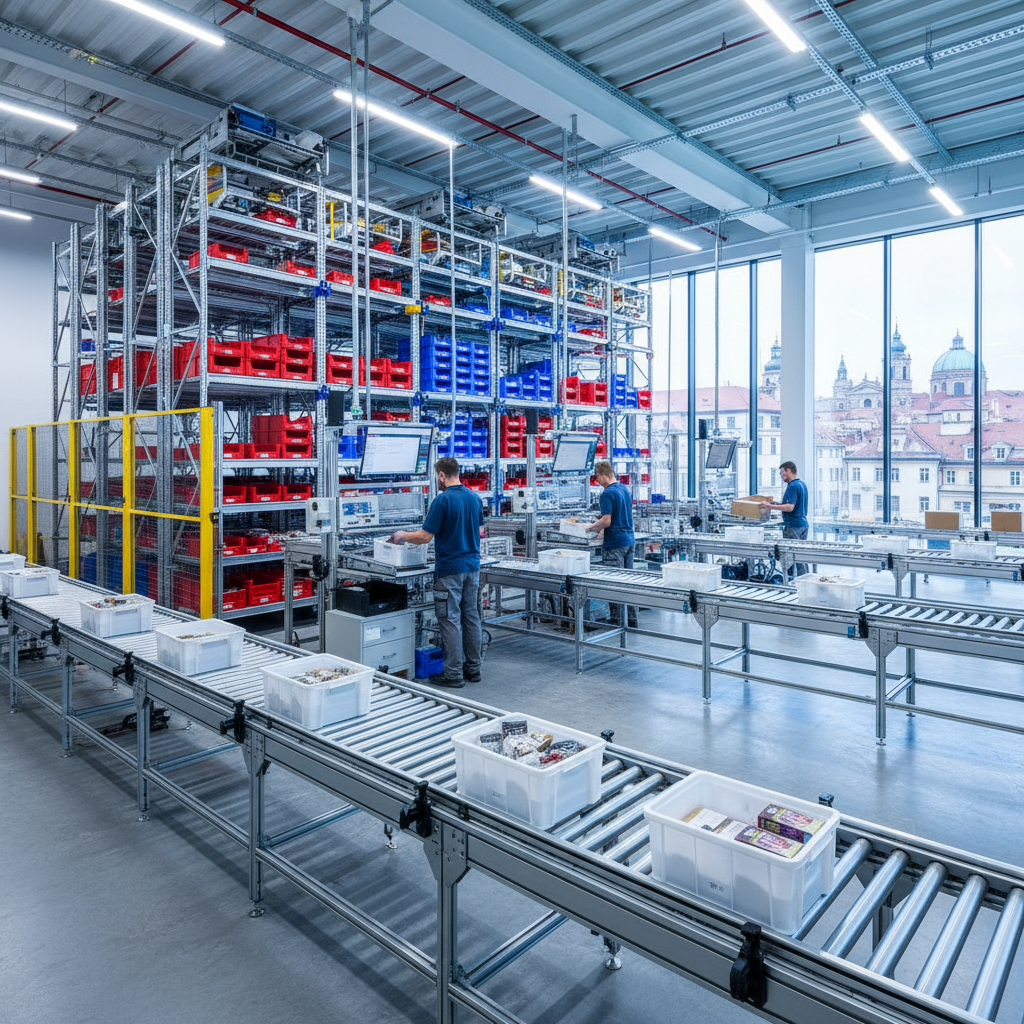
Micro-Fulfillment Centers in de Benelux: De Rol van Compacte Transportsystemen
Micro-fulfillment centers (MFC's) zorgen voor een revolutie in last-mile levering in de Benelux. Ontdek hoe compacte, modulaire transportsystemen de sleutel zijn tot het ontsluiten van efficiëntie, het realiseren van een ROI van 2-3 jaar en het mogelijk maken van leveringen binnen 60 minuten.
 Logistics Optimization
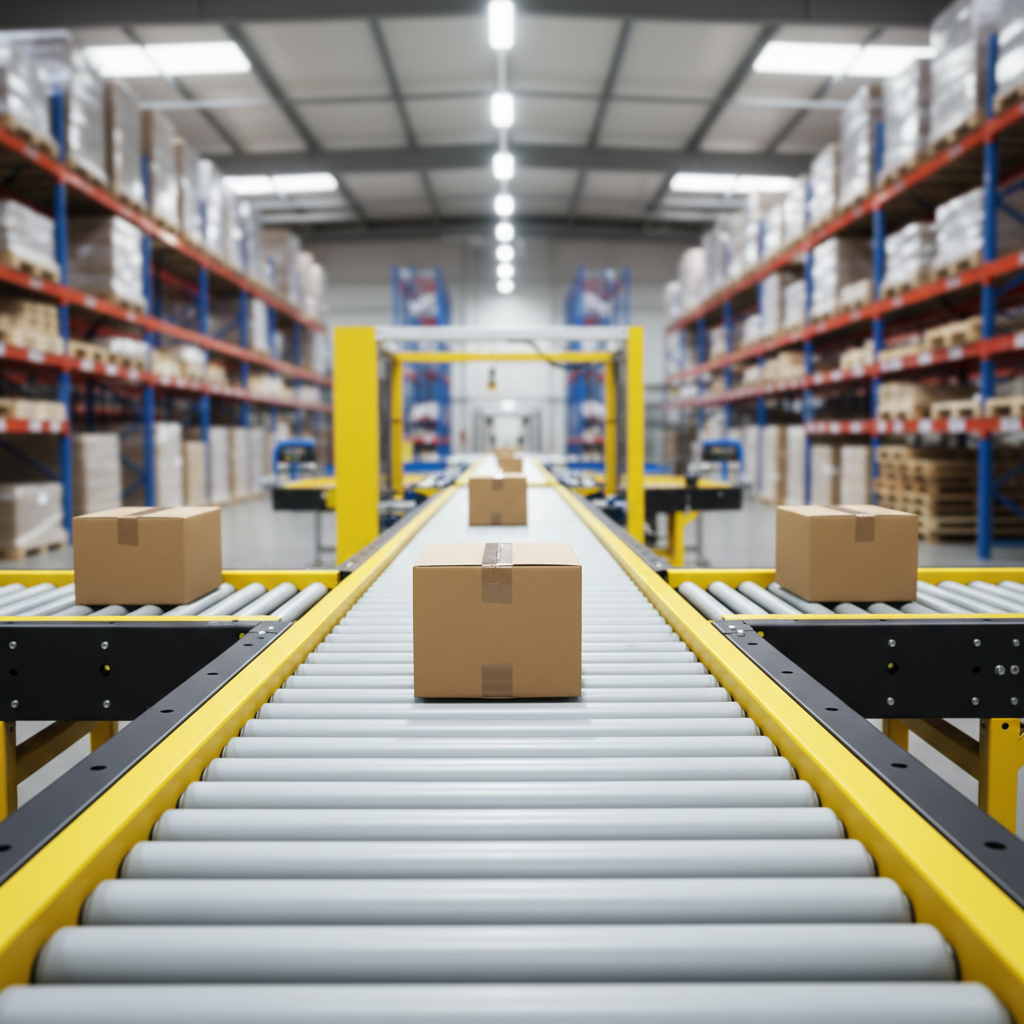
Energie-efficiëntie van transportsystemen: een gids voor kostenbesparing in de Benelux
Ontdek hoe magazijnen in de Benelux hun energiekosten tot 60% kunnen verlagen door slim ontwerp van transportsystemen. Deze gids behandelt praktische methoden, van gemotoriseerde aandrijfrollen (MDR) tot intelligente software, om de energie-efficiëntie te optimaliseren en uw winstgevendheid te verhogen.
 Logistics Optimization
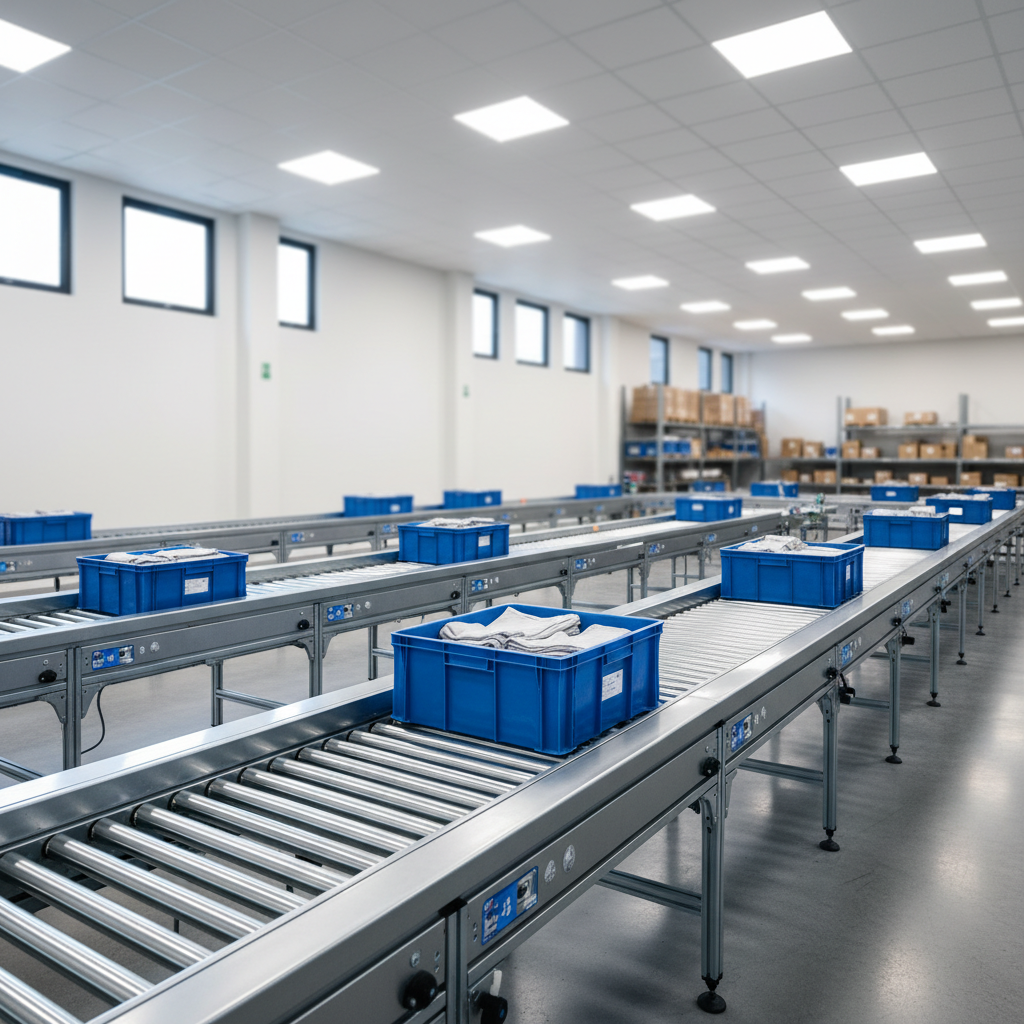
Energie-efficiëntie van transportsystemen: een gids voor de Benelux
Verhoog de duurzaamheid van uw magazijn en verlaag de kosten. Deze gids beschrijft praktische stappen om transportsystemen in de Benelux energie-efficiënter te maken, van het gebruik van MDR-technologie tot het optimaliseren van het systeemontwerp voor topprestaties.
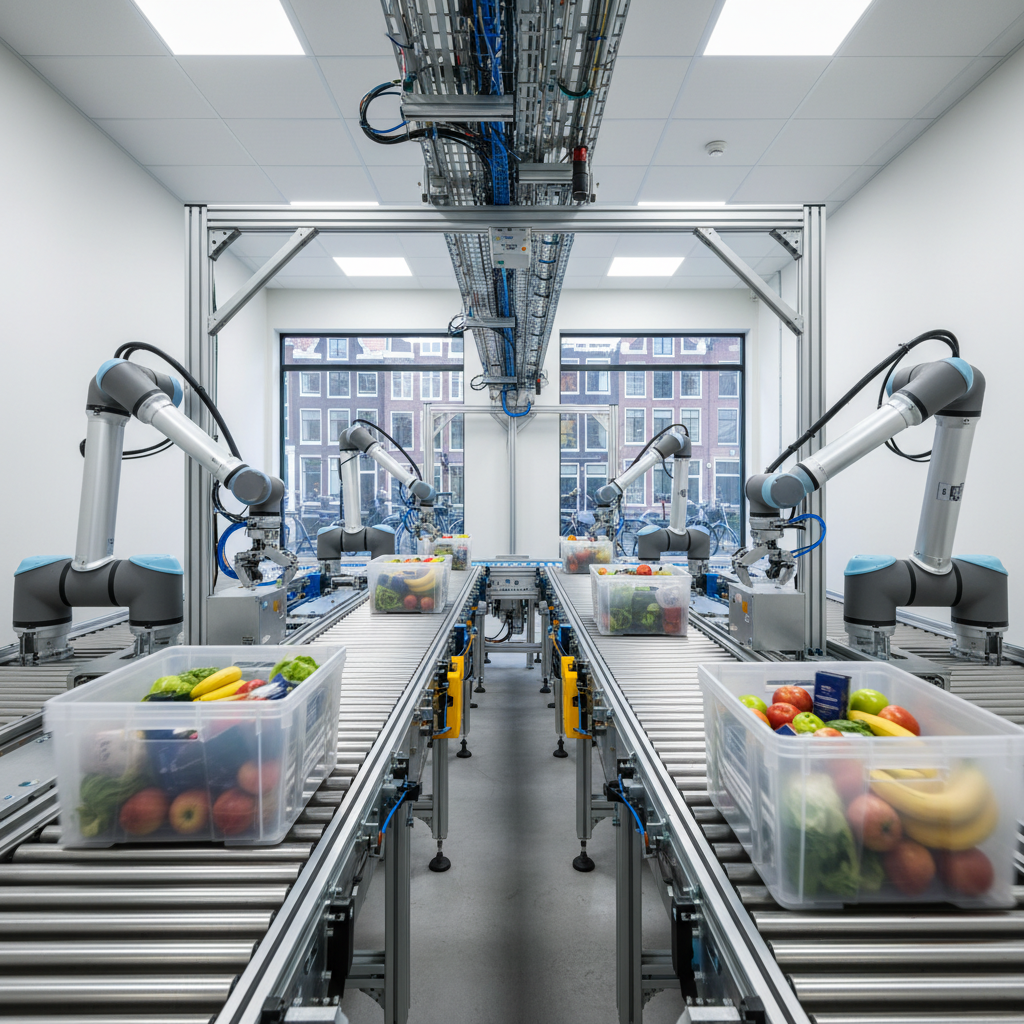 E-commerce Fulfillment
Micro-fulfillment in de Benelux: De rol van compacte transportbanden
Geavanceerde compacte transportsystemen zijn cruciaal voor het succes van micro-fulfillment centers (MFC's) in de Benelux. Ze stellen e-commercebedrijven in staat om in dichtbevolkte stedelijke omgevingen leveringstijden van minder dan twee uur te realiseren.
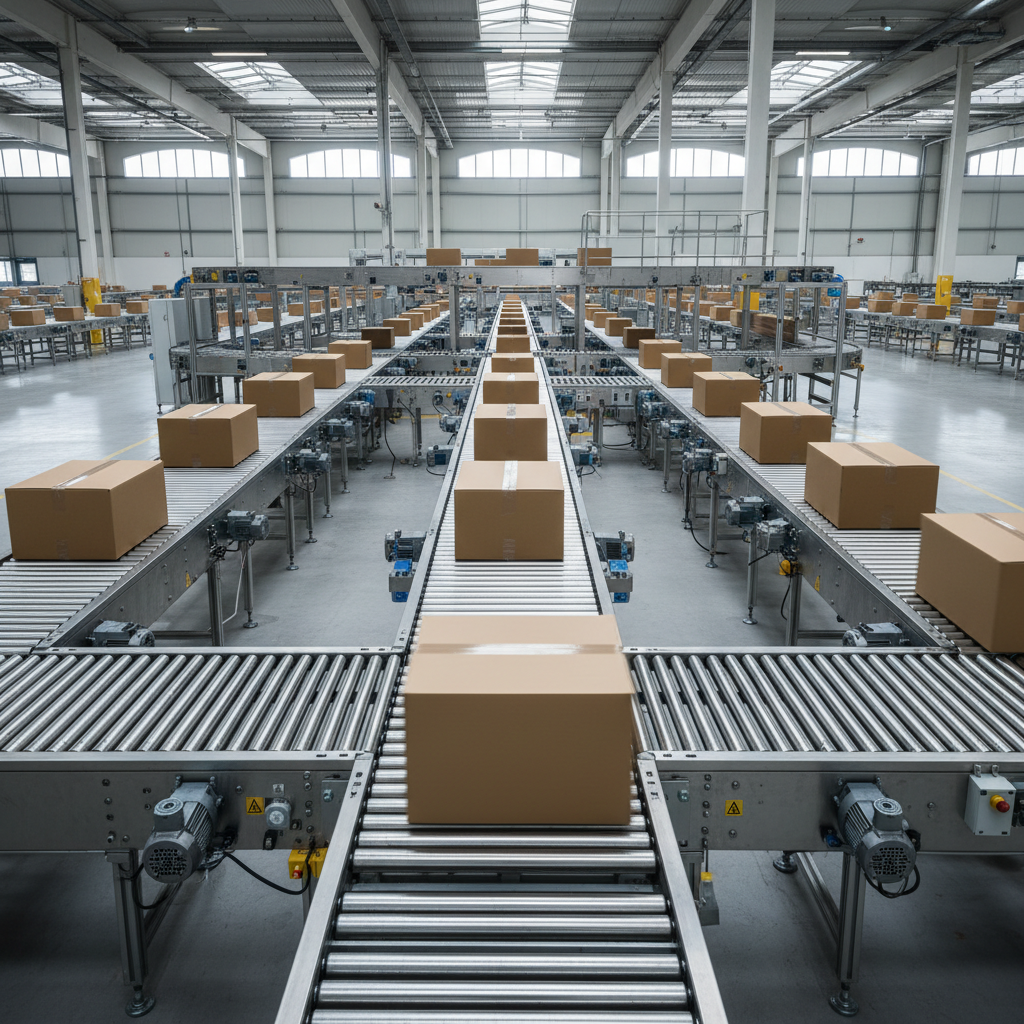 Logistics Optimization
Energie-efficiëntie in Transportbandsystemen: Verlaagde Operationele Kosten in de Benelux
Ontdek hoe u de operationele kosten van uw magazijn in de Benelux kunt verlagen door de energie-efficiëntie van uw transportbandsystemen te optimaliseren. Dit artikel behandelt concrete strategieën, van Motorized Drive Rollers (MDR) tot intelligent zonebeheer.
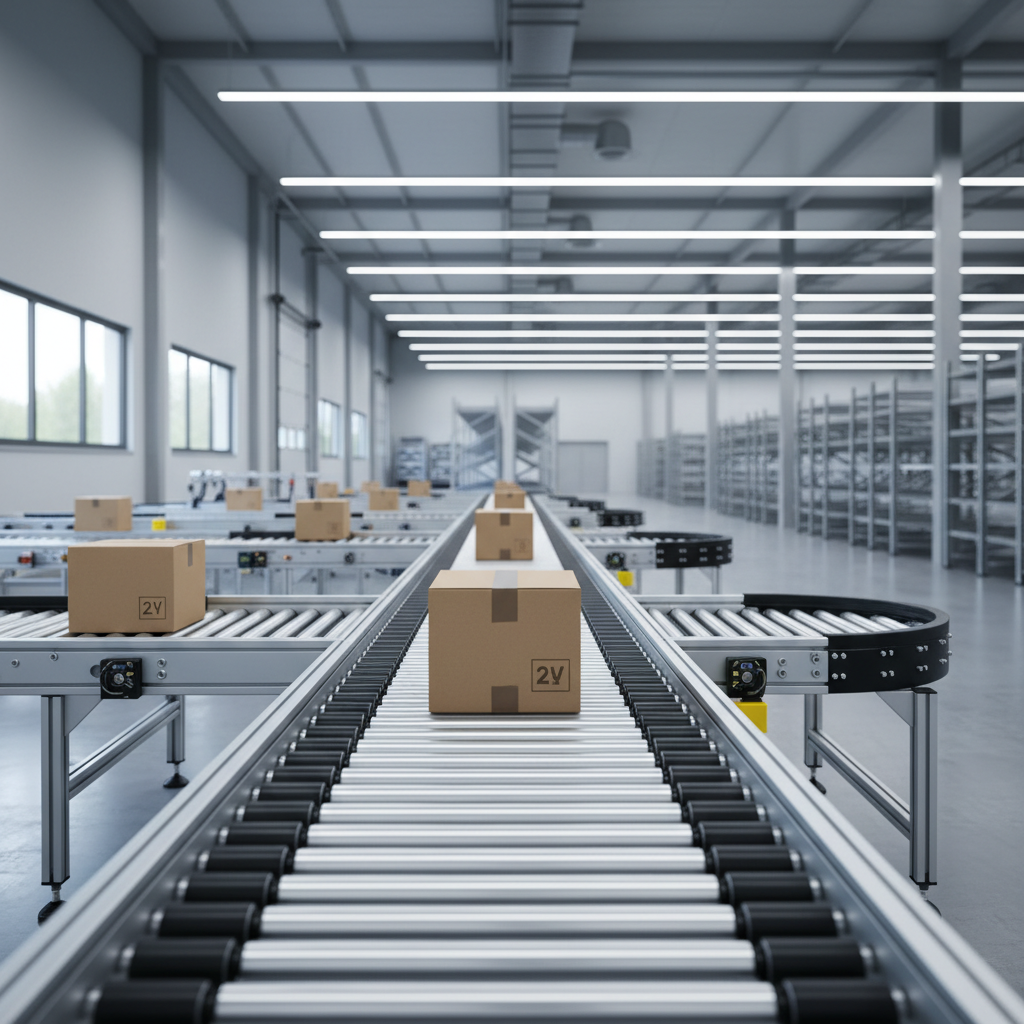 Conveyor Systems
Energiezuinige Transportbandsystemen in de Benelux (2026)
Ontdek hoe bedrijven in de Benelux tot 40% op energiekosten kunnen besparen door te investeren in energiezuinige transportbandsystemen, met een ROI die vaak binnen 2-3 jaar wordt gerealiseerd. Leer praktische stappen voor selectie, implementatie en optimalisatie.
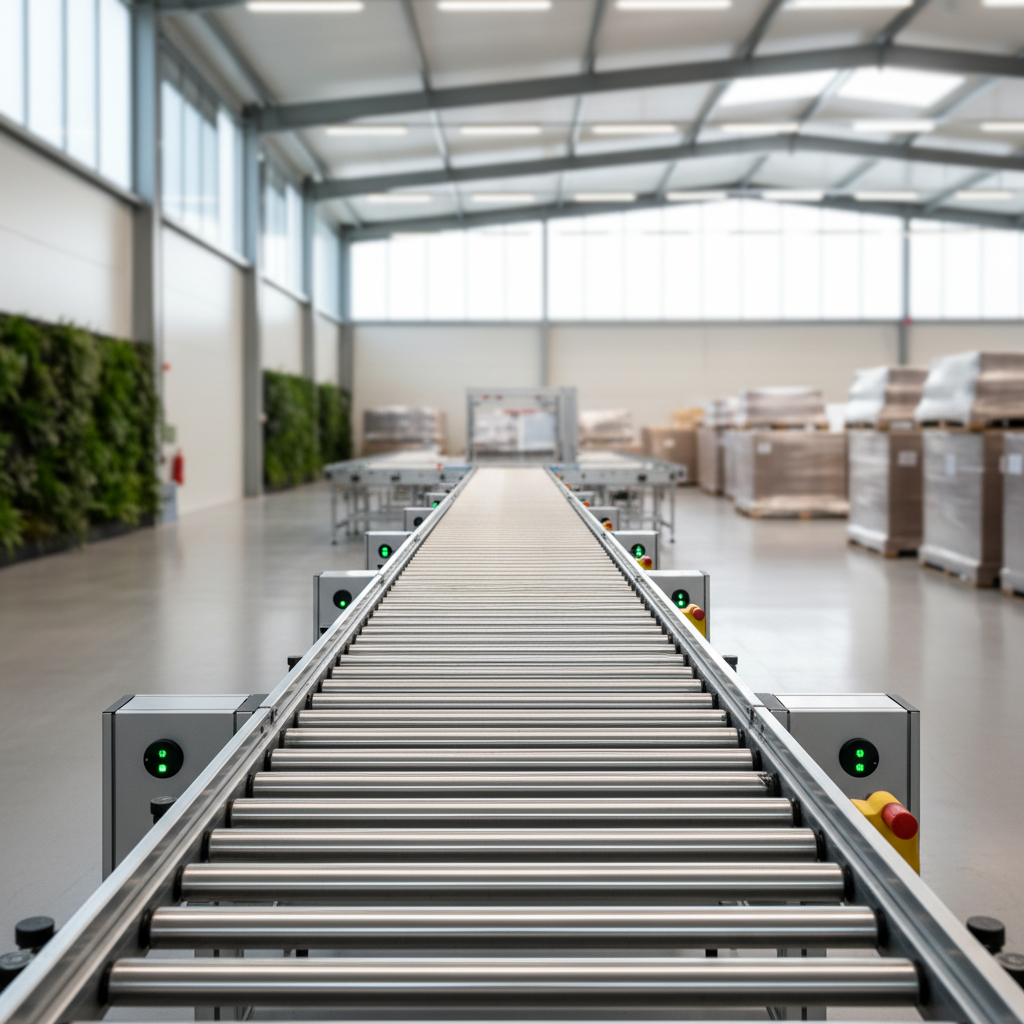 Logistics Optimization
Energiebeheer voor Transportsystemen: Gids voor de Benelux
Ontdek belangrijke strategieën voor het optimaliseren van het energieverbruik van transportsystemen in de Benelux. Deze gids behandelt motortechnologie, slimme besturingen en duurzame praktijken om operationele kosten en milieu-impact te verminderen.
 E-commerce Fulfillment
Micro-Fulfillment Centers in de Benelux: De rol van compacte transportbanden voor snelle levering
Micro-Fulfillment Centers (MFC's) revolutioneren de stedelijke logistiek in de Benelux door compacte, modulaire transportsystemen te gebruiken om levering binnen 60 minuten mogelijk te maken. Deze kleinschalige magazijnen, vaak tussen 300-1000 m², zijn strategisch in steden geplaatst om te voldoen aan de groeiende vraag van consumenten naar snelheid.
 Logistics Optimization
Energie-efficiëntie van transportsystemen in de Benelux
Het optimaliseren van de energie-efficiëntie van transportsystemen kan de operationele kosten tot 30% verlagen en de CO2-uitstoot aanzienlijk verminderen. Deze gids biedt praktische stappen voor warehousemanagers in de Benelux, met een focus op moderne motortechnologie, slimme besturingen en proactief onderhoud.
 E-commerce Fulfillment
Micro-fulfillmentcenters in de Benelux: De rol van compacte transportbanden
Micro-fulfillmentcenters (MFC's) revolutioneren de e-commercelogistiek in de Benelux door automatisering naar dichtbevolkte stedelijke gebieden te brengen. Compacte transportsystemen zijn cruciaal, waardoor deze faciliteiten van 500-1.500 m² bestellingen in minder dan 30 minuten kunnen verwerken.
 Logistics Optimization
Energie-efficiëntie in Transportsystemen: Stappen voor een Groener Benelux Magazijn
Ontdek praktische stappen om de energie-efficiëntie van uw transportsystemen te verbeteren. Van de implementatie van Motorized Drive Roller (MDR) technologie tot het optimaliseren van systeemcontroles, kunnen Benelux magazijnen energiekosten tot 70% verlagen en tegelijkertijd de duurzaamheid verbeteren.
 E-commerce Fulfillment
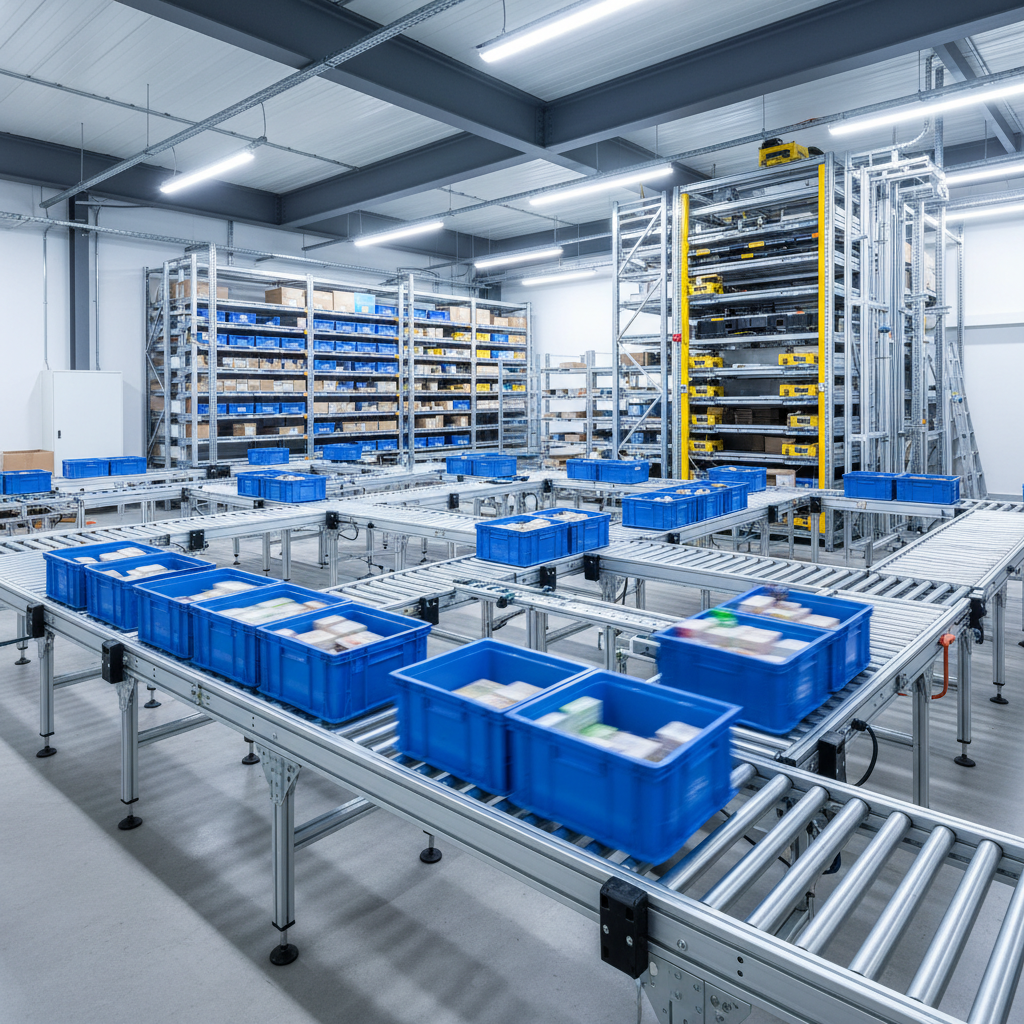
Micro-Fulfillment Centers in de Benelux: De rol van compacte transportbanden
Micro-Fulfillment Centers (MFC's) revolutioneren de stadslogistiek in de Benelux door compacte, modulaire transportsystemen te gebruiken. Deze magazijnen met een kleine voetafdruk, vaak 500-2.000 m², maken snelle levering en afhaling aan de stoeprand mogelijk door automatisering dichter bij de eindconsument te brengen.
 E-commerce Fulfillment
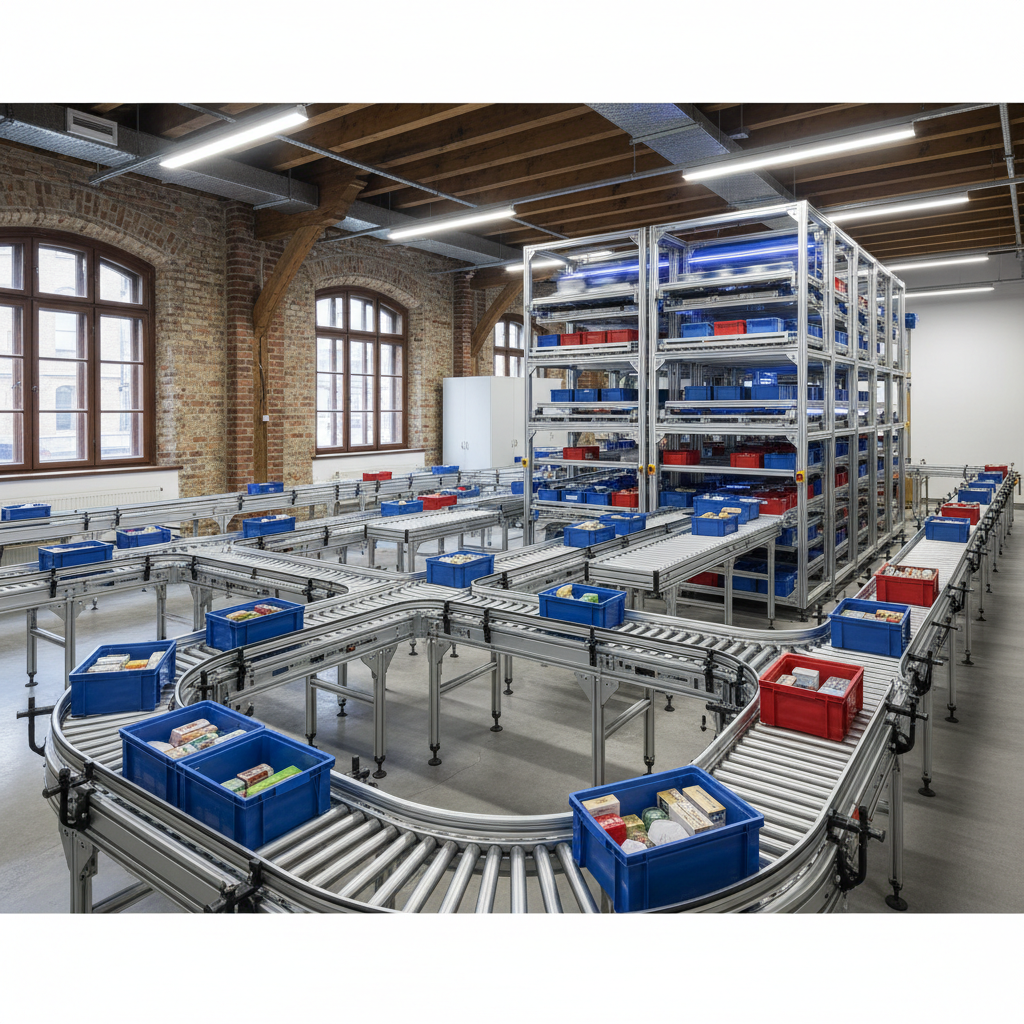
Micro-Fulfillment Centra in de Benelux: De rol van compacte transportbanden
Micro-Fulfillment Centra (MFC's) in dichtbevolkte Benelux-steden maken gebruik van compacte, modulaire transportbandsystemen voor snelle levering binnen enkele uren. Deze systemen zijn cruciaal voor het navigeren in beperkte stedelijke ruimtes en verwerken tot 2.000 orders per uur.
 E-commerce Fulfillment
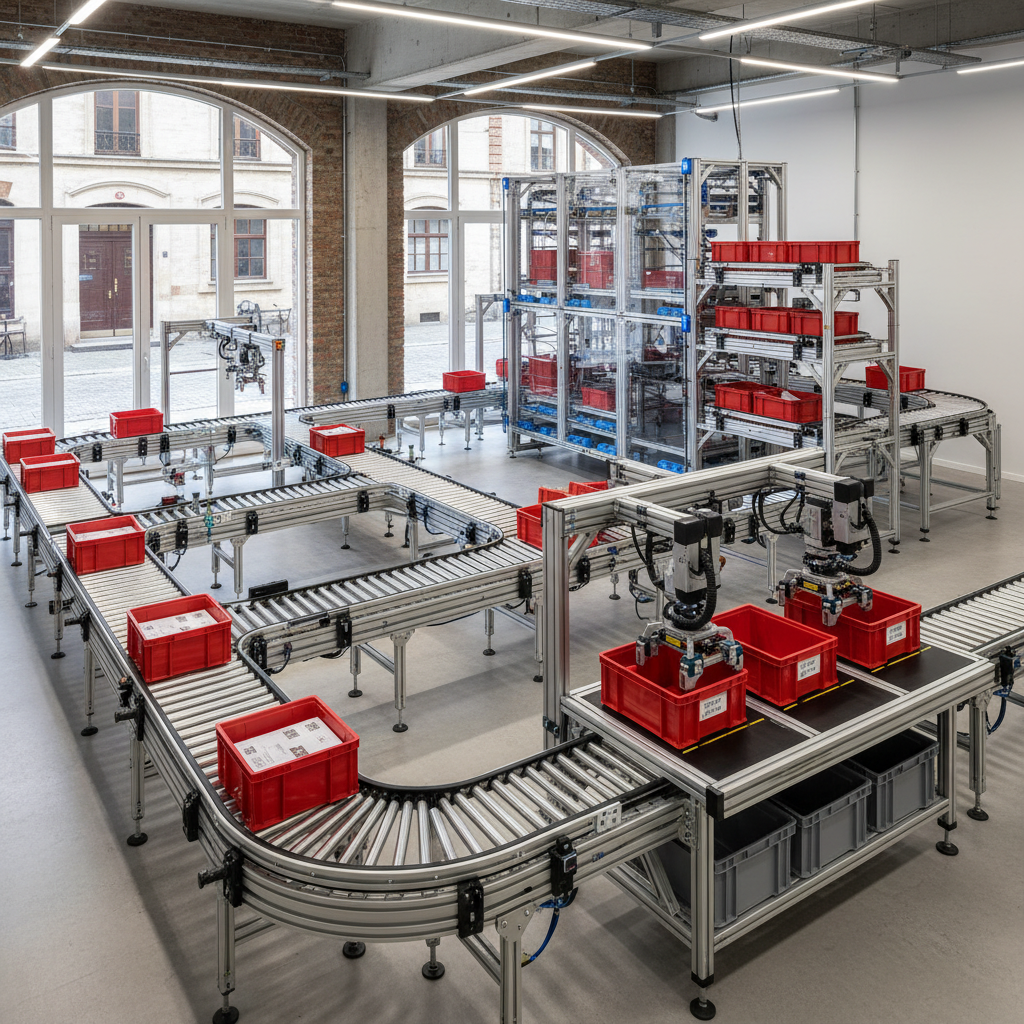
Micro-Fulfillment Centers & Flexibele Transportbanden in Stedelijke Logistiek
Micro-Fulfillment Centers (MFC's) zijn compacte, geautomatiseerde magazijnen in stedelijke gebieden, ontworpen voor snelle e-commerce orderverwerking. Flexibele transportsystemen zijn cruciaal voor het maximaliseren van ruimte en efficiëntie, waardoor orderafhandeling in minder dan 60 minuten mogelijk is.
 Logistics Optimization
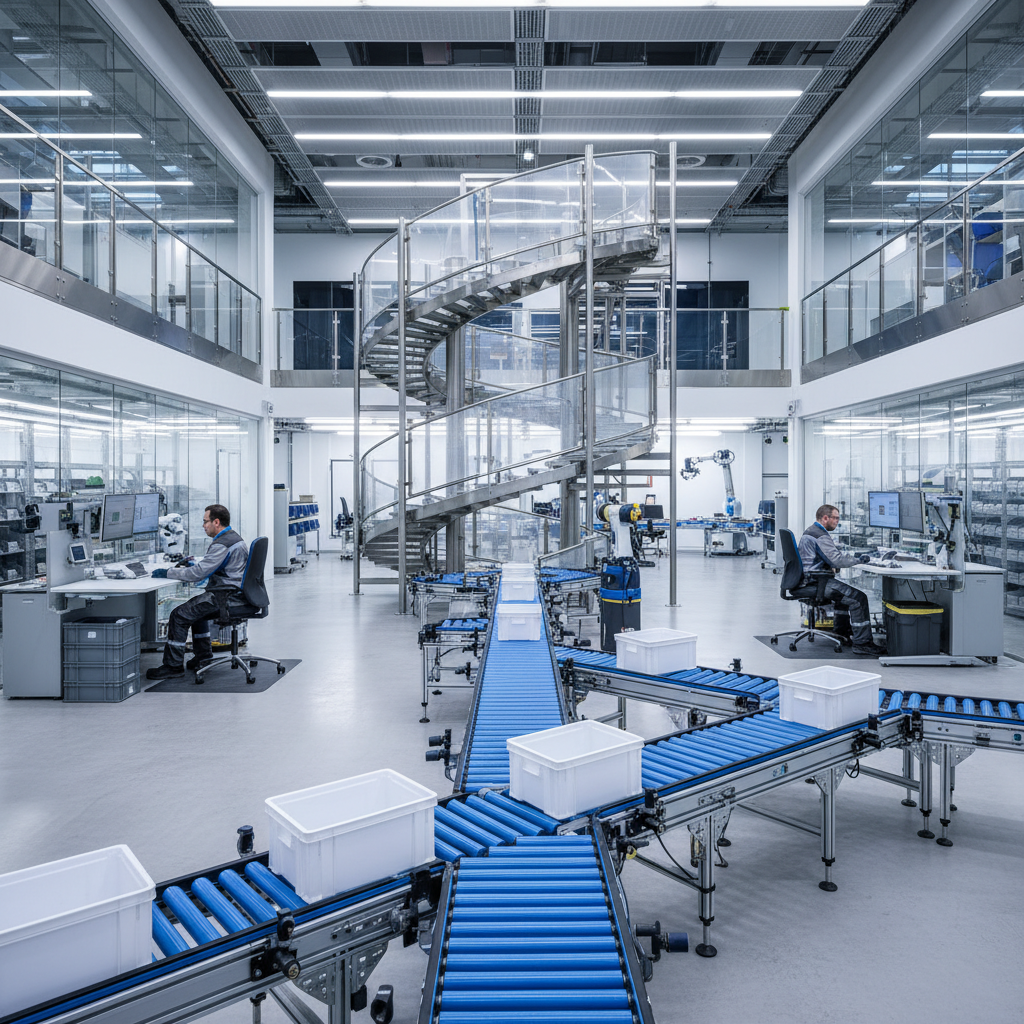
Micro-Fulfillment Centers in Benelux: De Rol van Compacte Transportbanden
Micro-Fulfillment Centers (MFC's) transformeren stedelijke logistiek in de Benelux. Dit artikel onderzoekt de vitale rol van compacte, modulaire transportsystemen om deze magazijnen met kleine voetafdruk een hoge doorvoer en snelle, lokale levering te laten realiseren.
Planning a new conveyor or automation project?
Easy Systems designs and installs internal transport, conveyor and warehouse automation systems across the Benelux. Tell them about your flow — they'll come back with a system that scales.