QRM & Modular Conveyors: The Key to Flexibility in Benelux Manufacturing
Implementing Quick Response Manufacturing (QRM) alongside modular conveyor systems allows Benelux manufacturers to drastically reduce lead times and increase operational flexibility, enabling rapid adaptation to volatile market demands and complex product mixes.
In the high-cost, high-competition landscape of the Benelux manufacturing sector, speed and adaptability are not just advantages; they are survival mechanisms. Customers demand more customisation, smaller order sizes, and faster delivery. Traditional mass-production models are cracking under this pressure. The solution lies in a powerful strategic and technological combination: Quick Response Manufacturing (QRM) supported by modular conveyor systems.
Definition
Quick Response Manufacturing (QRM) is an enterprise-wide strategy focused on a single, relentless goal: reducing lead time. It applies to every facet of the operation, from quoting to production and final delivery. When paired with modular conveyors—reconfigurable and scalable material handling systems—it creates a production environment that can physically adapt to changing needs as quickly as the strategy demands.
The Core Principles of QRM
Developed by Rajan Suri, QRM is fundamentally different from Lean. While Lean targets waste elimination, QRM is obsessed with time. Its core belief is that long lead times are the root of most manufacturing evils, including high costs, excess inventory, and poor quality. It operates on four key principles:
- The Power of Time: Reducing lead time is the primary metric. This focus naturally leads to lower costs, improved quality, and increased customer satisfaction. Long lead times create hidden costs like forecasting, planning, scheduling, and expediting.
- Organizational Structure: QRM challenges traditional hierarchical departments. It promotes the creation of flexible, multi-skilled teams working in QRM Cells. These cells are collocated, cross-functional teams responsible for a specific Family of Parts (FTMS), managing a job from start to finish.
- System Dynamics: Understanding and managing capacity is crucial. QRM advocates maintaining around 15-20% spare capacity. This "strategic backlog" prevents bottlenecks and allows the system to absorb variability in demand without lead times exploding. It's a direct contrast to the "100% utilisation" goal of many traditional manufacturers.
- Enterprise-Wide Application: QRM is not just a shop-floor methodology. It applies to office operations, supply chain management, and new product introductions. The time taken to process a quote is considered as critical as the time taken to machine a part.
Why Modular Conveyors Are the Physical Backbone of QRM
A QRM strategy is only as good as its physical implementation. You cannot have flexible, dynamic cells if your material handling infrastructure is static and bolted to the floor. This is where modular conveyors become indispensable. For an in-depth look at a key component of these systems, explore our comprehensive guide to roller conveyors.
Enabling Cellular Manufacturing
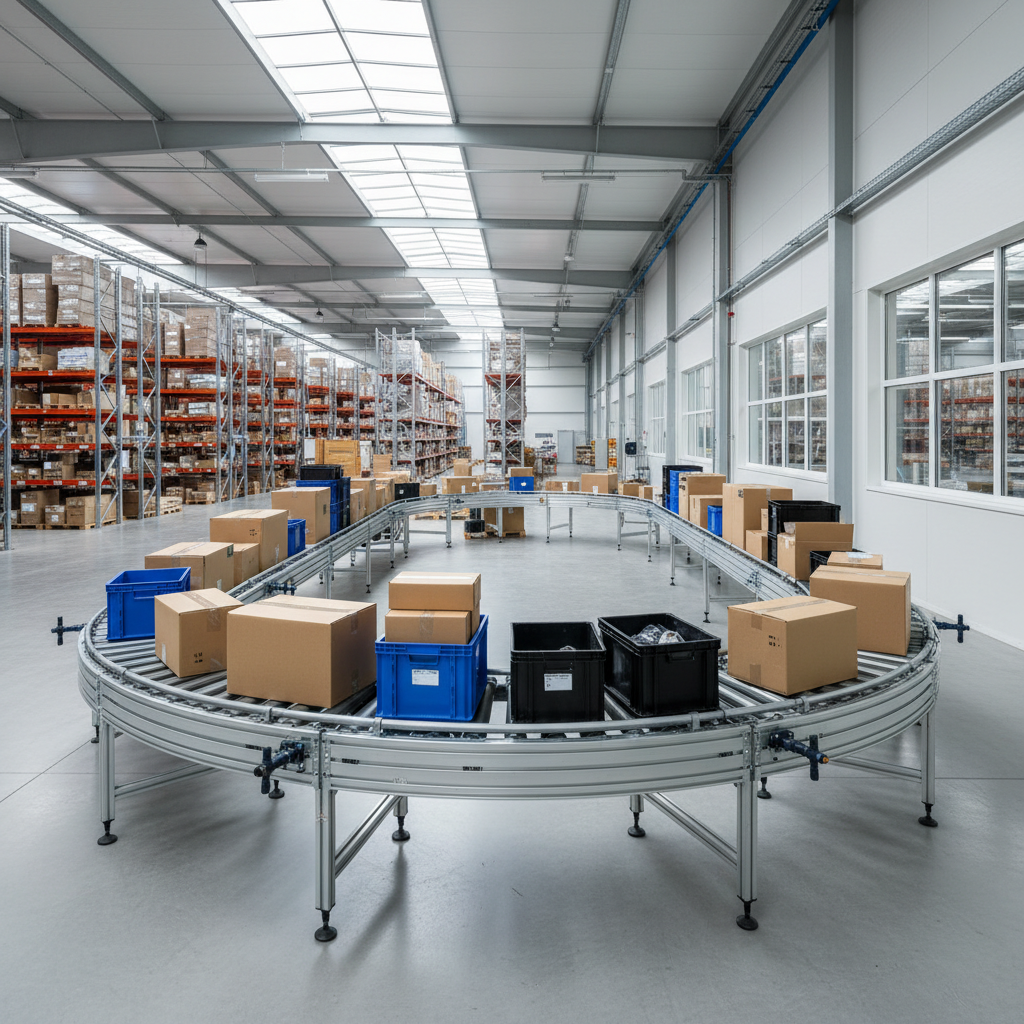
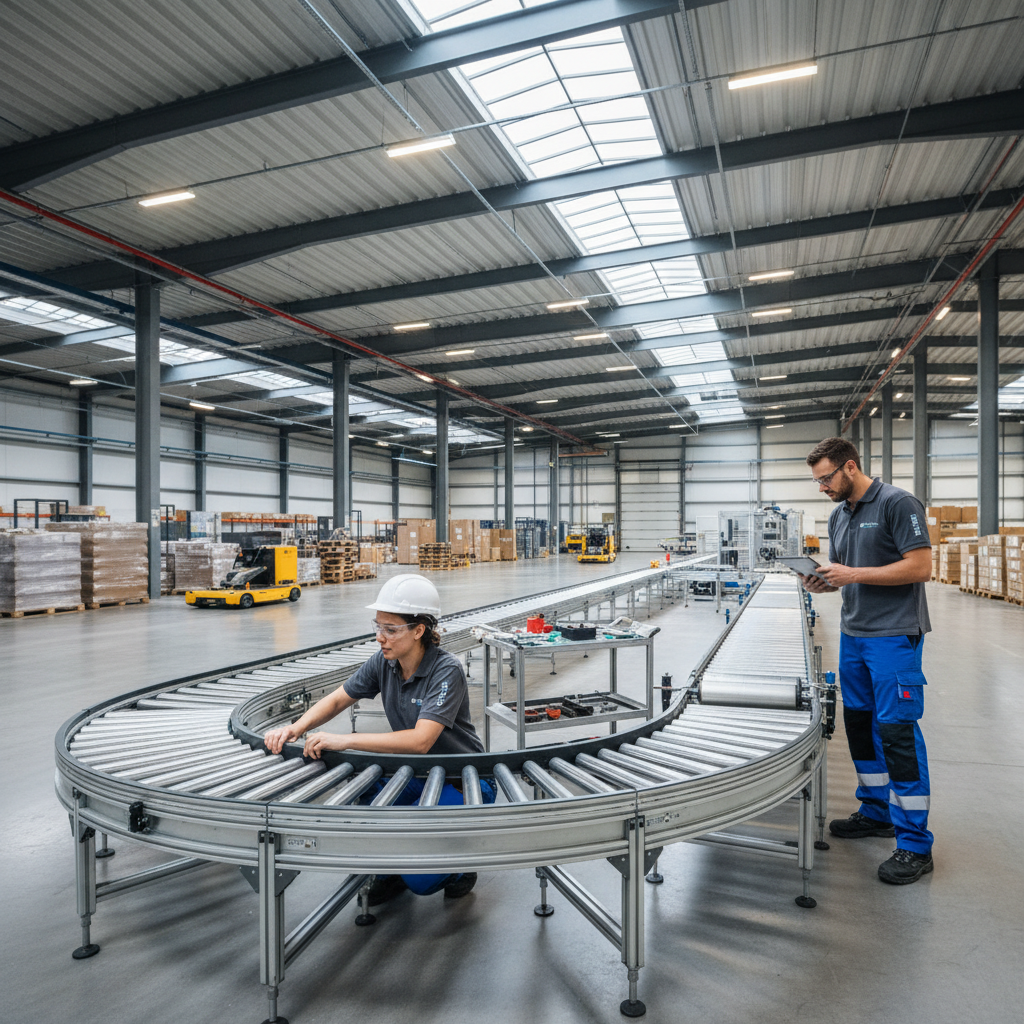
QRM Cells are often temporary, formed to handle a specific group of orders. Modular roller conveyors, particularly those using Motorized Drive Roller (MDR) technology, can be quickly assembled, reconfigured, and disassembled. A cell for a specific product family might exist for a few weeks, then be re-deployed into a completely different layout for a new set of orders. This plug-and-play capability allows the physical factory floor to mirror the agile QRM structure.
Reducing Material Travel and Wait Times
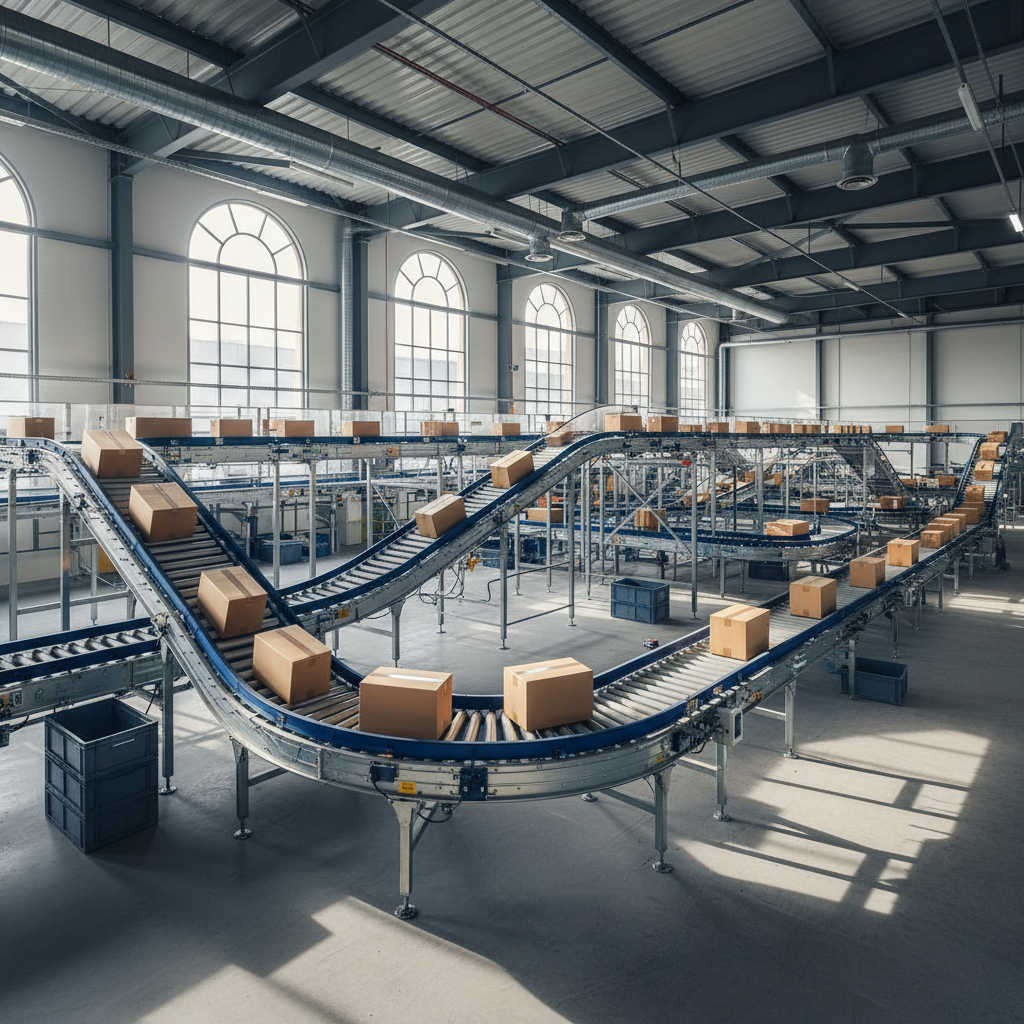
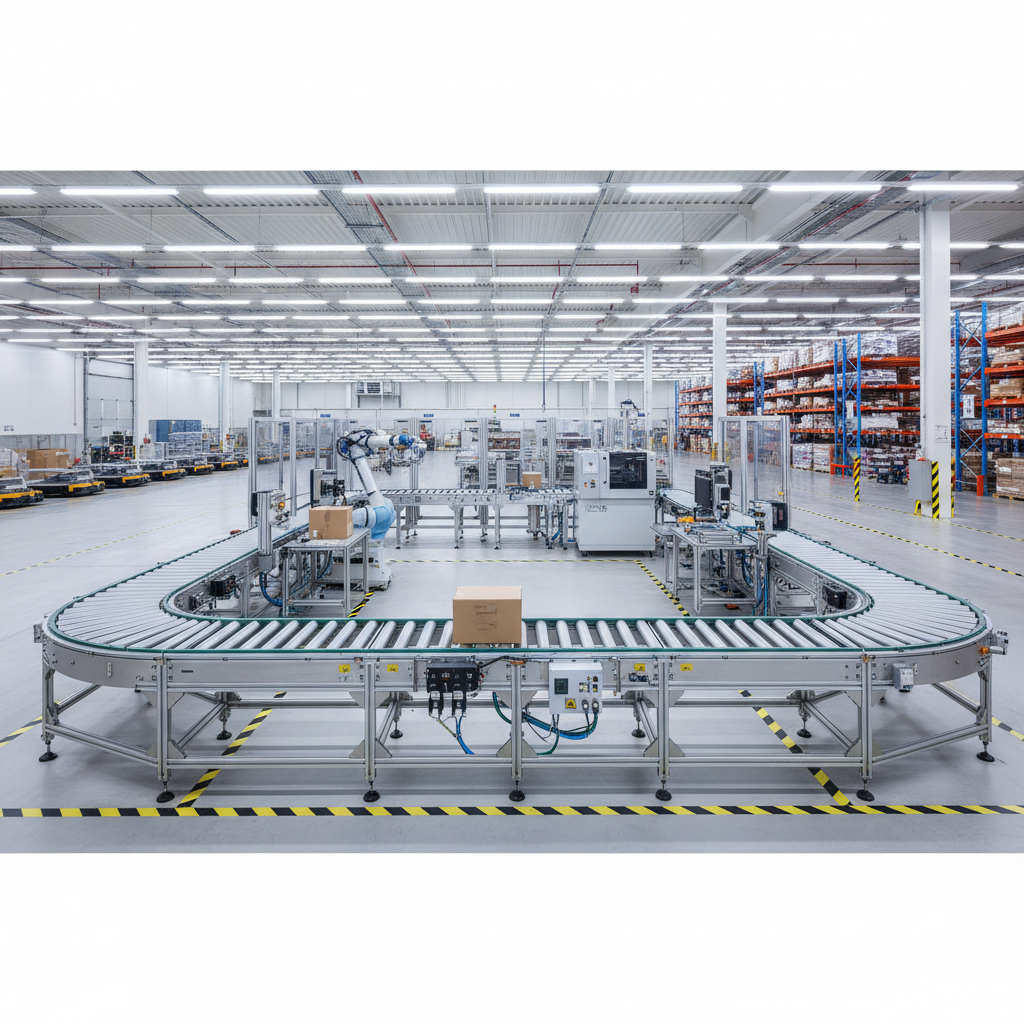
In a traditional setup, products travel long distances between functional departments (e.g., from cutting to welding to assembly), creating significant "white space" or non-value-added time. Modular conveyors allow for U-shaped or circular cell designs where parts travel minimal distances between workstations. Accumulation functions, like zero-pressure accumulation, ensure a smooth, buffered flow, preventing starvation or blockage at machines and further reducing wait times.
QRM in the Benelux Context: A Competitive Imperative
Manufacturing in Belgium, the Netherlands, and Luxembourg faces unique pressures: high labour costs, strict environmental regulations, and proximity to Germany's powerful manufacturing sector. Competing on cost alone is not viable. QRM with modular automation offers a path to compete on speed and flexibility.
Companies that embrace this model can offer high levels of product customisation with lead times that mass producers cannot match. For a Benelux SME, this means being able to profitability handle high-mix, low-volume orders that would be a logistical nightmare for a larger, more rigid competitor. As a business grows and evolves, its internal processes must scale efficiently to maintain this competitive edge, a challenge many companies face. At Easy Systems, we often see that as companies grow, their processes don't always keep pace, leading to inefficiencies that QRM and modularity can directly solve.
Data-Driven Benefits: QRM vs. Traditional Setups
The theoretical advantages translate into concrete financial and operational gains. The following table compares a hypothetical manufacturing process under a traditional model versus a QRM model with modular conveyors for an order of 200 custom electronic enclosures.
| Metric | Traditional Batch Production | QRM with Modular Conveyors | Impact |
|---|---|---|---|
| Lead Time | 25 days | 5 days | -80% |
| Work-in-Progress (WIP) | €30,000 | €6,000 | -80% |
| Layout Changeover Time | 40-50 hours (External team) | 4-6 hours (Internal team) | -90% |
| On-Time Delivery (OTIF) | 85% | 98% | +13% |
| Required Floor Space | 300 m² | 220 m² (cellular design) | -27% |
Implementing QRM with Modular Conveyors: A Practical Approach
Transitioning to QRM is a strategic journey, not a simple software install. Here's a simplified roadmap:
- Strategic Buy-in: Management must champion the shift from a cost-based to a time-based mindset. This is the most critical step.
- Identify Product Families: Analyze your product mix to identify logical groupings (Focused Target Market Segments). Don't group by product type, but by the routing and manufacturing steps required.
- Design the Initial Cell: Pick one product family and design a dedicated QRM cell. This involves mapping the process, defining team roles, and designing a modular conveyor layout that minimizes travel and waiting. The control system, often managed by a PLC or WCS, is key to integrating the conveyor with machinery.
- Pilot & Measure: Run the pilot cell with a dedicated team. Track lead time religiously. Compare results against the old process to prove the concept and build momentum.
- Scale & Refine: Based on the pilot's success, roll out the QRM structure to other product families. The beauty of the modular systems is that they can be purchased and deployed incrementally, scaling with your QRM adoption.
Positioning Your Business for the Future with Easy Systems
The principles of Quick Response Manufacturing require a paradigm shift in thinking, but the physical implementation demands a partner who understands both the strategy and the technology. In the Benelux, successfully merging QRM with modular automation isn't just about buying hardware; it's about designing a cohesive, adaptable system that serves as the foundation for your operational agility.
At Easy Systems, we specialize in translating strategic goals like lead time reduction into tangible, efficient material handling solutions. We don't just sell conveyors; we engineer flexible production backbones. Our modular roller and chain conveyor systems, designed and manufactured in the Benelux, are the perfect enablers for QRM. They are inherently reconfigurable, scalable, and designed for rapid deployment, allowing you to create and modify QRM cells with minimal downtime. We partner with you to analyze your product flow and design a system that eliminates bottlenecks, reduces non-value-added time, and gives your team the physical flexibility needed to compete on speed. Let us be the trusted partner that helps you make your transition to a faster, more responsive manufacturing future a reality.
This article is part of the Conveyor-Design knowledge hub, edited by Easy Systems engineers who design conveyor and warehouse automation systems across the Benelux every week.
Frequently asked questions
What is the main difference between QRM and Lean Manufacturing?+
While both aim for efficiency, Lean focuses on eliminating waste in processes, whereas QRM's primary goal is reducing lead time across the entire operation, from order to delivery. QRM is particularly suited for high-mix, low-volume environments common in the European SME landscape.
How much does a modular conveyor system cost?+
Costs vary significantly based on complexity, length, and components like MDRs or curves. A simple gravity roller system for a small cell might start at €2,000-€5,000, while a sophisticated, PLC-controlled motorized system could range from €20,000 to €50,000+ per cell, depending on its size and functionality.
Can I integrate modular conveyors with my existing machinery?+
Yes, that's a key advantage. Modular systems are designed for integration. Using standard interfaces and control systems like a <a href="/glossary#plc">PLC</a>, they can connect to CNC machines, assembly stations, and packing equipment, ensuring a seamless material flow within your QRM cell.