Material Handling
Moving, storing and controlling materials across the facility.
Material handling is the discipline of moving the right item to the right place at the right time with the least effort. It spans manual carts, forklifts, conveyors, AGVs, hoists and overhead systems — and the safety, ergonomics and software that bind them together.
Articles here help operations and engineering teams choose the right equipment for each flow, design safe pedestrian/vehicle interfaces, and balance capex against operating cost over a 10-year horizon.
Articles in Material Handling
 Material Handling
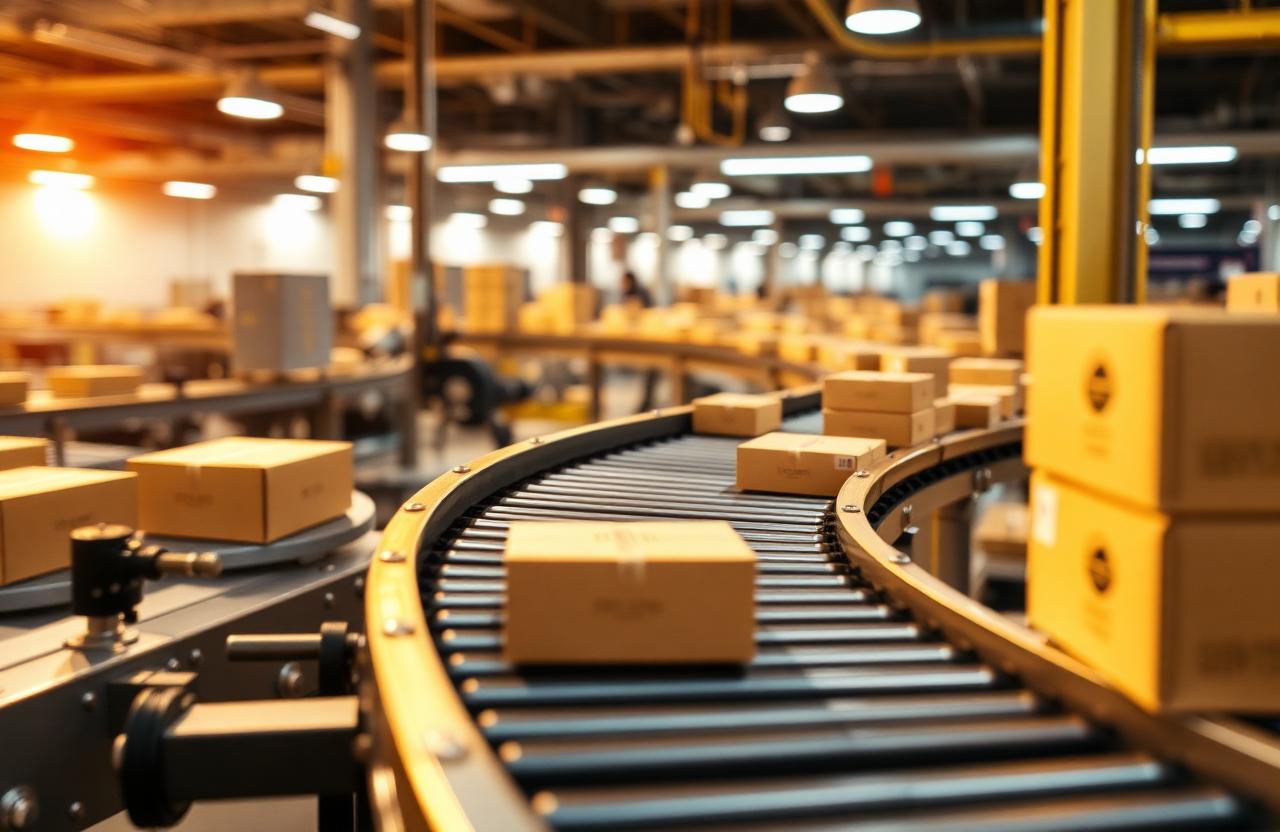
Hygienic Conveyor Systems for Food & Pharma in the Benelux
A comprehensive guide for Benelux food and pharmaceutical producers on selecting, designing, and implementing hygienic conveyor systems that comply with the strictest EHEDG, FDA, and EU regulations.
 Material Handling
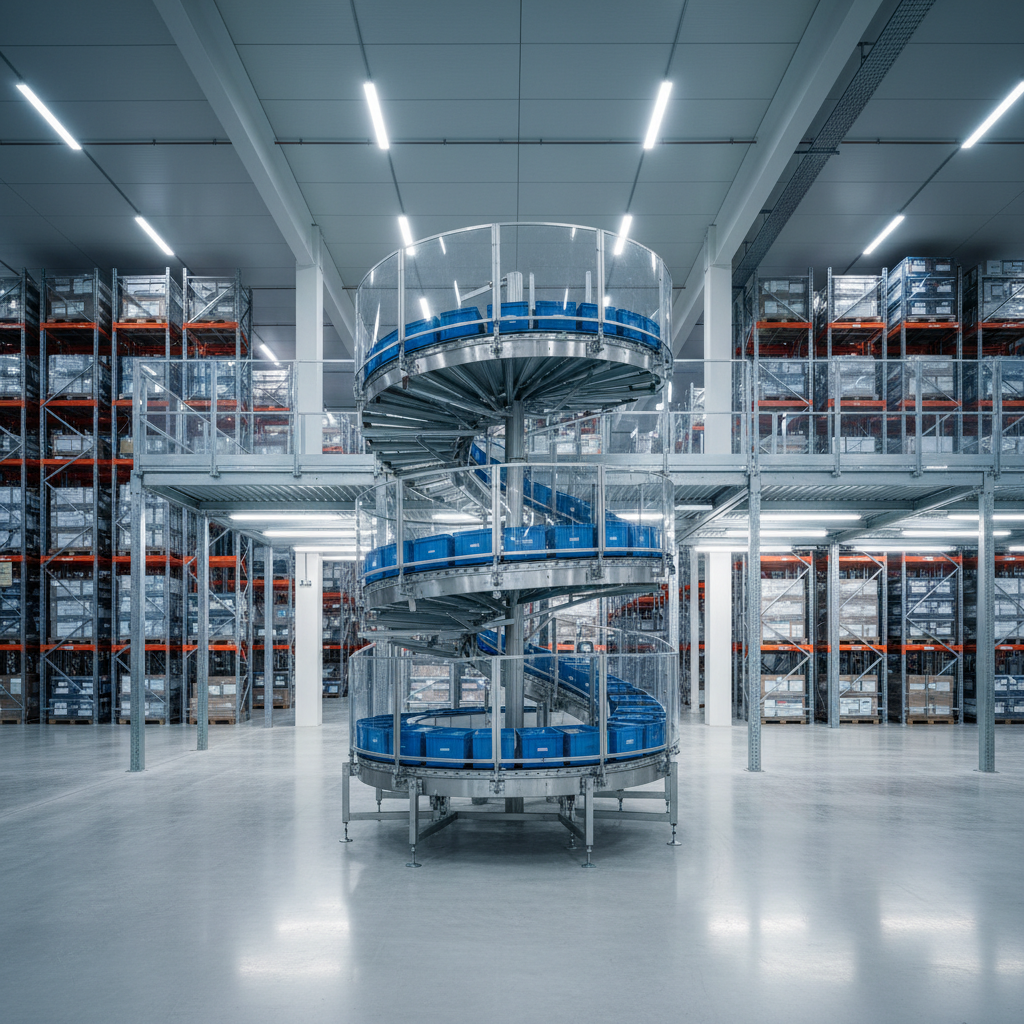
Vertical Conveyor Systems: Maximizing Storage in Benelux
In the space-constrained Benelux market, building 'up' is more viable than building 'out'. This guide explores how vertical conveyor systems unlock massive storage density gains by efficiently connecting mezzanines and multi-level structures.
 Material Handling
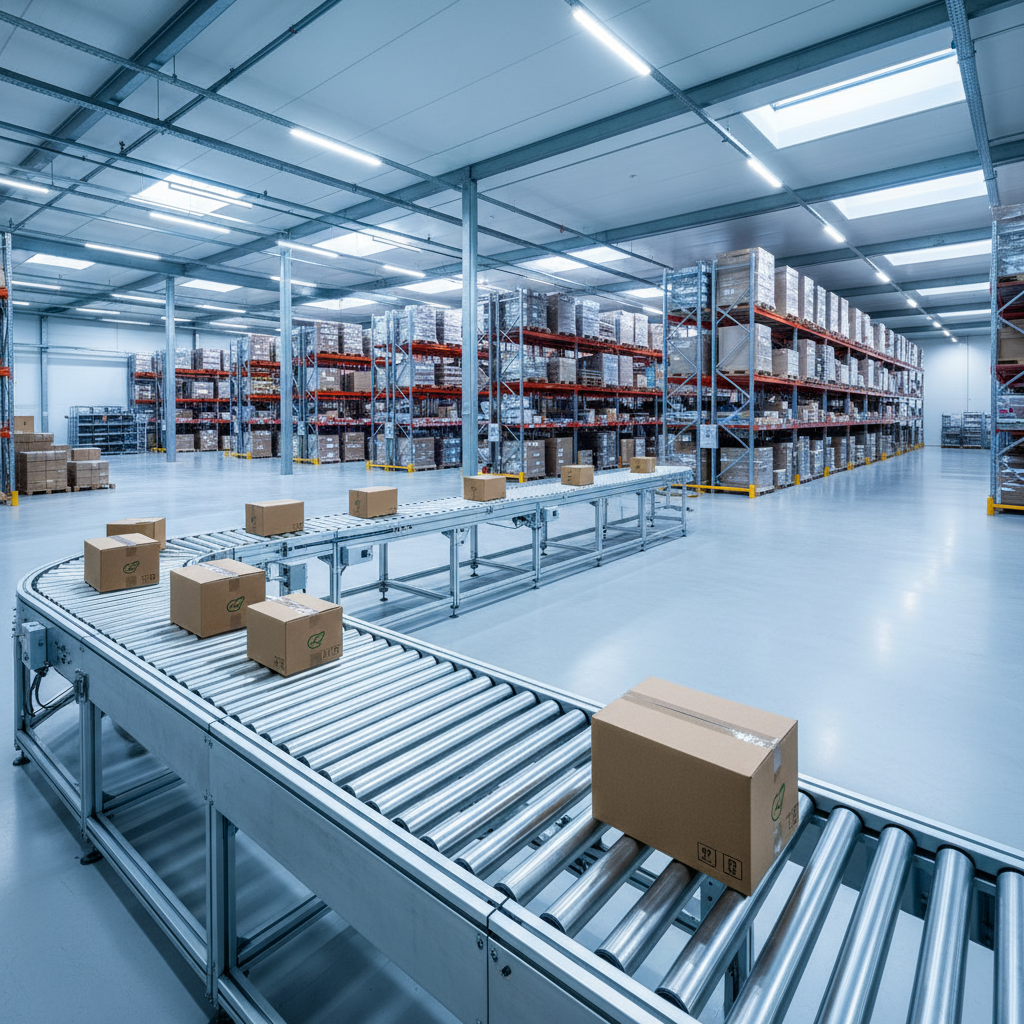
Sustainable Conveyor Systems: Eco-Friendly Choices for 2026
As Benelux warehouses face stricter environmental regulations, investing in sustainable, modular conveyor systems is no longer an option but a necessity. This guide explores the most energy-efficient and eco-friendly choices for 2026.
 Material Handling
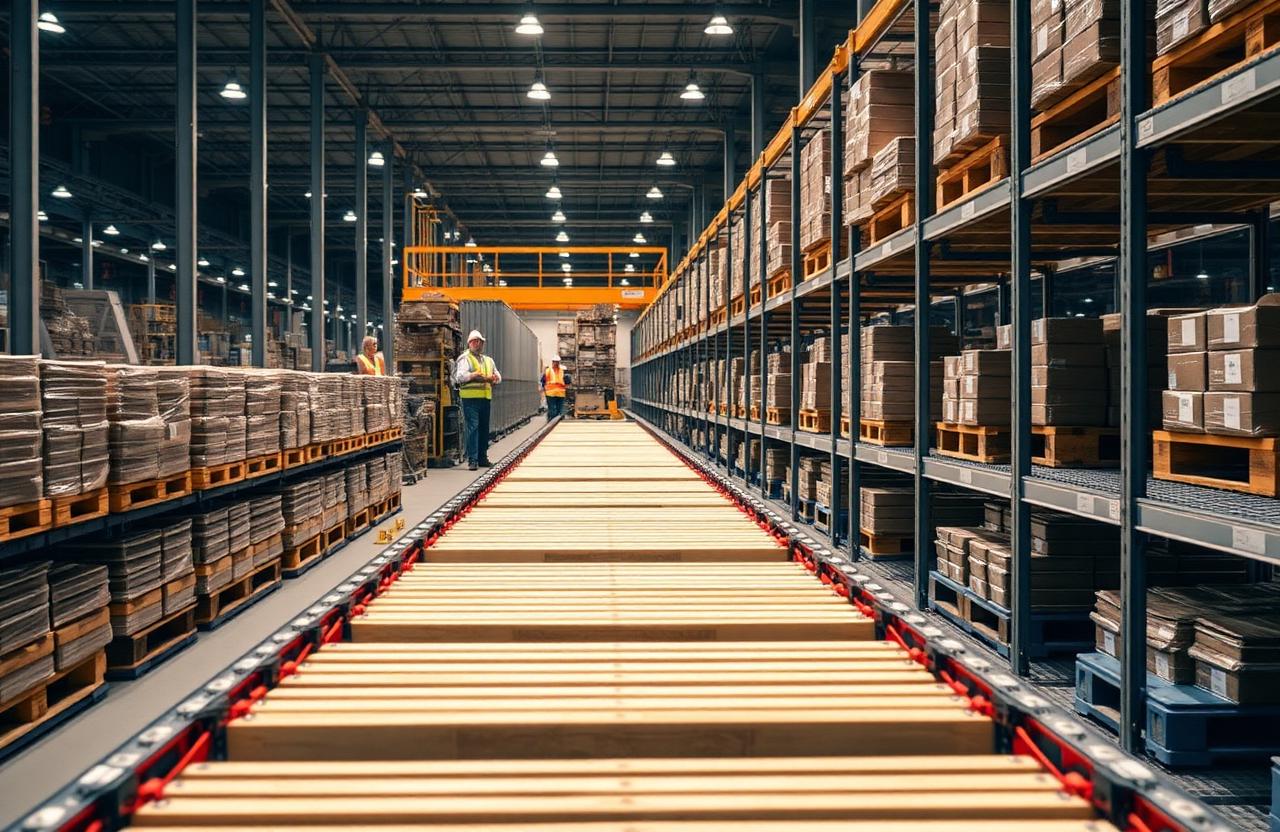
Automated Pallet Transport Systems: A Practical Buyer's Guide
Pallet conveyors, transfer cars, AGVs and shuttles all move pallets — but each shines in a different layout. Here's how to decide.
About material handling
What is material handling equipment?+
Any equipment that moves, stores, controls or protects materials — forklifts, pallet trucks, conveyors, AGVs, AS/RS, hoists, racking and packaging stations all qualify.
How do I improve material handling safety?+
Separate pedestrian and vehicle traffic with marked lanes and gates, use proximity sensors on AGVs, train all operators yearly, and track near-miss incidents — they predict serious accidents months in advance.
When should I move from forklifts to AGVs?+
When the same routes are driven repeatedly, when labour cost per shift exceeds AGV TCO over 5 years, or when accident rates push insurance premiums up. Typical break-even: 2-shift operations with 3+ fixed routes.
Planning a new conveyor or automation project?
Easy Systems designs and installs internal transport, conveyor and warehouse automation systems across the Benelux. Tell them about your flow — they'll come back with a system that scales.