Future-Proofing Your Conveyor System: Adapting to Evolving Benelux Consumer Demands
With Benelux consumer demands for speed and flexibility at an all-time high, a static conveyor system is a liability. This guide explores the principles of future-proofing your logistics with modular, scalable, and data-driven conveyor solutions.
The logistics landscape in the Benelux is in constant flux. Driven by some of Europe's most mature e-commerce markets, consumer expectations for speed, personalization, and sustainability are relentlessly pushing warehouses to their limits. A conveyor system installed just five years ago might already be a bottleneck. Future-proofing is no longer a buzzword; it's a critical business strategy for survival and growth in the competitive Dutch, Belgian, and Luxembourgish markets.
Definition
In logistics, future-proofing a conveyor system is the practice of designing and implementing a material handling solution with the inherent flexibility to adapt to future changes in capacity, product types, and operational processes with minimal disruption and cost.
The Benelux Context: Why Your System Needs to Evolve
The Benelux region presents a unique set of challenges. High population density means delivery expectations are high, with next-day or even same-day delivery becoming standard. Warehouses in hubs like Antwerp, Rotterdam, and Venlo are not just serving a local market but are critical nexuses for pan-European distribution. This environment creates specific pressures:
- Volume Volatility: Seasonal peaks (e.g., Sinterklaas, Black Friday) are becoming more extreme, requiring systems that can scale up and down rapidly.
- Shrinking Order Size: The average e-commerce order contains fewer items, meaning your system must efficiently handle thousands of small, single-item parcels (weighing 0.5 kg to 5 kg) instead of fewer, larger wholesale cartons.
- SKU Proliferation: Consumers demand choice. This leads to a massive increase in the number of Stock Keeping Units (SKUs), complicating storage and retrieval.
- Reverse Logistics: High return rates (up to 30-40% in fashion e-commerce) demand a conveyor system that can handle inbound processing as efficiently as outbound.
Core Principles of a Future-Proof System
A future-proof system isn't about predicting the future perfectly. It's about building a system that doesn't lock you into a single, rigid operational model. The core principles are Modularity, Scalability, and Connectivity.
Modularity: The Building Blocks of Flexibility
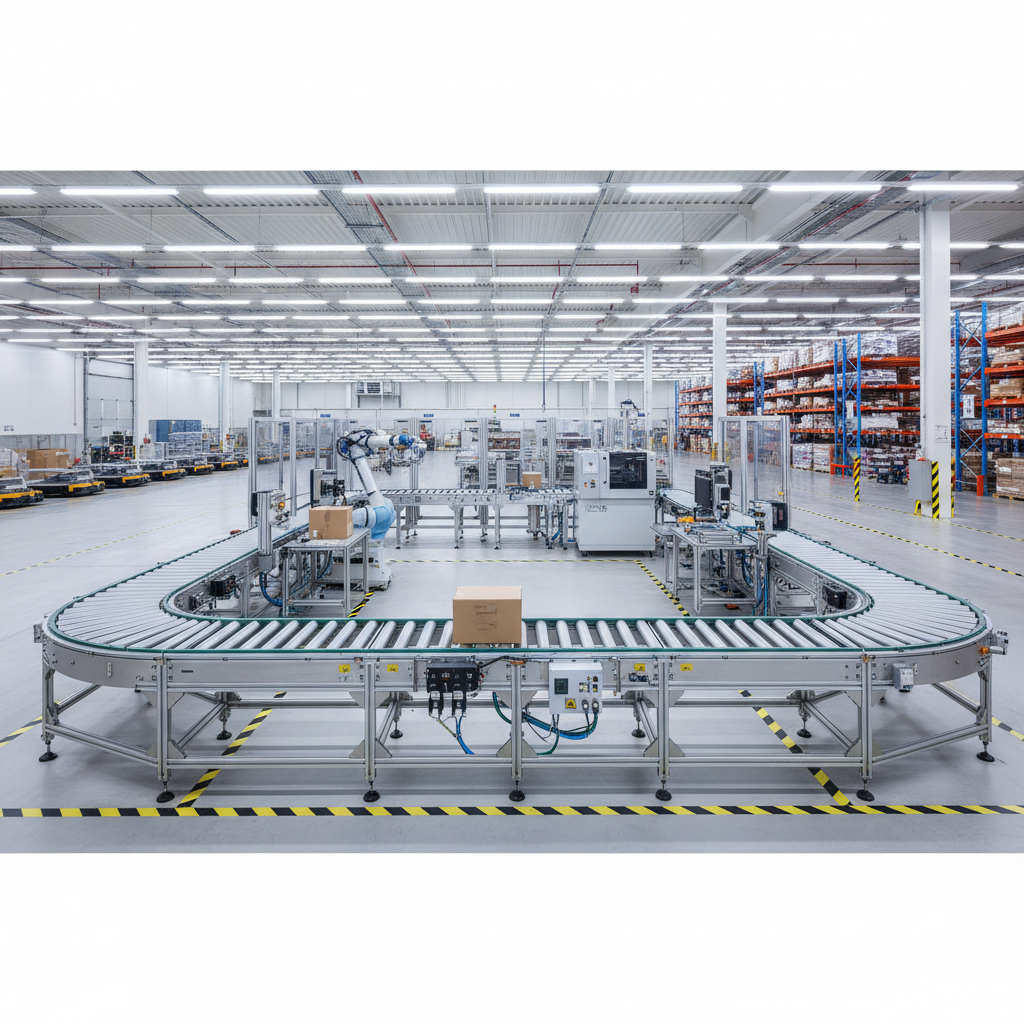
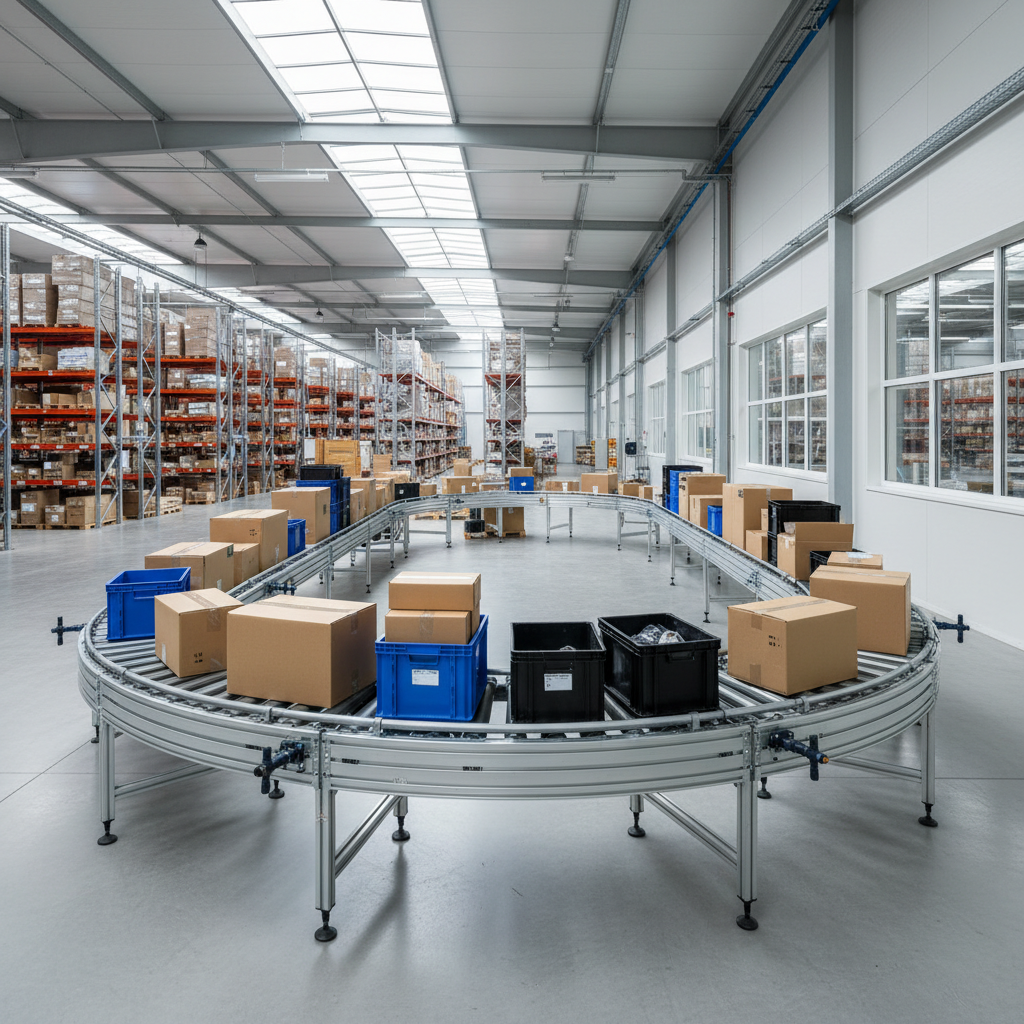
A modular conveyor system is constructed from standardized, interoperable sections. Think of it like industrial LEGO. Instead of a single, welded-frame system, you have sections—curves, straights, merges, sorters—that can be added, removed, or reconfigured. A simple belt conveyor section can be swapped for a motor-driven roller (MDR) segment to create accumulation zones, for instance, without redesigning the entire line.
Scalability: Growing Without Growing Pains
Scalability is the ability to increase system throughput. In a future-proof system, this happens in stages. You might start with a system designed for 1,500 cartons per hour (CPH). A scalable design allows you to increase that to 3,000 CPH next year by adding a new sorting lane or speeding up existing modules, rather than requiring a full "rip and replace" project. This is crucial for managing capital expenditure.
Connectivity: The Brains of the Operation
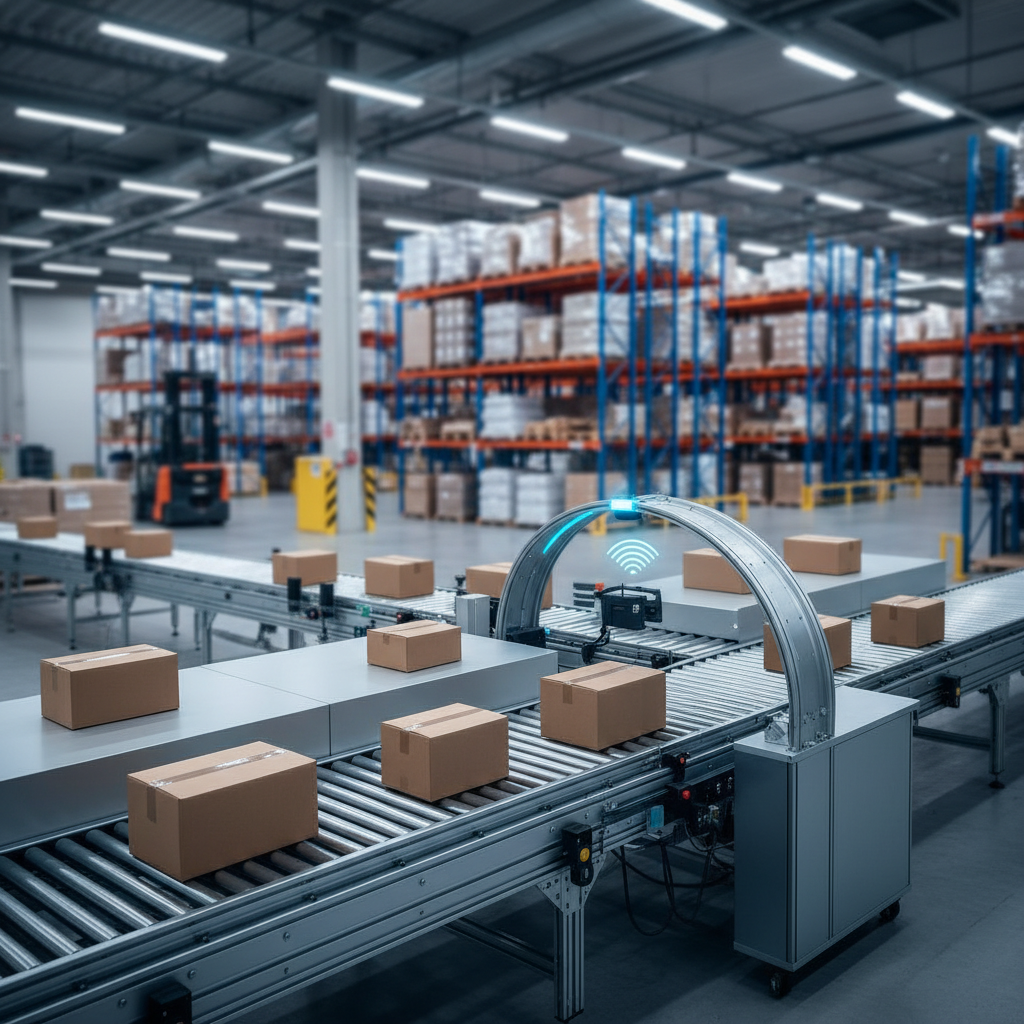
A modern conveyor is a data-generating powerhouse. Each package is tracked, each motor's performance is monitored, and every bottleneck is logged. A future-proof system leverages this data through a Warehouse Control System (WCS) or Warehouse Execution System (WES). This software layer orchestrates the flow of goods, allowing you to change routing logic, run diagnostics, and integrate with other systems like an Automated Storage and Retrieval System (AS/RS) via a simple software update.
Technology Comparison: Key Enablers of a Future-Proof System
Choosing the right technology is critical. A system that can handle current needs might be completely unsuited for future ones. Below is a comparison of conveyor technologies based on their adaptability.
| Technology | Typical Speed | Scalability | Flexibility (Product & Route) | Indicative Cost (per meter) |
|---|---|---|---|---|
| Lineshaft Roller Conveyor | 0.3 - 0.7 m/s | Low | Low (fixed routes) | €400 - €700 |
| Belt-Driven Roller Conveyor | 0.5 - 1.2 m/s | Medium | Low | €600 - €1,100 |
| Motor-Driven Roller (MDR) Conveyor | 0.2 - 1.5 m/s | High | High (zoning, re-routing) | €900 - €1,800 |
| Cross-Belt Sorter System | 1.5 - 3.0 m/s | Medium-High | High (dynamic sorting) | €2,500+ (as part of a system) |
MDR: The Engine of Modern Conveyors
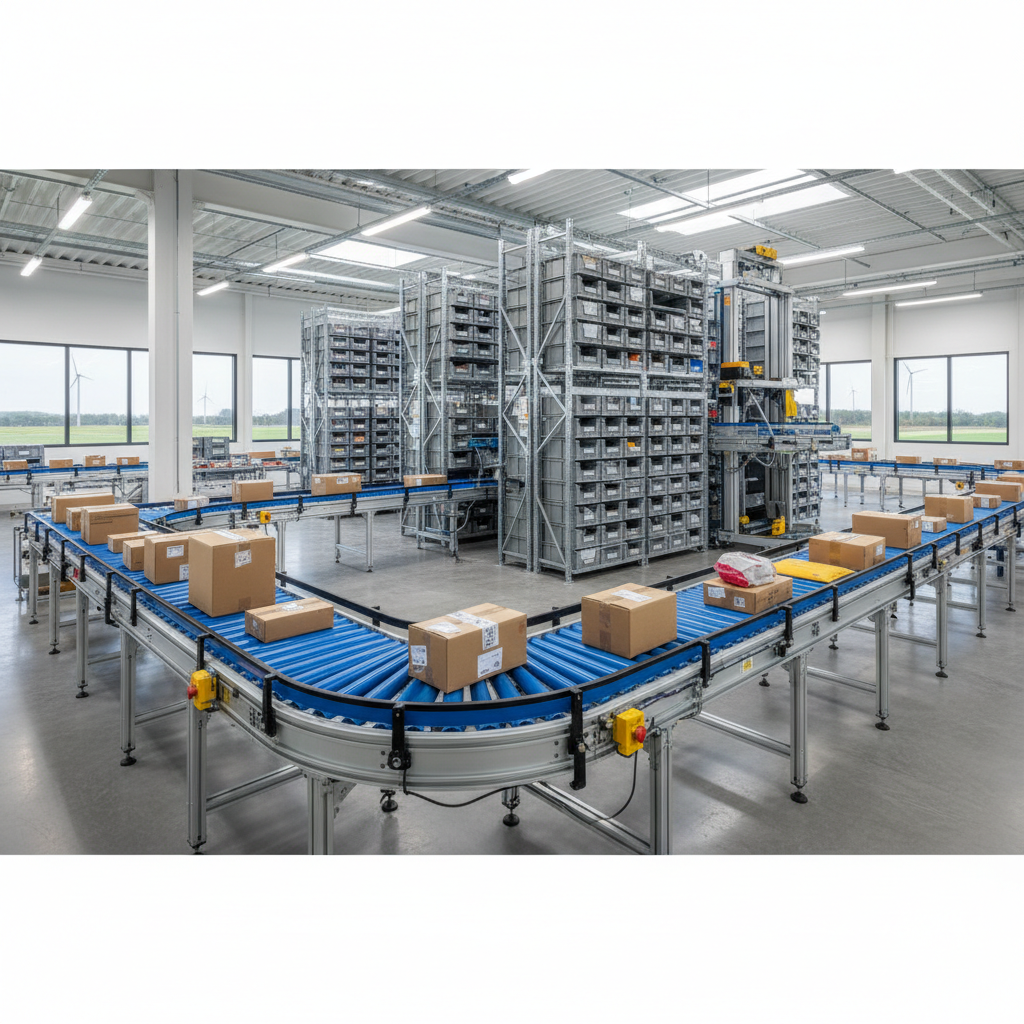
Motor-Driven Roller (MDR) technology, often using 24V DC power, is a cornerstone of future-proof design. Each small section (or "zone") of the conveyor has its own roller with an integrated motor, controlled by a logic card. This allows for Zero-Pressure Accumulation—a key feature for preventing product damage and managing flow—and enables software-based route changes. It's inherently modular and energy-efficient, as motors only run when a package is present.
Balancing CAPEX and Long-Term ROI
A modular MDR system may have a 20-30% higher initial investment (CAPEX) than a traditional, centrally-driven system. A 100-meter line might cost €120,000 for a modular MDR setup versus €90,000 for a simpler belt-driven system. So, where is the ROI?
- Phased Investment: You don't need to buy a system for your peak-season volume five years from now. Buy for your 18-month forecast and scale as you grow. This preserves capital.
- Reduced Downtime: If a motor fails on an MDR system, you replace a single €150 roller in under 15 minutes. If the single drive on a 100-meter traditional line fails, the entire line is down for hours, costing thousands in lost productivity.
- Adaptation Cost: Re-routing a section or adding a new workstation to an MDR line is a matter of moving a few modules and a software update, a project that can take a weekend. Doing the same on a welded, inflexible system could mean weeks of cutting, welding, and recabling. For many companies, it's crucial that their processes can adapt as the business grows - a challenge we often help solve, as detailed in this analysis of business growing pains.
Integration with the Wider Warehouse Ecosystem
Your conveyor doesn't operate in a vacuum. A future-proof strategy considers its role in the total material flow. The system must be able to communicate seamlessly with other technologies. This is where high-level control systems and open communication standards become vital. A well-designed system can efficiently feed a high-speed sorter, receive goods from an AS/RS, or integrate with pick-and-place robotic cells. To dive deeper into modern sortation technologies, explore our comprehensive guide on sortation systems.
Easy Systems: Your Partner for Future-Proof Logistics in Benelux
Designing a truly future-proof conveyor system requires more than just buying modular components. It demands a partner with deep expertise in Benelux logistics, an understanding of operational process flow, and a forward-thinking engineering mindset.
At Easy Systems, we don't just sell conveyors; we design adaptive material handling solutions. Our approach is rooted in a thorough analysis of your current data and your strategic growth plans. We specialize in creating modular, scalable systems that provide the flexibility you need to thrive in the dynamic Benelux market. By leveraging robust technologies like MDR and integrating them intelligently with proven PLC-based controls and WCS software, we build systems that solve today’s challenges and are ready for tomorrow’s opportunities. We help you invest wisely, ensuring that your logistics infrastructure becomes a competitive advantage, not a constraint to your growth.
This article is part of the Conveyor-Design knowledge hub, edited by Easy Systems engineers who design conveyor and warehouse automation systems across the Benelux every week.
Frequently asked questions
What is the very first step to future-proofing my conveyor system?+
The first step is a data-driven analysis of your current operation. You need to understand your product mix (dimensions, weight), throughput variations (hourly, daily, seasonal), and bottlenecks. This data forms the baseline for designing a flexible and scalable solution.
Can I future-proof my existing, older conveyor system?+
Partially. While a full 'rip and replace' offers the most flexibility, you can often introduce future-proof principles into a legacy system. This could involve upgrading a critical section to MDR, adding a modern sorter, or implementing a better control system (WCS) to improve the flow on existing hardware.
How does sustainability fit into a future-proof conveyor system?+
It's a key component. Modern technologies like 24V DC MDR are significantly more energy-efficient than traditional AC-powered systems, as they only run when needed. A flexible system also reduces waste by minimizing product damage and being adaptable instead of disposable.