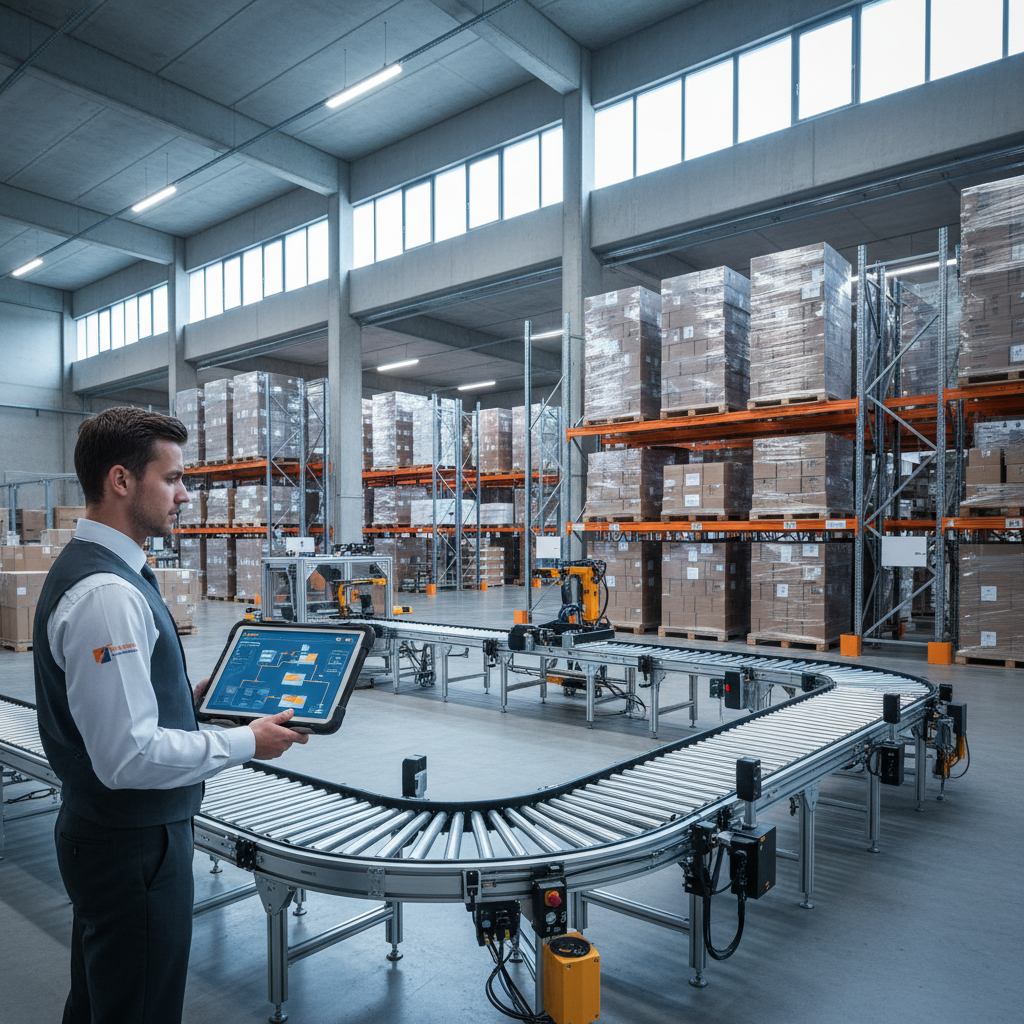
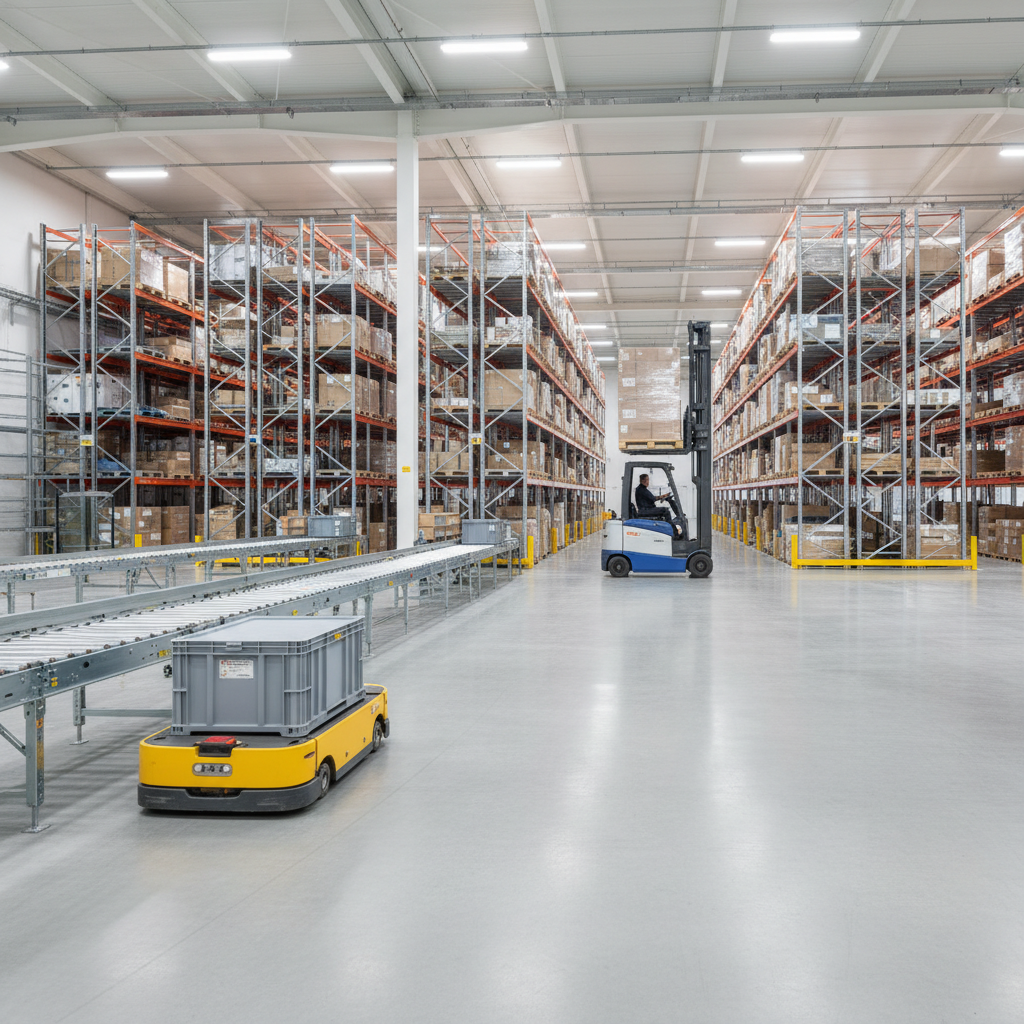
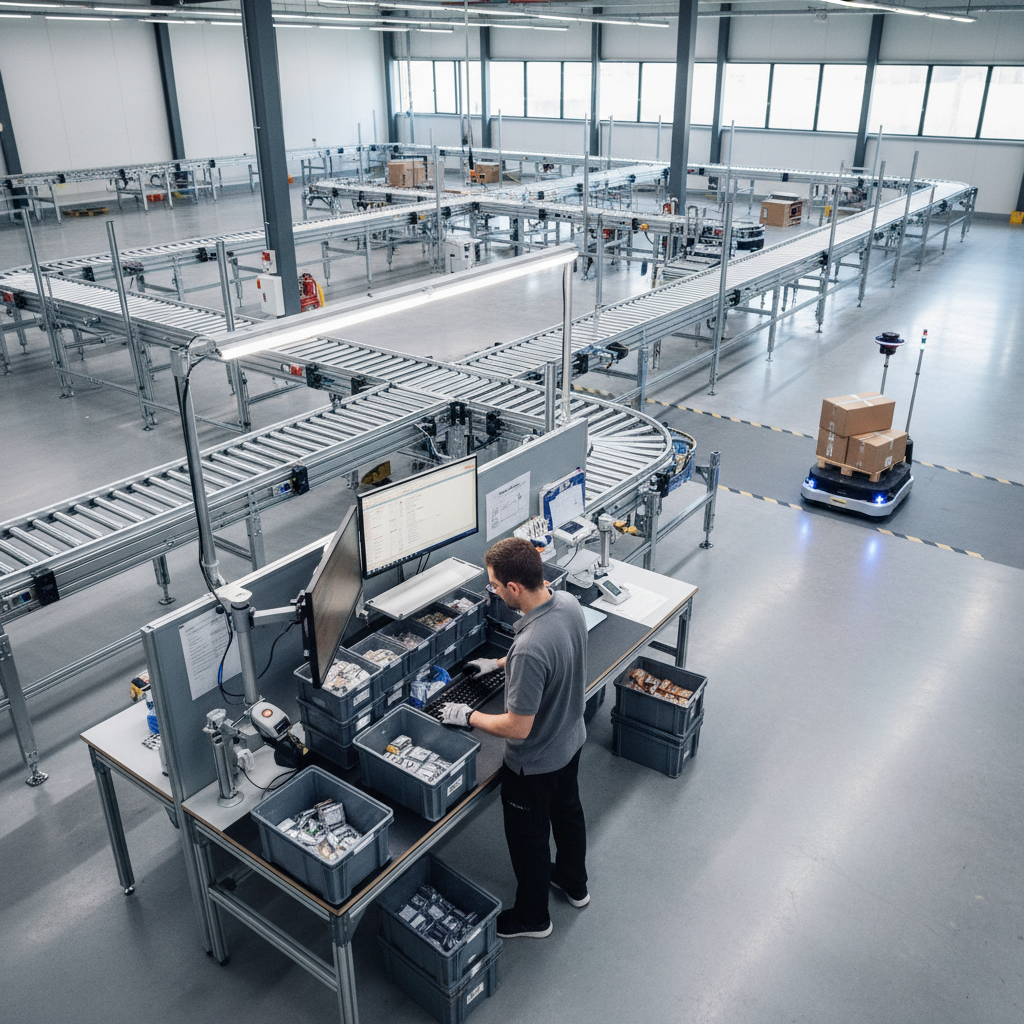
From Manual to Mechanized: Phased Conveyor Implementation
For Benelux SMEs, moving from manual to mechanized workflows can be daunting. This guide details a phased conveyor implementation strategy, balancing investment with operational gains for sustainable growth in today's competitive market.
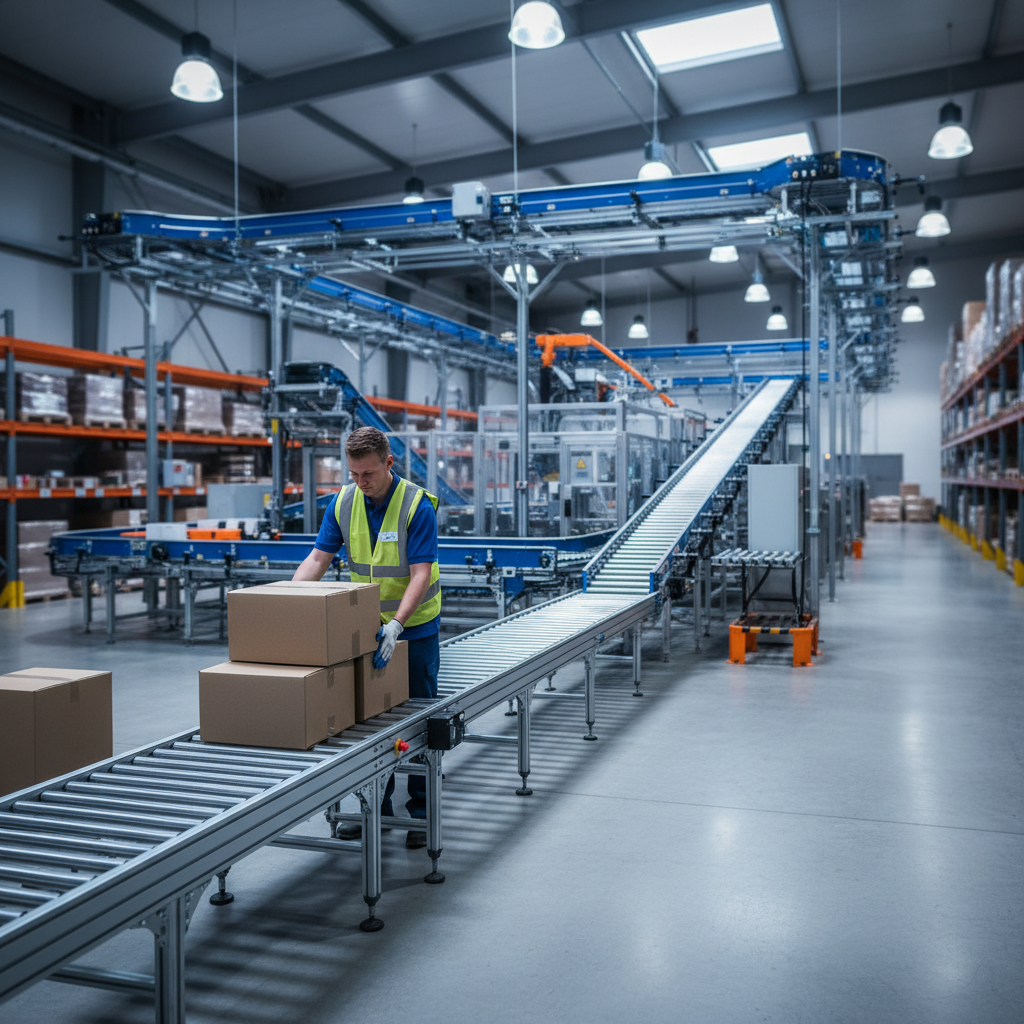
For small and medium-sized enterprises (SMEs) in the Benelux, the pressure is on. Squeezed between rising labor costs, fierce competition from e-commerce giants, and customer demands for near-instant delivery, the need for operational efficiency has never been greater. While full-scale warehouse automation seems like a logical step, the high initial investment can be prohibitive. This is where a phased conveyor implementation strategy becomes a powerful, pragmatic solution, allowing SMEs to grow into automation at a pace that matches their budget and operational readiness.
Definition
Phased conveyor implementation is a strategic approach to warehouse automation where conveyor systems are introduced in stages, rather than all at once. This method allows businesses, particularly SMEs, to spread investment over time, minimize operational disruption, and scale their automation level in line with business growth and proven return on investment.
Why a Phased Approach is Crucial for Benelux SMEs
The business landscape in Belgium, the Netherlands, and Luxembourg presents unique challenges. Prime logistics real estate in hubs like Antwerp, Rotterdam, and Venlo can exceed €70 per square meter annually, making space optimization critical. A phased approach allows for a more intelligent use of this expensive footprint without a complete operational overhaul. Key benefits for Benelux SMEs include:
- Capex Management: Instead of a single, massive capital expenditure of €500,000+, a phased approach breaks it down into manageable chunks, starting as low as €10,000-€40,000 for initial high-impact installations.
- Reduced Operational Risk: Introducing automation in stages minimizes disruption. You can train staff, adjust workflows, and solve teething problems in one area before expanding, ensuring business continuity.
- Scalability and Flexibility: The Benelux economy is dynamic. A modular, phased system allows your material handling capacity to grow with you, whether you're handling 500 or 5,000 orders per day.
- Faster ROI on Initial Steps: By focusing on the most significant bottlenecks first, you can demonstrate a clear return on investment quickly, building a strong business case for subsequent phases.
Phase 1: Your First Step into Mechanization (The Quick Wins)
The goal of Phase 1 is to tackle the most labor-intensive, repetitive tasks with standalone conveyor solutions. This creates 'islands of automation' that deliver immediate efficiency gains without needing complex integration.
Identifying the Bottlenecks: Where to Start?
Look for processes where staff spend significant time walking with products. Common starting points include: moving goods from receiving to inspection, transferring packed orders from a packing station to a shipping pallet, or simple case transport between two adjacent zones. A simple spaghetti diagram of employee movement can quickly reveal the most promising areas for a first conveyor.
Choosing Your First Conveyor
In this initial phase, simplicity is key. Gravity roller conveyors and simple powered belt conveyors are excellent choices. They are cost-effective, reliable, and easy to install. The focus is on mechanizing point-to-point transport.
| Conveyor Type | Typical Use Case (Phase 1) | Speed | Load Capacity (per meter) | Estimated Initial Cost |
|---|---|---|---|---|
| Gravity Roller Conveyor | Moving boxes from packing to palletizing area | Dependent on angle | 50 - 200 kg | €1,500 - €5,000 |
| Powered Belt Conveyor | Transporting items from receiving to a QC station with a slight incline | 0.3 - 1.5 m/s | 20 - 100 kg | €5,000 - €15,000 |
| Flexible/Extendable Conveyor | Loading/unloading trucks or containers at the dock | Variable | 30 - 80 kg | €4,000 - €12,000 |
Phase 2: Connecting the Islands of Automation
Once Phase 1 has proven its value, Phase 2 aims to connect the standalone systems to create a more cohesive workflow. This stage moves beyond simple point-to-point transport and begins to build a network that smoothly routes items through the warehouse, reducing manual handling between processes.
Creating a Cohesive Flow
This involves linking the conveyor from your packing stations to a main outbound line that leads directly to the shipping area. Curves, mergers, and diverters are introduced. The system gains intelligence through simple sensors and basic PLCs (Programmable Logic Controllers) that manage the flow of goods, preventing collisions and ensuring items follow the right path.
Introducing Basic Sorting and Accumulation
Your order volume might now justify basic sorting. This could be as simple as a pneumatic pusher that diverts packages for different carriers (e.g., PostNL, DPD, DHL) onto separate spurs. This is also the stage where zero-pressure accumulation conveyors become vital. They allow packages to queue without touching, preventing damage and managing the flow into downstream processes like a wrapper or labeler.
Phase 3: Towards an Integrated System
Phase 3 is where the true power of automation is unlocked. The conveyor network becomes the backbone of your entire intralogistics operation, fully integrated with your software systems. This phase increases throughput dramatically and provides valuable data for continuous improvement.
Integrating with Warehouse Software (WMS/WES)
The conveyor system is now connected to your Warehouse Management System (WMS) or Warehouse Execution System (WES). This integration enables intelligent, system-directed routing. A barcode scanner at the start of the conveyor reads a package's label, and the WES automatically instructs the conveyor network where to send it. This unlocks processes like zone routing for picking and advanced sortation. Learn more about how these systems work together in our guide to WMS/WCS integration.
Advanced Sortation and Optimization
With full integration, you can introduce high-speed sorting solutions if your volume demands it. A shoe sorter or cross-belt sorter could automatically route hundreds or thousands of packages per hour to the correct shipping lane. The data collected by the system—throughput rates, peak times, bottlenecks—becomes invaluable for optimizing slotting, labor planning, and overall process efficiency. As many businesses find, company growth is not always matched by process improvement, which is a critical gap that integrated automation can fill. You can read more about aligning processes with growth at our partner site: why processes must grow with your business.
Budgeting for a Phased Implementation
A phased timeline allows you to align investment with the tangible benefits you experience. While project specifics vary, a Benelux SME can use the following estimates for planning:
- Phase 1 (0-6 months): Focus on a key bottleneck. Investment: €10,000 - €40,000. Expected result: 25-50% efficiency gain in the targeted process area.
- Phase 2 (6-18 months): Connect initial systems, add basic controls and accumulation. Investment: €50,000 - €150,000. Expected result: Reduced manual touchpoints between processes, 100-150% increase in overall throughput.
- Phase 3 (18+ months): Full software integration and advanced sortation. Investment: €150,000+. Expected result: System-wide optimization, data visibility, and throughput increases exceeding 200% from baseline.
Easy Systems: Your Partner for Phased Growth in the Benelux
Successfully navigating a phased implementation requires a partner who understands both the technology and the unique needs of Benelux SMEs. At Easy Systems, we don’t just sell conveyors; we build scalable logistics solutions. Our modular conveyor platforms are designed for this exact purpose: start small, prove the value, and expand seamlessly when you’re ready. With extensive experience in Belgium, the Netherlands, and across Europe, we know how to design a system that solves today’s bottlenecks while preparing you for tomorrow’s growth. We focus on pragmatic, reliable solutions that deliver a clear ROI at every stage of your automation journey, ensuring your investment is both safe and future-proof.
This article is part of the Conveyor-Design knowledge hub, edited by Easy Systems engineers who design conveyor and warehouse automation systems across the Benelux every week.
Frequently asked questions
What is the main advantage of phased conveyor implementation for an SME?+
The main advantage is managing cash flow. It allows SMEs to invest in automation in affordable stages, aligning costs with business growth and ensuring each investment phase delivers a clear Return on Investment (ROI) before proceeding to the next.
How long does a typical Phase 1 implementation take?+
For a Benelux SME, a Phase 1 project involving standalone conveyors can be completed relatively quickly. From final design approval to installation and commissioning, it typically takes between 4 to 8 weeks, minimizing disruption to ongoing operations.
Can I integrate conveyors from different manufacturers in a phased approach?+
While possible, it is not recommended. Sticking with a single, modular system provider like Easy Systems ensures seamless integration, compatible communication protocols (like PLC controls and software), and a single point of contact for service and support, which is more efficient long-term.