Ergonomics in Conveyor System Design: Reducing Operator Strain in Benelux Warehouses
Optimizing conveyor system ergonomics is crucial for reducing physical strain on warehouse operators. This article explores key design principles, from adjustable heights to automated solutions, that enhance safety and efficiency in the Benelux logistics sector.
In the bustling logistics landscape of the Benelux, where every second and every movement counts, the health and efficiency of warehouse operators are paramount. As e-commerce continues to surge, the pressure on distribution centers in Belgium, the Netherlands, and Luxembourg intensifies. This makes ergonomics in conveyor system design not a luxury, but a fundamental pillar of a sustainable and profitable operation.
Definition
Ergonomics in conveyor system design is the scientific discipline of arranging the warehouse environment, specifically conveyor belts and rollers, to fit the operator, rather than forcing the operator to fit the system. The primary goal is to minimize physical strain by reducing actions like bending, stretching, lifting, and repetitive motions, thereby increasing both safety and productivity.
The High Cost of Poor Ergonomics in Benelux Warehouses
Ignoring ergonomics has significant financial and human consequences. In countries like the Netherlands and Belgium, musculoskeletal disorders (MSDs) are a leading cause of work-related illness. Statistics from Eurostat show that MSDs account for a substantial portion of all non-fatal workplace injuries. The direct cost of a single day of sick leave can range from €250 to €400 for a Benelux employer, factoring in lost productivity, administrative overhead, and replacement staff. Beyond direct costs, poor ergonomics leads to lower morale, higher staff turnover, and a decrease in operational quality, with fatigue-related errors on the rise.
Key Ergonomic Principles for Conveyor Design
A well-designed system is built around the human operator. By adhering to a few core principles, you can drastically reduce physical stress and create a more efficient workflow.
The "Golden Zone" for Picking and Placing
The "golden zone" or "power zone" for an operator is the area directly in front of their body, between mid-thigh and shoulder height. All picking and placing activities should occur within this zone to avoid bending and over-reaching.
- Optimal Height: Conveyor surfaces should be positioned at a height between 900 mm and 1100 mm. Height-adjustable sections are ideal for accommodating different operators.
- Optimal Reach: The maximum comfortable reach for most operators is around 450 mm. Items should never be placed on a conveyor wider than 900-1000 mm if it needs to be accessed from one side.
Minimizing Repetitive Strain
Repetitive Strain Injury (RSI) is common in packing and sorting stations. While repetition is inherent to the job, the design can mitigate its harmful effects. By varying tasks, ensuring correct posture, and using conveyors to bring items directly to the operator, you eliminate thousands of unnecessary small movements per shift. Using a belt conveyor to smoothly move items to a packing station, for instance, is far better than having an operator repeatedly walk to a pallet.
Reducing Force and Awkward Postures
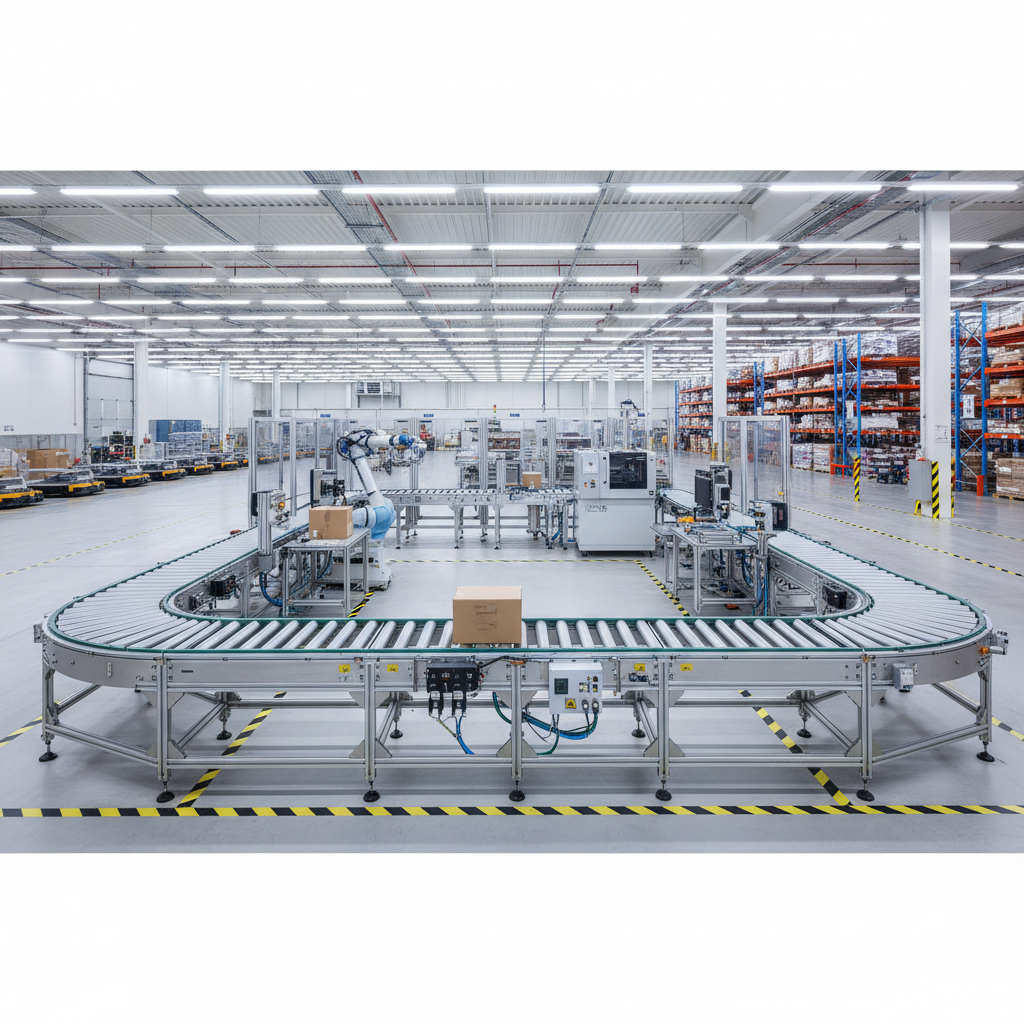
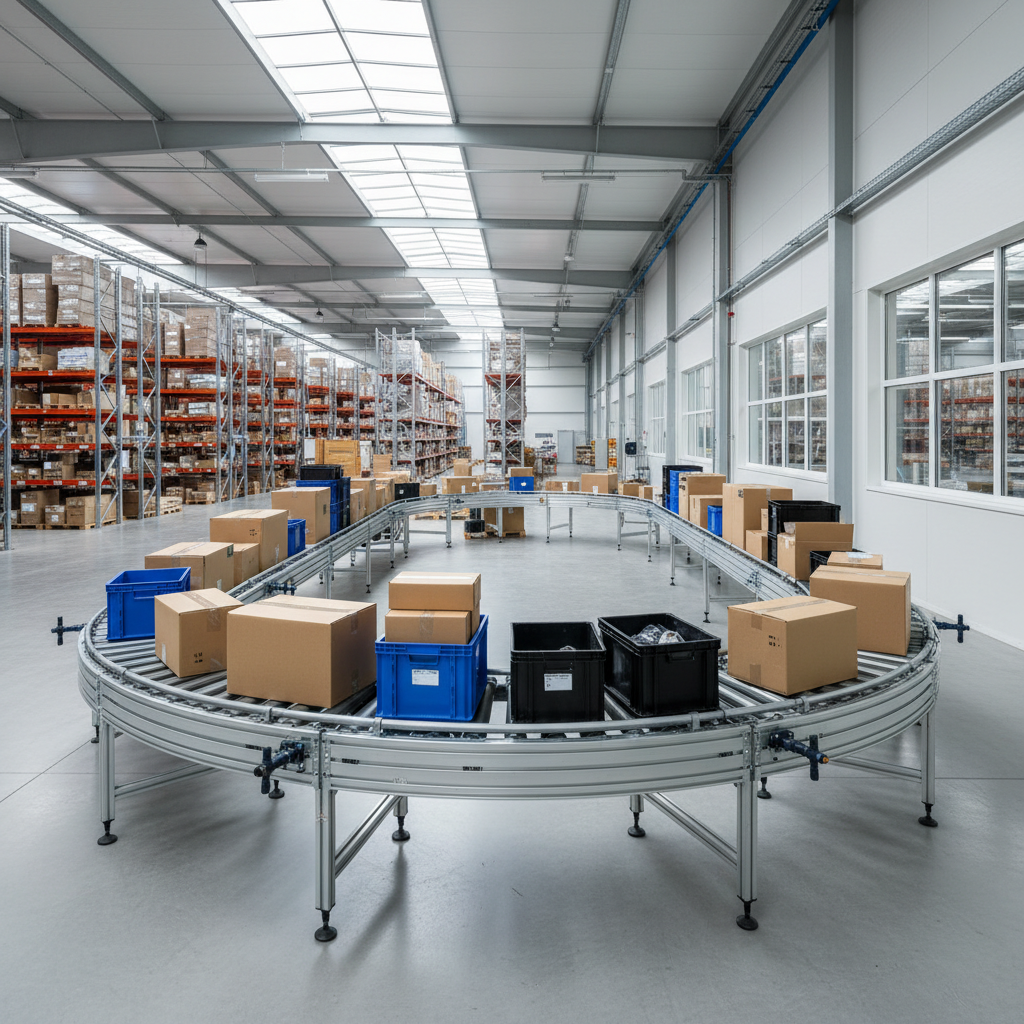
Lifting heavy items or twisting the torso while carrying a load are major risk factors. A conveyor system should do the heavy lifting. Instead of operators lifting boxes from floor level, a roller conveyor can feed them at waist height. Curved conveyor sections can also be used to change direction without forcing an operator to twist and reach.
Ergonomic Conveyor Solutions in Practice
Translating principles into practice involves selecting the right hardware and integrating intelligent design features.
Height-Adjustable Conveyor Stations
Particularly at manual packing, labelling, or quality control stations, providing height-adjustability is a game-changer. An operator can set the conveyor and packing bench to their personal "golden zone," reducing fatigue significantly. A simple investment in an adjustable station, costing perhaps €3,000 - €5,000, can pay for itself within a year through reduced absenteeism and increased throughput.
Curves, Spirals, and Merges
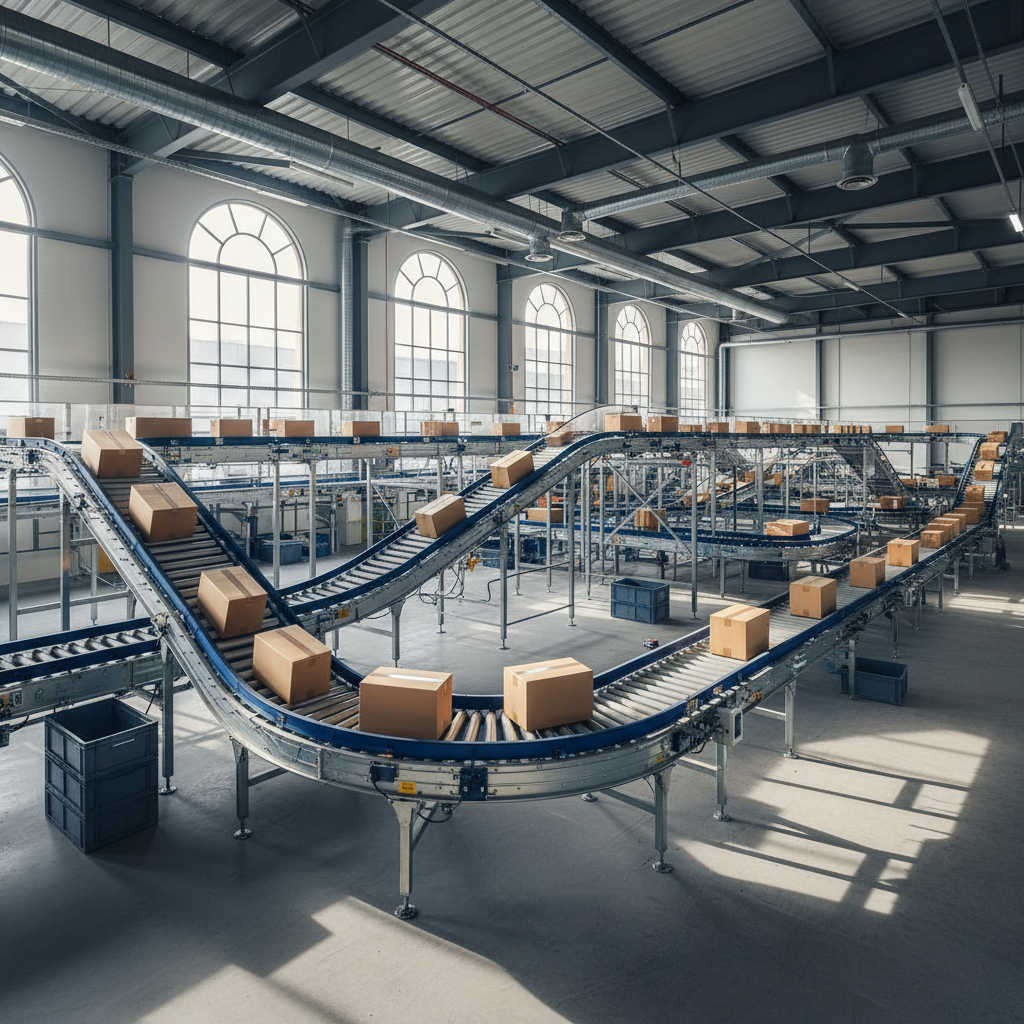
Strategic use of curved and spiral conveyors can bring the product flow closer to the operator, eliminating long reaches. For example, in a sorting operation, a gentle curve can present package labels in the optimal orientation for scanning. This small design choice can save fractions of a second per package, which adds up to hours of saved labour over a year.
Integrating Automation and Goods-to-Person (GTP)
The ultimate ergonomic solution is to have robots do the travelling. Systems like Goods-to-Person (GTP) use shuttles or AMRs to bring inventory totes directly to a stationary operator. The operator picks the required item and places it in an order container, often guided by pick-to-light systems. This completely eliminates walking, climbing, and searching, allowing the operator to focus solely on the value-added task of picking with minimal strain. This level of automation is a core component of many modern sortation systems.
A Comparative Look at Ergonomic Workstations
The benefits of investing in ergonomics become clear when comparing different workstation setups.
| Feature | Basic Station (Non-Ergonomic) | Ergonomic Station | Automated GTP Station |
|---|---|---|---|
| Conveyor Height | Fixed, often too low (e.g., 750 mm) | Adjustable (900-1100 mm) | Optimized fixed height |
| Operator Posture | Frequent bending, reaching, twisting | Neutral, upright posture | Neutral, minimal movement |
| Avg. Picks per Hour (CPH) | 80 - 120 | 100 - 150 | 300 - 600 |
| Est. Initial Cost per Station | €2,000 | €5,000 | €30,000+ |
| Injury Risk | High | Low | Very Low |
Measuring the ROI of Ergonomic Design
Investing in ergonomics is not just about compliance; it's about performance. Key Performance Indicators (KPIs) to track include:
- Reduction in Absenteeism: Track sick days related to MSDs before and after implementation.
- Increased Throughput: Measure the CPH or lines per hour for operators at improved workstations. A 10-15% uplift is common.
- Reduced Error Rate: A less fatigued worker is a more accurate worker. Monitor picking and packing errors.
- Lower Staff Turnover: A comfortable and safe workplace is a key factor in employee retention, a critical issue in the tight Benelux labour market.
Easy Systems: Your Partner in Ergonomic Warehouse Design
Designing a truly ergonomic conveyor system requires a deep understanding of operational flows, human factors, and the latest technology. At Easy Systems, we don’t just sell conveyors; we engineer integrated solutions tailored to the specific needs of your Benelux operation. Our modular approach allows us to create systems that are not only efficient and reliable but also safe and comfortable for your most valuable asset: your people. We combine our high-quality conveyor components with expert design knowledge to build systems that grow with your business, ensuring that your productivity gains are sustainable for the long term.
This article is part of the Conveyor-Design knowledge hub, edited by Easy Systems engineers who design conveyor and warehouse automation systems across the Benelux every week.
Frequently asked questions
What is the ideal height for a conveyor belt for manual packing?+
The ideal height for a conveyor serving a manual packing station is between 900 mm and 1100 mm. This allows most operators to work in a neutral, upright posture, preventing bending. Height-adjustable stations are the best solution to accommodate all workers.
How does ergonomic conveyor design improve ROI?+
Ergonomic design delivers a strong ROI by reducing costs and increasing output. It lowers expenses tied to sick leave (a day can cost €250-€400 in the Benelux) and staff turnover. Simultaneously, it boosts productivity (CPH can increase by 10-15%) and accuracy.
Are ergonomic improvements only for new conveyor systems?+
No. While easiest to implement in a new design, many ergonomic improvements can be retrofitted. Existing layouts can be modified with adjustable height workstations, anti-fatigue mats, and better lighting. Even small adjustments can yield significant benefits for operator well-being.