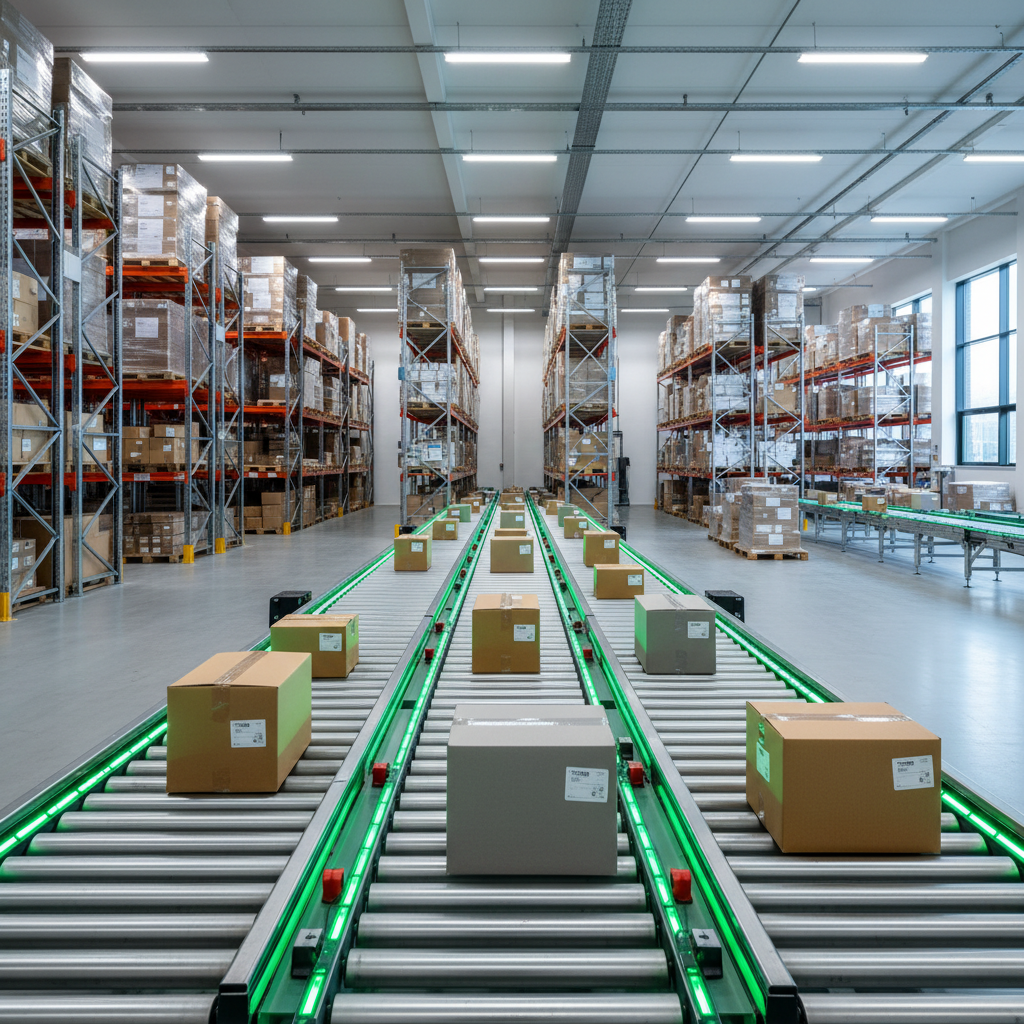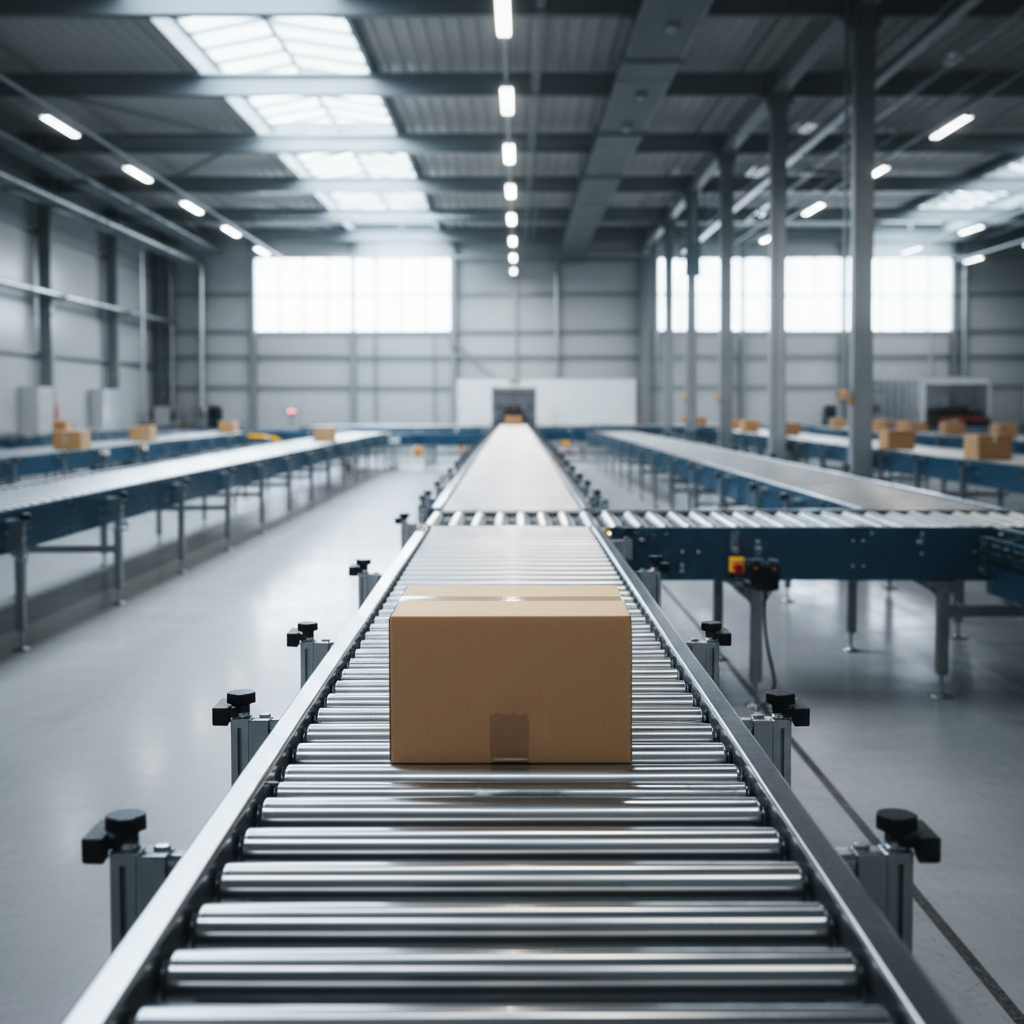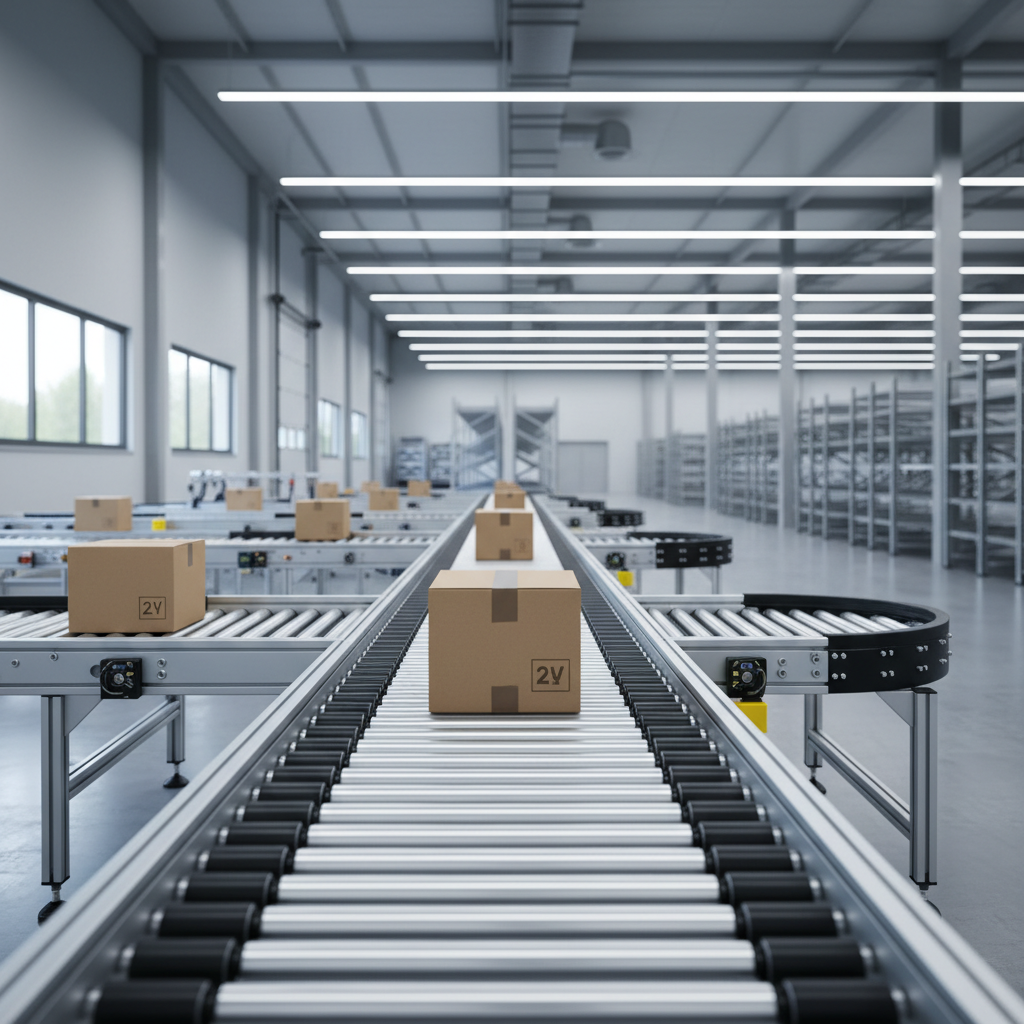
Modular Conveyor Systems: Flexible Solutions for Evolving Benelux Logistics
Modular conveyor systems provide the agility modern Benelux warehouses need to adapt to fluctuating demand and product mixes. These scalable, plug-and-play solutions can be reconfigured in hours, minimizing downtime and maximizing long-term ROI.
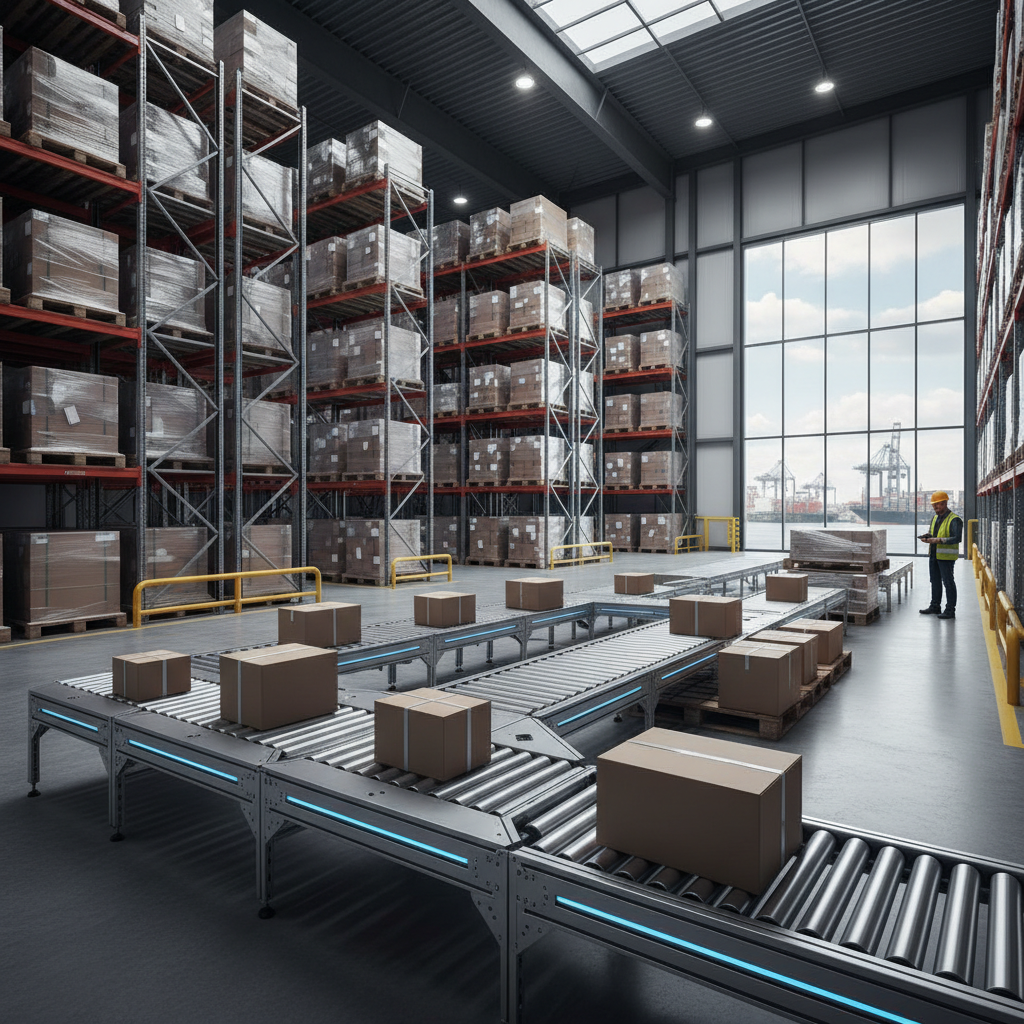
The logistics landscape in the Benelux is in constant flux. Driven by intense e-commerce growth, labor shortages, and rising real estate costs in hubs like Antwerp, Rotterdam, and Venlo, warehouses must be more agile than ever. Traditional, fixed conveyor systems, once the backbone of intralogistics, are increasingly becoming a bottleneck. Modular conveyor systems have emerged as the definitive solution, offering the scalability and adaptability required to thrive in this demanding European market.
Definition
A modular conveyor system is an intralogistics solution constructed from standardized, interchangeable sections or modules (e.g., straight tracks, curves, merges, inclines). Unlike custom-welded systems, these modules can be quickly assembled, reconfigured, and scaled using simple mechanical and electrical connections, often described as 'plug-and-play'. This design philosophy prioritizes flexibility and minimizes downtime during layout changes.
Key Numbers
| Metric | Typical range (EU 2026) | Notes |
|---|---|---|
| Initial Investment (€/meter) | €400 - €1,200 | Higher end includes MDR and integrated zone control. |
| Reconfiguration Time | 2 - 8 hours | For a standard 20-meter line modification, vs. 2-5 days for traditional systems. |
| Typical Throughput (parcels/hr) | 800 - 3,000 CPH | Dependent on parcel size, speed, and use of accumulation zones. |
| Operational Speed (m/s) | 0.3 - 1.5 m/s | Often uses Motorized Drive Rollers (MDR) for variable speed control. |
| Return on Investment (ROI) | 2 - 3 years | Achieved through reduced downtime and lower modification costs. |
| Energy Consumption (per 10m zone) | 0.2 - 0.7 kWh | Run-on-demand technology significantly lowers power usage. |
| Payload Capacity (per meter) | 10kg - 50kg | Standard systems handle typical e-commerce parcels and totes. |
Why Modularity is Crucial for Benelux Logistics
The unique pressures of the Belgian, Dutch, and Luxembourgish markets make modularity less of a luxury and more of a necessity. Traditional systems lock warehouses into a fixed layout, a critical liability when business models and product flows can change in a single quarter.
Adapting to E-commerce Volatility
E-commerce fulfillment is characterized by sharp seasonal peaks (Black Friday, Sinterklaas, Christmas) and a constantly changing product mix (SKU proliferation). A modular system allows logistics managers to quickly insert new sorting destinations, add accumulation conveyor lines to buffer peak volumes, or even re-route entire flows to accommodate a new product category. This agility is impossible with welded systems, which would require weeks of disruptive and costly engineering work.
Overcoming Space and Labor Constraints
Warehouse space in the Benelux is among the most expensive in Europe. Modular systems allow for more compact, creative layouts that can be easily modified as operational needs change. Furthermore, the integration with smart automation is seamless. A modular conveyor can feed totes into a Goods-to-Person picking station one year and be reconfigured to interface with a fleet of AMRs the next. This adaptability is key to automating processes incrementally, a crucial strategy for managing labor shortages and wage inflation. For more on integrating control systems, explore our guide to WMS, WCS, and WES integration.
Modular Roller vs. Modular Belt Conveyors
While both are modular, roller and belt conveyors serve different primary purposes. The choice depends entirely on the product being handled and the specific task (e.g., transportation, accumulation, sorting).
| Feature | Modular Roller Conveyor | Modular Plastic Belt Conveyor |
|---|---|---|
| Primary Use Case | Transportation and accumulation of firm, flat-bottomed items (boxes, totes, trays). | Handling items with irregular shapes, small items, or polybags. Often used for inclines/declines. |
| Key Technology | Motorized Drive Rollers (MDR) for zoned, zero-pressure accumulation. | Interlocking plastic bricks create a continuous, durable surface. |
| Cost-Effectiveness | Generally more cost-effective for long-distance transport of standard cartons. | Higher initial cost per meter but more versatile for diverse product mixes. |
| Maintenance | Simple roller and drive card replacement. Minimal downtime. | Damaged sections can be replaced individually without changing the whole belt. |
| Best for... | Case handling, zone routing, buffering before packing/shipping stations. | Receiving lines, handling loose items, steep inclines. |
The Power of Zero-Pressure Accumulation
A key advantage of modern modular roller conveyor systems is the ability to create zero-pressure accumulation (ZPA) zones. Using MDR technology, each zone (e.g., 1 meter long) is powered and controlled independently. It senses the presence of a box and only activates when needed to move it forward, stopping it gently behind the box in the next zone. This prevents product collisions, damage, and line pressure, which is critical for fragile goods and efficient buffering.
The Reconfiguration Process: A Game-Changer
The true value of modularity is realized when a change is needed. What used to be a major capital project becomes a simple, planned maintenance task.
- Planning: The new layout is designed using standard module lengths (e.g., 1.0m, 1.5m, 2.0m straights and 45°/90° curves).
- Power Down: The relevant sections are powered down and electrically disconnected (often via quick-release plugs).
- Mechanical Change: Simple bolts connecting the module legs and frames are unfastened.
- Reposition & Reconnect: Modules are moved, new modules are inserted, and everything is bolted back together.
- Power Up & Test: Electrical connections are restored, and the PLC/WCS logic for the new zone is activated and tested. The line is operational again within hours.
Investment & ROI Analysis in a Benelux Context
A modular conveyor system might have an initial purchase price that is 10-15% higher than a comparable traditionally built system. For a 50-meter line, this could mean an upfront cost of €35,000 for a modular MDR system versus €30,000 for a lineshaft conveyor. However, the total cost of ownership (TCO) is significantly lower.
Consider a single layout change per year. With a traditional system, this could involve days of downtime, plus fees for welders and controls engineers, costing €10,000-€15,000. With a modular system, the same change can be done overnight by the in-house maintenance team. This cost avoidance, coupled with the elimination of significant operational downtime, means the initial premium is often paid back within the first 1-2 layout changes. The overall ROI for the system typically materializes within 2-3 years.
Many businesses find that as they expand, their internal processes fail to keep pace. As detailed in the post "Companies grow, but their processes don't always grow with them," investing in scalable infrastructure like modular conveyors is a direct solution to this common growing pain.
Easy Systems: Your Partner for Flexible Conveyor Solutions
In the fast-paced Benelux market, agility is not just an advantage; it's a prerequisite for survival and growth. Traditional, rigid material handling systems represent a liability, locking you into workflows that will inevitably become outdated. A modular approach to conveyor technology, on the other hand, provides a future-proof foundation for your intralogistics.
At Easy Systems, we are specialists in designing and deploying high-quality modular conveyor systems tailored to the specific needs of warehouses and production facilities in Belgium, the Netherlands and beyond. Our extensive portfolio of standardized roller, belt, and chain conveyor modules allows us to deliver solutions that are not only efficient and reliable from day one but are also designed to be easily adapted, scaled, and reconfigured as your business evolves. We don't just sell conveyors; we provide a long-term, flexible platform for your success. Contact us to discuss how we can make your logistics operations more agile and resilient.
Frequently asked questions
How much does a modular conveyor system cost in the Netherlands?+
The cost of a modular conveyor system in the Netherlands typically ranges from €400 to €1,200 per meter. The final price depends on factors like width, roller type (gravity or motorized), and the complexity of the control system, with MDR systems representing the higher end of that range.
How long does it take to reconfigure a modular conveyor layout?+
A standard reconfiguration of a 20-meter modular line can typically be completed in 2 to 8 hours by an in-house team. This is a dramatic improvement over traditional welded systems, which could require several days of downtime and specialized external contractors.
What is the maximum load of a modular roller conveyor?+
Most modular roller conveyor systems are designed for payloads between 30 kg and 50 kg per meter. Heavy-duty versions are available for pallet or large item handling, but for standard e-commerce totes and cartons, 50 kg is a common and safe upper limit.
Can modular conveyors be used for both boxes and polybags?+
Yes, but it often requires different types of modules. Modular roller conveyors are ideal for boxes and totes with flat bottoms. For polybags or irregularly shaped items, a modular belt conveyor with a continuous surface is the preferred solution to ensure smooth transport.
What is the ROI for a modular conveyor system in a typical Belgian warehouse?+
In a typical Belgian warehouse with fluctuating demand, the return on investment (ROI) for a modular conveyor system is usually between 2 and 3 years. This is achieved by drastically reducing costs and downtime associated with layout changes compared to traditional systems.
How does a modular system reduce energy consumption?+
Modular systems, especially those using Motorized Drive Rollers (MDR), reduce energy consumption by up to 70%. They operate on a 'run-on-demand' basis, where conveyor zones only activate when a product is present, eliminating the constant energy draw of traditional, continuously running conveyor motors.

The Easy Systems editorial desk reviews and fact-checks every Conveyor-Design article against Benelux project experience. Editors translate engineering decisions — throughput, peak factors, layout, integration — into plain-language guides for operations managers, project leads and decision-makers.
- Warehouse layout & slotting
- Order-profile analysis
- Vendor-neutral comparison
- Benelux logistics market