Energy Efficiency in Conveyor Systems: Benelux Guide
Discover how Benelux warehouses can cut conveyor system energy costs by up to 60% through smart design, Motorized Drive Rollers (MDR), and predictive maintenance, enhancing both sustainability and profitability.
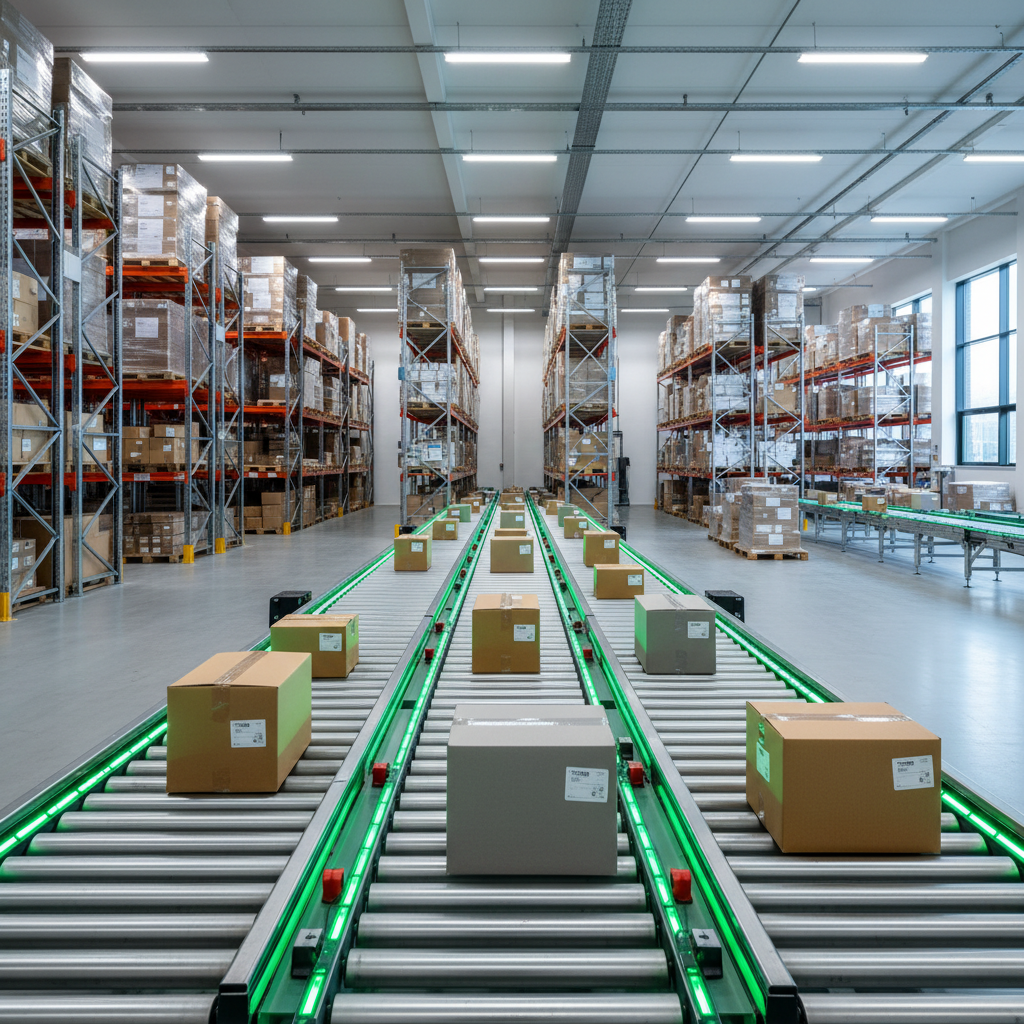
As energy prices in Europe continue to rise and sustainability becomes a core business imperative, warehouse and distribution center managers in the Benelux are under increasing pressure to reduce their operational footprint. Conveyor systems, the arteries of modern logistics, are a prime target for optimization. This article provides practical, actionable steps for enhancing the energy efficiency of your conveyor systems, leading to significant cost savings and a stronger competitive edge.
Definition
Energy-efficient conveyor systems are material handling solutions designed and operated to minimize electricity consumption per unit of goods transported. This is achieved through a combination of advanced motor technology, intelligent control systems, optimized mechanical design, and targeted maintenance strategies, directly reducing operational costs and environmental impact.
Key Numbers
| Metric | Typical range (EU 2026) | Notes |
|---|---|---|
| Energy Savings vs. AC Motor | 40% - 60% | Using 24V DC Motorized Drive Rollers (MDR) |
| Investment Cost (MDR) | €300 - €500 per meter | Higher initial cost, but faster ROI |
| ROI for Efficiency Upgrades | 1.5 - 3 years | Based on energy savings and reduced maintenance |
| Energy Consumption (MDR) | 0.1 - 0.4 kWh/hour | Per 10m of active conveyor line |
| Savings from "Sleep Mode" | €20 - €50 per day | For a medium-sized (500m) system during off-peak hours |
| Annual Maintenance Savings | 10% - 15% | Reduced component wear with MDR and smart controls |
The Business Case for Energy Efficiency in the Benelux
For logistics hubs in Belgium, the Netherlands, and Luxembourg, operational efficiency is paramount. With commercial electricity prices in the region averaging between €0.18 and €0.25 per kWh, the energy consumption of conveyor systems represents a substantial operational expense. A traditional belt conveyor system running 16 hours a day can easily consume thousands of euros in electricity annually. The push for greener logistics, driven by both EU regulations and corporate social responsibility (CSR) policies, adds further urgency. Companies that proactively invest in energy-efficient technology not only lower their operational expenditures (OpEx) but also enhance their brand reputation and comply with increasingly stringent environmental standards.
Core Components of Energy-Efficient Conveyor Design
1. Motor Technology: The Heart of Efficiency
The single biggest impact on conveyor energy consumption comes from the motor. The industry standard is shifting away from large, continuously running AC motors towards decentralized 24V DC Motorized Drive Rollers (MDR).
- Traditional AC Motors: A single, powerful AC motor often drives long sections of conveyor, running continuously regardless of whether products are present. This leads to significant energy waste, especially in applications with intermittent flow.
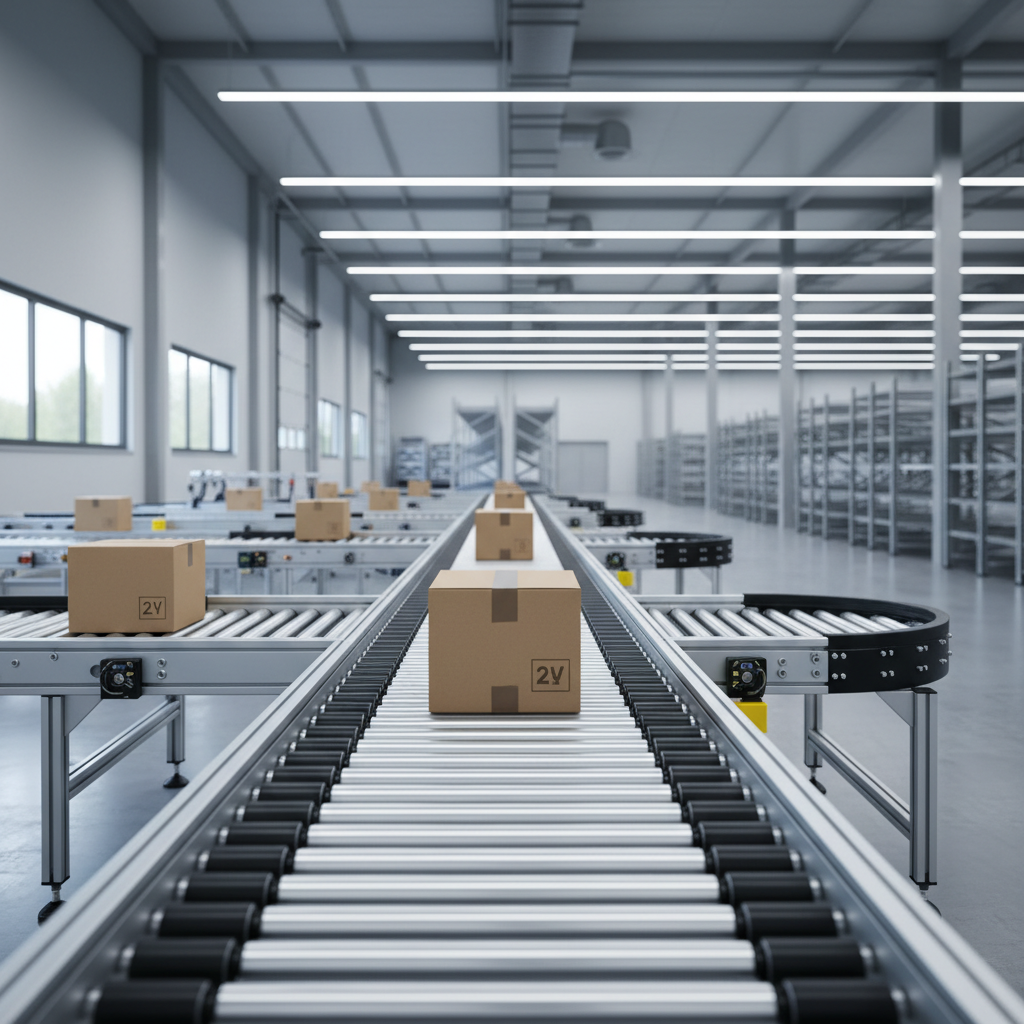
- Motorized Drive Rollers (MDR): In an MDR system, the conveyor is divided into manageable zones, each powered by one or more rollers with an integrated 24V DC motor. These motors only activate when a product needs to be moved into or out of their zone. This "run-on-demand" principle is the primary driver of energy savings, often reaching up to 60%.
2. Intelligent Controls and Zone Routing
Smart controls are the brain behind an energy-efficient system. A Warehouse Control System (WCS) can orchestrate conveyor operations with remarkable precision. By implementing zero-pressure accumulation (ZPA) logic, the WCS ensures that zones only activate when needed, creating a cascade effect as products move. This prevents unnecessary motor operation and reduces wear and tear. During periods of low activity, the WCS can put entire conveyor lines into a "sleep mode," powering them down until a product is detected upstream, generating savings of 40% or more during nights or weekends.
3. Mechanical and Frictional Optimization
Even with the best motors and controls, mechanical friction is an energy thief. Optimizing the physical components is crucial.
Table: Conveyor Belt Type vs. Energy Efficiency
| Belt/Roller Type | Friction Level | Typical Application | Energy Efficiency |
|---|---|---|---|
| Standard PVC Belt on Steel Slider Bed | High | Basic transport, assembly lines | Low |
| Modular Plastic Belt on Wear Strips | Medium | Food & beverage, inclines/declines | Medium |
| Gravity Roller Conveyor | Very Low | Manual movement, buffering | Very High (Passive) |
| MDR-powered Roller Conveyor | Low | Zoned transport, accumulation | High |
Using high-quality, precision bearings and ensuring proper belt tracking and tension are fundamental maintenance steps that can reduce energy consumption by 15-20%. For roller conveyors, using rollers with low-friction bearings is a simple but effective upgrade.
Practical Steps for Implementation
Step 1: Conduct an Energy Audit
You can't manage what you don't measure. Start by auditing your current conveyor systems. Use clamp-on power meters to measure the actual energy consumption (kWh) of different conveyor lines over a typical operational week. Identify the most energy-intensive lines—these are your primary targets for upgrades. Many energy consultants and even some utility providers in the Benelux offer subsidized audits.
Step 2: Prioritize Upgrades with ROI Analysis
Not all upgrades are created equal. Focus on the "low-hanging fruit."
- Controls Upgrade: Implementing "sleep mode" logic on existing systems can be a relatively low-cost, high-impact first step.
- Targeted MDR Retrofit: Identify sections used for accumulation or buffering. Retrofitting these with MDR and ZPA logic can yield a quick return on investment, often under 2 years.
- Full System Replacement: For aging systems (15+ years), a full replacement with a modern, energy-efficient design is often more cost-effective in the long run than piecemeal upgrades. Explore the comprehensive solutions offered by specialized integrators. As discussed in our partner blog, many companies find their processes haven't scaled with their growth, and a system overhaul can address more than just energy costs.
Step 3: Leverage Predictive Maintenance
An energy-efficient system must be a well-maintained one. Use your WCS and sensor data to monitor motor current, temperature, and vibration. Spikes in these metrics can indicate failing bearings, improper belt tension, or debris in the system. Addressing these issues proactively prevents component failure and stops energy waste before it escalates. This data-driven approach is far superior to a simple time-based maintenance schedule.
Easy Systems: Your Partner for Sustainable Logistics in the Benelux
Navigating the transition to energy-efficient conveyor systems requires expertise and a forward-thinking partner. At Easy Systems, based in the heart of the Benelux, we specialize in designing and implementing modular, future-proof conveyor solutions tailored to the specific needs of European warehouses. Our expertise with MDR technology, intelligent WCS integration, and lightweight, low-friction components positions us as a leader in sustainable intralogistics.
We don't just sell conveyors; we build the logistical backbone for a more profitable and sustainable future. Our approach focuses on a comprehensive analysis of your product flow, operational patterns, and energy consumption to design a system that delivers maximum efficiency and a rapid return on investment. Whether you are looking to upgrade a single line or design a new greenfield distribution center, our team of engineers is ready to help you achieve your cost-saving and sustainability goals. For a deeper dive into roller conveyor options, check out our Roller Conveyor Guide.
Frequently asked questions
How much can I really save by switching to an energy-efficient conveyor system?+
By replacing a traditional AC-powered conveyor with a modern 24V DC Motorized Drive Roller (MDR) system, warehouses in the Benelux can expect energy savings of 40% to 60%. For a 100-meter line, this can translate to over €15,000 in annual electricity cost reductions.
What is the payback period for investing in MDR conveyor technology?+
The return on investment (ROI) for an MDR conveyor system is typically between 1.5 and 3 years in Europe. This calculation is based on direct energy savings, reduced maintenance costs due to fewer moving parts, and potential government subsidies for green investments.
Are there government incentives for energy-efficient warehouses in the Benelux?+
Yes, governments in Belgium, the Netherlands, and Luxembourg offer various incentives, such as the EIA (Energie-investeringsaftrek) in the Netherlands. These programs can allow businesses to deduct a significant percentage (sometimes over 40%) of the investment costs for energy-saving equipment from their taxable profits.
Can I make my existing conveyor system more energy-efficient without replacing it?+
Absolutely. A great first step is to implement smart controls with "sleep functionality," which can cut energy use by over 30% during idle periods. Additionally, a rigorous maintenance program focusing on belt tension, lubrication, and replacing worn bearings can improve efficiency by 15-20%.
How does zero-pressure accumulation (ZPA) save energy?+
Zero-Pressure Accumulation (ZPA) divides the conveyor into zones that only activate when a product is present. This "run-on-demand" approach means motors are idle most of the time, unlike traditional conveyors that run continuously. This alone can reduce energy consumption by more than 50% in buffering and accumulation applications.
Does conveyor speed affect energy consumption?+
Yes, significantly. Energy consumption is directly related to motor speed and load. Running conveyors faster than necessary wastes energy. A best practice is to use a Warehouse Control System (WCS) to adjust speeds dynamically based on throughput requirements, reducing speed during non-peak times to save energy.

The Easy Systems engineering team designs, integrates and commissions conveyor systems and warehouse automation across Belgium, the Netherlands and Luxembourg. Combined experience covers roller and belt conveyors, sorters, AGV/AMR fleets, AutoStore, shuttle AS/RS and WMS/WCS integration for distribution centers and e-commerce fulfillment operations.
- Conveyor design (roller, belt, modular plastic)
- Sortation & merge logic
- AGV / AMR fleet integration
- AutoStore & shuttle AS/RS
- WMS / WCS integration