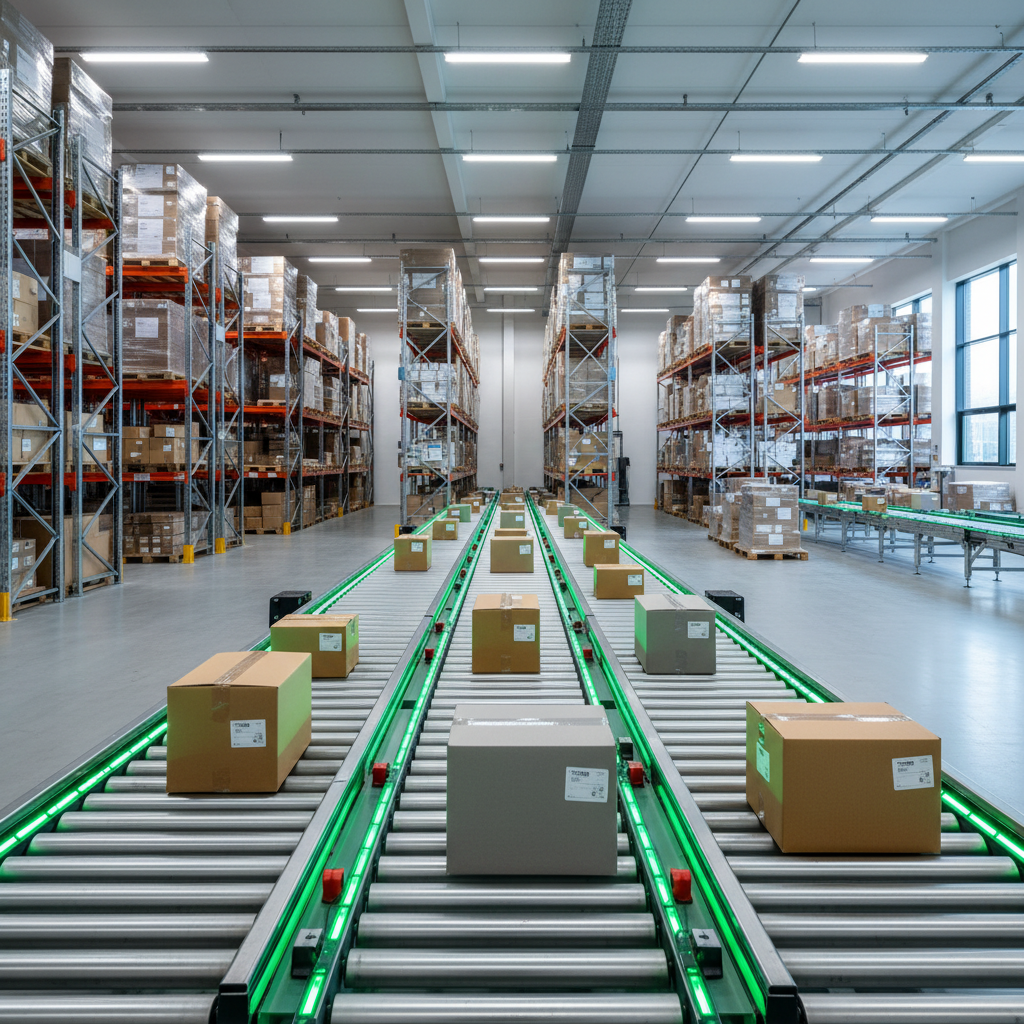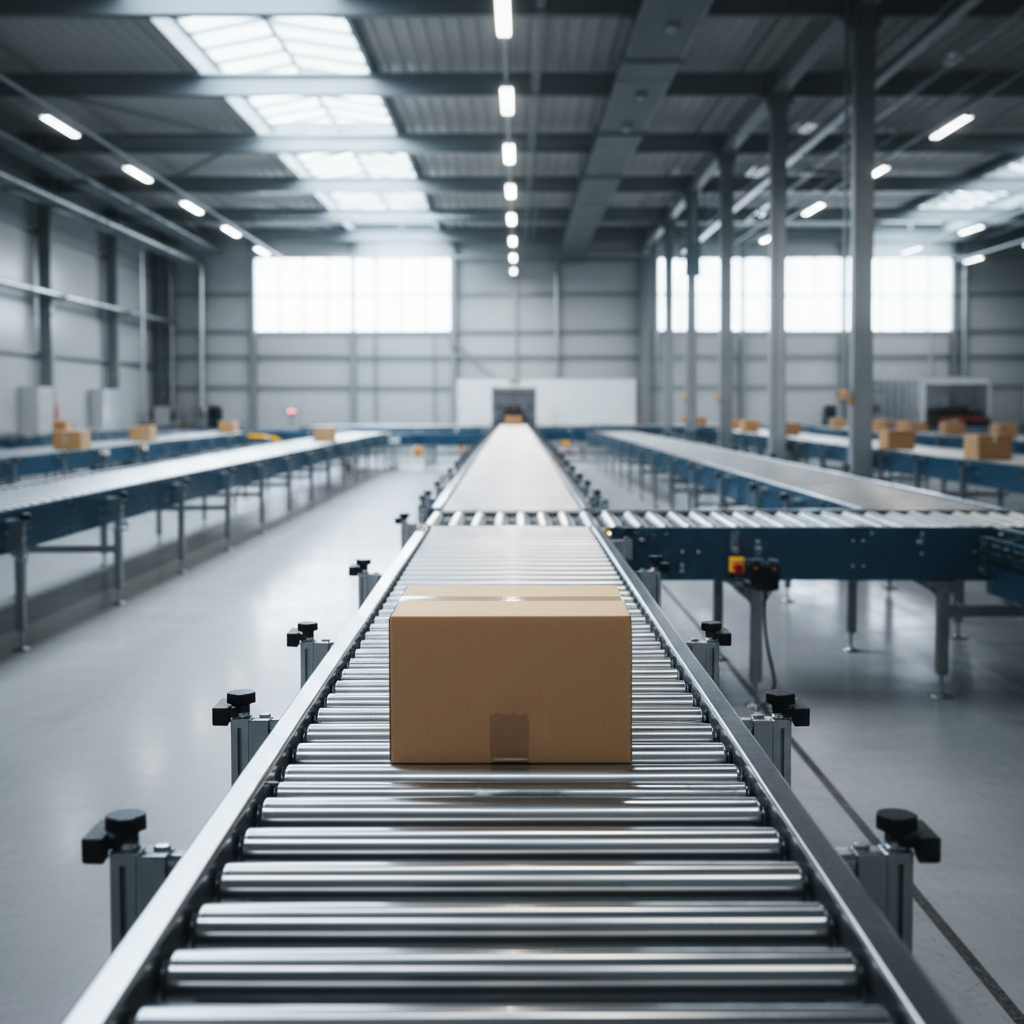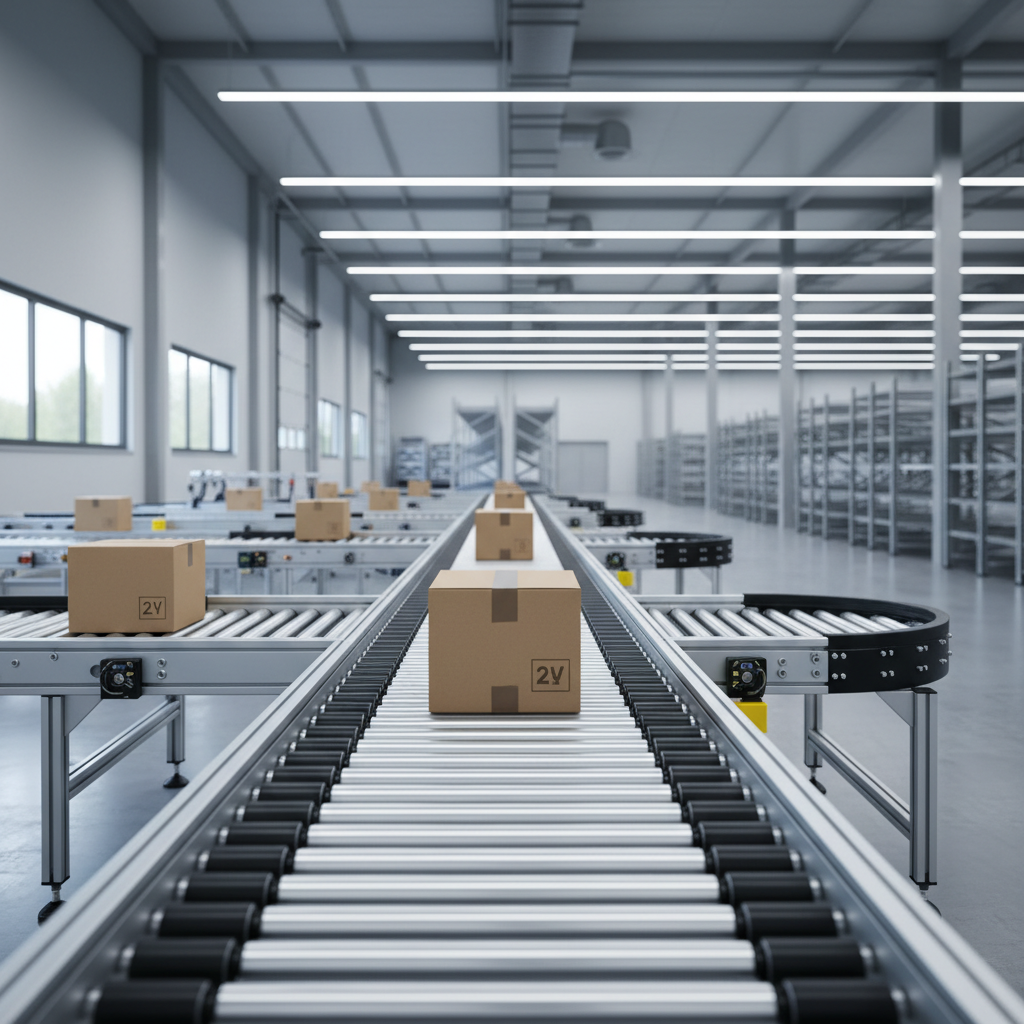
Modular Conveyor Systems: Flexibility & Scalability in the Benelux
Modular conveyor systems offer unparalleled flexibility for Benelux warehouses, allowing for rapid scaling and reconfiguration. These systems adapt to changing demands, significantly reducing downtime and future-proofing your logistics operations.
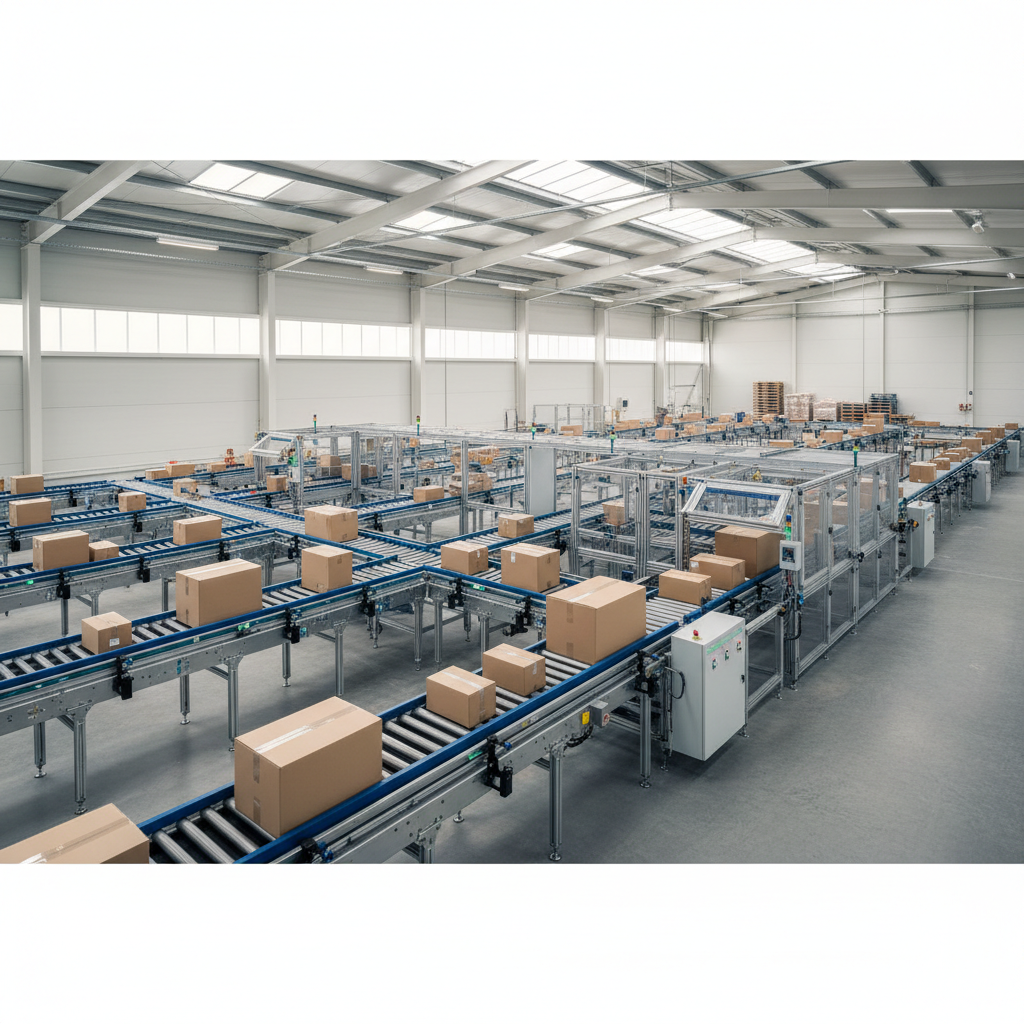
In the fast-paced logistics landscape of the Benelux—a region defined by high-density distribution networks and the major ports of Rotterdam and Antwerp—agility is not just an advantage; it's a necessity. Modular conveyor systems are the answer to this demand, offering businesses in Belgium, the Netherlands, and Luxembourg the ability to adapt, scale, and reconfigure their material handling processes with unprecedented speed and efficiency. This article explores the strategic importance, technical components, and financial benefits of adopting modularity in your warehouse.
Definition
A modular conveyor system is a material handling solution constructed from a series of standardized, interchangeable modules or sections. These pre-engineered blocks—including straight sections, curves, inclines, merges, and transfers—can be quickly assembled, reconfigured, and expanded, much like building with LEGO® bricks, to create a customized transport line that can evolve with business needs.
Key Numbers
| Metric | Typical Range (EU 2026) | Notes |
|---|---|---|
| Initial Investment | €15,000 - €250,000+ | Highly dependent on length, complexity, and technology (e.g., MDR). |
| Throughput | 500 - 3,000 CPH | Capacity per hour, scalable by adding more lines or sorters. |
| Conveyor Speed | 0.2 m/s - 1.8 m/s | Variable and zone-controlled, especially with MDR technology. |
| Reconfiguration Time | 24 - 72 hours | Significantly less than the weeks or months for traditional systems. |
| Return on Investment (ROI) | 2 - 4 years | Achieved through lower labor costs, higher uptime, and adaptability. |
| Energy Consumption (per 10m) | 0.5 - 1.5 kWh/hour | 24V DC systems are on the lower end, offering substantial savings. |
| System Lifespan | 15 - 20 years | Individual modules (like motor rollers) can be swapped to extend life. |
Why Modularity is Critical in the Benelux Market
The Benelux region is one of Europe's most dynamic logistics hubs. Its dense population, high e-commerce penetration, and central location create a unique set of challenges and opportunities. High labor costs and limited space in urban centers like Amsterdam, Brussels, and Antwerp mean that efficiency and spatial optimization are paramount. Modular systems directly address these pressures. Their plug-and-play nature allows warehouses to quickly adapt layouts for seasonal peaks (e.g., Black Friday, Sinterklaas), test new process flows without major disruption, or scale operations incrementally as the business grows. This ability to "right-size" your automation investment is a powerful strategic advantage.
Core Components of a Modular Conveyor System
A modular system's strength lies in its standardized components. While specific designs vary by manufacturer, most systems are built from a common set of building blocks that ensure interoperability and ease of assembly.
- Straight Sections: The most basic module, available in standard lengths (e.g., 500 mm, 1000 mm, 2000 mm) and widths. These can be either roller conveyors or belt conveyors.
- Curves: 45-degree or 90-degree curved sections to navigate corners and change the direction of product flow.
- Transfers & Merges: Critical modules for directing traffic, including 90-degree transfers, and 30/45-degree merges to combine flow from multiple lines.
- Drive Modules: Standardized drive units, often based on 24V DC motor rollers, that power sections of the conveyor.
- Support & Guardrails: Adjustable legs and clip-on guardrails that can be easily moved and reconfigured.
Drive Technology: The Rise of 24V MDR
The engine of modern modularity is often the Motor-Driven Roller (MDR). Each MDR is a conveyor roller with an integrated 24V DC motor. By linking these rollers together in zones, you create a system with granular control. This allows for Zero-Pressure Accumulation (ZPA), where products can queue without touching, preventing damage. It's also incredibly energy-efficient, as zones only run when a product is present, reducing electricity consumption by 30-50% compared to traditional AC-motor-driven conveyors.
Comparing Modular vs. Traditional Conveyor Systems
The choice between a modular and a custom-welded, traditional conveyor system has significant long-term implications. The table below highlights the key differences for a logistics manager in the Benelux.
| Feature | Modular Conveyor System | Traditional Conveyor System |
|---|---|---|
| Flexibility & Reconfiguration | High. Can be redesigned and redeployed in hours or days. | Low. Redesign is a major engineering project requiring cutting and welding. |
| Installation Time | Fast. Assembled on-site from pre-built modules. Typically 1-2 weeks. | Slow. Requires extensive on-site fabrication and welding. Typically 4-8 weeks. |
| Scalability | Excellent. Add or remove sections as throughput needs change. | Difficult and costly. Scaling often means a complete replacement. |
| Initial Cost | Moderate. Higher component cost, but lower engineering & installation labor. | Lower for simple, straight lines. Higher for complex systems due to custom engineering. |
| Maintenance & Repair | Simple. Swap out a faulty module (e.g., an MDR) in minutes. | Complex. Often requires specialized technicians and can lead to extended downtime. |
Integrating Modular Conveyors with Your Warehouse Ecosystem
A modular conveyor is not an island. Its true power is unleashed when integrated into a broader automation strategy. Using a Warehouse Control System (WCS), modular conveyors can communicate seamlessly with a Warehouse Management System (WMS). This integration is key for intelligent routing, tracking, and sorting. For a deeper understanding of how these software layers interact, read our guide on WMS/WCS integration. Furthermore, modular systems are designed to be the connective tissue between other automated systems, such as pick-to-light stations, automated packaging machines, and sortation systems. They can efficiently transport goods to and from an AS/RS or be fed by a fleet of AMRs.
Future-Proofing Your Warehouse with Modularity
The biggest risk in warehouse automation is investing in a rigid system that can't adapt to future needs. Market demands change, product dimensions evolve, and order profiles shift. A modular approach mitigates this risk. It allows you to start with the automation you need today, with the full confidence that you can expand and adapt it tomorrow. This philosophy is crucial for growing companies; as we've often seen, businesses often outgrow their processes long before they outgrow their physical space. A modular conveyor grows with you, ensuring your material handling capabilities remain a competitive advantage, not a bottleneck.
Easy Systems: Your Partner for Modular Conveyor Solutions
Choosing the right modular conveyor system and integration partner is critical for success in the competitive Benelux market. At Easy Systems, a proud member of the BOA Concept group, we specialize in designing and implementing smart, scalable, and modular conveyor solutions tailored to your specific needs. Our plug-and-play systems, powered by proven 24V technology, are engineered for the flexibility and reliability that modern e-commerce and logistics operations demand. We understand the local challenges of the Belgian and Dutch markets and deliver robust, future-proof systems that provide a tangible return on investment. Trust Easy Systems to build the agile logistics backbone your growing business deserves.
Frequently asked questions
How much does a modular conveyor system cost in the Netherlands?+
A starter system can begin around €15,000, while more extensive setups for large distribution centers can range from €100,000 to over €500,000. The per-meter cost is typically between €800 and €2,500, depending on the technology used (e.g., MDR vs. belt).
What is the main advantage of a modular conveyor?+
The primary advantage is unparalleled flexibility. A modular system can be reconfigured or expanded in a matter of hours or days, not weeks. This allows Benelux businesses to adapt their logistics to seasonal demand or process changes with minimal operational downtime.
How fast can modular conveyors run?+
Speeds are highly adaptable. Modular belt conveyors often run between 0.3 m/s and 1.5 m/s. Systems using 24V Motor-Driven Rollers can be precisely controlled, with speeds varying per zone from 0.1 m/s up to 1.8 m/s to optimize product flow and accumulation.
Can I integrate a modular conveyor with my existing WMS?+
Yes, absolutely. Modular conveyors are designed for integration. Using a Warehouse Control System (WCS) as a bridge, they connect seamlessly with your WMS. This enables real-time control, parcel tracking, and data exchange for a fully automated workflow.
What is the typical lifespan of a modular conveyor system in Belgium?+
With proper maintenance, a high-quality modular conveyor system has a typical lifespan of 15-20 years. Key components like 24V motors are often rated for over 20,000 operating hours before requiring replacement, ensuring long-term reliability and a low total cost of ownership.

The Easy Systems editorial desk reviews and fact-checks every Conveyor-Design article against Benelux project experience. Editors translate engineering decisions — throughput, peak factors, layout, integration — into plain-language guides for operations managers, project leads and decision-makers.
- Warehouse layout & slotting
- Order-profile analysis
- Vendor-neutral comparison
- Benelux logistics market