Integrating Vision Technology in Conveyor Systems for QC
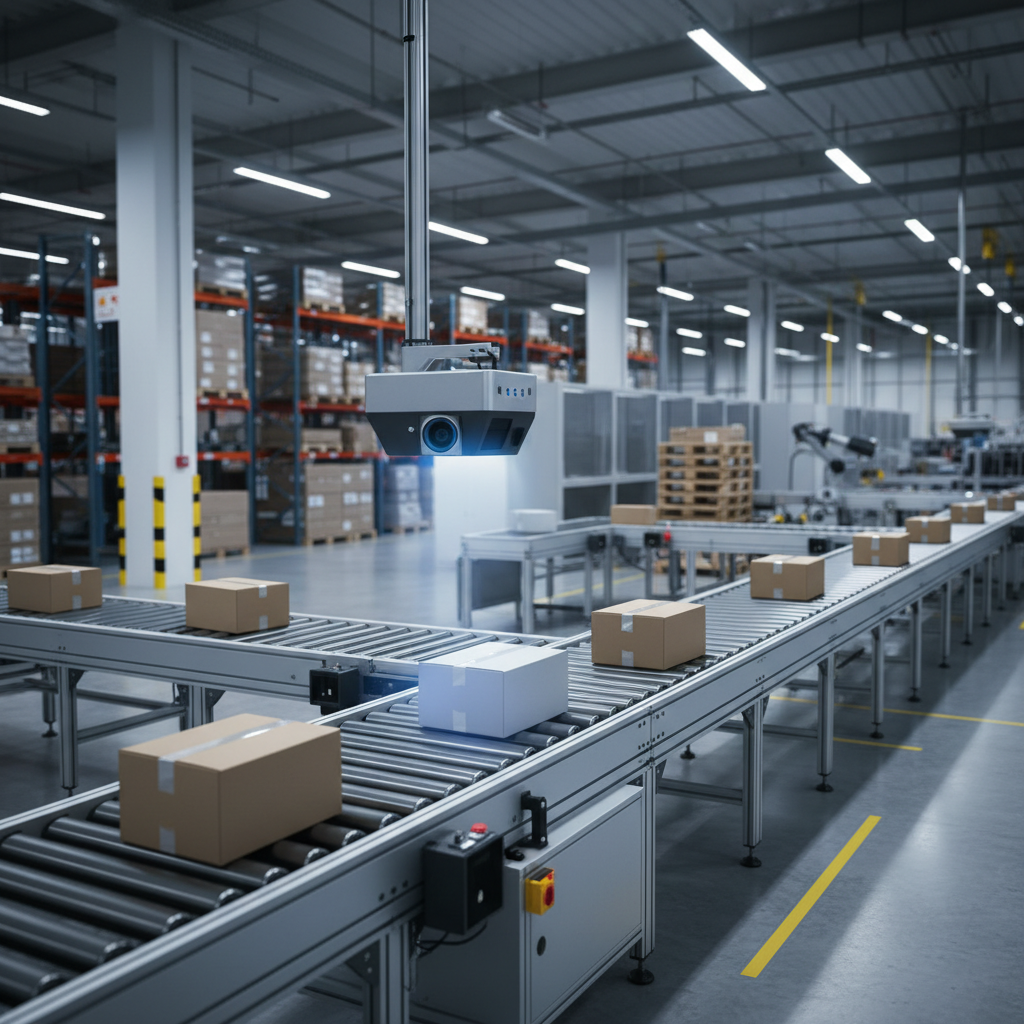
Integrating advanced vision technology into conveyor systems allows for automated, high-speed quality control and product sorting, significantly boosting throughput and accuracy in modern logistics and manufacturing environments.
Key numbers
| Metric | Typical range (EU 2026) | Notes |
|---|---|---|
| Typical Defect Detection Accuracy | 99.5% - 99.98% | For tasks like barcode reading, package integrity, and label placement. |
| Max Conveyor Speed | 1.5 - 3.2 m/s | Speed at which items can be reliably inspected without motion blur. |
| System Throughput | 6,000 - 20,000 items/hour | Dependent on item size, spacing, and complexity of inspection tasks. |
| Image Analysis & Decision Time | 50 - 200 milliseconds | Time from image capture to sending a command (e.g., divert) to the PLC/WCS. |
| Typical System Payback Period | 12 - 36 months | Based on labor savings, increased throughput, and error reduction. |
| All-in Cost (per inspection point) | €8,000 - €75,000 | Includes camera, lighting, software, and integration. Simple barcode reading is cheaper. |
In the high-stakes world of logistics and e-commerce, speed and accuracy are not just goals; they are the bedrock of profitability. Every mis-sorted package or overlooked defect erodes margins and customer trust. This is where the integration of advanced machine vision technology into conveyor systems transforms a simple transport line into an intelligent, self-regulating quality and sorting powerhouse. Especially within the competitive European market, this fusion of mechanics and optics is becoming the new standard for operational excellence.
Definition
Vision technology in the context of conveyor systems refers to the use of cameras, sensors, and intelligent software algorithms to automatically inspect, identify, measure, sort, and track items as they move along a conveyor line. It effectively gives "eyes" to the automation process, enabling decisions to be made in milliseconds without human intervention.
How Vision-Integrated Conveyors Work
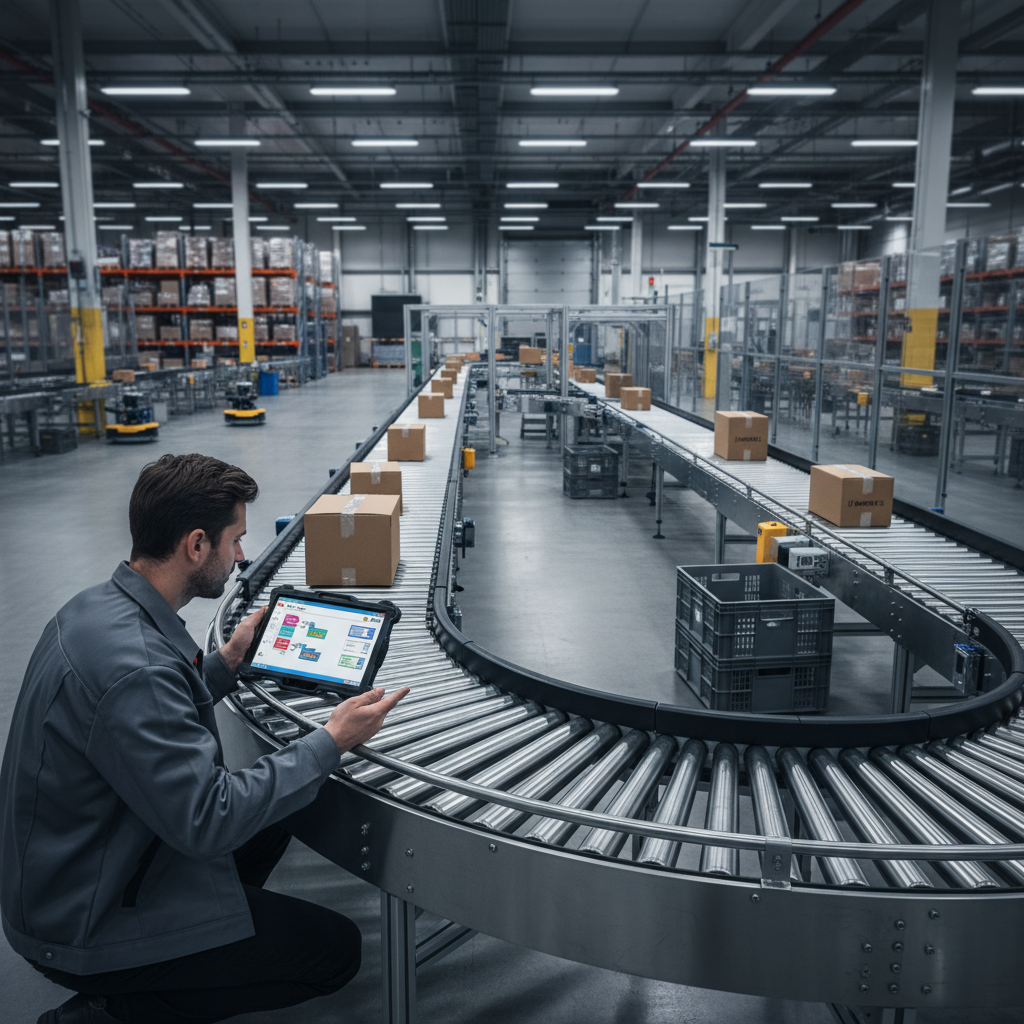
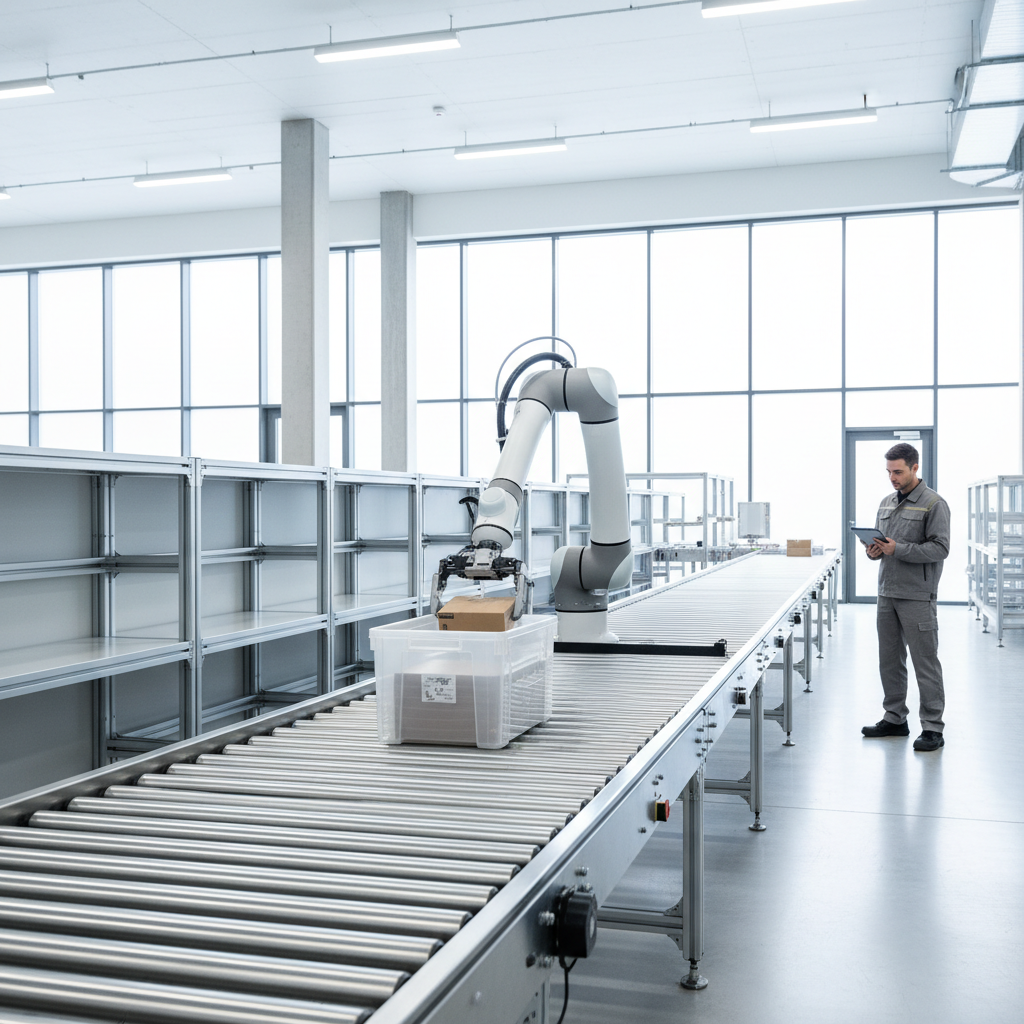
The process is a finely tuned symphony of hardware and software. As an item travels along a belt conveyor or roller conveyor, it passes through a dedicated inspection zone. Here's a step-by-step breakdown:
- Triggering: A photoelectric sensor detects the item's presence and triggers the camera and lighting system.
- Image Acquisition: A high-resolution industrial camera captures one or more images of the item. Controlled lighting ensures consistent image quality by eliminating shadows and highlighting relevant features.
- Image Analysis: The captured image is sent to an industrial PC or a dedicated vision controller. Sophisticated software algorithms analyze the image in real-time to perform its programmed task—this could be reading a barcode, measuring dimensions, checking for a complete seal, or identifying a specific product type.
- Decision Making: Based on the analysis, the system makes a decision (e.g., "Pass/Fail," "Destination A/B/C"). This logic is often managed by a PLC (Programmable Logic Controller) or a Warehouse Control System (WCS).
- Action: The system sends a signal to a downstream component. This could be a pneumatic pusher, a divert arm, or a cross-belt sorter that physically acts on the item—diverting it to a reject lane, sorting it into a specific chute, or allowing it to continue to the next process.
Core Applications in Modern Warehousing
While the technology is versatile, two applications deliver the most significant impact in logistics and fulfillment centers: quality control and automated sorting.
Automated Quality Control (QC)
Manual inspection is slow, prone to fatigue-related errors, and unsustainable in high-volume operations. Vision systems automate QC by checking for a multitude of issues, including:
- Packaging Integrity: Detecting dents, tears, improper sealing, or crushed corners on boxes.
- Label Verification: Ensuring the correct label is applied, legible, and matches the product inside (e.g., via barcode or OCR on the shipping label).
- Product Assembly: In manufacturing-to-logistics flows, verifying that all components are present and correctly assembled.
- Fill Level: Checking that containers are filled to the correct volume.
High-Speed Automated Sorting
Sorting is the foundation of order fulfillment and shipping. Vision systems provide the intelligence for complex, high-speed sorting, a topic covered in depth in our Guide to Sortation Systems. By identifying items based on various criteria, they enable a single conveyor line to feed multiple destinations. Common identification methods include 1D/2D barcode reading, Optical Character Recognition (OCR) for reading text, and even object recognition based on shape, size, or color for label-less items.
Comparing Vision System Technologies
Not all vision systems are created equal. The right choice depends on the specific application, speed, and budget. The European market, with its high labor costs, often justifies more advanced systems for a faster ROI.
| Technology | Primary Use Case | Speed | Typical Cost (€) | Example |
|---|---|---|---|---|
| 1D Barcode Scanners | Reading linear barcodes (EAN, Code 128). | High (up to 3 m/s) | €500 - €2,000 | Basic outbound sorting by carrier code. |
| 2D Area Scan Cameras | Reading 2D codes (QR, DataMatrix), OCR, basic inspection. | Medium to High (up to 2.5 m/s) | €2,000 - €15,000 | Verifying shipping labels, sorting complex e-commerce orders. |
| 3D Vision Systems | Dimensional measurement (LWH), volume calculation, advanced object recognition. | Medium (up to 1.5 m/s) | €15,000 - €50,000+ | Automated dimensioning for carrier billing, bin-picking preparation. |
| Line Scan Cameras | Creating a seamless image of a moving object, ideal for print/surface inspection. | Very High (up to 4 m/s) | €10,000 - €40,000 | Inspecting the print quality on a continuous roll of packaging material. |
Implementation in the European Context
In Europe, integrating vision systems is often driven by specific regional pressures. The high diversity of languages and address formats makes OCR and intelligent validation crucial for cross-border logistics. Furthermore, regulations around product traceability, especially in food & beverage and pharmaceuticals, necessitate robust systems that can read and record unique identifiers on every item. Many businesses find that as they expand, their operational processes struggle to keep pace with growth, a challenge perfectly addressed by scalable automation like vision systems. As detailed in our analysis, companies often grow without their processes scaling accordingly, leading to bottlenecks that vision-integrated conveyors can effectively eliminate.
Easy Systems: Your Partner in Advanced Automation
Understanding the theory of vision systems is one thing; implementing a robust, cost-effective solution tailored to your unique operational flow is another. At Easy Systems, we specialize in designing and deploying intelligent conveyor systems for the European market. We are a BOA Concept company, leveraging decades of material handling expertise to integrate best-in-class technologies, including advanced vision systems, into our modular conveyor solutions. We help you move beyond simple transport to a fully optimized, data-rich process that drives quality, reduces costs, and prepares your business for future growth. Whether you need a simple sorting system or a comprehensive QC solution, our engineers work with you to build a system that delivers measurable results.
Frequently asked questions
What is the typical cost of a vision system for a conveyor?+
Costs vary widely, from around €8,000 for a simple barcode scanning setup on a single line to over €100,000 for a high-speed, multi-camera 3D inspection system integrated across a large sorting facility. A typical single-point QC station averages around €25,000 when accounting for hardware, software, and integration.
How fast can vision systems inspect items on a conveyor?+
Modern vision systems are designed to operate at standard conveyor speeds, typically between 1.5 to 3.2 m/s. This allows for the inspection and processing of over 15,000 items per hour on high-speed lines without creating a bottleneck, ensuring a smooth and efficient flow of goods through the warehouse.
Can vision systems be retrofitted onto existing conveyors?+
Absolutely. Most vision systems are designed for retrofitting. A camera, lighting, and controller can be mounted over an existing belt or roller conveyor, making it a cost-effective upgrade. A typical retrofit project can be completed in under 48 hours, minimizing operational downtime and integrating with existing WCS or PLC systems.
How do vision systems handle different packaging types and lighting?+
Advanced systems use controlled, multi-angle LED lighting (e.g., dome or bar lights) to create consistent images regardless of ambient light. For packaging, algorithms are trained to handle reflective surfaces, transparent materials, and varied prints. A typical setup might use a 4,000K polarized light source to minimize glare on glossy boxes.
What is the typical reliability and maintenance schedule for a conveyor vision system?+
Industrial vision systems are highly reliable, with a Mean Time Between Failures (MTBF) often exceeding 50,000 hours. Maintenance is minimal, typically involving a scheduled lens cleaning every 3 to 6 months and software updates once a year. The high-resolution cameras are industrial grade, built for 24/7 operation in demanding warehouse environments.
How does a vision system integrate with a Warehouse Control System (WCS)?+
Integration is typically achieved via standard industrial protocols like EtherNet/IP or PROFINET. The vision system acts as a smart sensor, sending pre-processed data (e.g., 'Pass/Fail', divert destination, barcode) to the WCS or PLC. The WCS then uses this data to command downstream equipment like sorters. A standard integration API connection can be set up in under 20 hours.

The Easy Systems engineering team designs, integrates and commissions conveyor systems and warehouse automation across Belgium, the Netherlands and Luxembourg. Combined experience covers roller and belt conveyors, sorters, AGV/AMR fleets, AutoStore, shuttle AS/RS and WMS/WCS integration for distribution centers and e-commerce fulfillment operations.
- Conveyor design (roller, belt, modular plastic)
- Sortation & merge logic
- AGV / AMR fleet integration
- AutoStore & shuttle AS/RS
- WMS / WCS integration