Ergonomics & Safety in Conveyor Systems: Benelux Focus
This article analyses the critical role of ergonomics and safety in modern conveyor system design, with a specific focus on the Benelux region. Learn how proper design reduces injuries, complies with EU standards, and boosts operational ROI.
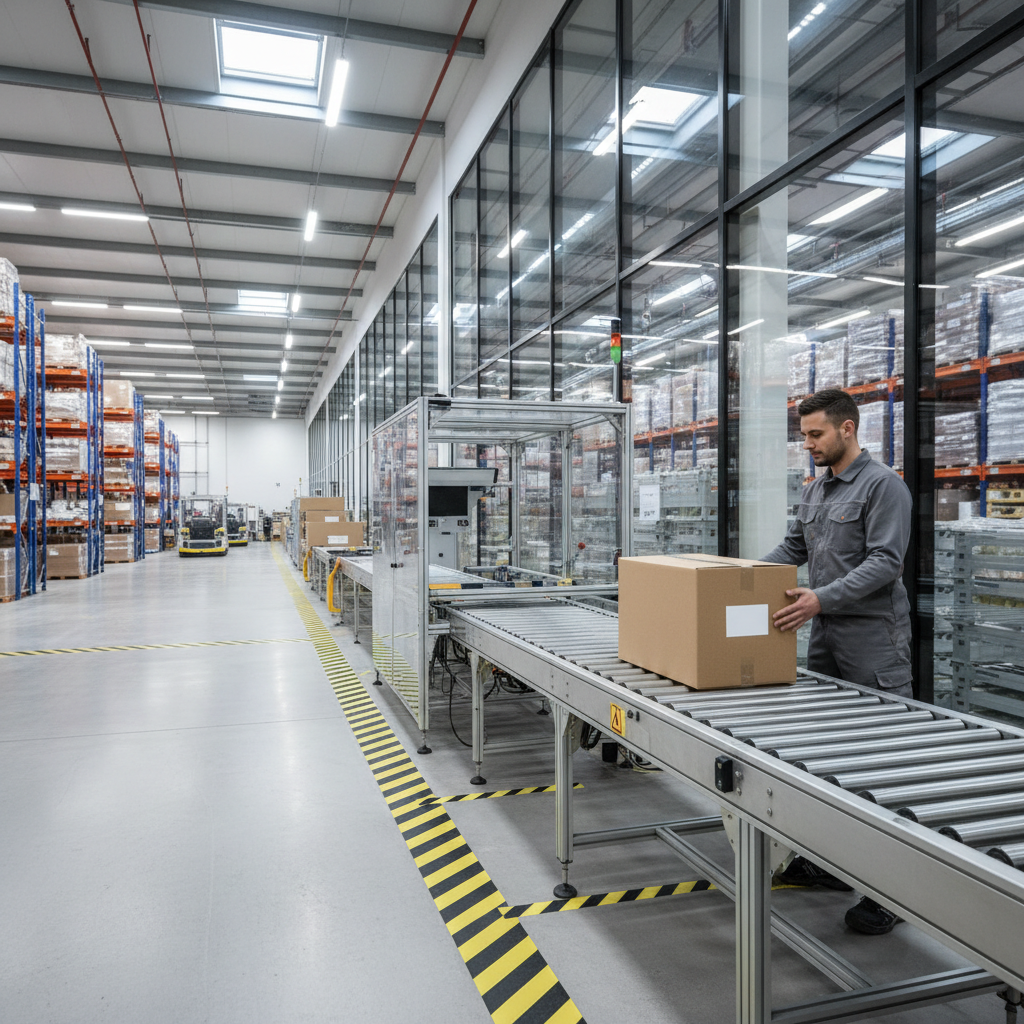
In the high-throughput logistics landscape of the Benelux—a pivotal European distribution hub—the efficiency of a warehouse is directly tied to the well-being of its workforce. While speed and accuracy are paramount, they are unsustainable without a foundational focus on ergonomics and safety. For conveyor systems, the arteries of any modern facility, this focus is not just a regulatory requirement but a significant competitive advantage. This article delves into the critical principles of ergonomic design and safety engineering for conveyor systems, tailored to the specific operational and legal context of Belgium, the Netherlands, and Luxembourg.
Definition
Conveyor Ergonomics and Safety refers to the practice of designing and implementing transportband systems that optimize operator comfort, health, and well-being while minimizing risks of injury. It involves adapting the equipment and workspace to the physical and cognitive capabilities of the user, in full compliance with legal safety standards like the EU Machinery Directive 2006/42/EC.
Key Numbers
| Metric | Typical Range (EU 2026) | Notes |
|---|---|---|
| Musculoskeletal Injury Reduction | 20% - 40% | Direct result of ergonomic adjustments (e.g., height-adjustable stations). |
| Productivity Increase (per operator) | 10% - 15% | Reduced fatigue and optimized movements lead to higher throughput. |
| Ergonomic Workstation Investment | €1,500 - €5,000 | Per station; includes adjustable-height conveyors, anti-fatigue mats, etc. |
| Safety System ROI | 2 - 3 years | Achieved through reduced accidents, lower insurance premiums, and less downtime. |
| Optimal Conveyor Working Height | 750 mm - 1,100 mm | Adjustable range to accommodate the 5th to 95th percentile of the workforce. |
| Emergency Stop Installation Cost | €700 - €1,500 per 20m | For a standard pull-cord system; advanced systems cost more. |
| Acceptable Noise Level | < 70 dB(A) | Continuous exposure above this level can cause hearing damage and increase stress. |
The Legal Framework: EU and Benelux Regulations
Operating within the European Union means that all conveyor systems must carry a CE mark, signifying compliance with relevant health and safety directives. The most important of these is the Machinery Directive 2006/42/EC. This directive mandates a thorough risk assessment for all machinery to identify and mitigate potential hazards.
Key requirements for conveyors under this directive include:
- Permanent Guarding: All moving parts, such as chains, belts, and rollers, must be enclosed to prevent contact.
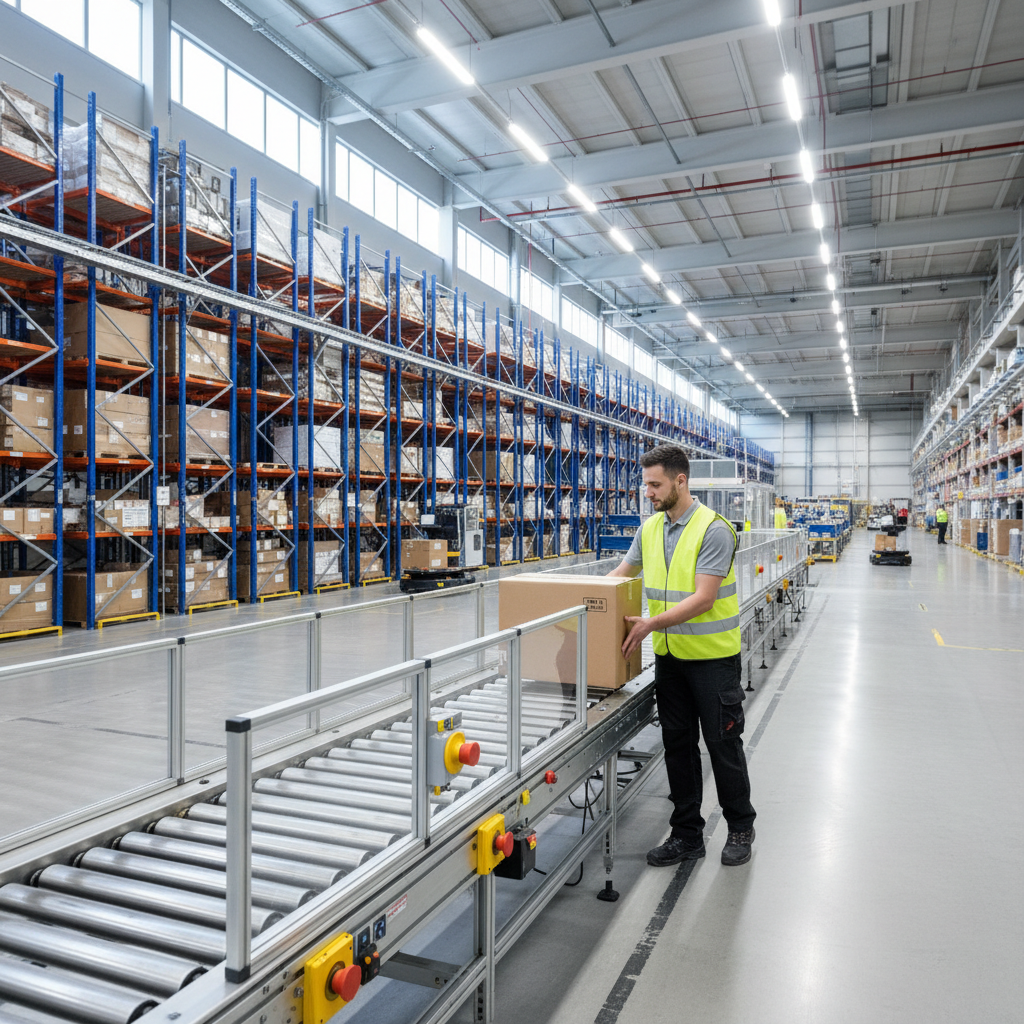
- Emergency Stop Systems: Easily accessible E-stops must be installed at regular intervals to halt the conveyor in a hazardous situation.
- Clear Labeling: Warning signs for risks like pinch points or automatic start-up must be clearly visible.
- Control System Integrity: The system's PLC logic must be fail-safe, meaning a component failure should not lead to a dangerous state.
In addition to EU law, national legislation in the Benelux countries (like the Dutch `Arbowet` and the Belgian `Codex Welzijn op het Werk`) places a strong emphasis on employer responsibility for providing a safe and healthy workplace. These laws often require specific ergonomic risk assessments for tasks involving repetitive movements or manual handling, which are common at conveyor workstations.
Core Ergonomic Principles for Conveyor Design
Ergonomics is about fitting the task to the person, not the other way around. In a conveyor context, this means designing out sources of physical strain and cognitive overload.
Working Height and Reach
The single most critical ergonomic factor is the height of the conveyor surface. An incorrect height forces operators to bend, stoop, or reach, leading to back and shoulder strain. The ideal solution is an adjustable-height conveyor, allowing each user to set the surface at their individual elbow height. For a diverse Benelux workforce, a range of 750 mm to 1,100 mm is essential. Reach should also be minimized; products should be easily accessible without extending the arms more than 400-500 mm.
Lifting, Bending, and Twisting
Conveyors should eliminate as much manual lifting as possible. Where lifting is unavoidable (e.g., transferring goods from a pallet to a conveyor), lift-assist devices should be used. The layout should prevent twisting motions; for instance, a curved conveyor section is far superior to a 90-degree transfer that forces an operator to twist their torso. A well-designed system, like those explored in our Roller Conveyor Guide, ensures a smooth flow that minimizes manual intervention.
Repetitive Strain Injuries (RSI)
Tasks like scanning, sorting, or packing can lead to RSI if not managed correctly. Ergonomic design helps by:
- Varying tasks: Job rotation can prevent overuse of one muscle group.
- Optimizing object orientation: Presenting products with barcodes facing up avoids unnecessary wrist movements.
- Providing proper tools: Lightweight scanners and ergonomically designed tools reduce hand and wrist strain.
Comparing Ergonomic Conveyor Technologies
Not all conveyors are created equal when it comes to ergonomics. A standard belt conveyor might be efficient for transport, but a workstation requires more specialized equipment. Integrating features like zero-pressure accumulation prevents product damage and reduces the pressure on operators to clear blockages.
| Conveyor Feature | Ergonomic/Safety Impact | Typical Application | Relative Cost |
|---|---|---|---|
| Fixed-Height Conveyor | Low ergonomic value; can cause strain for shorter or taller workers. | Long-distance transport where no manual interaction occurs. | Base |
| Adjustable-Height Workstation | High ergonomic value; reduces back and shoulder strain significantly. | Packing, sorting, and quality control stations. | Base + 20-40% |
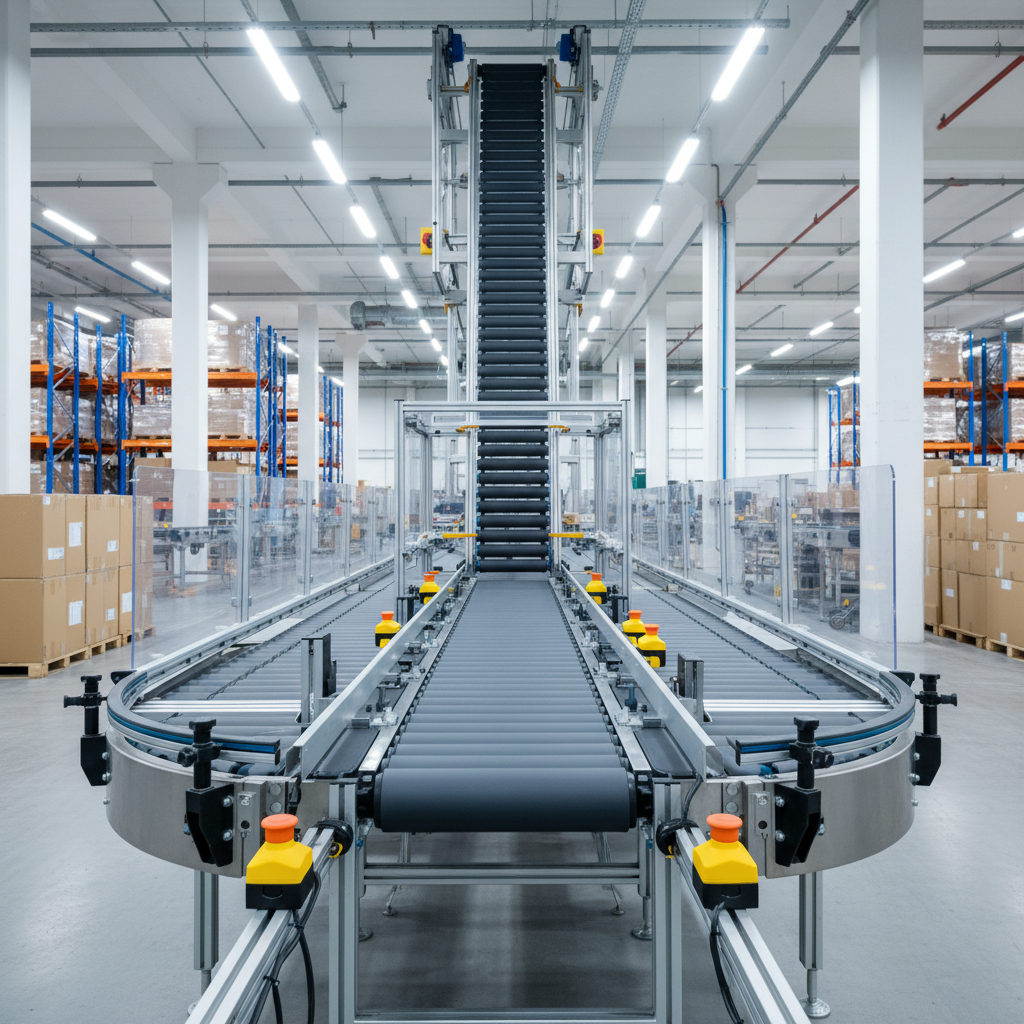
| Spiral Conveyor | Excellent for vertical transport, eliminating the need for manual lifting between floors. Saves space. | Multi-level warehouses, connecting mezzanines. | High |
| Zero-Pressure Accumulation | High safety value; prevents product collisions and pile-ups, reducing need for risky manual intervention. | Buffering zones before sorters or packing stations. | Base + 15-30% |
The ROI of Investing in Ergonomics and Safety
Investing in ergonomic and safe conveyor systems is not a cost center; it's a profit driver. The business case is built on several pillars. Firstly, reduced absenteeism. Musculoskeletal disorders are a leading cause of sick leave in the logistics sector. Preventing these injuries directly translates to more available work hours. Secondly, increased productivity. Comfortable workers are focused and efficient workers, capable of maintaining a higher throughput for longer periods. As noted by industry experts, companies often find that as businesses grow, their processes fail to keep pace, leading to ergonomic bottlenecks. Upgrading these processes yields immediate returns. Finally, lower direct costs, including reduced insurance premiums and avoidance of fines for non-compliance with safety regulations, solidify the financial argument.
A Proactive Approach to Maintenance
Safety and maintenance are intrinsically linked. A regular, proactive maintenance schedule not only ensures uptime but also guarantees that safety features are functioning correctly. This includes checking the tension of pull cords, testing E-stop buttons, ensuring guards are securely fastened, and verifying that safety sensors are clean and calibrated. This preventative approach is far more cost-effective than reactive repairs after an incident or breakdown.
Why Easy Systems is Your Trusted Partner for Ergonomic Conveyor Solutions
At Easy Systems, we understand the unique demands of the Benelux logistics market. We don't just sell conveyors; we design integrated solutions with ergonomics and safety at their core. Our approach begins with a thorough analysis of your specific workflow, operator tasks, and facility layout. We leverage our modular conveyor platform to create systems that are not only compliant with the highest EU safety standards but are also perfectly tailored to the physical needs of your employees.
Our experienced engineers design systems that minimize bending, reaching, and lifting, directly contributing to a healthier workforce and a more productive operation. From adjustable-height packing stations to sophisticated zero-pressure accumulation buffers, we provide robust, reliable, and user-centric solutions. Choose Easy Systems as your partner to build a conveyor infrastructure that is safe, efficient, and ready for the future.
Frequently asked questions
What is the ideal working height for a conveyor belt in a Benelux warehouse?+
The ideal height is adjustable, typically between 750 mm and 1,100 mm. This range accommodates about 95% of the adult workforce in the Netherlands, Belgium, and Luxembourg, minimizing bending and reaching for operators at packing or picking stations.
How much can ergonomic improvements reduce workplace injuries?+
In logistics and distribution centers, targeted ergonomic interventions for conveyor systems can reduce musculoskeletal disorders (MSDs) by 25-40%. This translates to fewer days of sick leave and lower insurance premiums, often saving a mid-sized warehouse over €50,000 annually.
Are safety guards mandatory on all conveyor systems in the EU?+
Yes, according to the EU Machinery Directive 2006/42/EC. All moving parts, pinch points, and shear points that could cause injury must be physically guarded. The type of guard (fixed, interlocking, sensory) depends on the specific risk assessment for that part of the conveyor.
What is the average cost of an emergency stop system for a conveyor line?+
A basic pull-cord emergency stop system for a 20-meter conveyor line costs between €700 and €1,500 for hardware and installation. More advanced systems with segmented zones and PLC integration can cost €2,000-€5,000 but offer faster restarts and diagnostics.
How does conveyor speed impact ergonomics and safety?+
Higher speeds (above 0.8 m/s) can increase operator stress and risk of RSI, especially in manual handling zones. The optimal speed is task-dependent. For picking tasks, 0.3-0.5 m/s is typical, allowing operators to keep pace without rushing or making unsafe movements.

The Easy Systems editorial desk reviews and fact-checks every Conveyor-Design article against Benelux project experience. Editors translate engineering decisions — throughput, peak factors, layout, integration — into plain-language guides for operations managers, project leads and decision-makers.
- Warehouse layout & slotting
- Order-profile analysis
- Vendor-neutral comparison
- Benelux logistics market