Energy-Efficient Conveyors: A Benelux Cost-Saving Guide
A comprehensive guide for warehouse managers in the Benelux on reducing energy consumption of conveyor systems. Learn about high-efficiency motors, smart controls, and maintenance strategies to significantly cut operational costs.
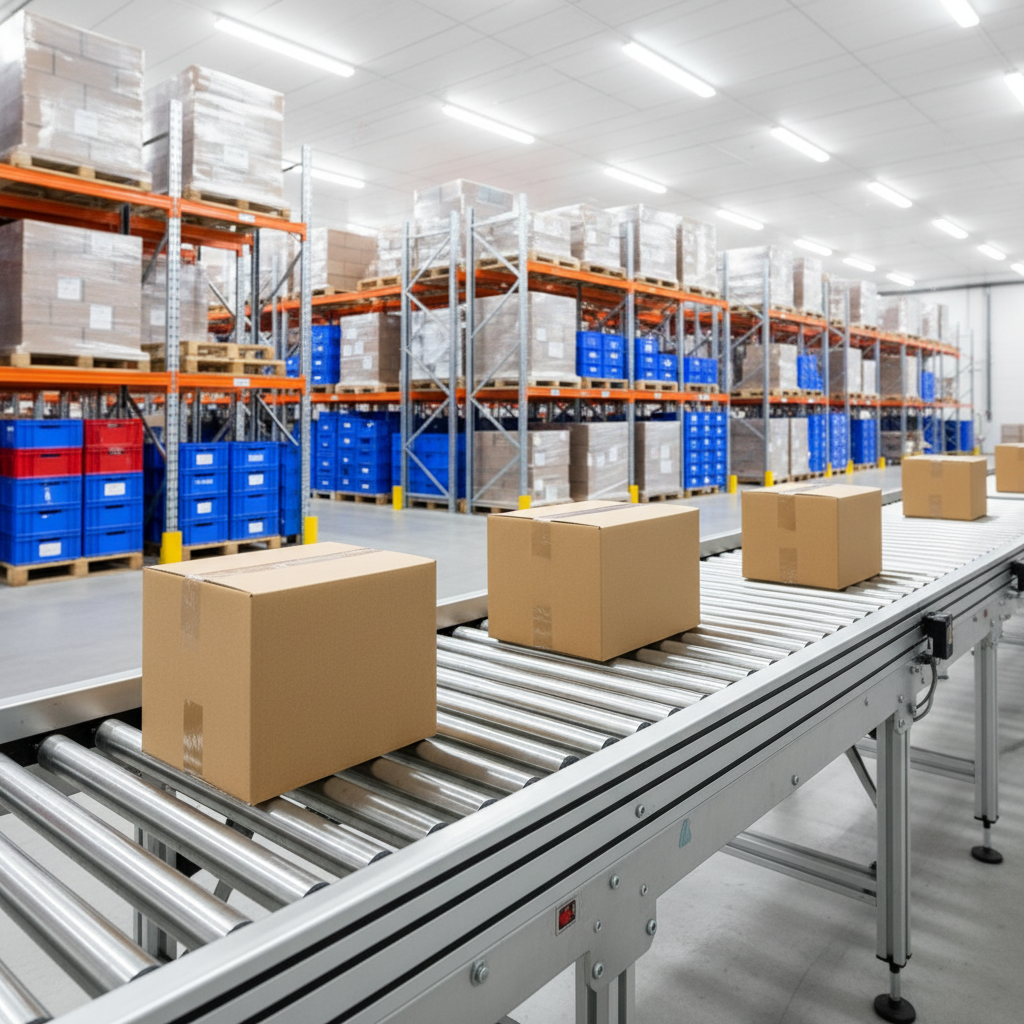
In the high-stakes, fast-paced logistics landscape of the Benelux, every euro of operational cost is under scrutiny. Energy prices, in particular, have become a significant burden for warehouses and distribution centers. This article provides practical, actionable strategies for reducing the energy consumption of your conveyor systems, a critical yet often overlooked area for substantial cost savings.
Definition
Energy-efficient conveyor systems are material handling solutions designed to transport goods using the minimum amount of electrical power necessary. This is achieved through a combination of high-efficiency motors, intelligent controls that operate zones on-demand, low-friction components, and predictive maintenance schedules. The primary goal is to reduce operational costs and environmental impact without compromising throughput.
Key Numbers
| Metric | Typical range (EU 2026) | Notes |
|---|---|---|
| Energy Savings vs. Legacy Systems | 30% - 50% | Primarily achieved by switching from centralized AC motors to decentralized MDR technology. |
| Investment Cost (MDR System) | €400 - €800 per meter | Higher initial cost than simple belt conveyors, but lower lifecycle cost. |
| Return on Investment (ROI) | 2 - 4 years | Based on energy savings, lower maintenance, and increased uptime. |
| Energy Consumption (MDR Zone) | 0.03 - 0.05 kWh per hour of operation | A fraction of the 1.5-2.5 kWh used by a comparable AC motor-driven section. |
| Operational Speed | 0.2 m/s - 1.5 m/s | Variable speeds are easily configured to match throughput needs, saving energy during non-peak hours. |
| Maintenance Interval | > 20,000 operating hours | For brushless DC motors in MDRs, significantly longer than for traditional AC motors. |
Why Energy Efficiency Matters in the Benelux
The Benelux region (Belgium, the Netherlands, Luxembourg) is one of Europe's most vital logistics hubs. However, it also faces some of the highest commercial electricity prices on the continent. With rates frequently fluctuating and often exceeding €0.30 per kWh, the power consumed by extensive conveyor networks represents a major operational expenditure. For a medium-sized distribution center with several hundred meters of conveyors running 16 hours a day, the annual electricity bill can easily run into the tens of thousands of euros. Reducing this figure is not just a matter of environmental responsibility; it's a crucial competitive advantage.
Core Components for an Energy-Efficient System
Achieving significant energy savings involves a holistic approach, focusing on three key areas: motors, controls, and system design.
1. High-Efficiency Motors
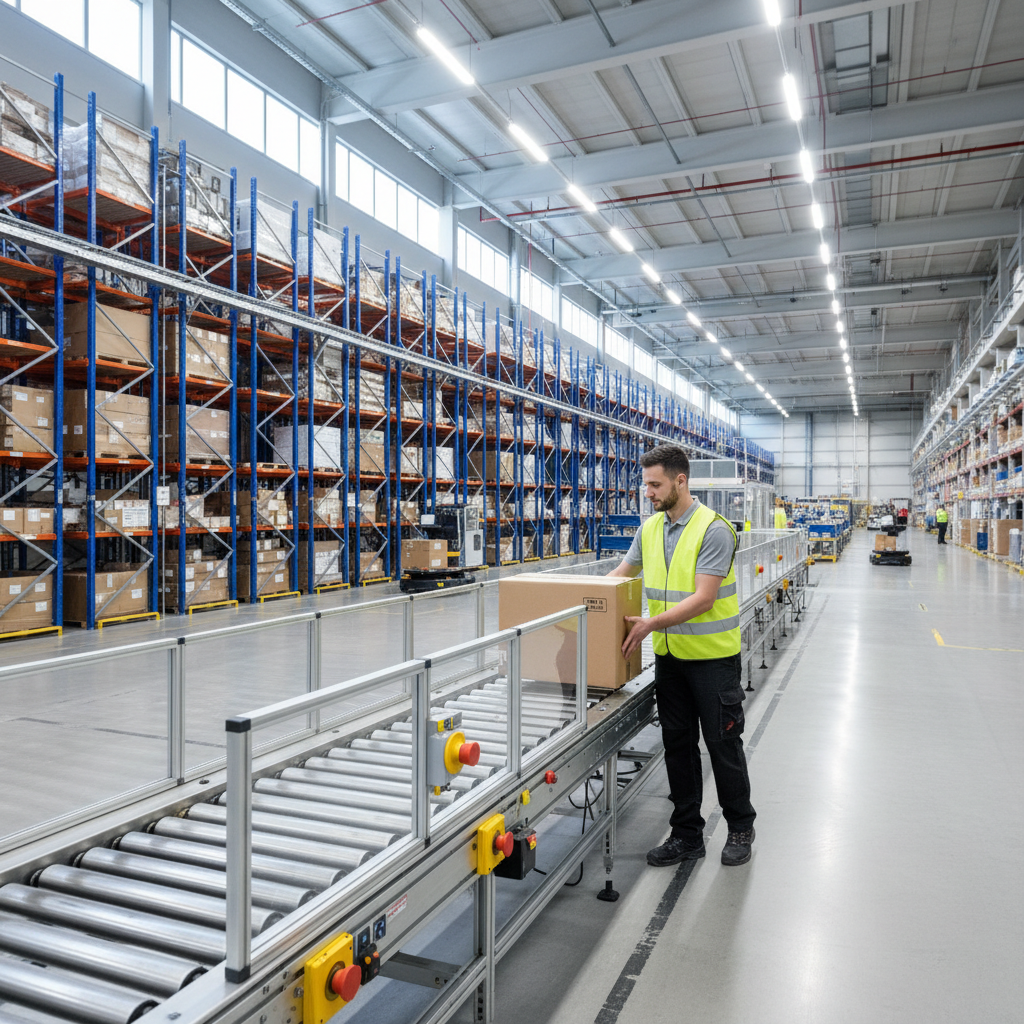
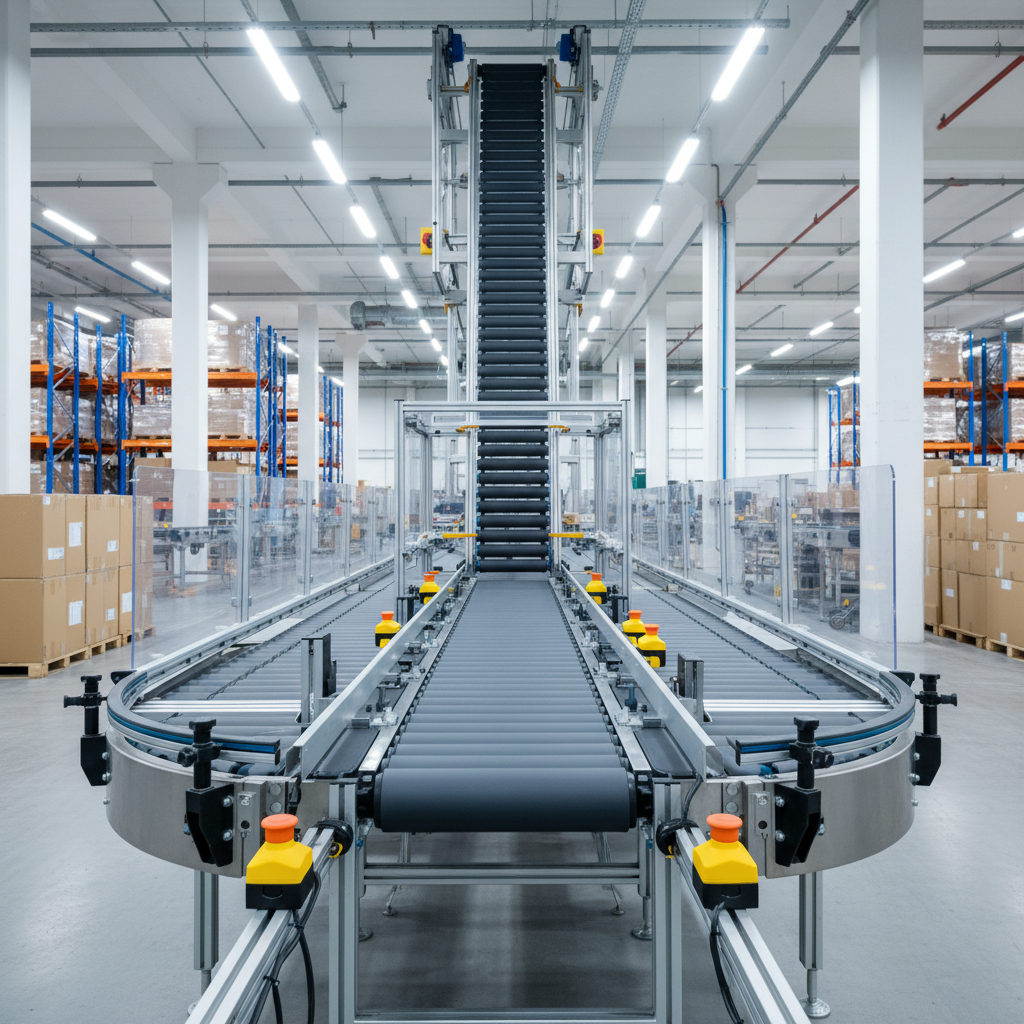
The motor is the heart of the conveyor and the primary consumer of electricity. The shift from traditional, centrally-located AC motors that run continuously to decentralized, on-demand motors has been a game-changer. The standout technology here is the Motor Driven Roller (MDR). These are 24V DC brushless rollers with integrated motors that are installed along the conveyor frame. Each MDR powers a small section, or "zone," creating a highly modular and efficient system.
2. Smart Controls
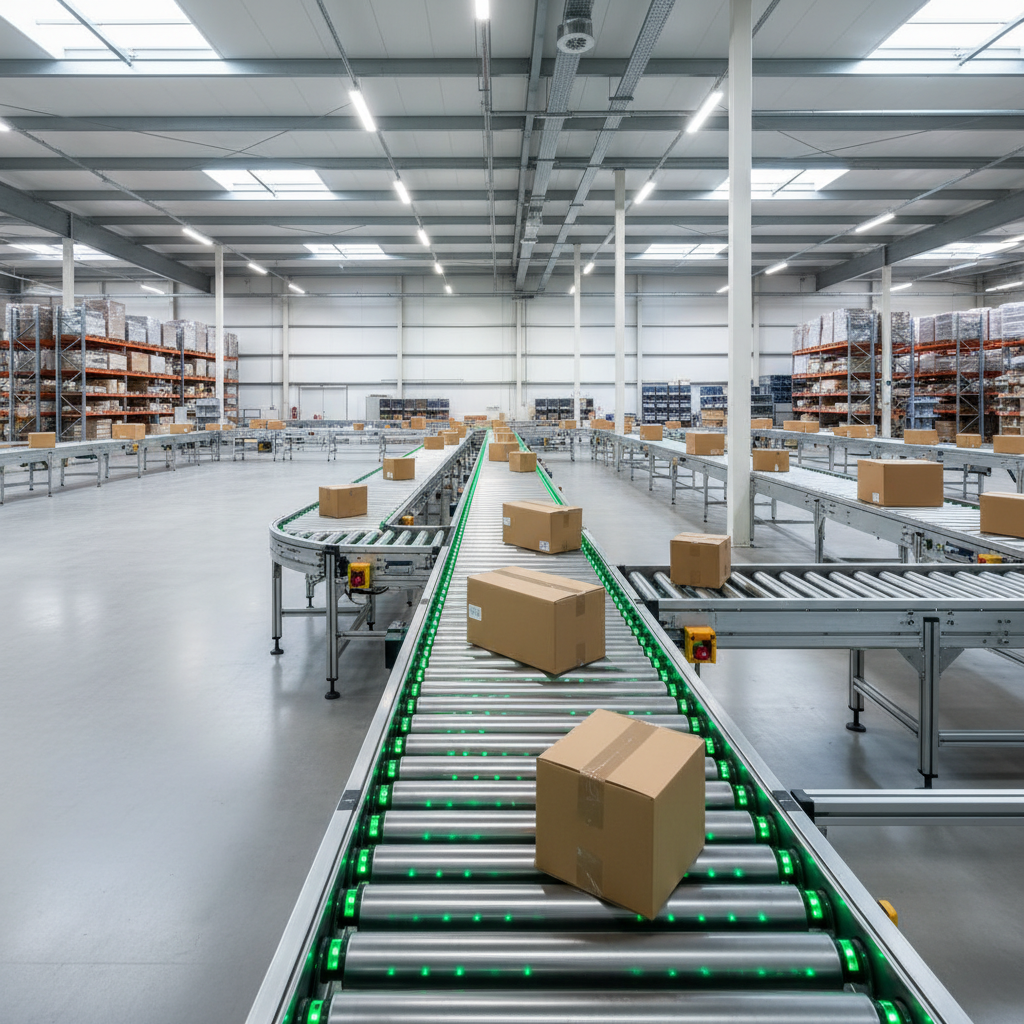
Intelligent controls are the brain of the operation. Instead of running the entire conveyor line continuously, a Warehouse Control System (WCS) can manage individual MDR zones. Using photo-eye sensors, the system detects the presence of a carton and activates only the zones needed to move it forward. This practice, known as Zero-Pressure Accumulation (ZPA), ensures that 95% of the conveyor can be idle at any given moment, waiting for product, leading to massive energy savings.
3. Low-Friction Design
System design plays a subtle but important role. Using high-quality bearings, precision rollers, and appropriate belt materials reduces mechanical resistance. The less friction the motors have to overcome, the less energy they consume. For example, a modern roller conveyor system is inherently more efficient for rigid items than a belt conveyor, as rolling friction is lower than sliding friction. Refer to our Roller Conveyor Guide for more in-depth design considerations.
Comparing Motor Technologies: AC vs. DC vs. MDR
The choice of motor technology is the single most important factor in determining the energy efficiency of a conveyor system. The table below compares the most common options.
| Feature | Centralized AC Motor | Brushless DC Motor | Motor Driven Roller (MDR) |
|---|---|---|---|
| Energy Efficiency | Low (Runs continuously) | High | Very High (Runs on demand) |
| Typical Consumption | 1.5 - 5.5 kW per motor | 50 - 500 W | 30 - 50 W per roller/zone |
| Control System | Simple On/Off, VFD for speed | Requires external controller | Integrated, zone-based logic |
| Noise Level | High (> 70 dB) | Low | Very Low (< 55 dB) |
| Maintenance | Moderate (belts, chains, gearbox) | Low (brushless) | Very Low (sealed-for-life rollers) |
| Safety | Requires extensive guarding | Low Voltage (24V) | Inherently safe low voltage/torque |
Operational Best Practices for Lowering Energy Bills
Beyond technology, daily operations can be optimized for energy savings:
- Scheduled Shutdowns: Program the WCS to automatically power down the entire conveyor system during scheduled breaks, shift changes, or periods of no activity for more than 15 minutes.
- Speed Optimization: Not all processes require maximum speed. Analyze your product flow and run conveyors at the lowest effective speed to meet throughput targets. Reducing speed by 20% can lower energy use by nearly 50%.
- Flow Consolidation: Optimize wave picking and batching to create a more consistent flow of goods. This prevents the "stop-and-go" traffic on the conveyor that is inefficient, even with ZPA logic. Many companies find that as they grow, their processes don't always scale with them, leading to inefficiencies. A thorough process review can unlock significant savings, a concept we explored in a recent Easy Systems blog post.
Calculating ROI on Energy-Efficient Upgrades
To justify an investment in an energy-efficient conveyor system, a clear ROI calculation is essential. The basic formula is:
ROI (in years) = Total Investment Cost / (Annual Energy Savings + Annual Maintenance Savings)
Let's take a practical example for a Benelux DC:
- Baseline (AC System): A 100-meter line with 5 AC motors (2 kW each), running 16 hours/day, 250 days/year. Total consumption: (5 motors * 2 kW) * 16h * 250d = 40,000 kWh/year. At €0.30/kWh, the annual cost is €12,000.
- Upgrade (MDR System): The same 100m line now uses MDR with an effective "run time" of 25% due to ZPA logic. Assume an average load of 1 kW for the entire line when running. Total consumption: 1 kW * (16h * 0.25) * 250d = 1,000 kWh/year. The annual cost is €300.
- Savings & ROI: The annual energy saving is €11,700. Add an estimated €1,000 in reduced maintenance costs (no belts/chains to replace). Total saving: €12,700. If the total upgrade cost was €45,000 (€450/m), the ROI is €45,000 / €12,700 = 3.5 years.
Easy Systems: Your Partner in Sustainable Warehouse Automation
In the competitive Benelux market, energy efficiency is not a luxury—it's a fundamental component of a profitable logistics operation. At Easy Systems, we specialize in designing and implementing modular, high-efficiency conveyor solutions tailored to the specific needs of our clients. Our expertise in 24V DC technology, including MDR and smart controls, allows us to build systems that are not only powerful and reliable but also exceptionally cost-effective to operate. We don't just sell conveyors; we engineer sustainable, long-term solutions that reduce your carbon footprint and boost your bottom line. Partner with us to turn your material handling system from a cost center into a strategic asset for a greener, more profitable future.
Frequently asked questions
How much money can I really save by switching to an MDR conveyor system?+
In the Benelux, switching from a traditional AC-powered conveyor to a Motor Driven Roller (MDR) system can result in energy savings of 30-50%. For a medium-sized system, this can easily translate to €5,000 - €15,000 in annual electricity cost savings, depending on usage and local energy prices.
What is the typical payback period for an energy-efficient conveyor upgrade?+
The payback period, or ROI, for an energy-efficient conveyor upgrade in Europe is typically between 2 to 4 years. This is calculated based on direct energy savings, reduced maintenance costs (fewer moving parts), and decreased downtime. The high electricity rates in the Benelux often accelerate this ROI.
Can I retrofit my existing conveyor system to be more energy-efficient?+
Yes, retrofitting is often a viable option. You can replace entire sections with modern MDR modules or, in some cases, replace central AC motors and lineshafts with decentralized 24V DC motor solutions. A system audit can determine the most cost-effective approach, often yielding energy savings of over 25%.
What are the biggest energy consumers in a classic conveyor system?+
In a traditional conveyor system, the biggest energy consumer is the large AC motor (typically 1.5kW to 5.5kW) that runs continuously, even when there are no products on the belt. The second-largest consumer is friction from belts, chains, and worn-out bearings, which forces the motor to work harder.
How does a Warehouse Control System (WCS) help save energy?+
A WCS saves energy by intelligently managing the conveyor. It uses data from sensors to activate conveyor zones only when a product is present (a concept called zero-pressure accumulation). This means up to 95% of the conveyor can be dormant at any time, eliminating idle running and cutting energy waste significantly.
Do energy-efficient conveyors have lower throughput?+
No, quite the opposite. Modern energy-efficient systems using MDR technology can often have higher and more reliable throughput. Speeds are easily adjustable (from 0.2 m/s to 1.5 m/s) to match operational needs, and the modular nature of the system reduces single points of failure, leading to greater overall uptime and consistent performance.

The Easy Systems editorial desk reviews and fact-checks every Conveyor-Design article against Benelux project experience. Editors translate engineering decisions — throughput, peak factors, layout, integration — into plain-language guides for operations managers, project leads and decision-makers.
- Warehouse layout & slotting
- Order-profile analysis
- Vendor-neutral comparison
- Benelux logistics market