Ergonomics in Conveyor Systems: A Benelux Safety Guide
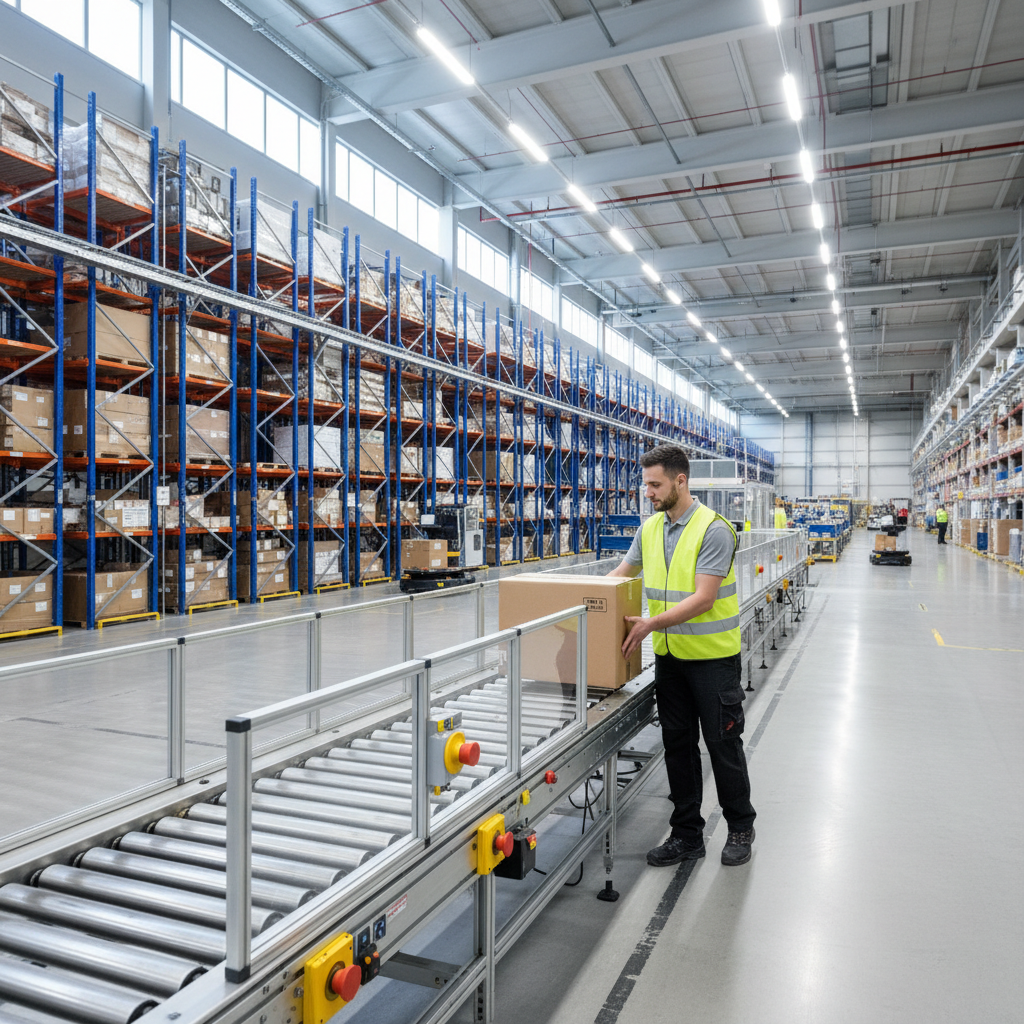
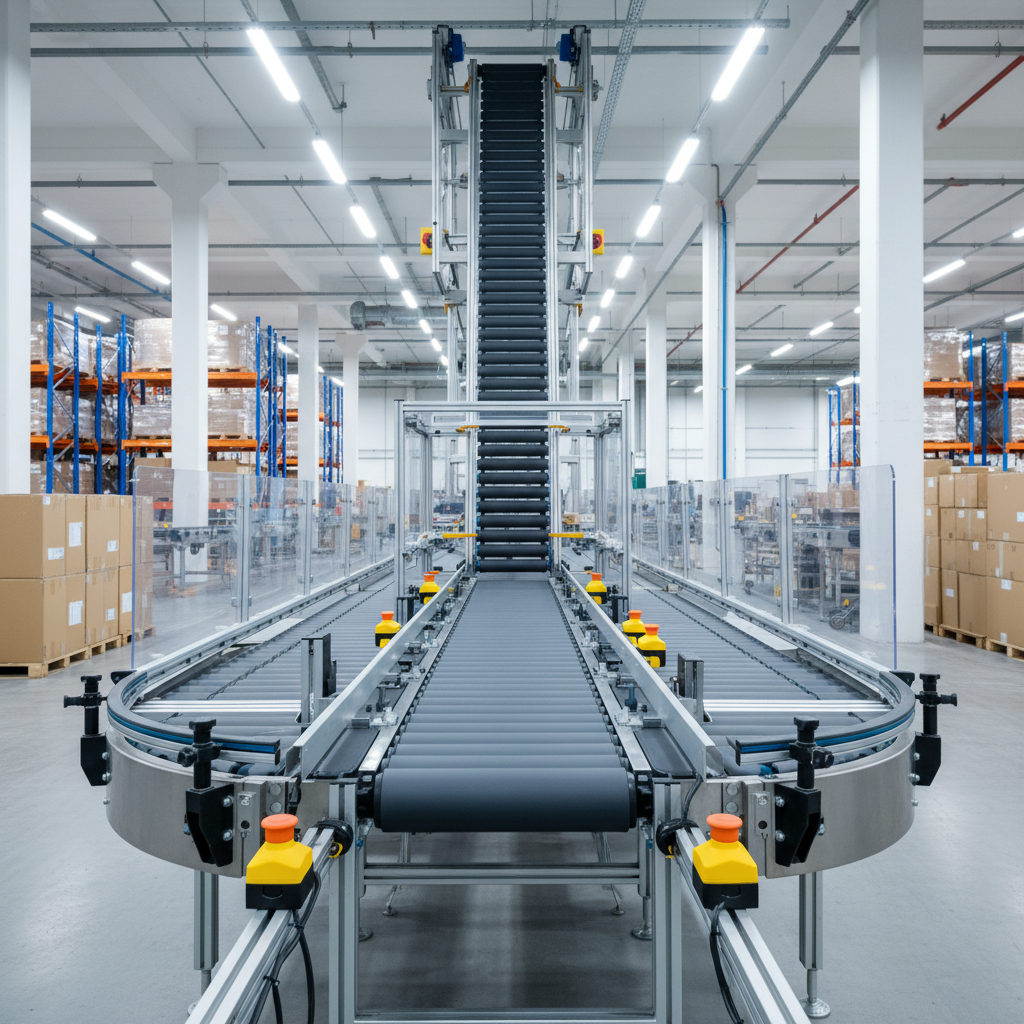
Prioritizing ergonomics during conveyor installation and maintenance is crucial for operator safety and system longevity in the Benelux. This guide covers key principles, from correct lifting heights to tool selection, to reduce musculoskeletal disorders by up to 60% and boost productivity.
In the high-density logistics landscape of the Benelux, efficiency is paramount. However, this drive for speed cannot come at the cost of worker safety. Ergonomics in conveyor system installation and maintenance is not a luxury but a critical component of a sustainable, productive, and compliant operation. Neglecting it leads to increased injuries, higher absenteeism, and reduced overall equipment effectiveness. This guide provides actionable, data-driven practices for facilities in Belgium, the Netherlands, and Luxembourg.
Definition
Ergonomics in the context of conveyor systems is the science of designing the installation and maintenance tasks, equipment, and workstations to fit the physical capabilities and limitations of the technician. The goal is to optimize the interaction between the worker and their environment to enhance performance and prevent musculoskeletal disorders (MSDs).
Key Numbers
| Metric | Typical Range (EU 2026) | Notes |
|---|---|---|
| Ideal Work Height (Precision) | 100 - 120 cm | For tasks requiring fine motor skills during maintenance. |
| Ideal Work Height (Light Work) | 90 - 110 cm | Most common maintenance tasks, standing position. |
| Max. Manual Lifting Weight | 15 - 25 kg | Under ideal conditions per ISO 11228-1; lower for repetitive tasks. |
| Vibration Exposure Limit (Hand-Arm) | < 5.0 m/s² (A(8)) | Daily exposure limit value for power tools used in installation. |
| Recommended Lighting Level | 300 - 500 lux | For technical maintenance and installation areas. |
| ROI for Ergonomic Interventions | 1.5 - 3 years | Achieved through reduced absenteeism and higher productivity. |
Why Ergonomics Matters in Benelux Warehouses
The Benelux region is a European logistics nexus, characterized by high labor costs, stringent worker protection laws, and a mature market that demands high operational availability. In this environment, the "fit person to the job" mentality is outdated and costly. Instead, "fitting the job to the person" through ergonomics offers a competitive advantage. Poor ergonomics directly translates to higher rates of MSDs, which according to the European Agency for Safety and Health at Work (EU-OSHA), account for three out of every five work-related health problems in the EU. For a warehouse in Venlo or a distribution center near the Port of Antwerp, this means lost workdays, difficulty retaining skilled technicians, and increased insurance premiums.
Core Ergonomic Principles for Conveyor Installation
Ergonomics must be considered long before the first wrench is turned. The design and installation phase sets the foundation for a safe and maintainable system for years to come. Failure to do so bakes in ergonomic hazards that are expensive and disruptive to fix later.
- Modular Design: Opt for modular systems with lighter components. Instead of a single 5-meter, 150 kg welded frame, a modular roller conveyor system uses 2.5-meter sections weighing less than 75 kg, making them manageable with two-person lifts or simple lifting aids.
- Pre-assembly & Kitting: Have components pre-assembled or kitted off-site. This reduces on-site complexity, minimizes awkward handling in a potentially crowded installation space, and improves quality. For instance, pre-wiring MDR (Motorized Drive Roller) cabling saves hours of kneeling and reaching.
- Lifting and Transport Plans: For heavier elements like drive stations or incline sections of a belt conveyor, a clear plan using certified lifting equipment (e.g., mobile cranes, genie lifts) is non-negotiable. The plan must ensure clear pathways and stable ground.
- Tool Selection: Equip installation teams with lightweight, low-vibration power tools and ergonomic hand tools (e.g., spring-loaded pliers, cushioned grips). This directly reduces hand-arm vibration syndrome (HAVS) risk.
For larger systems, particularly those dealing with heavy unit loads, consulting a specialized guide is essential. Our Pillar Guide to Pallet Conveyor Systems offers in-depth advice on the safe installation of these robust material handling solutions.
Ergonomic Best Practices for Conveyor Maintenance
Once a system is operational, maintenance activities become the primary source of ergonomic risk. These tasks are often repetitive, performed in awkward postures, and can involve forceful exertions.
Access and Posture
The number one complaint from maintenance technicians is poor access. Designing for access is designing for safety and efficiency.
- Adequate Clearance: Ensure at least 70 cm of horizontal and 210 cm of vertical clearance around all serviceable components (motors, gearboxes, sensors). For elevated conveyors, this means properly guarded catwalks or stable, adjustable platforms.
- Adjustable Components: Where possible, use adjustable-height supports or integrate features that bring the component to the worker, not the other way around.
- Minimize Kneeling and Stooping: Position critical inspection points and lubrication nipples between 90 cm and 120 cm from the floor or platform. Avoid placing junction boxes or control panels at floor level.
Tools and Task Design
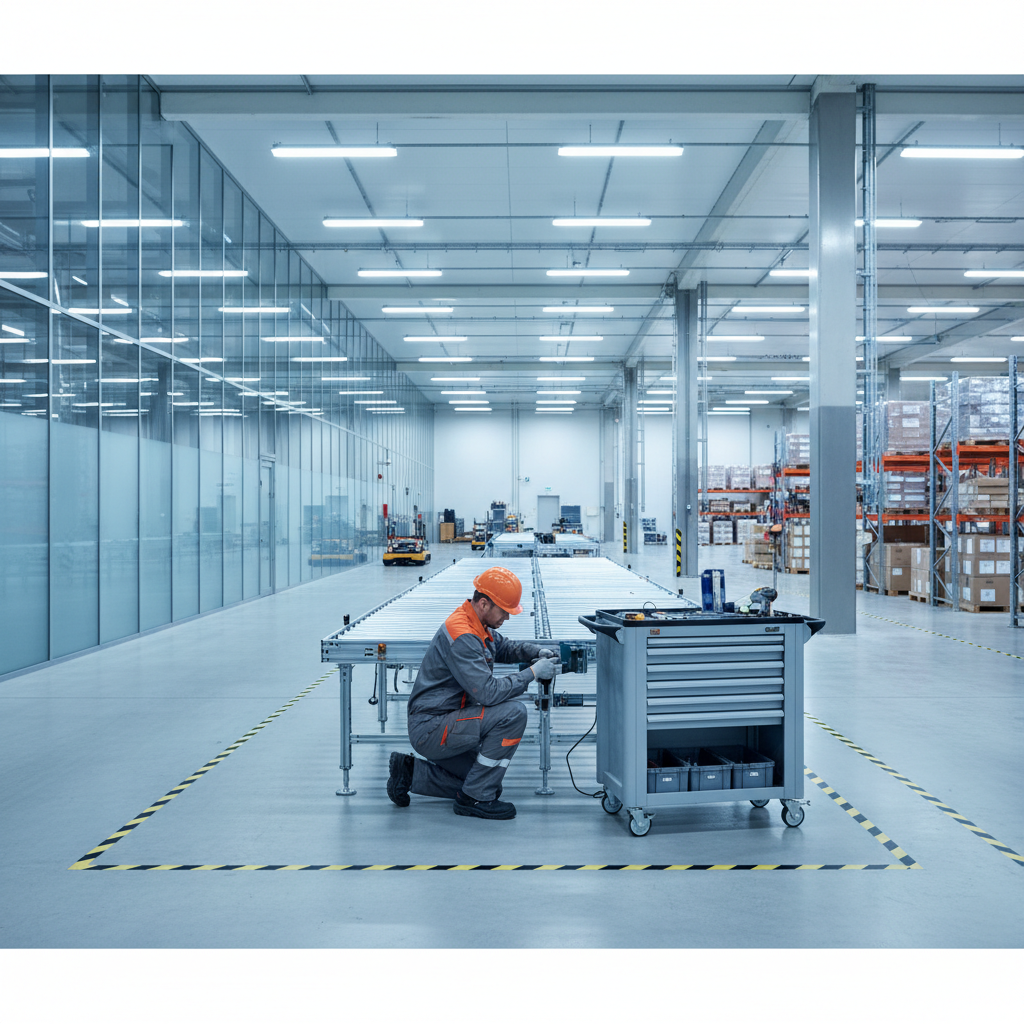
The right tool doesn't just make the job faster; it makes it safer. For maintenance, a well-organized, mobile tool cart is essential. It should contain application-specific tools like belt tensioners or chain pullers that use mechanical advantage to reduce sprains and strains. Furthermore, task rotation is a key administrative control. A technician should not spend an entire 8-hour shift performing the same repetitive task, such as replacing rollers. Rotating staff between tasks that use different muscle groups can significantly lower the risk of repetitive strain injuries (RSIs).
Comparing Ergonomic vs. Traditional Maintenance Approaches
The difference in approach has a tangible impact on safety, cost, and efficiency. A traditional mindset often views ergonomic tools and design as "nice-to-haves," whereas a modern, data-driven operation sees them as essential investments.
| Aspect | Traditional Approach | Ergonomic Approach |
|---|---|---|
| System Access | Tight clearances, requires reaching/crawling. Components often obstructed. | Wide walkways, integrated platforms. Key components are easily reachable. |
| Component Replacement | Heavy, unwieldy parts requiring significant manual force. | Lightweight, modular components (e.g., pop-out rollers) with quick-release mechanisms. |
| Tooling | Standard, heavy-duty tools. "One size fits all". | Lightweight, low-vibration power tools; torque-limiting wrenches; specialized lifting aids. |
| Lighting | Relies on general ambient warehouse lighting, often causing shadows. | Task-specific lighting (min. 500 lux) integrated into the conveyor frame or on mobile units. |
| Training | Focuses purely on the technical "how-to" of the repair. | Includes body mechanics, correct lifting techniques, and risk recognition. |
The Financial Impact of Poor Ergonomics
The costs of ignoring ergonomics extend far beyond regulatory fines. Direct costs include medical expenses and worker compensation claims, which can amount to over €45,000 per serious MSD case in the Netherlands. However, the indirect costs are often 4-5 times higher. These include lost productivity during the worker's absence, the cost of hiring and training a replacement, decreased morale, and project delays. As detailed in the analysis of how business growth can outpace process maturity, a reactive approach to safety and maintenance creates significant hidden costs that throttle scalability and profitability.
European Regulations and Standards
Compliance is not optional. Key EU directives and harmonized standards governing ergonomics in machine handling include:
- Machinery Directive 2006/42/EC: Requires manufacturers to design and construct machinery to avoid risks of injury, explicitly mentioning ergonomic principles.
- Framework Directive 89/391/EEC: Obligates employers to assess and prevent workplace risks, including ergonomic ones.
- ISO 11228 (Parts 1, 2, 3): A critical standard providing specific methodologies for risk assessment of lifting/carrying, pushing/pulling, and handling of low loads at high frequency. Adherence is considered best practice and often used to demonstrate compliance.
National bodies in the Benelux (like TNO in the Netherlands or Prevent in Belgium) provide localized guidance and enforcement based on these EU-wide frameworks.
Easy Systems: Your Partner for Ergonomic and Maintainable Conveyors
At Easy Systems, we design our conveyor solutions with the entire lifecycle in mind. We understand that a system’s total cost of ownership is heavily influenced by its ease of installation and maintenance. Our modular conveyor platforms are engineered in France and Poland to be lightweight yet robust, utilizing standardized components that reduce the physical strain on installation and maintenance teams.
By pre-assembling and pre-wiring our modules, we minimize awkward and repetitive on-site tasks. Clear access points, quick-release mechanisms, and adherence to EN/ISO standards are not afterthoughts—they are integral to our design philosophy. We build systems that empower your technicians to work safely and efficiently, ensuring maximum uptime and a lower risk profile for your Benelux operations. Choose a partner who builds for durability, efficiency, and the well-being of your most valuable asset: your people.
Frequently asked questions
What is the ideal working height for a conveyor maintenance platform?+
The ideal working height depends on the task. For general maintenance, a height between 90 cm and 110 cm from the platform floor is recommended to keep work at elbow level. For precision tasks, a slightly higher surface of 100-120 cm can reduce neck strain.
How much can I reduce workplace injuries with ergonomic conveyor design?+
Implementing comprehensive ergonomic principles can be highly effective. Studies and industry data show that workplaces can reduce musculoskeletal disorders (MSDs) by up to 60%. This often correlates with a 20-25% increase in maintenance productivity due to reduced fatigue and easier tasks.
What are the main ergonomic risks during conveyor installation?+
The primary risks during installation include manual handling of heavy or awkward components, leading to back injuries. Other risks are forceful exertions when aligning frames, repetitive motions when fitting bolts or wiring, and awkward postures like kneeling or overhead reaching. These can account for over 50% of installation-related incidents.
How often should ergonomic training for maintenance staff be conducted?+
Ergonomic training should be provided upon hiring and refreshed at least annually. We also recommend brief, targeted "toolbox talks" before non-routine, high-risk tasks. Consistent training can decrease ergonomic-related incidents by over 40% within two years.
What is the typical cost of an ergonomic assessment for a conveyor line?+
In the Benelux, a professional ergonomic assessment for a medium-sized conveyor line (e.g., 50-100 meters) typically costs between €2,500 and €6,000. This depends on complexity, but the investment often pays for itself within 1-2 years through reduced absenteeism and improved efficiency.
Do modular conveyor systems have ergonomic benefits?+
Yes, significantly. Modular systems use lighter, shorter sections that are easier to handle, reducing manual lifting risks by 30-50% compared to traditional welded frames. Their standardized, quick-connect designs also minimize time spent in awkward postures during both installation and maintenance.

The Easy Systems editorial desk reviews and fact-checks every Conveyor-Design article against Benelux project experience. Editors translate engineering decisions — throughput, peak factors, layout, integration — into plain-language guides for operations managers, project leads and decision-makers.
- Warehouse layout & slotting
- Order-profile analysis
- Vendor-neutral comparison
- Benelux logistics market