Energy Efficiency of Conveyor Systems: Audit & Optimization in the Benelux
Discover how to conduct a thorough energy audit for your conveyor system in the Benelux. This guide offers practical optimization strategies, from MDR technology to smart controls, helping you reduce operational costs from €1.50 to under €0.60 per hour per 10m segment.
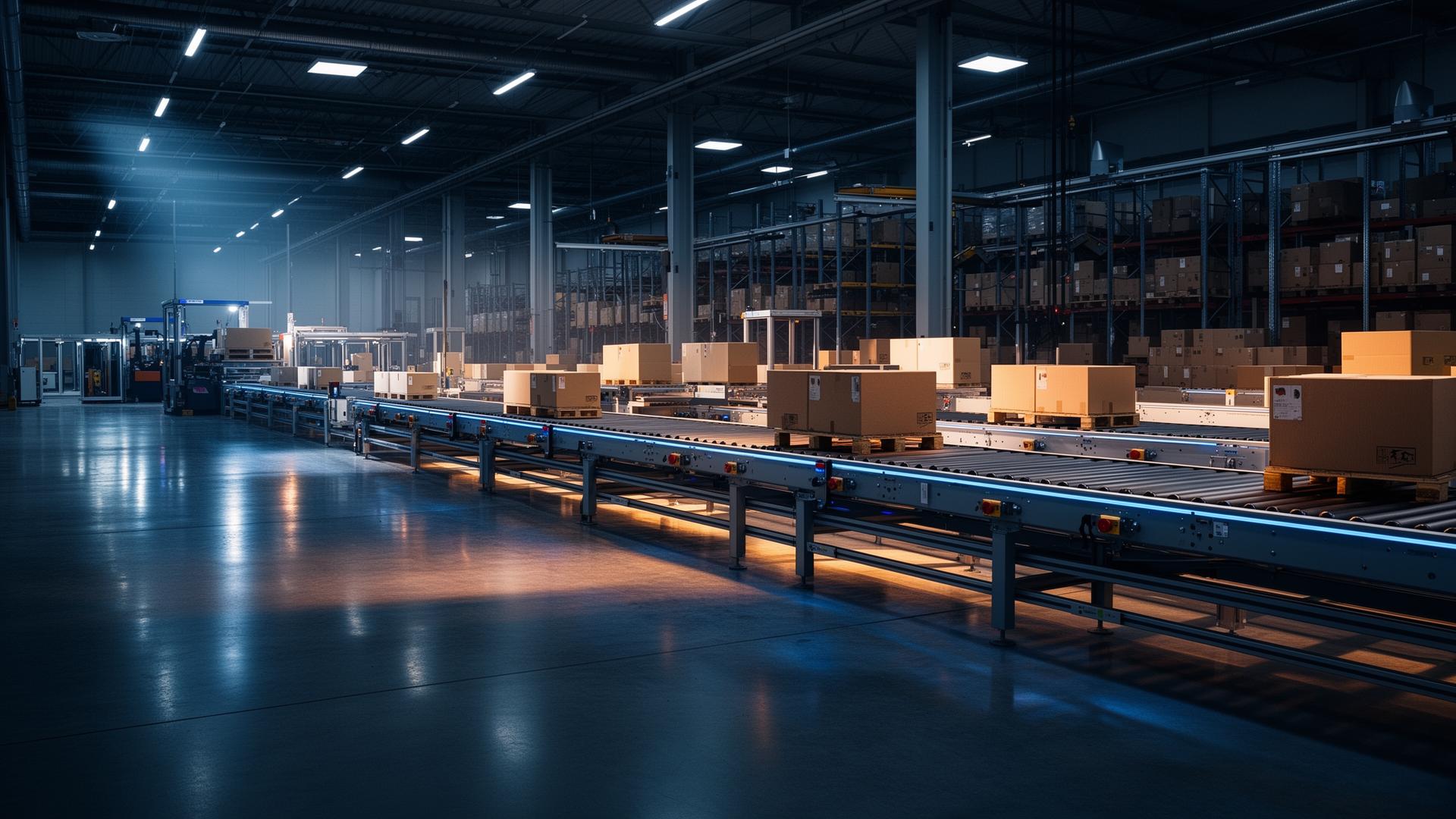
In the high-stakes, low-margin world of logistics and warehousing, operational efficiency is paramount. For managers in the Benelux region, with its dense logistics network and ambitious environmental targets, energy consumption has become a critical cost and compliance factor. This article provides a practical framework for auditing and optimizing the energy efficiency of your conveyor systems, turning a significant operational expense into a competitive advantage.
Definition
The energy efficiency of a conveyor system is the ratio of useful work performed (moving goods) to the total energy consumed. It's measured not just in motor power, but in the overall system's ability to transport items with minimal electricity usage, factoring in standby power, friction, and control system intelligence.
Key Numbers
| Metric | Typical range (EU 2026) | Notes |
|---|---|---|
| Energy Use (AC Motor, 10m) | 1.2 - 1.8 kWh | For continuously running belt or roller conveyors. |
| Energy Use (MDR, 10m, active) | 0.4 - 0.7 kWh | Energy use only when products are actively being transported. |
| Energy Use (MDR, 10m, standby) | < 0.1 kWh | Significant savings from run-on-demand operation. |
| Investment (MDR Retrofit) | €1,200 - €2,500 per zone | Includes rollers, controllers, and installation labor. |
| Typical ROI | 1.5 - 3 years | Based on energy savings, reduced maintenance, and carbon tax avoidance. |
| Annual Savings per 10m | €400 - €900 | Assuming two shifts and average Benelux electricity prices (€0.25/kWh). |
Why Energy Efficiency Matters in the Benelux
The logistics landscape of Belgium, the Netherlands, and Luxembourg is one of the most competitive in the world. With major ports like Antwerp-Bruges and Rotterdam serving as gateways to Europe, warehouse density is high and operational costs are under constant scrutiny. Furthermore, EU and national regulations (like the Dutch "Energiebesparingsplicht") mandate that companies take active steps to reduce energy consumption. For warehouse and facility managers, optimizing conveyor systems is no longer optional; it's a financial and regulatory necessity. An inefficient system directly translates to higher utility bills, a larger carbon footprint, and a weaker competitive position.
Step 1: Conducting a Conveyor Energy Audit
You cannot optimize what you do not measure. A systematic energy audit is the foundation of any efficiency strategy. It involves identifying energy consumption patterns and pinpointing areas of waste.
Gathering Baseline Data
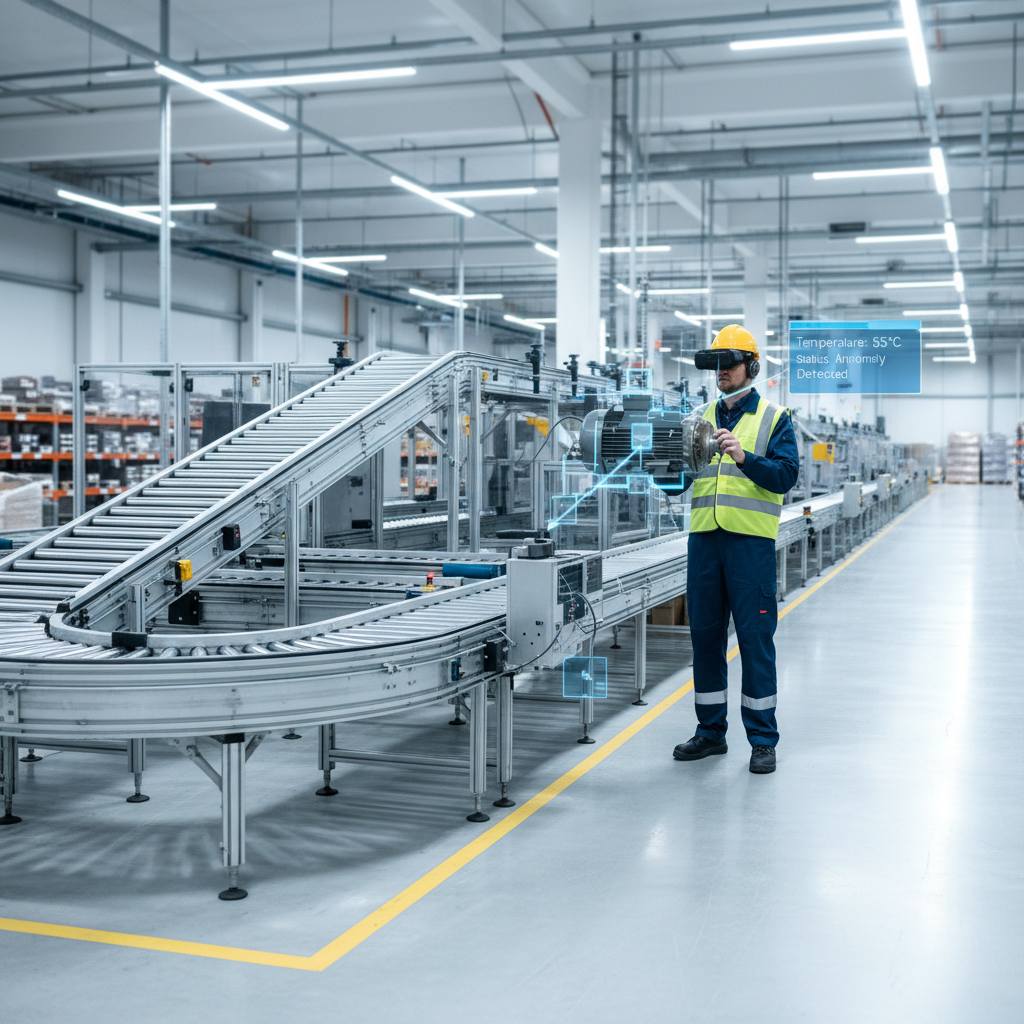
The first phase is to establish a baseline. This requires sub-metering your main conveyor lines. Use power monitoring clamps (current transducers) connected to a data logger to measure the actual kWh consumption of different conveyor sections over a typical operational week. Be sure to measure:
- Peak consumption (during full-capacity sorting).
- Trough consumption (during nights or weekends).
- Average consumption during standard operations.
Analyzing System Utilization
Observe your system during different shifts. Are all conveyor lines running continuously, even when there are no products on them? This is common with older systems using a single, large AC motor to power long sections. Document the percentage of time a conveyor section is actually transporting goods versus running empty. This utilization rate is a key performance indicator for energy waste. For many warehouses, it can be shockingly low, sometimes under 30%.
Step 2: Key Optimization Strategies
With audit data in hand, you can implement targeted strategies. The goal is to move from a "always on" model to a "run-on-demand" paradigm.
Technology Upgrade: AC Motors vs. Motor Driven Rollers (MDR)
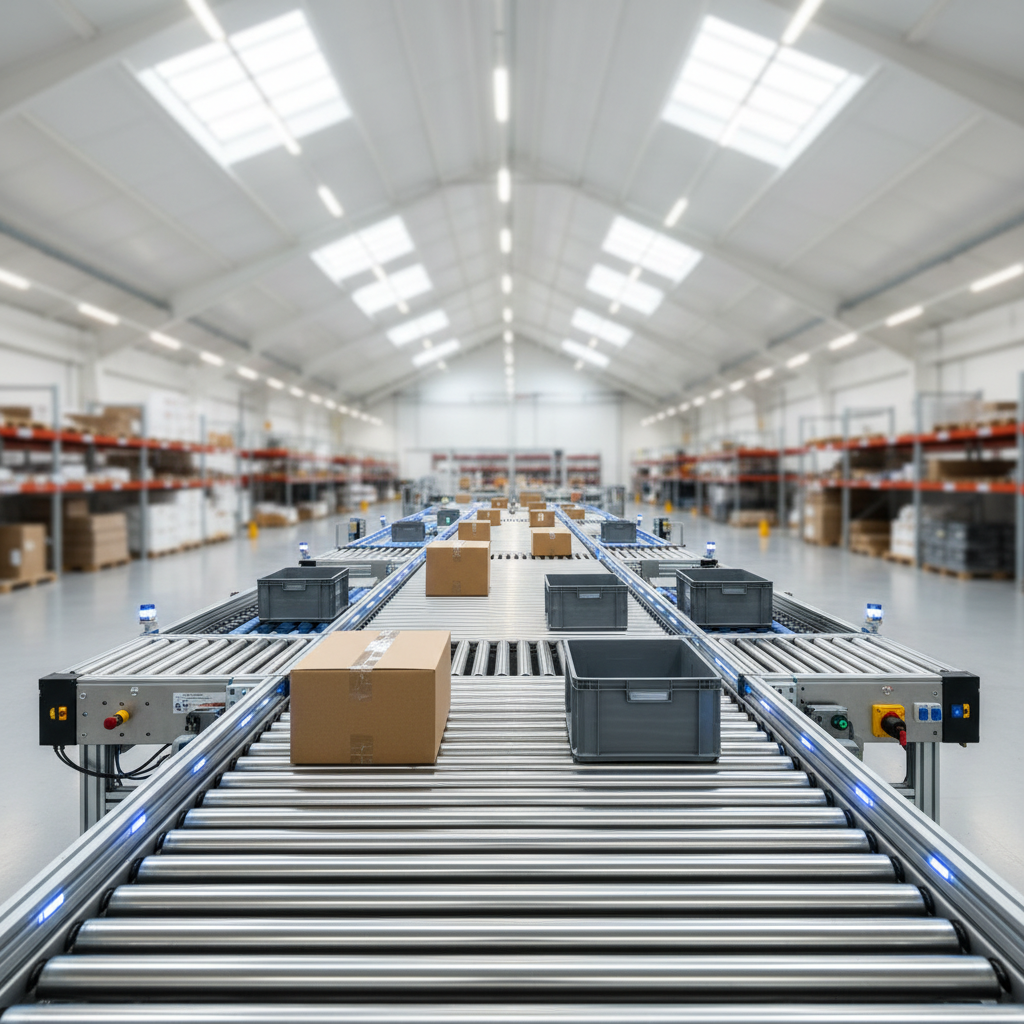
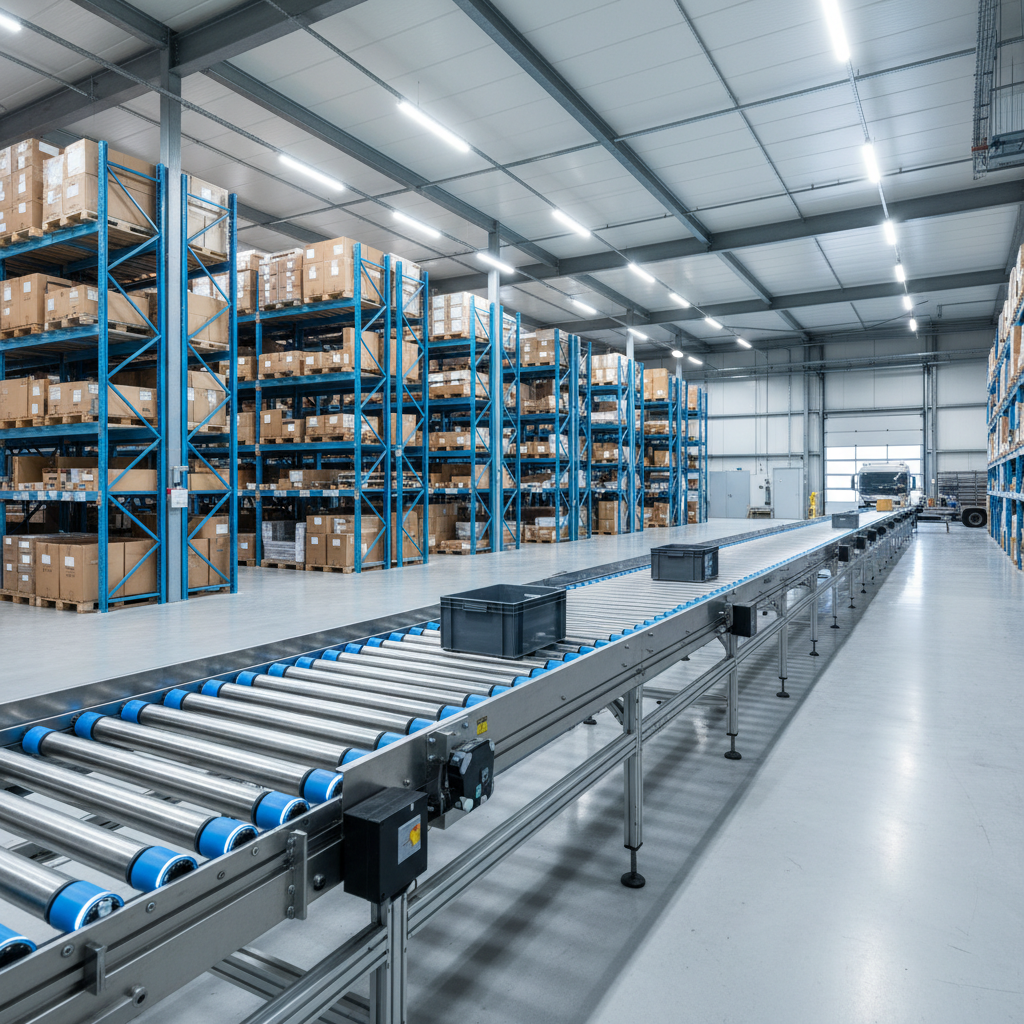
The single most impactful upgrade is replacing traditional AC motor-driven conveyors with 24V DC Motor Driven Roller (MDR) technology. This modular approach powers individual zones of 1-1.5 meters, which are activated only when a product is present.
| Feature | Traditional AC System | MDR (24V DC) System |
|---|---|---|
| Operation | Continuous; one motor drives a long section. | Zoned; rollers run on demand. |
| Energy Waste | High, especially during low-volume periods. | Minimal; zones are off when empty. |
| Control Logic | Simple start/stop for the entire line. | Integrated, granular control per zone. |
| Example Power Use (15m line, 50% idle) | ~2.5 kWh | ~0.6 kWh |
| Safety | Requires heavy-duty guards and E-stops. | Inherently safer due to low voltage and torque. |
Implementing Intelligent Control Logic
Modern control systems are crucial for maximizing energy efficiency. Implementing Zero-Pressure Accumulation (ZPA) logic is a primary example. ZPA not only prevents product damage by creating buffer zones but is also inherently energy-efficient. In a ZPA system, downstream zones power down completely until the upstream zone passes a product to them. This creates a cascade of "run-on-demand" behavior that can reduce energy consumption by up to 70% compared to a continuously running accumulation conveyor. Linking this logic to a central Warehouse Control System (WCS) allows for even smarter system-wide hibernation modes during scheduled breaks or low-volume periods. For a deeper dive into system integration, our guide on WMS, WCS, and WES offers valuable insights.
Step 3: The Role of Maintenance and System Design
Technology alone is not a panacea. Proper system design and rigorous maintenance are essential supporting elements for sustained energy efficiency.
Mechanical Efficiency
Friction is the enemy of efficiency. A well-maintained system uses less energy to perform the same task. Your maintenance checklist should include:
- Belt Tensioning: Over-tensioned belts require significantly more force—and thus energy—to move. Check and adjust tension according to manufacturer specifications.
- Lubrication: Ensure all bearings and chains are lubricated correctly. A poorly lubricated bearing can increase motor load by 5-10%.
- Component Alignment: Misaligned rollers or frames cause drag and premature wear, increasing the energy required for transport.
System Layout and Gravity
When designing or modifying a conveyor line, use gravity to your advantage wherever possible. A slight decline in a roller conveyor section can move products over short distances with zero energy input. While not always feasible, incorporating gravity-fed sections, especially for buffering or staging, reduces the load on powered components. As highlighted in an article on our partner blog, processes must evolve as companies grow, and optimizing layout is a key part of that evolution.
Calculating the ROI for Benelux Warehouses
An energy efficiency project must be financially viable. Let's consider a simplified scenario: retrofitting a 30-meter continuously running roller conveyor with MDR technology.
- Old System Energy Use: 3 x 1.5 kWh (for 3x10m sections) = 4.5 kW. Over a 16-hour, 250-day year at €0.25/kWh, this costs: 4.5 * 16 * 250 * 0.25 = €4,500 per year.
- New MDR System Use: Assume 60% utilization. Energy use is ~0.6 kWh per 10m. Total consumption: 3 * 0.6 kW * 0.60 (utilization) = 1.08 kW. Annual cost: 1.08 * 16 * 250 * 0.25 = €1,080 per year.
- Annual Savings: €4,500 - €1,080 = €3,420.
- Investment Cost: A 30m line has roughly 20-30 zones. At ~€1,500/zone, the investment is around €30,000 - €45,000.
Easy Systems: Your Partner in Efficient Automation
Navigating the complexities of conveyor system optimization requires expertise and the right technology. At Easy Systems, we specialize in designing and implementing modular, energy-efficient conveyor solutions tailored to the specific needs of the Benelux market. Our deep experience with 24V DC technology and intelligent control systems allows us to build systems that are not only powerful and reliable but also exceptionally economical to operate. We don't just sell conveyors; we partner with you to analyze your current processes, identify opportunities for improvement, and deliver a tangible return on investment through smarter, more sustainable automation.
Frequently asked questions
How much can I save by upgrading my conveyor system to be more energy-efficient?+
In a typical Benelux warehouse, upgrading from traditional AC-powered conveyors to modern 24V Motor Driven Roller (MDR) systems can reduce energy consumption by 40-60%. This often translates to annual savings of €400 to €900 per 10-meter section, depending on operating hours and local electricity prices.
What is the most effective way to reduce conveyor energy consumption?+
The single most effective strategy is to replace continuously running AC motors with a zoned MDR (Motor Driven Roller) system. This ensures that sections of the conveyor only run when a product is present, eliminating idle run-time, which can account for over 70% of total energy waste in older systems.
What is the typical ROI for an energy-efficient conveyor upgrade in Europe?+
The return on investment (ROI) for retrofitting a conveyor line with energy-efficient components like MDR and smart controllers is typically between 1.5 and 3 years. This calculation is based on direct energy savings, reduced maintenance needs, and potential carbon tax or environmental levy reductions in the EU.
Does regular maintenance affect my conveyor's energy use?+
Yes, significantly. Simple maintenance tasks like ensuring correct belt tension, proper lubrication of bearings, and component alignment can reduce mechanical friction. This can lower the energy required to move goods by 5-10% with very minimal investment, making it a highly effective, immediate optimization.
Can I make my existing conveyor system more efficient without a full replacement?+
Absolutely. You can implement intelligent controls to introduce 'sleep' or 'hibernate' modes during periods of inactivity. A PLC or WCS can be programmed to shut down sections after a set idle time, such as 5 minutes. This can significantly reduce energy waste without requiring a complete mechanical overhaul.

The Easy Systems editorial desk reviews and fact-checks every Conveyor-Design article against Benelux project experience. Editors translate engineering decisions — throughput, peak factors, layout, integration — into plain-language guides for operations managers, project leads and decision-makers.
- Warehouse layout & slotting
- Order-profile analysis
- Vendor-neutral comparison
- Benelux logistics market