Energy Efficiency of Conveyor Systems: Practical Strategies for Lowering Operational Costs in the Benelux
Improving the energy efficiency of conveyor systems can reduce electricity consumption by up to 60%, significantly lowering operational costs in European warehouses. Key strategies include adopting Motorized Drive Roller (MDR) technology, rightsizing motors, and implementing smart controls with zero-pressure accumulation.
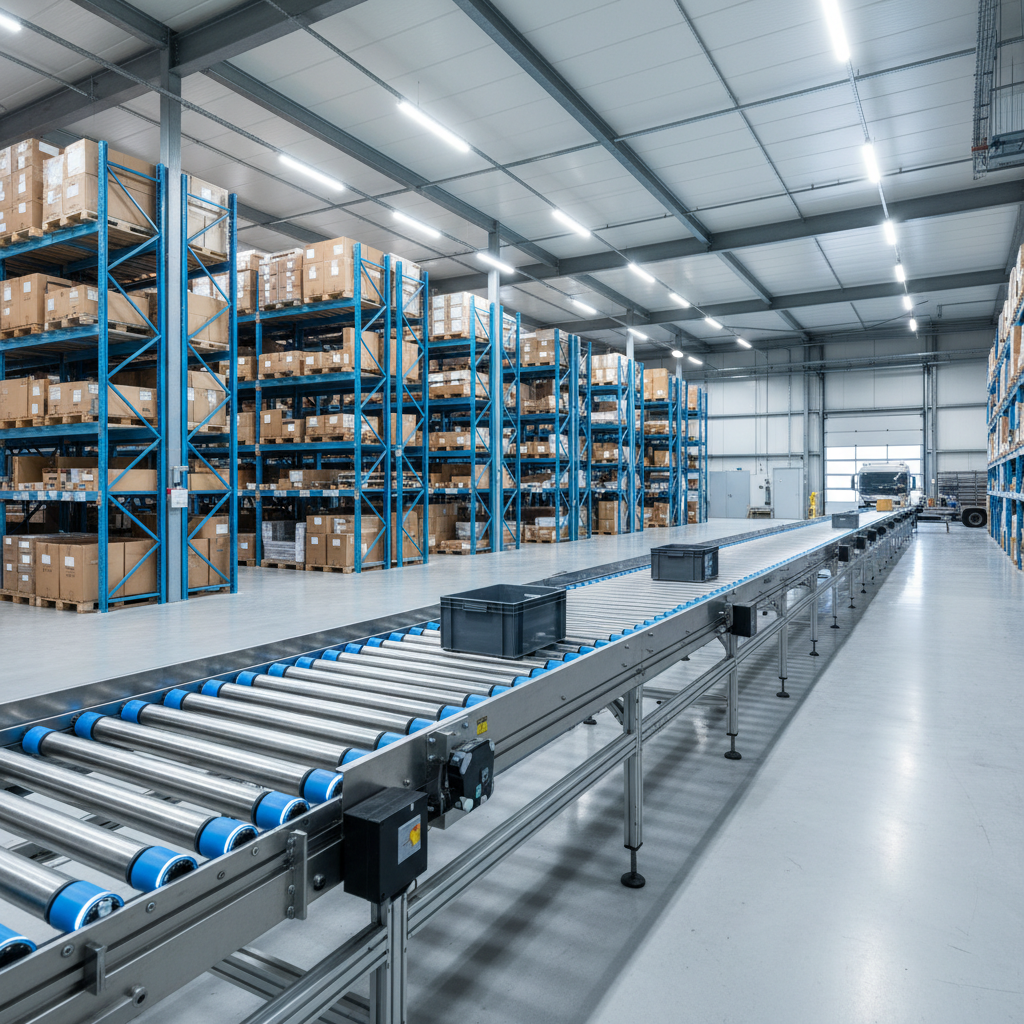
As energy prices in Europe continue to be a significant factor in operational expenditures, warehouse and distribution center managers in the Benelux are increasingly focused on optimizing every kilowatt-hour. Conveyor systems, the arteries of modern logistics, are a prime target for efficiency gains. Moving from outdated, continuously running AC-powered systems to intelligent, on-demand 24V DC solutions can slash energy costs and align operations with sustainability goals.
Definition
Conveyor system energy efficiency refers to the optimization of all components and control logic to minimize electricity consumption while maintaining or improving material handling throughput. It involves a holistic approach, encompassing motor technology, control systems, component selection, and maintenance practices to reduce the total cost of ownership (TCO) and environmental impact.
Key Numbers
| Metric | Typical Range (EU 2026) | Notes |
|---|---|---|
| Energy Savings (MDR vs. AC) | 30% - 60% | Depending on application and usage patterns. |
| Investment (MDR System) | €300 - €500 per meter | Higher initial cost than traditional systems but lower TCO. |
| ROI for Motor Upgrade (IE3 to IE4/IE5) | 2 - 4 years | Based on energy savings, especially in high-utilization environments. |
| Energy Consumption (Roller Conveyor) | 0.05 - 0.2 kWh per hour per meter | Highly dependent on load, speed, and technology (MDR is at the lower end). |
| Idle Power Consumption (Smart Controls) | < 5% of full load | Systems with ZPA logic effectively eliminate idle energy waste. |
| Maintenance Impact on Efficiency | 15% - 20% improvement | Proper lubrication, belt tension, and component checks are critical. |
The High Cost of Inefficient Conveyors
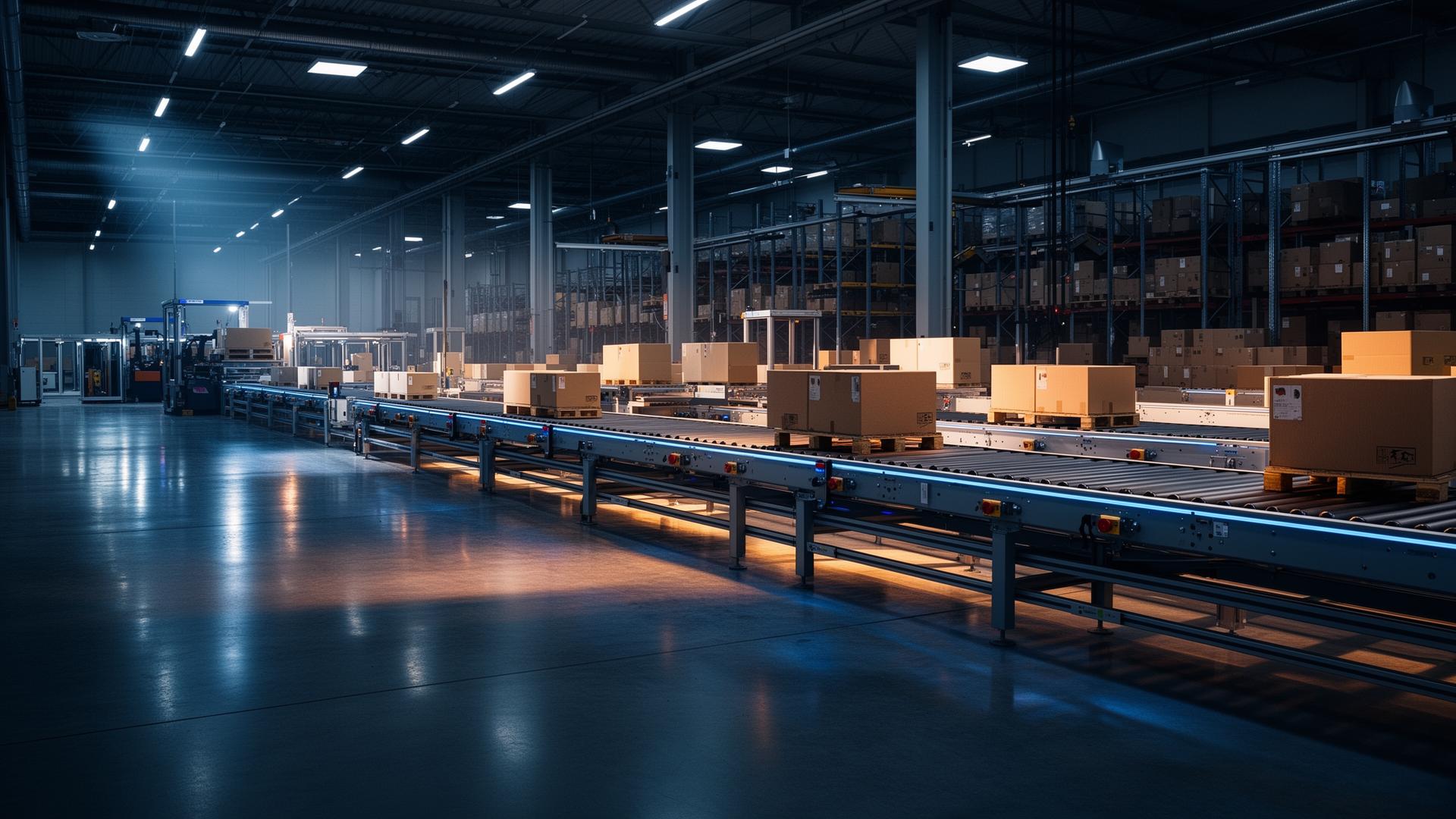
Traditionally, many warehouses utilized conveyor systems powered by large, centralized AC motors that run continuously, regardless of whether products are on the belt. This is akin to leaving the lights on in an empty house. In a typical Benelux distribution center operating 16 hours a day, a continuously running 15 kW motor can consume over 70,000 kWh annually. At an average commercial electricity rate of €0.25/kWh, this single system costs over €17,500 per year to operate, with a significant portion of that energy being wasted during idle periods.
From Centralized to Decentralized Power
The paradigm shift in conveyor design is the move from centralized AC power to decentralized 24V DC power, most notably with Motorized Drive Roller (MDR) technology. Instead of one large motor driving long sections of conveyor, MDR systems use a series of rollers with integrated DC motors. These motors power small, independent zones. This modularity is the foundation for significant energy savings.
Core Strategies for Energy Efficiency
Achieving a highly efficient conveyor system involves a multi-faceted approach. Below are the most impactful strategies for warehouses in the Benelux and across Europe.
1. Embrace Motorized Drive Roller (MDR) Technology
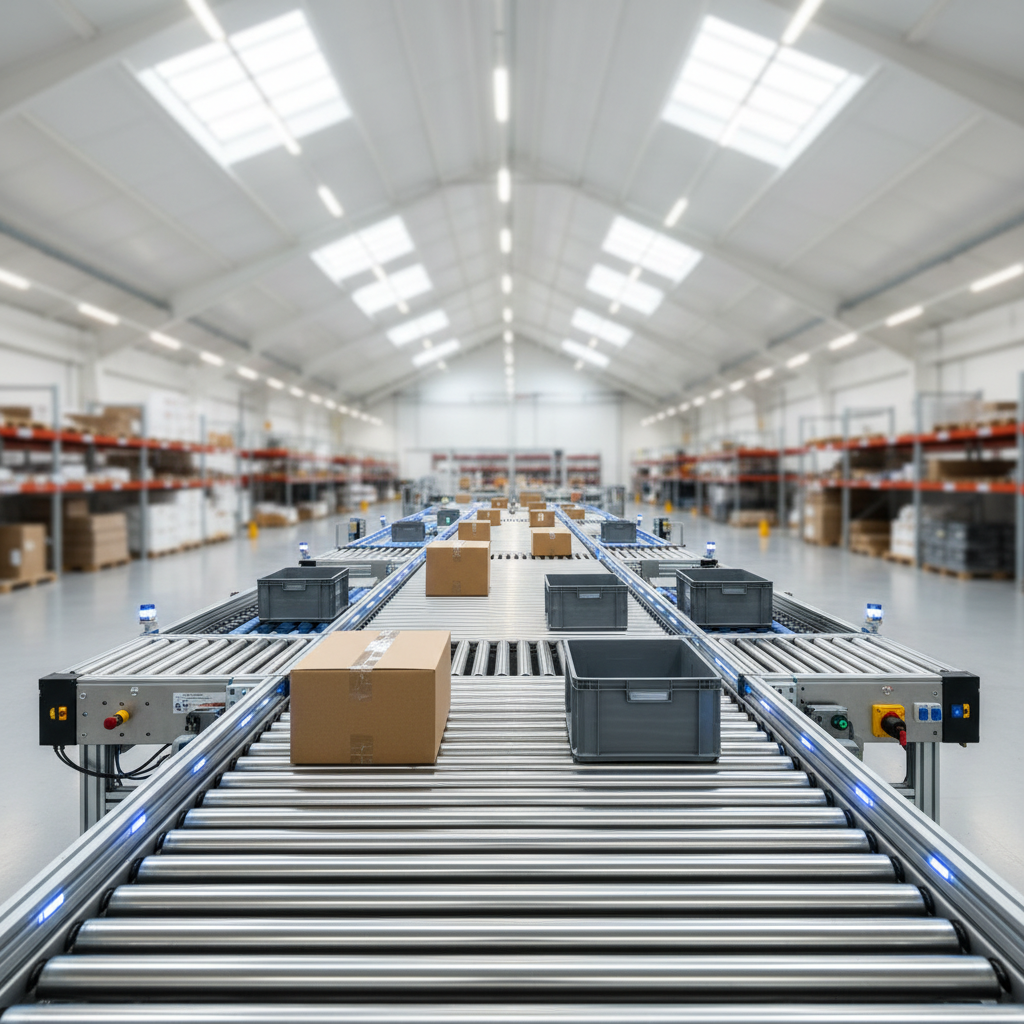
MDR is the leading technology for energy-efficient package and tote handling. Each zone is powered only when a product needs to move. This "run-on-demand" functionality, managed by a simple controller, is the primary driver of energy savings. When a zone is empty, its motor is off, consuming zero power. This contrasts sharply with AC systems that run constantly, consuming 60-80% of their full-load power even when completely empty.
2. Implement Smart Controls and Zero-Pressure Accumulation
Intelligent controls are essential. Zero-Pressure Accumulation (ZPA) logic ensures that products queue on the conveyor without touching, preventing damage. More importantly for efficiency, ZPA is the brain behind run-on-demand. A PLC (Programmable Logic Controller) or dedicated zone controller monitors sensors at the start and end of each zone. The motor activates only when a product enters and deactivates after it has been safely handed off to the next zone. This granular control eliminates wasted energy during periods of low throughput or system downtime. For a more detailed exploration of conveyor types, see our comprehensive guide on roller conveyors.
3. Right-Sizing Motors and Components
A common mistake in conveyor design is oversizing motors "just in case." An oversized motor operates inefficiently, wasting energy. A thorough analysis of required throughput, product weight (min/max), and desired speed (m/s) is crucial. Selecting a motor that operates in its optimal efficiency range (typically 75-95% of its rated load) is key. This principle applies to all components, from gearboxes to belts. For instance, using low-friction bearings can reduce the required motor torque, allowing for a smaller, more efficient motor.
Comparing Conveyor Motor Technologies
The choice of motor technology is the single most important decision for determining a conveyor system's energy footprint. The table below compares the main options available for European warehouses.
| Technology | Typical Efficiency | Control Method | Best For | Relative Cost |
|---|---|---|---|---|
| Standard AC Induction Motor (IE1/IE2) | 75% - 85% | Continuous Run / VFD | Legacy systems, heavy-duty applications | Low |
| High-Efficiency AC Motor (IE3/IE4) | 88% - 95% | Continuous Run / VFD | Upgrading existing AC systems, bulk handling | Medium |
| 24V DC Motorized Roller (MDR) | ~90% (motor) + system logic | Run-on-Demand (ZPA) | Totes, parcels, cartons; high-variability throughput | High |
The Role of Preventive Maintenance
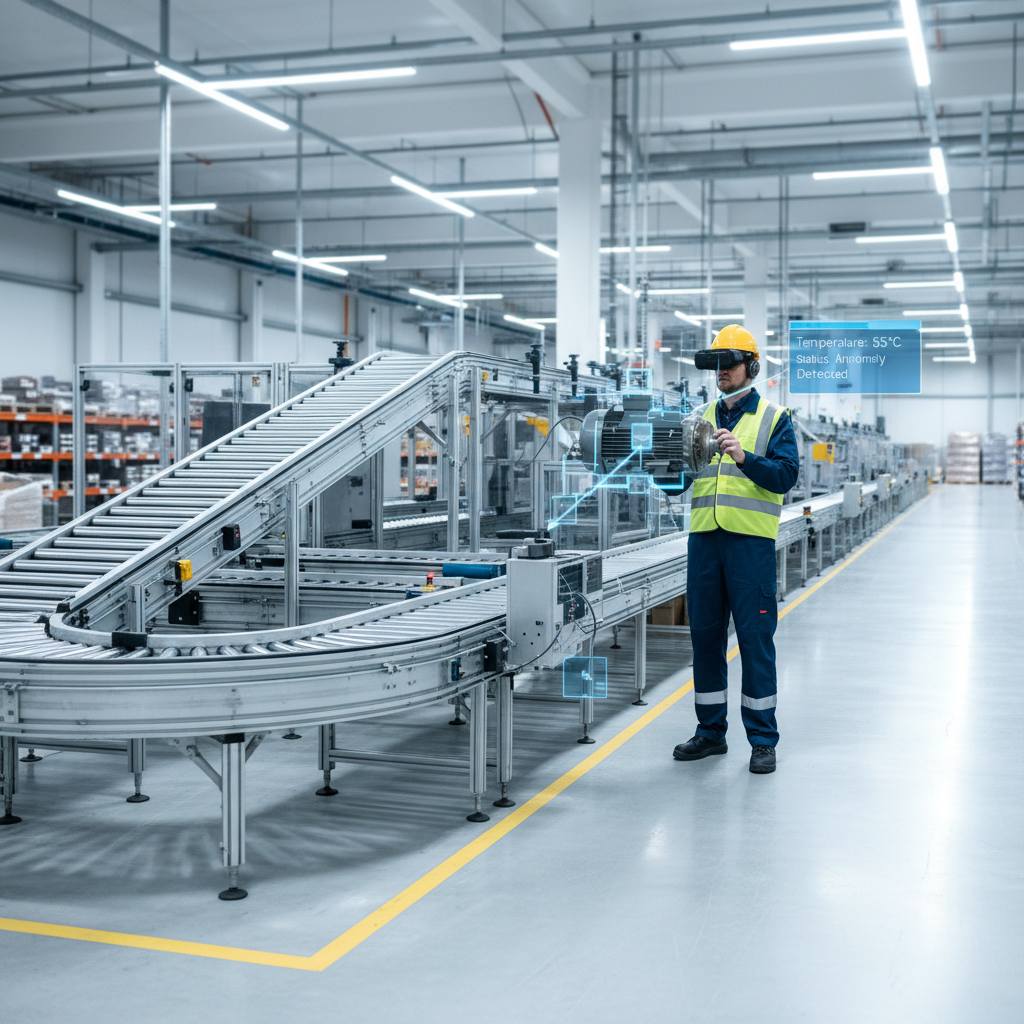
A well-maintained conveyor is an efficient conveyor. A robust preventive maintenance schedule can improve energy efficiency by 15-20%. Key tasks include:
- Lubrication: Properly lubricating bearings and chains reduces friction, which is a direct cause of energy loss.
- Belt Tensioning: An over-tensioned belt requires more force (and energy) to move. An under-tensioned belt can slip, wasting motor energy. Regular checks are vital.
- Component Inspection: Worn rollers, damaged belts, or misaligned frames increase friction and demand more power from the motors. Proactive replacement saves energy and prevents costly downtime.
Financial and Environmental ROI
Investing in energy-efficient conveyor technology offers a clear and compelling return on investment. For a medium-sized e-commerce fulfillment center in the Netherlands or Belgium, a retrofit project replacing 200 meters of traditional belt conveyor with MDR could cost between €60,000 and €100,000. However, with potential energy savings of 40,000-60,000 kWh per year, the financial payback period is often just 2-4 years. Beyond the direct cost savings, the reduction in carbon footprint strengthens a company's sustainability profile, an increasingly important factor for customers, employees, and regulators in the EU.
Easy Systems: Your Partner in Efficient Material Handling
At Easy Systems, we specialize in designing and implementing modular, energy-efficient conveyor solutions tailored to the specific needs of the Benelux market. Our deep expertise in 24V DC technology, MDR, and smart control systems allows us to create material handling solutions that not only meet your throughput requirements but also significantly reduce your operational costs and environmental impact. We understand the financial pressures and sustainability goals of modern European businesses. By partnering with us, you gain access to cutting-edge technology and pragmatic engineering designed to provide a rapid return on investment and future-proof your logistics operations.
Frequently asked questions
How much energy can I save by switching to an MDR conveyor system?+
By switching from a traditional, continuously running AC-powered conveyor to a 24V DC Motorized Drive Roller (MDR) system, you can typically reduce energy consumption by 30% to 60%. The exact savings depend on your product flow and idle time, as MDR systems only consume power when products are actually moving.
What is the typical cost of an energy-efficient MDR conveyor in the Benelux?+
The investment for a modern MDR conveyor system in the Benelux typically ranges from €300 to €500 per meter. While the initial cost is higher than for older technologies, the significant energy savings and lower maintenance needs often result in a lower total cost of ownership (TCO) within just a few years.
Is it better to retrofit my old conveyor or buy a new one?+
For older, continuously running AC systems, a complete replacement with a modern 24V DC MDR system often provides the best ROI, with payback periods of 2-4 years. If your system is relatively new, a motor upgrade to a high-efficiency IE4 or IE5 class motor combined with Variable Frequency Drives (VFDs) can be a cost-effective intermediate step.
What is zero-pressure accumulation (ZPA) and how does it save energy?+
Zero-Pressure Accumulation (ZPA) is a control logic that uses sensors to create independent zones on a conveyor, preventing products from touching. Its primary energy-saving benefit is enabling 'run-on-demand' functionality. A zone's motor only activates when a product is present, reducing energy consumption to nearly zero during idle times.
How does regular maintenance impact conveyor energy consumption?+
A consistent preventive maintenance program can improve a conveyor's energy efficiency by 15-20%. Simple actions like proper belt tensioning, lubricating bearings, and replacing worn rollers reduce mechanical friction, which directly lowers the amount of energy the motor needs to draw to move the products.

The Easy Systems editorial desk reviews and fact-checks every Conveyor-Design article against Benelux project experience. Editors translate engineering decisions — throughput, peak factors, layout, integration — into plain-language guides for operations managers, project leads and decision-makers.
- Warehouse layout & slotting
- Order-profile analysis
- Vendor-neutral comparison
- Benelux logistics market