AI and Machine Learning in Predictive Conveyor Maintenance
AI and Machine Learning are shifting conveyor maintenance from a reactive, failure-based model to a predictive, data-driven strategy. By analyzing data from sensors, AI algorithms can forecast component failures, reduce downtime by up to 50%, and cut maintenance costs by 40%.

Key numbers
| Metric | Typical range (EU 2026) | Notes |
|---|---|---|
| Reduction in Unplanned Downtime | 30% - 50% | Directly impacts throughput and revenue. |
| Maintenance Cost Savings | 25% - 40% | Reduced emergency labor and optimized spare parts inventory. |
| Return on Investment (ROI) Period | 6 - 18 months | For a typical mid-sized (500-1500m) conveyor system. |
| Increase in Equipment Lifespan | 20% - 30% | Prevents catastrophic failures and reduces wear. |
| Sensor & Hardware Cost | €5,000 - €25,000 | Initial investment for a 1,000m conveyor system. |
| Annual Software & Data Cost | €4,000 - €15,000 | SaaS licensing and cloud processing for a mid-sized facility. |
| System Accuracy (Prediction) | 85% - 95% | Correctly forecasting failures before they occur. |
In the high-speed world of logistics and manufacturing, a stopped conveyor is a stopped business. Traditional maintenance, often reactive or based on rigid schedules, is no longer sufficient. This article explores the transformative role of Artificial Intelligence (AI) and Machine Learning (ML) in shifting conveyor maintenance towards a smarter, predictive model that boosts reliability and efficiency.
Definition
Predictive Maintenance (PdM) for conveyors is a proactive strategy that uses data analysis and machine learning algorithms to predict when a component, such as a motor, bearing, or belt conveyor section, is likely to fail. This allows maintenance to be scheduled precisely when needed, preventing unexpected downtime.
The Evolution: From Reactive to Predictive Maintenance
Historically, maintenance strategies fell into two camps: reactive (fixing things after they break) and preventive (servicing equipment on a fixed schedule). While preventive maintenance was an improvement, it often led to unnecessary servicing of healthy components or failed to prevent unexpected breakdowns. Predictive maintenance represents the next logical step, driven by the data-gathering capabilities of Industry 4.0.
Comparing Maintenance Strategies
The difference in operational efficiency and cost between these strategies is stark. A data-driven approach offers clear advantages over traditional methods, directly impacting the bottom line.
| Metric | Reactive Maintenance | Preventive Maintenance | Predictive Maintenance (AI-driven) |
|---|---|---|---|
| Downtime | High, Unplanned | Low, Planned | Minimal, Planned |
| Maintenance Costs | Very High (emergency repairs) | Moderate (scheduled servicing) | Low (optimized servicing) |
| Equipment Lifespan | Reduced | Extended | Maximized |
| Typical ROI Period | N/A | 18-24 months | 6-12 months |
How AI and Machine Learning Power Predictive Maintenance
AI-powered PdM is a cyclical process that turns raw data into actionable insights. Machine learning algorithms, a subset of AI, are trained on historical and real-time data to recognize patterns that precede a failure.
- Data Collection: IoT sensors installed on conveyor components (motors, rollers, belts) continuously gather operational data.
- Data Transmission: This data is sent securely to a central processing unit, either on-premise or in the cloud.
- Data Analysis & Pattern Recognition: ML algorithms sift through the data, identifying subtle anomalies and correlations that are invisible to human analysis. For example, a slight increase in motor vibration combined with a 2°C temperature rise might be a validated predictor of bearing failure in 72 hours.
- Prediction & Alerting: When the algorithm detects a pattern indicating an impending failure, it alerts the maintenance team via their dashboard or WMS, providing a specific diagnosis and a recommended timeframe for action.
Key Data Sources for Conveyor PdM
The accuracy of AI predictions depends entirely on the quality and type of data collected. For conveyor systems, several sources are critical.
Vibration Analysis
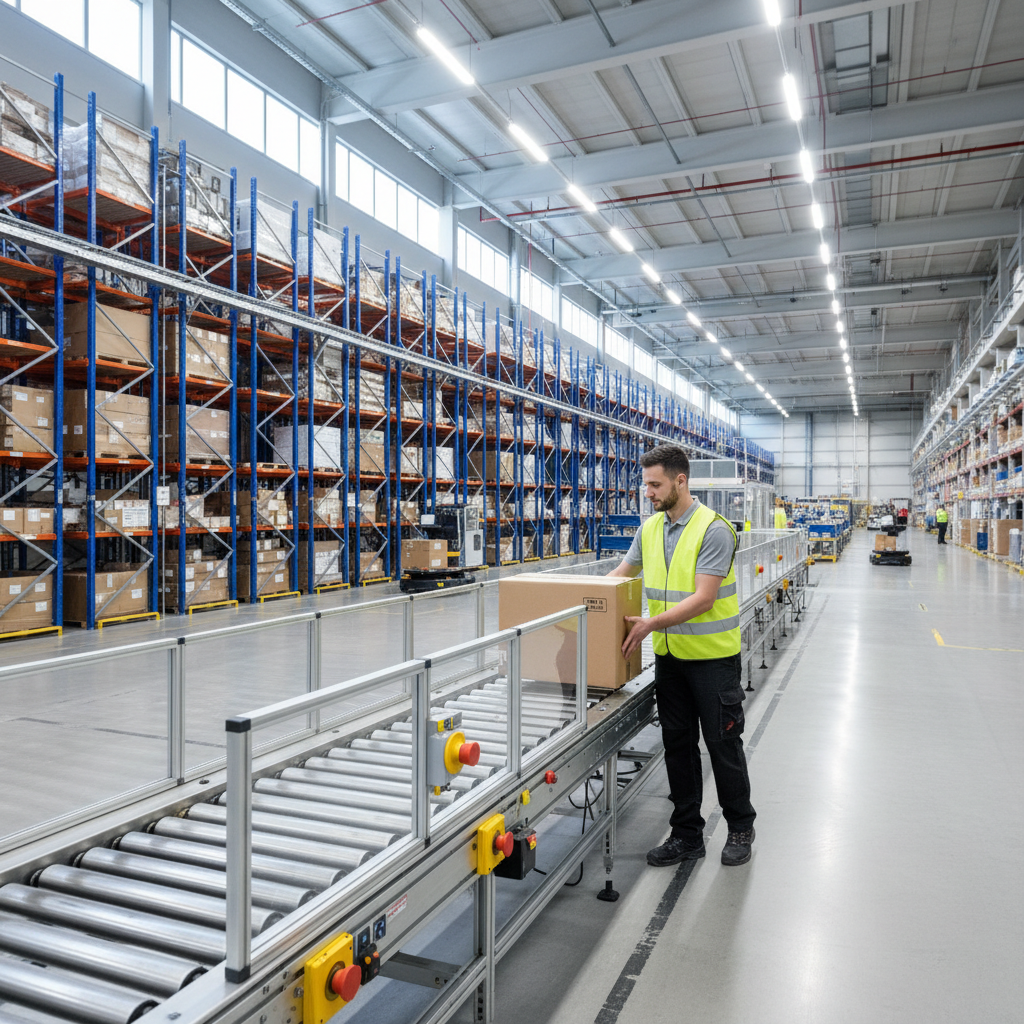
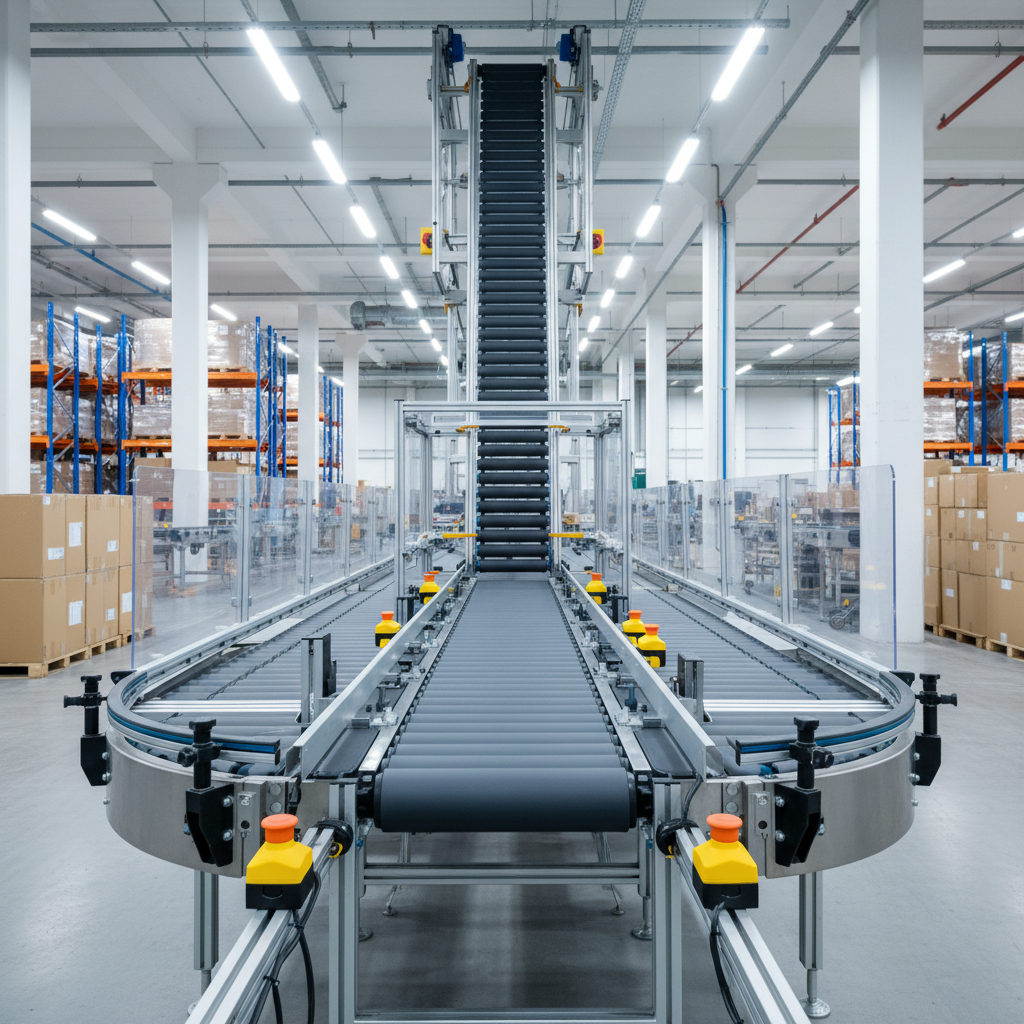
Sensors measure the vibration frequency of motors, bearings, and rollers. A healthy component has a stable vibration signature. Deviations can indicate issues like imbalance, misalignment, or wear. For instance, a high-frequency vibration in a motorized drive roller (MDR) could signal bearing wear long before it becomes audible.
Thermal Imaging
Infrared cameras monitor the temperature of critical components. Overheating is a primary indicator of friction, electrical issues, or lubrication problems. An AI system can flag a motor that is consistently running 5-10°C above its normal baseline, suggesting an impending burnout.
Acoustic Analysis
Just as a skilled mechanic can diagnose an engine by its sound, acoustic sensors listen for changes in the conveyor's operational noise. Grinding, clicking, or whining sounds are converted into data, which an ML model can correlate with specific failure modes, like a damaged belt or a failing gearbox.
Power Consumption
Monitoring the energy usage of conveyor motors provides insights into operational efficiency. A gradual increase in power draw to achieve the same speed (e.g., 1.5 m/s) can indicate increased friction from a worn belt or failing rollers, prompting a targeted inspection.
Implementing an AI-Powered PdM Strategy in a European Context
For warehouses in Europe, implementing an AI strategy requires consideration of regulations like GDPR. The data collected from sensors is typically anonymized operational data, but working with a partner who understands data security is crucial. The implementation often involves retrofitting sensors onto existing lines or specifying them in new systems. Many companies start with a pilot project, focusing on the most critical 100-meter section of their conveyor system to prove the ROI before a full-scale rollout. Often, as explained in articles like "Companies Grow, But Their Processes Don't Always Keep Pace," integrating such advanced systems is a response to operational bottlenecks that hinder growth.
The Business Case: ROI and Tangible Benefits
The investment in AI-powered PdM pays dividends through tangible operational improvements. Studies and industry reports show that an effective PdM program can:
- Reduce unplanned downtime by 30-50%, preventing catastrophic interruptions during peak hours.
- Lower maintenance costs by 25-40% by eliminating unnecessary scheduled maintenance and reducing overtime for emergency repairs.
- Increase equipment lifespan by 20-30% by addressing issues before they cause secondary damage.
- Improve safety by identifying and mitigating mechanical risks before they lead to accidents.
For a medium-sized distribution center running extensive roller conveyor systems, preventing just one major failure during a peak season like Black Friday could save tens of thousands of Euros, justifying the entire investment in a PdM platform.
Challenges and Future Trends
The primary challenges to adoption are the initial investment in sensors and software, and the need for skilled personnel to manage the system. However, as AI platforms become more turn-key and SaaS-based, these barriers are lowering. The future trend is towards "prescriptive maintenance," where the AI not only predicts a failure but also recommends the most effective solution and can even automatically order the required spare parts from a supplier, further streamlining the workflow between the PLC-level hardware and high-level management systems.
Easy Systems: Your Partner for Intelligent Conveyor Automation
At Easy Systems, we design, manufacture, and install modular conveyor systems with an eye on the future. Our solutions are built to be easily integrated with modern monitoring technologies. We understand that reliability is not just about robust hardware but also about intelligent maintenance strategies. We partner with leading technology providers to ensure our clients in the European market can leverage cutting-edge solutions like AI-powered predictive maintenance. By choosing Easy Systems, you are investing in a material handling solution that is not only efficient today but also ready for the data-driven diagnostics of tomorrow, ensuring your operations remain resilient and competitive.
Frequently asked questions
What is the main advantage of AI in conveyor maintenance?+
The main advantage is moving from a reactive to a predictive model. AI analyzes real-time data to forecast failures, allowing maintenance just when needed. This prevents unplanned downtime, which can cost a facility over €10,000 per hour, and reduces overall maintenance expenditure by up to 40% by optimizing labor and spare parts inventory.
How much can predictive maintenance reduce conveyor downtime?+
Industry benchmarks for 2026 show that a well-implemented predictive maintenance program can reduce unplanned equipment downtime by 30-50% and lower overall maintenance costs by up to 40%. The actual figure depends on the system's age and complexity.
What are the most common sensors used?+
The most common types include vibration sensors on motors and bearings, thermal cameras for overheating, and acoustic sensors. A typical modern system in 2026 might use 5-10 sensors per 100 meters of conveyor, depending on complexity. Power monitors are also used to track energy consumption patterns, which can indicate mechanical stress.
What is the typical ROI for a predictive maintenance system?+
For a medium-sized logistics center in Europe, the typical Return on Investment (ROI) for an AI-driven predictive maintenance system is between 6 and 18 months. This is achieved through significant reductions in unplanned downtime, lower emergency repair costs, and more efficient use of maintenance resources, with overall cost savings often reaching 25-40% annually.
How much does it cost to implement an AI maintenance system?+
Implementation costs vary, but a typical European logistics facility might expect an initial investment of €30,000 to €100,000. This covers sensor hardware, installation, and software integration. Annual software licensing and data analysis costs can range from €5,000 to €20,000, depending on the scale and vendor.
What kind of data is needed to train the AI model?+
The AI model requires both historical and real-time data. This includes at least 12-24 months of maintenance logs, failure reports, and component specifications. Real-time inputs from IoT sensors—such as vibration (m/s²), temperature (°C), and power usage (kWh)—are then used to identify patterns that correlate with historical failure data.

The Easy Systems editorial desk reviews and fact-checks every Conveyor-Design article against Benelux project experience. Editors translate engineering decisions — throughput, peak factors, layout, integration — into plain-language guides for operations managers, project leads and decision-makers.
- Warehouse layout & slotting
- Order-profile analysis
- Vendor-neutral comparison
- Benelux logistics market