Zero-Pressure Accumulation Conveyors: Enhancing Throughput & Preventing Damage in Benelux Sortation Centers
Zero-Pressure Accumulation (ZPA) conveyors are essential for modern sortation centers, creating buffer zones that prevent product damage and maintain high throughput. This article explores the technology, benefits, and implementation of ZPA systems in the Benelux region.
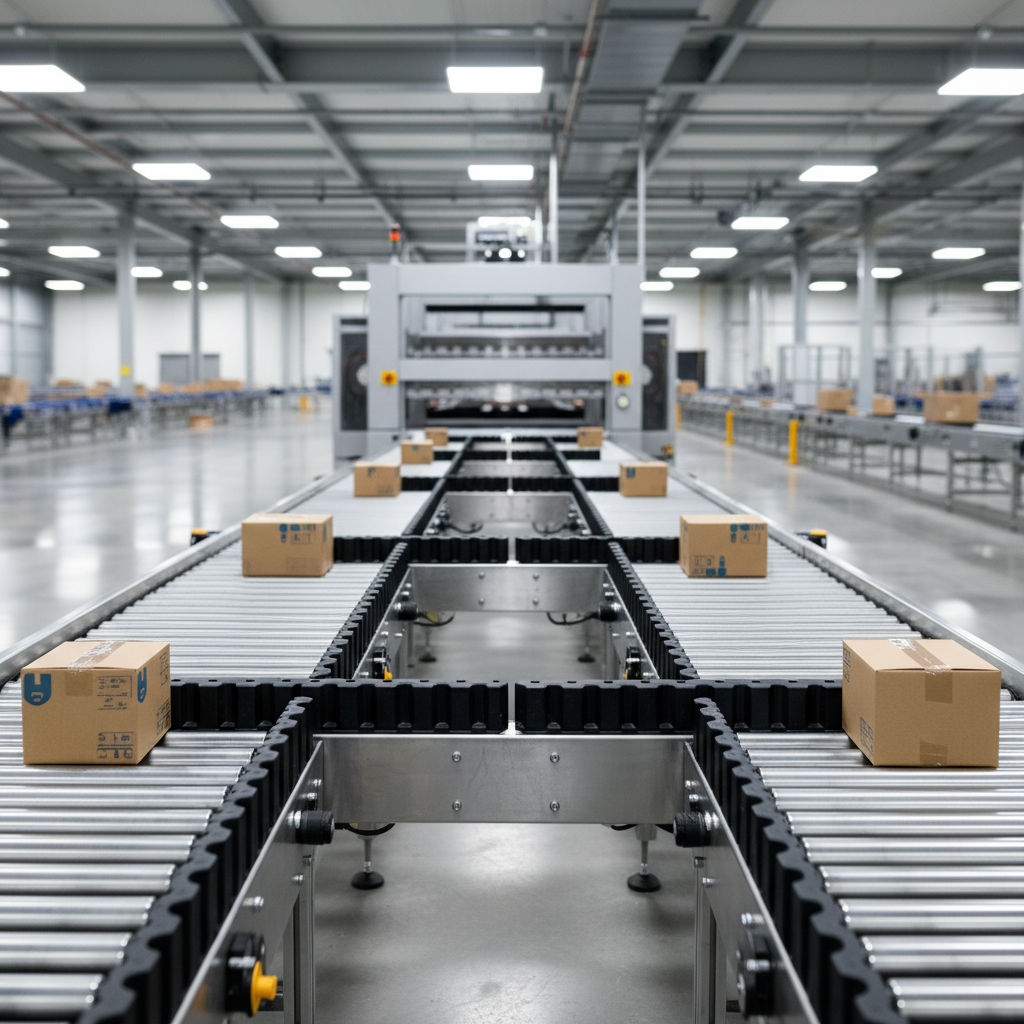
In the high-stakes, fast-paced logistics landscape of the Benelux, every second and every product counts. Sortation centers, the beating heart of this ecosystem, face relentless pressure to increase throughput without compromising on the integrity of the parcels they handle. This is where Zero-Pressure Accumulation (ZPA) conveyors transition from a "nice-to-have" to a mission-critical technology, providing a sophisticated solution to the classic problem of balancing speed with safety.
Definition
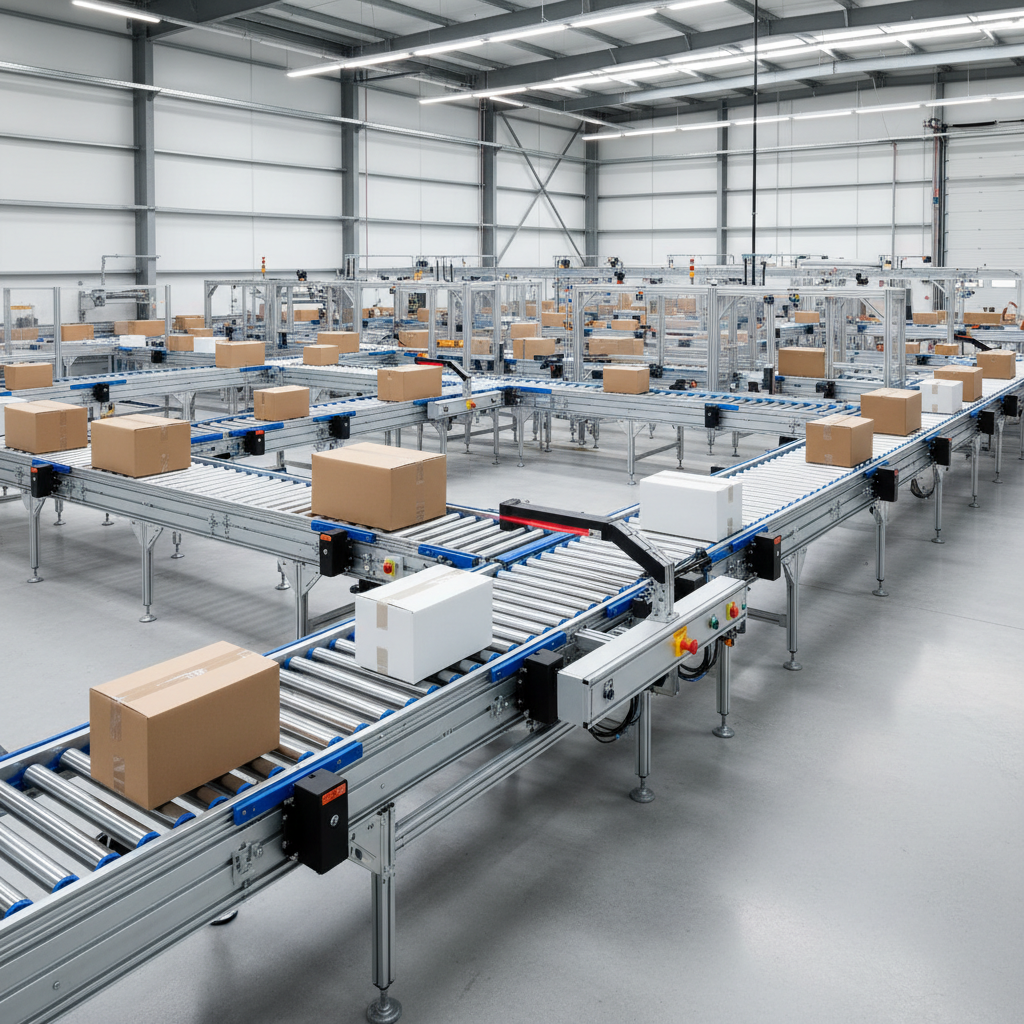
A Zero-Pressure Accumulation (ZPA) conveyor is a type of conveying system designed to transport and buffer products without allowing them to touch. It achieves this by dividing the conveyor into multiple, independently controlled "zones" that activate or deactivate based on the presence of a product, ensuring zero back-pressure and preventing collisions and damage.
Why Benelux Sortation Centers Need ZPA
The Benelux region (Belgium, the Netherlands, Luxembourg) is one of Europe's most concentrated logistics hubs. Major ports like Antwerp and Rotterdam, combined with a dense network of distribution centers, create an environment where efficiency is paramount. However, this density comes with challenges: high real estate costs, significant road congestion, and some of the highest labor costs in Europe, often ranging from €35 to €45 per hour for a warehouse operator.
In this context, automation isn’t just about speed; it's about maximizing every square meter and every working hour. ZPA technology directly addresses these pressures. By creating automated, intelligent buffer zones, it allows a continuous, smooth flow of parcels to high-speed sorters (like a Sortation System) or robotic palletizing cells. Without ZPA, lines must be stopped and started manually or risk product damage from accumulation pressure, leading to costly product loss and reduced overall equipment effectiveness (OEE).
The Core Technology: How ZPA Works
The genius of a ZPA conveyor lies in its modular control. Instead of a single, long belt or roller line powered by one large motor, a ZPA conveyor is comprised of distinct zones. Here’s how they function:
- Zones: The conveyor is physically divided into zones, typically ranging from 500 mm to 1500 mm in length, depending on the largest product size. Each zone can operate independently of its neighbors.
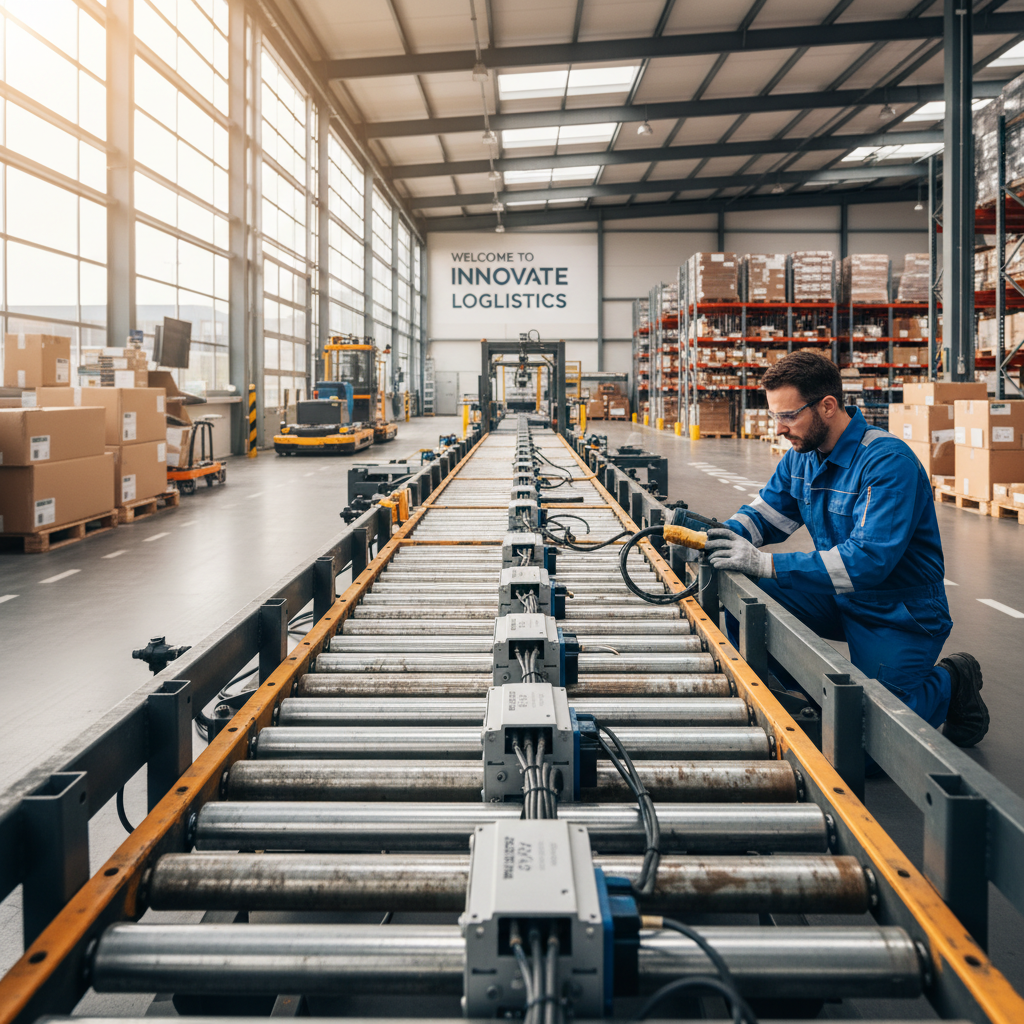
- Sensors: Each zone has a photo-eye sensor. When a product enters a zone, the sensor detects it.
- Logic Control: A logic controller, which can be a local zone card or a centralized PLC, processes the sensor's signal. The logic is simple: if the zone ahead is empty, the current zone’s motor will run, moving the product forward. If the zone ahead is occupied, the motor in the current zone will stop, holding the product in place until the path is clear.
- Drive Mechanism: Modern ZPA systems predominantly use 24V DC Motorized Drive Rollers (MDR). One roller in each zone contains a small, highly efficient motor that powers the other rollers in that zone via polyurethane O-rings or belts. This "run-on-demand" approach means motors only operate when a product is present and needs to move, dramatically reducing energy consumption compared to continuously running AC motors.
This zone-by-zone control ensures that a gap is always maintained between parcels, regardless of their size, shape, or weight, completely eliminating the forces of accumulation.
ZPA vs. Minimum Pressure Accumulation: A Comparison
While ZPA offers the highest level of product protection, it's important to distinguish it from its simpler counterpart, Minimum Pressure Accumulation (MPA). The choice between them depends entirely on the application and product mix.
| Feature | Zero-Pressure Accumulation (ZPA) | Minimum-Pressure Accumulation (MPA) |
|---|---|---|
| Product Contact | No contact between products; a physical gap is always maintained. | Low, controlled back-pressure allows products to gently touch. |
| Product Damage Risk | Virtually zero. Ideal for fragile, high-value, or mixed-size items. | Low to moderate. Not suitable for delicate items but acceptable for robust products like totes or uniform cases. |
| Control System | Per-zone logic using MDR controllers or a PLC. | Simpler mechanical system; often a padded roller that disengages the drive belt under pressure. |
| Ideal Application | E-commerce fulfillment, parcel sortation, fragile goods handling. | Case and tote handling, manufacturing lines with uniform products. |
| Throughput | High, smooth, and predictable flow. Increases overall system efficiency. | Moderate. The slipping action can cause slight delays and "singulation" issues. |
| Cost (per meter) | €1,200 - €2,000 | €800 - €1,400 |
| Energy Efficiency | Very High (uses 24V MDR "run-on-demand" principle). | Low to Moderate (typically uses a continuously running, centralized AC motor). |
Key Benefits of Implementing ZPA Conveyors
Integrating ZPA systems into a sortation center delivers tangible, measurable results that directly impact the bottom line.
Drastic Reduction in Product Damage
This is the most obvious benefit. For fulfillment centers handling everything from electronics to cosmetics, preventing damage is crucial. ZPA eliminates collisions, crushing, and scraping, ensuring products arrive at their destination in pristine condition. This reduces costs associated with returns, replacements, and reputational damage.
Increased System Throughput and Efficiency
While it may seem counterintuitive that stopping products increases speed, ZPA creates a smoother, more predictable flow of items to downstream equipment. A sorter, scanner, or robotic cell fed by a ZPA conveyor can operate at its maximum designed speed without interruptions caused by product jams or misfeeds. This decoupling of processes can increase overall system throughput by 15-25%.
Enhanced Energy Efficiency with MDR
The synergy between ZPA and MDR technology is a game-changer. A traditional conveyor with a 1.5 kW AC motor running 16 hours a day can consume over 20 kWh daily. A comparable ZPA system with 24V MDRs only runs motors when needed, often reducing energy consumption by up to 70%. In the current European energy market, these savings can amount to thousands of Euros per year for a single conveyor line.
Flexibility and Modularity
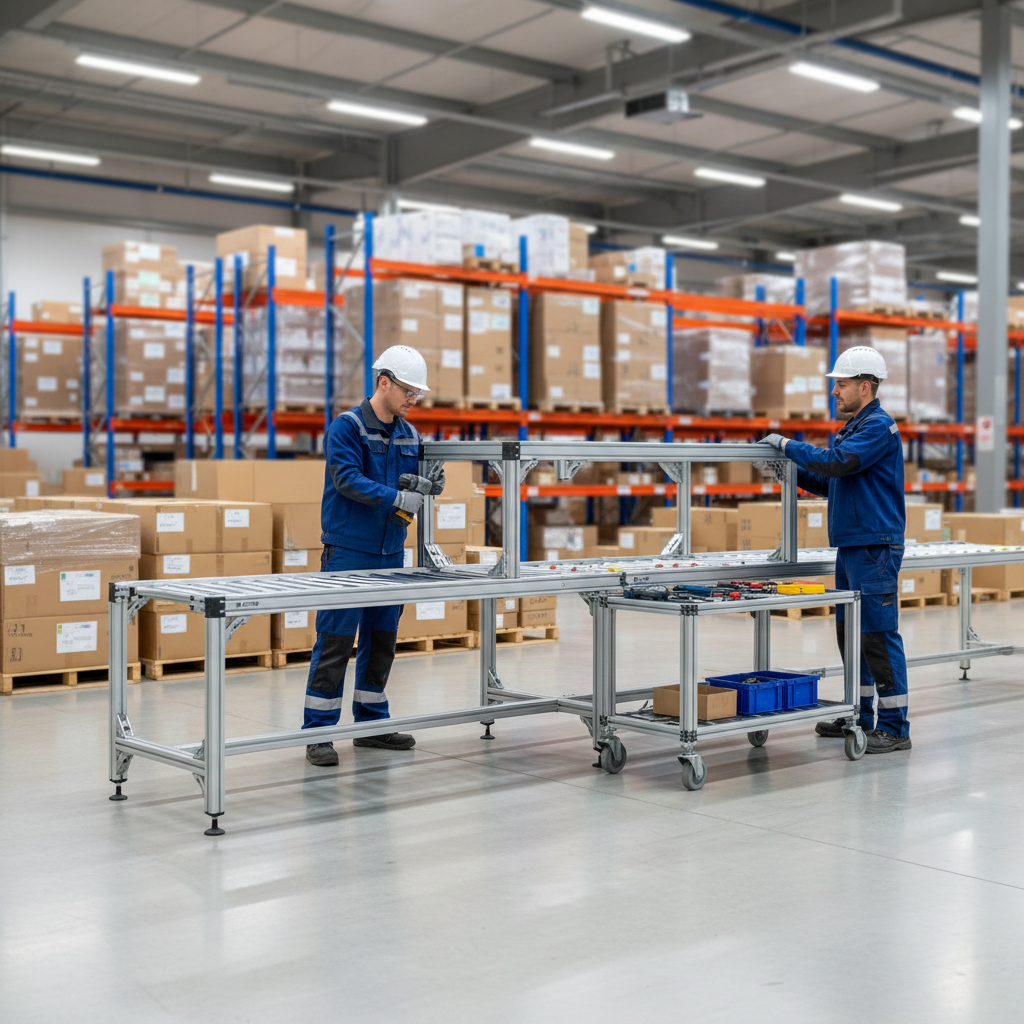
MDR-based ZPA systems are inherently modular. Zones can be added, removed, or reconfigured with relative ease. Speeds can be adjusted per zone, and logic can be updated to accommodate new product types or operational flows. This adaptability is critical in the fast-changing world of e-commerce and logistics.
Implementation Considerations for Benelux Operations
Adopting ZPA technology requires a strategic approach, especially within the competitive Benelux environment.
Analyzing Product Mix and Flow Rates
The first step is a thorough analysis of what is being conveyed. What are the minimum and maximum dimensions and weights of your products? Are they fragile? A high mix of variable and delicate items is a strong indicator for ZPA. Calculating the required throughput (Cases Per Hour) will determine the necessary speed and zone length.
Integration with WCS/WES
A ZPA conveyor is not an island; it's a component of a larger automated ecosystem. Its control system must communicate effectively with the overarching Warehouse Control System (WCS) or Warehouse Execution System (WES). This integration, often using protocols like OPC UA, allows the WCS to manage flow, divert products, and react to downstream bottlenecks in real-time.
Calculating ROI in a High-Cost Environment
While the initial investment for ZPA (€1,200 - €2,000 per meter) is higher than for simple transport conveyors, the Return on Investment in the Benelux is compelling. The calculation should include: cost savings from reduced product damage, labor savings from eliminating manual intervention, increased throughput value, and energy savings. Many companies find that their processes are holding back growth, and automation like ZPA is the key to unlocking potential. As noted in a recent analysis, when companies grow, their processes don’t always keep up, creating bottlenecks that intelligent conveyor systems can solve.
Easy Systems: Your Trusted Partner for Advanced Conveyor Solutions
In the demanding Benelux market, choosing the right automation partner is as critical as choosing the right technology. At Easy Systems, we specialize in designing and implementing modular, intelligent conveyor systems tailored to the specific needs of European sortation centers and warehouses. With extensive experience in ZPA, MDR technology, and seamless WCS integration, we understand the local challenges of labor costs, spatial constraints, and the need for scalable, future-proof solutions.
We don’t just sell conveyors; we engineer material flow. From initial process analysis and system design to manufacturing, installation, and after-sales support, we provide a complete, vertically-integrated service from our base in Belgium. Our pragmatic approach ensures you get a robust, cost-effective ZPA system that delivers a measurable ROI and enables your operation to grow efficiently and safely.
This article is part of the Conveyor-Design knowledge hub, edited by Easy Systems engineers who design conveyor and warehouse automation systems across the Benelux every week.
Frequently asked questions
What is the main difference between zero-pressure and minimum-pressure accumulation?+
Zero-pressure guarantees no contact between items by using controlled zones, ideal for fragile goods. Minimum-pressure allows for gentle contact with a low amount of back-pressure, suitable for durable, uniform items like totes or cases.
How much does a ZPA conveyor system cost in Europe?+
Costs typically range from €1,200 to €2,000 per meter, depending on width, load capacity, and control complexity. While more expensive upfront than traditional conveyors, the ROI from preventing damage and increasing throughput is significant.
Can ZPA conveyors handle different product sizes and weights?+
Yes, that is a key strength. Each zone's sensors and motorized roller can be configured to handle a wide mix of package dimensions and weights, making it perfect for e-commerce and parcel sortation centers.
Is it difficult to integrate ZPA conveyors into an existing system?+
Integration requires careful planning, especially with the Warehouse Control System (WCS). Modern ZPA systems with MDR technology and simple zone controllers are designed for modularity, making integration more straightforward than older systems.