Quick-Install Conveyors: Minimizing Downtime in Benelux
In the fast-paced Benelux logistics sector, downtime is costly. Quick-install conveyors offer a solution: modular, pre-engineered systems that reduce installation time from weeks to days, ensuring operational continuity.
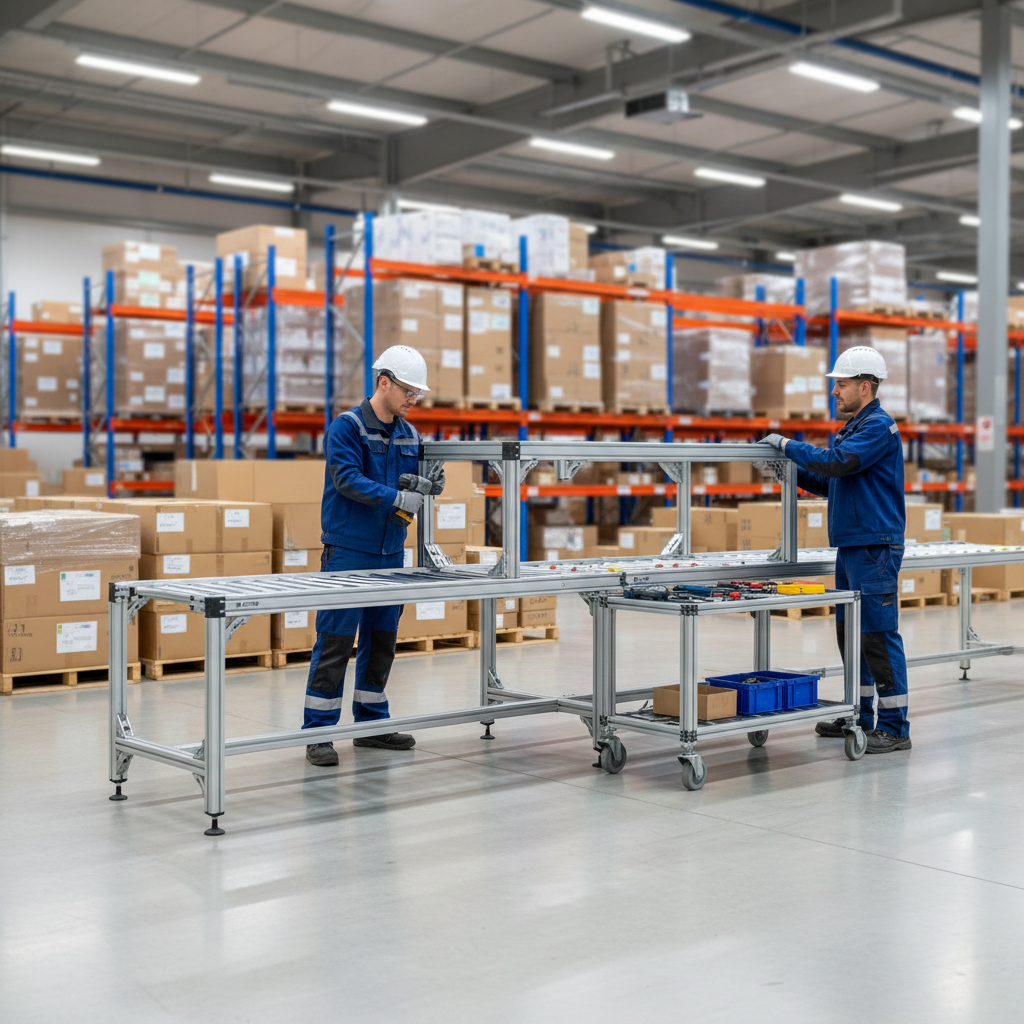
In the high-stakes world of Benelux logistics, centered around major hubs like Rotterdam and Antwerp, every minute of operational downtime translates directly into lost revenue and diminished competitiveness. Traditional conveyor system installations, often spanning weeks or months, represent a significant operational bottleneck. Quick-install conveyors have emerged as a powerful solution, engineered specifically to compress these timelines and get products moving faster.
Definition
A Quick-Install Conveyor is a type of modular material handling system where components are pre-fabricated, pre-wired, and designed for rapid, "plug-and-play" assembly on-site. The primary goal is to drastically reduce the time, complexity, and specialized labour required for installation, minimizing operational downtime.
Why Downtime is Mission-Critical in Benelux Logistics
The Benelux region is the logistical heart of Europe. The Port of Rotterdam is the continent's largest, handling over 460 million tonnes of cargo, while the Port of Antwerp-Bruges is a close second. This immense volume creates a zero-tolerance environment for inefficiency. System downtime during upgrades or new installations can have cascading effects, impacting everything from dock-to-stock times to final-mile delivery promises. An idle sorting facility can cost upwards of €10,000 - €20,000 per hour in lost revenue and penalty clauses, making a fast implementation schedule not just a benefit, but a core business requirement.
The Anatomy of a Quick-Install Conveyor System
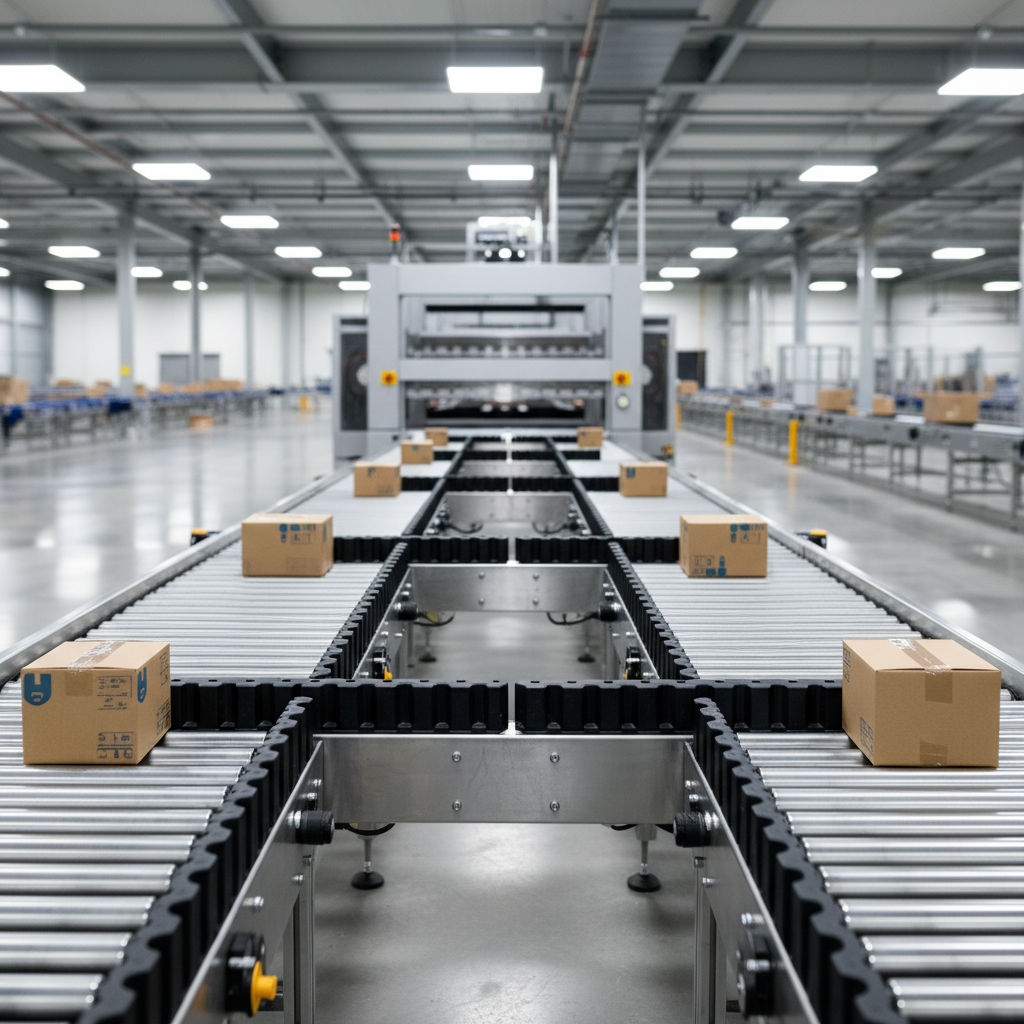
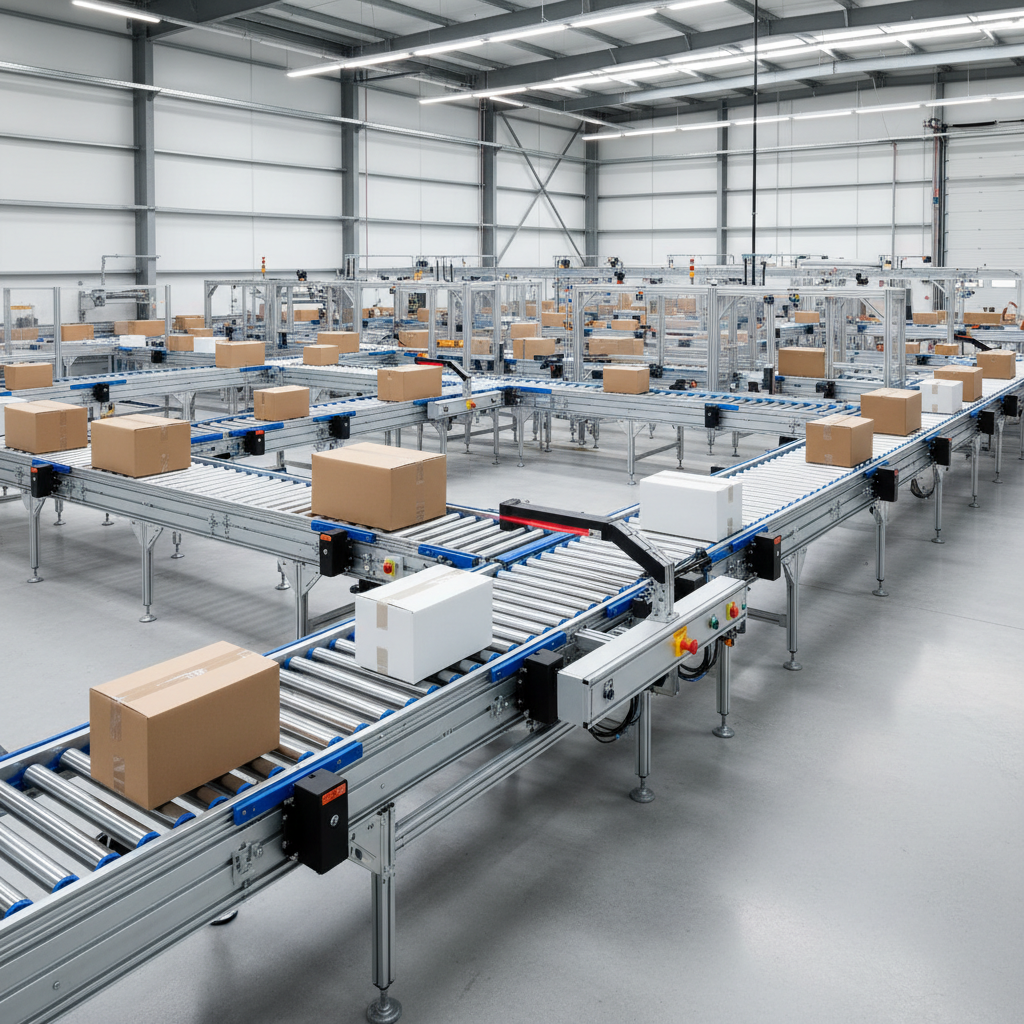
The secret to rapid deployment lies in modularity and pre-engineering. Unlike traditional systems that require extensive on-site fabrication, welding, and wiring, quick-install systems arrive as a set of pre-configured blocks. Key components include standardized straight sections, curves, transfers, and inclines, all designed to bolt together seamlessly.
Key Components and Technologies
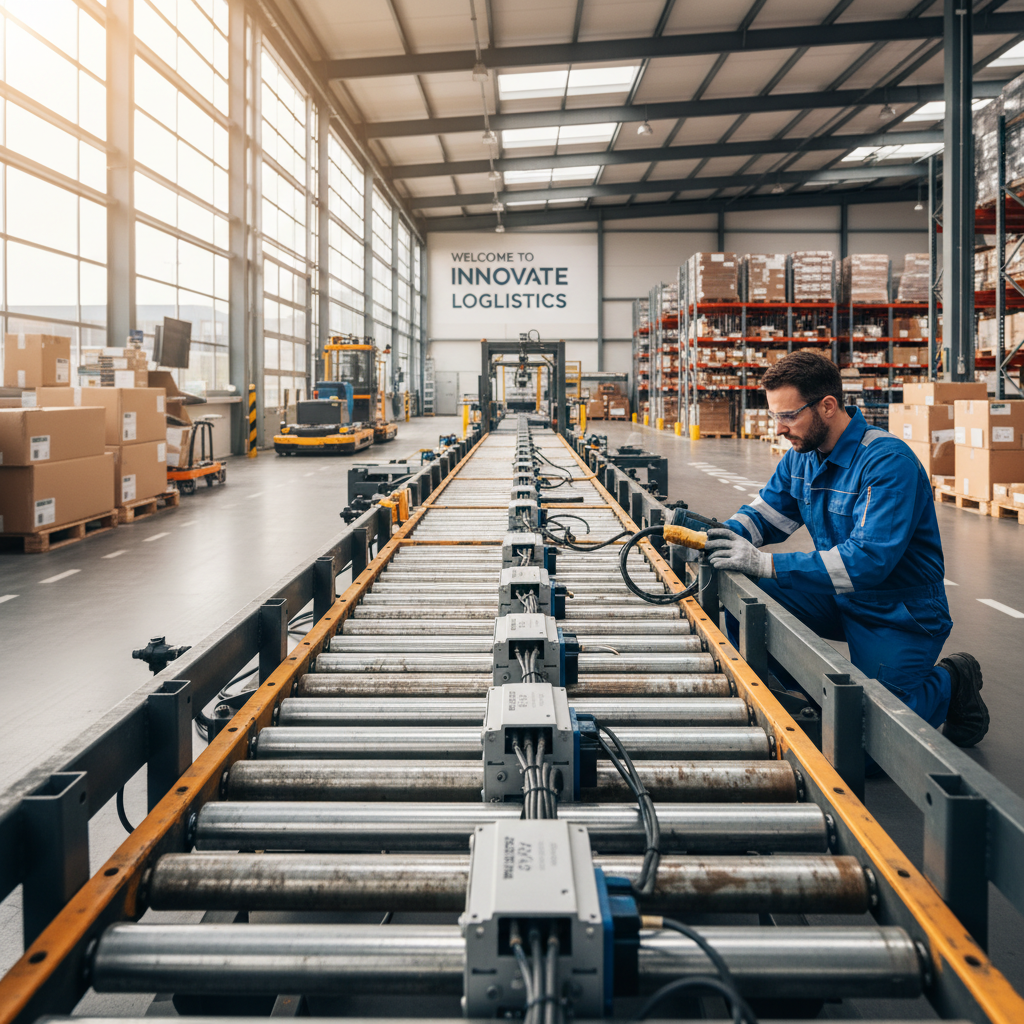
These systems often utilize advanced technologies to simplify setup. For instance, many modern quick-install solutions are built around Motorized Drive Roller (MDR) technology. A roller conveyor using MDR has each zone powered by a 24V DC motor embedded within a roller, eliminating the need for bulky external motors, gearboxes, and long chain/belt transmissions. Control is decentralized, with pre-wired, plug-in control cards managing logic for each zone, facilitating concepts like zero-pressure accumulation with minimal PLC programming.
For businesses considering an upgrade, our comprehensive guide to roller conveyors provides deeper insights into making the right technology choices for your application.
Comparison of Modular Conveyor Types
While roller conveyors are common, other types also come in quick-install formats.
| Conveyor Type | Typical Speed | Load Capacity (per meter) | Best For | Installation Complexity |
|---|---|---|---|---|
| MDR Roller Conveyor | 0.2 - 1.5 m/s | 30 - 80 kg | Boxes, totes, cartons, ZPA | Very Low |
| Modular Belt Conveyor | 0.3 - 1.0 m/s | 20 - 100 kg | Irregular shapes, food items, inclines | Low |
| Modular Belt Conveyor | 0.5 - 2.0 m/s | 10 - 50 kg | Small items, high speed transport | Low to Moderate |
Installation Speed: A Comparative Analysis
The primary value proposition is time. A traditional conveyor installation is a multi-stage process involving mechanical assembly, electrical wiring, I/O testing, and PLC programming, much of which happens sequentially on-site. A quick-install system parallelizes these efforts.
| Installation Phase | Traditional System (100m Line) | Quick-Install System (100m Line) | Time Savings |
|---|---|---|---|
| Mechanical Assembly | 80 - 120 hours | 24 - 40 hours | ~65-70% |
| Electrical Wiring | 100 - 150 hours | 16 - 24 hours (Plug-in) | ~85% |
| Commissioning & Testing | 40 - 60 hours | 16 - 32 hours | ~50% |
| Total Estimated Time | 220 - 330 hours | 56 - 96 hours | ~70% Reduction |
Use Cases in Benelux: From E-commerce to Pharmaceuticals
E-commerce Fulfillment
For 3PL and e-commerce centers in locations like Venlo or Liege, seasonality is a major challenge. A quick-install system allows them to rapidly deploy additional sorting or packing lines ahead of peak season (e.g., Black Friday, Sinterklaas) and potentially reconfigure or downscale them afterward. This agility is impossible with conventionally installed hardware.
Retail Distribution
Grocery and retail distribution centers supplying the dense populations of the Randstad or the Brussels Capital Region require constant uptime. When adding a new aisle, replacing an aging line, or re-routing product flow, quick-install conveyors can be implemented over a weekend, preventing major disruption to daily store replenishment cycles.
Pharmaceutical Logistics
With strict regulatory requirements and high-value products, pharmaceutical warehouses around hubs like Brussels Airport cannot afford extended downtime for system upgrades. The clean, fast, and predictable nature of a modular, pre-tested installation minimizes risk and ensures GxP compliance is maintained.
Calculating ROI: Beyond the Initial Investment
While the initial capital expenditure for a modular conveyor might be 10-15% higher than a basic, traditionally-built equivalent, the Total Cost of Ownership (TCO) is often significantly lower. The ROI calculation must include:
- Reduced Labour Costs: A 70% reduction in installation hours directly translates to lower costs for specialized mechanical and electrical fitters.
- Minimized Downtime Cost: The value of 2-3 weeks of additional production uptime far outweighs the hardware premium. For a high-volume DC, this can represent hundreds of thousands of Euros.
- Flexibility & Scalability: The ability to easily reconfigure the layout provides future value that is hard to quantify but immensely valuable in a fast-changing market.
Your Trusted Partner for Agile Conveyor Solutions
Choosing the right conveyor system is more than a hardware decision; it's a strategic choice about operational agility. In a competitive market like the Benelux, minimizing downtime is not just an advantage—it's essential for survival and growth. Quick-install systems provide the speed and flexibility needed to thrive.
At Easy Systems, we specialize in designing and implementing modular conveyor solutions tailored to the unique demands of European logistics. Our experience ensures that you get a system that is not only fast to install but also robust, reliable, and perfectly aligned with your operational goals. We understand the cost of every second of downtime. For a deeper conversation on how our pre-engineered modular systems can benefit your Benelux operations, visit our experts at Easy Systems and discover a faster path to productivity.
This article is part of the Conveyor-Design knowledge hub, edited by Easy Systems engineers who design conveyor and warehouse automation systems across the Benelux every week.
Frequently asked questions
What is the typical timeframe for installing a quick-install conveyor system?+
For a standard 100-meter line, a quick-install conveyor system can typically be mechanically and electrically installed in 50-100 hours, which is about 70% faster than a traditional system that could take over 300 hours.
Are quick-install conveyors as reliable as traditional systems?+
Yes. Reliability is not compromised. These systems use high-quality, standardized components (like 24V MDR motors) that are pre-tested. The simplified design and reduced on-site wiring can even lead to fewer initial commissioning issues.
Can quick-install conveyors handle heavy loads?+
Yes, but within limits. Most modular quick-install systems are designed for boxes, totes, and parcels, typically handling loads up to 80 kg per meter. For very heavy loads, such as pallets, a more robust, traditionally installed pallet conveyor system is usually required.
How easy is it to reconfigure a modular conveyor layout?+
Reconfiguration is a core design feature. Thanks to bolted connections, pre-wired cabling with quick disconnects, and modular control logic, sections can be added, removed, or rearranged with minimal specialized labor, often by an in-house maintenance team.