Conveyor Upgrades for Benelux SMEs: Affordable Optimization
For Benelux SMEs, conveyor system upgrades are not about complete replacement but smart, affordable optimizations. Enhance efficiency and reduce costs by focusing on high-impact areas like motors, controls, and modular additions.
In the competitive logistics landscape of the Benelux, with its major hubs in Rotterdam, Antwerp, and Liège, operational efficiency is not a luxury—it's a necessity. For many SMEs, existing conveyor systems are the backbone of their operation, but they can also be a source of bottlenecks, high energy consumption, and mounting maintenance costs. The idea of a complete overhaul is daunting, but an upgrade—a targeted, strategic improvement of an existing system—is an accessible and powerful solution.
Definition
A conveyor system upgrade is the process of enhancing an existing material handling line by replacing or adding specific components—such as motors, rollers, belts, or control systems—to improve performance, efficiency, or safety without replacing the entire system. For SMEs, this approach maximizes the value of the initial investment while addressing current operational challenges.
Why Benelux SMEs Should Consider Conveyor Upgrades
The operational pressures on SMEs in Belgium, the Netherlands, and Luxembourg are unique. The region is a gateway to Europe, demanding high-speed logistics. At the same time, businesses face rising energy prices, a persistent shortage of skilled labor, and increasing customer expectations for speed and accuracy (OTIF performance). An aging conveyor system directly impacts these challenges:
- High Energy Costs: Older systems often use continuously running AC motors, consuming significant power even when no products are being transported. A typical 3-phase AC motor running 8 hours a day can cost over €1,200 per year to operate.
- Frequent Downtime: Worn-out components lead to more frequent breakdowns, halting operations and causing costly delays in a region where every minute counts.
- Lack of Flexibility: Legacy systems are often rigid. They struggle to adapt to changing product dimensions, varying throughput demands of e-commerce, or new operational workflows like zone routing.
Upgrades directly address these issues by introducing modern, efficient technology into the existing infrastructure, providing a competitive edge without the capital expenditure of a new build.
High-Impact, Cost-Effective Upgrades
SMEs can achieve significant improvements by focusing on the areas with the highest return. Instead of a "rip and replace" approach, a surgical strike on key components yields the best results.
Motor & Drive Technology: The Move to 24V MDR
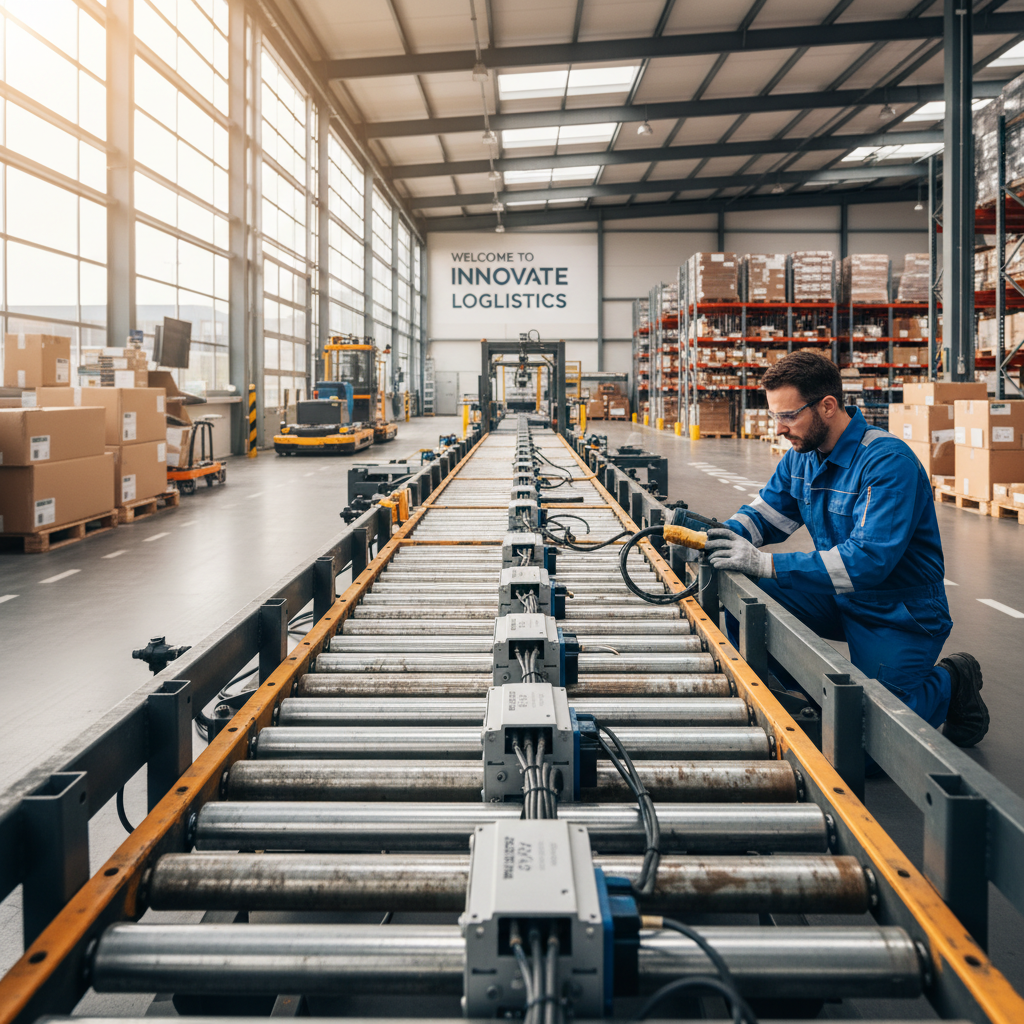
The single most effective upgrade for many roller and belt conveyors is replacing traditional AC motor-driven lines with Motorized Drive Roller (MDR) technology. An MDR is a conveyor roller with an integrated 24V DC motor. Instead of one large motor driving a long section of conveyor, MDRs power small, independent zones. The benefits are immediate:
- Energy Savings: MDR zones only activate when a product is present, reducing electricity consumption by 50-70%.
- Improved Safety: Operating at a low 24V voltage reduces electrical hazards for maintenance staff.
- Reduced Noise: The elimination of drive chains, belts, and large gear motors leads to a significantly quieter warehouse environment, often dropping noise levels below 65 dB.
- Built-in Intelligence: MDRs enable Zero-Pressure Accumulation (ZPA) out of the box, preventing product collisions and damage without complex PLC programming.
Control System Enhancements
The "brain" of your conveyor system offers a huge opportunity for optimization. Many older systems run on outdated PLCs with limited functionality.
Upgrading the PLC
A modern PLC offers faster processing, better diagnostic capabilities, and easier integration with other systems. This allows for more complex routing logic, improved tracking, and quicker troubleshooting, reducing downtime from hours to minutes. Costs for a PLC upgrade can be as low as a few thousand euros but can drastically increase system reliability.
Integrating a Warehouse Control System (WCS)
For SMEs looking to take the next step, a basic WCS acts as a traffic controller between your Warehouse Management System (WMS) and the conveyor hardware. It can manage product flow, provide real-time dashboards of system performance, and make dynamic routing decisions. A WCS unlocks the full potential of your hardware, ensuring a smooth, orchestrated flow of goods. For more on this topic, see our detailed guide on WMS, WCS, and WES integration.
Modular Component Integration
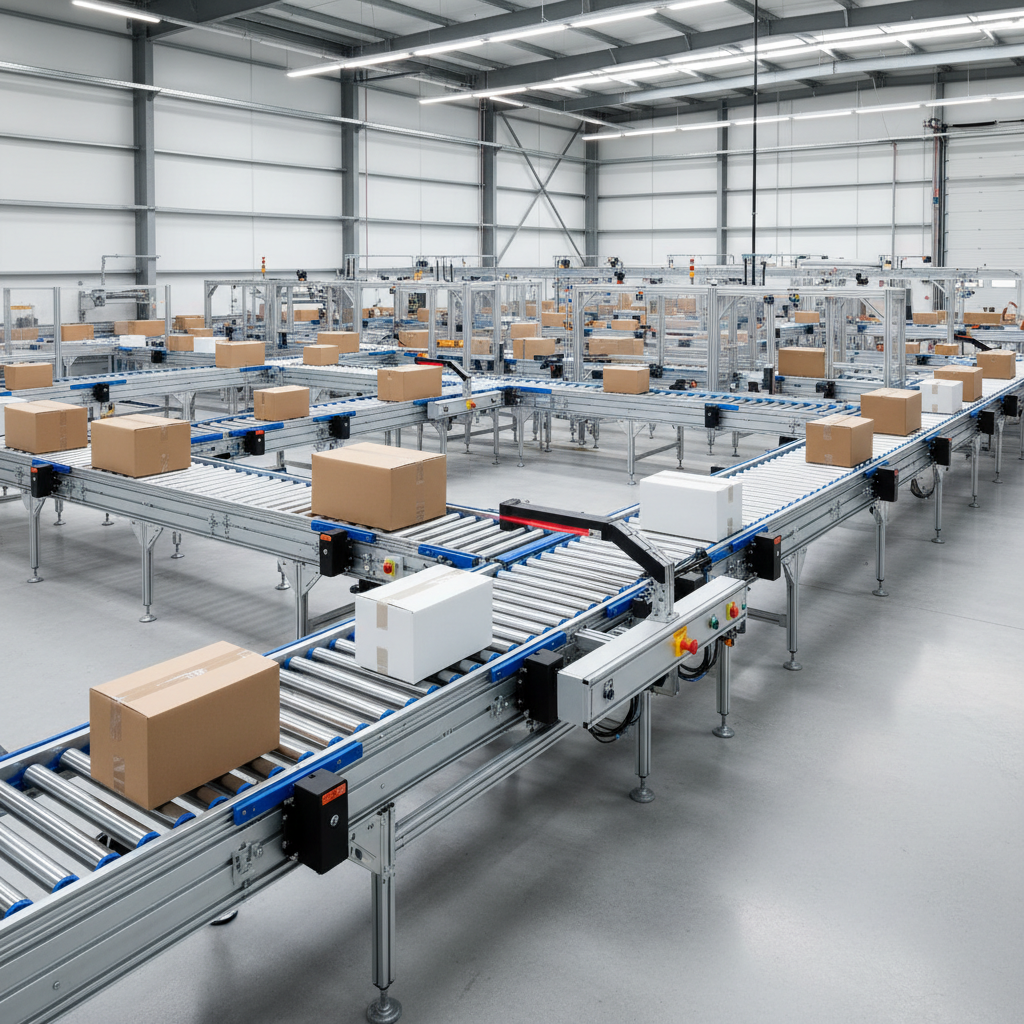
You don't need to replace an entire line to solve a specific problem. Modular conveyor components allow you to insert new functionality exactly where it's needed. A common example is adding a small accumulation conveyor section before a packing or shipping station to buffer products and prevent upstream blockages. This small addition, which can be installed in a few hours, can resolve a major system bottleneck.
Cost vs. Benefit Analysis for SME Conveyor Upgrades
Making an informed decision requires a clear view of the potential costs and expected returns. The table below provides estimates for common upgrades in a Benelux context.
| Upgrade Type | Estimated Cost (Benelux) | Primary Benefit | Typical ROI Period |
|---|---|---|---|
| AC Motor to 24V MDR (10m Section) | €4,000 - €8,000 | Up to 70% energy reduction; ZPA capability. | 18-36 months |
| Basic PLC Modernization | €5,000 - €15,000 | Reduced downtime, improved diagnostics. | 12-24 months |
| Add Modular 5m Accumulation Section | €7,000 - €12,000 | Eliminates specific bottlenecks, increases throughput by 10-20%. | 9-18 months |
| Sensor Suite Upgrade (Photo-eyes) | €1,500 - €4,000 | Improved tracking accuracy, reduced product jams. | 6-12 months |
A Phased Approach to Upgrading
For an SME, managing cash flow is critical. A phased upgrade plan is the most financially sustainable strategy. This involves identifying the most critical areas for improvement and addressing them in a logical sequence.
- Phase 1: The Biggest Bottleneck. Start with the one area that causes the most frequent or longest delays. This might be adding an accumulation zone or upgrading a troublesome curve. The immediate performance gain builds the business case for further investment.
- Phase 2: The Highest ROI. Implement the upgrade with the fastest payback period. This is often an MDR conversion due to the significant and immediate energy savings. These savings can then help fund subsequent phases.
- Phase 3: The Intelligence Layer. Once the hardware is more reliable and efficient, upgrade the control system (PLC/WCS) to unlock data collection, advanced diagnostics, and smarter routing.
Navigating European Standards
Any upgrade must comply with European safety and machinery directives. Key considerations include ensuring all new components have a CE marking, and that the upgraded system as a whole complies with the Machinery Directive 2006/42/EC. This involves a risk assessment to ensure safety measures, such as E-stops and guarding, are adequate. Partnering with a knowledgeable integrator ensures that all modifications are compliant, avoiding legal and safety issues down the line.
Easy Systems: Your Benelux Partner for Smart Conveyor Upgrades
Choosing the right upgrade path requires expertise. It demands a partner who understands not just conveyor technology, but the specific economic and logistical context of the Benelux market. Easy Systems specializes in designing and implementing pragmatic, cost-effective conveyor solutions for SMEs across the region. We don't just sell components; we analyze your existing operations to identify high-impact, affordable upgrade opportunities that deliver a measurable return on investment. Whether it's a targeted MDR conversion to cut energy costs or a modular addition to solve a critical bottleneck, our focus is on maximizing the performance of your current assets. Learn more about our approach and see how we help local businesses thrive at Easy Systems.
This article is part of the Conveyor-Design knowledge hub, edited by Easy Systems engineers who design conveyor and warehouse automation systems across the Benelux every week.
Frequently asked questions
What is the average cost of a simple conveyor upgrade in the Benelux?+
A simple motor or sensor upgrade can start from €1,500 - €5,000, while a more comprehensive controls or modular section upgrade might range from €10,000 to €30,000, depending on complexity.
How long does a typical conveyor upgrade take?+
Minor upgrades can be done in a single day (8-12 hours) to minimize downtime. More significant phased upgrades are planned over several weeks or months, often during off-peak hours.
Can I upgrade a conveyor from a different manufacturer?+
Yes, most modern conveyor components are designed for interoperability. Upgrading motors, rollers, belts, or control systems on existing frames from different manufacturers is a common and cost-effective strategy.