Supply Chain Resilience: How Conveyors Protect Benelux Businesses
In an era of constant disruption, from labor shortages in the Netherlands to port congestion in Antwerp, supply chain resilience is paramount. This article explores how modern conveyor systems provide the flexibility and automation Benelux businesses need to maintain continuity and thrive.
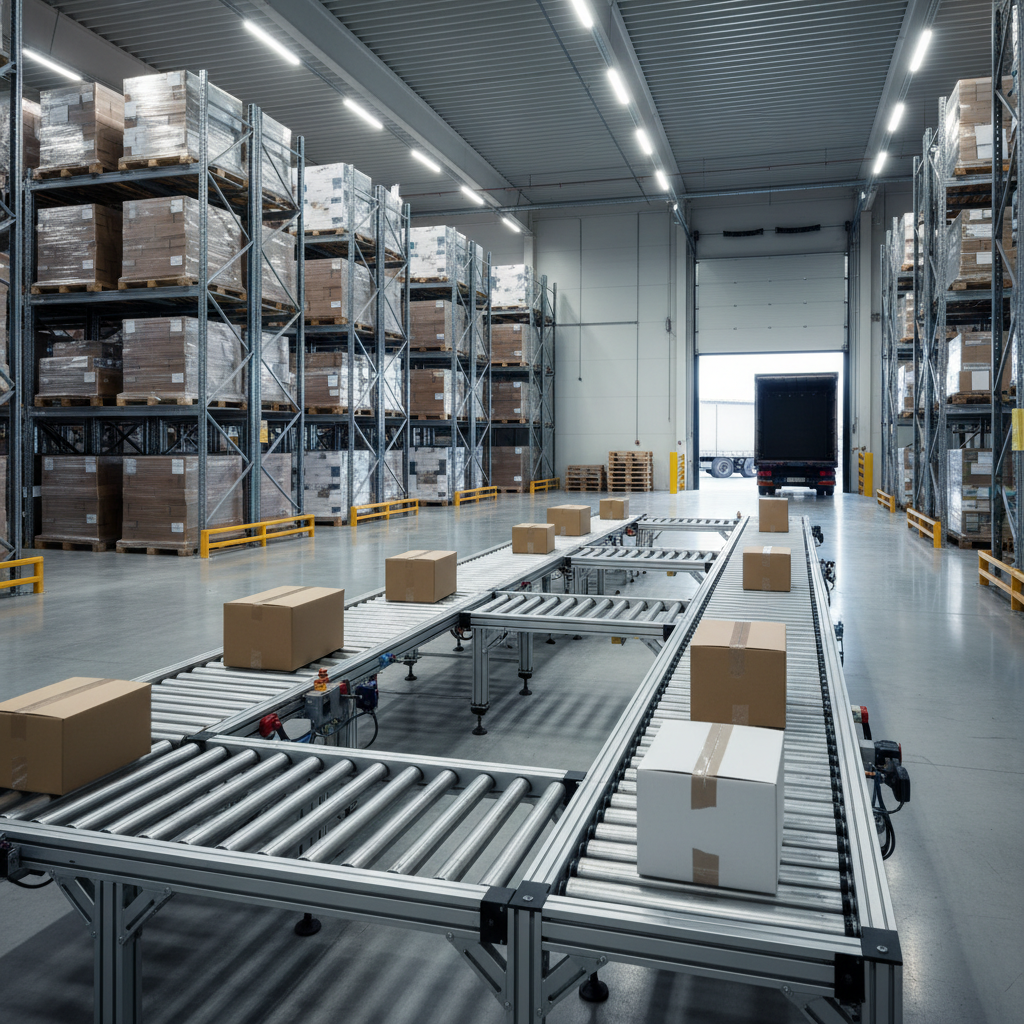
The Benelux region, a pulsating heart of European logistics, faces a unique combination of opportunities and pressures. With world-class ports like Antwerp and Rotterdam, it's a gateway to the continent. However, this strategic position also exposes businesses to significant volatility, from labor shortages and port congestion to sudden demand shifts. For warehouse and logistics managers, building a resilient supply chain is no longer a strategic option—it's an operational necessity. Modern conveyor systems are a cornerstone of this resilience, providing the automated backbone needed to weather any storm.
Definition
Supply Chain Resilience is the capacity of a supply chain to prepare for and adapt to unexpected disruptions, and to recover from them quickly. In the context of a Benelux warehouse, it means maintaining or rapidly restoring material flow, order fulfillment, and shipping capabilities in the face of challenges like labor unavailability, transport delays, or sudden volume spikes.
The Benelux Logistics Landscape: A Perfect Storm of Challenges
Operating a warehouse in Belgium, the Netherlands, or Luxembourg means navigating a complex environment. The region's high population density, coupled with its role as a European distribution hub, creates specific pressures:
- Labor Scarcity & Cost: The Netherlands and Belgium consistently report some of the tightest labor markets in the EU. This makes finding and retaining qualified warehouse staff difficult and expensive, with labor costs often representing 50-60% of a warehouse's operating budget. Any disruption, like a local health crisis, can cripple a manually-operated facility.
- Port Congestion and Delays: While the ports of Antwerp and Rotterdam are models of efficiency, they are not immune to global disruptions. A single delayed vessel can create a bullwhip effect, leading to chaotic inbound flows that overwhelm manual receiving and putaway processes.
- Demand Volatility: Proximity to Europe's most affluent consumer markets means Benelux distribution centers are on the front line of e-commerce trends and promotions. A successful marketing campaign can trigger a 5x or 10x increase in order volume overnight, a surge that manual systems cannot absorb.
- Real Estate Costs: Prime logistics real estate in the Benelux is expensive, placing a premium on space utilization. Inefficient, sprawling layouts designed for manual transport are a significant cost drain.
How Conveyor Systems Directly Counteract Disruptions
An automated conveyor system is not just an efficiency tool; it's a strategic asset for risk mitigation. By automating the flow of goods, it builds resilience directly into the warehouse floor.
Reducing Labor Dependency
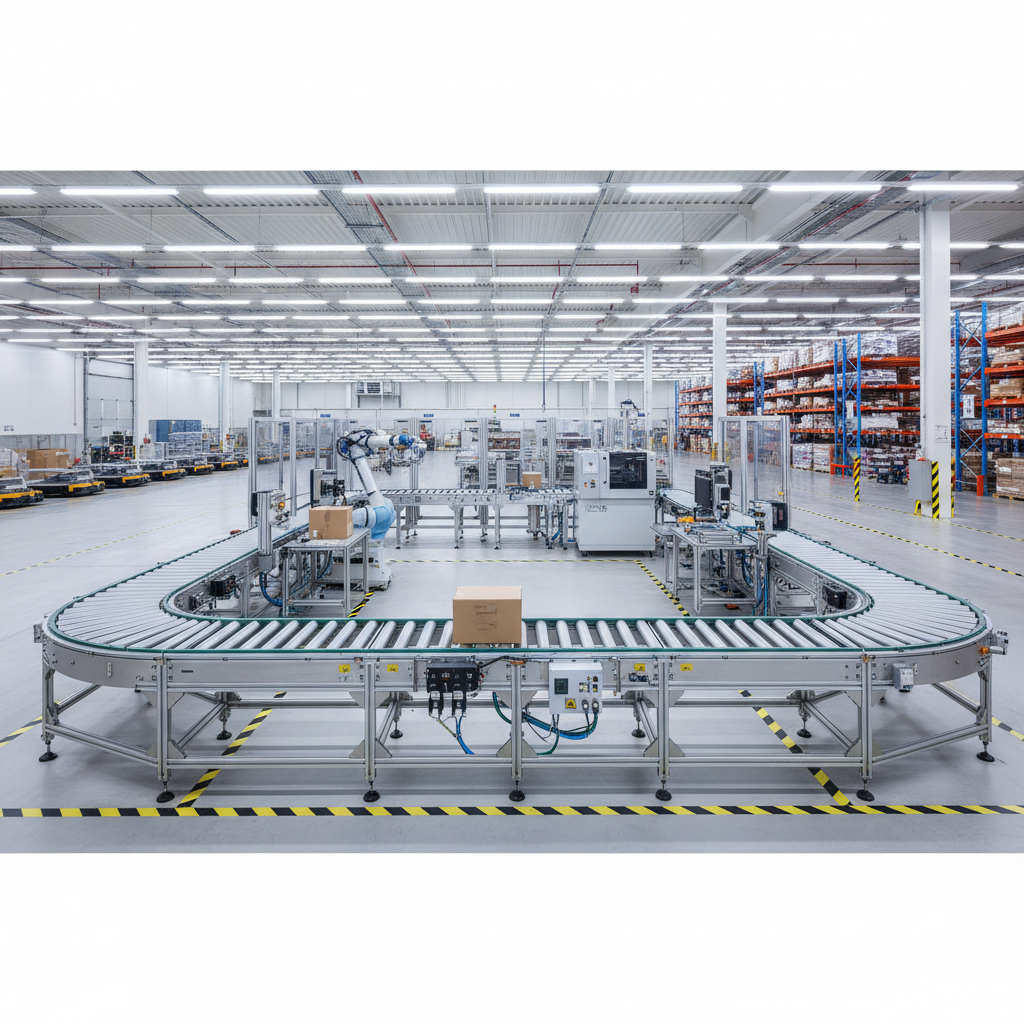
The most immediate benefit is a reduced reliance on manual labor for repetitive transport tasks. A network of belt conveyors and roller conveyors can move thousands of totes, parcels, or boxes per hour, 24/7, without breaks or sick days. This insulates a facility from the impact of labor shortages, allowing it to maintain baseline operations with a smaller, more skilled workforce focused on value-added tasks. A relevant pillar guide to read is our Guide to Roller Conveyors.
Creating Operational Flexibility with Modular Design
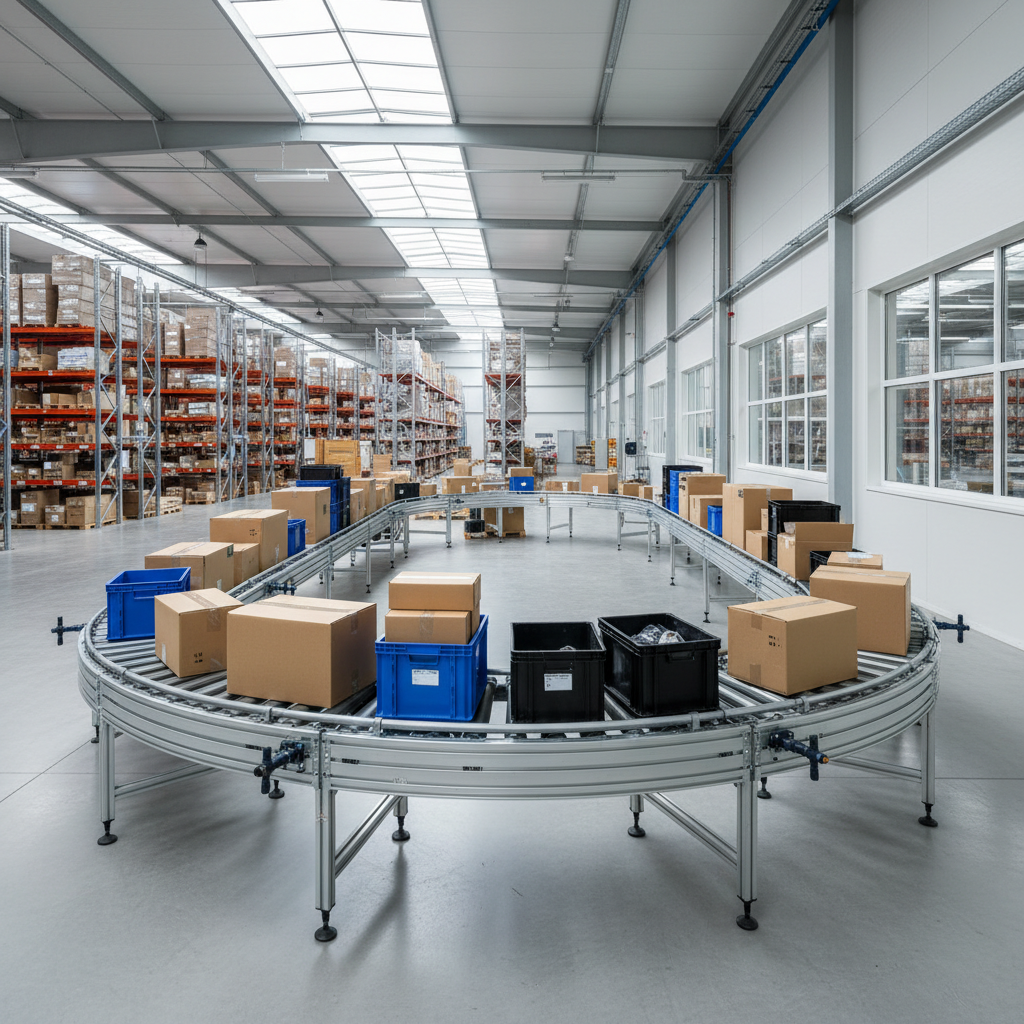
Modern conveyors are highly modular. This "plug-and-play" nature means layouts are no longer static. If a fulfillment strategy changes or a bottleneck emerges, sections can be reconfigured, added, or repurposed in a matter of hours or days, not weeks. This agility allows a Benelux warehouse to pivot quickly, whether it's adapting to a new product line or rerouting flow to bypass a malfunctioning area.
Absorbing Demand Shocks with Accumulation
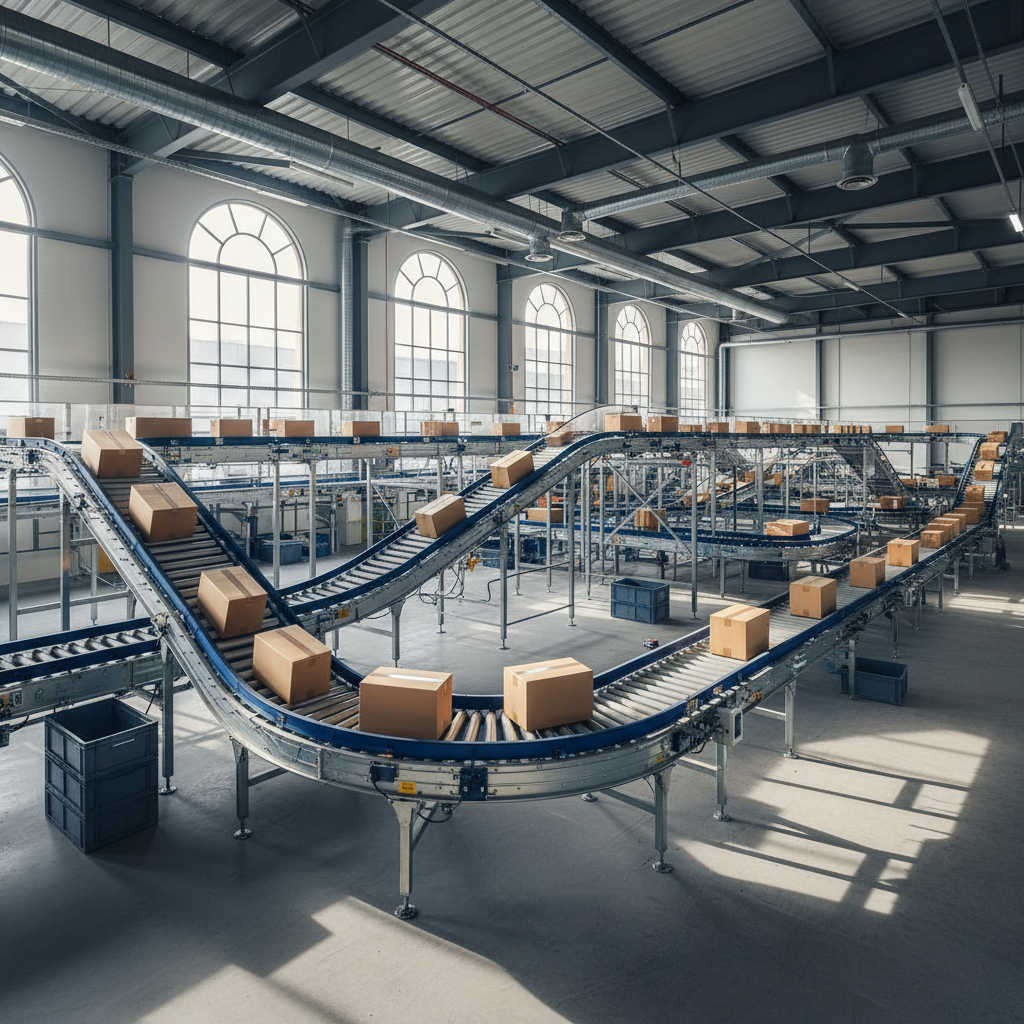
Sudden surges in either inbound supply or outbound orders can cripple a rigid system. This is where zero-pressure accumulation conveyors are critical. They act as a buffer, allowing goods to queue intelligently without contact, preventing damage and pressure build-up. When a picking area is momentarily overwhelmed, the accumulation conveyor holds totes; when a truck is delayed, it can buffer outbound parcels, decoupling upstream and downstream processes and creating a much smoother, more resilient flow.
A Comparative Analysis: Manual vs. Automated Resilience
The difference in resilience between a manual operation and one automated with conveyors becomes stark when measured. Consider a typical 10,000 m² distribution center in the Benelux.
| Metric | Manual Warehouse | Conveyor-Automated Warehouse | Resilience Implication |
|---|---|---|---|
| Peak Throughput (parcels/hr) | ~400 | 2,000 - 5,000+ | Easily absorbs demand shocks without extra labor. |
| Adaptation Time (layout change) | 2-4 weeks | 24-72 hours | Fast response to strategic pivots or new processes. |
| Error Rate (wrong sorts/misses) | 1-3% | <0.01% | Maintains quality and customer satisfaction during crises. |
| Labor Dependency | High (direct correlation) | Low (decoupled) | Insulated from labor market volatility and absenteeism. |
| Cost Per Item Moved (indicative) | €0.15 - €0.25 | €0.03 - €0.07 | Lower operational cost makes the business more financially resilient. |
Integrating Conveyors for Total Visibility: The Role of WCS/WES
True resilience comes from combining automated hardware with intelligent software. A conveyor system integrated with a Warehouse Control System (WCS) or a Warehouse Execution System (WES) transforms a collection of dumb pipes into a smart, responsive network. This software layer provides real-time visibility and control:
- Real-Time Monitoring: Managers can see flow rates, identify emerging bottlenecks on a dashboard, and proactively reroute goods before a major jam occurs.
- Intelligent Routing: The system automatically directs totes and parcels. If a packing station is down, the WES can divert its assigned orders to other active stations, maintaining throughput without human intervention.
- Data for Decision-Making: The data generated by the conveyor system (e.g., items per hour, travel times between zones) is invaluable during a disruption. It allows managers to make informed decisions based on live reality, not guesswork. For more details, our guide on WMS/WCS integration is a great resource.
Choosing Your Conveyor Partner Wisely
Implementing a conveyor system for resilience is a significant investment, with projects ranging from €50,000 for simple lines to over €2 million for complex sorting facilities. The choice of partner is as critical as the hardware itself.
Key Considerations for a Benelux Business:
- Proven European Expertise: The partner must understand European norms, safety standards (CE marking), and the specific challenges of the Benelux market.
- Modularity and Scalability: Insist on solutions that are inherently modular and can grow with your business. Avoid proprietary "black box" systems that lock you in.
- Strong Integration Capabilities: The partner must demonstrate experience in integrating their hardware with a wide range of WMS and WES platforms.
- Local Support: In case of a breakdown—the ultimate disruption—you need fast, local support. A partner with a strong presence in or near the Benelux is non-negotiable.
Easy Systems: Your Partner for a Resilient Supply Chain
In a landscape defined by unpredictability, building a resilient supply chain is the ultimate competitive advantage. Automated conveyor systems are the physical framework of that resilience, providing the speed, flexibility, and reliability to keep goods moving, whatever the circumstances. For companies in the Benelux, they are a strategic imperative to protect operations against the region’s unique pressures and thrive in Europe’s most dynamic logistics environment.
At Easy Systems, we specialize in designing and implementing modular conveyor solutions that build resilience into the core of your operations. With decades of experience in the European market, we understand the nuances of Benelux logistics. We deliver robust, scalable systems—from simple belt conveyors to complex sorting solutions—that give you the control and flexibility to navigate uncertainty. Discover our approach and how we can help you build a more resilient future by visiting us at Easy Systems. We are your trusted partner for creating a robust and future-proof material handling backbone.
This article is part of the Conveyor-Design knowledge hub, edited by Easy Systems engineers who design conveyor and warehouse automation systems across the Benelux every week.
Frequently asked questions
What is supply chain resilience?+
It's a company's ability to prepare for, withstand, and recover from supply chain disruptions, ensuring operational continuity and minimal financial impact. For logistics, this means maintaining material flow despite unexpected events.
How do conveyor systems improve resilience?+
By automating material transport, they reduce reliance on manual labor, increase throughput, and provide the flexibility to adapt to sudden changes in demand or operational constraints, which is critical in volatile markets like the Benelux.
Are modular conveyor systems expensive?+
While the initial investment (CapEx) for modular conveyors, ranging from €15,000 to over €500,000, can be significant, the long-term ROI is substantial. They reduce operational costs (OpEx), improve efficiency, and their scalability prevents costly overhauls, making them a financially sound investment for resilience.