QRM Implementation with Modular Conveyors in the Benelux
Learn how integrating modular conveyor systems is essential for a successful Quick Response Manufacturing (QRM) strategy in the competitive Benelux market, helping to reduce lead times and increase operational flexibility.
In the hyper-competitive logistics landscape of the Benelux, speed is not just an advantage; it’s a necessity. Companies are increasingly turning to Quick Response Manufacturing (QRM) as a strategy to thrive. QRM is a company-wide philosophy aimed at cutting lead times in every facet of an operation. A critical, yet often overlooked, component of a successful QRM strategy is the internal transport system. This is where modular conveyor systems prove to be not just beneficial, but essential.
Definition
Quick Response Manufacturing (QRM) is a time-based strategy that focuses on reducing lead times throughout the enterprise, from order placement to product delivery. Unlike traditional cost-based strategies, QRM prioritizes speed and flexibility to respond to customer demand more effectively, especially in high-mix, low-volume environments.
Why QRM is Critical for the Benelux Market
The Benelux region (Belgium, the Netherlands, and Luxembourg) is one of Europe's most dense and dynamic logistics hubs. Several factors make it a fertile ground for QRM principles:
- High Labor Costs: With labor costs among the highest in Europe (exceeding €40 per hour in some sectors), maximizing efficiency and minimizing non-value-added time is paramount. QRM directly addresses this by focusing on reducing wait times and optimizing workflows.
- E-commerce Density: The region has a mature and demanding e-commerce market. Customers expect rapid, reliable delivery, forcing distribution centers to adopt strategies that can handle high order variability and short delivery windows.
- Strategic Location: Situated as the gateway to Europe, Benelux facilities often serve a wide and diverse market. This requires the agility to handle different product types, packaging, and destination requirements, a core strength of QRM.
By focusing on time, QRM allows Benelux companies to be more competitive, not by being the cheapest, but by being the fastest and most reliable.
The Central Role of Modular Conveyors in QRM
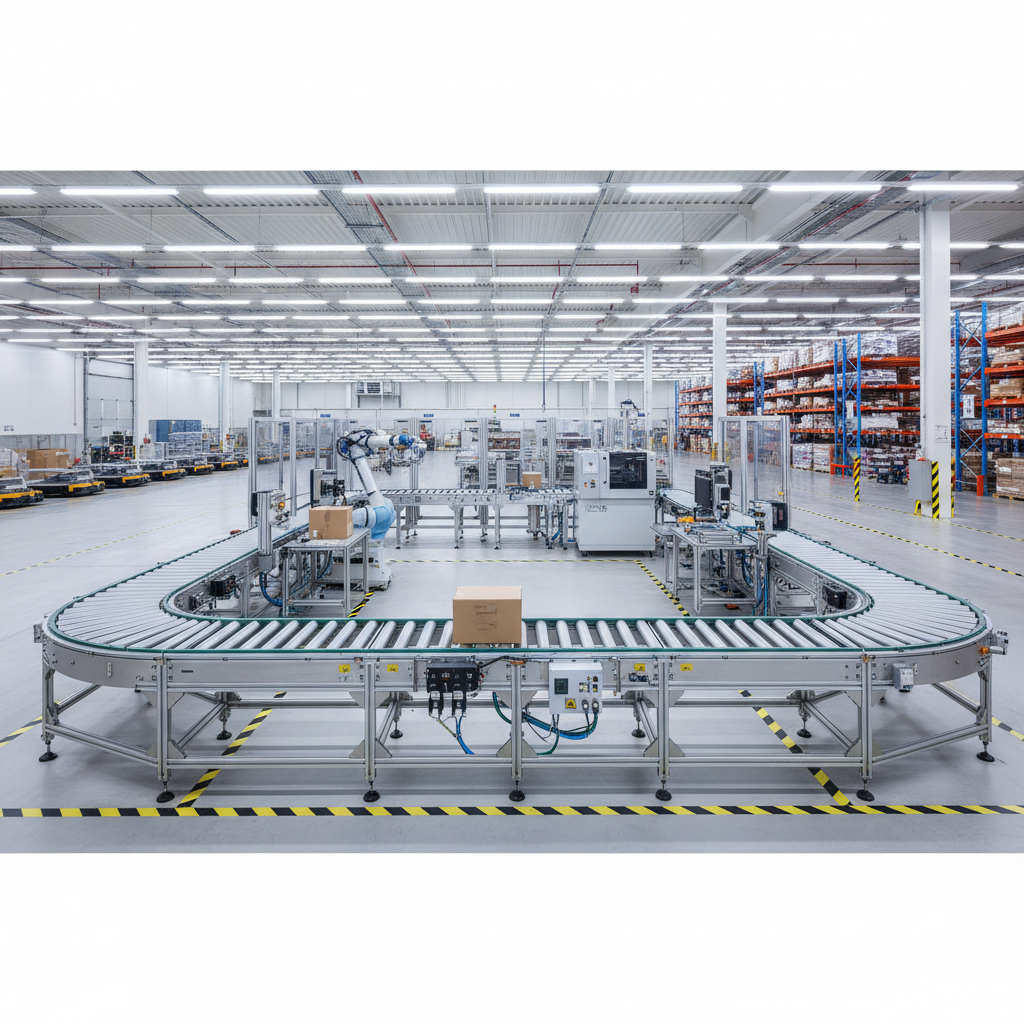
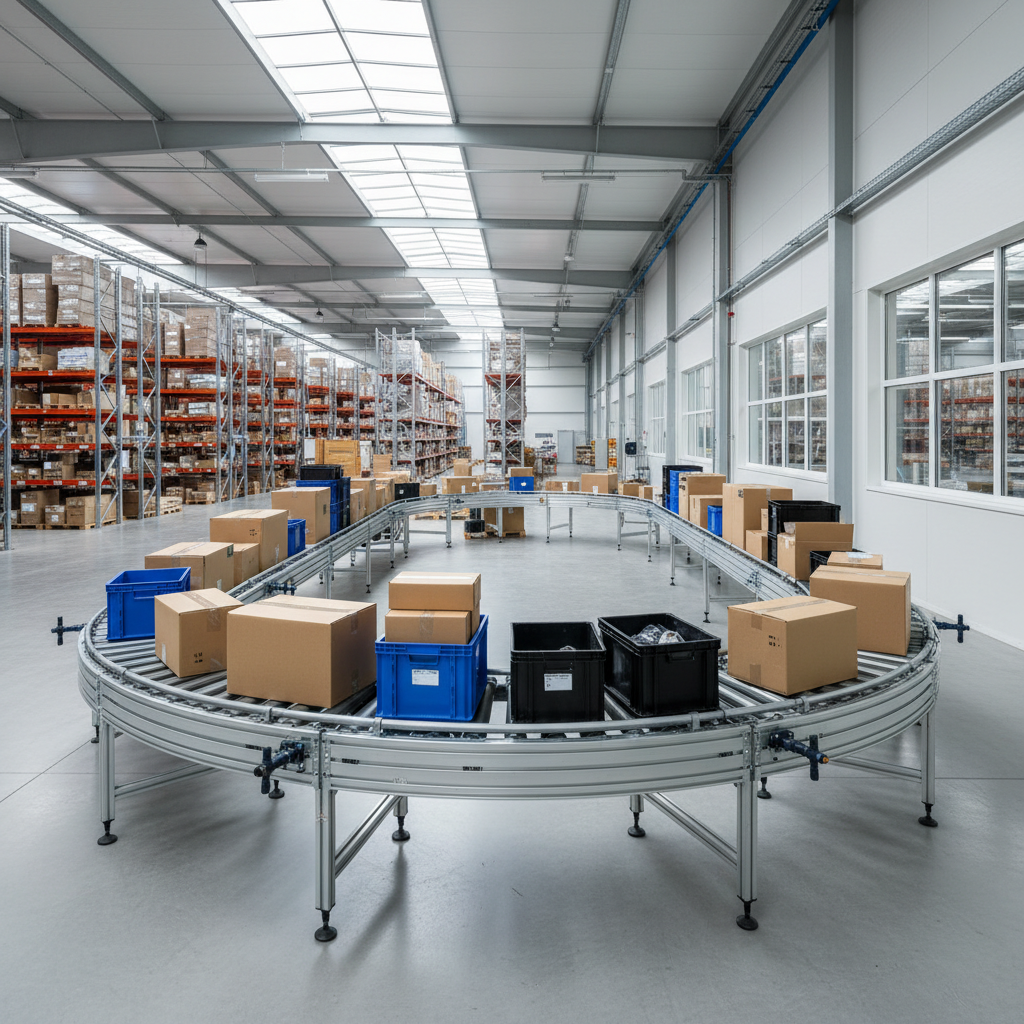
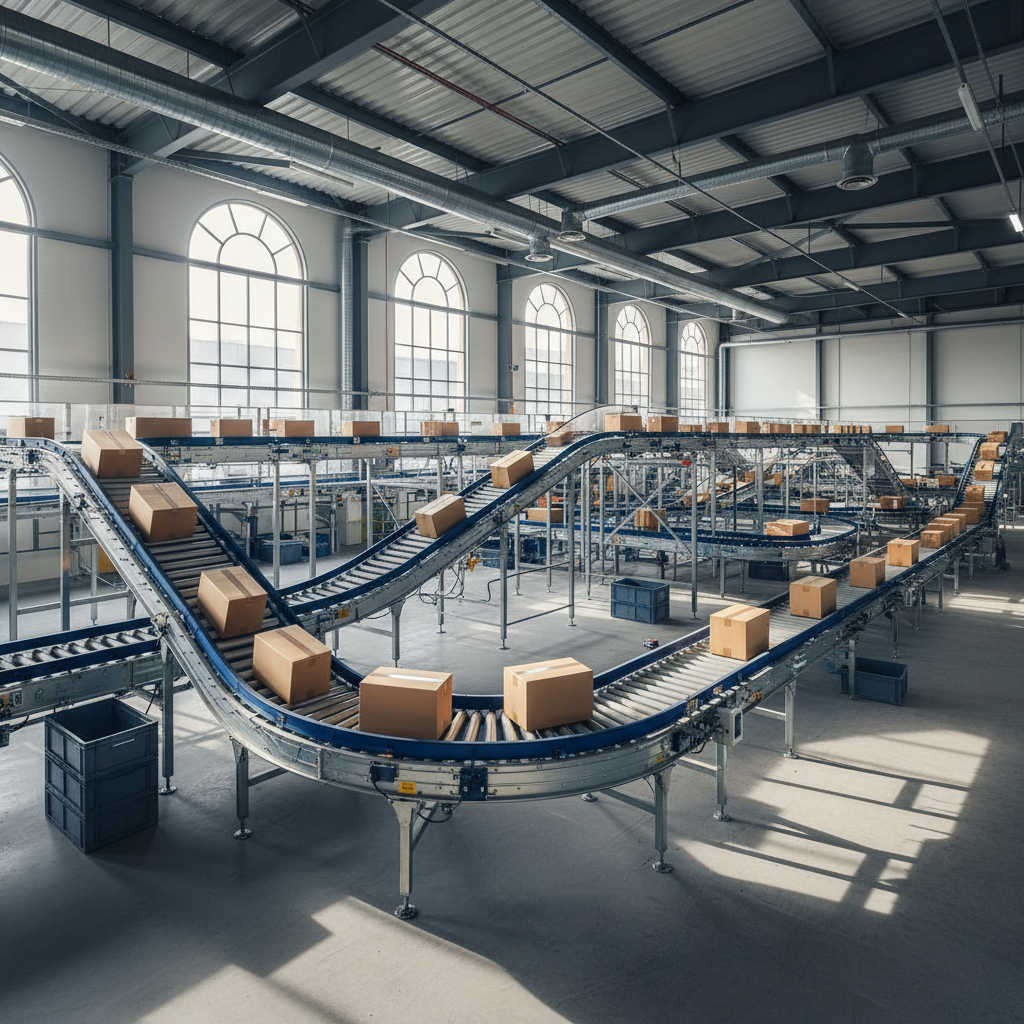
A QRM strategy is only as strong as its weakest link. A rigid, inflexible material handling system can completely undermine efforts to reduce lead times. Modular conveyor systems, by their very design, are the physical backbone of an agile, QRM-driven operation. Their value lies in several key areas:
1. Reconfigurability and Scalability
Market demands change. Product lines evolve. A modular system allows you to adapt your physical layout without a complete overhaul. New modules can be added, sections can be re-routed, and functionality can be changed in a matter of hours or days, not weeks. This is a stark contrast to traditional, welded-frame conveyors that are essentially fixed assets. For a company practicing QRM, this ability to quickly pivot is invaluable.
2. Reduced Installation and Downtime
Modular conveyors are pre-engineered and often feature plug-and-play electrical connections. This drastically reduces installation time. For example, a 50-meter line of modular conveyors might be assembled in a day, whereas a traditional system could take a week. This speed is crucial for minimizing downtime during layout changes.
3. Decentralized Intelligence
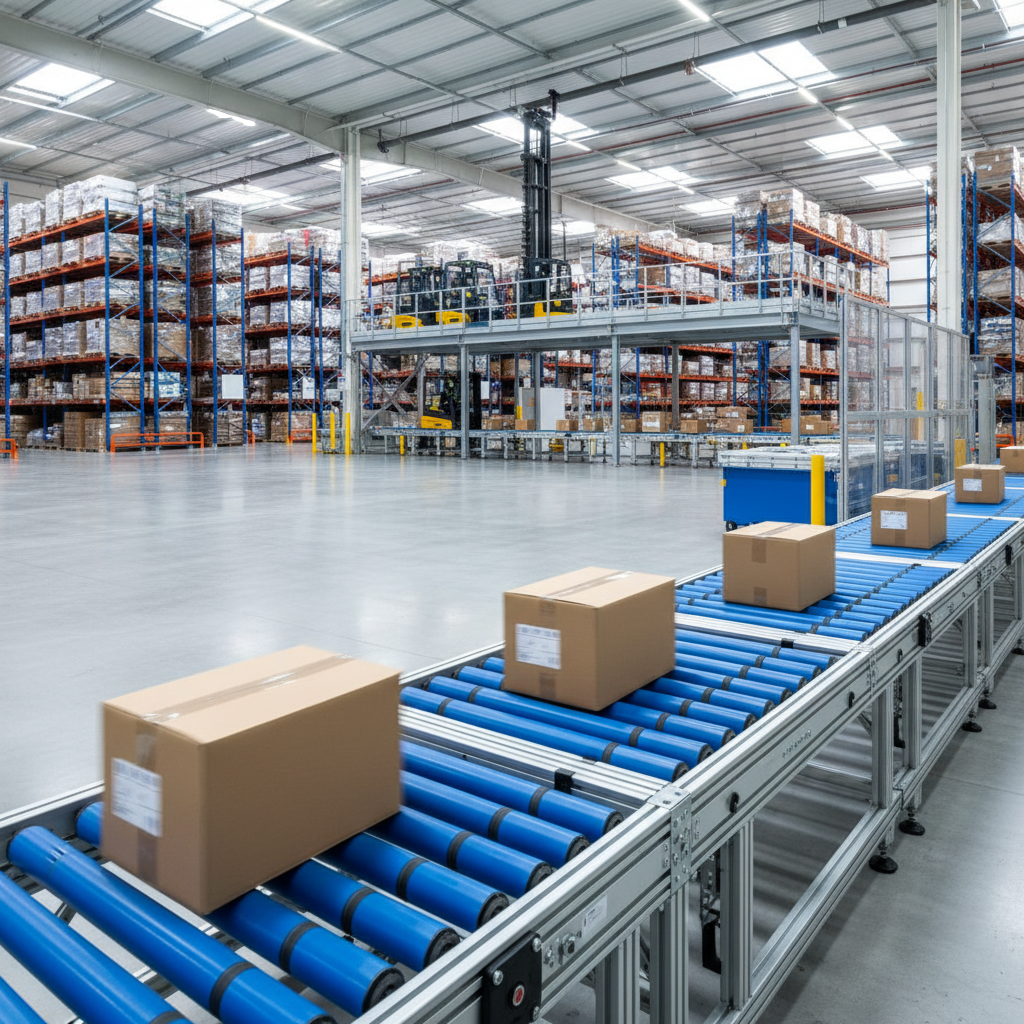
Modern modular systems often incorporate technologies like Motorized Drive Rollers (MDR). Each zone on the conveyor has its own motor and basic logic. This decentralized control allows for more sophisticated and efficient product flow, such as zero-pressure accumulation, which prevents product damage and ensures a smooth, continuous feed to downstream processes like sorting or packing stations. This local control reduces reliance on a single, complex PLC program, making the system inherently more robust and easier to modify.
Comparing Conveyor Technologies for QRM
Choosing the right conveyor is crucial. While many types can be made modular, their suitability for a fast-paced QRM environment varies. The optimal choice depends on the specific application, product characteristics, and required throughput.
| Conveyor Type | Typical Speed | Modularity/Flexibility | Typical Cost (per meter) | Best for QRM in... |
|---|---|---|---|---|
| Modular Belt Conveyor | 0.5 - 1.5 m/s | High | €500 - €1,200 | Handling varied product sizes, inclines/declines, and direct food contact applications. |
| Modular Roller Conveyor (MDR) | 0.2 - 1.0 m/s | Very High | €400 - €900 | Zone-based routing, accumulation, and assembly lines for totes, boxes, or pallets up to 1,500 kg. |
| Traditional Belt Conveyor | 0.8 - 2.5 m/s | Low | €300 - €700 | Long, straight runs with consistent product flow where flexibility is not a primary concern. |
| Chain Conveyor | 0.2 - 0.5 m/s | Medium | €800 - €2,000 | Heavy-duty applications like pallet handling (e.g., in a AS/RS system) where durability is key. |
A Phased Approach to QRM Implementation with Modular Conveyors
Integrating modular conveyors into a QRM framework is a strategic project. Following a phased approach ensures alignment and maximizes a return on investment.
- Manufacturing Critical-path Time (MCT) Mapping: The first step in any QRM project is to map your current process and calculate your MCT. This highlights the biggest sources of wait time and identifies the "grey space" where products are stagnant.
- System Design & Simulation: Based on the MCT map, design a modular conveyor layout that eliminates or drastically reduces these wait times. Use simulation software to validate the flow, test different scenarios, and confirm throughput capacity (e.g., cases per hour).
- Phased Implementation: Start with the most critical bottleneck. Implement a modular solution in one cell or area of your facility. This allows your team to adapt and provides a quick win that builds momentum for the larger project. As companies grow,他們的流程並不總是一起成長. A sustainable growth path requires processes and systems that can scale alongside the business.
- Integration with WES/WCS: For maximum efficiency, the conveyor system must communicate seamlessly with your warehouse software. Integrating with a Warehouse Execution System (WES) or a Warehouse Control System (WCS) enables dynamic routing and real-time decision-making, which is fundamental to QRM.
- Measure and Refine: Track key performance indicators (KPIs). Look for a reduction in lead time, a decrease in Work-In-Progress (WIP) inventory, and an improvement in your On-Time-In-Full (OTIF) delivery rate. Use this data to continuously refine the system.
Choosing the Right Partner for a QRM-Ready System
Implementing a modular conveyor system for QRM is more than just buying hardware. It requires a partner with deep expertise in both material handling and logistics strategy. An ideal partner understands the principles of QRM and can translate them into a physical layout that delivers speed and flexibility. They should be able to assist with everything from initial process analysis to system design, simulation, and post-installation support.
Easy Systems: Your Partner for Agile Conveyor Solutions in the Benelux
At Easy Systems, we specialize in designing and implementing modular conveyor systems that are inherently aligned with Quick Response Manufacturing principles. Our deep understanding of the Benelux market—its challenges and its opportunities—allows us to build solutions that deliver tangible results. We don't just sell conveyors; we engineer agile, future-proof systems that reduce your lead times, increase your flexibility, and give you a decisive competitive edge. From modular roller conveyors for assembly lines to complete sorting systems for e-commerce hubs, we are the trusted partner to make your QRM vision a reality.
This article is part of the Conveyor-Design knowledge hub, edited by Easy Systems engineers who design conveyor and warehouse automation systems across the Benelux every week.
Frequently asked questions
What is the main benefit of QRM?+
The main benefit of Quick Response Manufacturing (QRM) is the drastic reduction of lead times throughout the entire operational process, from order to delivery. This increases an organization's speed, flexibility, and competitiveness.
How much does a modular conveyor system cost in Europe?+
The cost of a modular conveyor system in Europe varies by type and complexity. On average, you can expect prices to range from €400 per meter for simple roller conveyors to over €1,200 per meter for more specialized modular belt or heavy-duty systems.
Can modular conveyors be integrated with our existing WMS?+
Yes, absolutely. Modern modular conveyor systems are designed for integration. They can be controlled by a Warehouse Control System (WCS) or Warehouse Execution System (WES), which acts as an intermediary to your primary Warehouse Management System (WMS), enabling seamless operational control.