Optimizing Conveyor Systems for Cold Chain Logistics in the Benelux
Maintaining the integrity of the cold chain is critical in the dense logistics landscape of the Benelux. This article explores how to select, design, and optimize conveyor systems for temperature-controlled environments, ensuring product safety and operational efficiency.
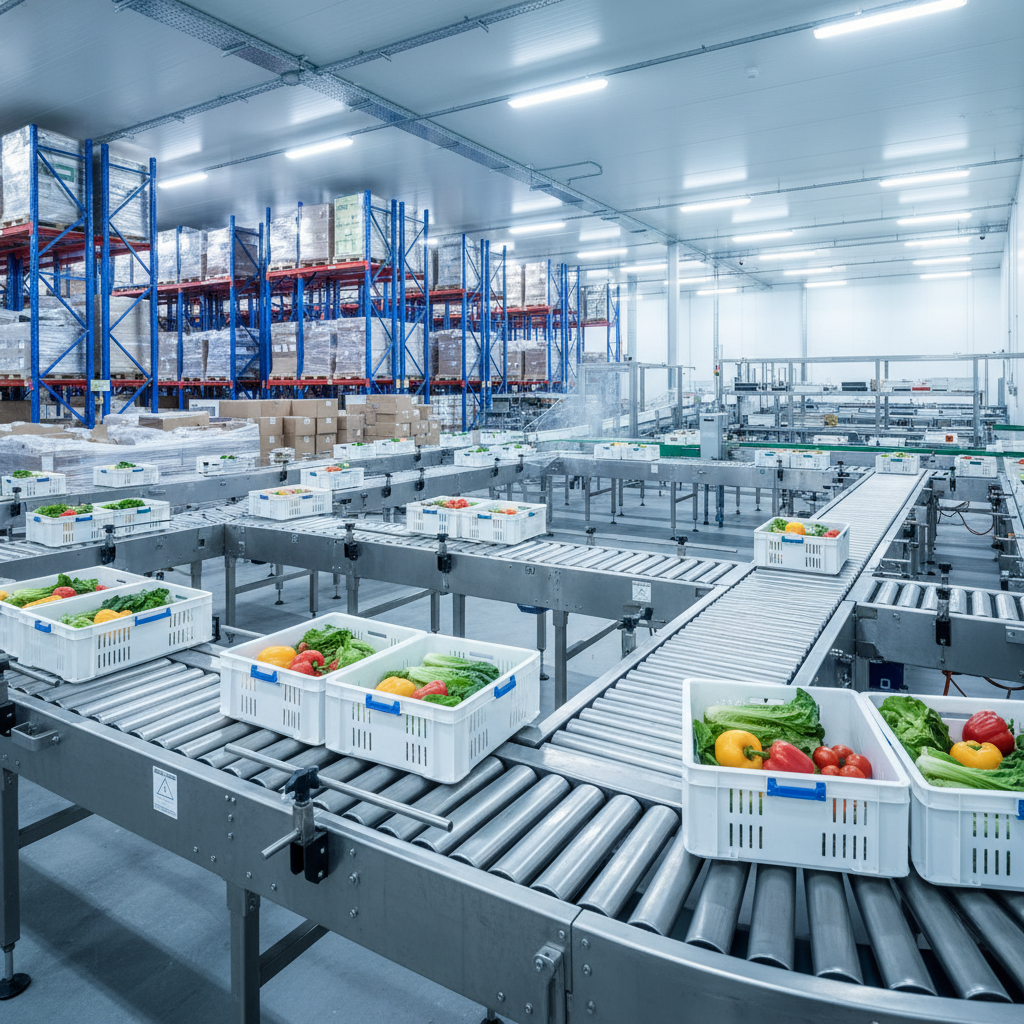
In the fast-paced logistics landscape of the Benelux, with its high concentration of ports and distribution hubs, maintaining an unbroken cold chain is not just a competitive advantage—it's a regulatory necessity. For businesses handling everything from fresh produce to pharmaceuticals, the conveyor system is the backbone of the warehouse, and its performance in a refrigerated environment is critical. Optimizing these systems for cold chain logistics presents a unique set of engineering challenges where material science, energy efficiency, and regulatory compliance intersect.
Definition
A cold chain conveyor system is a specialized material handling solution designed to transport temperature-sensitive goods within a controlled, low-temperature environment (from +10°C down to -30°C) without compromising product integrity or safety. These systems use specific materials and components rated for sub-zero operation to guarantee uptime and hygiene.
The Unique Challenges of Cold Chain in the Benelux
Operating a cold chain warehouse in Belgium, the Netherlands, or Luxembourg involves more than just low temperatures. The region’s climate, with its high average humidity, creates a constant threat of condensation and ice formation on equipment when moving between different temperature zones. This can cause belt slippage, sensor errors, and accelerated corrosion. Furthermore, the proximity to major ports like Rotterdam and Antwerp means facilities often handle a high volume of imported goods, demanding rapid dock-to-stock times to maintain temperature integrity upon arrival. The pressure is on to move products weighing from a few kilograms to heavy pallet loads quickly and safely through refrigerated spaces that are expensive to build and operate.
Core Components of a Cold Chain Conveyor System
A standard conveyor is not built to withstand the rigors of a cold environment. Key components must be carefully selected:
- Frame and Supports: Stainless steel (Grade 304 or 316 for highly corrosive environments) is the material of choice. It offers excellent corrosion resistance, durability in low temperatures, and is easy to clean, which is crucial for meeting food safety standards. Galvanized steel may be a lower-cost alternative for less critical areas but is more susceptible to long-term corrosion.
- Conveying Medium: For food products, FDA-approved modular plastic belts made from polyethylene (PE) or polyoxymethylene (POM) are ideal. They can operate in temperatures down to -40°C, offer various surface textures for grip, and are easy to repair by replacing individual modules. For packaged goods, specialized low-temperature PVC belts or robust roller systems are effective.
- Motors and Drives: Motors must be rated for low-temperature operation (e.g., Class F insulation). Often, they are placed outside the refrigerated zone, with the drive shaft passing through an insulated wall. An increasingly popular solution is the use of 24V DC Motorized Drive Rollers (MDR), which generate minimal heat and can be safely used inside the cold zone.
- Sensors and Electronics: All electronic components, including photo-eyes and the PLC, must have an appropriate IP rating (IP65 or higher) and be specified for low-temperature use to prevent failure from condensation.
Conveyor Types and Their Cold Chain Suitability
Choosing the right conveyor type depends entirely on the product, required throughput, and the specific temperature zone. A misapplication can lead to damaged products, system downtime, and increased energy expenditure. For roller conveyor applications, our comprehensive Roller Conveyor Guide provides in-depth specifications.
| Conveyor Type | Typical Use Case | Operating Temp. Range | Speed | Avg. Cost (€/meter) |
|---|---|---|---|---|
| Stainless Steel Roller Conveyor | Boxes, totes, cartons, pallets | -30°C to +10°C | 0.2 - 1.5 m/s | €600 - €1,200 |
| Modular Plastic Belt Conveyor | Direct food contact, irregular shapes, incline/decline | -40°C to +40°C | 0.2 - 0.8 m/s | €800 - €1,500 |
| Stainless Steel Chain Conveyor | Pallets, heavy unit loads, drums | -25°C to +5°C | 0.1 - 0.5 m/s | €1,100 - €2,000 |
| Spiral Conveyor | Vertical transport between floors, buffering | -25°C to +10°C | Up to 1.0 m/s | €25,000+ (per unit) |
Energy Efficiency and Cost Management
Refrigeration is one of the largest operational expenses in a cold chain facility, often accounting for over 60% of the electricity bill. Any heat generated by machinery must be removed, increasing the load on the cooling system. This is where system design becomes critical for cost management.
Using MDR technology is a significant advantage. These 24V rollers only consume power when products are being transported (on-demand operation), reducing energy consumption by up to 50% compared to traditional AC motor-driven conveyors that run continuously. Furthermore, they introduce very little heat into the environment. Properly insulating conveyor passages between different temperature zones with high-speed doors or strip curtains is also essential to prevent energy loss.
Regulatory Compliance and Handling Standards
In the Benelux, conveyor systems used for food and pharmaceuticals must comply with a web of stringent regulations, primarily driven by EU standards. The Hazard Analysis and Critical Control Points (HACCP) system is a key framework for food safety. This mandates that equipment must be designed for easy and thorough cleaning to prevent microbial contamination. This means no sharp corners, exposed threads, or hollow spaces where water and bacteria can accumulate. All materials in direct food contact must be certified food-grade.
For pharmaceuticals, Good Distribution Practice (GDP) guidelines require strict temperature monitoring and product traceability throughout the handling process. This is where integration with higher-level software becomes non-negotiable. As companies grow, their processes must evolve to meet these demands, a challenge we often see in the market. You can read more about how scaling businesses can adapt their processes on our partner site.
Integration with Warehouse Management Systems (WMS)
To ensure GDP and HACCP compliance, modern cold chain conveyors must be tightly integrated with a Warehouse Control System (WCS) or Warehouse Management System (WMS). This integration allows for:
- Real-Time Traceability: Tracking every item by its barcode from entry to exit, along with time-stamped temperature data.
- Automated Routing: Directing products to the correct temperature zone (e.g., chilled, frozen) or to quality control based on sensor inputs.
- Alerting and Alarms: The WMS can trigger an alarm if a product remains stationary on the conveyor for too long or if a temperature deviation is detected in a zone.
Maintenance in a Sub-Zero Environment
Maintenance for cold chain conveyors requires a proactive approach. Lubricants must be specially formulated for low temperatures to avoid freezing. Regular inspections should focus on belt tensioning (as materials contract in the cold), checking for ice build-up around bearings and rollers, and ensuring seals on motors and gearboxes are intact. Predictive maintenance, using sensors to monitor motor vibration and temperature, can help identify potential failures before they lead to costly, unplanned downtime in a challenging work environment.
Easy Systems: Your Partner for Cold Chain Conveyor Solutions
Designing and implementing a conveyor system for cold chain logistics is a complex task with no margin for error. At Easy Systems, we are experts in engineering robust and efficient material handling solutions for temperature-controlled environments across the Benelux and Europe. We understand the unique interplay between material science, energy consumption, and regulatory demands. By focusing on smart design, high-quality components like stainless steel and MDR technology, and seamless software integration, we deliver systems that protect your products, reduce your operational costs, and guarantee compliance. We don't just sell conveyors; we build the trusted arteries of your cold chain operation.
This article is part of the Conveyor-Design knowledge hub, edited by Easy Systems engineers who design conveyor and warehouse automation systems across the Benelux every week.
Frequently asked questions
What is the biggest challenge for conveyors in a cold environment?+
The primary challenge is material brittleness and component failure. Standard plastics and metals can become brittle at sub-zero temperatures, leading to cracks and breakdowns. Additionally, condensation can cause belts to slip and electronics or mechanical parts to corrode or freeze.
How much more expensive is a cold chain conveyor system?+
A conveyor system designed for cold chain logistics can be 20-40% more expensive than a standard system due to the need for specialized materials (e.g., stainless steel), low-temperature rated motors and electronics, and additional insulation. However, this initial investment is offset by lower maintenance and energy costs over the system's lifespan.
How does MDR technology help in cold storage?+
24V Motorized Drive Roller (MDR) technology is highly beneficial in cold storage for two main reasons. First, it operates on a run-on-demand basis, meaning it only consumes energy when a product is present, which can cut electricity usage by up to 50%. Second, it generates significantly less heat than traditional AC motors, reducing the load on the refrigeration system and further lowering energy costs.